Context
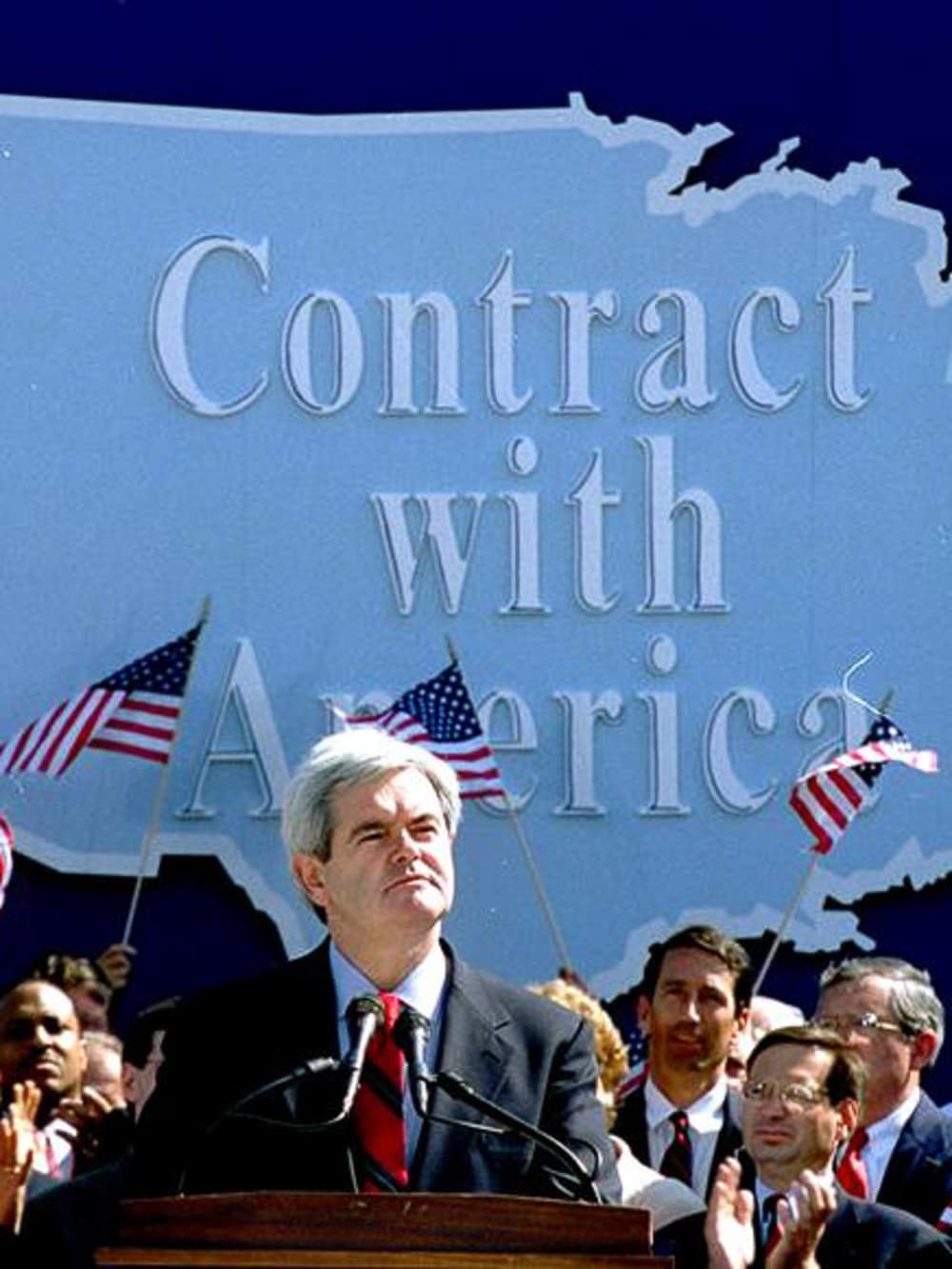
Democrats had controlled congress for 40 years. Bill Clinton was president. Republicans wanted to ensure that the “Reagan revolution” of defining a principled conservative party would continue and win. Speaker of the House Newt Gingrich worked with the Heritage Foundation to define an actionable set of goals that were generally popular with the people. He and all Republican Congressional candidates agreed to pursue this detailed policy platform in the first 100 days of the new congress when elected. Republicans won a stunning midterm election victory and passed 9 of the 10 bills in the house of representatives. Historians, journalists, politicians and analysts largely agree that the Gingrich “Contract with America” is the third step in the reestablishment of a conservative Republican party, following Goldwater’s failure and Reagan’s win.
The Content
- Congress is subject to national laws. Passed almost unanimously. Anti-congress. Anti-Washington. Nothing burger. Congressional Accountability Act of 1995 – Wikipedia
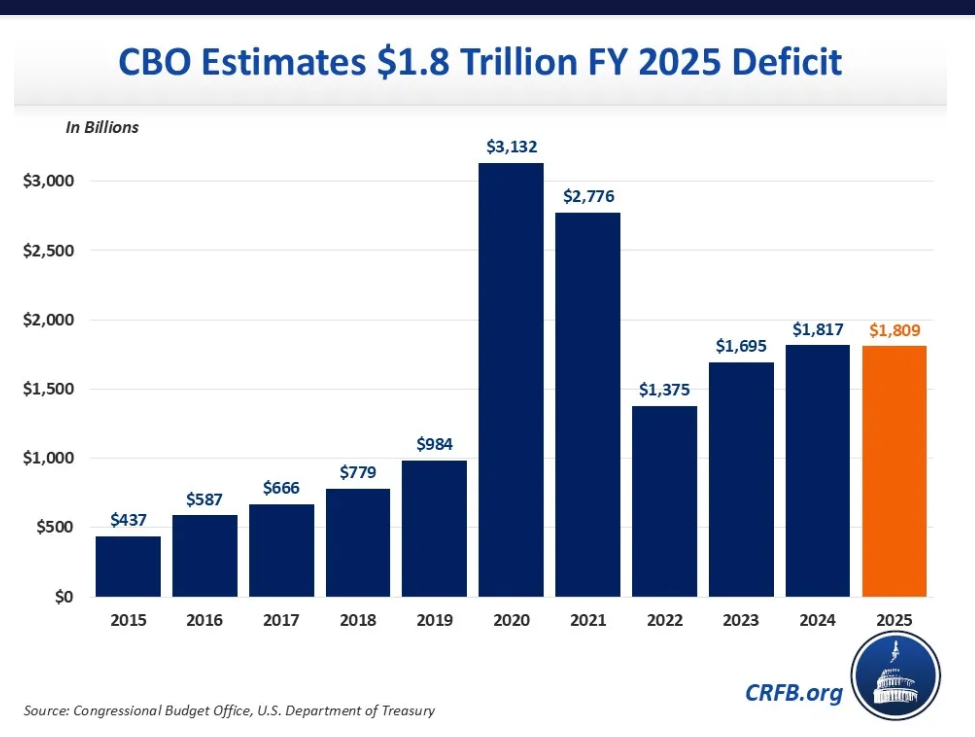
- Constitutional amendment requiring a balanced budget. Failed. Great politics. Bad economics. Not followed by the party for the next 30 years. Helped to establish “fiscal conservatism” as a motivational anchor of the party.
- “Take back our streets” anti-crime legislation passed. Required minimum sentences, death penalty, prison construction, law enforcement funding, and state block grants. Fear is great politics. Democrats like Clinton and Biden then supported what is now widely seen as overreach and racially disproportionate law. 20 Years Later, Parts Of Major Crime Bill Viewed As Terrible Mistake : NPR
- Welfare reform passed. Clinton supported this as part of the “third way”. Reduced funding and limited access to those who were not “qualified”. Many say this was a needed rebalancing of support versus costs, abuse and disincentives. Others argue it was unnecessary, restricting access to people in need. Critics also say that this “deal” did not stop ongoing criticisms of “unfair access” to benefits. Personal Responsibility and Work Opportunity Reconciliation Act of 1996 – Wikipedia
- “Pro-family” policies did not pass. Family/child tax credits, marriage penalty tax rates and new savings accounts. Useful politics, painting the opposition as radical extremists.
- National security policies weren’t adopted. Missile defense investments, increased defense spending, more NATO nations, US troops never under UN command.
- Securities tort reform passed. Frivolous lawsuits were undermined. Private Securities Litigation Reform Act – Wikipedia
- “Jobs and Wages Act” misnamed and not approved. Unfunded mandates law to limit federal directives to states without funding was passed. Unfunded Mandates Reform Act of 1995 – Wikipedia Freeze on regulations, reimbursement for federal “takings’ of property and required cost/benefit analysis were not passed. Small potatoes, purposely.
- Constitution changing congressional term limits were not passed.
- Presidential line-item veto was passed but ruled unconstitutional by the Supreme Court.
- Lower capital gains tax rates were rejected but later approved as part of a compromise bill. Taxpayer Relief Act of 1997 – Wikipedia Again, Clinton’s “third way” embraced capitalism, growth and trade as positive forces for the country. Republicans had effectively changed the framing of economic debates.
- Government spending and department reductions and eliminations did not pass.
- Net, net. Anti-crime and welfare reform laws passed.
Why So Important?
- Republicans captured congress, convincingly. It may have been due to the usual midterm swing or Bill Clinton’s unpopularity or Hillary Clinton’s health care proposals. The win was large.
- This was a constructive approach to politics. Say what you believe. Deliver. It worked this time. It appealed to new and older generations who increasingly appreciated authenticity.
- “Government” was reframed in negative terms. Clinton capitulated. “the era of big government is over”.
- “Welfare” was reframed from a social obligation to care for the downtrodden to an expense to be minimized and an obligation to prevent any unfair payments.
- Legitimized the use of farcical bill names.
- Nationalized politics. National issues and platforms are all. Local issues, interests, capabilities and character don’t matter.
- Demonstrated the power of negative politics and sound bites. Anti-government. Big government. Bureaucracy. Anti-Washington. Anti-Congress. Anti-corruption. Anti-crime. Anti-fraud. Tax cuts. Balanced budget. Tax cuts. Welfare reform. Socialized medicine. Anti-bureaucrat. Taxation is theft. Anti-state. Limited government. Liberty. Anti-regulation. Anti-waste.
- New federalism, delegating decisions and funding to states. A clever way to reduce federal spending and taxes. A way for national politicians to claim victory.
- Temporarily focused politicians of both parties towards a balanced budget.
- Reinforced the Reagan concept of “conservatism” as a consistent guiding principle for economics, culture and international affairs.
- Defined issues in extreme, black and white terms, leading to political polarization.
- Supported the transition of Southern Democrats to the Republican party.
- Legitimized an “ends justify the means” view of politics.
Summary
Newt Gingrich understood that politics is about emotions. He elevated emotional issues by framing them in “black versus white” terms. This helped both parties to more clearly define and communicate their core beliefs. The “Contract with America” provided Republican candidates with a consistent, poll-tested policy platform. It was politically very successful in 1994. It framed politics for the next generation. It didn’t deliver much in terms of policy and laws. Cleaner congress, less bad welfare policy and administration, some crime reducing laws, securities law reform. Framing and messaging are most important.
Contract with America – Wikipedia
The Contract with America: Implementing New Ideas in the U.S. | The Heritage Foundation
The 1994 Midterms: When Newt Gingrich Helped Republicans Win Big | HISTORY
Whatever Happened to the Contract with America? – Imprimis
Contract with America | Center for the Study of Federalism
The Reagan Revolution and Gingrich’s Contract | American Enterprise Institute – AEI
The Contract with America: The Power of a Positive Message | The Ripon Society
The contract with America’s legacy – Roll Call
Gingrich’s Time Bomb: The Consequences of the Contract – The American Prospect
Contract Revisited | Cato Institute
Requiem for a Republican Revolution | Economic Policy Institute