
Google AI 9/29/26:
Assessments of the morally worst actions of President Donald Trump vary significantly depending on political, legal, and ethical frameworks. Critics, watchdog groups, and political opponents frequently point to actions they argue undermined democratic norms, human rights, and the rule of law. Conversely, supporters often defend these same actions as necessary disruptions of the political establishment or as lawful policy decisions.
The primary categories of actions that are most frequently cited as serious moral and ethical failures by critics and oversight organizations include:
1. Challenges to Democratic Processes and the Transfer of Power
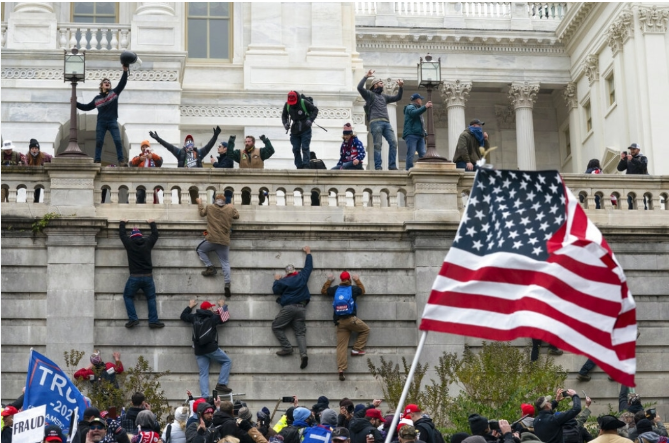
- The Events of January 6, 2021: Critics, including the bipartisan House January 6th Committee, argue that Trump’s repeated, unsubstantiated claims of a “rigged” 2020 election and his pressure on election officials constituted a profound moral violation of the constitutional oath. His rhetoric surrounding the January 6 Capitol riot is widely condemned by opponents for inciting violence and disrupting the peaceful transfer of power. [1, 2]
- Pardoning of Political Allies and Insurrectionists: Watchdog groups like Citizens for Responsibility and Ethics in Washington (CREW) criticize his use of presidential pardon power to excuse political loyalists, financially beneficial allies, and individuals convicted in connection with the Capitol riot, arguing it subverts the principle of equal justice under the law. [3, 4]
2. Human Rights and Immigration Policies
- Family Separation Policy: The 2018 “Zero Tolerance” immigration policy, which resulted in the separation of thousands of migrant children from their parents at the southern border, was widely condemned by civil rights organizations, religious leaders, and international bodies as a severe humanitarian and moral failure. [5]
- Civil Rights Rollbacks: Advocacy groups, such as the Leadership Conference on Civil and Human Rights, point to the restriction of transgender individuals serving in the military, the scaling back of federal diversity and inclusion initiatives, and the implementation of travel bans targeting majority-Muslim nations as actions that marginalized vulnerable populations. [6]
3. Financial Conflicts of Interest and Self-Enrichment
- Emoluments and Personal Profiteering: Throughout his time in office, Trump retained ownership of his global business empire. Organizations like CREW and various lawmakers argue that hosting foreign dignitaries and domestic political events at Trump-branded properties violated the Constitution’s Emoluments Clauses and allowed him to personally profit from the presidency.
- Promoting Private Business via Official Policy: Critics point to instances where the administration’s policies—ranging from cryptocurrency regulations to foreign relations—overlapped with the commercial interests of the Trump family or prominent campaign donors, characterizing these actions as systemic corruption. [4, 5, 7, 8, 9, 10]
4. Undermining Institutional Norms and the Rule of Law
- Politicization of Federal Agencies: Opponents argue that efforts to reclassify career civil servants (such as through “Schedule F” or “Schedule G” classifications) to make them easier to fire and replace with political loyalists undermine the integrity and neutrality of the federal government.
- Interference in Justice Department Investigations: Trump’s public attacks on inspectors general, the firing of FBI Director James Comey, and pressure placed on the Department of Justice regarding investigations into his campaign and administration are frequently cited by legal scholars as abuses of executive power. [5, 6, 8, 11]
The Counter-Perspective
Supporters of President Trump strongly reject these moral framing efforts. They argue that his actions were aimed at dismantling a corrupt political establishment (“the swamp”), protecting American sovereignty, and delivering on promises made to his voters. From this perspective, challenges to election results were viewed as a legitimate pursuit of election integrity, aggressive border policies were seen as a necessary defense of national security, and his business arrangements were defended as entirely lawful components of his pre-existing career as a private citizen.
[1] https://www.hks.harvard.edu
[2] https://www.citizensforethics.org
[4] https://www.citizensforethics.org
[5] https://www.citizensforethics.org
[7] https://www.warren.senate.gov

