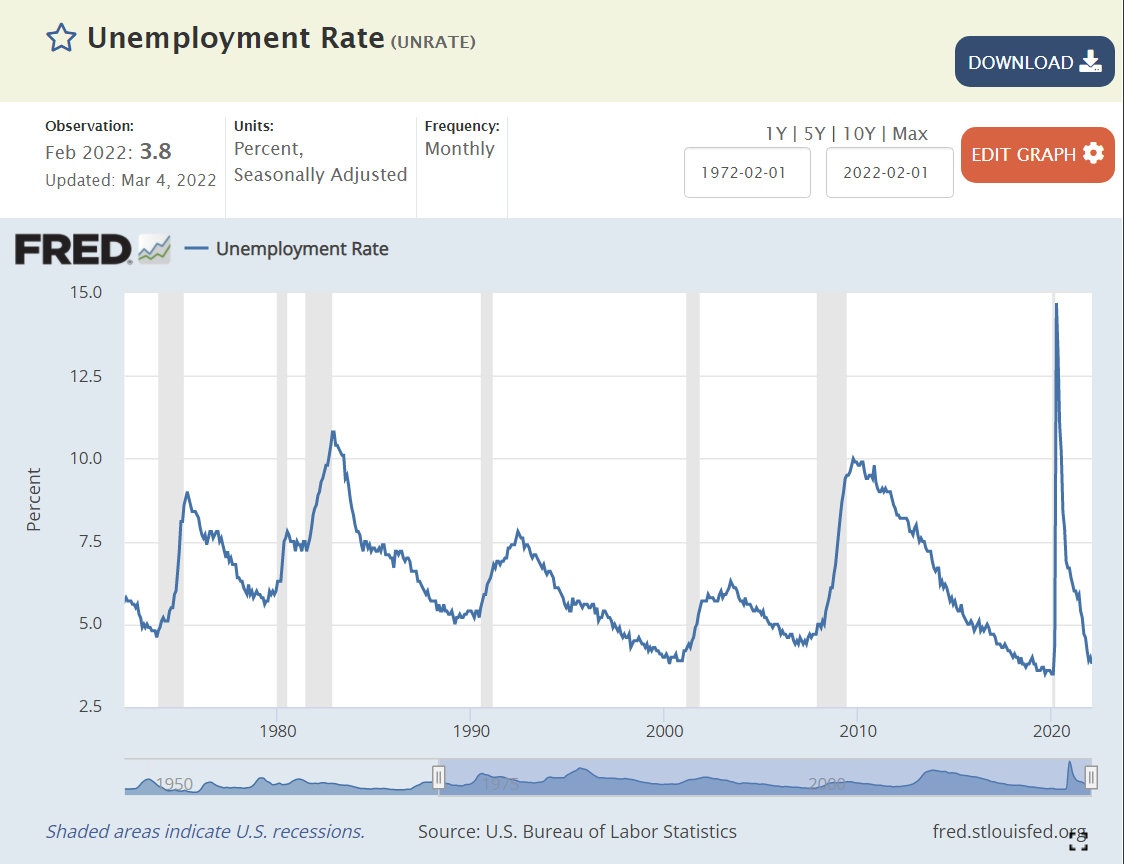
In the last 50 years, the last 600 months, the US unemployment rate has been below the current 3.8% for just 9 months (less than 2% of the time).
This is less than 2 years after the rate hit a modern HIGH of 15%.
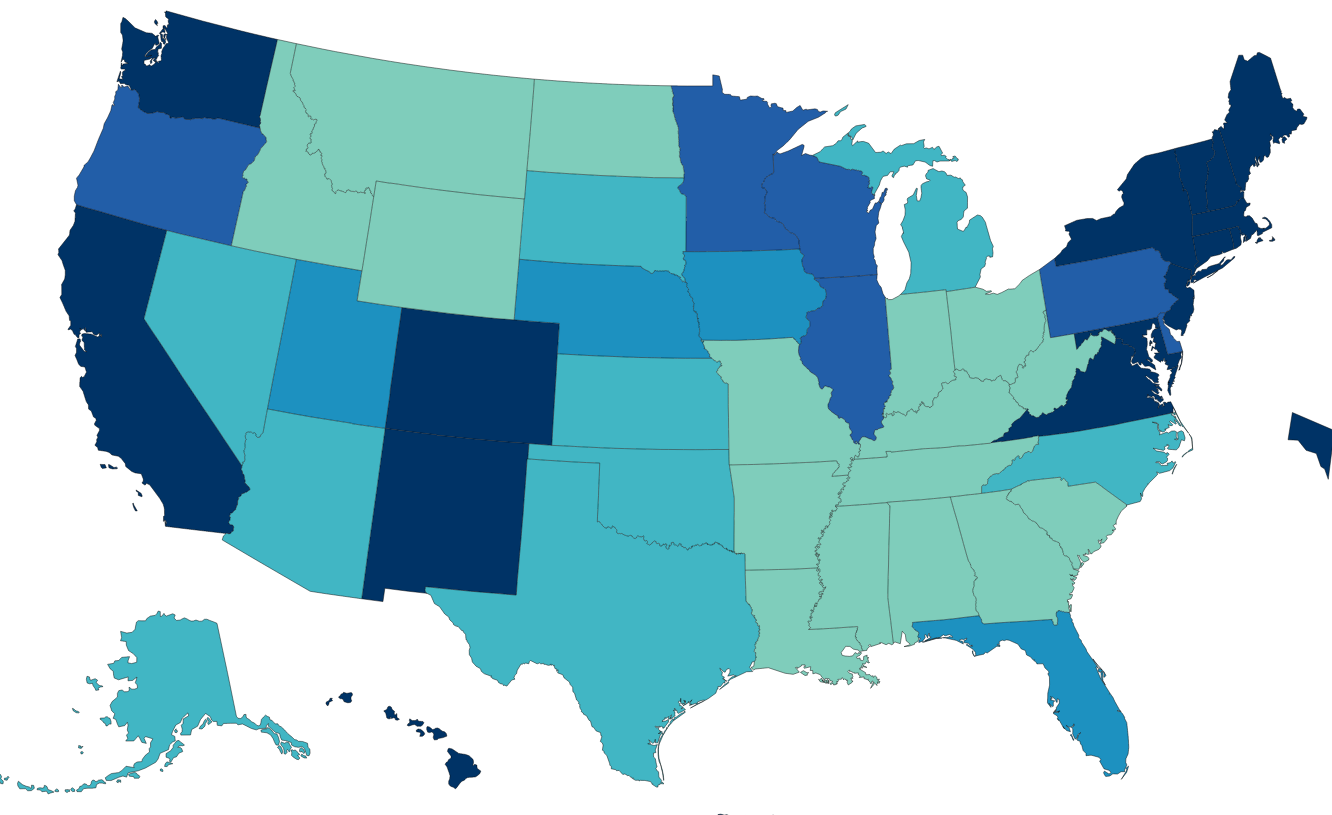
9 states set all-time lows this month: Nebraska (2.1%), Vermont (2.1%), Indiana (2.3%), Kansas (2.5%), Montana (2.6%), Oklahoma (2.6%), Arkansas (3.1%), West Virginia (3.9%) and Mississippi (4.5%).
In February, 31 states had material decreases, while 19 had immaterial changes and NO states had material increases.
At the metropolitan area level, 50 areas sported unemployment rates of 3% or less, far below historical results.
11 areas were at crazy low 2.3% unemployment rates or lower: Lincoln, NE and Madison, Wi. Logan, Provo and Ogden UT. Elkhart, Columbus, Bloomington, Lafayette, Ft Wayne and Indianapolis, IN.
Many states have legislatures and governors from the same party and voted for this party in both the 2016 and 2020 presidential elections. These states have adopted quite different Covid management strategies. There are 14 solidly Democratic states and 21 solidly Republican states, leaving 15 states with some level of “mixed” political control and influence.
Democratic states average 80%, Republican states 66% and Mixed states 73%. The national average is 72%. Nevada (69%) is the only Blue state below 75%. Alabama, Wyoming and Mississippi have the lowest scores for the GOP at 59-60%. Florida has the highest rate at 75%. The split in world views is confirmed by this measure. The mixed group ranges from Louisiana and Georgia at 63% to Massachusetts (85%) and Vermont (86%).
The overall death rate for the country is 256. The mixed states are similar at 265. The Democratic states average 221 deaths per 100K people. The Republican states average 282 deaths per 100K people. If the Republican states had the same rate as the Democratic states, they would have 59 fewer deaths per 100K people, for a cumulative total of 70,000. Economists use $10M as the value of a life in many cost-benefit calculations, so one measure of the difference is $700B.
California (196) and New York (227) drive the lower D result, but the Dems include higher fatality states such as Rhode Island (305) and New Jersey (344). The mixed states include some relatively high death rates in Michigan (315), Louisiana (329) and Arizona (350). The Republican group includes 3 states below the D average in Utah, Alaska and Nebraska, but 7 states at 300 or higher: Oklahoma, Indiana, West Virginia, Arkansas, Tennessee, Alabama and Mississippi.
Nonfarm Employment Recovery: Nov 2021 vs. Feb 2020
Overall employment is within 2% of the February, 2020 peak for the country as a whole. The “mixed” states have recovered to within 2.3% of the peak. The Democratic states are only at 96.4% of the peak, while the Republican states, on average, are just below breakeven at 99.9%. If the D states had the same level of recovery, there would be 1.8M jobs added in the recovery to date. At the recent median $1,000 per week wage, this would generate $94 billion of income annually.
I used the Feb 2015 to Feb 2020 period to generate a pre-Covid trend growth rate. This was 6.4% for the country, 5.4% for the mixed states, 7.0% for the D states and 6.7% for the R states. This indicates that the Republican faster recovery is not due to prior momentum. I used the 2020/2015 growth rate to create a solid estimate of the 2021/2020 recovery rate for each state (r = 0.63). It confirmed the 3%+ gap between the 2 parties was not due to prior trends. I also checked the percentage of 2019 employment in the leisure and hospitality sector, to see if this was driving the difference, but it did not have a material effect.
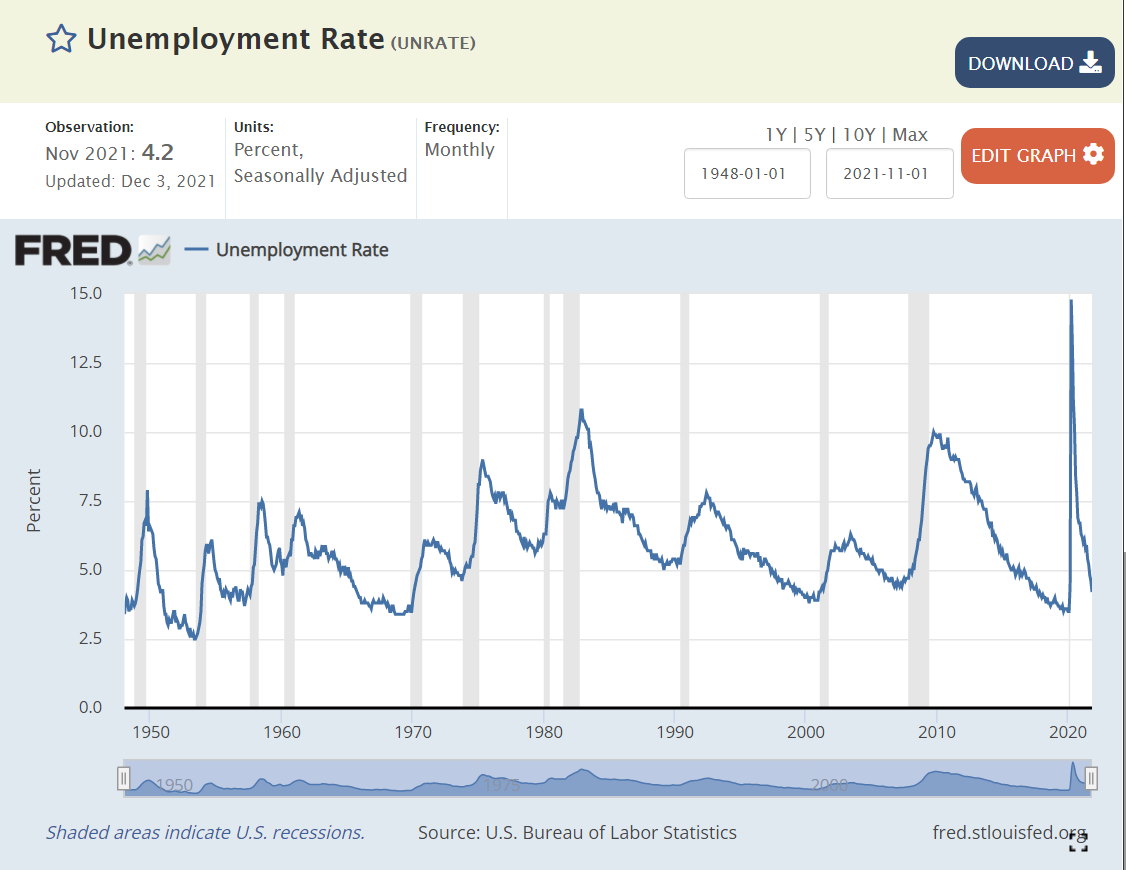
The official US unemployment rate has rarely gone below 5%, and has typically risen back above 5% in a matter of months. The post WWII boom from 1951-53 was one positive period. The Vietnam War + Great Society spending period of 1965-69 was another. The second Clinton presidency from 1997 to 2001 was another 4 year period of prosperity.
The Obama presidency started with 7.5% unemployment. It peaked at 10% in 2009, before falling consistently to 4.7% at the end of his term in 2016 (cut in half). The Trump presidency saw a continued reduction of the unemployment rate to a minimum of 3.5% 2 years later, exceeding the expectations of mainstream economists and forecasters.
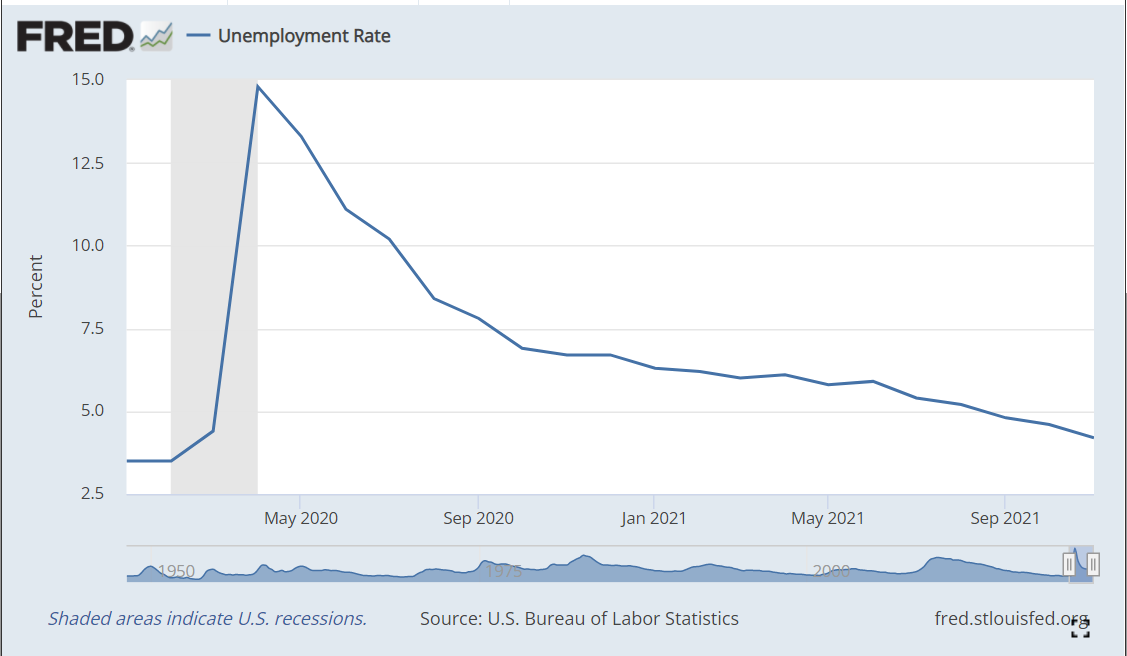
Unemployment quickly climbed to 15% during the pandemic, before falling back to 6.7% by the end of the year (2020). In the 2 years of the Biden administration, it has declined by 2.5% to 4.2%, a rate last seen in November, 2017.
Historically, “full employment” has been pegged close to 5%.
The extended period of lower unemployment from 2016-2020 lead many economists to revise their estimate of “full employment” to be an unemployment rate of just under 4.5%.
The recent economic recovery has had a disproportionately positive effect on Republican leaning (Red) states., which have a median 3.5% unemployment rate. Nebraska, Utah, Oklahoma, Idaho, South Dakota and Montana enjoy sub 3% unemployment rates. Democratic leaning (blue) states have a median 5.4% unemployment rate, with only the blue states of Vermont and Minnesota experiencing below average unemployment. The purple battleground states are in the middle with a median 4.5% unemployment rate.
Large metropolitan areas have seen a slightly better than national reduction in their unemployment rates. 25 of the top 50 metro areas have unemployment rates below 4.0%. 8 have rates below 3%. Nashville (2.8%), Milwaukee (2.8%), Minneapolis (2.6%), Birmingham (2.5%), Atlanta (2.4%), Indianapolis (2.4%), Oklahoma City (1.9%) and Salt Lake City (1.4%) are clearly experiencing full employment. Another 14 metro areas have unemployment rates of 4.0 – 4.9%; in the “full employment” range. Just 11 have unemployment rates of 5% or higher.
Chicago, Houston, Philadelphia, San Diego, Sacramento, New Orleans and Hartford display marginally high unemployment rates of 5.1% – 5.4%. Just 4 of the nation’s 50 largest metro areas encounter higher rates: NYC (6.3%), LA (7.1%), Riverside (6.3%) and Las Vegas (6.6%).
Despite the prevailing “negative” media attention, if the economic recovery continues at its current rate, the unemployment rate will reach 3.5% or lower in March, 2022. This rate has been recorded only in Feb, 2020, Jul, 1969 and Nov, 1953. In the shadow of a global pandemic last experienced in 1918, this is amazing news.
We are clearly living in “interesting times”.
Personally, I agree with Fukuyama that western liberal democracies and mixed capitalist economies have won the ideological wars, leaving fascist, communist and dictator regimes behind. This is despite the rise of populist movements on the right in western democracies, the resilience of dictatorships on many continents and especially the retrograde actions of China to preserve its central place on earth as a “special” nation. The war is not complete. It calls for liberal capitalist nations to refine their ideologies and wisely play their global roles.
I’ve been flying for business and pleasure for more than 40 years. I’d like to share some of my favorite domestic and international airports.
Cleveland Burke Lakefront: steps from downtown; my boss Ron Diderich used to fly here daily from DTW in 1982.
Sarasota: My first landing in 1974; so much busier today where Sue and I have our winter home.
Indy Exec Airport. I served on the local airport board for 8 years.
Boston Logan is a major NE hub with an ocean approach which I first experienced landing in 1975.
Mackinac Island is a small airport with varied service.
Chicago Midway Airport
Chicago’s Midway Airport is a Southwest hub and used to be a hub for Indy’s American TransAir (ATA). The airport is in a 1 x 1 mile block in Chicago with a very short 5,200 foot long main runway.
New York is a huge US hub; enjoy a Newark approach.
Maui (’nuff said).
Key West; Another Island Paradise
San Diego; more exciting landing than expected.
San Francisco; I observed this approach from the front seat in 1998.
Washington, DC: Reagan. The greatest mainstream US airport approach, every time.
Aspen, CO. A mountain approach and a very exciting takeoff.
Tokyo.
Nice, France.
Old Hong Kong Airport (I first experienced in 1997).
I hiked in each of the 200 counties within 3 hours (210 miles) of Indianapolis during 2020-2021. I’d like to share hikes in 10 of the 60 counties within 110 miles of Indy.
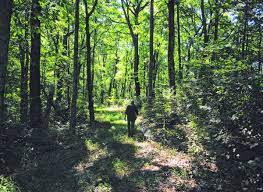
Morgan-Monroe State Forest
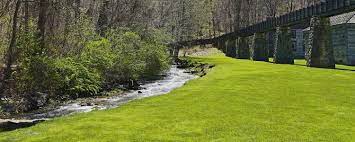
Morgan-Monroe State Forest offers a variety of moderately challenging woods and stream valley hikes just an hour southwest of Indy. You might combine this with a hike in Yellowwood State Forest just 30 miles further south.
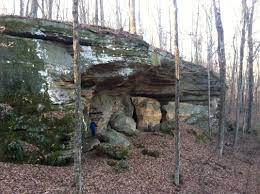
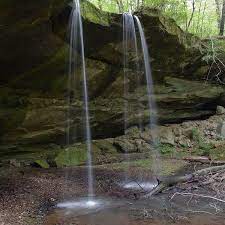
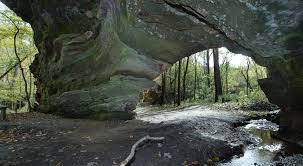
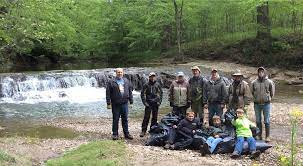
Portland Arch Nature Preserve is less than 90 minutes NW of Indy via I-74 and US 41 near the Illinois border. It features deep stream valleys, cliffs and a small “arch” with a stream running through it. Combine this hike with a visit to 90 foot high Williamsport Falls just 8 miles to the north or Shades State Park 35 miles to the south.
McCloud Nature Park is 40 miles WNW of Indy. Trails follow the hills and valley of Big Walnut Creek. Combine this with a hike in Big Walnut Nature Preserve 8 miles west, Sugar Creek Nature Park 30 miles NW or Fern Cliff Nature Preserve 30 miles SW.
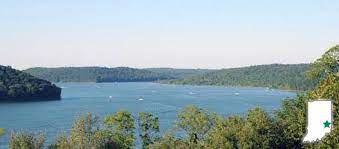
Spring Mill State Park is 90 miles south of Indy, past Bloomington and Bedford via IN-37. This is limestone country. The park features history, steep valleys, hills, forests, lakes and an inn. Combine this with a stop at Cedar Bluffs Nature Preserve 30 miles north or Hardin Ridge Recreation Area on Lake Monroe 30 miles north.
Clifty Falls State Park is 90 miles SE of Indy. It features several trails that view waterfalls or rapidly flowing streams that are moving from the standard elevation of SE Indiana down to the Ohio River. Combine this hike with a visit to Madison, IN or Versailles State Park 30 miles north.
Calli Nature Preserve is located 70 miles southeast of Indianapolis along the Muscatatuck River. The short trail explores a small stream valley and the river valley. It is best visited when Spring wildflowers are in bloom. Combine this hike with a visit to Selmier State Forest just 5 miles north or Muscatatuck National Wildlife Refuge 12 miles to the west.
Versailles State Park is located 75 miles southeast of Indianapolis. The park features a lake and trails that follow streams/historic roads upland to the east. Combine this hike with a stop at Calli Nature Preserve or Selmier State Forest 20 miles to the west.
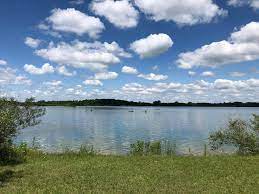
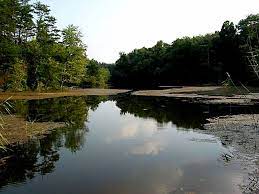
France Park is located 80 miles north of Indy in the Wabash River Valley. The park features a lake in an old quarry, overlooks, waterfall, a beach and some geological history. Combine this hike with a stop on the Nickel Plate Rail Trail between Peru and Kokomo 25 miles east.
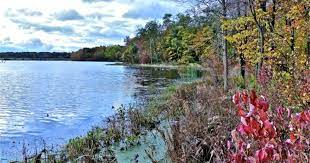
Ouabache State Park is located 110 miles northeast of Indy, south of Ft. Wayne, about 30 miles from the start of the Wabash River in Ohio. This is still relatively flat, agricultural Indiana, but the park features pines forests, wetlands, a small lake and a herd of bison. Combine this hike with a stop at the JE Roush Fish and Wildlife Area 25 miles to the NW or the Loblolly Marsh 16 miles south.
Kickapoo State Recreation Area is 100 miles NW of Indy, just across the Illinois border. It features trails along the Versailles River in an area that was once only strip mines. Combine this with a visit to the Forest Glen Preserve 20 miles to the south or the Portland Arch 30 miles to the east.
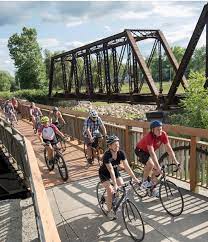
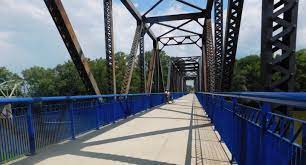
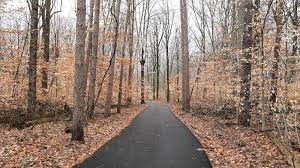
Follow the Cardinal Greenway from Richmond, IN to Losantville to Muncie to Gas City to Marion. 60 miles of gently rolling terrain on a rail-trail, part of the American Discovery Trail.
Southwest of Bedford, IN, adjacent to Hoosier National Forest, Martin State Forest offers a variety of moderate to challenging hikes in the forested hills.
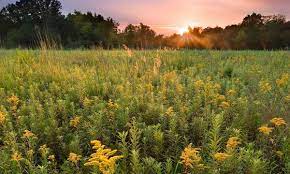
This area is mostly flat or slightly rolling and dominated by agriculture. Small forest preserves closer to Indianapolis. Larger parks in the Whitewater River valley east towards Ohio.
Large FWA adjacent to an active military base. Flat hiking trails.