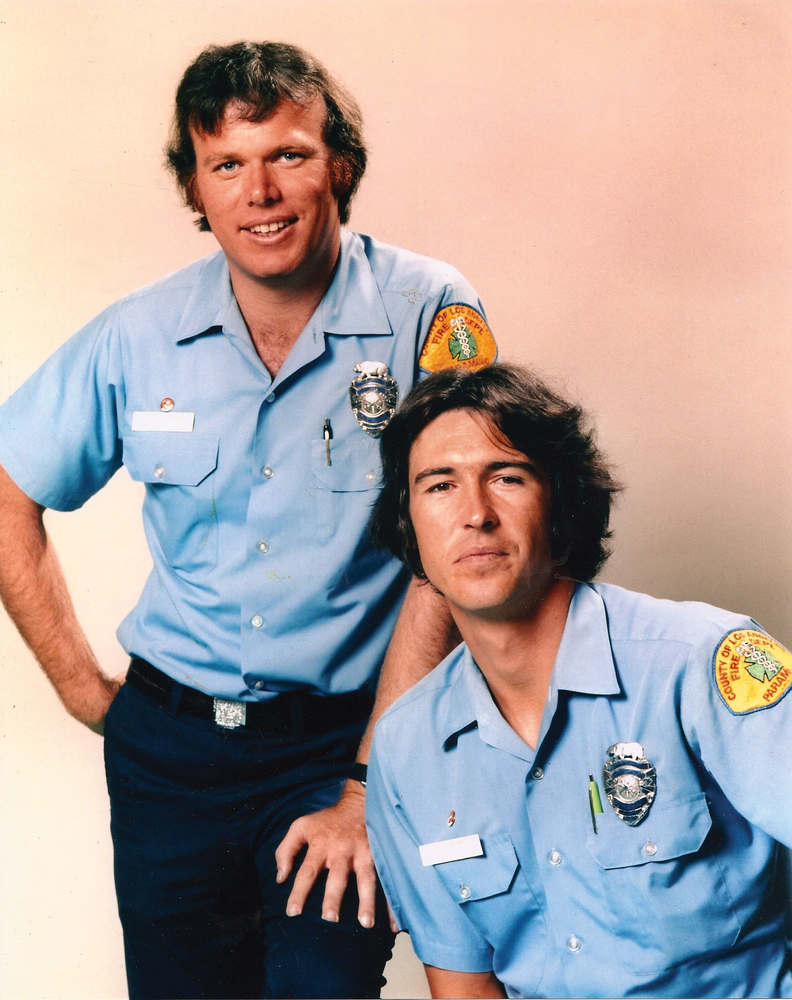
The TV show Emergency! premiered in 1972, highlighting the paramedic services provided in Los Angeles for exciting situations. In the “rest of the world” (ROW), you dialed the operator or called the police. They dispatched an ambulance, typically from a funeral home or a police car or a hospital. The ambulance was staffed by largely untrained personnel or volunteers. They focused on transportation, which they were legally allowed to do, not medical care which they were not allowed to do. These unlicensed individuals typically did have basic first aid training, but no medical equipment, procedures, drugs or right to administer any immediate medical care. Their only job was to rush you to the nearest hospital.
Some Emergency Medical Services (EMS) progress was made in the 1950’s, 1960’s and early 1970’s.
1916 powered ambulances and signal boxes to summon care widely used in WWI.
1950 Air ambulance services available in Los Angeles and the Korean War.
1957 Portable defibrillator available. Mouth to mouth CPR techniques used.
1959 Bell Huey helicopters used in Vietnam Conflict.
1966 Medicare coverage for ambulance services. Federal ambulance design standards.
1967 AMA outlines first ambulance training. EMT’s trained to serve Black neighborhoods in Pittsburgh.
1969 911 calls first made in Alabama. Mobile coronary care units in New York City. Nationally recognized curriculum for EMT-ambulance.
1970 Legal rights for paramedics in California. Emergency cardiac training in Portland. First paramedic training program. Mobile intensive care training in LA. Miami and Seattle start paramedic programs.
1971 National standardized EMT exam taken by 1,500 students.
1972 Emergency room physician training begun at University of Cincinnati. Emergency! TV program begins. Citizen CPR training in Seattle. LifeFlight helicopters start in Baltimore, Jacksonville, Pittsburgh, Seattle and Denver. US Dept of HEW assumes control of EMS from DOT. US Dept of HEW provides funding for 5 EMS demonstration programs.
50 years ago, if you had a life-threatening emergency, you could call the operator, police, fire, hospital or local funeral home and get a ride to the nearest hospital. You could not expect to receive ANY immediate medical care.
In current dollars, we have a $90 billion gaming industry in the US today.
Economists generally adopt a utilitarian view of value and conclude that if individuals choose to consume more of a good or service it is because they more highly value that good or service versus other options that they could consume. Economists try not to “second guess” consumption choices as being better or worse for people, even though they may have personal preferences that are quite different. “Games”, like “alcoholic beverages” have been second guessed by society and restricted at various times and places, but economists conclude that free individuals’ consumption choices are very relevant.
In my 1960’s and 1970’s childhood and young adulthood, video games were just emerging. We were an analog generation, lured into spending our dimes and quarters on pinball games. The pinball world peaked in 1979, with 200,000 new game devices sold that year to be played in bars, community centers, restaurants, student unions, pool halls, VFW’s and Lions’ Clubs. At less than $1,000 per machine, the total wholesale market was about $200M. The new electronic video arcade games grew very rapidly from 1975 to 1980. Estimated total coin operated pinball/video games sales were estimated to have grown from $300M in 1978 to almost $1B in 1979, an amazing 3-fold increase in one year.
That $300M in 1978 was a tiny fraction of the current dollars $2.5T GDP that year. One out of every $8,250 of GDP (.012%) was devoted to pinball machines and elementary video games.
Pinball machines were clearly the predecessors of video games.
Video games grew rapidly from 1978 to 1983 before encountering a crash in 1983 and then resuming their heroic climb in claiming the attention of youths, mostly males at first, but eventually everyone.
The $90B consumed by the gaming industry in 2022 was a much larger fraction of the current dollar $20T US economy than in 1978. The population grew by 50% from 1978 to 2022. Real, inflation adjusted, GDP grew three times from 1978 to 2022. The $300M market in 1978 is worth almost $1.2B in 2022 dollars. Hence, the gaming market today consumes 75 times as much time and GDP today as it did in 1978 ($90B).
For economists, with neutral utilitarian values, this is an incredible increase in community well-being. Consumers now choose to consume 75 times as much gaming entertainment services as they did in 1978.
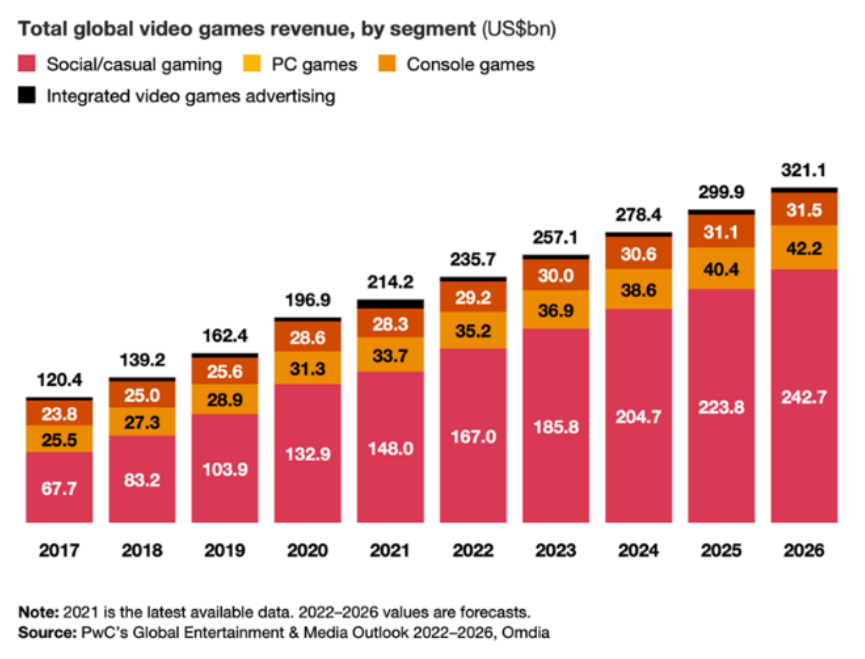
The global gaming entertainment market is more than twice as large as the US market, an estimated $214B.
Humans with extra time have always sought “amusements” through entertainment, sports, travel and personal services. The “games” category has grown rapidly in the last 50 years and appears ready to keep growing for the next quarter-century at least. This is fundamentally “good news” because people are consuming more of what they desire. It is especially “good news” because “games” are available at relatively low costs, so they are available to most of the population as an improvement to their lives.
The IndyStar reported on the final recommendations of the “Governor’s Taskforce” earlier this month. I didn’t see much response locally. I believe this is a HUGE opportunity to cooperatively invest in Indiana’s future, by both parties. Indiana’s governor and two houses have been governed by a single party for many years. The historical low-tax, low-service, selective investment strategy has delivered low taxes, responsible local government services, respectable education, solid infrastructure, a diversified economy but mostly growth in just the Indy metro area and lower average incomes for the other 80 counties. The current very low unemployment rates are further squeezing employers reliant upon abundant relatively low wage/skills employees.
Focus. 30 Items are Too Many.
Eliminate One-third of the Lowest Value Initiatives.
Digital development grants. Employers will invest in high ROI projects by themselves.
2. Indiana Talent Agency. No extra bureaucracy.
3. Career Network. No extra bureaucracy. Finding jobs on-line is easy today.
6. College retention incentives. Colleges already have incentives.
10. Immigration reform. Yes, but Indiana will not drive this nationally.
11. Miscellaneous student grants. These would help, but not critically.
12. Transportation funding. Helpful, but not critical.
21. High school diploma flexibility. Critical thinking skills or true CTE skills are essential, Don’t dilute them further.
23. Incentivize CTE credentials. Not needed. If credentials were clearly defined and understood, students and workers would pursue them out of self-interest.
24. STEM curriculum, courses, etc. Focus on schools and teachers first.
29. Scholarship for dual credit completers. These highly talented and motivated students are already moving in the right direction.
Digital Skills (1)
No need for #4 bureaucracy. Basic digital skills should be completed in junior high school. Is the state requirement clear? Advanced digital skills courses should be required in HS and community college for graduation. Make existing courses available for free to firms for remedial on-site training. Make relevant Western Governor’s University courses free. Digital skills should be like “breathing” for Indiana residents. No extra state overhead is required.
University STEM Degrees (2)
No incentives to universities required (5). Provide STEM degree completers with a $25K graduation cash rebate. IU/Purdue (7) should offer more diverse STEM degrees, but so should all Indiana publicly funded universities. Let the students drive the faculty levels.
Career and Technical Education Certifications (3)
Fine-tune the certification program to really recognize workplace, digital, team, industry and technical skills. If the program was recognized like a CPA, licensed plumber, six sigma blackbelt, PMP project manager, Microsoft IT skills, state licensed professional, etc., it would have great value, increasing employee pay and transferable value. (8, 9, 22, 30).
Early Childhood Education (4)
Fund pre-K and K for all. Fix the detailed regulatory limits (13). Defining pre-K detailed results is not essential (26).
Community College (5)
Clearly define “advanced manufacturing” curriculum and degree (1). Reduce community college tuition fees further with state subsidies to encourage universal participation in higher education (like Tennessee). Radically change community college to be local county (or county groups) funded and managed educational institution. Ivy Tech has failed repeatedly as a state-run organization to graduate students. Let local counties decide if they want to invest in education and actively manage this.
Reading (6)
Invest whatever it takes to ensure that all 3rd graders can read at grade level. This is the most essential gateway (28).
Administrative Improvements/Investments (7)
15. Offer employers a $1K fee per class to offer on-site classes.
16. Simplify criminal expungement.
17. Auto enroll eligible students in 21st C scholars.
18. Require HS seniors to file FAFSA.
19. Increase college funding grants for lower income students.
20. Increase credit for prior learning.
28. Fund Dolly Parton library to encourage reading.
High School STEM Classes (8)
25. Allow any person with a BS degree to teach any STEM class at HS and community college level. No need for more detailed subject matter or education course qualifications. They will “figure it out”.
Indiana is not winning the modern global competition for value added jobs and firms. Students and adults must have modern skills. Educational institutions must provide these skills. This requires focused investments and administrative changes.
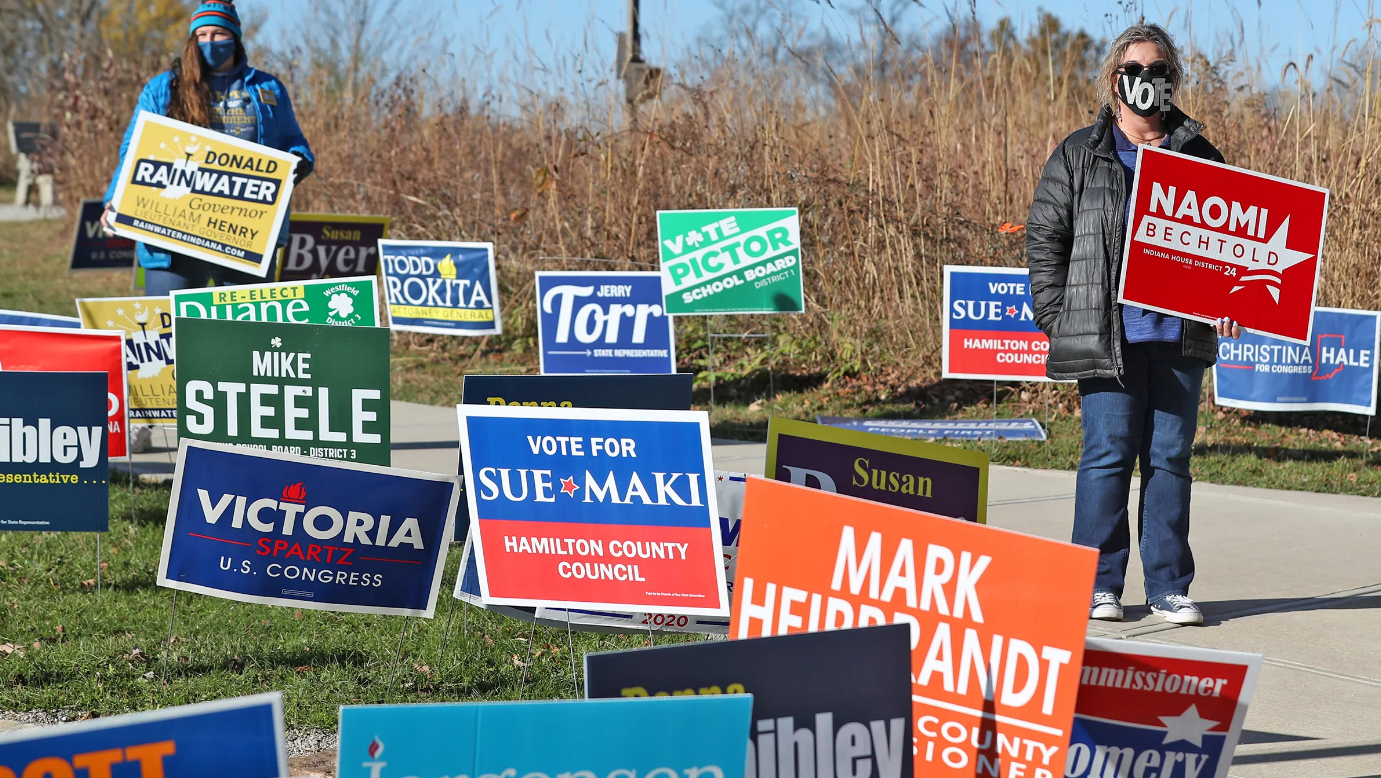
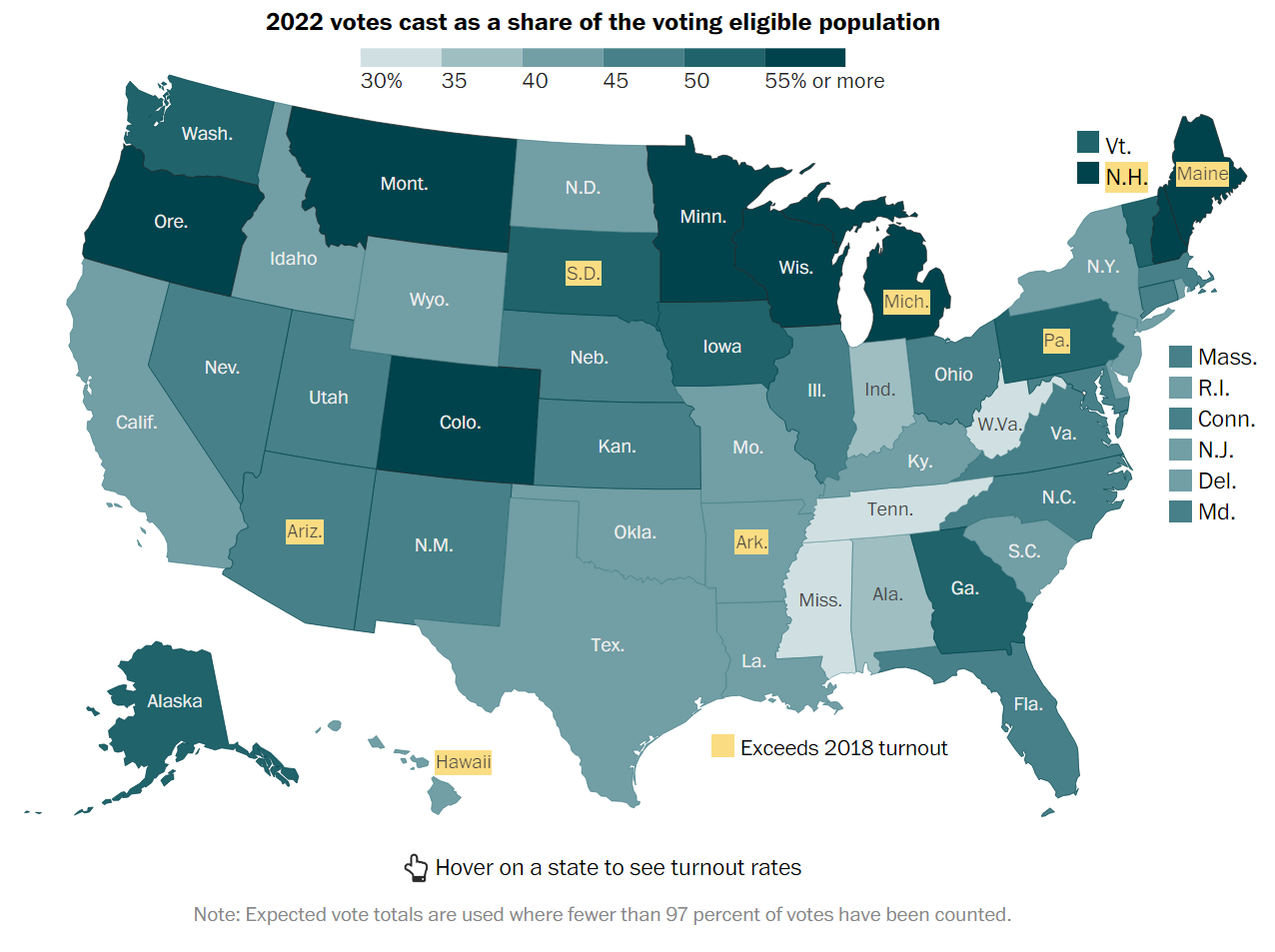
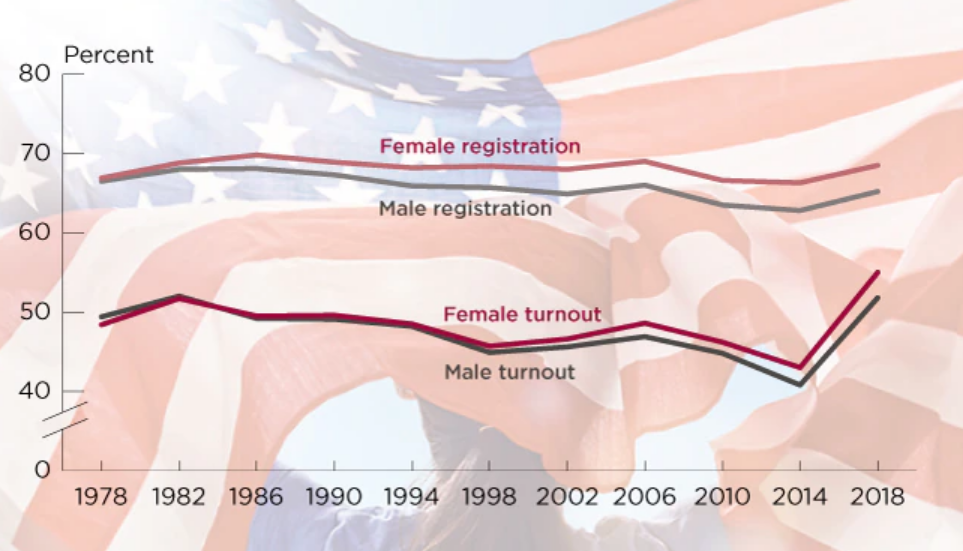
2018 and 2022 elections showed widespread increased voter participation. Increases were seen by all races, genders, income, ages, states and education levels. Increased voting by the youngest age group and Hispanic Americans were most notable.
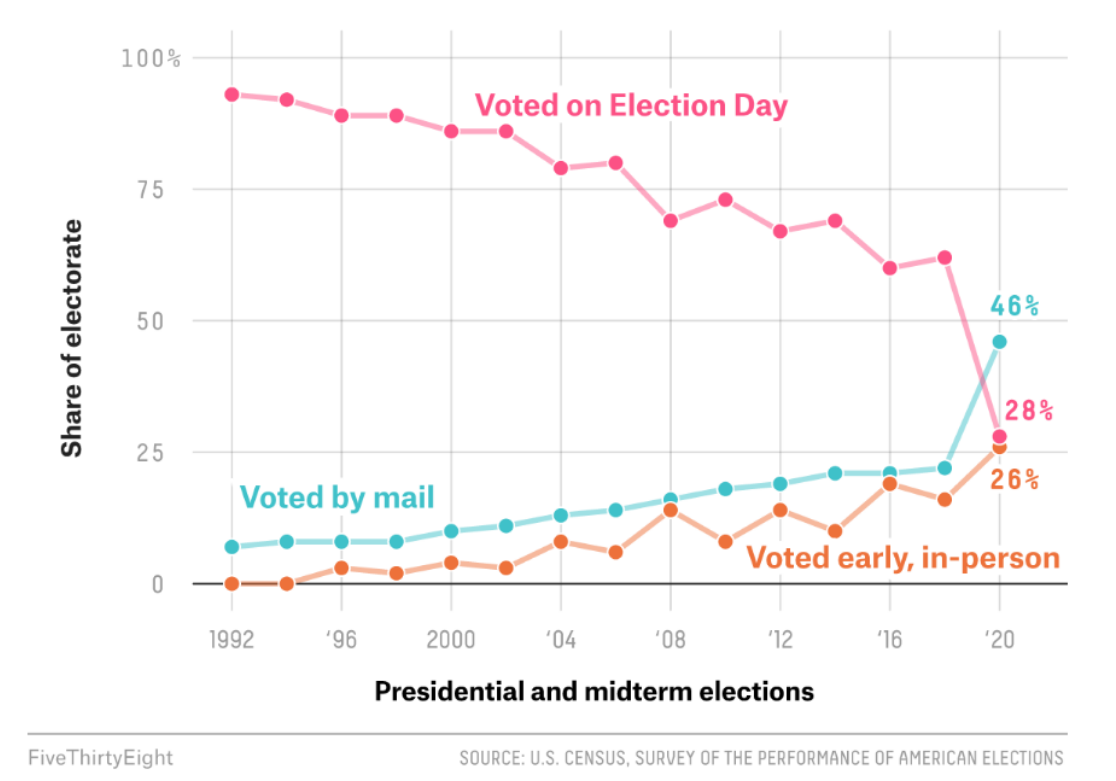
The 2020 and 2022 elections both relied heavily upon mail-in and early voting options. Early voting participation, especially in competitive states, was equal to or ahead of 2018. Hence, election day participation in 2022 was somewhat lower than in the record year.
Voter Registration is as Important as Participation
Voter registration in the states with party-preference records increased from 108 million in 2017 to 117 million in 2021 and then a little to 120 million in 2022. Registrations have increased a little faster than voting age population, but have not made a material difference.
The Democratic party share has declined significantly in the last 2 decades, replaced by “independent” voters. The Republican party share has declined by just 3%.
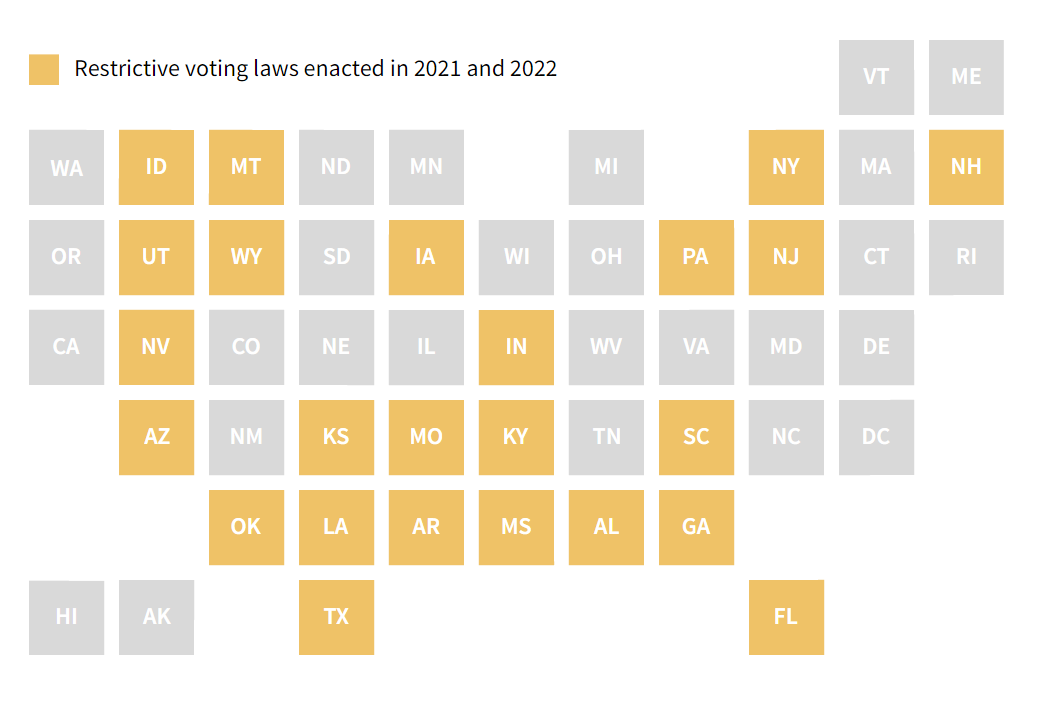
Good data on the impact of various voting law changes is not yet available. Anecdotal media reporting of the 2022 election did not indicate extremely large changes in voter behavior.
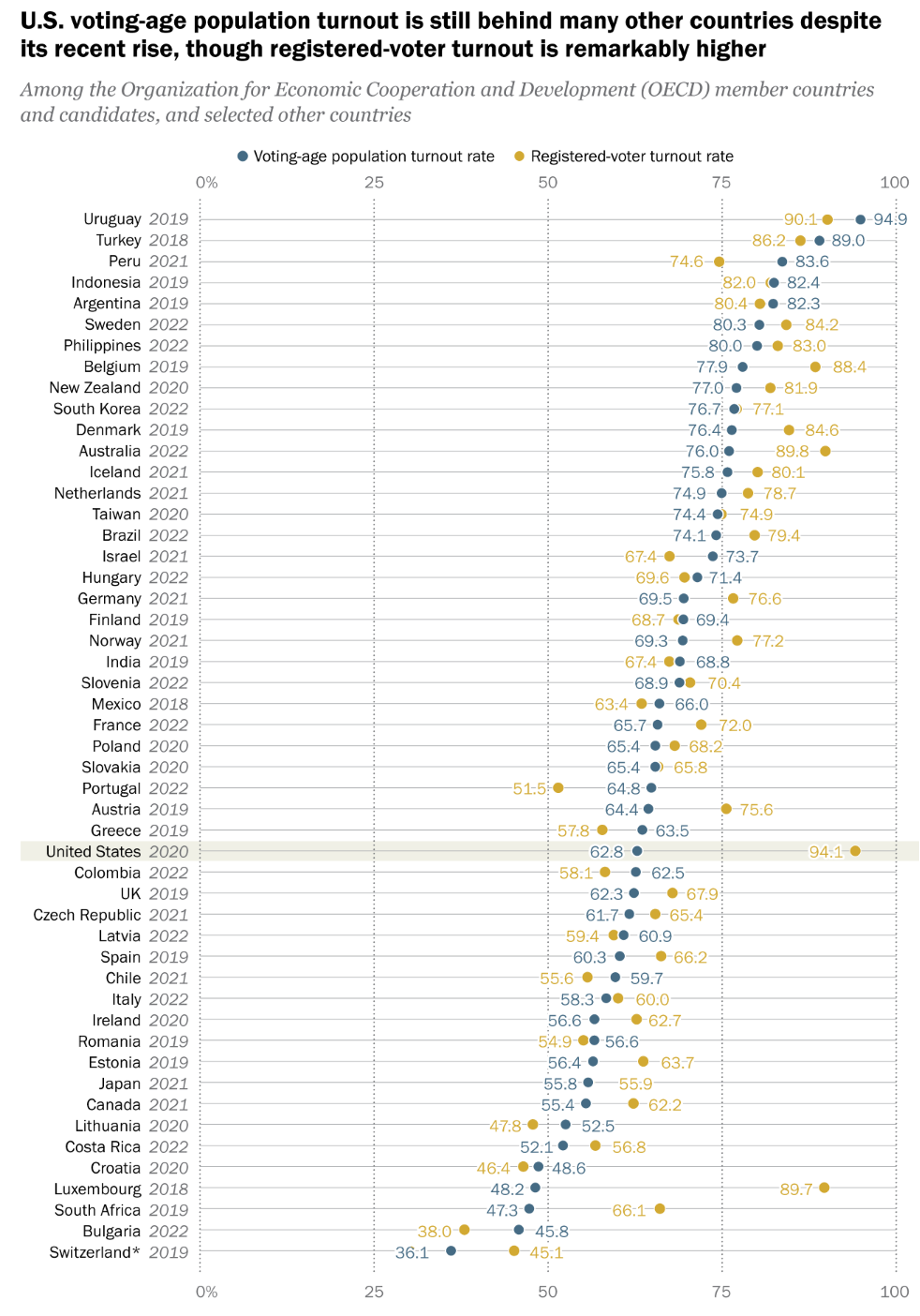
US Registration and Net Participation is Low versus other Advanced Economies
Voting participation in the US varies significantly by gender, race, age, state, income and education level. It recovered to some degree in 2018-22 following a 40-year low period. Voter registration has increased by a small amount in the last 10 years, but increased participation among registered voters has been the driver of overall results. The availability of mail-in and expanded early voting clearly boosted turn-out in 2020 and 2022. The impact of additional voting restrictions is unclear, but obviously intended to reduce turnout. Polarized politics in the US has increasing voter turnout, but only by 10-15% versus recent history. Presidential years boost turnout by 15%. State by state participation in election years ranges from 58% to 76% (excluding a few extremes), based on habits, demography and state laws. Presidential elections could have 10% higher participation if all states followed the examples of the high participation states.
Government has an increased impact on all citizens. Democracy requires participation to make the decisions and programs of governments (at all levels) legitimate. The US can do better.
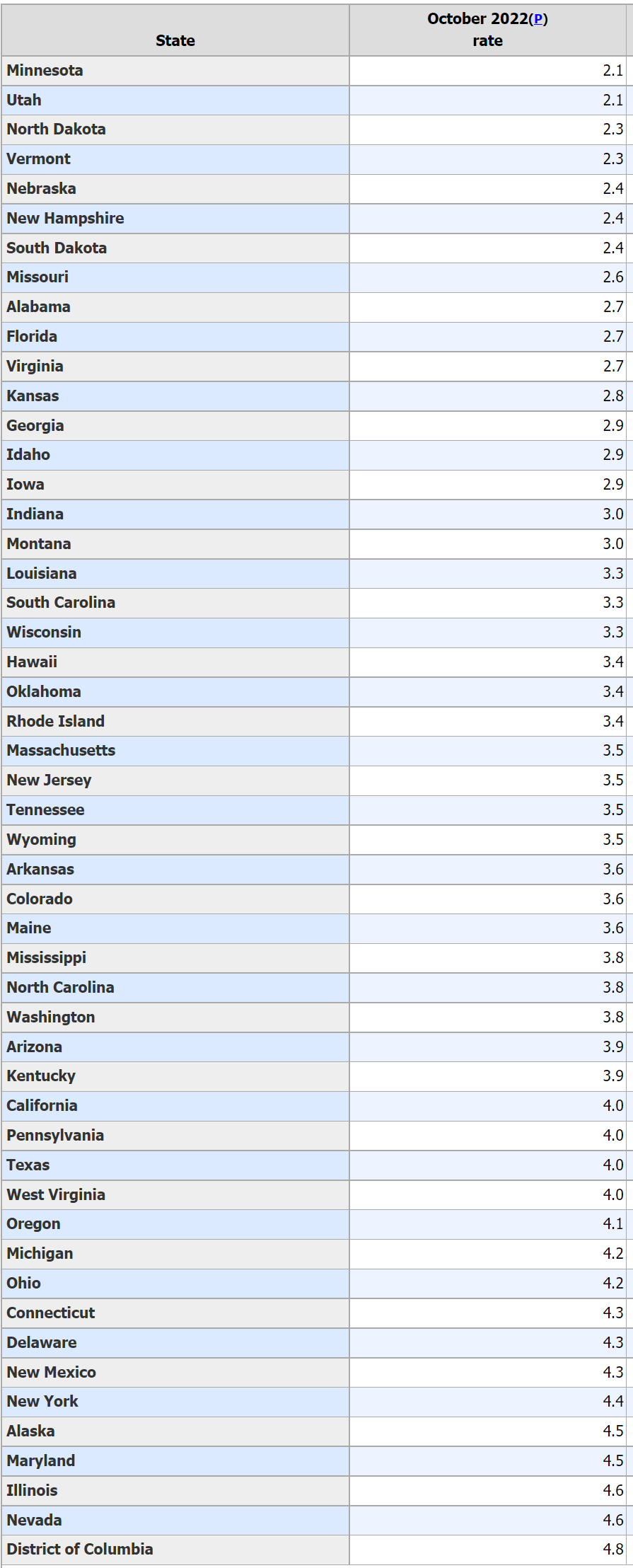
15 of the 50 states have unemployment rates in the TWO’s!
The Great Plains region has 7 states with 2% unemployment rates: MN, SD, ND, Mo, KS, NE and IA.
Utah (2.1%) and Idaho (2.9%) standout in the Rocky Mountain states.
In the Southeast, Alabama (2.6%), Florida (2.7%) and Georgia (2.9%) enjoy minimal unemployment.
New Hampshire (2.4%) and Vermont (2.3%) represent New England and Virginia leads the Middle Atlantic (2.7%).
Another 20 states report 3% unemployment rates, for a total of 35 (70%) at 2-3%.
The remaining 15 states and the District of Columbia (4.8%) enjoy 4% unemployment, historically considered better than “full employment”. Illinois (4.6%) and Nevada (4.6%) have the highest unemployment.
A plurality (40%, 149) of the 370 US metropolitan areas report employment rates of 3%, consistent with the 3.5% overall national rate.
More than one-third (34%, 124), enjoy rates in the 2% range!
About one in seven (14%, 51) reflect better than classic “full employment” rates in the 4% range.
24 metro areas (6%) enjoy astonishingly low 1% unemployment rates.
22 metro areas (6%) are outside of “full employment” at 4.9%. 17 are in the 5% range. 5 exhibit 6%+ unemployment rates.
The statistics for just the top 100 metro areas show the same pattern. The distribution of unemployment rates weighted by population shows less dispersion, with just 3% each in the 1% and 5%+ ranges and a heavier 47% in the central 3% range.
22/370 Metro Areas Not at Full Employment (5-7% Unemployment Rates)
California: Yuba City, Madera, Fresno, Hanford, Merced, Bakersfield, Visalia
Texas: Corpus Christi, Brownsville, Beaumont, McAllen
Illinois: Danville, Kankakee, Decatur, Rockford
Michigan: Muskegon, Saginaw, Flint
Pueblo, CO, Rocky Mount, NC, Farmington, NM and Las Vegas, NV
42 of the 50 states enjoy having all of their metro areas with full employment.
24 Metro Areas with Far Better than Full Employment (1% Unemployment Rates)
Missouri: Columbia, Jefferson City, Springfield, St Joseph, Joplin, Cape Girardeau
Lincoln, NE and Ames, IA
Minnesota: Mankato, Rochester, St Cloud, Minneapolis-St Paul
Dakotas: Fargo, Grand Forks, Bismark, Sioux Falls, Rapid City
Utah: Provo, Logan, Ogden, Salt Lake City
Burlington, VT, Columbus, IN and Bloomington, IN
Summary
The labor market stands out as a very positive measure of the health of the US economy in October, 2022. A general, prolonged, material decline in economic health is difficult to see on top of this broadly very positive economic base. A slow-down? Highly likely.
American “pop culture” transitioned from mostly White to “Black and White” during 1965-67. 20/100 top 100 Billboard hits in 1965. 23/100 in 1966 and 1967. In 1966/67 half of the top 100 R&B songs were recorded in Detroit. Another one-fourth were captured in Memphis. My VERY favorites: Up, Up and Away. Sweet Talkin’ Guy. Bare Footin’. Soul Man. Groovin’. Reach Out. Bernadette. Ain’t Too Proud to Beg. RESPECT. Ain’t No Mountain High. Reflections.
Pop music. The first album I ever purchased at JJ Newberry’s in Painesville, OH.
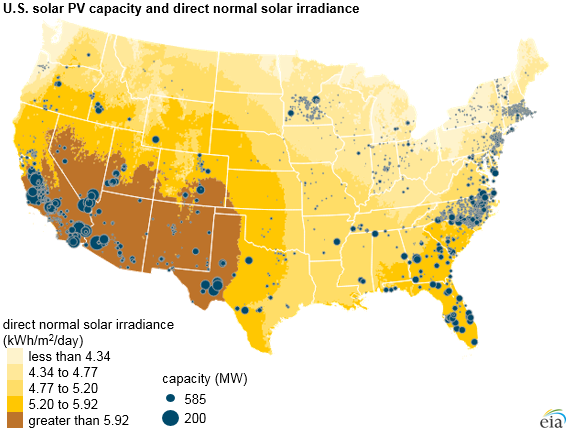
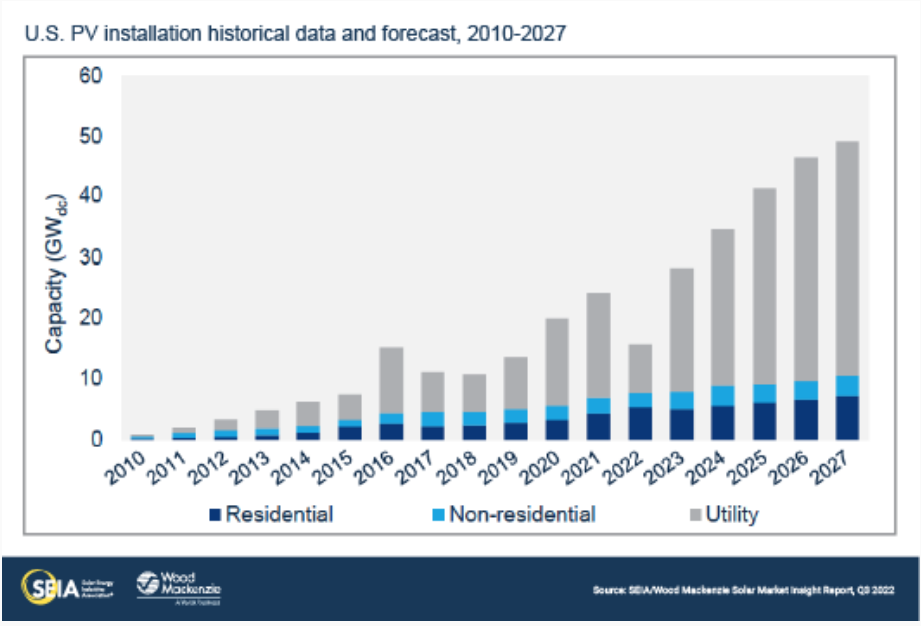
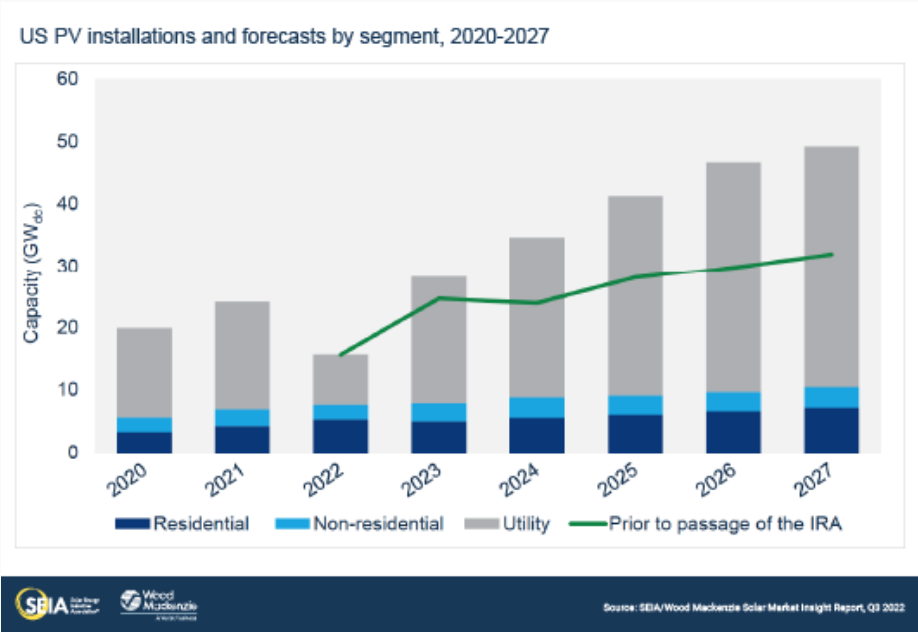
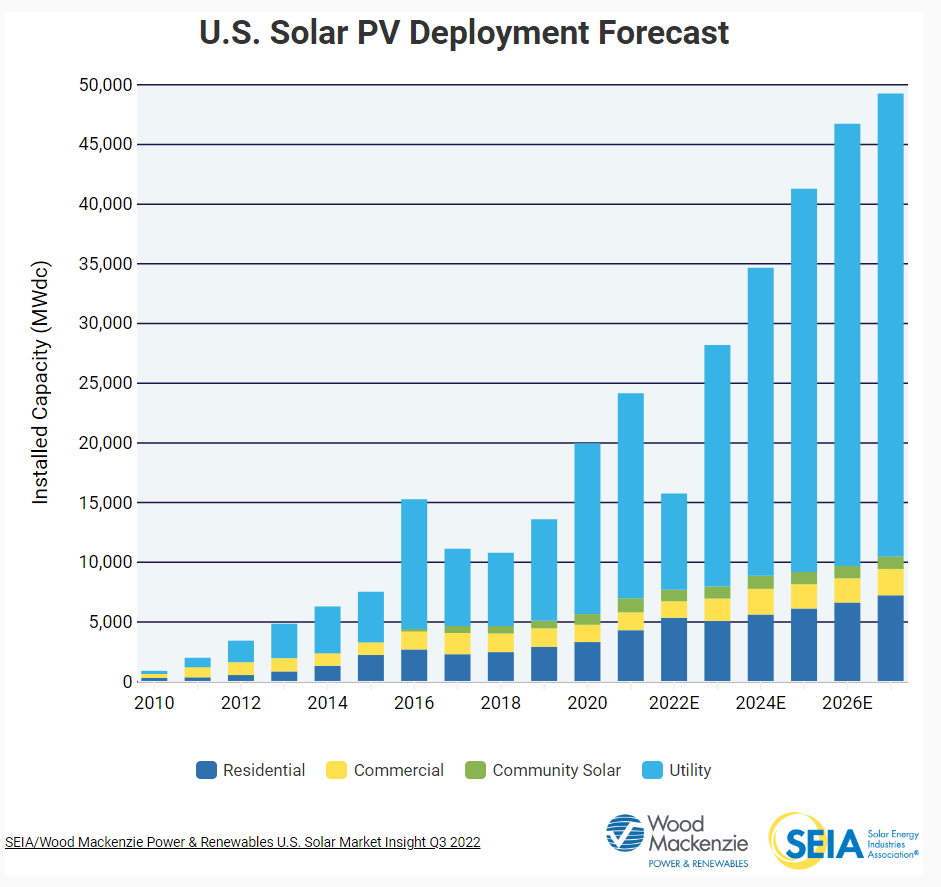
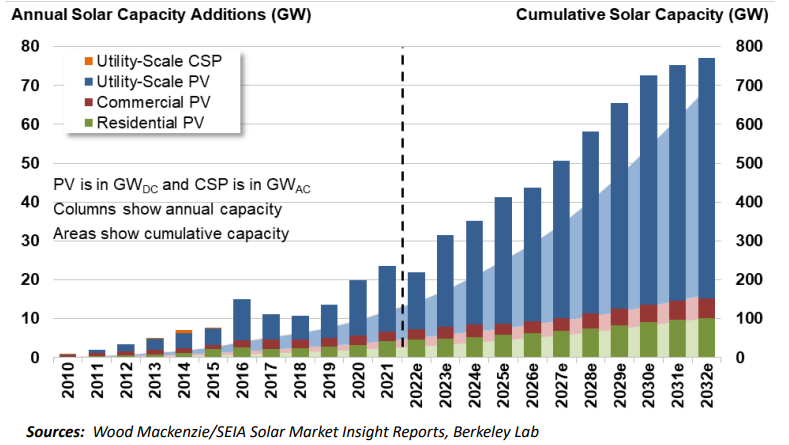
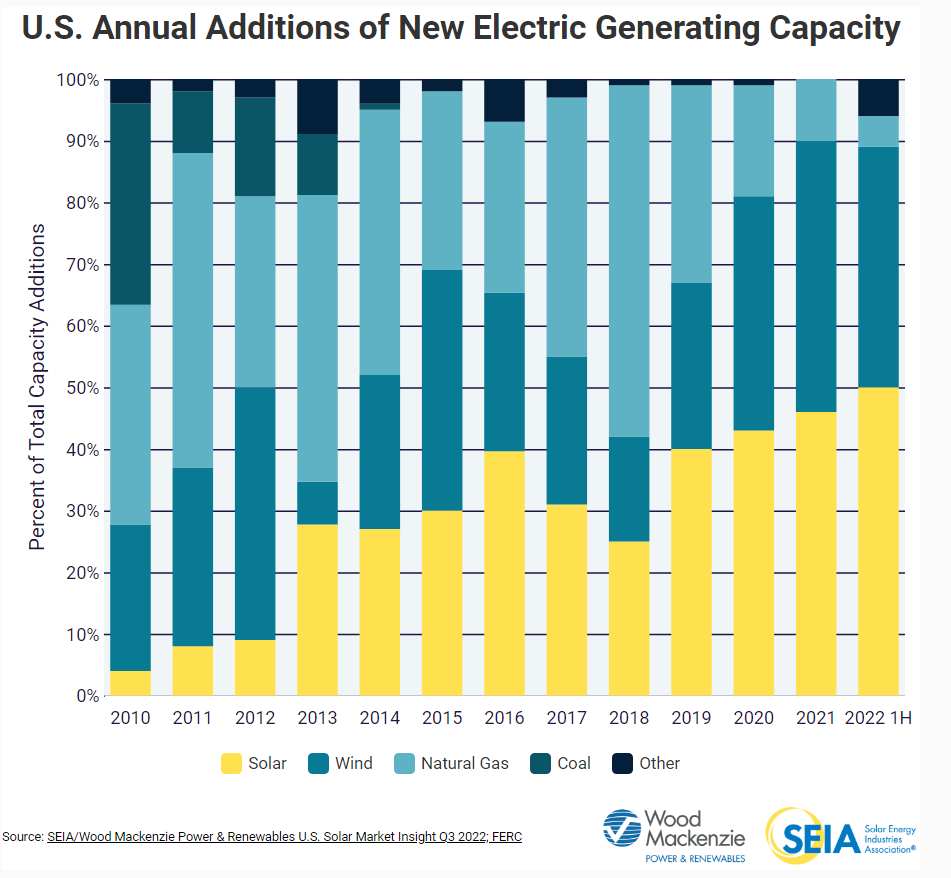
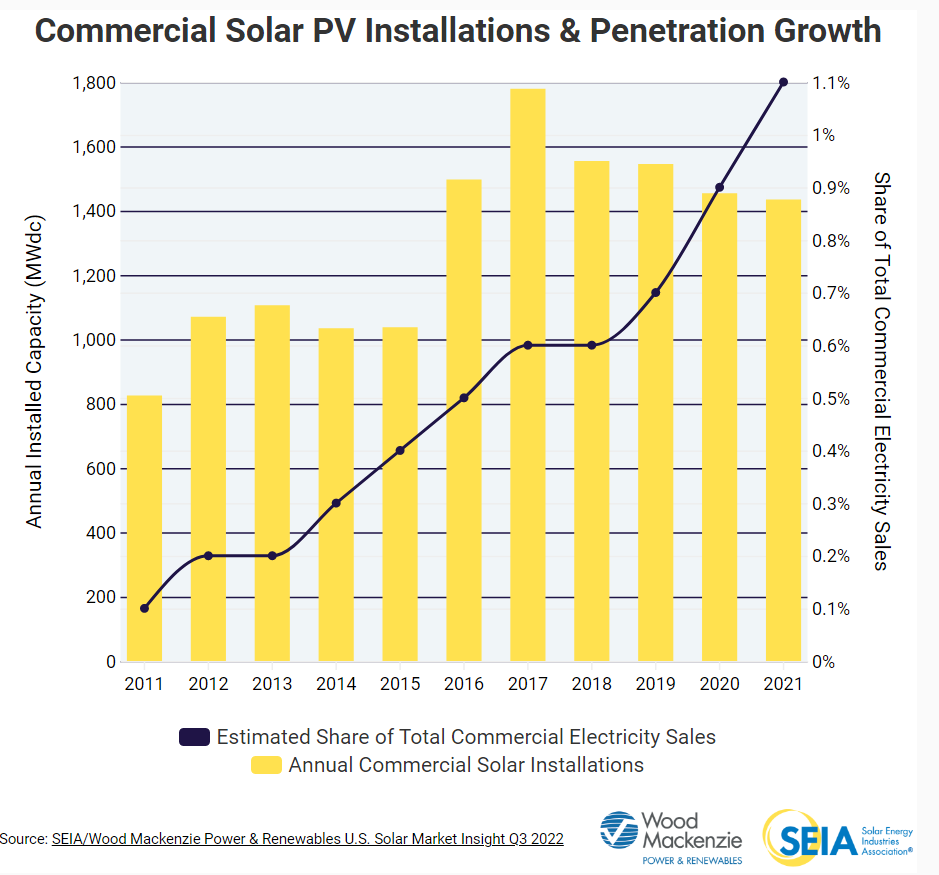
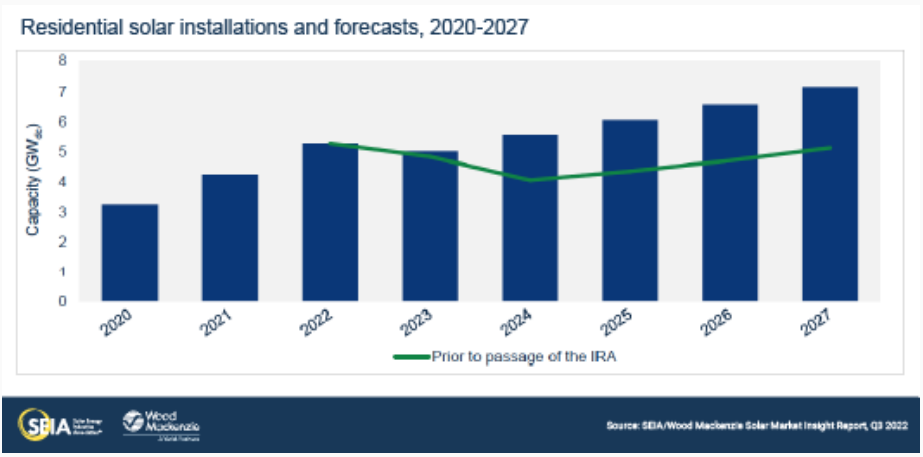
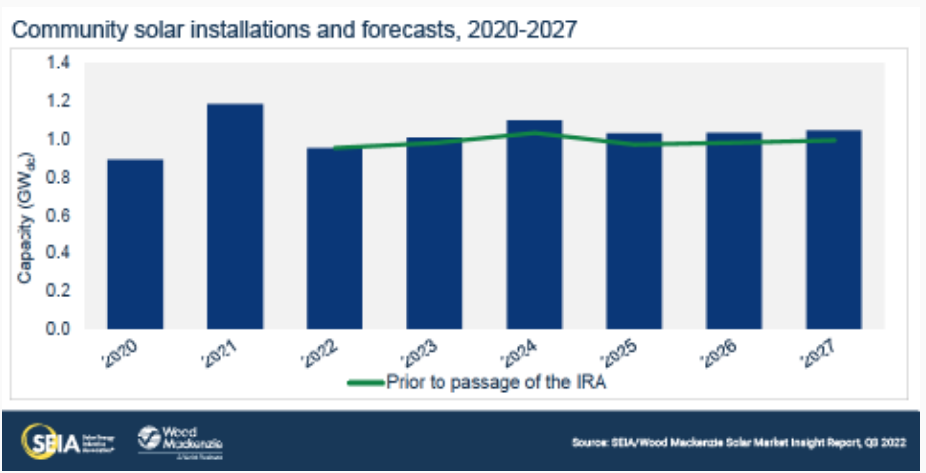
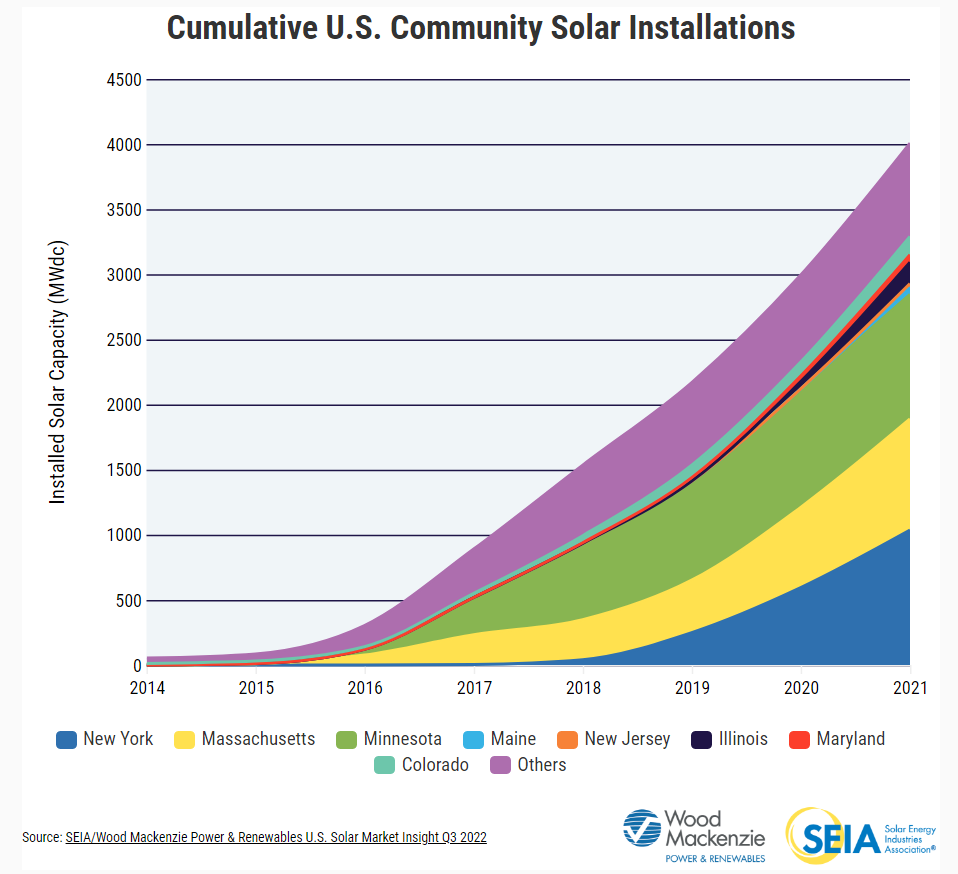
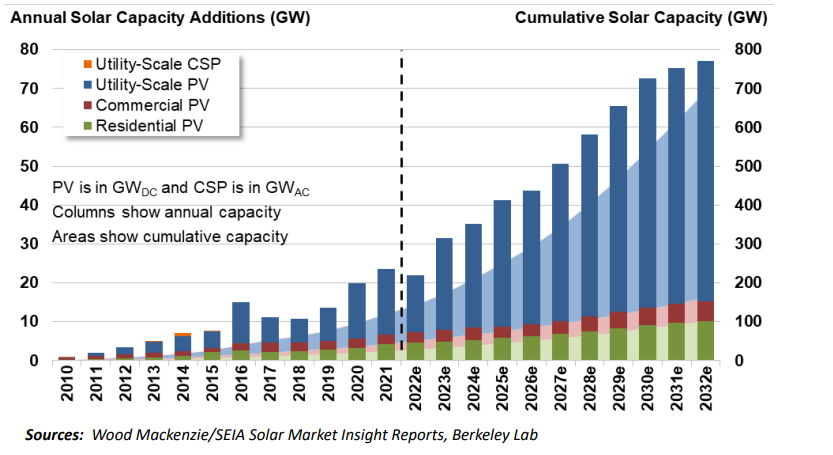
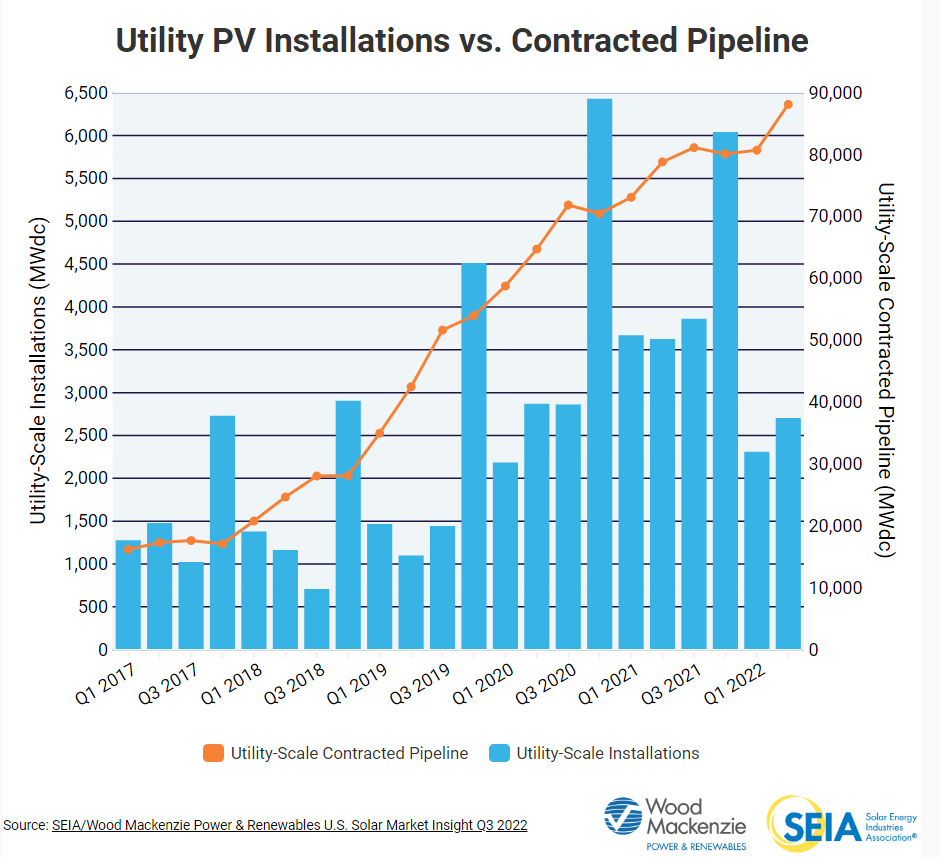
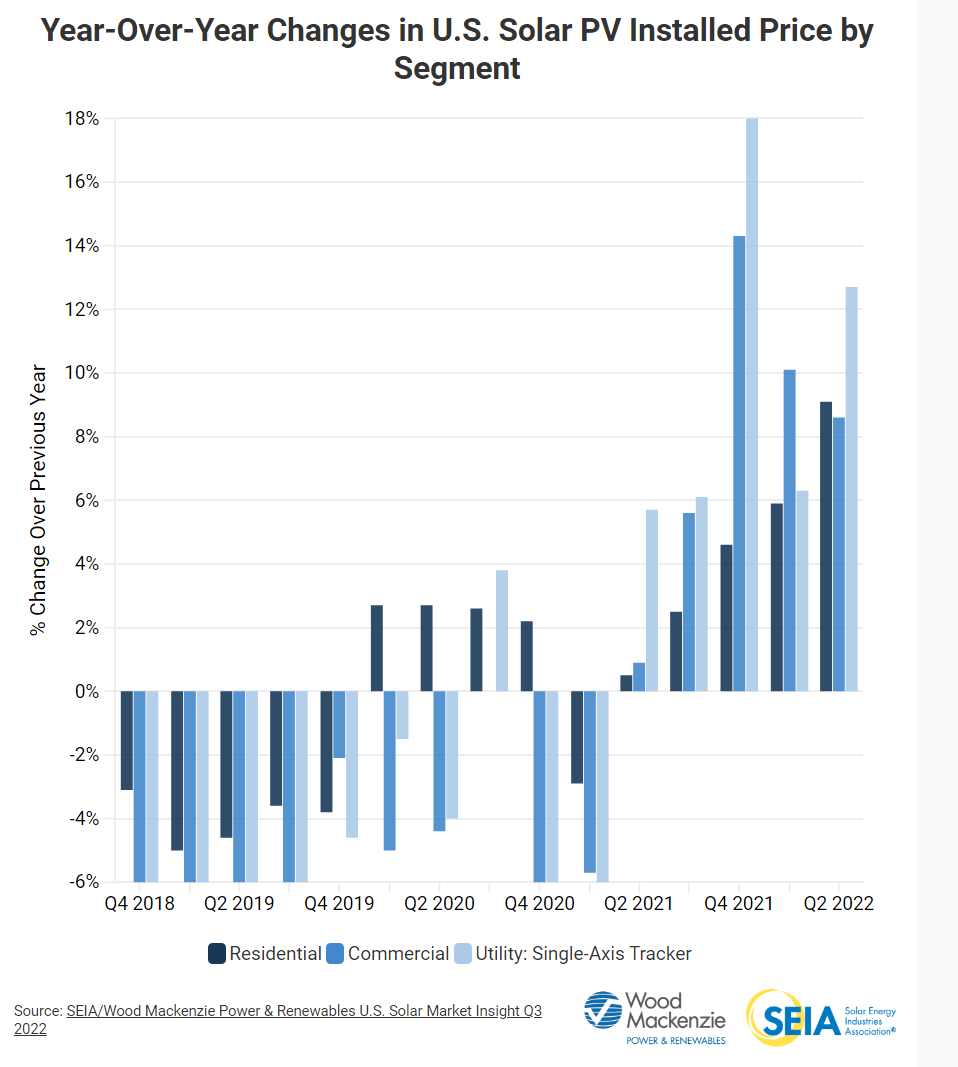
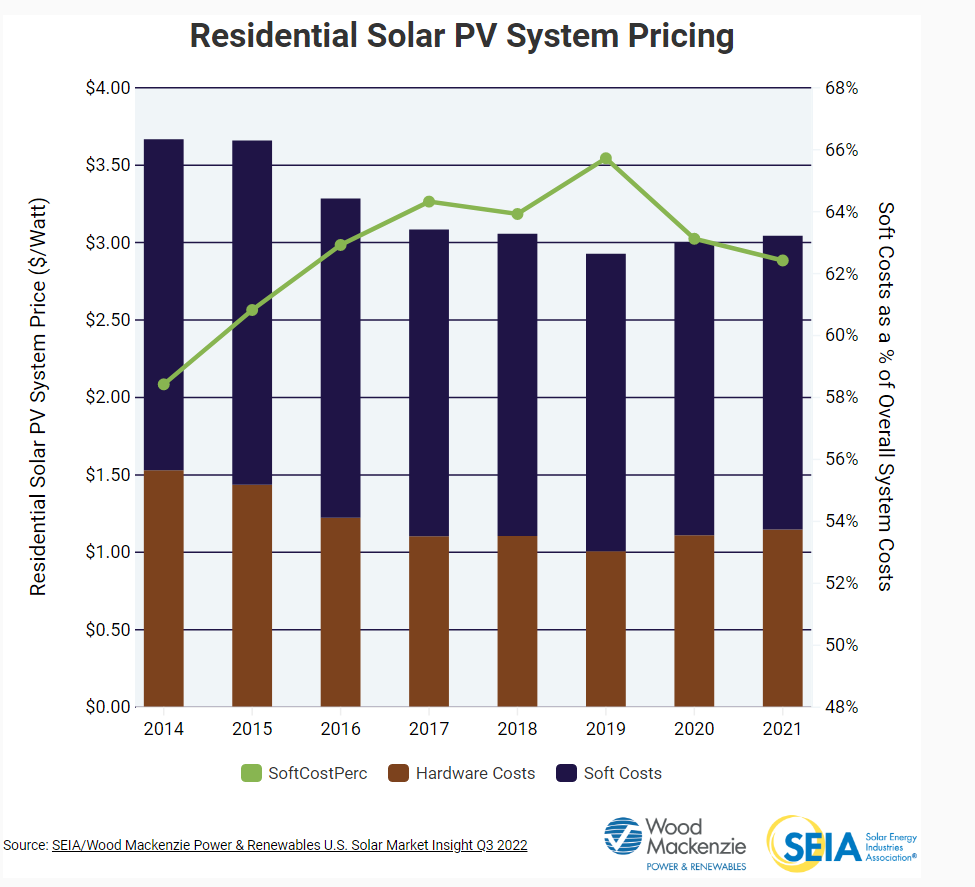
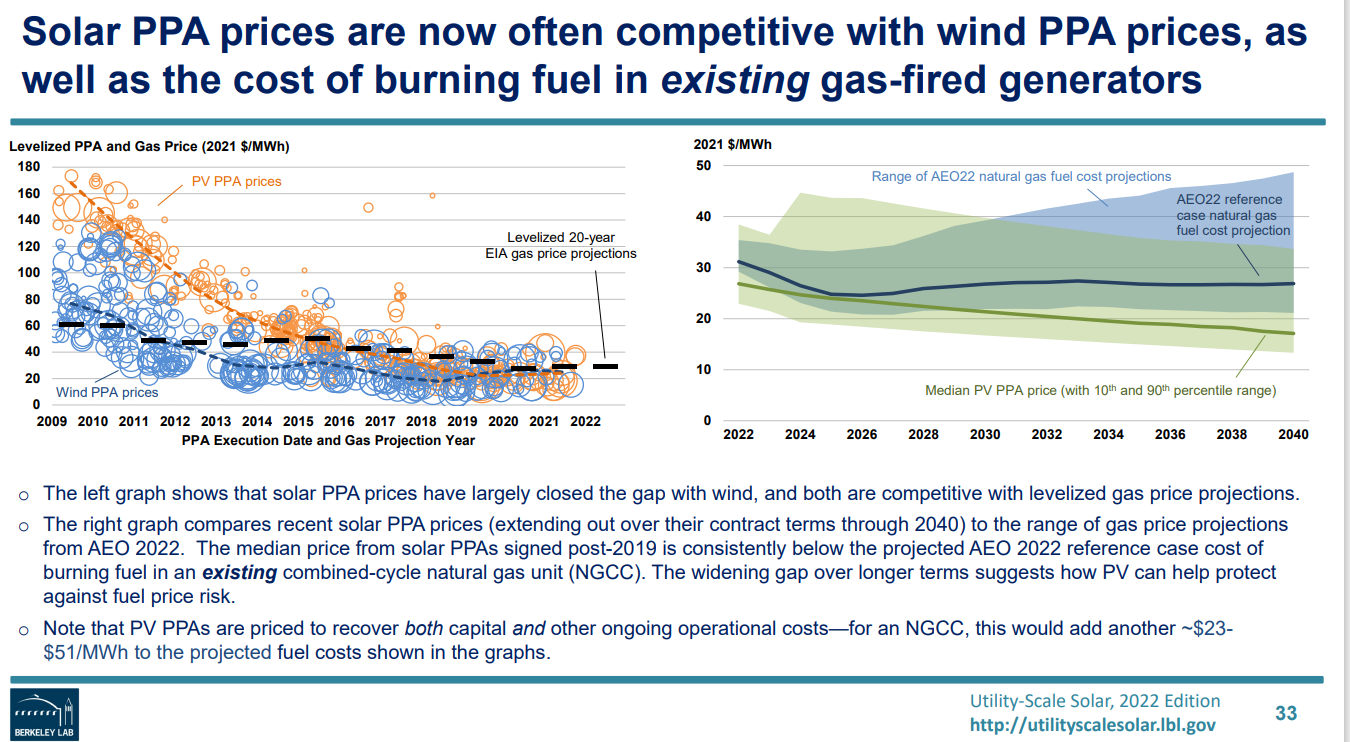
Utility scale photovoltaic solar panel energy generation is the future for the US energy market. The cost structure is already low enough to justify 30-40 year investment projects. Solar projects are 40% of new electricity generation projects, heading towards 50-60%, competing fairly with wind power. Solar power at 4% of the total electricity generating capacity is still relatively small, but the new investments will drive it to 8%, 12%, 16% and 20% in the next 20 years.
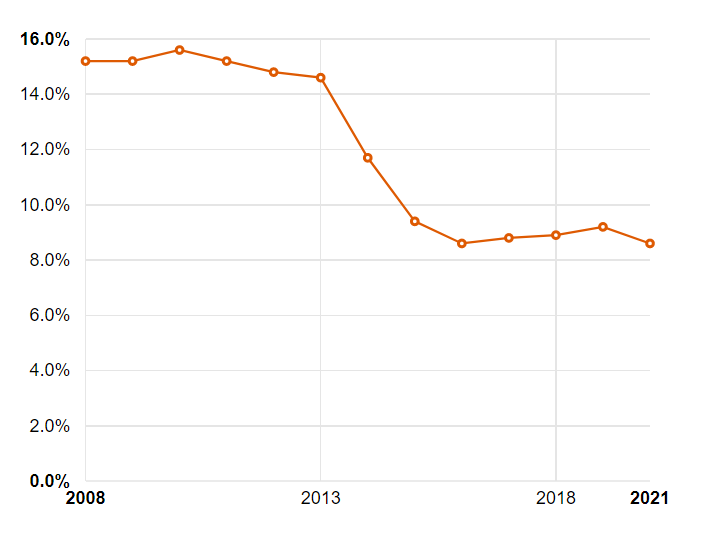
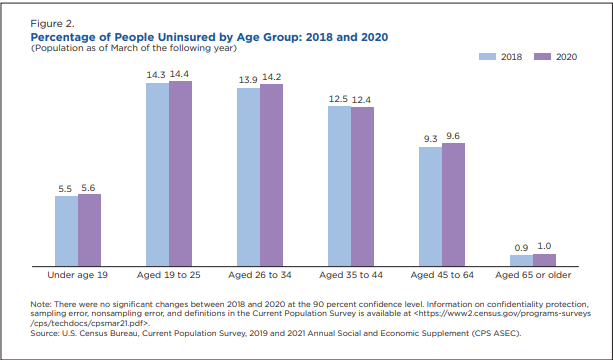
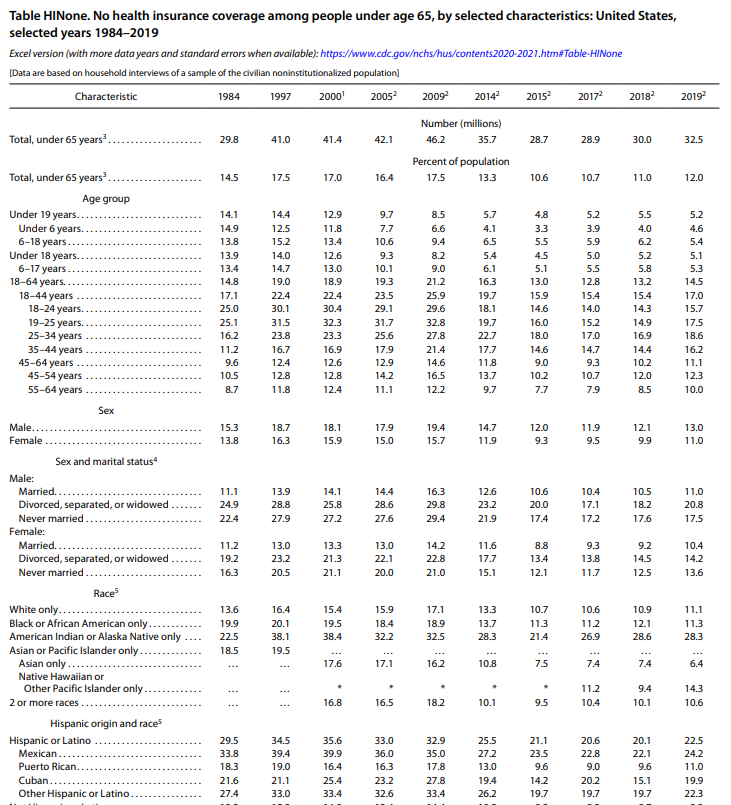
Hispanic-Americans are twice as likely as African-Americans and 3 times as likely as White Americans to be uninsured.
The 40 states that adopted the expansion of Medicaid to cover medical costs for low-income families have uninsured rates about one-half the level of the other 10 who rejected this federal program.
The decline in the medically uninsured has been relatively consistent across racial/ethnic groups from 1984 to 2009 to 2019. Whites 14% to 17% down to 11%. Blacks 20% to 19% to 11%! Hispanics 30% to 33% to 23%.
14 states have much higher uninsured rates than the nation at large. TX and OK at 15%. GA, FL, MS and WY at 12%. NC, AL and AZ at 11%. NC, TN, SC, AL and NM at 10%. Rural, southern and mountain states, by and large.
There were 28M uninsured people in the US in 2021. Just six of the high uninsured percentage states account for 42% of all uninsured people. TX (5.2), GA (1.3), FL (2.6), AZ (.8), NC (1.1), and TN (.7). The other 8 high uninsured percentage states include 2.6M uninsured citizens, for a cumulative total of 14.3M; more than one-half of the uninsured in 14 states, about one-third of the country. Five high population states with 5-7% uninsured rates account for another one-fourth of the total: 6.9M. CA, NY, IL, OH and PA.
Summary
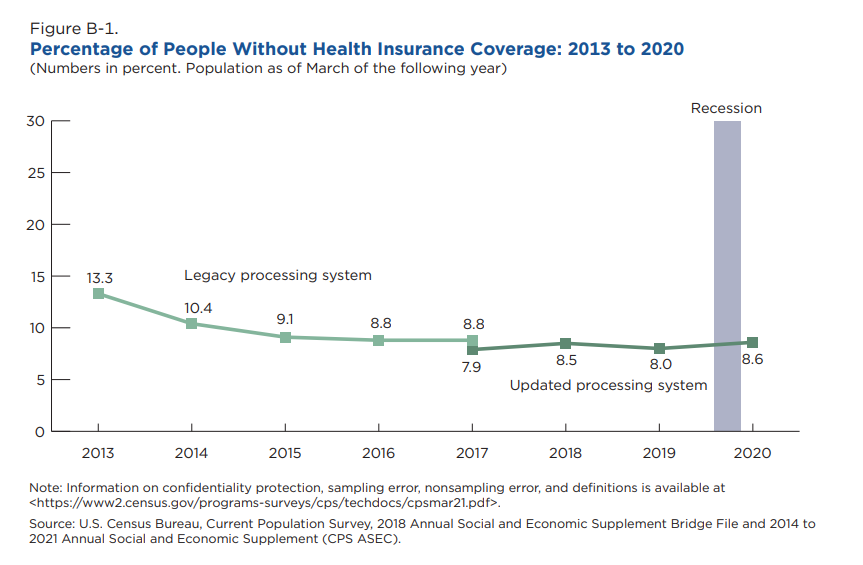
Between 2013 and 2015, the US reduced its uninsured population by one-third and has slowly reduced its uninsured population in the last 7 years.
The stock market reacted quite positively yesterday to the slightly better than expected news regarding measured inflation. The total measure and the “core inflation” measure excluding more volatile food and energy prices were both a little lower than expected for the month and for the 12-month calculation.
I don’t think that trend inflation was ever as high as the markets and voters perceived (double digits) and I don’t think that today’s reaction/perception of a peak or recovery in the inflation rate is correct, as inflation totals and details have been slowing for seven months, since March. In hindsight, the business cycle tends to reflect a smooth “sine-wave” curve of increasing, flattening and then decreasing various measures. It is VERY difficult to separate the “signal from the noise” as the monthly data is released on GDP, employment, inflation, etc.
As usual, we need to look at nearly a dozen measures of inflation and its components and 2-3 views of each component to try to identify the “signal”.
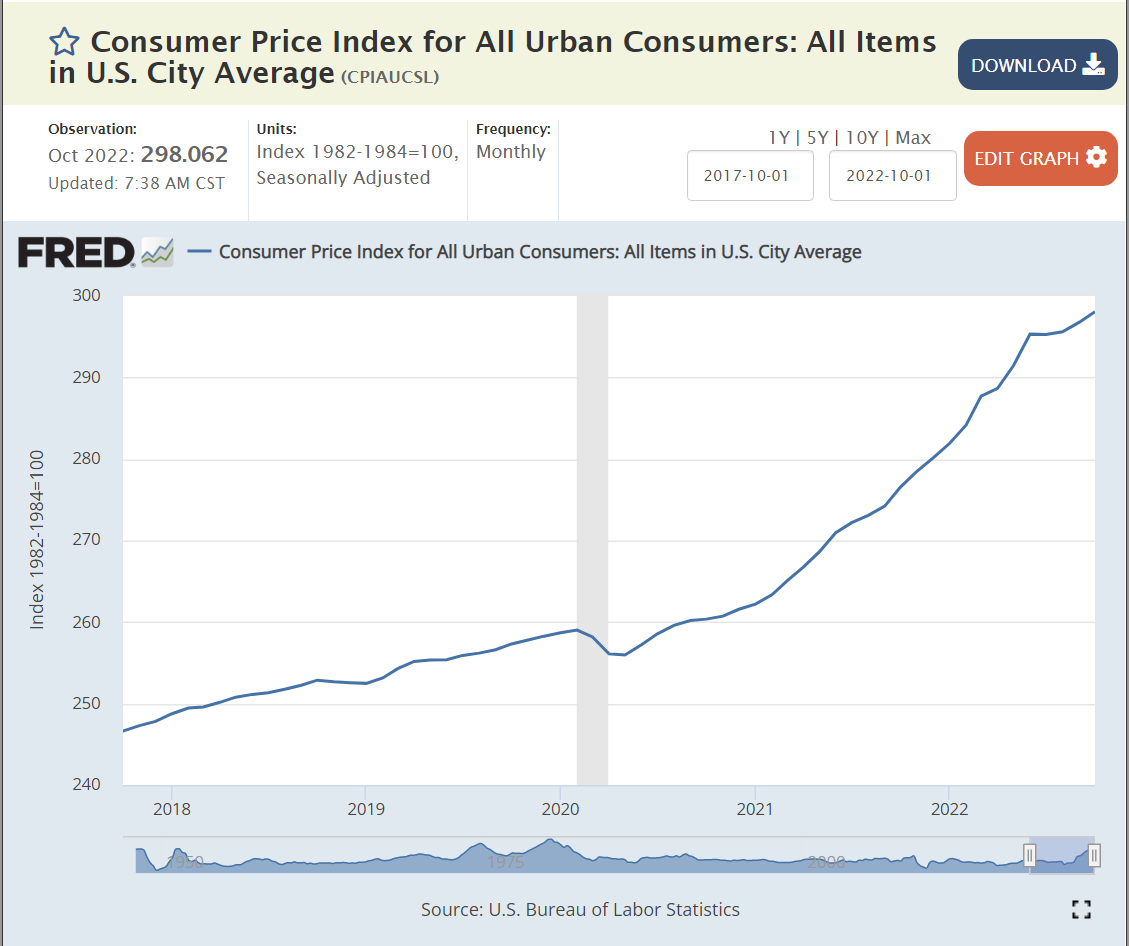
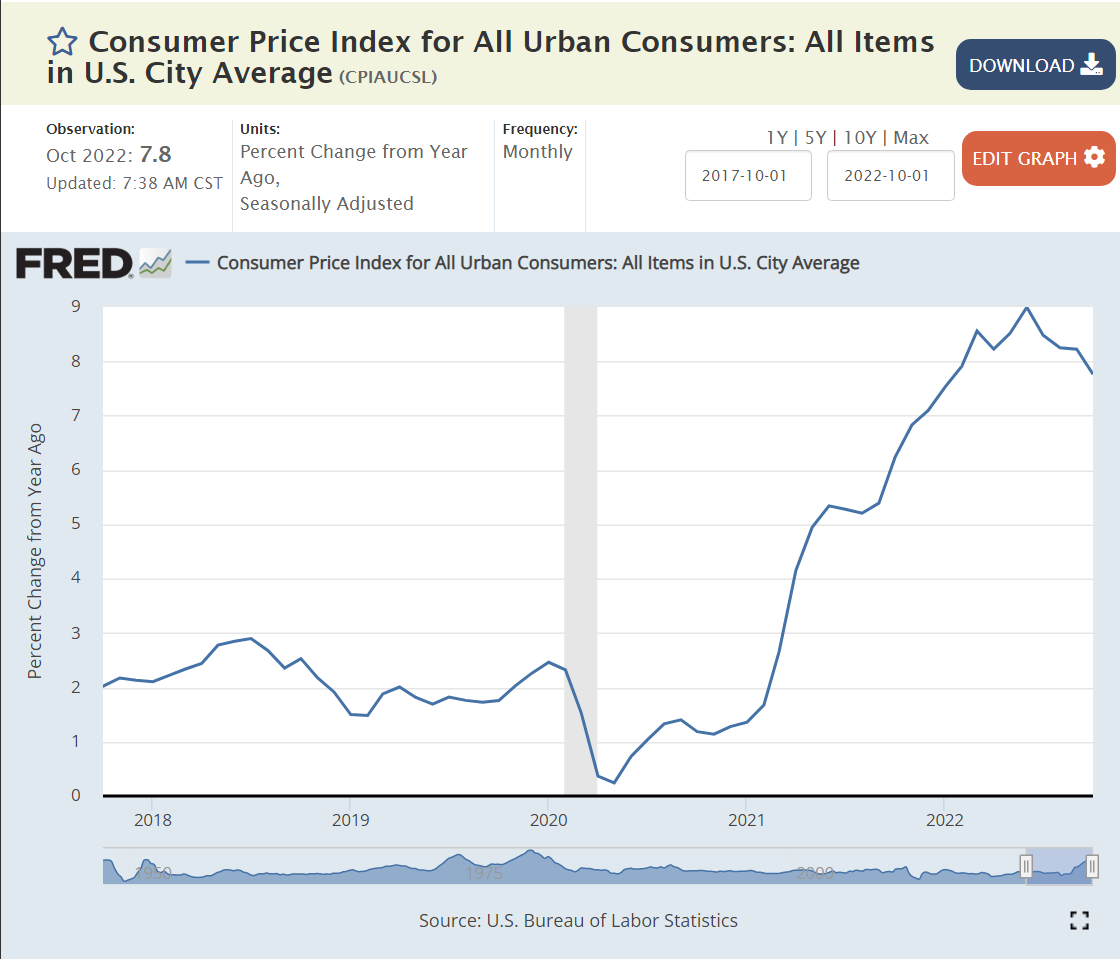
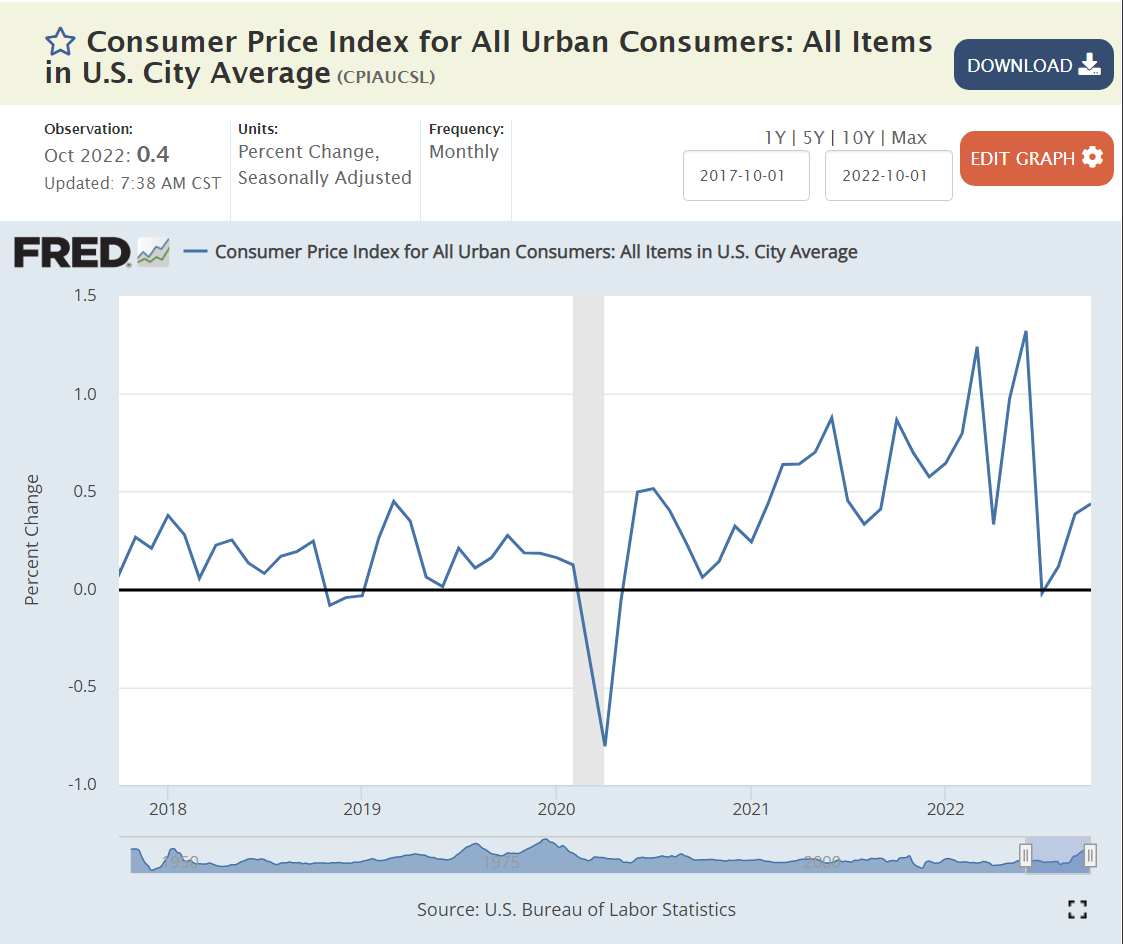
When I look at the consumer price index, I see an inflection point in March, 2022, when a quickly accelerating curve paused its growth rate. Inflation appeared to resume at its prior pace in April and May, not faster than in prior months, indicating that March was a fluke, but at about the same pace, indicating that, overall, there was the beginning of a slow-down in Feb-May. In June, I see a second inflection point, and the pace of price growth has clearly slowed for the next 4 months. The annual inflation rate from March to October was 6.2%
The inflation rate from September, 2021 to March, 2022 was 9.8%. This was the highest rate indicated by this data. 6.2% is a good one-third lower than 9.8%, strongly indicating that the inflation rate has peaked. It might not be declining, but it has clearly peaked.
The annual, 12-month price change measure tells the same story. At September, 2021, the trailing annual inflation rate was 5.4%. At March, 2022, the rate had reached 8.6%. It appears to have peaked at that time, levelling off in the low 8% range. A peak was reached in June at 9%. The next 5 months have shown a declining trend to less than 8%.
The monthly percentage change is much more volatile. Monthly changes reached 0.88% in Jun 21 and 1.32% in Jun 22. There were also lower monthly changes during this period, keeping the 12-month measure to 9% or less. The last 4 months have shown good news, with monthly inflation of 0%, 0.1%, 0.4% and 0.4%, a total of 0.9% for 4 months, or 2.7% annually. This measure is too volatile to claim victory, but it reinforces the notion that inflation has peaked and is beginning to decline significantly.
The “core” inflation index appears to have peaked at 6.4% of annual inflation in Feb, 2022. Most economists focus on this measure because the excluded food and energy components are much more volatile and tend to return to their low long-term inflation rates, so high monthly increases tend to be followed by offsetting declines. The core inflation index appears to have levelled off at 6.5%, but evidence of a future decline is not obvious in this measure.
The monthly core inflation measure fluctuates between 0.4% and 0.6% for the last 18 months, indicating annual inflation of 5-7%. A lasting decline is not obvious, but the October measure is encouraging.
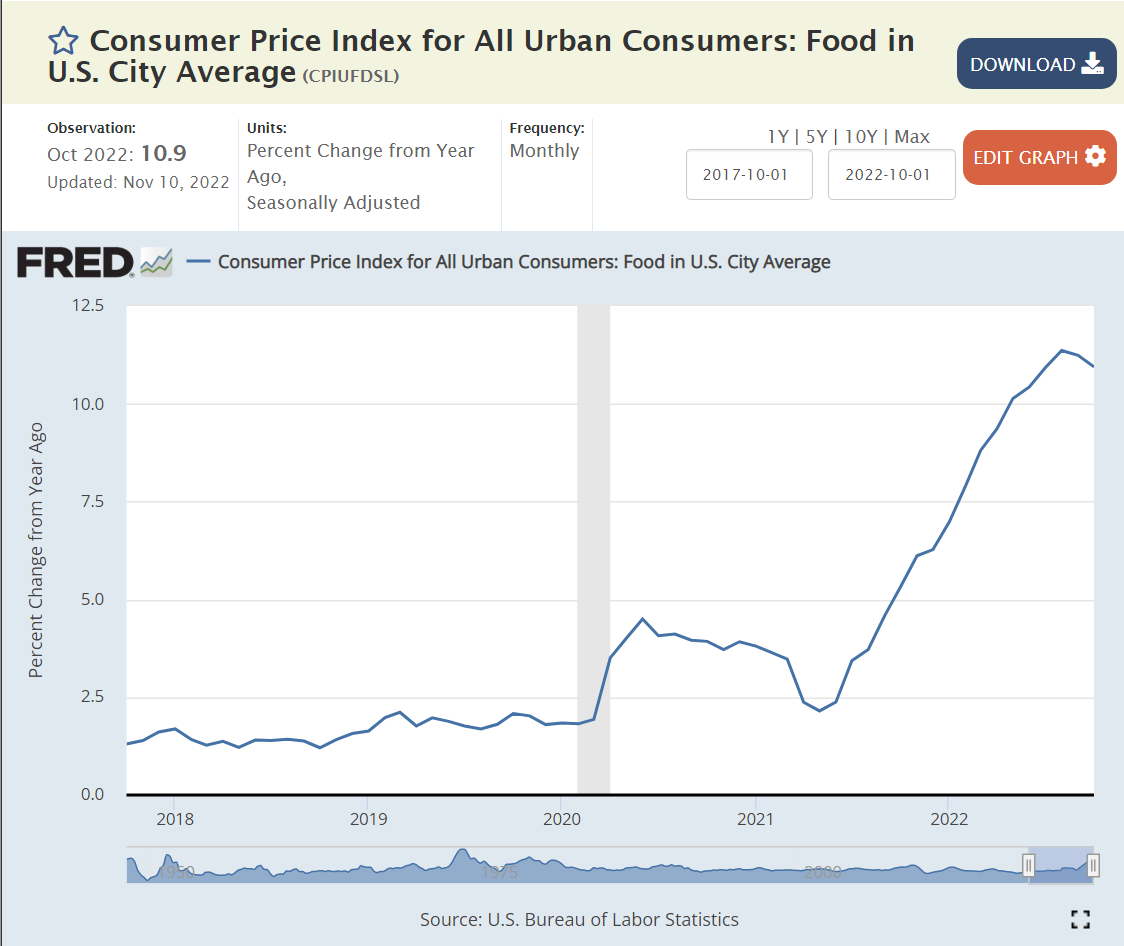
The food consumer price index clearly accelerated from late 2020 through mid 2022. Monthly inflation grew from 0.2% in late 2020 to 0.6% in the last 2 quarters of 2021. Food inflation reached 1% monthly in February, 2022 and stayed at that level for 6 months, before beginning to decline quite sharply to 0.6% in the next 4 months.
On a year-over-year basis, it took a little longer for food price inflation to become noticeable, as the earlier lower inflation months were combined with the growing inflation months. In June, 2021, the trailing 12-month food inflation rate was just 2.4%, comparable to the last 30 years. The annual inflation rate reached 6% by November, 2021 and peaked at 11.4% in August, 2022. The monthly food inflation rate and the trailing 12-month rate are clearly declining. Consumers face a grocery bill each week and are sensitive to these changes for key items.
Energy prices are volatile. That’s why they’re excluded from the “core” inflation measure. Nonetheless, from a consumer experience and future inflation expectations perspective, they matter. They matter greatly. The gas and electric bills arrive each month. Automobile fuel is purchased weekly or more often with huge price signs at the station. Monthly energy prices increased by 5% in June, 2021 alone and averaged about 2.5% per month for the next year and one-half. Energy prices then briefly increased by 19% in the next 4 months combined before finally dropping a bit. The monthly experience was one of 2 years of increases and 30% annual inflation for more than a year. The recent price reduction is seen as a release from relentless large increases.
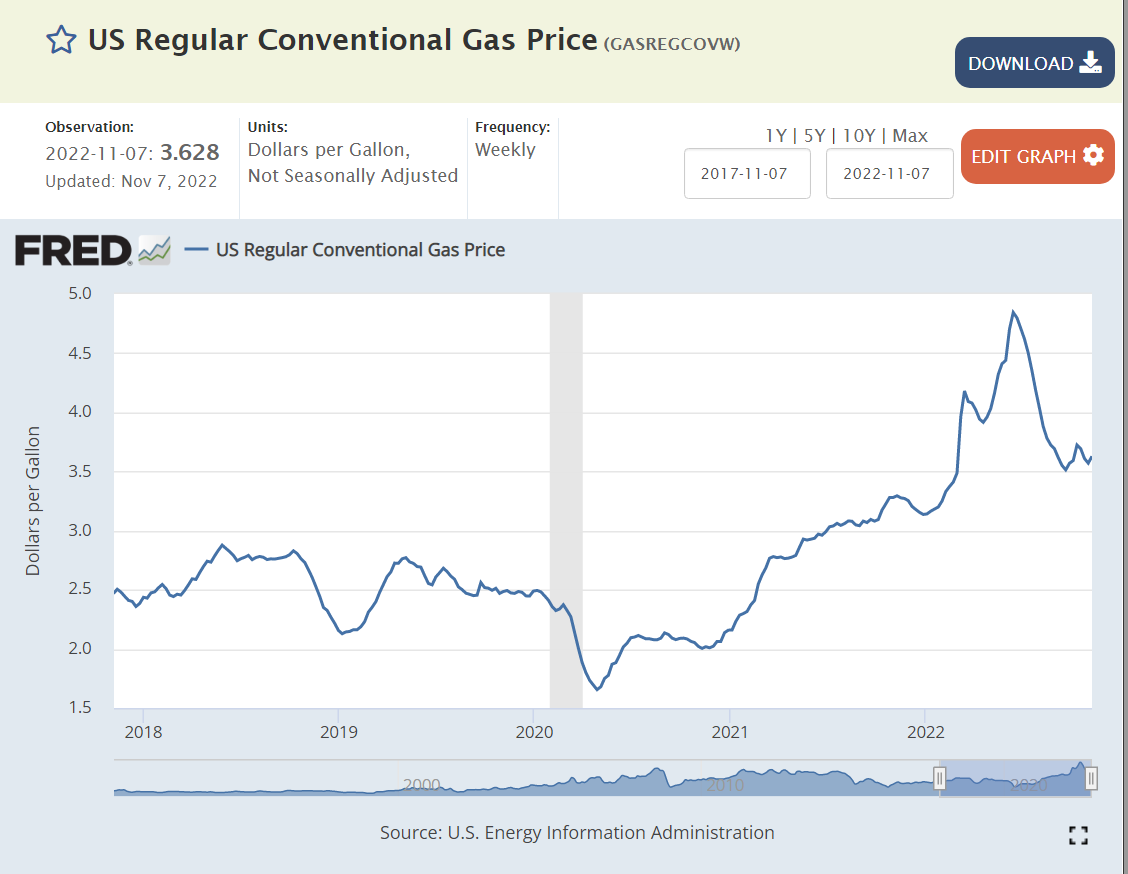
The most visible energy price. for regular auto fuel, dropped from $2.50 per gallon to just $2.00 per gallon during the first year of the pandemic before increasing to $3.00 per gallon in the second year and then up to nearly $5.00 per gallon in June, 2022. It has since declined to a slightly elevated $3.60 per gallon. Consumer perception of “gas prices” is mixed. It’s clearly higher than in 2019, 2020 or 2021, but it has come down from the peak level. Various threats and weekly volatility make consumers shy to conclude that gas prices are “really” declining.
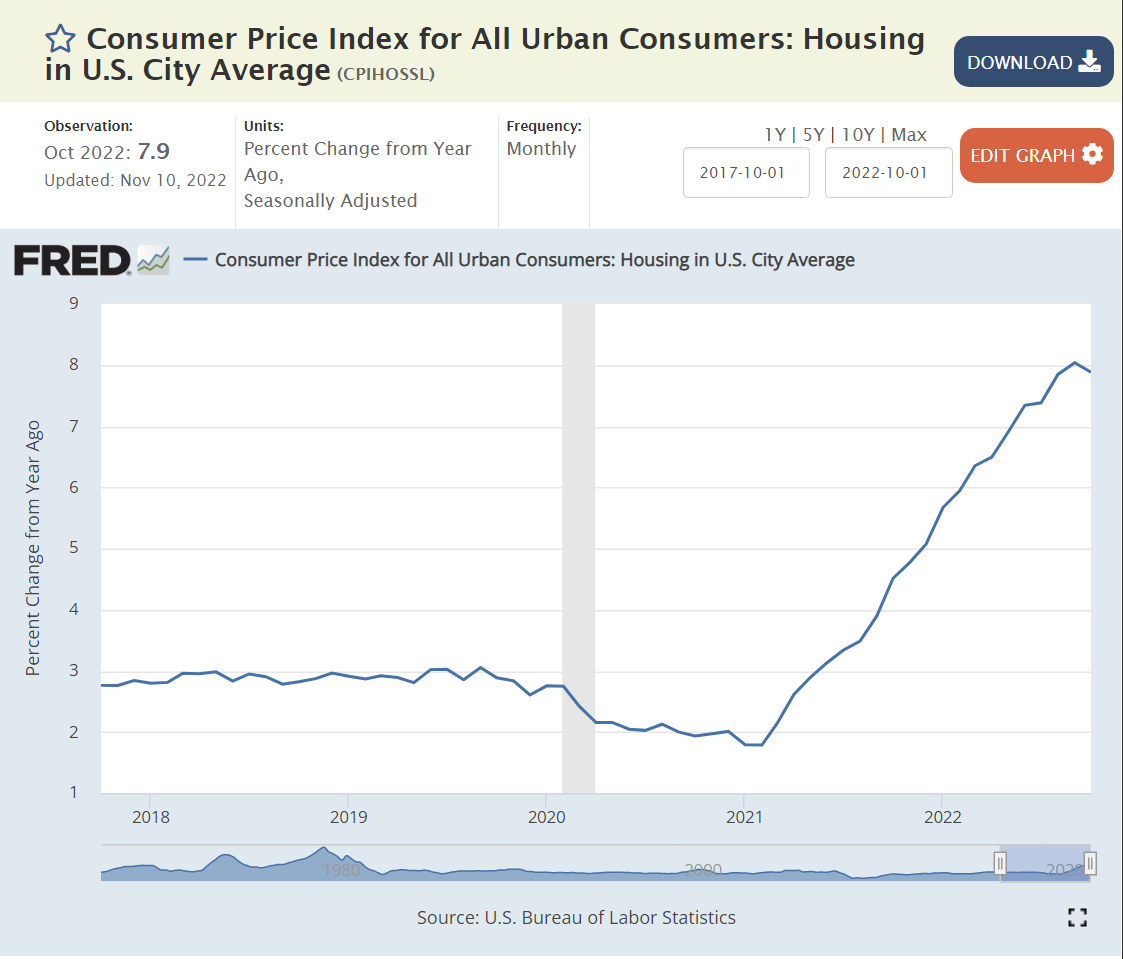
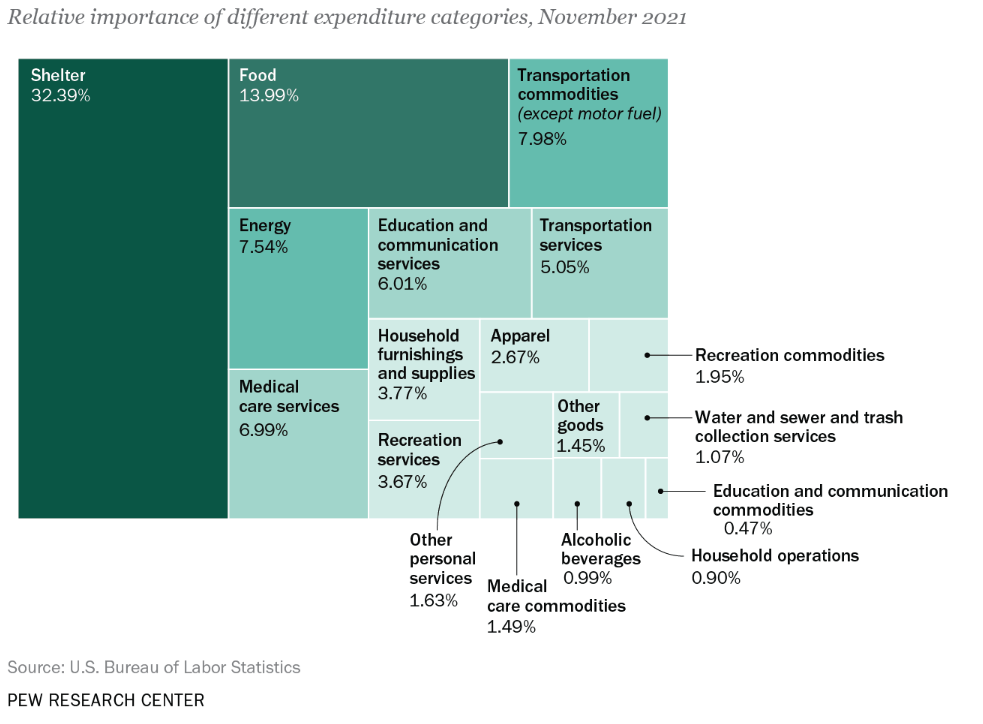
Housing/shelter is the largest component of the CPI. Both rental and home ownership costs are estimated, with adjustments used to try to smooth out variable month-to-month changes.
Annual housing inflation remained in the 2-3% range for the first year of the pandemic, but very quickly climbed to 6-8% as the supply of new homes was reduced and demand for housing of all kinds increased. Consumers saw this inflation in record high rent and housing prices (new or used).
With the Fed driving higher mortgage interest rates, consumers can afford less housing, so demand for new and used housing has dropped, causing owned and rental prices to flatten or fall.
Consumers have clearly seen the substantial increases in housing values and rents, and the subsequent flattening in recent months. Most consumers would estimate experienced annual housing inflation at more than 10% for the last 2 years and be unsure as to expected future housing and rent prices. When in doubt, consumers are likely to expect the worst; some level of continued increases in rents and total costs (mortgage payments).
The pandemic’s large consumer and business subsidies lead to a 20% spike in demand for durable consumer goods, which drove a 25% price increase in 18 months. Consumers obviously experienced this large price increase, even though it was implemented over more than a year. Prices effectively peaked by February, 2022 and then returned to their usual 0-2% annual level. Consumers can feel that “everything costs more”. Many durable goods are purchased infrequently, so the new zero inflation will take some time to shape consumer perceptions, but we are already 9 months into this cycle, so consumers are mostly feeling better about this category.
The “transportation” subset of the CPI looks like the durable goods graph. It contains the prices of cars and trucks, the cost of fuel, insurance and maintenance. I think that most consumers would say that transportation costs are up and have not yet begun to fall, even though the index indicates that they plateaued beginning in March, 2022. This is another category where expectations should slowly change to match the numbers.
Used car and truck prices stayed flat or declined in the 7 years before the pandemic. In the 17 months from June, 2020 to November, 2021 they increased by 45% as private vehicle demand increased and new car supplies shrunk. Used car prices have essentially flattened in the last year. Consumers are aware that prices have stopped increasing but suspect car dealers of still trying to raise prices further. A little more positive experience on this higher profile measure will help to reduce inflation expectations.
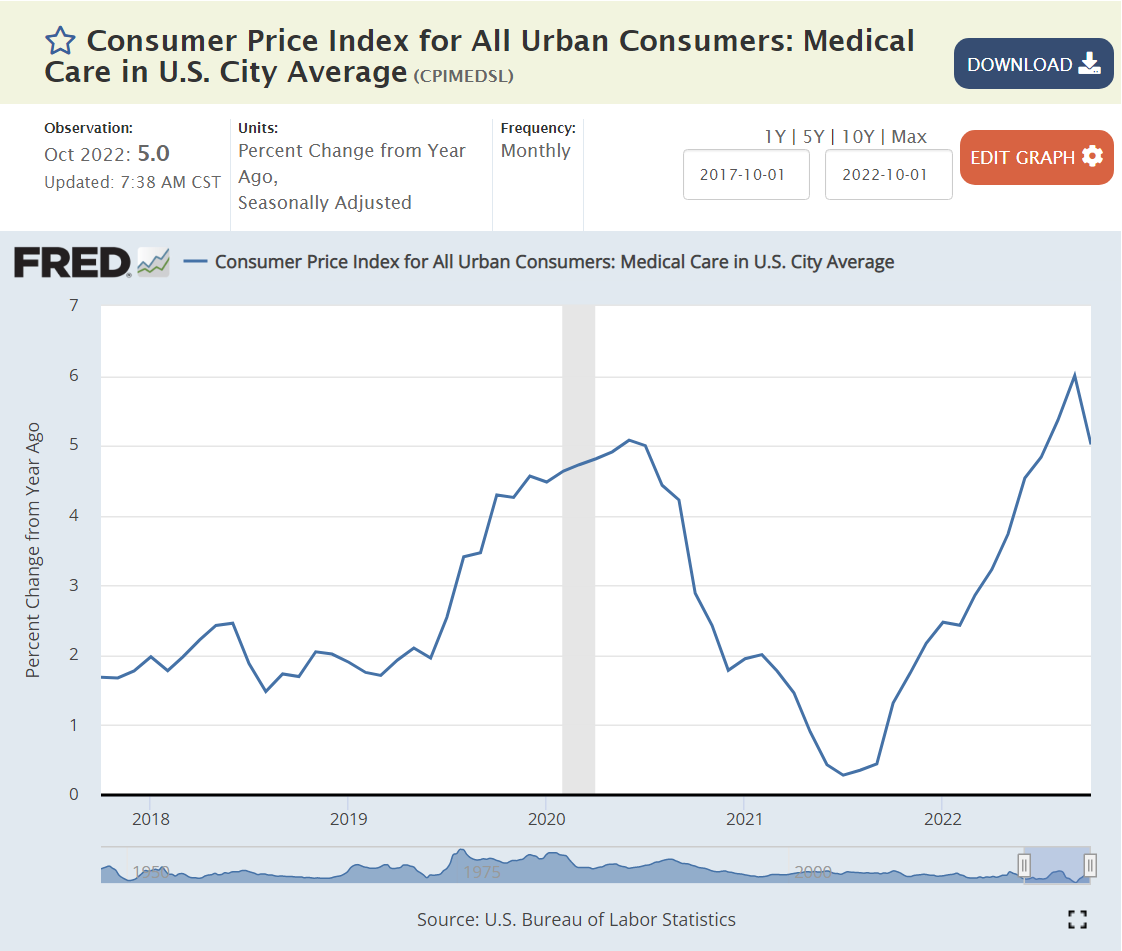
Medical cost inflation was a bit elevated at 5% heading into the pandemic, then fell to less than 2% during 2021. It has since returned to 5%. Consumers have relatively weak perceptions of medical costs due to the buffer of insurance policies. Most service prices were restrained during the first 2 years of the pandemic as demand for durable goods was up, but demand for services was down.
Another way that consumers gauge inflation is through their “real”, inflation-adjusted incomes. Real incomes were increasing slowly in the 3 years before the pandemic, following many flat years. Businesses bid up wages during the first year of the pandemic, but then reduced the increases in their offered wages to less than the increase in inflation. Hence, real wages have decreased by about 2% annually in each of the last 2 years. Hence, at a total level, workers are feeling inflation, because their wages are able to buy a little less at the end of 2022 than at the end of 2020 or 2021.
Summary
The data clearly indicates that inflation has peaked and is heading downward. The rate of decline is unclear. It’s unclear how long it will take to return to a stable 0-2% rate. Consumer perceptions are likely to lag the data by 3-6 months.
Total inflation reached an inflection point in June, 2022, pointing to 3% inflation, rather than 8-9%. Core inflation increased quickly throughout 2021 to a 6% annual level, but has remained flat at 6%. Food inflation reached a 12% annual level, but has slowed to 7%. Energy inflation reached 30% for an extended period of time, but has decreased to “just” 20% with high variability. Official housing costs rose by 8% annually, while consumers experienced 10% plus cost increases. The official housing inflation rate has declined a little to 6%, while consumer perceptions of current and future housing inflation are mixed. Durable goods inflation exceeded 12% annually, but has dropped back to its typical 0-2% range. Broadly defined transportation costs increased by 12%+ for more than a year and have flattened out recently at close to zero percent. Medical cost inflation was low after the pandemic, but has increased back up to 5%. Real worker wages have declined by 4% in the last two years, making inflation a felt reality. There is no sign of a wage-price spiral.
The worst of the post-pandemic inflation appears to be over. Key sectors show flat or declining inflation. Gas prices and used car prices are down. Consumers have used up most of their excess savings. Government spending is way down in real terms. Increased interest rates and a tight labor market are slowing the economy. Consumer inflation expectations are coming down with experienced inflation. Barring another major supply chain disruption, inflation should be under 3% before the end of 2023.