Prioritizing problem solution over personal debate. Creative thinking. Defining and optimizing processes. Translating public policies into law and administration. Systems reasoning.
Opposed by Human Nature; Moderate Work to Overcome
Seek first to understand rather than respond. Invest in continuous improvement. Find new perspectives from working with others. Employ the latest analytical tools.
Opposed by Human Nature; Hard Work to Overcome
Patience. Embracing feedback. Managing change. Managing complex projects. Accurate self-assessment.
Civility accepts that we can be selfish, exaggerate our own views, diminish the views of others and rationalize actions and non-actions to our own benefit.
We have a limited attention span. We struggle to truly multi-task. We let our subconscious do much of the work. We don’t challenge or articulate our political, religious, philosophical and cultural views. We have world views. We act relatively consistently. We defend/rationalize our views as needed. In general, we don’t use our slow and rational faculties. We tend to be self-righteous about our views.
We are morally imperfect. Even with practice, experience and social pressure, we still do what we know we shouldn’t do AND don’t do what we know we should. We reject feedback and social pressure even when it is in our own interest.
We hold different political and religious views. We have different interests, talents and personalities. Living together and reaching agreement is difficult, even with the best of intentions and Civility habits.
Civility accepts our shortcomings and offers a program to do the best we can with what we’ve got.
Human dignity, respect and acceptance require a mature perspective. They are not easy to deeply understand, practice or master. They focus on the essence of individuals in a social environment.
Responsibility, intentionality and constructiveness are also “stretch” values. They also require us to consider the required relationship between the individual and others. It is not simple. Our obligation to others requires perspective and some broader moral framework. Building a commitment to these values requires feedback, support, experience and moral perseverance.
Public-spiritedness also requires a balance between the individual and the environment. Aside from a few saints, humans are not capable of living solely for others. They must balance these needs, wants and desires. Civility does not define how much “public spiritedness” is enough. It requires each individual to consider this difficult topic.
Post-war economists have persistently claimed that Americans “now” have everything they need materially to be happy, but they have been persistently wrong.
Once we have an idea in mind, we tend to consume information that confirms the idea and avoid or deny challenges. Positive, constructive people will be optimists. Others will be pessimists and follow the bad news media.
When we do try to rationally assess our current situation, we compare it with something obvious. It’s usually something prominent, recent, large, and shiny. We compare today with our best ever experience or situation. We reset our expectations to compare with something prominent in our experience. We don’t plot graphs of our real annual earnings, wealth and leisure. Our expectations are anchored in our best experiences. Current expectations tend to move back to a neutral evaluation.
Humans want more. We are rarely satisfied. That means we are easily distracted in the modern world by marketers, influencers, journalists, bloggers and politicians. Human nature has not changed. Our true economic condition has improved with little impact. Our access to information, education, knowledge and wisdom has increased with minor impact. The ability of communicators to influence our perceptions of the world has greatly increased and we have generally not improved our defenses.
Overcoming the Limits of Human Nature
Google AI, March 31, 2026
People overcome the limits of human nature—such as selfishness, fear, and cognitive biases—by cultivating self-awareness, practicing conscious discipline, and leveraging technology to expand mental or physical capacity. By recognizing automatic, instinctual triggers, individuals can pause, reconsider their actions, and align behaviors with higher purposes or long-term goals rather than immediate gratification.
Key ways people overcome human limitations:
• Cultivating Self-Awareness & Mindset: Understanding one’s own limitations, biases, and “upper-limit behaviors” (e.g., self-criticism, blaming) is the first step. Adopting a growth mindset allows for personal transformation.
• Building Discipline and Willpower: Viewing willpower as a “muscle” that can be strengthened, such as by challenging the brain’s urge to quit during discomfort, strengthens mental resilience.
• Using Mindfulness and Reflection: Practicing meditation and taking time to think before acting can help override impulsive, fear-based, or selfish instincts.
• Leveraging Social Support & Mentorship: Engaging with a community, finding mentors, or seeking honest feedback helps identify blind spots and encourages better behavior.
• Leveraging Technology & Science: Utilizing science and technology can solve environmental, cognitive, or physical limitations, expanding what is possible.
• Fostering Values and Perspective: Focusing on long-term benefits over short-term pleasures, alongside fostering traits like gratitude and generosity, shifts focus from immediate selfish desires
Civility has operated for a few hundred years without a brand manager. It has acquired several unfortunate associations through the years. It is commonly seen as just surface level politeness and etiquette, a magic wand problem solver, an impractical emotional approach or an apologist for passivity, power, the status quo, righteousness, the right or the left. Properly defined, Civility is not an easily discounted simplistic answer to our cultural challenges.
Civility Is …
Civility is a set of behaviors that recognizes differences and builds mutual respect: self-awareness, self-management, social awareness, relationship management, communications, growth and problem solving.
It is based on 7 nonpartisan values: human dignity, respect, acceptance, responsibility, intentionality, constructiveness and public-spiritedness.
Inherently Complex
Civility is primarily a set of habits, skills or behaviors that are used to interact with others. There are 7 groups and many specific behaviors in applied Civility. These behaviors are learned, applied, improved and based upon modern behavioral science.
There are also 7 values, principles or virtues that lie beneath the behaviors. They are nonpartisan, commonly held ideas consistent with many political, religious and philosophical systems.
These values have been identified through time as being necessary for effective interactions. They are not derived from any specific religious, political or philosophical system. No one value is the basis for the system, although “human dignity” seems to have the greatest power in driving behaviors and inspiring commitment to Civility. Descriptions of individual behaviors are shaped by the values. There are clear expectations of good behaviors and contrasting taboos.
The Whole Person
Civility requires a commitment to engage with others in to effectively communicate and resolve differences. As such, extraverts have a natural advantage in practicing Civility. Fortunately, the modern behavioral sciences provide training and experiences to help introverts to be “fully effective” even if it requires greater effort.
Civility embraces thinking, feeling and doing. The values and behaviors require all 3 dimensions of life.
The behaviors are inherently practical, applied and specific. The values are more abstract, intellectual and philosophical.
Embracing and applying Civility requires practical and abstract thinking, feeling and doing.
Civility emphasizes “perceiving” in its human dignity, respect, acceptance, constructiveness and public-spiritedness values. It emphasizes “judging” in its responsibility and intentionality values.
Civility focuses inward with self-awareness and self-management skills. It focuses outward for communications, social awareness and relationship management. It balances the needs and importance of the individual with those of the community.
The Whole Process
The Civility model focuses on the process of personal interactions to solve problems and manage relationships. It assumes repeated interactions that encourage participants to invest in relationships and seek long-term results. The process is expected to be iterative, encouraging participation and engagement. Results are not predetermined. Goals are clarified. Positions are shared. Solutions are proposed. Feedback and responses are welcomed. Choices are negotiated. Civility assumes a dynamic process is employed.
Civility skills and values are held by all individuals. They acquire these views throughout life. They apply these conscious and unconscious approaches in all areas of life, formal and informal. Civility norms and expectations are different in different groups and settings. Civil behavior encourages civil behavior. Uncivil behavior is sometimes shunned, encouraged or accepted. A virtuous cycle or a vicious cycle can occur.
Civility values and skills are learned and perfected through application, usage and feedback.
Nonpartisan
Civility is actively nonpartisan. Its proponents accept the results of “Moral Foundations Theory” that there are 6-9 deeply held human views that underly political (and some religious) beliefs. Individuals and political groups disagree about which are most important. Civility is not positioned to resolve these differences. It is designed to help well-meaning individuals understand each other, find common ground and negotiate results that also support relationships and the process. Civility offers a process that allows individuals and groups to maintain their views and still work effectively with others.
Civility attempts to avoid its own “righteousness”. It offers a tested process to facilitate certain interactions. It does not claim to have final religious, political or philosophical answers. It does not claim that its values, behaviors and processes will always produce good results or resolve conflicts. It acknowledges that our understanding of values and ability to implement them through behaviors is imperfect. It recognizes that “best practices” in any of the social sciences evolve through time. Civility attempts to make explicit its values, beliefs and understandings and promote them in clear, transparent ways.
Not Easy Skills
Civility requires hard-earned personal growth by engaging with others, embracing feedback, listening actively and adapting. Civility is never “done”.
Civility requires investment in communications and problem-solving skills.
It requires self-awareness, self-management and relationship management skills.
In essence, Civility has embraced the personal development goal of self-actualization outlined by Abraham Maslow in 1943.
Human dignity, respect and acceptance require a mature perspective. They are not easy to deeply understand, practice or master. They focus on the essence of individuals in a social environment.
Responsibility, intentionality and constructiveness are also “stretch” values. They also require us to consider the required relationship between the individual and others. It is not simple. Our obligation to others requires perspective and some broader moral framework. Building a commitment to these values requires feedback, support, experience and moral perseverance.
Public-spiritedness also requires a balance between the individual and the environment. Aside from a few saints, humans cannot live solely for others. They must balance these needs, wants and desires. Civility does not define how much “public spiritedness” is enough. It requires everyone to consider this difficult topic.
Summary
Civility encompasses values and behaviors, a dynamic process and personal growth. It offers a process solution to our common differences and potential conflicts. It has many component parts that change through time for each person. The core components can be learned and applied by everyone. The basics are easy. Practicing and perfecting Civility values and skills is the good work of a lifetime, worthy of our human dignity.
We define Civility as primarily a set of behaviors, a set of habits. Habits are not easy to create. They are not easy to maintain. They are not easy to improve. Civility calls for specific habits in self-awareness, self-management, social awareness, relationship management, communications, growth and problem solving! Yes, it looks like a master’s degree in counseling, family therapy, psychology or organizational development! Effective communication, relations and problem solving are critical skills for modern life. They can be learned as children, youths, young adults and mature adults. They apply in all spheres of life.
Civility is modestly complex, integrating 7 values and 7 sets of behaviors. It integrates thinking, feeling and doing. It is an applied skill with theoretical support. It requires practice and feedback to build and improve habits. It must be practiced in social settings, which may not be supportive. It requires an investment of time, attention, vulnerability, emotions and discipline. Civility, per se, is not required to perform basic life functions, so it can be ignored to some degree today. Like other moral systems, Civility is aspirational. There is no end to the possible improvements in our skills or the application of the values. Hence, it is sometimes frustrating. We prefer to have “achievement” type goals which can be completed just once.
Civility requires a big commitment. As noted in the first two articles, it provides great personal and community benefits. The 7 Civility values are supported by the major world religions, most cultures and professions. Civility insights and behaviors are applied throughout life. Not everyone will invest deeply in Civility. Those who choose to invest will be repaid multiple times.
The modern definition of Civility emphasizes the role of 54 behaviors in 7 categories. Some of these are considered natural, others variable, a few neutral, and a handful opposed by nature. Each behavior is considered easy, moderate or difficult to learn. Combining nature and nurture, the behaviors can be ranked from easiest to most difficult to achieve.
Natural and Easy to Develop
Emphasizing common interests. Awareness of nonverbal clues. Acknowledging others. Building confidence from interactive success. Benefitting from engagements. Setting higher goals based upon others. Building organizations to pursue strategic goals. Using tools to make organizations more effective. Managing conflicts. Employing optimism. Showcasing trustworthiness. Feeling and showing empathy. Serving others.
Natural, Yet Moderately Difficult to Develop
Giving and receiving praise. Applying skills in different domains. Building cooperative environments. Developing emotional awareness. Growing self-respect. Refining emotional self-control. Finding resilience. Seeing how organizations really work. Taking the perspective of others.
Prioritizing problem solutions over personal debate. Creative thinking. Defining and optimizing processes. Translating public policies into law and administration. Systems reasoning.
Opposed by Human Nature; Moderate Work to Overcome
Seek first to understand rather than respond. Invest in continuous improvement. Find new perspectives from working with others. Employ the latest analytical tools.
Opposed by Human Nature; Hard Work to Overcome
Patience. Embracing feedback. Managing change. Managing complex projects. Accurate self-assessment.
Counterfactuals: Civility Should be Much Better Today
Many of the developments of the last 50, 100 or 500 years would lead one to predict that “civility” would be much better today than 50 years ago.
Measured IQ’s have improved by 10+ points.
Workers are 4-5 times more productive than they were in the WWII era.
Americans nearly all live in metropolitan areas where they interact with other races, ethnicities, classes, nationalities, religions and political views.
People make more choices and experience natural consequences of their decisions. Modern markets and society push individuals to interact in all dimensions of life.
More Americans work in large enterprises where they are required to interact with “others” effectively.
Human rights have been adopted for all. Nationalities, races, religions, genders, sexual preferences and abilities are protected and celebrated.
Regional, national and global trade, travel, sports teams and media are available to all.
Ecumenical religious groups thrive. Christian denominations work with each other and “world religions” in ways unimaginable in 1929.
“Tolerance” is elevated as an important cultural and moral value by liberals, Democrats, cultural elites, and business leaders.
Personality profiles, talents, multiple intelligences, gender differences, emotional intelligences, team building, toxic personalities, autism spectrum and other insights highlight the important differences between people and the need for those who wish to succeed to understand them and adapt appropriately.
The percentage of Americans who have completed a college degree has increased from 5% to 40% since WWII. The educational experience, social expectations and interactions all promote Civility, seriously considered responses to life and people.
The data is sparse, but it looks like 15% of Americans today visit mental health professionals each year to deal with the challenges of life, up from 3-5% in the WWII era. Neighbors, elders, medical professionals, educators and religious leaders have always helped.
The information required to make decisions is easily available.
European nations (and Japan) were able to move past the horrors of the two world wars and establish tolerance for neighboring states as essential principles of modern democracies.
Global institutions were built from the experiences of the Great Depression and WWII. Other nations have rights, responsibilities and things to offer the world.
The colonial, imperial models were discredited along with fascism, Marxism and totalitarianism. The tolerant, “middle way” Western model of mixed capitalist economies, democracies and international trade and cooperation were validated in the 1992 “end of history” per Francis Fukuyama.
Artists and events have destroyed the notion that cultural, social, religious, political, and business leaders are somehow superior and worthy of unquestioning loyalty to single groups, institutions, parties or leaders. We are now all deeply and inherently skeptical.
These historical, social, economic, political, family, educational, and cultural forces say things should be getting better; much better. The forces against civility must be very strong. This points towards “human nature” as the most important factor.
Google AI: March 29, 2026
Transitioning to a culture of universal civility is tough because it requires fighting against both human nature and modern social structures. Here are 10 of the biggest hurdles:
Online Anonymity: The “online disinhibition effect” allows people to say things behind a screen that they would never say to someone’s face.
Echo Chambers: Algorithmic feeds surround us with people who agree with us, making “the other side” seem like an enemy rather than a neighbor.
High Stress & Burnout: It’s hard to be patient and kind when people are overworked, financially stressed, or emotionally exhausted.
The “Winner Takes All” Mentality: In politics and business, aggression is often rewarded more than cooperation, making civility look like a weakness.
Lack of Role Models: When leaders, celebrities, and influencers use insults to gain attention, it sets a standard that incivility is the path to success.
Cultural Polarization: Deep-seated disagreements on core values make it easy to dehumanize those with different views, justifying “incivility” as a moral necessity.
Misinterpretation of Intent: In text-based communication, we lose tone and body language, leading us to assume the worst about someone’s meaning.
The Speed of Life: Civility takes time (pausing to listen, reflecting before speaking). Our current “instant response” culture favors reactivity over thoughtfulness.
Fear of Vulnerability: Being civil often means staying calm while being attacked. Many people fear that staying polite makes them a “doormat.”
The Bystander Effect: When we see incivility happening (especially online), the social pressure to stay silent is often stronger than the urge to intervene or set a better example.
Google AI: March 30, 2026
The hardest parts of practicing civility often involve managing internal emotions and biases in the face of conflict, rather than just adhering to manners. Key challenges include maintaining composure when confronted with opposing views, listening without interrupting, and genuinely considering perspectives that differ from one’s own. [1, 2, 3, 4, 5]
Based on guidelines for civil discourse, here are the most challenging aspects of practicing civility:
1. Emotional Self-Control and Regulation
• Managing Anger and Defensiveness: It is challenging to refrain from reacting with hostility when attacked, mocked, or confronted with deeply polarizing views.
• Limiting Escalation: Resisting the urge to “get the last word” or respond to a provocation with a “retaliatory strike” is incredibly difficult.
• Suppressing Disdain: The challenge lies in managing one’s own emotions to remain respectful, even when internally feeling intense frustration or disagreement. [1, 2, 7, 8, 9]
2. Cognitive and Intellectual Challenges
• Refraining from Judgment: It is difficult to suspend judgment of others’ ideas when those ideas are fundamentally opposite to one’s own beliefs.
• Accepting Alternative Perspectives: True civility demands that one considers the possibility that their own opinions might be wrong and that others’ criticisms may be valid.
• Avoiding Assumptions: Misunderstandings often occur because individuals assume they know what others mean, rather than listening to the actual facts being presented. [1, 10, 11]
3. Behavioral and Active Engagement
• Active, Uninterrupted Listening: Waiting to be recognized before speaking and genuinely listening for the content of the argument—rather than just waiting for a turn to talk—is a major hurdle.
• Disagreeing Agreeably: Maintaining a courteous and respectful tone, especially when using sarcasm or demeaning language feels warranted, requires significant effort.
• Admitting Fault: Apologizing and taking responsibility when you have been wrong or have acted uncivilly is hard for many people.
• Avoiding Gossip and Bullying: Resisting the temptation to participate in gossip or to use one’s position to devalue others requires constant self-awareness. [1, 7, 11, 12, 13]
4. Cultural and Situational Factors
• Dealing with “Performative” Civility: It is often hard to distinguish between superficial politeness (manners) and genuine respect, which requires deeper emotional labor and empathy.
• Navigating Virtual Environments: Maintaining a civil tone is significantly harder over email, text, or Zoom, where non-verbal cues are missing. [14, 15]
In short, the hardest part of civility is not merely being polite; it is actively seeking to understand and validate the human being on the other side of a disagreement. [16, 17]
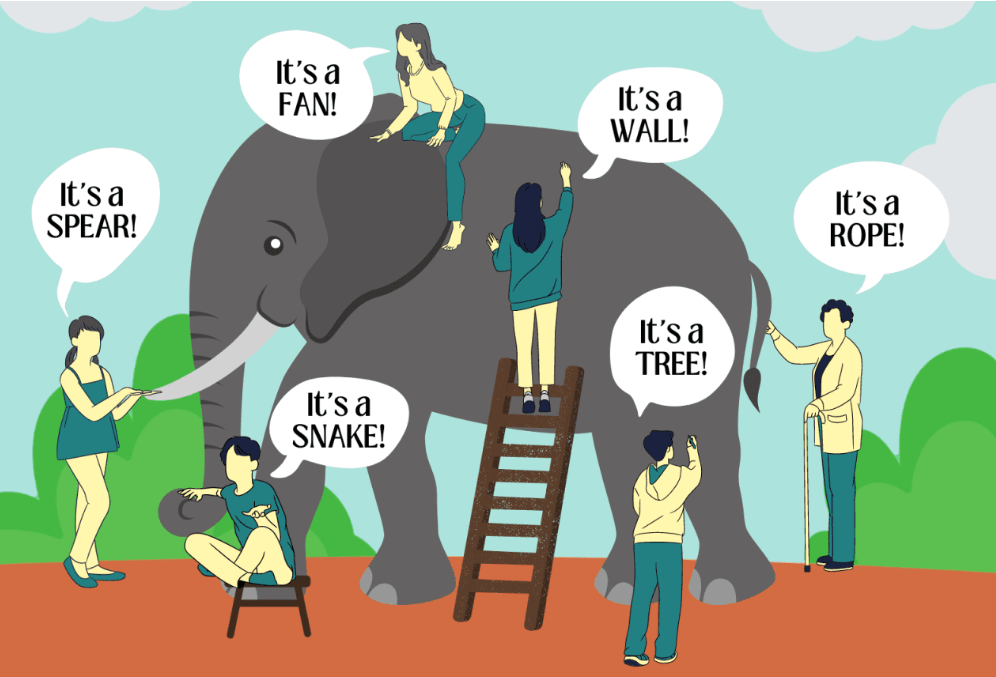
In recent times, eight older men lived in an Indiana community. Each was successfully retired and quite confident. Their neighbors loved the older men and encouraged their breakfast group meetings. Since the older men were no longer actively engaged at work, they had to imagine how things really operated. They listened carefully to stories about the active world of business, government, politics, health care, science, and leadership told to them by others.
The men were curious about many of the stories they heard, but they were most curious about Civility as a super solution to social challenges. They were told that Civility could fix politics, solve tough problems, promote personal growth, reinsert facts and logic into debate, revive trust, social relationships and institutions, and restore the balance between individuals and community.
They remembered Indiana as a very special place with great leaders. They recognized Birch and Evan Bayh, VP’s Quayle and Pence, representatives Lee Hamilton and Julia Carson, Indianapolis mayors Hudnut, Goldsmith, Petersen, Ballard and Hogsett, mayor and senator Lugar, but especially Governor Mitch Daniels. They knew that Daniels had been effective for Indiana, America and Purdue. Did Daniels believe in this Civility miracle solution?
The older men argued day and night about Civility. “Civility must be too simple,” claimed the first man. He had heard stories that it ignores real differences and big solutions.
“No, you must be wrong,” argued the second man. “Civility is complicated, combining values and habits in search of perfection. That is why people struggle to follow it.”
“You’re wrong! Civility seeks compromise, the middle ground and the golden mean. It combines the best that participants can offer,” said the third man.
“Please,” said the fourth man. “You are all mistaken. Civility grandly guarantees that it can solve all problems and conflicts! You know how people exaggerate.”
“How can you be so naïve,” exclaimed the fifth man. “Civility simply rationalizes weak, overly sensitive behaviors that avoid conflict and deny human nature.”
“Civility ignores passion and the emotions,” cried the sixth man. “It eliminates feelings, values, and intuitions by emphasizing cold rationality alone.”
“I am sure that Civility is a leftist plot,” said the seventh man. “That would explain why it emphasizes the importance and legitimacy of government.”
“On the contrary,” declared the eighth man. “Civility is a Republican scheme to return to the 1950’s with its mindless emphasis on a single culture, morality, character and values.”
Finally, the neighbors grew tired of all the arguments, and arranged for the curious men to visit the home office of Mr. Daniels to learn the truth about Civility.
When the men reached the home a half-hour ahead of schedule, they were greeted by an old friend who managed the governor’s visitors. Their friend led them to a waiting room where they watched a 10-minute video on Civility. The retired men quickly began to argue.
The first man stood up and exclaimed. “Civility is just common sense, nothing special.”
The second man misquoted the video. “Civility claims that all people can get along and all problems can be solved,” he announced.
The third man disagreed. “I was right,” he decided. “Civility is a tool of the powerful to maintain the status quo.”
The fourth man criticized Civility’s idealism. “What we have here,” he said, “is a sort of cult, invoking magical practices to reach utopian ends.”
The fifth man responded, “Civility is hopelessly weak because it asserts that strong emotions, interpersonal relations, sensitivity and hospitality can mend all fences.”
The sixth man stated, “Civility is very powerful. It allows groups and individuals to acquire and use power for their own ends, while dismissing the needs and desires of others.”
The seventh man considered the actors in the presentation. “Civility elevates individuals and personal growth above church and community, so it must favor Democrats,” he said.
The eighth man was shocked. “Why, Civility is nothing more than a way for the powerful to reassert social control through norms, taboos and shunning,” he scoffed.
The governor’s aide led his friends to the kitchen. “Sit here and rest,” he said. “I will bring you something to drink.”
While they waited, the eight men talked about Civility.
“Civility is just politeness, rules and etiquette. It is a surface level approach,” said the first man. “Surely we can finally agree on that.”
“Just politeness? Civility aims to transform men, institutions and society” answered the second man.
“Transformation? Civility focuses just on process, promotes elite values and prevents real arguments and solutions” insisted the third man.
“It’s impossible for everyone to develop such powerful skills that effectively bridge real human differences,” said the fourth man.
“Civility merely assumes that better skills, processes and values can manage differences, conflicts and human nature through the forces of goodwill,” noted the fifth man.
“Civility provides a socially approved way for individuals to emphasize form over substance. They can perform in a civil manner without really addressing the needs of others,” cautioned the sixth man.
“Socialist subjectivity and radical tolerance. There’s no doubt,” said the seventh man.
“Don’t you see?” pleaded the eighth man. “Civility is intended to keep us occupied and distracted by small issues and away from the larger issues of systematic injustice. Someone is using Civility to trick us.”
Their argument continued and their shouts grew louder and louder.
It was Purdue President emeritus Daniels, disturbed by the noisy argument.
“How can each of you be so certain you are right?” asked the former governor.
The eight men considered the question. And then, knowing the budget director to be a very wise man, they decided to say nothing at all.
“Civility combines values, skills and behaviors to solve problems and build relations,” said Mr. Daniels. “Each of you exaggerates the importance of only one part. Perhaps if you put the parts together, you will see the truth. Now, let me finish my morning in peace.”
When their friend returned with drinks, the eight men rested quietly, thinking about their leader’s advice.
“He is right,” said the first man. “To learn the truth, we must put all the parts together. Let’s discuss this on the journey home.”
The first man found his seat on the senior bus. The second man found his seat, and so on until all eight men were ready to travel together.
This 15-minute brainstorming exercise is designed to identify shared values, experiences, and cultural touchstones that unite Americans despite political and social differences. It can be done individually or in a group.
The “Common Ground” Brainstorming Plan (15 Minutes)
• Materials: paper, pens, a wall or whiteboard.
• Facilitator: If in a group, one person keeps time and keeps the energy high.
Phase 1: Silent Generation (0-5 Minutes)
• Goal: Generate maximum ideas without groupthink.
• Prompt: “What do Americans from all walks of life have in common?” (Consider values, daily life, culture, and history).
• Action: Everyone writes down as many ideas as possible silently. Do not criticize or discuss.
Phase 2: Thematic Grouping (5-10 Minutes)
• Action: Participants share one idea each with the group sequentially. Leader groups ideas by theme on flipchart or marker board.
• Shared Experiences/Culture: (e.g., Celebrating the Fourth of July, Watching the Super Bowl, Eating Thanksgiving dinner, Coffee culture)
Phase 3: Synthesis & Reflection (10-15 Minutes)
• Goal: Highlight the top 3-5 commonalities that seem most important.
• Discussion Questions:
• Which of these themes are still true despite current divisions?
• What surprised you?
• How can these shared values improve conversations about tough topics?
• Devotion to Individualism: A shared belief that individuals are responsible for their own destiny, independence, and self-reliance.
• Optimism and “Can-Do” Attitude: A “future-oriented” mindset that believes problems can be solved and the future will be better than the present.
• Informality and Directness: A preference for casual communication, first-name basis (even with bosses), and getting straight to the point.
• The “American Dream” Ideal: A belief that anyone, regardless of background, can achieve success through hard work and merit.
• Respect for Equality (Idealized): The belief that all people are of equal value and should have equal opportunities, regardless of family background.
• Consumerism/Materialism: A shared culture of capitalism where material items are often seen as the deserved reward for hard work.
• Cultural Holidays: Thanksgiving, Independence Day (4th of July), and Labor Day are widely celebrated across the nation.
• Patriotism: While expression varies, a general love for the country and pride in its democratic ideals.
America feels more divided than ever. If we weren’t already split before last year, President Donald Trump, Elon Musk and company have us holding down our sides of the fence even more now.
Yet, from the MAGA faithful to the most left-leaning Democrats, American culture brings us together. We always hear the banter about how Americans are perceived and viewed when we travel to other countries. Our behavior and very aura makes us stick out like sore thumbs to the locals. However, if those international tourists took a trip here for the first time, there’s a laundry list of things they would find peculiar about American way of life.
We’ve compiled a list of these things that make the American experience unique based on the surveys taken by Boston University, ICES, Business Insider and Best Life Online. Keep scrolling to see what “American” things we do.
Religious Freedom
Church vs. State is still very serious in this country despite some legislators’ faith-based arguments on topics like abortion and LGBT+ rights. Even though most Americans identify as Christian, there is a general respect of how other citizens decide to exercise are about their Freedom of Religion rights.
Talking to Strangers
Culturally, Americans don’t mind chatting it up with a random person in the supermarket. Some of the best people you might encounter in this country are folks you don’t even know and may not see again beyond the checkout line. Kindness costs nothing.
Accommodations for Kids
Not every country normalizes the playpen in McDonald’s or even a “kids menu” at restaurants. Most notably, in Europe, children and adults often patron the same places without a distinct separation for “kid-friendly” spaces.
Large Food Portions
You might travel overseas and realize the food portions are smaller. That’s because Americans have normalized mega-jumbo sizes for entrees across cuisines. We ain’t complainin’ either! You’ll almost always have leftovers.
Belief in “The American Dream”
America is known as the land of opportunity, guaranteeing every person whose feet touch the soil access to freedom, liberty and the pursuit of happiness. While that’s not always true, even for homegrown citizens, it is still a looming belief that America is the best place to live, raise a family and begin a career.
Time is Money
Americans stay on the move thanks to supply, demand and good ol’ capitalism. Americans must make a point to carve out time for a hobby, take a nap or have a leisurely stroll. We even take our lunches to go and eat while walking or driving to the next destination – an oddity to European countries who rarely do so.
Equality
We had to fight for that “all men are created equal” bit to be naturalized for all men. Despite the cracks, equal opportunity in America is still an expectation we expect each other and the government to live up to. Even with our challenges, we are still considerably more liberal than other countries.
Western Superiority
Americans can be big heads. We’ve always thought that our country was the best on the planet, promoting democracy and the best way of life. I mean, western culture has heavily influenced all parts of the world. However, the root of that influence also stems to a superiority complex that made it appear that the U.S. had to intervene with the affairs of every other country in the world. Thanks, colonialism.
Tipping Food Servers
No, it is not a normal habit overseas to tip food servers. However, American waiters and waitresses often rely on those big tips in addition to their wages just to survive.
Individualism
Americans will stand together when we need to but everyday life can be quite isolating. The atmosphere of competition from school to the work field spills into our personal lives, causing many of us to desire time alone and sometimes, be a bit self-centered.
Hello American Flags
Patriotism is so real. We might be the one country who dedicatedly decorates with the American flag. From tee shirts to classroom decor or even on the front porch of a home, you don’t even realize how many star-spangled banners are flown in the country until you take time to notice.
Focus on Future
Americans are generally optimistic about their futures. Majority of us grow up having an expectation to excel to the next level or believe our dreams can be executed despite the obstacles we face.
Work More, Play Less
Americans do have a shared work experience that demands majority of our time, leading us to take fewer vacations – unless you’re an influencer entrepreneur.
(American) Football
THEE American sport. Many other countries consider “football” to be what we call soccer. However, we have our own sport, in the likes of rugby, that is truly a national event.
Drive-Thru Culture
Americans rely on cars so much, we are probably the only country that has accommodated the most drive-thru accessible businesses. Banks, Starbucks, pharmacies, fast-food – one thing America is about is convenience.
This 15-minute structured exercise is designed to help individuals or teams shift their focus from interpersonal conflict (blaming people) to functional problem-solving (fixing the issue). It is based on the principle of “attacking the problem, not the person”. [1, 2, 3, 4]
Exercise: The Problem-First Protocol (15 Minutes) [5]
Objective: To externalize a conflict, define the technical issue, and move toward solutions without involving personalities.
Materials Needed: Paper/sticky notes and pens. [6, 7]
Phase 1: Silent Brain Dump (4 Minutes)
Step 1 (2 min): Write down the current conflict in as much detail as possible. Focus on what is bothering you.
Step 2 (2 min): Go back through what you wrote and circle every time you used a person’s name, “you,” or “they.”
Purpose: To realize how much of the narrative is focused on people rather than facts. [8, 9]
Phase 2: “De-Personing” the Problem (4 Minutes)
Step 3 (4 min): Rephrase the entire issue on a new piece of paper, removing all names and pronouns. Instead of “John didn’t send the report, making me late,” write “The report was not delivered by the deadline, causing a delay in the project”.
Focus: Describe the process gap or the technical shortcoming rather than the human behavior. [9, 10]
Phase 3: Root Cause Analysis (4 Minutes)
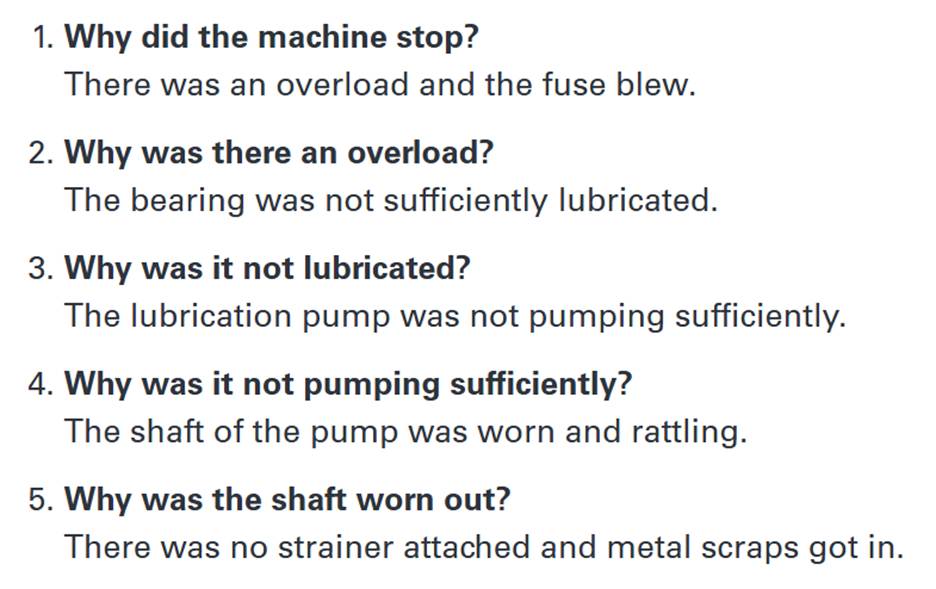
Step 4 (4 min): Ask “Why?” five times to find the root cause, ignoring blame.
Problem: The report was late.
Why? I didn’t get the data.
Why? The data extraction tool didn’t run.
Why? The automated server was down… (Continue until a structural issue is found). [11]
Phase 4: Actionable Solutions (3 Minutes)
Step 5 (3 min): Brainstorm 3 potential solutions that fix the process, not the person.
Example: Implement an alert system when the server is down (instead of yelling at John).
This method immediately separates the intent (problem) from the interpretation (people).
This 10-minute workshop is designed to teach participants how to use “I” statements to communicate effectively, reduce defensiveness, and resolve conflicts by taking ownership of their emotions. [1, 2, 3, 4]
Workshop Outline (10 Minutes)
0:00–0:02: Introduction & “You” vs. “I” (2 min)
Goal: Define “I” statements and highlight the difference between blaming and owning feelings.
Concept: “You” statements (e.g., “You never listen”) create defensiveness. “I” statements focus on the speaker’s own thoughts, feelings, and experiences, which builds trust.
Activity: Read a, example of a “You” statement: “You make me so angry!” and ask how it feels to hear that.
0:02–0:05: The “I” Statement Formula (3 min)
Goal: Teach the structure of an effective “I” statement.
The 4-Part Formula:
When… (Describe the behavior objectively: “When you raise your voice…”)
I feel… (State your emotion: “…I feel intimidated…”)
Because… (Explain the impact: “…because I cannot express my thoughts.”)
I need/would prefer… (Offer a resolution: “…I need us to speak calmly.”)
Alternative Formula: “I feel [emotion] when [behavior] because [impact], and I would like [solution]”.
0:05–0:08: Practice & Transformation (3 min)
Goal: Convert “You” statements into “I” statements.
Examples to transform:
Instead of: “You never clean up!”
Try: “I feel stressed when the kitchen is messy because I enjoy a calm space. I would appreciate it if we could make a cleaning plan.”
Instead of: “You are always late!”
Try: “I feel frustrated when I wait for 20 minutes because my time feels disrespected. I would like it if you could text me if you are running late.”
Activity: Have participants transform one personal example.
0:08–0:10: Key Takeaways & Tips (2 min)
Goal: Review and emphasize self-responsibility.
Tips: Focus on feelings, not accusations. It is not just about the words, but a shift in mindset to own your emotions and actions.
Closing: “I” statements are a catalyst for problem-solving and collaboration. [5, 6, 7, 8, 9, 10, 11]
Key Takeaways
Avoid “You”: “You” statements often make others feel attacked or blamed.
Focus on Feelings: “I” statements allow you to share your emotions without criticizing others.
Be Specific: Clearly describe the behavior, the impact, and the desired solution.
Strengthen Relationships: Using this method reduces conflict and increases understanding. [6, 11, 12, 13, 14]
Resilience is more than bouncing back from adversity; it’s about growing by learning from life’s challenges. Resilience activities help develop the capacity to adapt, recover, thrive, and flourish during hard times.
This article expands on the science behind resilience training, exploring evidence-based resilience activities and strategies that support the development of psychological flexibility and wellbeing. We’ll explore how resilience training helps people navigate life’s difficulties and how it enhances overall life satisfaction, meaning, and purpose.
By identifying character strengths and using them to embrace vulnerabilities, resilience training helps transform setbacks, losses, and even disasters into opportunities for personal growth.
Moreover, resilience training develops a mindset that understands that challenges, setbacks, losses, and tragedy are an unavoidable part of the human experience, not a personal failing (Ketelaars et al., 2024; Zhai et al., 2021). This shift in perspective helps people meet loss and change with steadiness and compassion rather than fear or avoidance.
Exercise 1: Each night for a week, write down three things that went well that day and why they happened.
Exercise 2: Take a strengths inventory test or review the Gallup Strengths/Talents list. Best $60 investment you’ll ever make. See or just choose your top 5. You are probably in the top 5% of people on these abilities and use them in ways that are very difficult for most other people. For each of the 5, think of one time you used it this week. What was the result? How much effort was involved? Could you apply this talent more widely or deeply tomorrow?
Finland is a tiny country. 5.6 million people in a world of 8.3 billion people. One of every 1,500 people lives in Finland. About the size of metro Philadelphia or metro Atlanta. Smaller than 72 cities. Less than Miami, Singapore, Dallas or Toronto. Just 1/5th the size of Jakarta, Dhaka, Tokyo, Delhi or Shanghai!!!!
An unusual language, distantly related to Hungarian and more closely connected with Estonian.
Yet, it clearly “punches above its weight”. 5 Nobel prize winners. Retaining its independence in 1940 against a vastly superior Russian army. 480 Olympic medals. Perennial global ice hockey competitor. Paavo Nurmi, the flying Finn. 2006 Eurovision song winner. Northern lights. Reindeer.
Finland experienced massive outmigration through time. 500,000 to the US and Canada. 650,000 Finnish descendants in the US today. 140,000 to Russia. 500,000 to Sweden.
Balmy Helsinki’s average daily high is 30 in December/January/February and 69 in June/July/August.
Today we incredibly look to Finland as the “happiest” country in the world with the “best” school system! This does not compute!
The SISU attitude is considered a national treasure. Extraordinary perseverance, an action mindset, latent power, resilience, community, spiritual force, the good life. In essence, an indomitable collective will to survive and thrive despite many threats.
An example for all of the world to consider.
Sisu: The Finnish art of inner strength
Sisu: Finnish SISU Explained
Sisu: The Finnish Secret of Inner Strength and Resilience | Psychology Today
What Sisu Can Teach Us About Well-Being | Psychology Today
What Finnish Can Teach Us About Resilience | Psychology Today
Finnish fun.
The Finnish Secret to Happiness: Why They Laugh 🇫🇮✨ #funny #trending #comedy #jokes #2danimation
How to greet a Finn😎 No Finnish needed🤪👋🏻 #finland
To maintain positivity during high-stakes conversations and negotiations, you can use this structured 15-minute exercise. It combines internal grounding with tactical communication techniques to shift the dynamic from “combat” to “collaboration”. [1, 2, 3, 4]
The 15-Minute Positivity Reset
Time [2, 5, 6, 7, 8, 9, 10, 11, 12, 13, 14]
Phase
Action
0-3 min
Internal Grounding
Physical Anchoring: Notice your breath and physical sensations (tension, tightness). Use the affirmation, “No matter what happens, I can handle it,” to address underlying anxiety.
3-6 min
Perspective Shift
Reframing the “Opponent”: Visualize the other party not as an enemy, but as a partner with their own fears and needs. Identify one shared goal you both have, such as “finding a sustainable solution”.
6-10 min
Tactical Prep
Positive Framing: Draft 2-3 “want” or “question” phrases instead of “demands.” For example, “I wonder if you might be willing to help me out here” instead of “I need this”. Prepare to use Tactical Empathy by labeling potential negatives: “It seems like you’re concerned about the timeline…”.
10-13 min
Mental Rehearsal
Active Visualization: Imagine the conversation going well. Visualize yourself taking a conscious breath before reacting to a difficult statement, keeping your tone warm and curious.
13-15 min
Final Check
Commit to Curiosity: Set the intention to let the other person finish their thoughts completely before you respond. Acknowledge that while you can’t control their reaction, you can control your centered presence.
Key Positivity Tactics for the Conversation
Use Appreciation: Open with sincere small talk or express genuine thanks for the other party’s time and effort to build immediate rapport.
Mirror and Label: Subtly repeat the last 1–3 words of what the other person said (mirroring) and label their emotions (“It sounds like you’re feeling frustrated…”) to diffuse tension.
Focus on “I” Statements: Use constructive language like “I notice I’m becoming defensive” to acknowledge energy without attacking the other person.
Acknowledge without Agreeing: Use phrases like “This sounds really important to you” to show you’ve heard them, which creates psychological safety without making a premature concession. [8, 10, 11, 12, 13]
This 15-minute exercise, called “Flip the Script,” helps maintain positivity by replacing negative conversational habits with constructive alternatives, focusing on active listening and solution-oriented language. [1, 2, 3, 4, 5]
List 3-5 negative, defensive, or roadblock statements you often hear or use (e.g., “That won’t work,” “We’ve never done it that way,” “It’s not my job”).
Minutes 6-12: The “Flip” (Brainstorming)
Rephrase each statement into a positive, constructive alternative that encourages collaboration.
Example: “That won’t work” $\rightarrow$ “What can we adjust to make this viable?”.
Example: “We can’t do that” $\rightarrow$ “I can do X, and here is what I need help with”.
Minutes 13-15: Practice & Commitment
Roleplay a 1-minute scenario using the new, positive phrasing.
Commit to using at least one “flipped” phrase in your next conversation. [2, 4, 5, 6]
Key Principles for Ongoing Positivity:
Pause & Breathe: Before reacting to a challenging statement, take a moment to regulate, avoiding immediate, emotional responses.
Active-Constructive Listening: Ask open-ended questions like “What can we learn from this?” to encourage growth rather than blame.
Label Emotions: Label negative emotions (e.g., “I feel concerned when…”) rather than acting on them to reduce their power. [5, 7, 8, 9]
6-02 Authenticity – Balancing Values and Tolerance
A workshop designed to balance personal values and beliefs with the need for tolerance aims to help participants navigate the tension between holding firm convictions and respecting diverse perspectives. Such workshops often utilize value-based decision-making exercises to transform abstract principles into practical, everyday behaviors that encourage coexistence without requiring individuals to abandon their core truths. [1, 2] [We’re just going to review what this kind of 60-90-120 minute exercise looks like].
Here is a structured overview for designing or facilitating this type of workshop:
1. Workshop Objectives
Clarify Core Values: Identify and prioritize personal values that act as a “compass” for behavior.
Define Tolerance: Explore the difference between tolerance (accepting others’ rights to beliefs/actions) and validation (agreeing with them).
Bridge the Gap: Develop skills to navigate the space between personal convictions and the need to coexist with differing opinions.
Reduce Defensive Reactions: Shift from knee-jerk reactions to intentional responses when encountering opposing views. [2, 3, 4, 5, 6]
2. Core Workshop Activities
Values Identification Exercise (Values Card Sort): Participants select their top personal values from a list to understand what is most important to them.
“What You Tolerate” Mapping: Participants map their own tolerance patterns (what they allow, what they ignore) to identify their real-life values, rather than just their stated values.
Beliefs vs. Values Mapping: Distinguish between flexible beliefs and deeply held, non-negotiable core values.
Scenario Role-Playing: Use hypothetical scenarios where deeply held beliefs conflict with the need for professional or social tolerance, focusing on practical resolutions.
Personal Action Plan: Participants create a plan to apply their clarified values to real-life situations, ensuring their daily actions align with their beliefs. [1, 7, 8, 9, 10]
3. Key Topics & Discussion Points
Truth vs. Tolerance: Discussions based on the concept that practitioners can stand for personal truths while practicing respect for others holding different views.
The Value of Diversity: Exploring how different, even contradictory, opinions lead to growth and prevent a “boring” or rigid world.
Setting Boundaries: Recognizing that tolerance does not mean accepting behavior that causes harm. [2, 11]
4. Setting the Scene
Safe Container: Establish ground rules of confidentiality and respect to allow for open dialogue on “awkward” or contentious topics.
Focus on Behaviors: Emphasize that the goal is not to force everyone to share the same beliefs, but to change how they act toward others.
Use Reflective Exercises: Start with reflection on personal, real-world experiences, such as “revisiting a moment you felt unsettled, overwhelmed, or judgmental” to trigger insights into personal values. [12, 13, 14]
5. Practical Application
Participants should leave with a drafted set of personal values and a “Personal Action Plan” detailing how to live those values while demonstrating respect for others, ensuring that the lessons go beyond self-knowledge into daily practice. [1, 15, 16]
This 10-minute, three-part exercise is designed to help you identify your core values, visualize firm boundaries, and practice assertive, dignified responses to boundary-pushers. [1, 2, 3, 4]
Exercise: The “Centered Conversation” Protocol (10 Minutes)
Goal: To move from passive compliance or aggressive reaction to assertive, dignified communication.
Phase 1: Clarify & Center (Minutes 1–3)
Goal: Identify your value and set your internal boundary.
Identify the Threat: Think of a specific, recurring conversation where you feel your dignity or values are compromised (e.g., a boss overloading you, a relative commenting on your life, a friend oversharing).
Name the Value: What value is being violated? (e.g., Respect, Autonomy, Peace, Privacy).
Define the Boundary: Write down one sentence defining what you will not allow, starting with “I need” or “I am no longer willing to…”.
Example: “I need to keep my financial decisions private.” [6, 7, 8]
Phase 2: Visualize & Embody (Minutes 4–5)
Goal: Mentally prepare to maintain composure.
Visualize the Scene: Close your eyes and imagine the person breaking that boundary.
Somatic Check: Where do you feel tension? (Jaw, stomach, shoulders).
Breathe and Assert: Take a deep breath. Imagine a calm, protective light around you. Mentally practice saying your boundary sentence from Phase 1, but this time, visualize yourself saying it calmly, without apologizing or explaining. [9, 10, 11]
Phase 3: Act & Refine – Scripts (Minutes 6–10)
Goal: Practice polite but firm responses. Select one of these “dignity-first” scripts to rehearse out loud:
The “No” without Justification: “I understand you’d like me to do that, but I cannot.”
The Redirection: “I appreciate your concern, but I’d prefer to discuss my choices only when I specifically ask for advice.”
The Boundary Reminder: “I’ve already decided on this, so I am not looking for input on it.”
The Time-Out: “I value our relationship, but I need to set a boundary here. I’m not comfortable with this topic, so I’m going to step away from this conversation now.” [12, 13, 14]
Tips for Success
Keep it Short: Do not justify, rationalize, or apologize. Less is more.
Accept the Discomfort: You may feel guilty when setting boundaries. Do it anyway; boundary-setting is self-care, not selfishness.
Stay Focused: If the person pushes back, use the “Broken Record” technique: calmly repeat your boundary in the same words. [9, 15, 16]
Reflect: How did it feel to speak your boundary out loud?