Last July, I predicted that inflation would be “near 2% by the middle of 2024”. That is not going to happen. Let’s look at the components to assess the last year and the likely future.
Year over year inflation rate peaked at 8.6% in 2nd quarter of 2022. It was more than cut in half at 4.0% a year later in the 2nd quarter of 2023. The last 2 quarters have been 3.25%. The “easy work” is complete. The “hard work” remains.
More volatile Food and Energy prices do not explain the continuing 3%+ inflation rate.
We have enjoyed energy price deflation for 3 quarters.
Food consumed at home prices have been nearly flat for the last 2 quarters after the 12-13% inflation during 2022.
The price of food consumed away from home continues to rise at 4-5% annually. A tight labor market has increased staffing costs for restaurants. High food input costs taught them to better manage their menu prices. Many restaurants went out of business during the pandemic. Restaurants, large and small, lost money during the pandemic and are fighting hard to recover these losses. Following the lean pandemic years consumers have largely returned to their habits of eating out. This is a business sector where high aggregate demand driven by government deficit spending is creating inflation. It is not the “wage-price spiral” of the 1970’s in a manufacturing intensive economy but it is a similar situation in our retail-intensive economy.
We have enjoyed deflation in durable goods prices for 5 quarters as US and global manufacturers realigned their supply chains with more predictable demand patterns.
Nondurable goods inflation has been below the 2% benchmark for 4 quarters.
The broadly defined “services” sector at 5-6% inflation remains a stubborn problem area. It contains a number of sub-sectors with very different market conditions.
Medical care inflation above the overall inflation rate has been an issue for decades, but it has averaged just 1% for the last 5 quarters.
Transportation services prices have increased by 10% annually. This includes public and private transportation. Public sector transportation is attempting to recover from the pandemic driven decline in ridership. Private rail and truck carriers were disrupted by the pandemic as goods movements plummeted. The prospect of driverless trucks kept freight firms and drivers from returning. Transportation drivers are on the low end of wages. The overall increase in real wages at the low end of the labor market has made these physically demanding, away from home, jobs less attractive. This inflation is part long-term structural adjustment and part short-term recovery of freight flows in the economy. Transportation services is 5% of the CPI, material, but not large enough to drive the total.
The education and communications pair of service sectors has low inflation. Education is higher. Communications is lower.
Housing is one-third of the total CPI. It is a very technical, wonky area. It combines a blend of actual rental charges and the estimated rental value of owned homes. Increases in home prices are smoothed out and their impact on the CPI tends to lag by 2-8 quarters. Housing inflation has fallen from 8% to 5%.
Housing sales prices have declined for 4 quarters. This will increasingly blend into the housing CPI, soon producing deflation rather than 4-5% inflation.
Market rent inflation remains in the 3-3.5% range based on the cumulative lack of US housing construction since the Great Recession of 2007-9. Combined with falling housing sales prices the combined housing CPI should decline to 2% by the fourth quarter of 2024.
Dreaded “cost-push” inflation is not a major factor for the US economy. A tight labor market has delivered 1% annual real wage increases for the last 5 quarters. This is a factor in inflation but not a driver or barrier to reaching 2% overall.
2024 looks like 2023, a very high budget deficit for a full-employment economy. In classical Keynesian economic terms, the aggregate demand pressure indicates continued 3% inflation.
An overheated economy typically shows a strong increase in imports as demand reaches out globally. This is not the situation in the US this year.
The money supply has a long-term impact on the economy, prices and inflation. The Federal Reserve Bank has been shrinking the “money supply” by 10% annually.
Commodities are the most volatile element of the global economy. Prices jumped by 20% with the unanticipated quick recovery from the pandemic. The last year has delivered commodities price deflation.
Changes in relative market power can drive inflation. Corporations increased profits by 50% in the first year of the pandemic. Profits have been relatively flat since then.
Summary
A dozen sectors point towards 2% inflation by year end. Energy, food at home, durable goods, nondurable goods, medical care, education/communication, housing prices, real wages, imports, money supply, commodity prices and profits.
Four sectors indicate concerns. Food away from home continues to drive high inflation.
Public and private transportation services have not yet reached equilibrium. This pressure may continue for another 4 quarters but should not be a long-term inflation driver.
The “Great Recession” destroyed the construction industry. It has slowly recovered. Total construction has increased, perhaps not enough to bring housing supply into balance with demand 15 years later. Rental inflation at 3% is likely to continue.
The federal budget deficit is the greatest concern. 6% of GDP is a huge deficit.
Net, net, I predict that the Urban Consumer CPI increase in the fourth quarter of 2024 versus the fourth quarter of 2023 will be 2.25%. The federal government spending deficit will directly and indirectly boost inflation.
The brands that are growing the fastest in the world all have this in common: they have a target audience that serves as their guide to build their brand around. These brands are able to see tremendous growth as they focus on the right community of people.
Too many churches don’t take the time to take aim before they take action with their marketing efforts and this creates waste with their resources. Don’t let this happen to you.
Get focused.
A target community allows church leaders to be effective as they build their brand because they are able to focus on those people they are good at reaching.
Let me first say this: As a church, you should welcome anyone that is breathing, because that is what God’s love compels us to do.
The point I’m making is simply that you need to have a strategic target in your approach to marketing and advertising because focus allows you to be most effective in attracting people. I like to say that confusion is the enemy of your vision.
Each church is equipped to reach certain types of people based on the leadership that is in place, the location it is in, the type of ministry it offers and the resources it has. The more clarity a church has on it’s primary people group the more effective it will be in reaching people as the brand is built around this community.
I want to let you in on a little secret: you have a target audience, whether you know it or not. Everything your church does or says is going to appeal to one group more than another. It just is. People don’t all enjoy the same kind of theology, music, decor, or preaching style. Some people like communion to come in little plastic cups. Others prefer intinction.
The choices you make are excluding people who would prefer something else. If they don’t like drums in the worship service, and your church uses drums in some fashion, you’re excluding them. If they don’t like drums but stay anyway, of course you’ll welcome them. It’s not like you’re putting a sign on the front door that says, “If you don’t like drums, go away!” But some of the choices you make will potentially turn some people off — and that’s okay.
One thing stagnant churches haven’t realized yet is that by not choosing who they intend to appeal to, the choice is being made for them. Everything from the interior design to the music is being chosen by different people using their own preferences as criteria. What you often end up with is a strange quilt of elements that might not necessarily appeal to anyone.
Wait, isn’t the Church for everyone? No, the Gospel is.
This is the number one mistake we see churches making. They assume that because the Gospel is for all people, their church is too. When in reality every Church is called to a specific group of people, like Paul was called to the Gentiles and Peter to the Jews. So your local church is called reach and minister to a certain, defined, group of people.
JESUS LOVES EVERYONE, SO DON’T WE WANT TO TARGET EVERYONE WITH OUR MARKETING?
Every single person in your city, within a fifty-mile radius… that’s your target audience. Right? If that is your mindset, you have an uphill battle in front of you. Don’t get me wrong, you certainly want to see every man, woman, and child come to know Jesus through your church. As Christians, we love everyone! But here is the crazy truth: to reach more people, focus on fewer people. Your church is going to make a much deeper impact on your community if you tailor the entire experience to a specific demographic. It seems counterintuitive, I know.
While reaching the whole world with the gospel is the mission of the Christian faith, life-giving churches recognize that the world is made up of many different audiences. Since different groups of people have quite different cultures, needs, and methods of communication, a church that intentionally tries to reach a specific group with the message of Christ, will normally be much more effective than one that tries to reach everyone with a general attempt. Every church should have a sign that says, “Everyone Welcome,” but a deliberate strategy must be in place or they will only see accidental growth.
As Christians, we want to reach and include everyone. This is our ultimate goal as disciples. However, from a specific ministry standpoint, this approach ends up reducing the relevancy of the message and spreads efforts too thin for significant impact. Afterall, a standard marketing rule of thumb states:
If you try to reach everyone all the time, you’ll end up REACHING NO ONE.
Each person, ministry, and local church is uniquely equipped and positioned to reach different types of people. Therefore, it is vital to understand who your audience is before you create content, write a single social media post, or spend any money on social advertisements. This section will help you learn how to effectively shape your messages and content to match your audience’s needs and reach them effectively, no matter their age, gender, ethnicity, location, or situation.
There’s a marketing axiom that says if you try and market to everyone, you market to no one.
It works that way in the church too. When a church tries to reach “everyone,” it effectively reaches no one. That doesn’t mean everyone isn’t welcome … if everyone isn’t welcome, you’re not running a church, you’re a private member’s club.
But just because everyone’s welcome, it doesn’t mean you should (or even can) accommodate everyone.
Defining a target audience is a marketing concept where you describe a person who is the ideal customer for a product. It helps to shape branding decisions such as colors and fonts so the designs hit the mark.
A church can use a target audience to provide clarity in the experience it provides online and in person. It creates alignment which builds trust so people decide to be part of your church.
Different groups of people have different felt needs. American firms started to cater to these groups with truly “differentiated products” in the 1960’s, 1970’s and 1980’s. American religious denominations have increasingly offered creeds, worship and experiences to meet diverse needs. By the 1990’s individual congregations began to refine their offerings and messages to match the needs of their congregations. Today, American consumers are spoiled. They expect to be served.
On the universal customer needs dimensions of QSFVIP, “I want it all and I want it now”. Quality: relevant, meaningful and entertaining sermons, worship and program experience. Speed: 45 minutes, on-line, recorded. Flexibility: multiple times and delivery channels. ”Call me”. Value: programs and message directly touch me where I live. No pledge commitment. Ala carte funding of programs. Information: no transaction costs. 6 ways to give. No pledge commitment. Personal: monitor my needs and follow-up.
In a world of such expectations, congregations cannot easily meet the expectations of everyone that visits or becomes a member. They must welcome everyone, but they are unable to serve everyone.
The marketing folks emphasize that effective organizations refine their services so that they clearly meet the needs of a target audience. This allows the marketing machine to do its magic.
Benefits of Defining a Target Market
Much more effective marketing to attract new members and retain existing members.
A consistently defined and executed set of programs, brand image and messages is more effective.
The process of defining a target market forces staff, volunteers and elders to more deeply consider the priority needs of the congregation and community.
A clear target market helps to identify, define and prioritize local mission investments.
Congregations struggle with resource allocation decisions. A clearly defined target market helps to prioritize worship, outreach, youth, children, adult, local mission and global mission efforts.
Prioritization within ministry areas is easier to do.
Able to evaluate and justify investments in marketing and outreach.
Helps to focus all programs to deliver specific benefits to meet the perceived needs of the target market communities.
A target market is needed to do effective marketing. It can also help to shape worship, facilities, programs, outreach, events, music and mission activities to better serve the congregation and the community.
Safeguards When Defining a Target Market
But wait, there is good news. Even though you focus on one demographic, that doesn’t mean you will only reach that one person type. Other demographics will also be served by and attracted to your church. I am constantly amazed by how many people don’t fit into our cultural norms. I see people that don’t fit certain stereotypes—wearing brands, attending events, or watching shows that I would have never guessed that they would like. You don’t have to worry that your church will end up only serving a specific type of person, or that everyone else will feel out of place. This is just about making your marketing specific. You will still have a well-rounded congregation, and people will still feel like they belong, even if they are outside of your defined target audience. Don’t be all things to all people, but find who you truly are and go all in with that.
Targeting a specific demographic as a strategy for church growth is problematic. It can create needless obstacles for any church wanting to have an open door. If you say you are interested in ministering to any and all people, shaping your ministry to fit just one group is contradictory.
People who are not the aim of your reach efforts will feel left out or overlooked. For instance, if you decide that your congregation will be a “family church,” focusing on children’s ministry, marriage sermon series, and small groups for couples, then singles will feel unwanted. Creating a youthful vibe that only interests millennials will make older people feel unneeded or unwanted. In targeting one group, you’ve eliminated any space for other groups.
This is one of the worst unintended consequences of the church growth movement. Many have written solid critiques of the movement and have much to say about other consequences. The most grievous is the contextualization of the gospel. And focusing on one demographic to the exclusion of others can lead down that same slippery slope.
When you direct your ministries toward one group, you run the risk of forcing every message into a one-size-fits-all box. You base every decision on that one demographic you’re trying to reach. You adapt your sermon applications to fit a perceived felt need, rather than letting the Word of God speak for itself and leaving space for application to every life situation.
There is a difference between reflecting your immediate community and targeting a specific demographic. Ultimately, your congregation will likely start to resemble the makeup of the surrounding neighborhoods. If they are homogenous, then your church will probably be the same.
Church marketing won’t work unless: We focus less on what we say and more on how we act. We realize that louder isn’t better. We look at it as relationship-building and stop viewing it as information-sharing. We talk less about how great we are (“organization-focused”) and instead deliver a message and ministry that leads to life change (“people-focused”). We realize we can’t force what we think people need until they know they need it. We reduce the number of competing messages we are trying to communicate. We know who we are trying to reach and we’ve acknowledged we can’t reach everyone. We deliver on what we promise.
Here are some mindset examples of people a church can focus on:
A church may focus on people who love music and they build an experience that is excellent around a worship experience. The church then attracts musicians and those who love to worship by coming to a corporate gathering.
Another church may focus on people who are doers and love to make things happen. They build an experience around outreach to the local community and equipping people to make an impact with their lives. They might have an emphasis on missions work around the globe so the people are able to do the most good with their resources.
Yet another church may focus on people that are business professionals. Their experience may be in line with teaching principles and having opportunities to build projects that make a large impact.
Here are a few more mindsets that a church may target:
Young parents who are in need of a guide to help them do it right
Those who desire to make a difference with their lives
Young adults who are seeking a place to belong with others who are like-minded
When churches begin going down this road, they’ll often decide that their church demographic is something like “young families.” This is a good place to start, but isn’t quite as dialed in as you would like. If you can be even more specific and say, “young families with infants” or “families with elementary-aged kids,” it’s much easier to understand how things could change to be more welcoming for them.
Some churches have had great success focusing on groups like unchurched men, musicians, cowboys, military families, etc.
Here are a few examples of a well-defined target audience: – Young couples with children under ten years old – Men between the ages of twenty-one and thirty who have a worldly past – Established professionals in their forties – Local college-aged students
When it comes to outreach and evangelism, most churches have a “target market”- an ideal audience for their services and ministry programs. Frequently, that tends to be young families, and the key decision maker for church attendance is often the mom/wife. Understanding how women communicate and make decisions regarding church visits can help you create a website designed to appeal to them. If you know women in their 30s are your target audience, don’t design a website that appeals to men in their 50s.
Nearby residents, homes built since 2000 (within 3 miles)
New city homeowners
Office corridor employees
Senior citizen center members
Adult children of church members
Local government and schools’ employees
Local hospital/medical employees
Parents of preschool enrollees.
Former members of the church.
People attending a “civility” meeting.
Parents of on-site and off-site youth sports participants
Parents of cub scouts
Local retail and restaurant employees
Young Republicans and Young Democrats
Determine Your Target Audience
The first step in reaching your audience is to develop a clear picture of who you are talking to. Begin with surface-level demographic information. Use the criteria below and fill in the information for your ministry’s target audience. Surface-Level Demographic Information:
Location
Age
Gender
Ethnicity/Language
Interests
Deep Level Characteristics:
Needs
Core Values
Shared Experiences
Motivations
Additional Insights
hese cultures are potentially endless in variety, but can include:
Platform
Age groups or generations
Gender
Language(s)
People groups: race, ethnic, immigrant v. first generation, etc.
Current location: city/suburbs/country
In school vs. out of school
Lived in a specific geolocation their whole life vs. transplant
Faith groups, life-long Adventists vs. converts vs. former Adventists/Christians
Professional groups vs. homemakers vs. working mothers
College educated vs. blue-collar workers
Offline social clubs vs. online identities and groups
To be honest, most churches today have opted to try and target a shrinking audience … adults who have some history in the church. Lapsed church-goers. The Dones. But almost every church is trying to target all of them all at the same time.
The graduated-from-college but not-yet-married group
Transitioning into the real world is hard enough for young people, so make it easy for them to get plugged in at your church. There is a lot of pressure for this group to land a good job, get their own place and possibly even find a spouse. This group needs support, so be there for them.
Married couples that, for one reason or another, do not have children
Getting married is one of the most exciting times in someone’s life. But afterward, where exactly do married couples without children fit in at church? There seems to be an abundance of ministries for families, but the church lacks in ministering to couples of all ages who don’t (or maybe can’t) have children. Don’t neglect this group.
30- to 40-year-old singles
I think from this short list, this could be the most neglected group. Maybe these people have never married, or maybe they’re divorced. Regardless, they are generally more mature in their faith (and life in general) than younger singles. And because of this, the last thing they want to do is join a small group of 20-year-old singles whom they can’t relate to at all. Men and women who fit into this group can be such an asset to a church. Hmm … and isn’t there a single guy in the New Testament who modern-day churches frequently study? Yeah, his name is Paul. Don’t ignore this group; they could be the “Pauls” of your church.
Discovering your church’s target audience can seem daunting. Still, with a few simple steps, you can clearly define and communicate with the people most likely to engage with your church digitally.
Consider the typical characteristics of the people that attend physical services.
Look at outside influences like location and demographics to determine who could be interested in your message.
Research their motivations, their relationship status, and any other vital details.
Then, create a persona for each segment of your target audience—a living representation of your ideal members.
Finally, create marketing strategies that make use of these personas and help to keep churches on-mission in spreading their message.
For most churches, the most important audience to market to is going to be your existing congregation. That’s because word of mouth is a powerful tool when marketing your church. unSeminary reports, “The fastest-growing churches in the country consistently encourage their people to invite friends and family to be a part of their church. It really is that simple.”
Think of it this way: when your friend recommends something to you, how likely are you to take their advice over the advice of someone you may not know as well? Most of us tend to trust the recommendations of people we love and enjoy spending time with.
For most churches, the primary target market is actually their current congregation. Though it may seem a bit backward, word-of-mouth advertising for churches is one of the most effective. Think about it: Most of us tend to believe the advice of those we cherish and value our time with.
When defining who makes up your church, it’s good to start by differentiating between who is your current audience and who is your aspirational audience. Your current audience is those who your services and events are actually attracting, so it’s a good idea to focus your efforts on people from this demographic. Have a look around your church, you may even have data already. What type of areas do these people live in? What’s their average age? Are they mostly families?
Your Aspirational audience is those your church want to be attending. Is your Church is is called to a specific community or neighbourhood, what are the demographics of the people?
Take a good hard look at your church and ask, “What kinds of people already attend here?” It helped me to understand people and churches immensely when I discovered the homogeneous principle. “A ‘homogeneous unit’ is simply a group of people who consider each other to be ‘our kind of people.’ They have many areas of mutual interest. They share the same culture. They socialize freely. When they are together they are comfortable and they all feel at home.” 2 People are attracted to those who are like themselves. This does not mean that you are not going to minister to those who don’t fit your desired target audience.
Focus on “Felt Needs” and Culture, Not Just Demographics
DETERMINE THE FELT NEEDS
Paul did this in his ministry. His preaching met the needs of people. Listen to him: “Though I am free and belong to no man, I make myself a slave to everyone, to win as many as possible.
“To the Jews I became like a Jew, to win the Jews. … To the weak I be came weak, to win the weak. I have become all things to all men so that by all possible means I might save some. I do all this for the sake of the gospel, that I may share in its blessings” (1 Cor. 9:19-23, NIV).
We can do no less. Unless our preaching and ministry meets the felt needs of people, we cannot succeed.
“This is the only known way to open closed minds. Gearing your message to the felt needs of any audience is the key to unlocking closed filters. In fact, extensive research and documentation confirm that ‘people will not listen to the gospel message and respond unless it speaks to felt needs.'”4
We must do whatever it takes (within the confines of biblical principles) to win the lost around us. If you live in a retirement area, you must have programs for the retired. If you live in a Spanish-speaking community, your services should be in Spanish so those coming will under stand the gospel. If you live in a baby boomer community, your worship service must speak the language and meet the needs of the baby boomers.
Jesus used this approach 2,000 years ago. “Christ’s method alone will give true success in reaching the people. The Saviour mingled with men as one who desired their good. He showed sympathy for them, ministered to their needs, and won their confidence. Then He bade them, ‘Follow Me.'” 5 Every ministry in the church should be examined to see if it is meeting the needs of the people you are trying to reach.
People no longer fit into neat categories, so we must connect with them on a more profound level, transcending the standard marketing demographics of age, ethnicity, gender, language, location, and interests. If you can dig deeper, your audience will be loyal to your brand because you resonate with them at their core.
The best way to do that is to investigate their needs, experiences, values, and perceptions. Conducting surveys and interviews is one key way to collect more information. Then start asking yourself questions that will help you to get inside the minds of your audience members. What motivates their actions? What makes them who they are? What do they have in common? How can I speak and write in a way that my audience will find relatable? What do they value? What do they actually need?
Examples of needs may include: a spiritually supportive community, affordable education, employment, affordable medical care, safe spaces for their children, mentorship opportunities, a better future, healthier relationships, self-improvement, Christian guidance on real-life issues, food security, or practical life-skills training.
Religions have attracted and maintained members and believers in many ways. Political parties, activists, cults, nations, classes, professions, and social groups have appealed to the same desires. Organizations have found “killer apps”; appeals so strong that individuals feel compelled to join, commit and participate. This is a purely functional analysis, focusing on the kinds of appeals that have motivated individuals through time, not any assessment of their validity.
Religious denominations and congregations must consider if or how these human desires align with their beliefs and historical practices before choosing to target them.
Religions, philosophies, science and political parties increasingly consider all dimensions of human experience and compete for “mindshare”.
Protection. From threats or the fear of threats. From God, spirits, evil, devil, nature, fate, kismet. Damnation. Natural law. Natural consequences.
Power. Power against threats. Support in war, economics, politics. Power to heal, to avoid disease. Power against weather, locusts, hurricanes, fire. Self-control.
Miracles. Supernatural results. Improbable victories. Recoveries. Events. Visions. Speaking in tongues. God speaks. Prophecies. Prophetical interpretation. Improbable results. Human creativity and innovation. Connection with agents in another dimension. Angels. Saints.
Cleanliness. Fear of loss. Impurity. Filth. Disease. Fluids. Waste. Violation. Sex. Violence. Tainted. Spoiled. Privacy. Home. Temple. Sacred name, place, book, person. Non-traditional gender roles. Family honor. Nature. Endangered species. Clean air, water and earth. Chemicals. Organic. Mechanical. Machinelike. Automated. Technological. Scientific. Transactional. Commercial. Unhuman. Genetic engineering. Anything that makes you quiver.
Revelation. Direct experience or message from God. Sacred text. Experiences. Through prophets. God, spirit or principle. Indirect evidence from experience, science, structure. Insights from artistic and mystical experience.
Salvation. Fear of death. Promise of salvation. Heaven and hell. Purgatory. Torment. Saved. Born again. New man. Spiritual existence. Voice.
Worship. Right relation. Awe. Thanks. Sacrifice. Honor. Serve. Listen. Praise. Sing. Confess. Share. Fellowship of believers. Group worship. Universal church. Learn. Connect. Commune. Focus. Presence. Holiness. Spirit present. Marked. Sabbath time away from profane life.
Universe. Everything explained. Natural, spiritual and moral worlds. Time, space, creation, origin, destination, purpose, structure, language, man, mind, energy, duties, community, change, evil, temptation, variability, probability, knowledge, evidence, logic, truth, mathematics. Science and religion. Theory of everything.
Meaning. Purpose. Reason for being. Mankind. Each person. Threat of meaninglessness. Apologetics. Scientism. Atheism. Materialism. Skepticism. Subjectivism. God. Nature. Creation. Reason. Logic. Math. Love. Mind. Consciousness. Facing existential claims. A secular age. Supernatural. Miracles. Science explains everything. Philosophy of science. Scientific method. Sociology of knowledge and the academy. Evidence for God. Frameworks for evaluating truth claims.
Source. A single principle or source for everything. Natural and moral realms. God. Religion. Spirit. Nature. Science. Math and logic. Intuition. Myths, tragedies, dramas. Shared history. Shared ancestors, sources, origin.
Stability. Personal source of stability. Centeredness. Solid. Fixed. Certain. Integrated. Calm. Confident. Focused. Tranquil. Meditation. Thoughts, feelings and body. Comfortable. Guiding star. Stable base. Resting place. Anxiety be gone.
Reason. Certainty of Reason. The word. Logic. Evidence. History. Deconstruction. Testing and results. Logical consistency. Multiple domains. Counterintuitive results demonstrated. Long-standing results. Multiple proofs. Multiple sources. Applications that work. Technology. Science. Theology. Apologetics. Continuing principles apply in new times and contexts. Changes in non-religious domains does not conflict.
Objectivity. Objective reality and morality. Natural laws. Moral truths. Golden rule. Not subjectivity. Not relativism. Reality versus perception. Not radical skepticism. Not deconstruction. Common sense. Reliability. Meaning in language.
Design. Argument from design. The experienced universe calls out for a designer. Watchmaker. Beauty. Purpose. Telos. Order. Structure. Complexity. Mathematics. Human comprehension. Self-regulating system. Nature. Ecology. Meant to be. Natural. Natural law. Natural consequences.
Spirit. Humans are spiritual beings. Inherently more than material things. Linked to eternity, universe and God. Soul. Consciousness. Mind. Thought. I am. For a purpose. Ends, not means. Aware. Organic. Not mechanical. Not purely secular. Filled with life. Force. Energy. Attuned to universe. Loving. Connecting. Seeking. Understanding. Networking. Cohesive. Coherent. Mystical. Resonating.
Humanity. Personally valued. Inherently good. Unconditional love. Stable. Growing. For a reason. Destiny. Opportunity. Talents. Child of God. Made in God’s image. Self-awareness of humanity. Self-discipline. Wise choices. Control of consumption. Limits to production, proving, achieving, earning. Time off from self-promotion and branding. Leave the “rat race”. Rest. Centeredness. Worthy. Intrinsic, indestructible value. Able to prioritize.
Immediacy. Direct experience of God. Worship. Music. Nature. Beauty. Art. Love. Community. Stained Glass.
Personal. Personal God. Jesus. Prophets. Saints. Angels. Soul. Connect analog man to immaterial God. Make teachings real, concrete, understandable. Communicate in common language. Feel connection. Tangible expectations. Conversation. Prayer. Lament. Question. Confess. Forgive. Relate. Honor. Familiar. Believable. Common sense. Listen. Ask. Serve.
Justice. Commitment to justice and fairness. Righteousness. Insightful. Moral. Duty. Community. Golden rule. Rule of law. Abstract principles greater than practical concerns. Universal principles. Living a great life. Necessary for political life. Against “might makes right”. Human rights. National rights. International law. God’s law. Natural law. Man as a moral being. Liberal Protestantism.
Care. Kindness. Gentleness. Nurturing. Family. Protection of the vulnerable. Poor, orphans and widows. Safety net. Family protection. Abortion. Welfare. Elderly. Veterans. Disabled. Oppressed. Slaves. Victims. Community. Each person is known. Personal. Intimate. Small scale. Feelings and emotions. Ought. Nietzche’s slave morality! Bleeding heart liberals. Social gospel.
Guidance. Moral guidance. Instruction. Education. Consequences. Feedback. Support. Counseling. Encouragement. Insight. Human nature. Sin. Grace. Habits. Covenant. Community. Mentors. Partners. Groups. Programs. Clarity. Commandments. Prayers. Scripture. Confession. Pledges. Creeds. Objective laws and standards. Couples’ guidance. Child and youth guidance. It takes a village.
Fidelity. Earned rewards from obedience. Laws. Certainty. Details. Specifics. Monitor others. Hierarchical. Black and white. Literalism. Exact. Fundamentalism. Commandments. Pharisees.
Liberation. Hope for the oppressed. Slaves. Victims. Strength to endure. Hope for the future. We shall overcome, some day. Underdog. Just rewards. Turn the tables. Gandhi and King, Nonviolent resistance. Let my people go. Mourning.
Perseverance. Hope to manage. Pain. Suffering. Violence. Poverty. Addiction. Disease. Mental illness Recovery. 12 steps. Higher power. Let go. Abuse. Stoicism. Fate. Bad things happen to good people. Support.
Recovery. Forgiveness. Bad choices. Addiction. Wrong path. Small sins. Hidden sins. Imperfect. Mistakes. Habits. Skills. Programs. Not a bad person. Grace. Co-dependency. Always tomorrow. Unconditional love. Redemption. Understanding. Selfishness. Guilt. Debt. Road forward. Prayer. Partners. Community. Support. Examples. Universal experiences.
Practices. Religious practices. Liturgy. Communion. Sacraments. Rituals. Structure. Rosary. Chants. Bells. Incense. Colors. Garments. Habits. Familiar. Context. Backdrop. Echoes. Candles. Felt connection with God or spirits, awe, eternity, universe. Experiential.
Love. Give. Receive. Inherent. Family. Neighbor. Community. Society. Humanity. Virtue promoted. Habit. Expression. Affection. Friendship. Romantic. Charity or Agape. Unconditional love. Commanded. Essential. Love God and neighbor. Requires risks and sorrows.
Works. Earned rewards from works. Luther. Protestant work ethic. Achievement. Predestination acknowledgement. Social Gospel. Mission.
Competence. Self-confidence. Accepted. Professional. Skilled. Experienced. Crafted. Reliable. Recognized. Achievement. Role in society. Valued. Vocation. Engaged. Valuable output. Impostor syndrome. Tangible results. Meaningful. Sustainable. Contributing. Social role. Colleagues. Peer recognition.
Community. Connected. Known. Supported. Embraced. Familiar. Taught. Jointly responsible. Duties. Belonging. Shared values and experiences. Participation. Trust. Integrity. Cheers. Commitments. Covenants. More than limited liabilities. Commitment. Team. Spirit. Resources. Insurance. Stability. Safety. Whole greater than the sum of the parts.
Connectedness. Communities. Universe. God. Groups. Family. God. Church. Moral fabric. Spiritual fabric. Nature. Language. History. Tradition. Customs. Music. Arts. Shared experience. Trust. Integral part. Node in a web. Meaning from the wholes. Purpose from the wholes. Fabric of life. Not isolated. Not a cog in the machine. Not alone. More than a component. More than secular roles. Engaged. Embraced. Whole. Organic. Joined to others. Right roles.
Service. Opportunity to serve. Impact. Show thanks. Serve neighbor. Love neighbor. Mission. Help. Widows, orphans and foreigners. Demonstrate equality, shared nature. Build community. Strengthen church. Walk the talk. Authenticity. Stewardship of time, talent and treasure.
Society. Political order. Religious freedom. Stability. Context. City of man. Render unto Caeser. Rule of law. Institutions. Morality. Character. Church role in civic order. Civility. Respect. Golden rule. Not a theocracy. Human rights. Social gospel. Advocacy. Common good. Common interests. Religious beliefs represented.
Chosen. The elect. Belonging to a special group of people. Chosen people. Predestined. Priests, monks. American exceptionalism. Mystics. Elites. Secret societies. Enlightened. Modern. International. Best and the brightest. Survival of the fittest. Racism. Imperialism. Best hope. Pioneers. Entrepreneurs. Job creators. The creative class. Lake Wobegon, everyone is above average.
Perfection. Pursuit of perfection. Purity. Mysticism. Certainty. Compliance. Asceticism. Study. Monasticism. Withdrawal from society. Prayer. Meditation. Discipline. Practice. Mastery. Understanding. Insight. Resonance. Special knowledge. Gnostics. Marxist vanguard. Intellectuals. Artists. Self-sufficiency. Off the grid. Professional classes and their families. Idealism. Plato’s forms.
Great Life. Man is a moral being. Live a great life. Self-actualization. Best journey. Possibilities. Potential. Gifts. Opportunities. Destiny. Achievement. Creation. Self-creation. Peak performance. Be all that you can be. Vocation. What can you do for your country? Unique. Promise. Balance. Responsibilities. Duties. Calling. Manage weaknesses. Correct course. Navigate. Partners. Guides. Eulogy virtues. Bucket list. Great examples.
Consistency. Culture change. Fear of loss. Familiar context of life threatened by change, science, customs, immigrants, power shifts, risks, threats, alliances, foreigners, communists, American way of life, traditional values, history, tradition, secularism, state power, paradigm shift, round earth, Darwin, sun centered solar system, relativism, subjectivism, status changes, role changes, economic changes, economic changes, technological changes, urbanization, globalization, complexity, ecology, systems, probability.
Certainty. Resolve doubts. Fear of loss. Loss of certainty of world view, morals, beliefs, perceptions, authority, direction, laws, rules, codes, duties, responsibilities, obligations, status, rights. Not just the general changes in society, but the way that the individual’s cognitive consistency, sense of self, confidence, and identity are threatened at a deeper level. ”Things fall apart, the center cannot hold”. Religious fundamentalism addresses #4 and #5. Marxism and postmodernism address both. Romanticism offers solutions too.
Preservation. Fear of loss. Direct loss of political power, economic value, social standing or safety due to changes or threats from others. Privilege. Patriotism. Anti-communism. Anti-terrorism. Polarized politics. Anti-crime. Anti-drugs. Racism. Class solidarity. Joining a group to maintain rights, services or access to power. Political machines, communist party membership, elite church group, elite social clubs, elite university, elite neighborhood. Not be expelled or shunned. Sometimes this is positioned as a hopeful, aspirational achievement. Belonging with the “good” group.
Identity. Who am I? Social and individual influences. Development stages. Political. Individual. Personal. Character. Personality. Communities. Work. Creation. Consumption. Brand. Promotion. Insecurity. Self-created. Socially constructed. Family. Class. Privilege. Morality. Goals. Journey. Adjustments. Self-awareness. Integrated parts. Essence. Priorities. Victim. Responsible. Anxiety. Pressure. Competition. Social status. Social comparisons. Too much. Safe place.
Acceptance. Come as you are. Unconditional love. Communities. Fully adequate. I did all that I could. Not justified by production, consumption and branding. Imperfect. Moral being. Human. Individual. Competent.
Authenticity. True. Fits the person. Natural. Believable. Recognizes limitations and uncertainty. Not selling or exaggerating. Reflects real situation. Sustainable. No buffers. Honest. No make-up. Good enough. Supported. Not perfect. Not absolutely certain. Believed. Leap of faith may be required. Not fake. Present. Existentially tested. Reliable. Consistent. Integrated.
Liberty. Fear of loss. Loss of liberty, freedom and rights. Libertarianism. Anti-government taxes and regulation. Fear of all big organizations. Surveillance state. Hidden persuaders. Social media algorithms and data collection. Implanted chips. Bait and switch. Banks and central banks manipulating society. Conspiracies. Military and police powers. Hierarchical versus flat organizations. Wiki and networked organizations. Off the grid. Oppression. Postmodernist view of power serving power, alone. Human trafficking. Cancel culture. Conventional wisdom.
Summary
There can’t be 44 “killer apps”. Yet, each of these dimensions has been very important to some groups at some times. Humans are complicated beings. The social, cultural, political, economic, technical, scientific, religious and philosophical context changes through time. We live in “A Secular Age” where the default framework is scientific, excluding any supernatural factors. In the century after Nietzsche, Marx, Freud and “the death of God” we have experienced accelerated social changes, world wars and the threat of annihilation from nuclear warheads and climate change. Yet, religion has not disappeared in the West. Conventional religious belief and participation have declined. The “religious” questions haven’t faded away. Some identify this as the beginning of an age of response to the big shortcomings of the default secular mental framework.
It’s difficult to rank these attributes. I offer these as the most important today.
7. Worship and 18. Personal God. This seems to be a deep human need.
9. Meaning and 13. Objectivity. Individuals want solid frameworks for life.
’16. Humanity and 28. Love. We intuitively know that we are special beings, meant to connect spiritually with the rest of the universe.
19. Justice and 25. Recovery. Life is tough. We must have guidance and support.
31. Community. We are social beings living in an “individual” age and not well.
37. Great Life. From secular and religious perspectives, we have high expectations.
38. Consistency and 39. Certainty. Ongoing cultural, technical and paradigm changes disrupt our need for control.
’41 Identity, 42 Acceptance and 43 Authenticity. Individuals without socially supported self-images work very hard to define their identities and justify their lives.
Ryan Burge is THE data guy on American religion. Sociologist, political scientist and ordained minister. He got everyone’s attention with his projection that the historically important Presbyterian Church would be gone – poof – within 20 years. Let’s review the forecast.
The data is straight from PCUSA reports and the trend is really tight.
Decline in every year, but 2012-18 is really brutal. The whole period averages 63,000 lost members per year. 2019-22 averages 53,000.
I’ve never seen a trend continue in a linear fashion all the way to zero. There are always countervailing forces. The rate of decline varies. So, I think we should frame this like the “half-life” of a radioactive isotope. How long does it take for the church to lose one-half of its members? At this point, it’s more likely that some level of percentage decline will continue than a straight linear model of decay.
The national member decline points to 9 years for one-half of todays members still remaining. The relatively better last 4 years indicates 11 years. Hmmm. Pretty close to Burge’s 20-year forecast.
The percentage loss is a better predictor. The percentage decline was alarming but just 2%ish in the “oughts”. It accelerated to more than 5% per year in the dark years before dropping a little to 4.3%. The long-term and recent annual declines are both 4.3% per year. A very scary rate. Thanks to the “benefits” of compounding, it takes 16 years for 96% of 96% of 96% to reach 50%.
Churches and congregations are quite resilient. Presbyterians are not exactly governed on the fully “Congregational” model. They have a national and regional structure that has some impact on local affairs. Nonetheless, local congregations consider themselves to be in charge and act that way. The church decline is much slower. The acceleration in 2012-18 is obvious here too.
50 net lost churches per year became 100 and then 200! The losses have since declined towards 100 per year. Not “good news”, but improvement.
The “percentage” chart mirrors the “changes” chart. The recent 1.4% loss per year points to 50 years to cut the number of churches in half. Resilient, indeed! Ironically, the loss of churches can be “good news” for the remaining churches who absorb some of the lost church members.
The members/church graph is quite similar to the members graph, but the decline is a little slower.
The overall and recent numbers are a loss of 4.3 members per year. It takes 15 years to lose 50% at this rate.
Local congregations saw their loss percentage grow from 1% to 4% in 15 years. The recent 6-year average is 3.2%, That provides 22 years to lose one-half of remaining members. If I was wagering in an on-line market, this would be my bet. Continued 3% loss per year for the next 5 years is likely.
The US population has grown by 18%, adding 50 million people since 2000. PCUSA has been shrinking while the country has been growing. Presbyterians were 1/110 citizens in 2000 but are only 1/300 today. A two-thirds reduction in their share.
Can/will the denomination survive?
The significant improvement between 2012-18 and 2019-22 charted above provides evidence that the trend is improving.
The decline of “mainline” Protestant church membership appears to have bottomed out in 2016 at 12.8% of the country and stabilized at 14% in the last 6 years. Evangelical Protestants surpassed the mainline folks around 1982 and peaked at 30% market share in 1992. They have lost more than 10% of the US since then. By some measures, the Mainline denominations have more members than the “evangelicals” today.
Presbyterian Future
Megatrends greatly impact religious organizations. Some (generally) optimistic observations for the long run.
The US is a more highly educated country. The Presbyterian emphasis on thinking and “the Word” should be attractive.
The world has generally evolved to hold more complex views on science, politics, economics and philosophy. Presbyterians have been able to adapt to these changes without compromising their theology.
The worlds of trade, migration, culture, media, technology and globalization continue to evolve. Adaptability matters.
The era of “Big Government” is over. High service religions are filling the void.
We live in “A Secular Age” where the default view is skepticism and materialism. The Reformed Church’s blend of conservative core and liberal application is well suited to address religious seekers in this context. It is also equipped to wrestle with the extreme claims of atheism.
Younger adults claim that “authenticity” is their highest value. Presbyterians have a 500-year history of seriously reading and applying scripture, and then living their beliefs (imperfectly).
Teens and adults invest a great deal of time in constructing and affirming their personal identity today. The surface Presbyterian identity may require some marketing help, but most Presbyterians are very comfortable with the positive role that religion plays in their identity.
We live in a politically polarized time of left versus right. Our current challenges could lead us back to the center with the Presbyterians, mixed market capitalism and liberal democracy regaining their appeal.
We live in an “individualistic” age. Presbyterians embrace individualism through man’s direct relationship to God and responsibility for moral understanding and choices. Presbyterians also emphasize the balance of community in their governance, role in the universal church and service/mission projects.
We live in a “therapeutic age“, where every child has unlimited growth potential and a need to find and live their own path to self-fulfillment. Presbyterians embrace potential and personal development but retain a strong sense of original sin, human weakness and the need for help in living a moral life.
There is pressure for individuals to choose a political side, red or blue. Yet, a greater share of voters claim to be independent or to hold a variety of so-called liberal and conservative views on individual issues. The Presbyterian Church has roughly equal numbers of these 3 groups and they mostly function well together.
We live in a time when individuals demand “certainty“, even though scientists, mathematicians and philosophers have removed the possibility of absolute certainty. The Presbyterian emphasis on serious study of God’s Word and world allows members to cope with only a “strong” certainty that increases with time.
We live in a scientific age. Presbyterians have been able to reconcile their theology with modern science throughout the last century.
We are said to live in a post-structural or post-modern world with everything based on subjective views, except that powerful actors oppress the weak and that it is moral to reject this oppression. Presbyterians embrace an objective view of morality and are historically intertwined with the advance of “Western Civilization”, mixed market capitalism and liberal democracy. Those who find postmodernism to be a dead end may look back to the center.
We live in a materialist consumer culture. Presbyterians are not highly effective at defining their product, defining a brand, determining target markets or conducting marketing campaigns except through traditional personal means.
We live in a culture that emphasizes rights before responsibilities. Deeply serious Presbyterians emphasize responsibilities to God, neighbor, community and self. Presbyterians recognize equal rights for each of God’s children and have supported modern “rights” campaigns.
Presbyterianism may continue as a smaller denomination and never regain the size and influence that it once had in the US. It has many assets to support a positive future.
Austin and Tamara are a married mid-thirties couple with two preschoolers living in a suburban starter home. They met at a tree-planting volunteer day at a park near the luxury apartment district where they both lived after finishing college. Austin is a systems analyst for a medium-sized firm that owns and operates health care and retirement communities. His parents and a brother live within an hour. He was raised as a Baptist but has been mostly a casual church goer as an adult. He considers himself politically independent but has voted in some Republican Party primaries. Tamara moved to the US at age 5 and identifies as Hispanic. She manages 3 franchises of a hair-cutting business. She majored in “American Studies” in college with an emphasis on American religions, was raised Catholic but has been affiliated with 2 different mainline churches as an adult. She has mostly voted for Democrats but also considers herself a political independent. She has no nearby family members. Tamara has been visiting churches in the area for a year, without Austin, and is ready to share her findings.
The Brand
Austin: Wow, I didn’t see you choosing them. Aren’t they one of those very conservative Protestant churches?
Tamara: The church has a serious side, but it’s generally considered to be one of the more liberal, tolerant, flexible mainline denominations. I think it will work for me.
A: What’s the odd name all about?
T: A presbyter is a spiritual elder. Like many early Protestant denominations, they wanted to break away from the hierarchical Catholic model and manage congregations mostly at the local level. Some churches label themselves as “Reformed” churches or even “Reforming” churches to highlight their role in the Protestant Reformation instigated by Martin Luther and their engagement with modernity, rather than their governance structure.
A: Aren’t they the ones who believe in predestination of the “elect” and got caught up trying to prove that they’re saved?
T: The founder John Calvin’s theology and the early life of the church highlighted this and distinguished them from Lutherans and other Protestants. Keep in mind that “salvation” was the overwhelmingly the main religious focus around 1500. That’s why the Catholic indulgences were such a good source of revenue and at the core of Luther’s criticisms. The Italian Renaissance had started to open the door for modern days and thoughts, but the culture was still mostly Middle Ages, dark ages, medieval. Without science or medicine, with plagues and short lives, common deaths during childbirth, periodic invasions and landowners with arbitrary power, the people were very focused on heaven because the threat of death was a constant companion. Calvin agreed with Luther that people are saved by God’s gift of grace through faith, not through priests, the Catholic Church or good works. Calvin’s logic led to the idea that God has pre-ordained the “saved” versus the others. I didn’t see this as an important part of the modern church in their creeds, confessions or sermons, although Calvin’s seriousness about life and faith continues to be seen.
A: I loosely associate this church with bankers, Puritans and Masons. Any truth in these images?
T: The Presbyterian Church was an early and influential church in the US, so its members have been civic, business and political leaders for centuries. I think they’ve had a half-dozen presidents, probably second to the Episcopalians who have a similar history. They’re definitely part of the so-called “mainline” churches that were highly influential throughout the 21st century. They’re not tied to the Puritans or the Masons as far as I’m aware. They remain mostly a white-collar, professional class church in many places.
Just How Serious?
A: How serious is this church? I was just hoping to find a nice place for our children to learn about the Bible, a social community and an inspirational sermon from time to time.
T: The two Presbyterian churches I visited did have a warm social vibe and a lot of space and volunteers devoted to childcare and youth education. The church radiates seriousness in many ways. The worship spaces and buildings were spare, clean, almost secular. The worship bulletins were pretty structured and part of a calendar of worship. Sermon topics ranged widely, but these places were more focused on “the word”, on logic and rationality than on feelings or mystical spirits. The creeds were highlighted on-line and used in worship. Joining the church requires a public pledge of commitment to the core beliefs. The greeters emphasized that the church works hard to engage new members in the life of the church and expects them to be active members.
I could tell that theology and consistency matters to these groups. One said that we do everything “decently and in order”. Jesus in the New Testament was at the heart of each sermon. The ministers and congregation seemed to be serious about their moral lives and those of their kids. They were hungry for understanding passages from the Bible, thinking about purposes and connecting with God. They believe in free will, responsibility and an objective real and moral universe. Members seemed to be serious about church attendance, prayer, education and behavior. Salvation was not the primary focus, but it was part of the structure of messages.
So … yes, I’d say that they are pretty serious about religion. Not overly so, self-absorbed, proud, self-righteous or imposing on others, but religious belief and practice clearly matter.
A Sense of Humor?
A: Your description helps to explain my preconceptions. I’m a structured guy. I appreciate order. But you can go too far. Are there two sides to this coin? Some positivity to balance the “dead serious” core? A sense of humor, lightness, balance or tolerance even?
T: I’m sorry. I’m answering you too literally, without scope or balance. This is an interesting question. I didn’t find negativity anywhere! Focus, attention, clear thinking, concern and connectedness, yes. But negativity, per se, was absent. Well, they do believe in “original sin” and that Jesus died to remove the burden of sin from man. They know that people are morally imperfect and need help to live moral lives. They believe in some kind of heaven and hell. I guess you might call this “negative”, but all of the Christian denominations generally hold these views.
I think the positivity comes from the “good news” gospel of Jesus saving men and instructing them. Jesus is seen as directly accessible to individuals in prayer. They focus on God creating each individual in his image and giving them a name, to be known. They appreciate the opportunity to join together at church, in communion, in small groups and in service projects. I observed spiritual calm and centeredness at times. They spoke about the gift of “grace” often and appreciated that gift. I witnessed a general confidence and hope about the future in these churches.
Beliefs
A: What are their core beliefs? Do they make logical sense? Are they much different from the Baptists and Methodists? Will I need to take a theology course to join the church?
T: Their main beliefs seem to greatly overlap with the other mainline churches. You won’t need to go to school or pass a test. They do agree that Jesus is fully man and fully God. They describe God, Jesus and the holy spirit as 3 dimensions, faces or “persons” of the single true God. As in the Catholic church they “proclaim the mystery of faith”. People are expected to understand the surface description of the creeds and through time try to better understand the mysteries of “3 in 1” or “both/and”.
A: Which “person” is most important? Jesus seems to dominate in most churches today.
T: Tough question. I agree that some of the more conservative churches really elevate Jesus to be the 90% factor. I didn’t see that in the Presbyterian churches. Jesus was in the sermons, creeds, songs and prayers as the essential connection between God and man. Yet, the Old Testament has its fair share of worship time. Salvation by grace through faith points to God. ”The word” in the whole Bible points to God. The holy spirit gets a smaller billing. It is emphasized in prayer, communion, meditation, moral decisions, accepting grace and many songs.
A: How does this church see the 3 “persons”? What should I expect? Will I be surprised or concerned?
T: The father is seen as an “awesome God”, beyond human comprehension. ”Be still and know that I am God”. The demanding God of the Old Testament is viewed as the same loving God in the New Testament. God is the eternal, infinite, all powerful God, the source and purpose of all, the ultimate. Yet this is a personal God who created Man and individuals, who cares and listens to prayer. He is accessible in prayer and worship, through Jesus and the holy spirit. He is a creator and a mystery. He speaks to man directly, through scripture, prophets, Jesus, the soul, nature and reason. I didn’t hear an appeal to logic, science or history to support God, only acceptance of his obvious presence.
Jesus is seen as a prophet, teacher and savior. Co-equal with God. A more human scale opportunity to intimately connect with God. He is an example of a perfect life and an inspiration to imitate his life. As a largely verbal church, the idea of God’s communications or “the word became flesh” is important. Mystery remains. Guilt for human deeds is summoned by the crucifixion.
The holy spirit is welcomed as a gift. A personal channel for understanding, self-awareness and good moral decisions. An inspiration to do more and better. Presbyterians believe in the spirit having a real impact in this world, just like God, miracles, saints and angels. They believe that the spirit can deliver gifts of teaching, prophecy and tongues, but this is not emphasized. The Presbyterian spirit is more “calm and rational”, rather than fiery, dynamic and emotional, but it matters deeply to active members who seek its guidance and support.
Not many Presbyterians seem to pursue mystical experiences. They don’t devote all of their effort to an eternal life in heaven. They appreciate their lives on earth. I don’t think that other mainline Protestants would find significant differences from the Presbyterian Church. There are some differences of style and emphasis.
Think, Feel and Do
A: That helps. I’m seeing more balance than I expected. How does this church approach the three dimensions of religious life: thinking, feeling and doing? Thinking appears to have the upper hand.
T: This is a “rational” religion, born after the peak years of Thomas Aquinas and Scholasticism. Luther and Calvin were both biblical scholars and wrote great essays and biblical commentaries. They elevated God’s word in the Bible above other sources of revelation. The Presbyterian creeds and confessions guide pastors and members.
The church encourages the use of feelings to motivate individuals. The faith summary of “to love God and to love neighbor” is widely shared. An intimate relationship with the 3-person God is sought. Prayer, scripture, music and worship services include the emotions. God and Jesus ask individuals to bring their sorrows and concerns in prayer to be relieved.
The church is an active church, reflecting Max Weber’s notion of a “Protestant work ethic”. Members are busy with education, small groups, service projects and committees. This work is considered the proper response to God’s grace. Members are expected to fund and serve mission work locally and globally. The three categories are nicely balanced.
Style
A: What will I experience in worship? What’s the style or feeling of the church space? What sacraments are practiced? Is God present? Does it feel sacred?
T: Presbyterians practice holy communion and baptism. God is present in both sacraments and in the church amongst the “community of believers”. Communion and baptism might seem plainer than in other faith traditions. Presbyterians do not believe in transubstantiation. Some sacramental services today are elevated in importance with additional music, time, words, prayers and decorations.
Presbyterians and Lutherans both reacted against the complexity, multiple senses and ornate styles of the medieval Catholic churches. Worship is focused on the individuals’ connection with the spoken word of God. Church architecture is often simple and plain, tan and Scandinavian. It emphasizes the priesthood of all believers. Some Presbyterian churches do have stained glass windows, soaring architecture and added visual features, but the overall look is normally clean.
Likewise, the worship service emphasizes “the word”, church music and personal greetings. Congregational dress is mostly semi-formal today. Ministers and choirs often wear robes. The church employs various forms of audio-visual equipment and broadcasts the service. Most churches incorporate “contemporary” music into some services. The church retains its “low church” simplicity, but some Presbyterian congregations have increased their use of “high church” elements to spice things up, increase engagement and emotion and help people pull closer to God. Presbyterian churches have a communion table without major separation from the congregation. The sanctuary has a sacred presence, though it cannot compete with a cathedral for most visitors!
Discipline
A: How strict are the church’s rules? How are they enforced? Who enforces them? What are the consequences of not complying? How does the preaching emphasize the church’s expectations?
T: More great questions. The church is serious about moral behavior. It has a relatively strong belief in clear “right and wrong” actions. It believes in original sin, free will, personal responsibility, and the necessity of believing and accepting grace to gain salvation. The consequence of sin and non-salvation is eternal separation from God.
Presbyterians believe that the Old Testament is the inspired word of God, so they believe that the 10 Commandments should be obeyed. They believe that Jesus’s injunction to “love God and love neighbor” is a continuation of God’s will for men. They don’t read the Bible literally, so there is room for interpretation of its many instructions. Presbyterians acknowledge that different denominations have different beliefs. They believe that the individual is ultimately responsible for interpreting the “word of God” and responding appropriately. They understand human weakness. Members tend to consider the situation when making a moral judgment rather than attempting to strictly follow all rules. In practice, this makes the Presbyterians a relatively liberal or tolerant church with respect to moral conduct despite its serious, thinking, “right and wrong” foundations.
On the other hand, Presbyterian ministers, leaders and members tend to have high expectations for moral behavior. ”Love God and neighbor” has no limits. ”Accept grace” and “have faith” mean completely, without limits, always. Presbyterians expect themselves to act morally in thought, word and deed in all situations. In response to God’s saving grace, they expect members to donate and serve, and then do some more as requirements become apparent. Members are expected to engage and participate in the congregation and community to identify those needs. The church sometimes takes positions and encourages members to address social justice issues.
Ministers have less formal and informal powers than those in other denominations. The “priesthood of all believers” philosophy levels the status of ministers. Ministers do have formal powers to act on behalf of the congregation and informal powers based on their roles, messages, knowledge, wisdom and relationships. Ministers do provide counseling to members. The church does not hear confessions or assign penance. The church employs professional counselors and uses small groups to provide advice and feedback on personal and moral issues.
The Presbyterian Church today tends to take a constructive approach to moral conduct: instructing, modeling, encouraging, leading, sharing, suggesting, advising and counseling. Removal from membership is rare. ”Fire and brimstone” or fear-based sermons are rare. Individuals are not “called out”, asked to “repent” or “be saved” in services. Individuals are encouraged to privately consider their conduct, feel proper guilt as appropriate and take steps to offset any impacts and improve their behavior.
Community
A: What are the people like at this church? Are they welcoming? Do they get along with each other? Do they work well together? Is there high drama and politics? Who actually runs the church?
T: Presbyterians believe that the church is a holy body established and led by Jesus. Luther and Calvin both stressed the potential of all individuals to directly relate to God. Hence, it is assumed that they are capable of relating to each other, especially as members of the universal church. The “fellowship of believers” is expected.
The church teaches that all humans are equal, created by God in his image, named and known. There are no strangers or “others”. Members have specific instructions to care for strangers, the poor, weak and widowed. Presbyterians are human and imperfect but embrace this responsibility. I was warmly and personally welcomed each time I attended.
The church welcomes new and baptized members with a congregational pledge to support them. Members are expected to serve the church and other members. They are responsible for educating children, encouraging moral behavior, teaching and volunteering on mission projects. They have many opportunities to use their various spiritual gifts.
This “equality” idea also results in ministers having key functional and spiritual roles but lessened political and administrative roles. The congregation is managed by the session of elders. Even functional areas and worship are guided by committees that include elders. This approach requires a large share of the congregation to participate in meaningful committee and service roles.
Members also build relations through their many activities. The church is a busy place. Church service, education, small groups, visitation, social gatherings and service activities abound.
Politics
A: We two have somewhat different political views. Which way does this church lean? Does it embrace different views, doubts or skepticism? I’m predicting the conservative side: historical roots, successful members, community, responsibility, thinking, seriousness, objective values, classic beliefs, simple style, and orderliness. On the liberal side: the individual really matters, tolerance, weak group discipline, feeling, spirit, abstract “3 in 1” God rather than Jesus, equality in governance, not hierarchical, many committees, contemporary music and use of modern technology.
T: Presbyterian churches come in relatively liberal and relatively conservative flavors. Most are considered relatively liberal, despite their “conservative” underlying theology. American churches began to divide in the 1920’s into those who read the Bible literally and rejected several modern science conclusions such as evolution. Today they’re called fundamentalist Christian churches or evangelical Christian churches. They grew slowly until the 1970s but accelerated to have more members than the mainline churches by 1985.
The mainline churches’ seminaries and leaders had adapted to the many changes in the second half of the 19th century, accepting the new science as valid or possible, reading parts of the Bible as stories or allegories, emphasizing the moral dimension of the gospel and addressing social issues such as poverty. Mainline churches kept this “liberal” approach and maintained 30% of Americans as members through 1980. Membership rapidly declined to just 12% by 2010 but has since stabilized.
In American cultural terms with 25% of the population identifying as atheists, agnostics or “nothing in particular”, the mainline churches are now closer to the center. The Presbyterian Church USA has 50% Republican, 42% Democratic and 8% independent voters.
The national Presbyterian Church has adopted the “liberal” position on many social issues: slavery, poverty, race, women’s rights, gay rights, abortion choice and the environment. The church is active in promoting ecumenical ties with other Christian and non-Christian churches. These positions have caused some conservatives to leave and other conservatives to not join a church which otherwise might have met their spiritual needs. Presbyterian churches welcome doubters and skeptics to attend and participate but expects them to develop beliefs consistent with the membership standards before officially joining the church.
Presbyterian churches practice communication skills, civility and tolerance to hold congregations together in a more partisan age. Congregations select and “call” their pastors with some role for regional church offices. Hence, congregations are able to choose pastors whose personal views overlap with theirs.
The Presbyterian Church has found a way to have solid religious beliefs that allow some variation in religious beliefs by members and broad variation in political beliefs. For a family like ours, I think it can work very well.
End of Story: Just Some Notes Below …
Church Decisions: Worship and Programs
More variety, color, interaction, spontaneity, beauty? Better service or just entertainment?
Plan for 25% feeling and spirit in worship. Program options for feeling and spirit?
Popular, familiar music. Introductory comments.
Dynamic visuals, sounds, physical dance, clap, chants, get up out of your seat. Fun.
Fully “high church” small chapel environment, worship services option at times.
Music alternatives in worship. Dance, videos, presentations, sculpture, paintings, nature, photos, comments, maps, puzzles, games, good news, heroes, volunteers, awards, births.
Irresistible children’s programs.
Irresistible new member partners, engagement.
Refocus mission activities on a few critical local needs?
Invest in civility, cooperation, anti-polarization in politics?
Communion more often. Multimedia support.
More sacred sanctuary access, buffer, colors, highlights, spotlights, stations of the cross like exhibits, God, spirit, background music, eternal flame, flowing water, laser lights?
Shared worship services with sister cities.
Ongoing monitoring of attendees and new members to encourage greater participation.
Everyone needs a mentor and counselor matching program.
Church Resources: Theology and Apologetics Materials
Is salvation the first topic, or “God versus meaninglessness”?
Has predestination been sidelined by the church?
Is there some part of “liberal” theology that must be rejected today?
Adult education in Christian apologetics for all members.
We believe in an objective moral and physical universe.
Rationality and scientific proof cannot drive morality. It is fundamentally experiential.
Who is driving Christian apologetics arguments and materials for mainline Christianity?
Why we cannot support the literal view of the Bible!?
Truth in science is not the same as truth in religion.
Certainty is impossible throughout science. We don’t expect it in religion.
How we combine conservative theology and liberal application and tolerance.
The royal “individual” after Luther. How we implement this.
The royal “individual” and the necessity of community.
19th century Christian critics – evaluated today. Marx, Freud, Nietzsche, Darwin.
Nietzche was right about Judeo-Christianity as a radical religious turn.
Christianity and Greek philosophy. Surprising ways they can be connected.
The fallacy of linear progress, modernism.
The impossibility of supernatural forces? History of scientific discovery.
Bankruptcy of atheism. Dawkins only attacks a straw man.
History and scientific undermining of materialism.
Philosophical inconsistency of subjectivism. So many proofs.
Philosophical nonsense of radical skepticism.
Christianity believes there are no strangers or “others”. Diversity 1.0.
Church Resources: Marketing and Communications
Strategy to target “nothing in particular” individuals.
Strategy to target blended left-right families.
Strategy to make the church more attractive to minority individuals.
Strategy for the professional, college educated market.
Strategy for the working and middle classes. Are they the same?
Review the top 25 technical religious terms and replace them with common sense phrases.
Can “Presbyterian” be eliminated or replaced by “Reformed”, “Christian”, “Modern”, “Progressive”, “Universal”, “Blended”, “Both/And”, “Relevant”, “Community”, “Servant”, “Missionary”, “Respect”, “Scottish”, “Genevan”, “Reforming”, “Loving”, “Serving”, “Engaged”, “Locally Owned”?
Can/should mainline Christianity be linked to mixed government capitalism and classic liberal democracy? All 3 take a middle position. The new conservatism of demonstrated effective options?
Framing communications to be better understood in “A Secular Age”.
Communicate the “both/and” of a serious, well-defined theology and a tolerant, diverse, loose, dynamic application of the principles.
Honest communications to emphasize services, fellowship and community without religion.
Marketing style guide that emphasizes warmth and caring in all communications.
Marketing strategy to emphasize and illustrate individual attention and identity affirmation.
Recontextualizing “original sin” as part of the mixed human nature.
Consistent image and language to emphasize “an awesome God”.
Consistent image and language to describe love in relationship to God, congregation, neighbors and mission recipients.
Consistent image and language to emphasize 2,000 years of Christianity and 500 years of the Reformed/Reforming Church.
Consistent image and language to describe the intimate connections of believers and God, Christ and the holy spirit.
Strategic marketing campaign to highlight the role of each local congregation in building community and serving.
Marketing program to share 30 of Jesus’ messages to his local community and how they resonate today.
The “historical Jesus” has been confirmed.
Consistent image and message to emphasize Jesus as a countercultural rebel in his time.
Consistent image and message to explain the meaning of the crucifixion and the cross.
Consistent image and message to highlight the earthly benefits of church participation.
Consistent image and message to promote the trinitarian God. How it meets everyone where they live.
Consistent image and message to describe how the church addresses thinking, feeling and doing dimensions of religion.
Overall, not that different from other generations. Optimistically, the glass is “half full”.
The motivated group looks like other church attenders. I connect with God at church. I feel a responsibility to participate at church. The church is an important part of our world.
The “not so interested” group doesn’t find God or relevance in churches. Perhaps, this points to an opportunity. Churches don’t reach out and grab this disengaged group. Again, it could be an opportunity for some.
Substantial majorities of Millennials who don’t go to church say they see Christians as judgmental (87%), hypocritical (85%), anti-homosexual (91%) and insensitive to others (70%). This is a strong rejection of the “Christians” they picture when answering a survey. Congregations or denominations which are seen as more “open” to others and differences might interest this group.
Even for all Millennials, churches are seen as out of step with modern authentic, tolerant and inclusive values.
Despite perceived church shortcomings, most Millennials do see positive dimensions in churches.
Pew Research: Younger Millennials
80% “yes” is a start.
Half experience spiritual well-being often. Half do not.
We live in “A Secular Age”. Millennials mostly don’t begin with religion.
A few take a fundamentalist view. One-third take a blended view of God’s special word. One-half are skeptical about any direct contact from God.
Millennials want the church to offer what only the church can offer: to know and to love God. To learn about God, Christ and the holy spirit. To study the scriptures and the creeds. To love and be intimate with God, Christ and the holy spirit in order to transform their lives. To connect with the infinite universe, eternity and ultimate meaning.
They want practical sermons, programs and activities that apply this knowledge and relationship to guide their lives: moral decisions, self-improvement, relationships, consumer choices, financial choices, career/vocation, service.
Church Is a Place of Worship
It clearly looks, feels, sounds, surrounds and even smells sacred and appropriate for engaging with God. Initial impressions matter. Buffering matters. Appropriate technology is employed. The worship service, music and sermon link the congregation with God. Everyone can sense the sacred and holy presence.
Community is Real
Individuals know and trust each other. They worship, pray, learn, play and serve together. They care about the congregation as a whole and as individuals. They listen, share, interact, counsel, and advise one another. They respond to needs generously. They practice collective responsibility.
“Meaning” Matters
Ideas and activities must be relevant and most important. No time for distractions.
They must be material, worthwhile, substantial and impactful. My time is valuable.
They must be supported by logic and evidence. They must be compelling.
Millennials have lived in a world of progressive improvements, expanded consumer choices, increased affluence, scientific and technical change, computer and communications revolution, political polarization, created identities, infinite possibilities, reduced social safety nets and increased competition in a meritocratic world of widened results. Charles Taylor describes this as the “primacy of instrumental reason”. The demands of society force individuals to become highly skilled in the rational evaluation of means and ends, costs and benefits, risks and returns. They expect their religion to clearly deliver well-defined results, or it will be rejected. This is consistent with Paul Tillich’s view of religion as “matters of ultimate concern”.
In a world of non-stop commercial marketing, branding, hidden persuaders, cookies, fake news, newspeak, click-bait, communities of interest, confirmation bias, distrust, media power, communications and advertising techniques, framing, strawmen, Overton windows, artificial intelligence, multitasking, narrow casting, micro markets, customized products and messages, enhancements, earworms, and virtual reality, Millennials fully appreciate the difference between reality and constructed reality.
For something as important as the meaning of life, ultimate reality, eternal salvation, mystical union, moral guidance, vocation, and true community they must have the “real thing”. They have very sensitive BS detectors. They demand authenticity in theology, creed, sermons, teaching, worship, programs, service and community. The pastors and congregation must “walk the talk”. They have no time for market-driven messages. They want “the real thing”, even if it is not perfectly comprehensible. They can manage some uncertainty, but no hypocrisy.
They have worked in organizations that have aligned mission, vision and values with strategy, tactics and reporting. They know that this can be done (well-enough). They want deep structures that persist, not shallow messages that quickly evaporate.
They value unity, integration and the whole. A complex system must work with its parts. They have seen this in action in many realms and expect no less from religion.
They value transparency, honesty and openness. In a competitive, commercial, secular culture, they wrestle with hucksters every hour. They need something they can fully trust in their religion.
Charles Taylor outlines the historical development of “authenticity” as a primary moral value in the book noted above.
The “Individual” Matters
Millennials value tolerance, respect, equal rights, and personal identity. They expect to be treated as fully equal humans in all dimensions. They have seen, experienced and achieved much. They have been given the opportunity to contribute meaningfully to organizations at young ages. They cannot tolerate irrational delays, politics, insider cliques and power, undue hierarchies, risk aversion, prejudices, waffling, consensus building, history worship, or tribal knowledge.
Charles Taylor devotes one-half of his book to the lopsided development of individualism versus the community or religious dimensions of life. This is the culture we inhabit and to engage Millennials, we must meet them where they live.
Summary
Religious belief, belonging and behavior have declined in the US for 50 years, especially reducing the attractiveness of the mainline Protestant denominations. The decline is mostly a generational decline, with newer generations much less attracted to religion. For mainline Protestant denominations to survive the 50% to 75% decline in membership, they must find ways to attract, engage and retain younger generations. The US remains an outlier for its high degree of religious engagement among economically advanced nations. The decline of mainline religions seems to have bottomed out, while the 1990’s growth of evangelical denominations appears to have been a temporary event. Younger adults still seek meaning in life, including connection to the universe, eternity and God. Their world is much different from the world in 1960, 1980 or 2000. Religious organizations must meet them where they live. Mainline Protestant churches are well positioned to maintain their core beliefs and connect with these demanding “seekers”.
A complement to Treacy and Wiersema’s 3-way “operations excellence, product innovation and customer intimacy” approach to strategy is Richard Schonberger’s “universal customer needs” approach: QSFVIP. Brand value is added when an organization consistently delivers value to a target market.
Are the Bible, theology, creed and messages from the pulpit and programs generally consistent?
Are they expressed in ways that clearly communicate the essential beliefs, moral values, church operations and expectations of members?
Would members and visitors agree that “what you see is what you get”?
Are the programs and services offered consistent with the stated beliefs?
Are the congregation’s local branding, mission, vision, values and communications aligned with denominational statements?
Do the congregation’s members “walk the talk”, putting their faith into practice?
Does the congregation address “difficult” or “controversial” topics consistent with its stated beliefs?
Are the sermons and programs relevant to today’s highest priority needs?
Are the sermons and programs relevant to all groups of members and prospective members?
Do the sermons and programs address thinking, feeling and action dimensions of human experience?
Does the organization have an effective quality review and improvement process for sermons and programs?
Speed
Do church services, programs and operations respect the time of participants?
Are church programs effectively scheduled in advance, shared virtually, and recorded or summarized quickly?
Are emerging congregational needs addressed quickly?
Are visitors engaged quickly and effectively?
Are new members engaged quickly and effectively?
Are missing or low participation members engaged quickly and effectively?
Are prayer requests met immediately?
Does the church respond to individual care, prayer and financial needs quickly?
Flexibility
Does the congregation understand the current priority needs of major member groups?
Does the congregation offer worship services and programs that meet the needs of various major member groups?
Does the congregation effectively adjust long-term and annual planning to meet changing community needs?
Does the congregation take advantage of ecumenical and secular input and resources?
Does the congregation welcome and value conflicting opinions, doubting Thomases, and devil’s advocates in its deliberations?
Has the congregation considered controversial issues and evolved some of its views upon further consideration?
Does the congregation consider new scientific results?
Value
Does the congregation prioritize its program investments to only deliver those with the highest benefits?
Has the congregation identified its “target audience” and refined services and programs to match?
Have the very highest priority spiritual needs of members and prospective members been defined and programs adjusted?
Has the church evaluated its competitors for the time and treasure of members and prospective members and focused its programs and services to meet only the spiritual and unmet needs?
Are the target market, brand and products of the congregation clearly aligned?
Do the brand characteristics and communications closely align with the beliefs and programs of the congregation?
Do members and prospective members receive what they expect based on congregational creed and marketing in programs and services?
Does the church address both earthly and eternal needs?
Do the congregation’s programs and experiences effectively transform members to devote their lives to God?
Does the church offer clear apologetics that actively address non-Christian answers?
Does the church operate effectively within ”A Secular Age” whose default assumptions are “God is dead”, no supernatural dimension, materialism, subjectivity, relativity, skepticism, radical Nietzschean individualism, created identity, existentialism, Rousseau’s naturally good man and modern capitalism?
Does the church have a low barrier to engagement?
Information/Transaction Costs/Risks
Does the church have clear requirements for membership? Attendance, participation, baptism, belief, contributions, behavior, feedback, penance, confession, obedience, loyalty, prayer, dress, time, activities, personal growth, improvement.
Does the church reject “cheap grace” and make clear the expected commitments?
Is it easy to donate?
Does a single website provide easy access to all program options?
Does the church have clear channels for requests and communications?
Does the church provide clear moral standards and enforce them for members?
Does the church provide programs that address financial and life choice risks?
Does the church provide resources to members in need?
Personal Relations
Are members engaged in small groups?
Are members personally connected with at least one staff member?
Do visitors and prospective members feel that the church welcomes them?
Do the staff, deacons and Stephens’ ministry identify and meet members’ needs?
Are members engaged in recurring activities like greeting and ushering?
Do children interact with caring adults?
Do members believe that the pastoral staff would do “anything” for them?



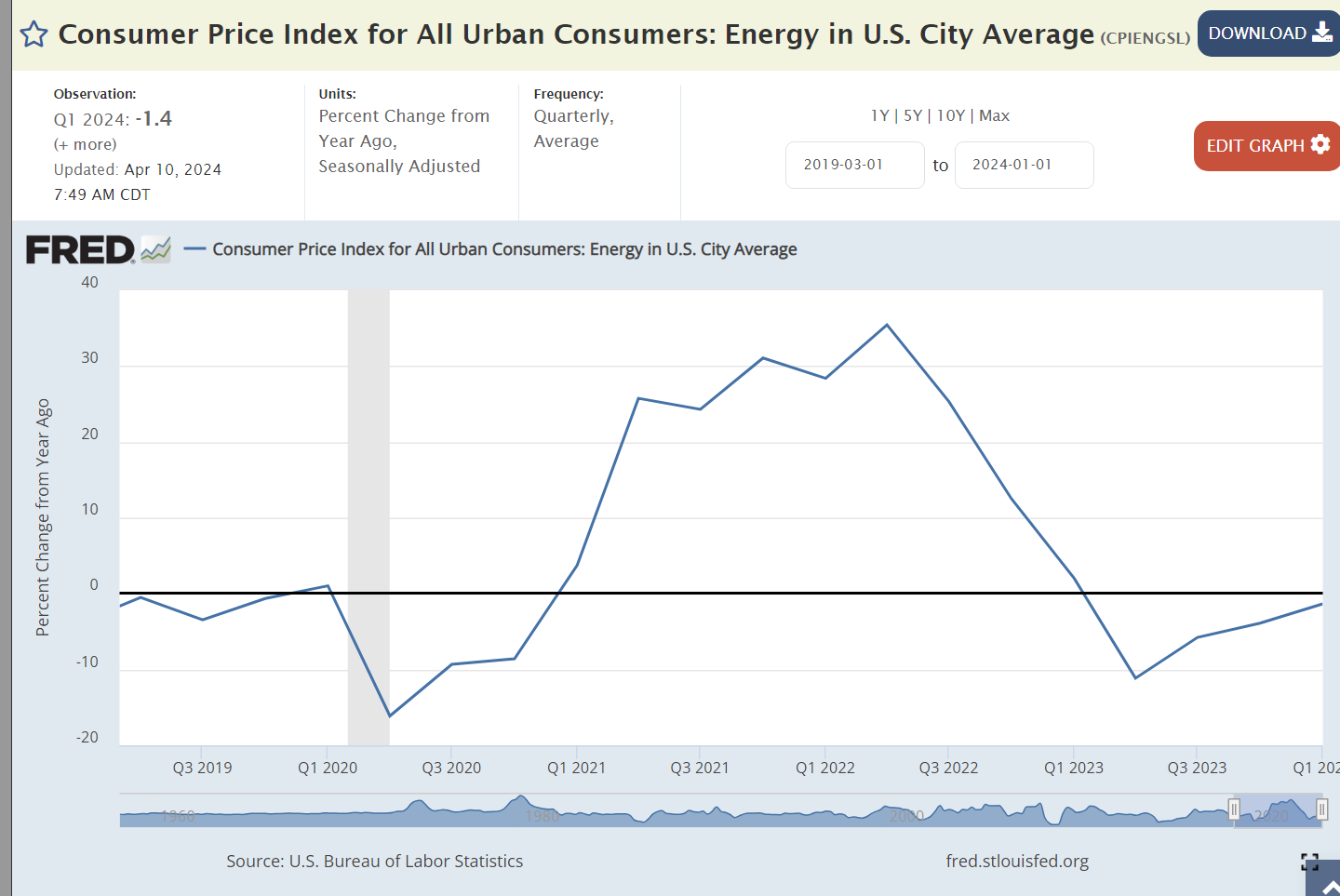
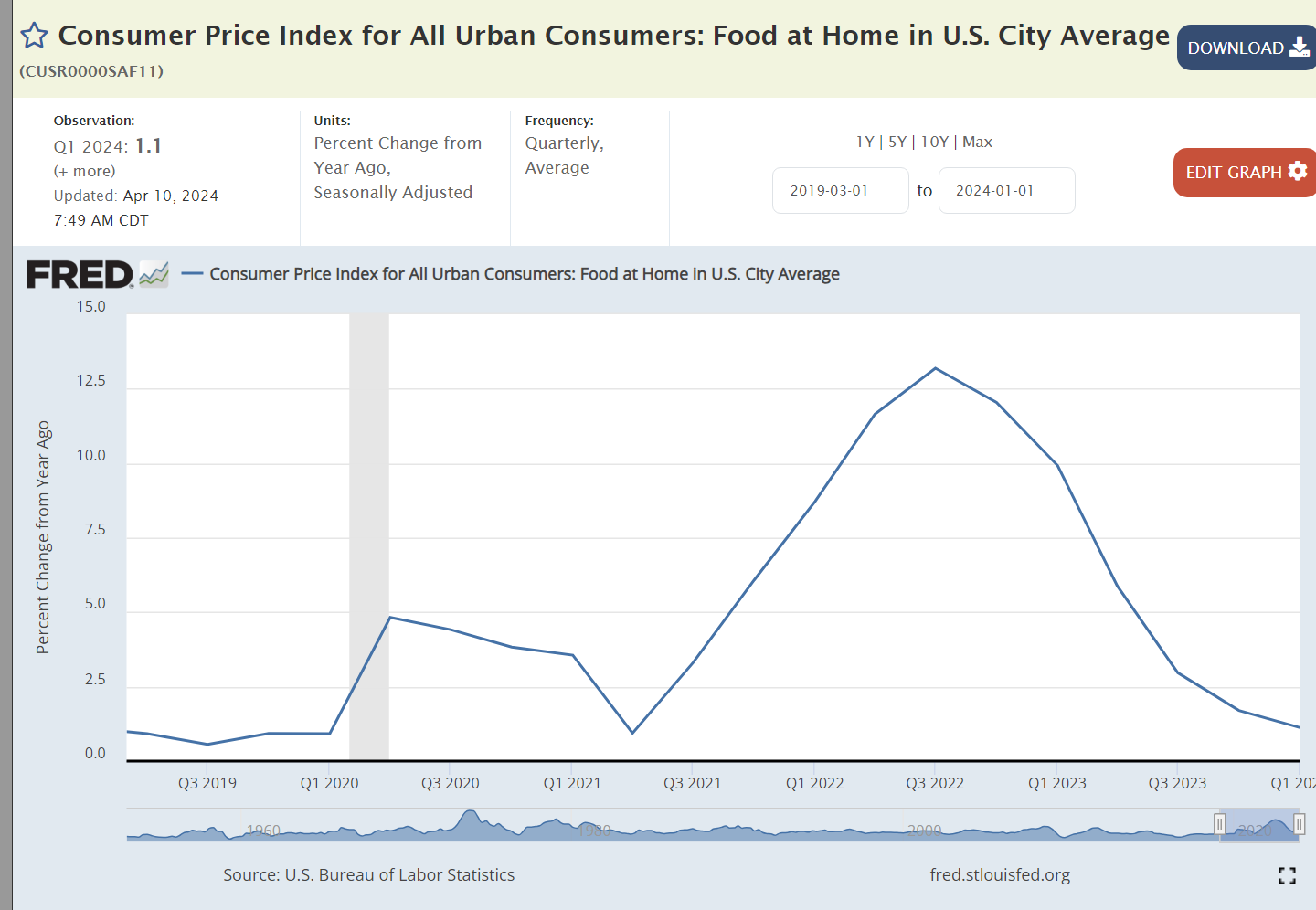
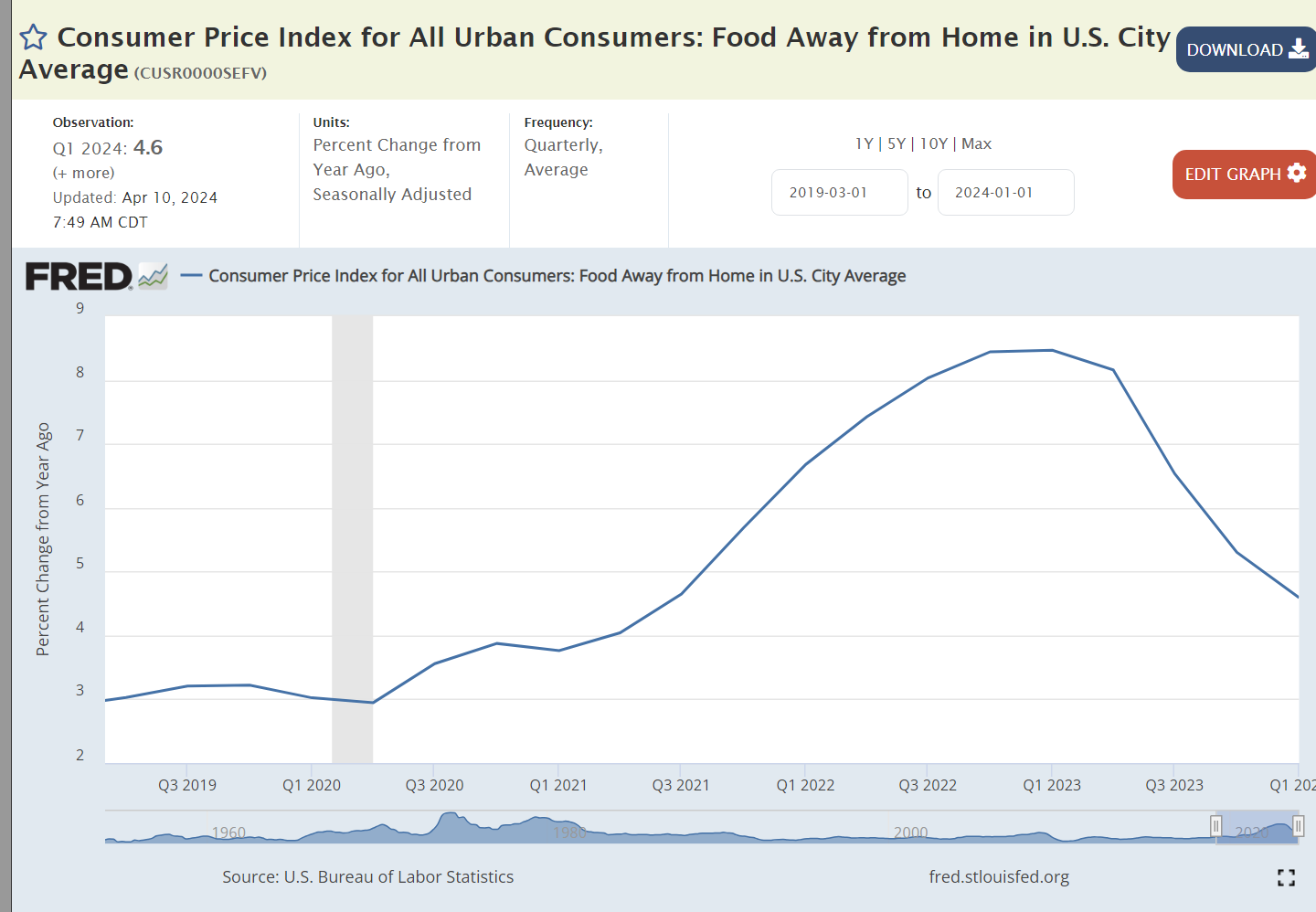


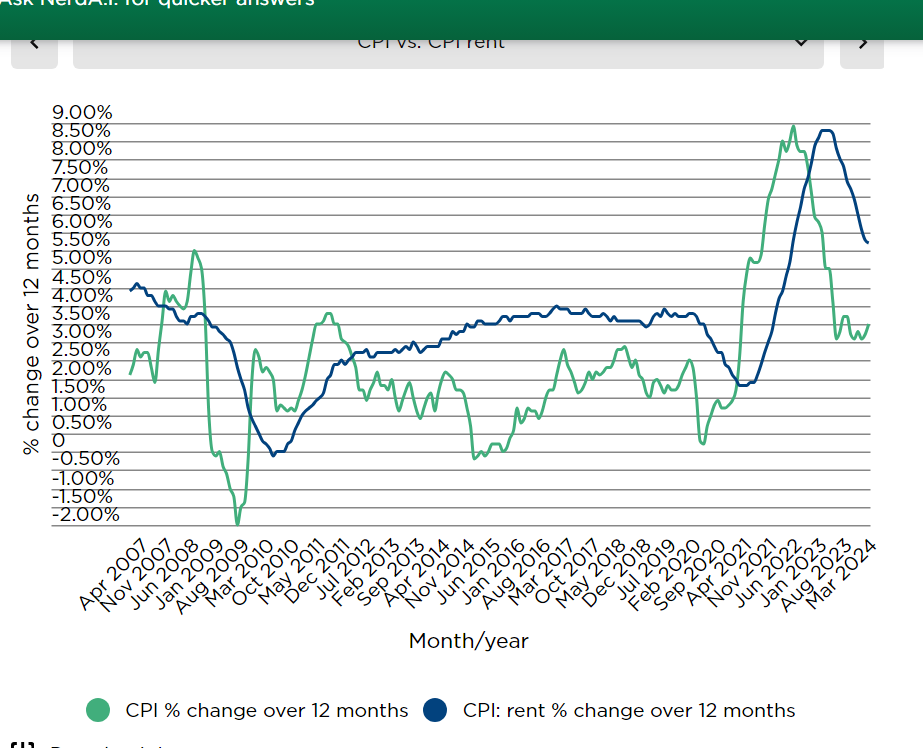


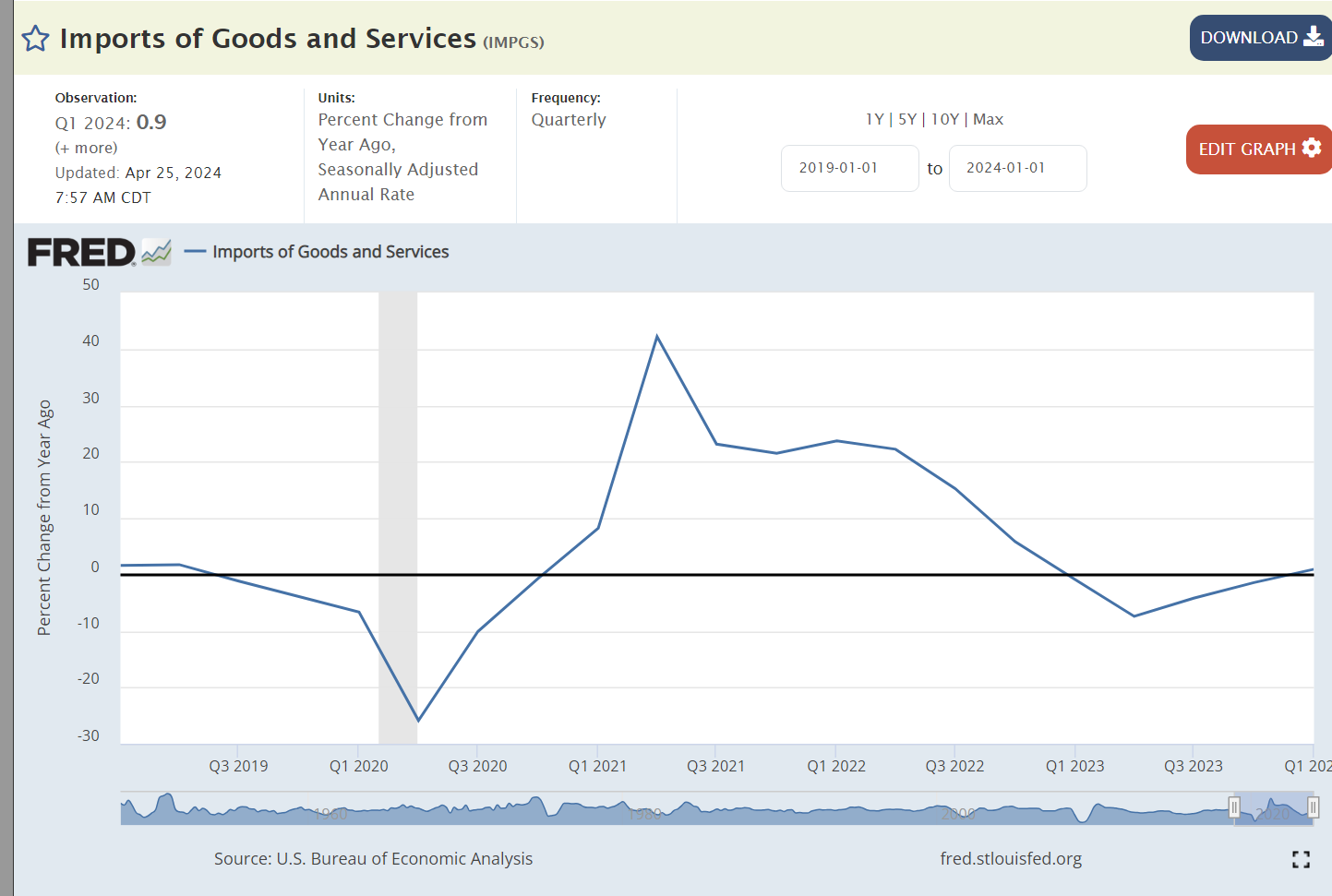
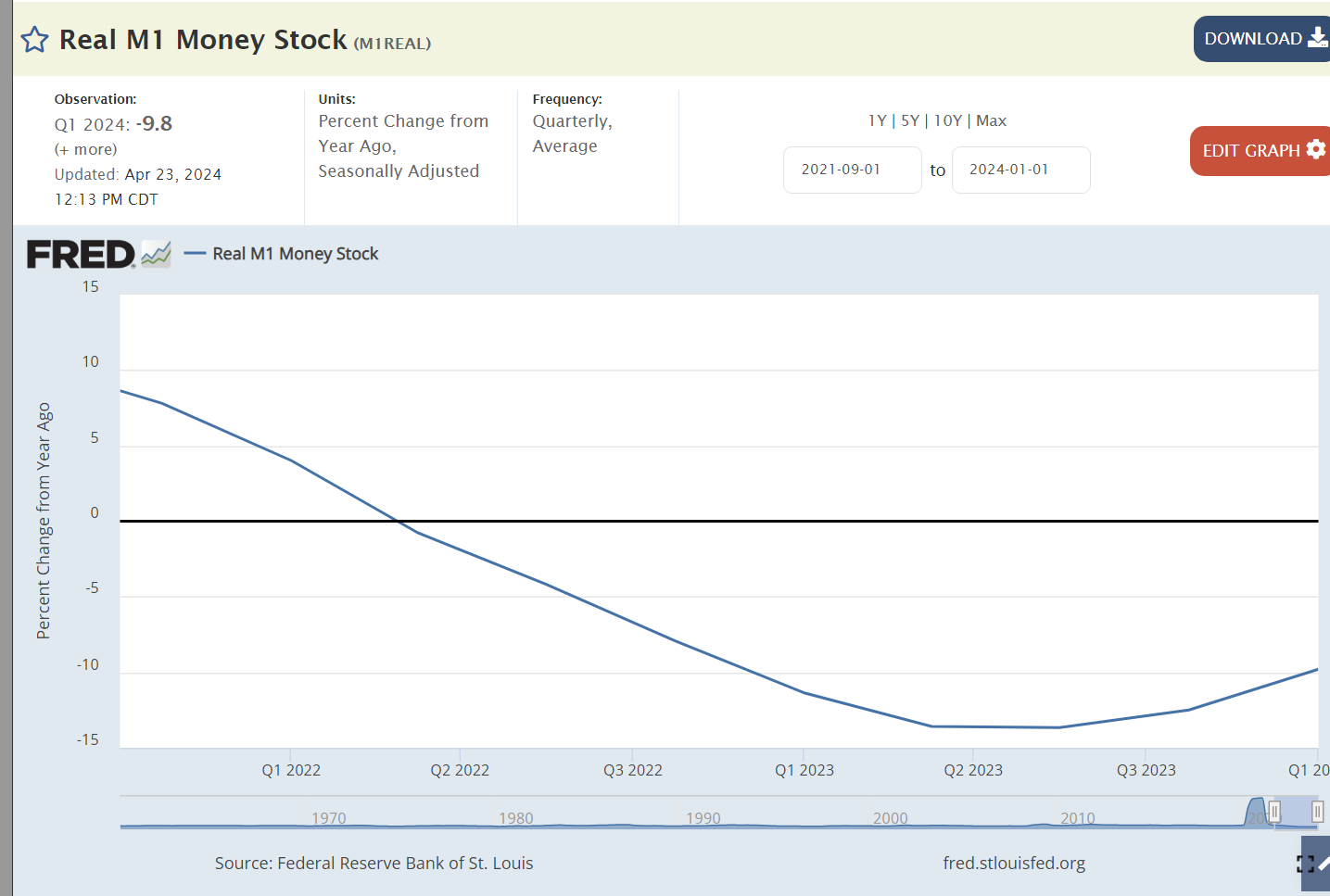
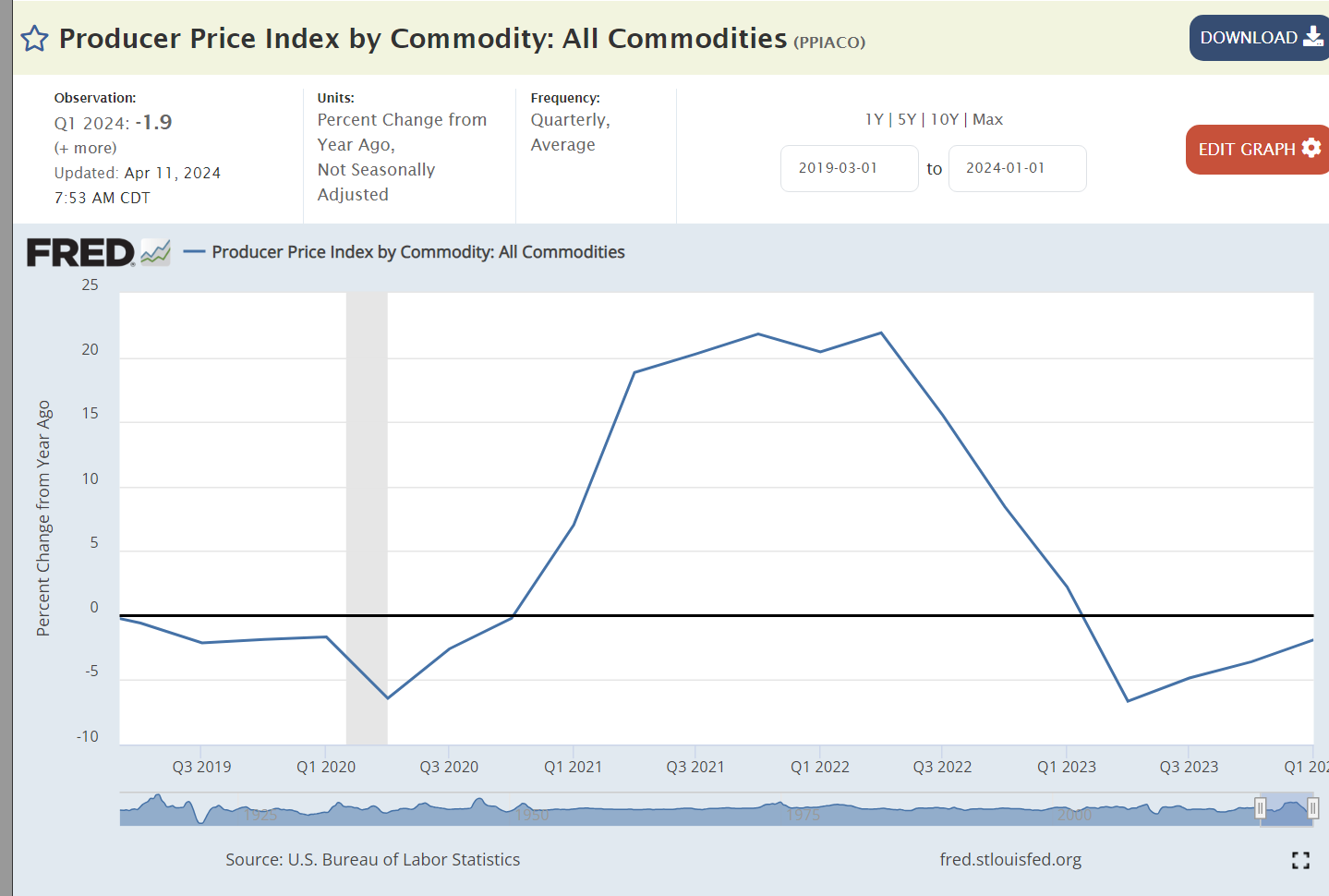

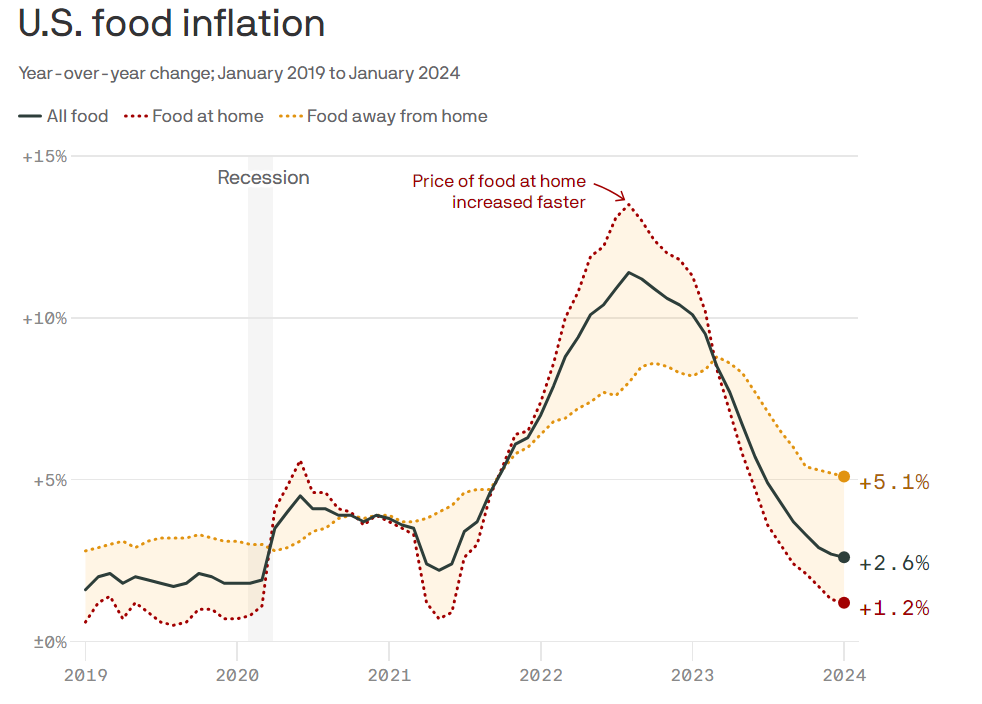






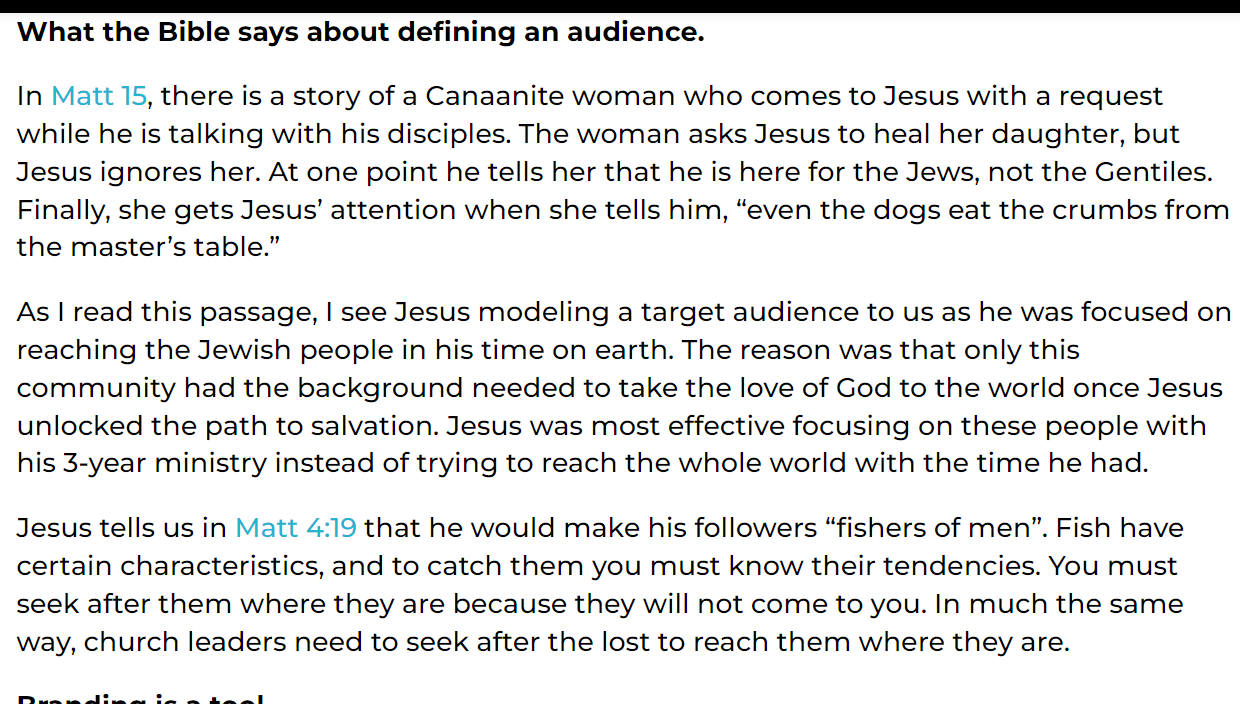

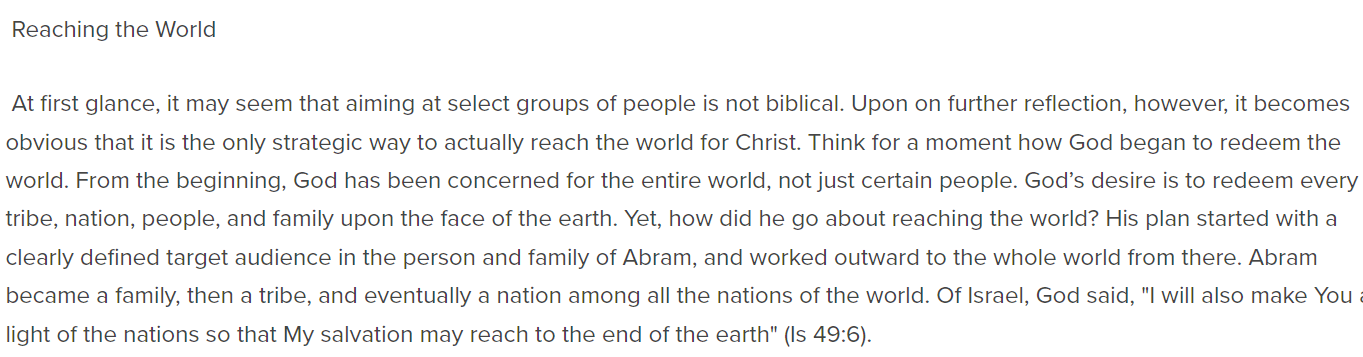







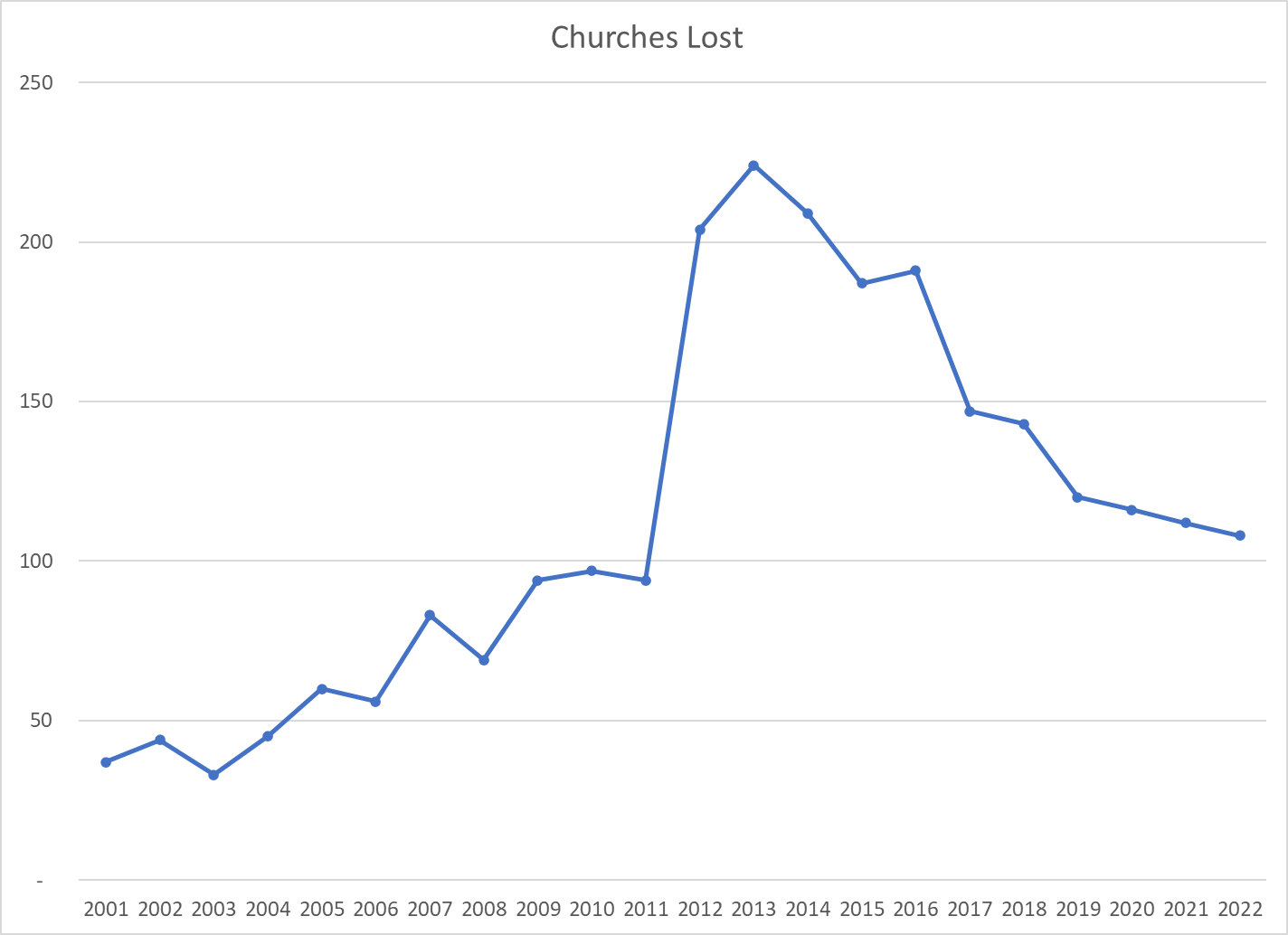


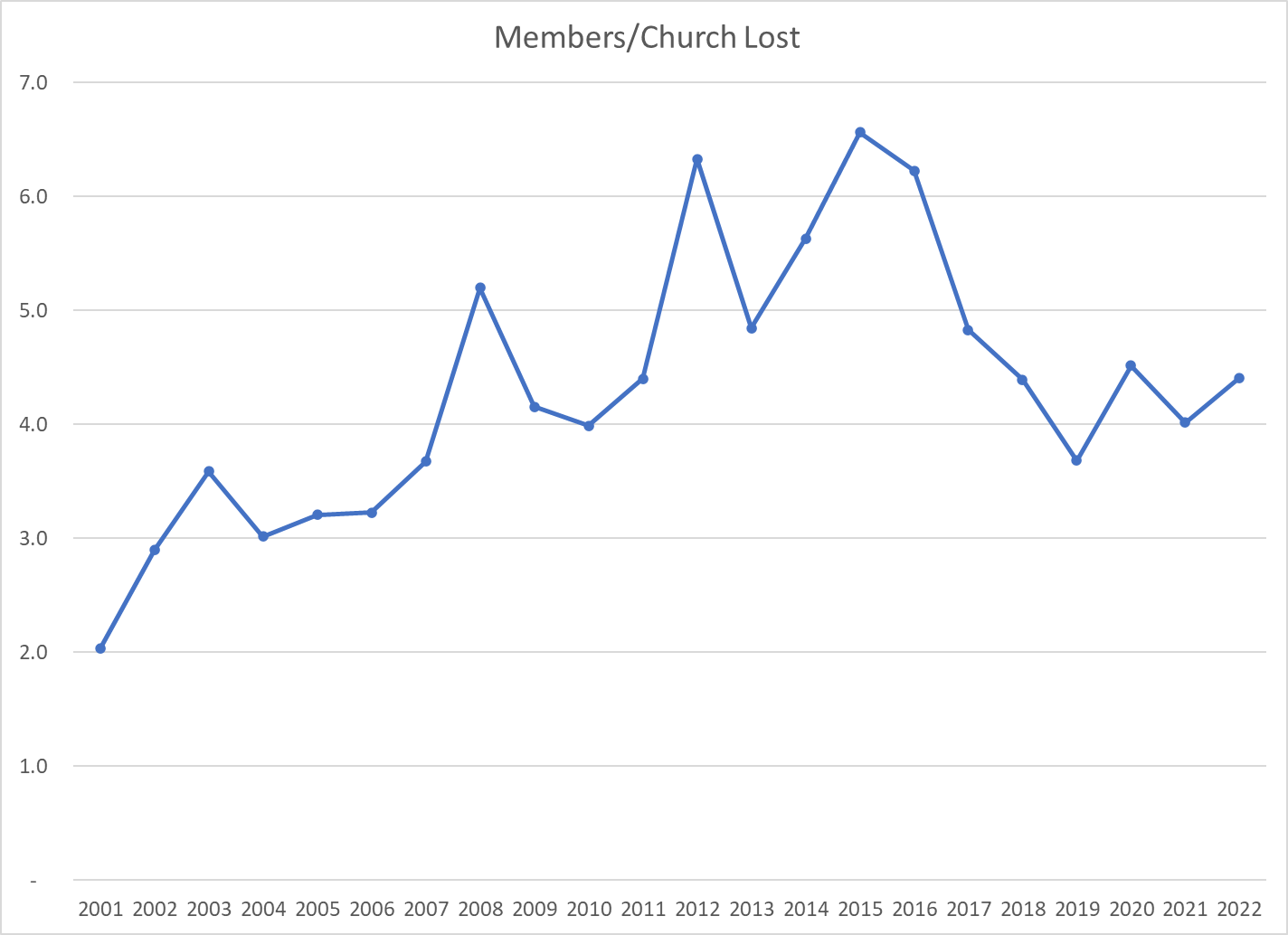

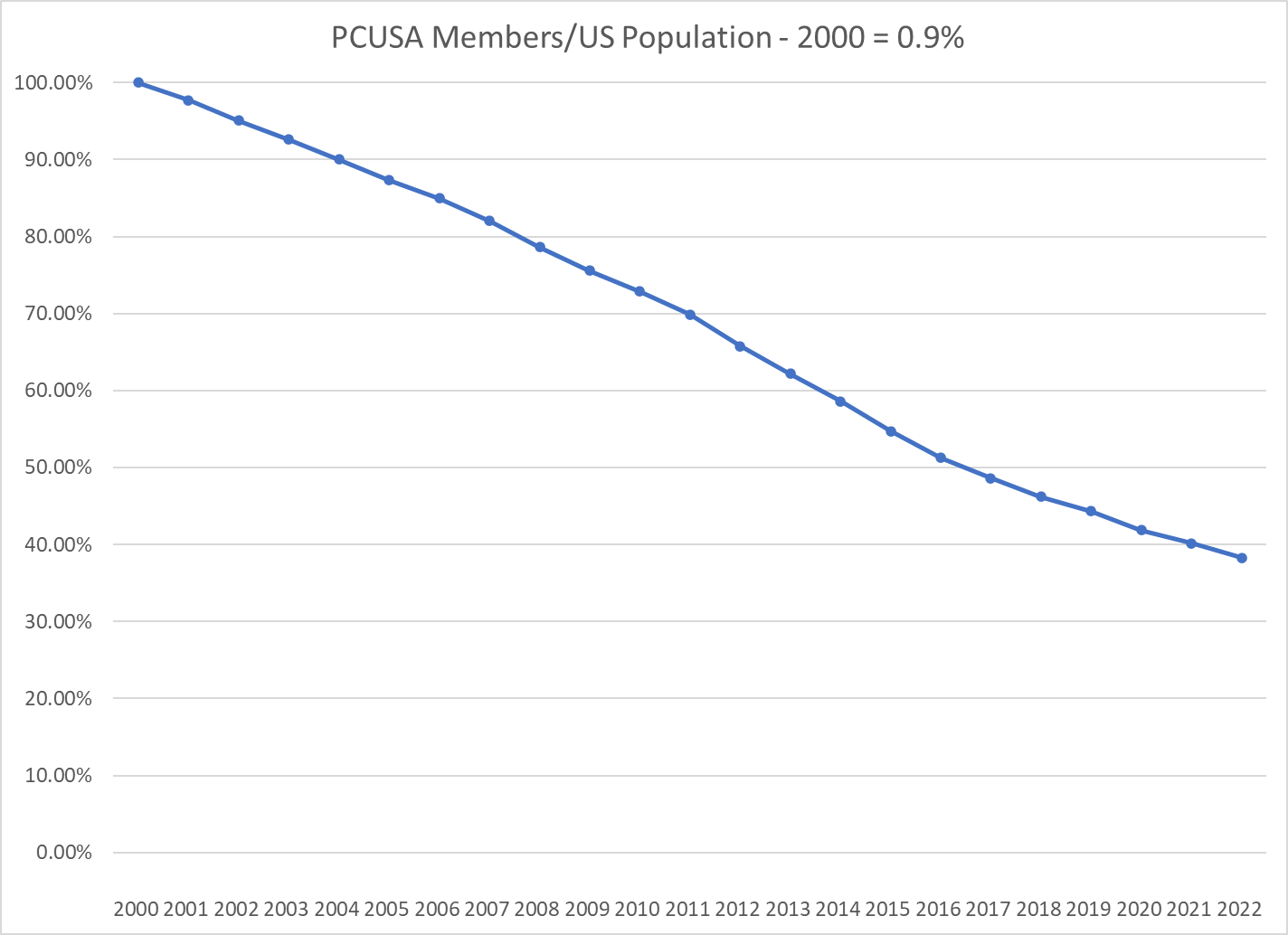


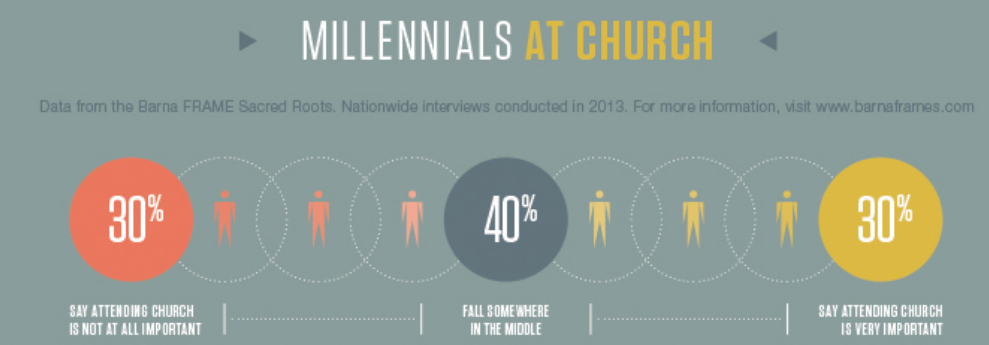


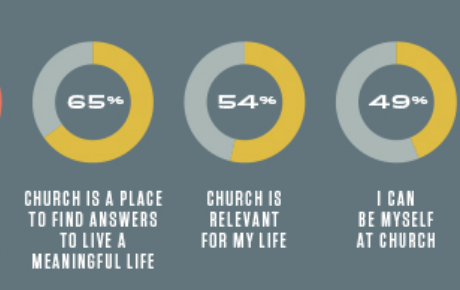
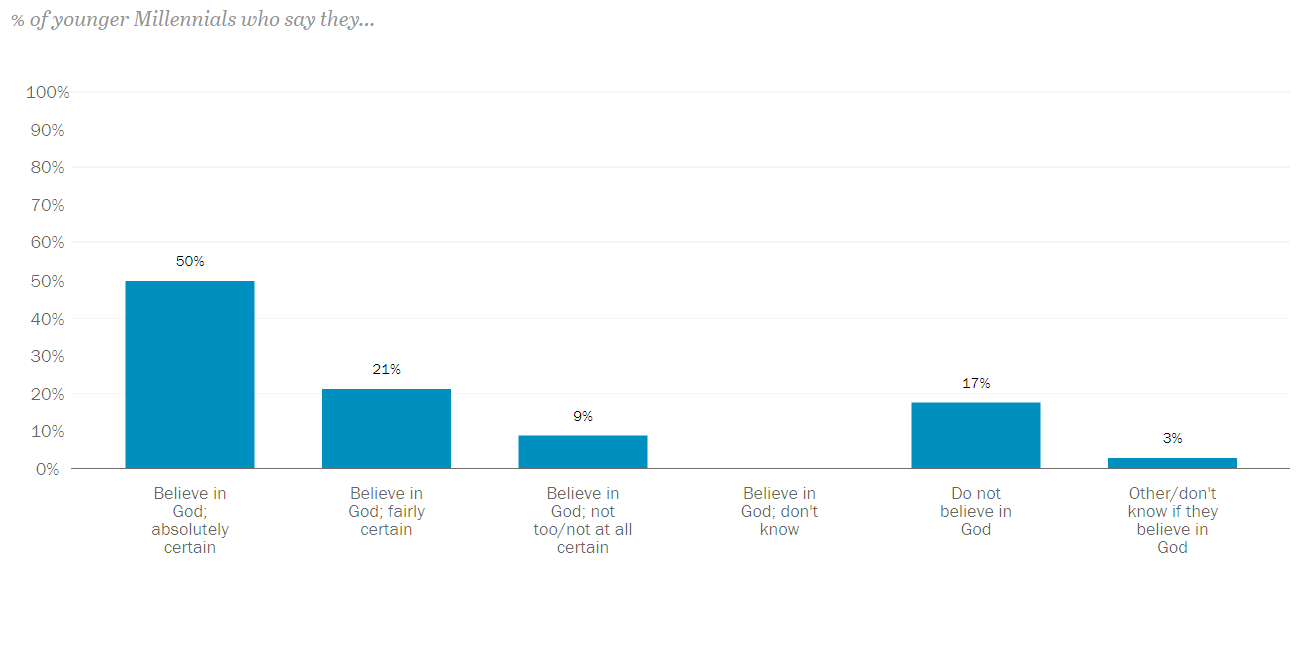

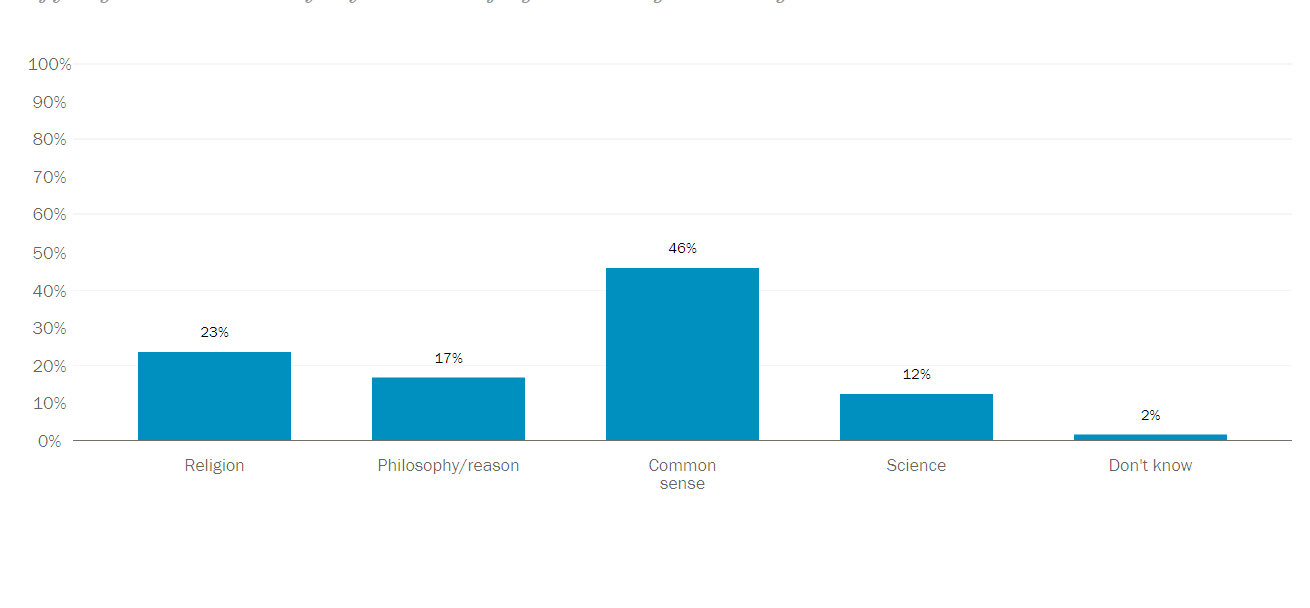

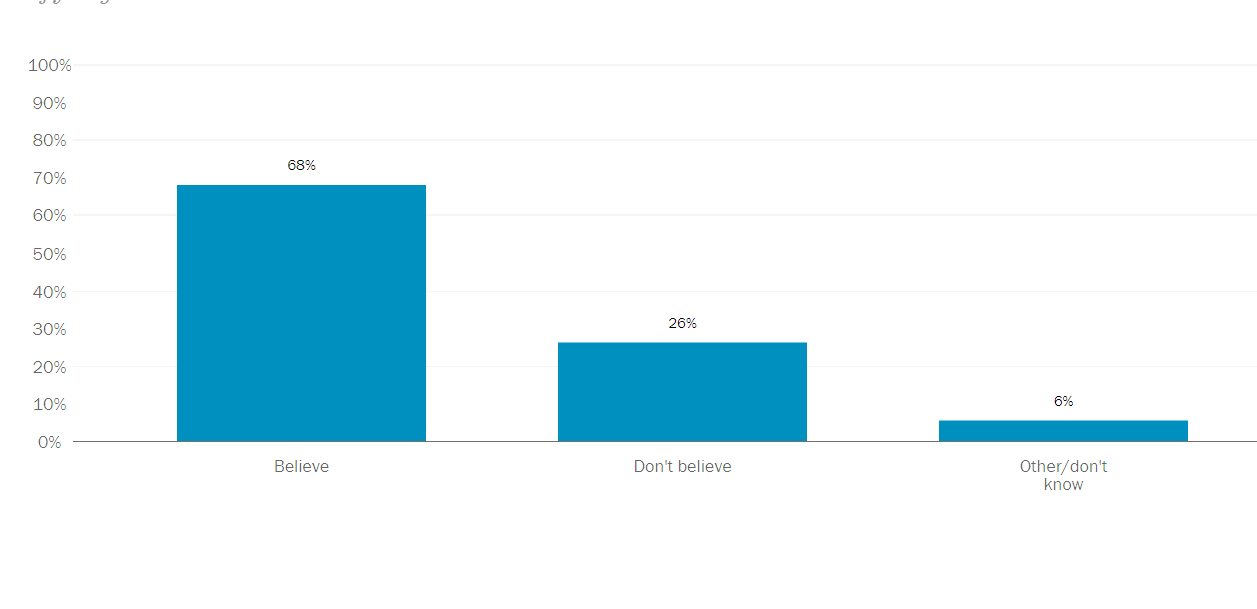

 Good News