One of the “control centers” at MISO Energy in Hamilton County.
Hamilton County’s unemployment rate has averaged 3.1% since 1990, a little more than one-half of the nation’s 5.8% average. The Indy metro area has averaged 4.6%. In the last decade, Hamilton County has still averaged 2.0% lower than the national average of 5.3%.
The US population has grown from 2.5 million in 1776 to 76.3 million in 1900 to 158.8 million in 1950 to 329.5 million in 2020. More than a 100-fold increase, 2+ orders of magnitude.
28 individual metro areas today EACH have a population (2020) equal to or greater than the WHOLE USA in 1776. Pittsburgh, Portland, San Antonio, Austin and Sacramento each have the same 2.5 million residents. Charlotte, Orlando, Baltimore and St. Louis each have a slightly greater 2.8 million citizens. 19 other metro areas today have a significantly larger population.
Declining Rural Population
The US began as 100% rural. By 1900, cities (2,500+) accounted for 40% of the total population. By 1950, city populations were the majority at 60%. In 2020, cities contained 80% of the US population.
Urbanization
In 1776, the US had 5 cities of 10,000 people, led by Philadelphia with 30,000.
By 1900 the nation had 11 major cities with a half-million people or more, led by New York with 5 million and Chicago, Philadelphia and Boston near 2 million. Baltimore on the east coast and San Francisco on the west coast were joined by the Midwest cities of Pittsburgh, St. Louis, Cleveland, Cincinnati and Buffalo to round out this group of early leaders. These 11 exceptions to the still largely rural landscape accounted for one-half of the urban population, 20% of the national population.
By 1950 there were 15 metro areas with a million people or more, up from just 5 in 1900. San Francisco, St. Louis, Cleveland, Baltimore and Buffalo exceeded 1 million as did newcomers to the major city list: Los Angeles (4.4M), Detroit (3.0M), DC, Seattle and Dallas-Ft. Worth. Kansas City, Minneapolis-St. Paul and Houston joined Cincinnati as “major cities” defined as greater than 750K residents. These 19 metro areas contained 50 million people, 31% of the nation’s total and a little more than half of all urban residents. Led by New York’s 13M, the east coast metros totaled 22 million people. Led by Chicago’s 5M, the Midwest metros were close behind with 18 million people. The 3 west coast cities combined for 8 million while the Sunbelt’s 3 cities amounted to just 2.5 million people.
For 2020, we use 2 million as the minimum size for a major metropolitan area. New York (20M), Los Angeles (12M) and Chicago (9M) led the way. Dallas-Fort Worth, Houston, Washington, DC, Philadelphia, Atlanta and Miami all had at least 5 million citizens. 15 new metro areas joined the list, beginning with 6 on the west coast: Phoenix, Riverside-San Bernardino, San Diego, Portland, Sacramento and Las Vegas. The others are widely distributed across the country: Tampa, Orlando, San Antonio, Austin, Columbus, Indianapolis, Charlotte, Nashville and Denver. These 35 metro areas account for nearly one-half of the country’s total population of 330 million. The 4 major regions were relatively evenly balanced: east coast (40M), Midwest (37M), west coast (45M) and sunbelt (43M).
One-half of Americans now live in one of the 35 major metropolitan areas, amounting to 162 million people. That compares with 50 million people in 19 areas in 1950 and 15 million people in 11 areas in 1900. The character of American life has shifted from rural to urban to metropolitan.
The White, non-Hispanic population has typically been 80-89% of the total. It has fallen rapidly to 58% as Hispanic, Asian and multi-race claimers have increased their shares of the population.
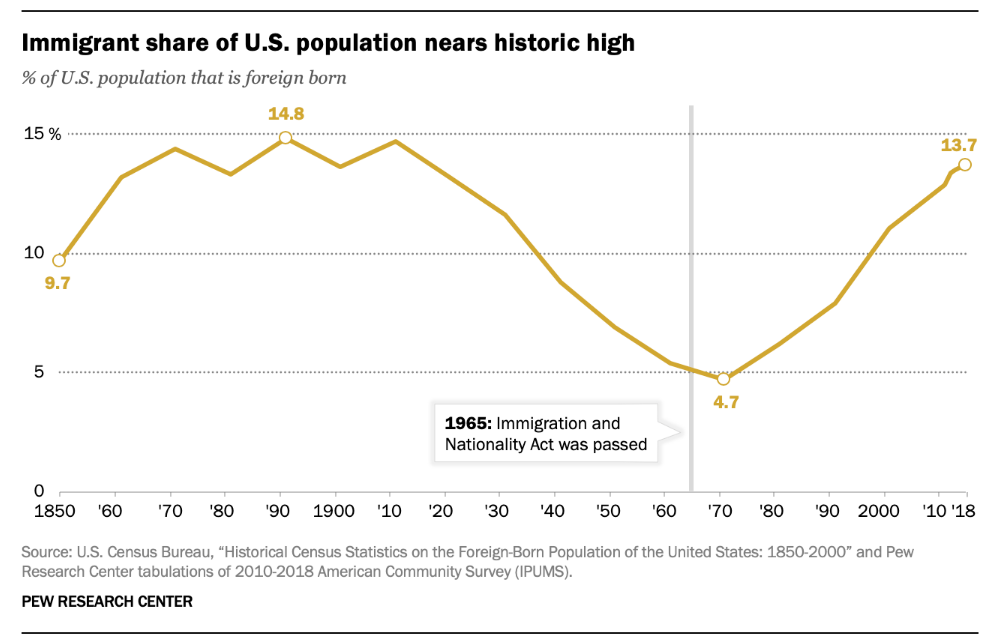
The share of immigrants reached a high of 15% from 1870-1910, dropped to 5% in 1960-1970 before reclimbing back to 15% recently.
Amazing Real Economic Growth
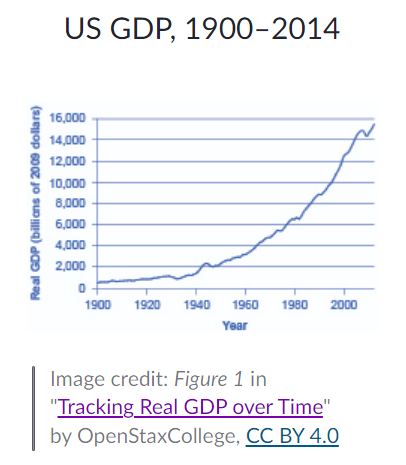
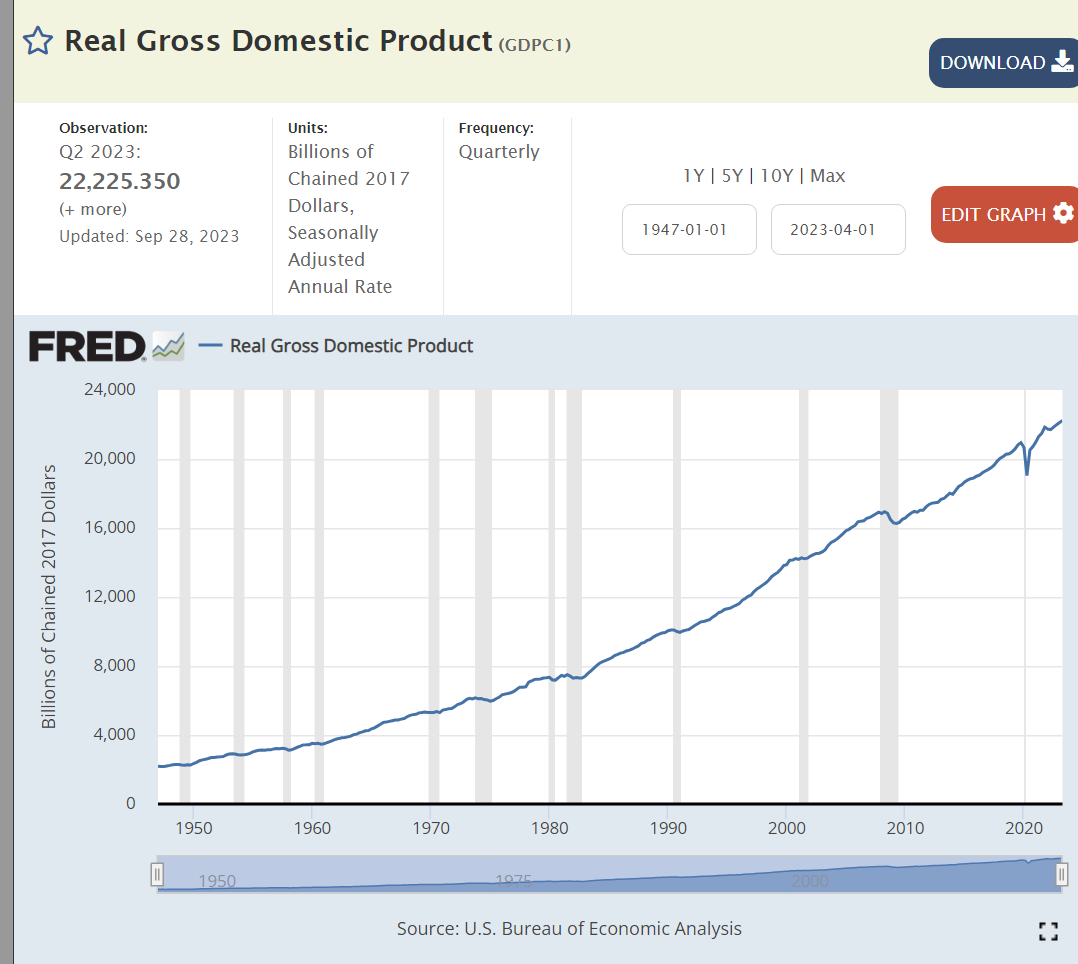
The growth in the size of the US Gross Domestic Product (GDP), the value of goods and services produced in the country, from 1776 to today is essentially incomprehensible at 19,000 times its original size. The population has grown 132-fold, from 2.5M to 330M. Real, inflation-adjusted GDP per person has averaged 2.0% per year across long periods of time. Due to compounding, this 2% becomes 2.7 times in 50 years, 7.25 times in 100 years, 52.5 times in 200 years and 141 times in 250 years.
In 1955 the 11 corporations at the middle of the newly created Fortune 500 listing averaged $123 million of annual revenue. Adjusting for inflation (GDP deflator), they would have revenues of $939 million today. Comparable revenues in the latest Fortune 500 listing are $15.6 billion, a 16.6X increase.
Over this same period total national real GDP has increased from $3.1 trillion to $21.8 trillion; 7.1 times as large. Large US-based corporations have grown twice as fast as real US GDP.
Summary
Small annual percentage changes add up to become transformations through time.
We see this in population, race, immigration, occupations, industries, urbanization, productivity, output and concentration of businesses.
The population and production scale, complexity, trade, product innovation and diversity of the US is beyond any expectations of the founders of the country. The country and its social, political and economic institutions have survived and adapted to allow the country to thrive for almost 250 years. Further adaptations may be needed to support such continued growth and success.
The United States’ political founders understood the nature of man and the risks of direct democracy (rule of the mob). They designed a system of “checks and balances” to ensure that a system of representative government would not aggregate power at the center or allow the whims of the majority or any minority to be served.
Yet today we live in a time where the “cult of individualism” rules. Senators are directly elected, not by state legislatures. National political candidates are chosen by popular vote in primaries, with limited political party filtering or influence. Earmarks are considered “dirty business”, so they cannot be used to influence the votes of individual legislators. Representatives and candidates create individual brands and raise funds independent of political parties. A majority of political districts at the state and national levels are gerrymandered to ensure that incumbents are re-elected without credible opponents in the general election. There are effectively no limits to political fundraising by individual candidates. Only a small share of highly motivated, largely extremist individuals vote in the primaries where most elections are won.
As a result, we have either partisan monopolies or polarized governments. Almost 80% of states endure one party rule.
The Senate Does Not Advocate for the Whole or the Center Today
The US Senate was intended to play the role of offsetting or delaying the demands of popular government in the House of Representatives. The House could propose and the cozy, experienced, independent Senate could “dispose” of legislation. In our current polarized system, with disproportionate representation to rural and Republican leaning states, the Senate is as politicized as the House. Bipartisanship is rare. Seeking the public good is rare. Fighting to win for your party is the only goal.
Any number of reforms could make the Senate more effective in serving its intended function. Campaign financing reform. More senators for very high population states. Increased rules and committee power for the minority party. A 60-vote filibuster rule with time limits.
A Solution: A Council of Advisors
Congress should create a “Council of Advisors” to advocate for the country as a whole, highlighting representatives and legislation that are supported by a significant majority of the country rather than by one political party or the other.
Former governors or US Senators could choose to run in a biannual referendum where they would be required to earn 60% of the popular vote in order to be appointed to a single 10-year term as an advisor, elder or guardian. The body would have a minimum of 10 and a maximum of 30 members. The body would be qualified to offer opinions only when each of the two major parties had at least one-third of the representatives.
The Council of Advisors would have two functions. First, it would consider whether Senators who are seeking re-election have “generally acted on behalf of the American public in a bipartisan fashion during their last term of office”. Senators who earned 60% of the vote of the Council of Advisors who be designated as “approved” by the Council. Others would not have this seal of approval.
Second, the Senate could refer any single bill to this body each month and seek its approval as “generally supported by the American people as a whole” on the basis of a 60% affirmative vote.
The Council would be a solely advisory body. It would be composed of individuals who were approved by the people as representing the country as a whole. It would have moral authority to make judgments about Senators and legislation. This moral authority would help to pressure both parties to produce legislation that serves the majority of the public and that is supported by the majority of the public. In essence, it would be a counterweight to the many pressures for polarization and “winner take all” politics that is practiced today.
I believe that we have unintentionally arrived at the current state of affairs where political pandering to the lowest common denominator drives our political decisions. There ARE important political judgments that cannot be compromised in the long run. But most of our political issues do NOT require a one side wins and the other side loses result. Our elected officials are intended to represent our views and to provide results. Political results that involve creative solutions, imperfect processes and administration (sausage making), negotiations and compromise. Every for profit and not-for-profit organization lives by these same rules. They have owners, customers, employees and stakeholders with competing claims. Yet, the organization’s leaders must produce acceptable results and be held accountable. We need to have these same expectations and processes for elected officials.
Just as a president or CEO is faced with the judgment of a board of directors, our US Senators need to have a Council of Advisors review their performance.
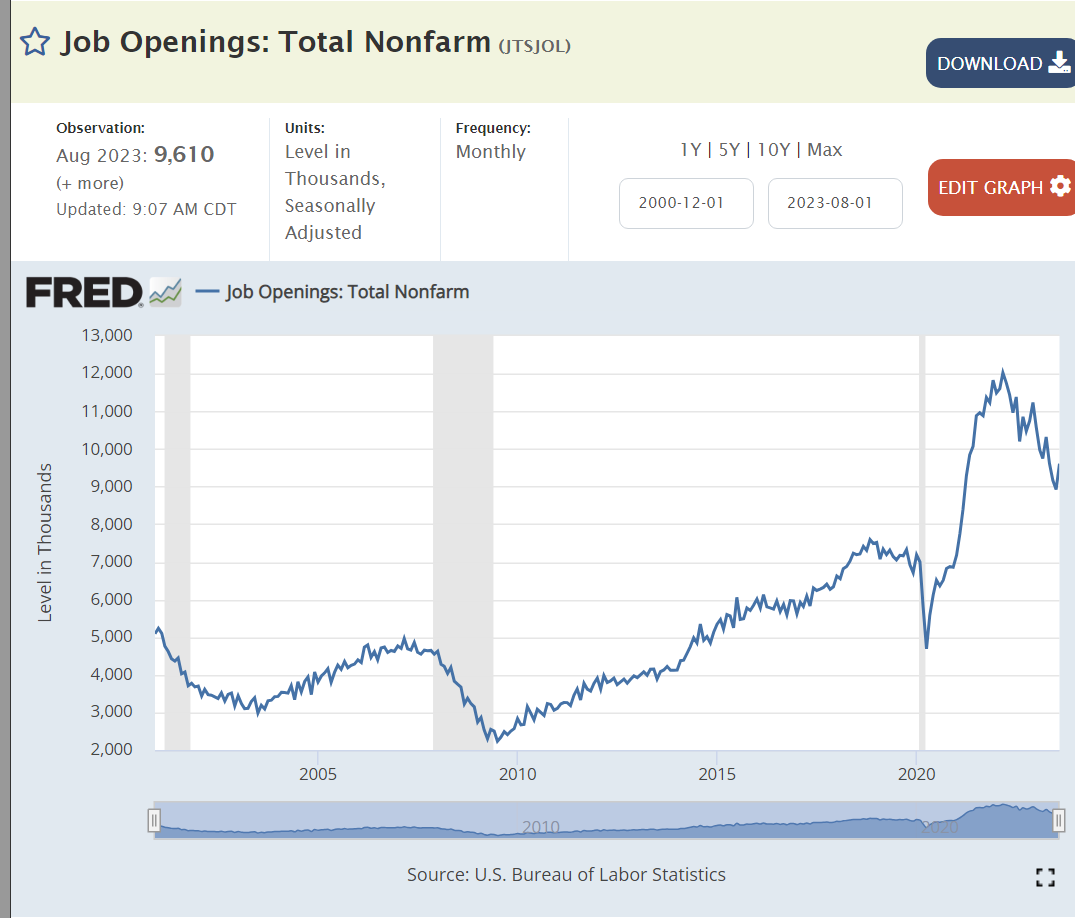
The stock market overreacted today. Job openings increased by 700,000 between July and August. Oh no! The labor market is too strong! Wages will increase! Cost-push inflation will build. The Fed will increase interest rates. We’ll be in recession soon! Boo!
Job openings are clearly falling. From an all-time high of 11.5 million to about 9.5 million in 18 months. With another 18 months of a “cooling” labor market, there will still be an historically high 8 million open positions in February, 2025. The labor market is slowly returning to “normal” after the Pandemic disruption.
This is a solid labor market, not an overheated labor market. Real wages finally grew during 2016-2020, by 7%. They spiked during the pandemic but have been flat for the last 18 months.
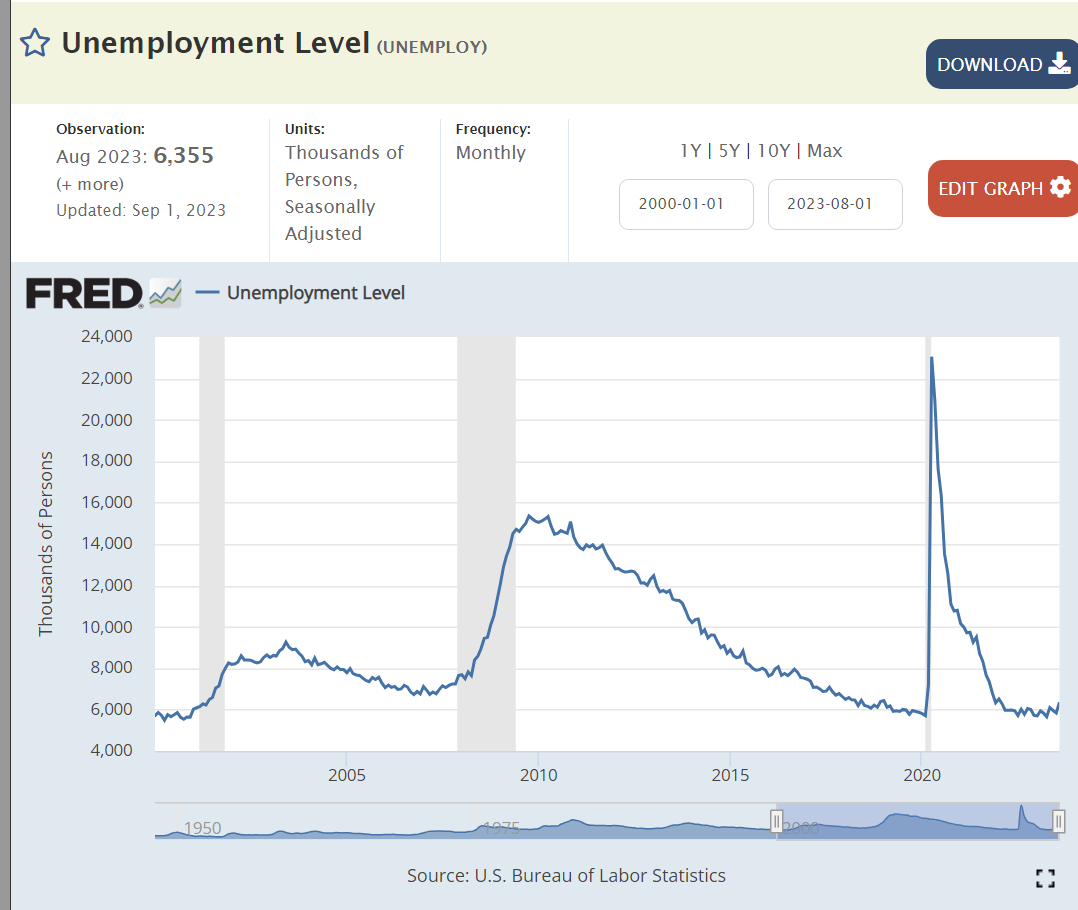
The number of unemployed people remains at 6 million, low by history, but not declining to unsustainable levels. 6 million is better than 8 or 15 or 23 million.
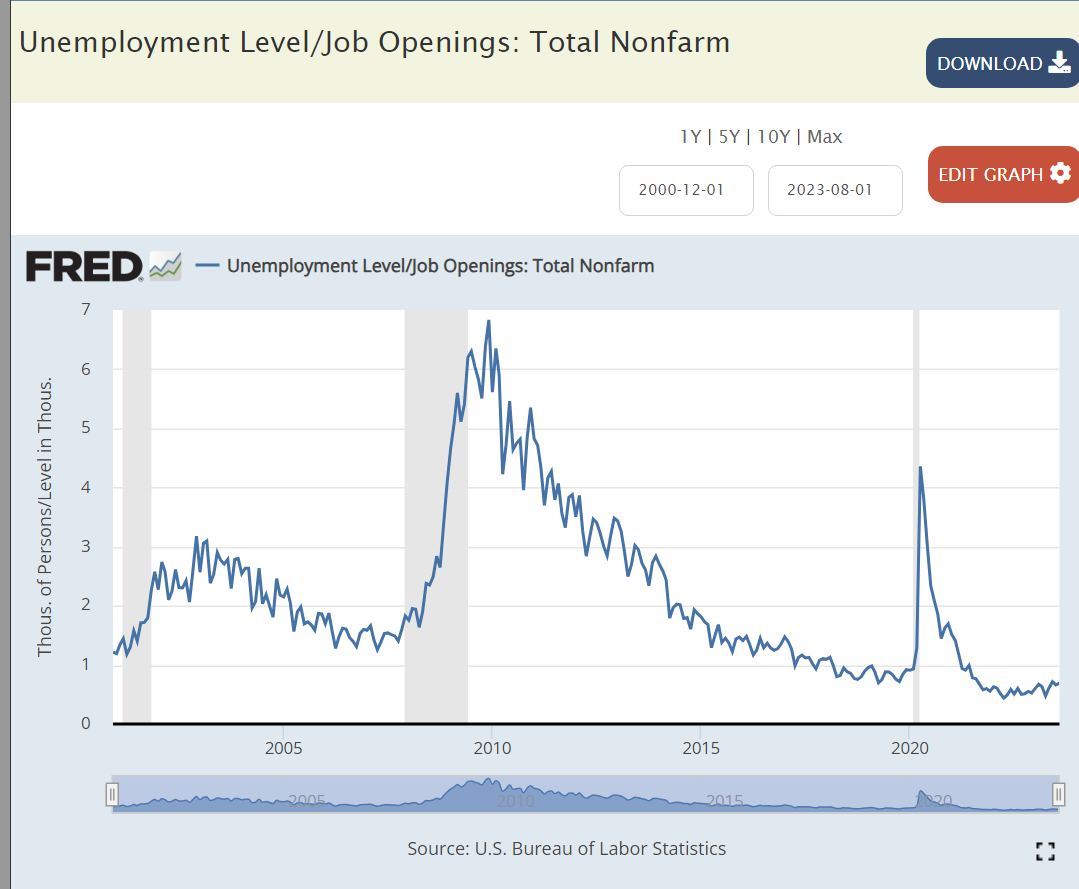
It’s a great time to be a job seeker, 3 jobs for every 2 job seekers. This is an historically positive ratio. It has been maintained for 2 years.
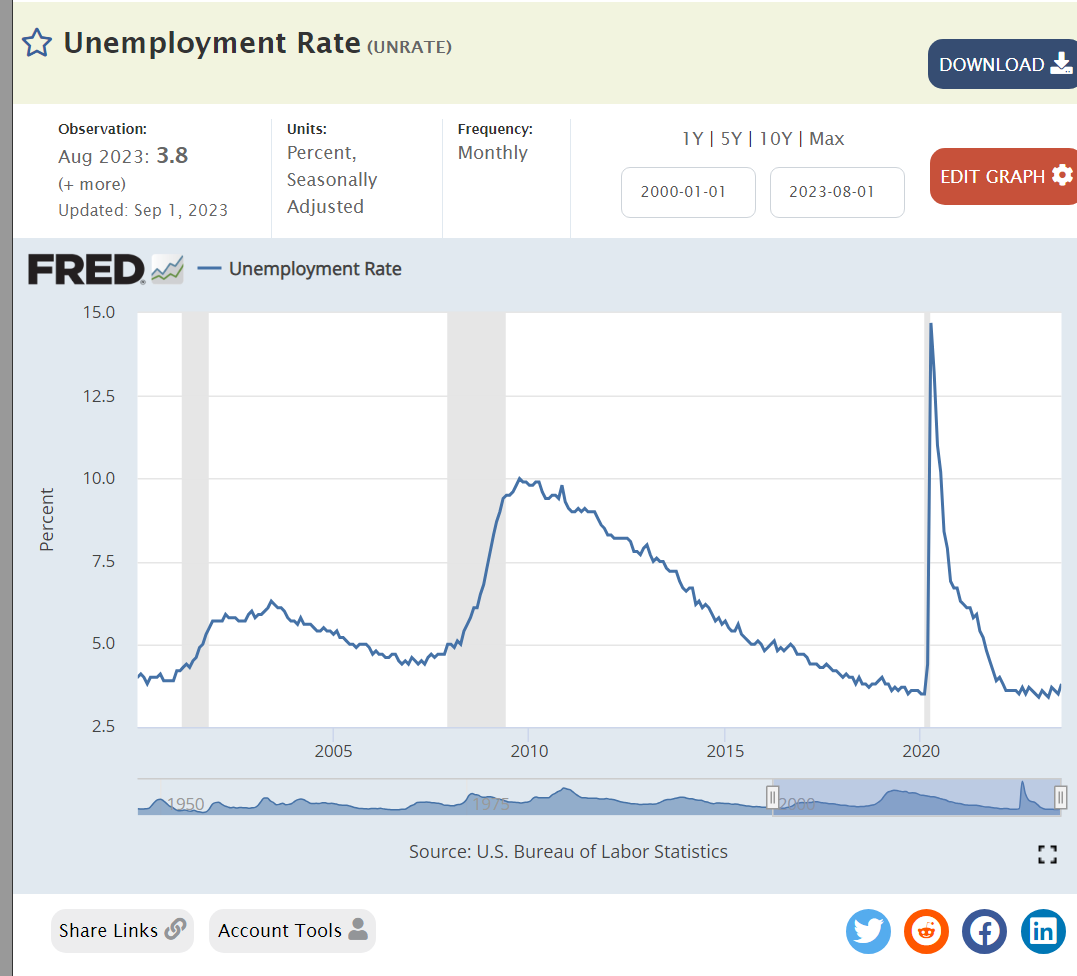
The unemployment rate remains at an historical low of 3.5% but is not falling.
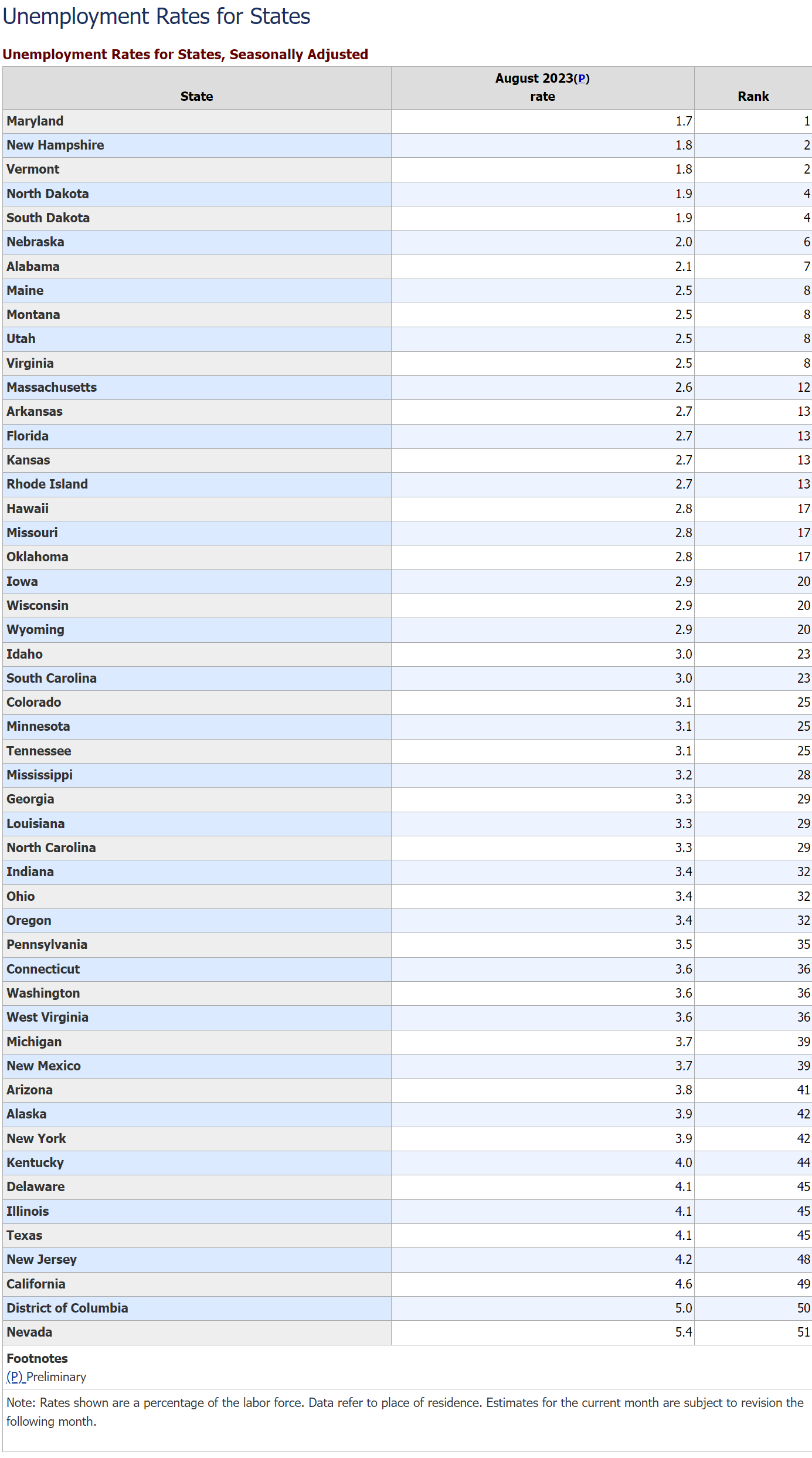
Low unemployment is a widespread phenomenon. 22 states are below 3%. Only California, Nevada and DC are above 4.1%.
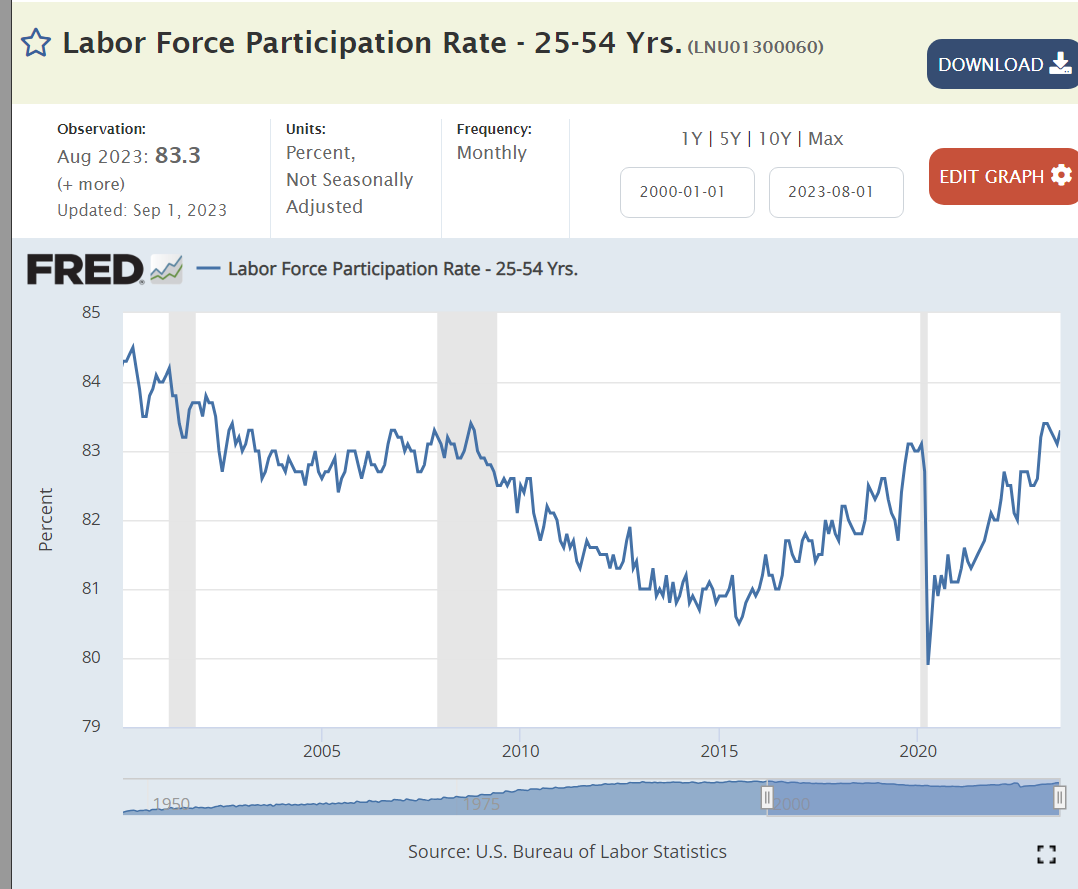
The labor force participation rate is at a 15 year high, with positive hiring and wage conditions attracting greater participation.
The quit rate remains above the pre-pandemic high, indicating that employees still see a positive labor market, but not an exploding market.
Total employment was flat for the first 11 years of the new millennium, parked at 132 million. Job growth accelerated for the next 8- and one-half years, adding a very solid 20 million new jobs. Post-pandemic, the economy has added another 4 million jobs.
Summary
This remains a Goldilocks labor market, neither too weak nor too strong. The Millennium pause, Great Recession and Pandemic have made us gun-shy. We don’t want to claim victory for fear of disturbing the labor market gods. But we are enjoying victory. 156 million employed versus 132 million employed a dozen years ago. An 18% increase.
Hamilton County serves as a resource for central Indiana, offering entertainment and community building options for everyone. It promotes 70 festivals and events across the year. It hosts 10 farm markets. It provides 100 ticketed and 100 community concerts each year.
The national average for municipal and state offices is reported at about 32%. Hamilton County elects 25% more women to office than the national average.
Indiana ranks below average on the somewhat inconsistent summary data available. In general, municipal elections are similar to state legislature results.
This source rates neighboring states as follows: Michigan 5th highest, Illinois 14th, Indiana 32nd, Ohio 43rd and Kentucky 47th.
Individual sources point to Indiana (27%), Ohio (29%), Kentucky (30%), Michigan (35%) and Illinois (41%) as the percentage of women office holders. Indiana is relatively low for the Midwest. Hamilton County is relatively high.
Although Democrats have begun to stand up candidates for more offices and have won a small number of races, Hamilton County remains a Republican oriented county. Congresswoman Spartz won 54% and 58% of the vote in her 2 congressional races. Governor Holcomb won 61% in his 2020 re-election victory. President Trump received 52% of the local vote in his losing 2020 effort. US Senator Todd Young won 54% of the vote in his 2022 re-election campaign.
For a Republican leaning county, Hamilton County has a greater than expected share of women office holders. In Congress, women are one-third of Democratic seats and just one-sixth of Republican seats.
Many notable officeholders have set the example for women in leadership in Hamilton County. Patricia Logan and Mary Sue Rowland led Noblesville from 1980-1991. Jane Reiman and Dorothy Hancock led Carmel from 1980-1995.
Hamilton County has been a Republican stalwart. Although women have been underrepresented by Republicans nationally, Hamilton County has elected many more Republican women to office than the overall national average.
Hamilton County residents enjoy the outdoors benefits of the 2,000 acre Geist Reservoir, 1,500 acre Morse Reservoir and 25 miles along the White River.
Hamilton County has redeveloped 20 miles of rail-trails along the Monon Railroad corridor, 100 miles of dedicated trails and 500 miles of designated sidewalks/pathways for bikes and pedestrians.
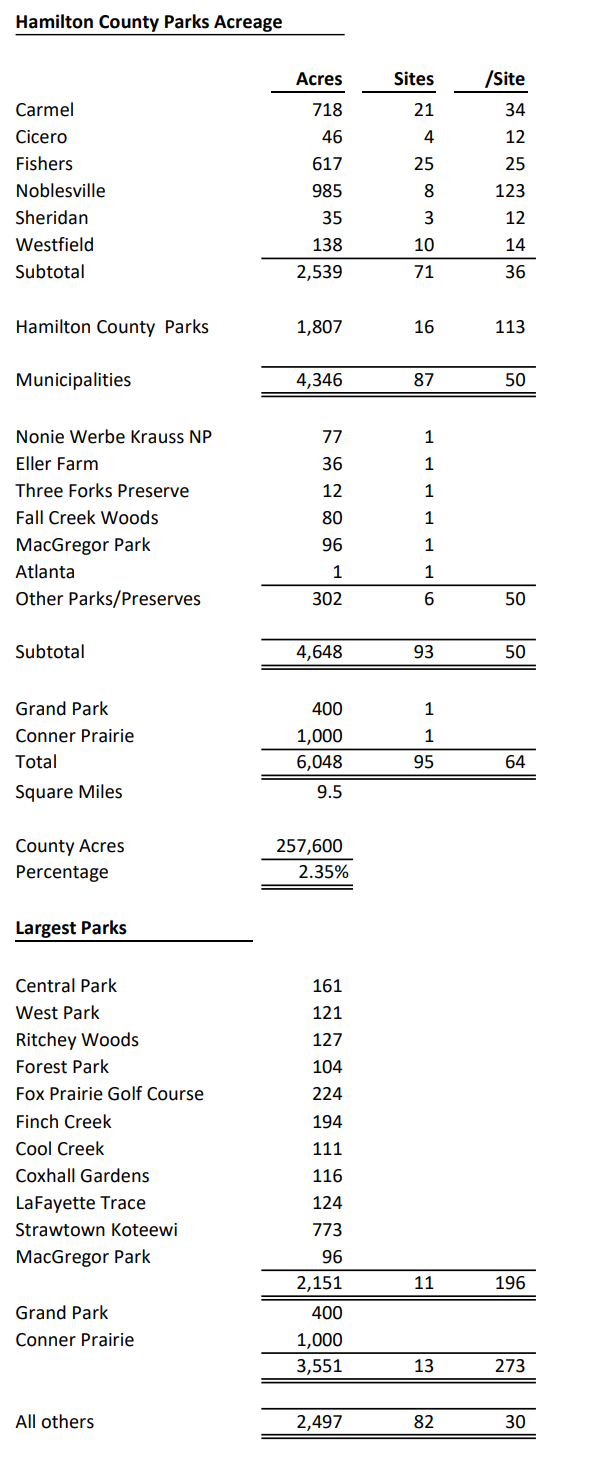
Hamilton County residents enjoy easy access to nearly 10 square miles of parks and nature preserves. Conner Prairie and Grand Park stand out as national/regional assets offering 1,400 acres to youth sports participants and those interested in Midwest history.
Hamilton County punches above its weight for outdoor amenities. Indiana is truly heartland and flatlands, but it is also blessed by water resources, woodlands and history. Waterparks, trails, woods, golf courses, creek stomping, bell towers, fishing, trails, wells, plazas, agriculture, sailing, canoeing, civic centers, wooden bridges, beaches and campgrounds. Yeah, we’ve got you covered.
Hamilton County offers 28 hiking trails of one mile or longer. The 3 major rail-trails: Monon, Nickle Plate and Midland Trace, combined with the Strawtown Koteewie Park trails account for 46 of the county’s 100+ miles of major trails.
When shorter trails and neighborhood roads and pathways are included, the county offers 500 miles of trails for hikers and cyclists!
In general, Hamilton County’s costs are similar to those of the Indy metro area. It’s 357,000 residents account for just 17% (1 in 6) of the formal Indy metro area’s 2,075,000.
Solid county level data is not available for all areas, but limited comparisons helped to identify goods and services that might differ between Hamilton County and the Indy average.
Hamilton County’s housing is 8% more expensive than the national average rather than 15-17% lower as seen in metro Indianapolis. The housing stock is also newer, larger and higher quality. The full housing price difference would increase the total cost of living measure by 7%. Considering one-half being due to age/quality and one-half due to prices adds 3.5% to 93.1% to yield a revised 96.6% cost of living ratio.
Indiana local taxes average 9.3% of income versus 10.2% nationally. This 10% savings on a 10% cost factor reduces the overall cost of living measure back down to 95.6%. State sales and income taxes do not vary by county. Hamilton County’s property and income taxes are lower than its large population peer group in Indiana.
Food Prices
Historically, Indianapolis has been a competitive grocery market. Kroger has a leading market share. Cub Foods and Marsh have left the market, but Meijer’s, Trader Joe’s, Whole Foods, Fresh Thyme, Fresh Market and Market District now compete with the others.
Hamilton County’s retail sales per capita figure is 14% above the national average, despite the very high concentration of retail stores in Marion County along 82nd/86th Street. The county is well served by retailers of all kinds.
Food away from home makes up almost 5% of the consumer price index. No restaurant food index is publicly available. However, the Big Mac price in Hamilton County is $4.59 versus the $4.39 national average price, a 5% premium. If this applied to all restaurant prices, the overall cost of living index would be 0.3 higher, 95.9. The average Indiana Big Mac price was just $4.11.
The Economic Policy Institute provides “modest income” food prices that are 19% higher in Hamilton County than in Marion County. Given the proximity of the counties and the long-standing coverage of “food deserts” in Indianapolis contrasted with nearly none in Hamilton County, this indicator is suspect.
Hamilton County has 1.8 hospital beds compared with the national average of 1.9 and the Indiana average of 3.3. It has 1.5 primary care physicians versus 1.0 nationally and 1.3 in Indiana. 10% of Hamilton County households have medical bills in collections compared with 17% nationally and 19% in Indiana. Access to health care is adequate.
The Best Places website uses a simple index of a standard hospital bed night, a doctor’s visit and a dentist’s visit indicating that Hamilton County health care costs are equal to the national average (100).
A Rand Corporation study indicates that Indy metro hospital rates are 25% higher than the national average. This is driving Indiana statehouse political battles with claims and counterclaims. Professional services fees were 25% below the national average.
Although health care is as much as 18% of GDP in the US, the share in the consumer price index is only 5%. If Hamilton County consumer costs are the same as the nation, this would increase the cost-of-living index by 0.6 points to 96.5.
Utilities
Best Places pegs Hamilton County’s utility costs at 93 rather than 107.
Indiana natural gas prices are more than 20% below the 50 state median.
Local utilities are probably at least 10% lower than in the summary statistics, so the COL index should be reduced by 0.9 points based on their share of spending, reducing the index to 95.6.
Transportation
Indiana used car prices are the lowest in the nation, 11% below the average.
The Economic Policy Institute and Indiana Family and Social Services Administration indicate that Hamilton County childcare costs are 13% higher than in Marion. Because childcare accounts for just 0.6% of spending, no adjustment is indicated.
Summary: Hamilton County Costs are 4% Lower than the National Average
County level housing, health care and grocery costs added more than 4% while lower taxes and utility costs subtracted almost 2% for a final score of 95.6, more than 4% below the national average.
The US Census Bureau’s American Community Survey (ACS) is the best publicly available data source for housing data at the county level. The most recent survey covers 2017-21.
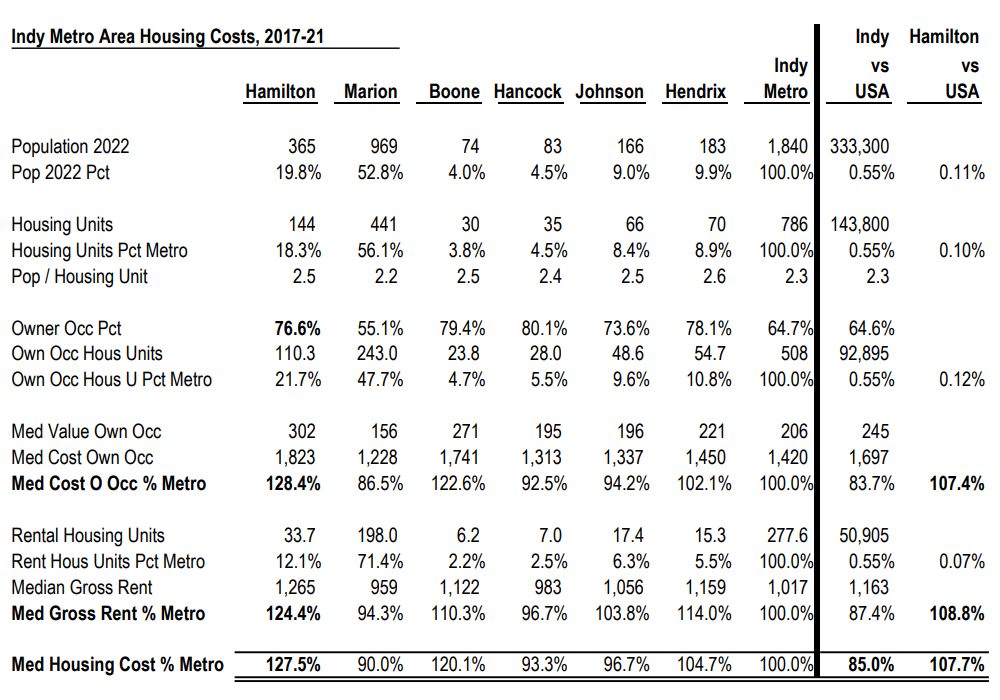
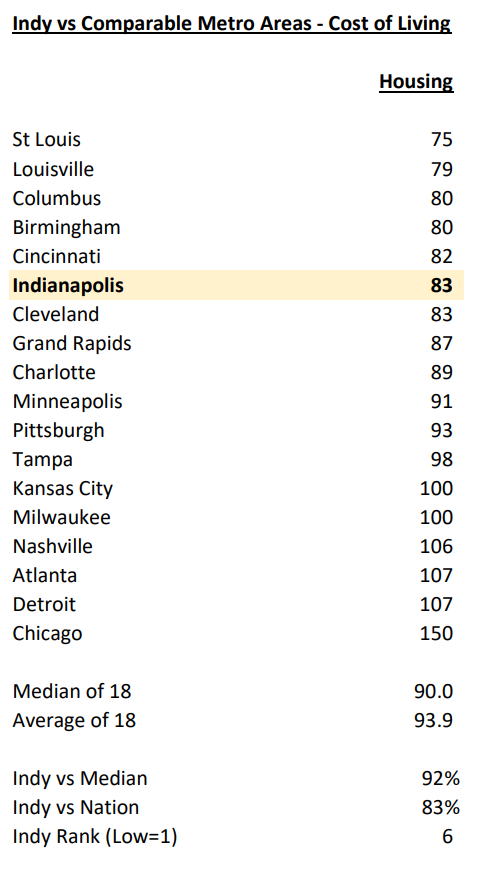
The metro Indy area’s housing costs are just 85% of the national average. Hamilton County’s housing costs are 28% higher than the metro average, but only 8% higher than the national average.
Hamilton County’s 40th percentile rent for this period is $1,265, 24% higher than the metro area. The median monthly cost for a homeowner with a mortgage is $1,823, 28% higher than the metro area.
77% of Hamilton County residents own their homes versus 65% in the metro area and in the national average. Hamilton County contains 22% of the owner-occupied homes (110,000) and 12% of the rental units in the metro area (34,000).
The Economic Policy Institute estimates the cost of modest housing in Hamilton County to be 32% above Marion County, less than the 41% indicated by the 128% to 90% ratios to the nation.
The Washington Post reports rental data by county through June, 2023. This also shows a 27% premium between Hamilton County and the weighted average for the 6 main Indy metro counties.
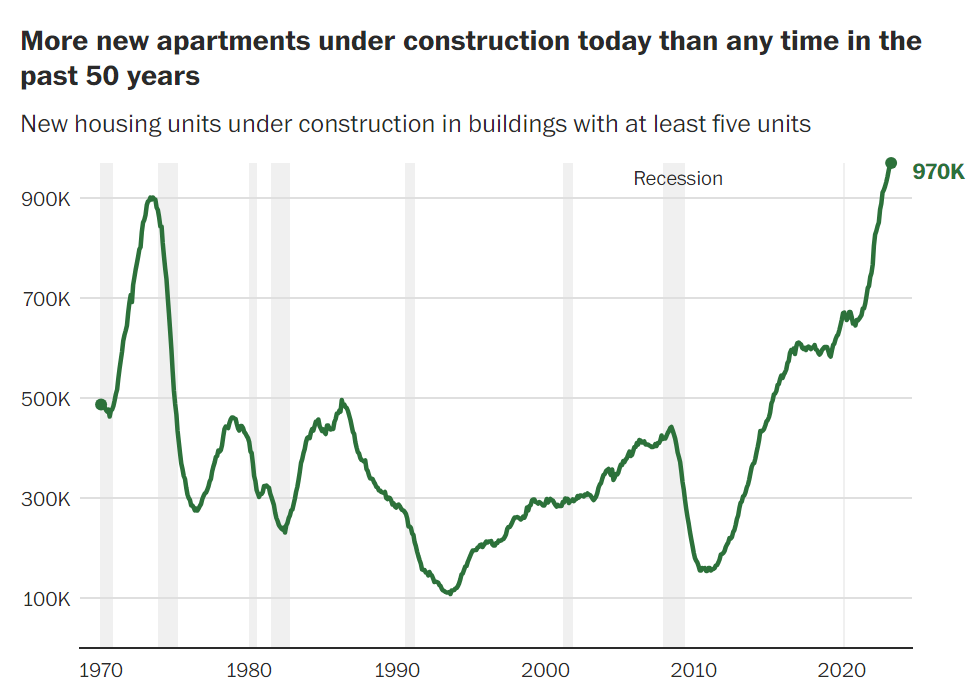
Hamilton County total housing starts have doubled between 2019 and 2022, not as fast as the national average for apartment units, but fast enough to have a cooling impact on rising rental prices.
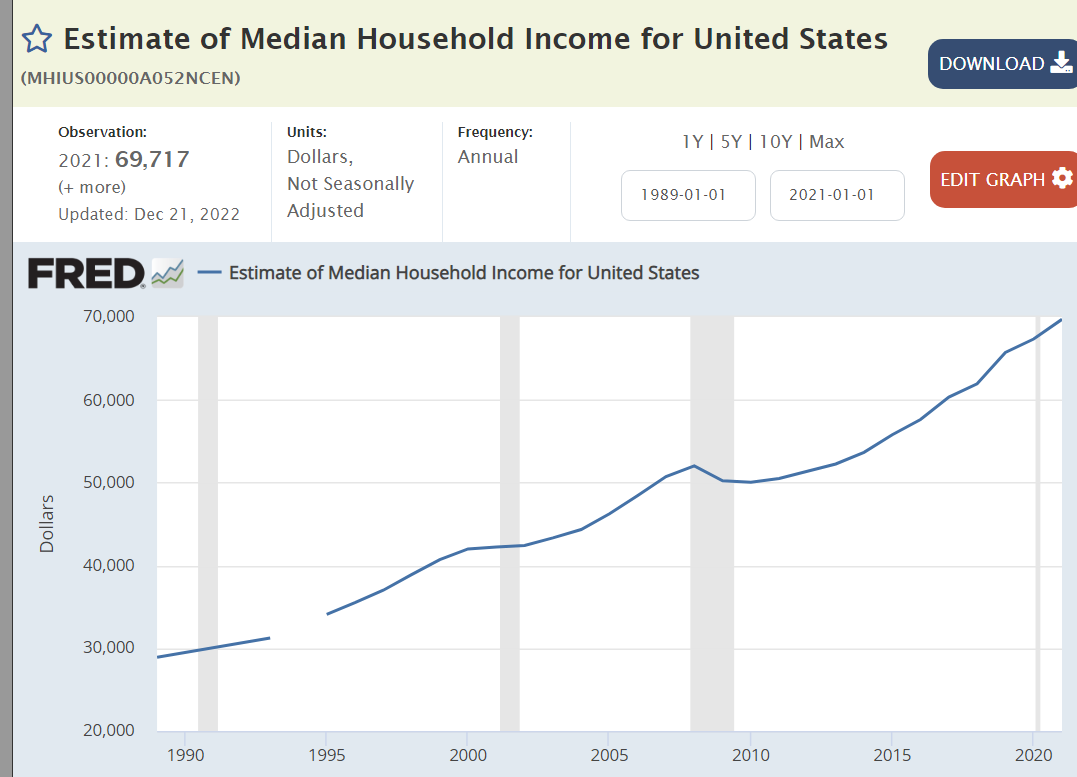
Hamilton County’s $105,000 median household income is 50% higher than the national level of $70,000. The 28% premium of average housing costs is not a significant burden for the median household income family.
On the other hand, families with the $70,000 national median income or lower income do struggle to find affordable housing in the rental and owner occupied housing markets locally.


















 Good News