Modern History: Math (and Physics)

1543 – The Sun is the center of the universe, sort of, not the earth.

https://en.wikipedia.org/wiki/Nicolaus_Copernicus

1611 – The Sun is the center of the universe, sort of, and I have scientific, observational proof.

https://en.wikipedia.org/wiki/Galileo_Galilei

1637 – The world can be described mathematically, in 3 clear dimensions. We can convert geometry into algebra. We can “know” everything. And in my spare time I will revolutionize philosophy too.

https://en.wikipedia.org/wiki/Ren%C3%A9_Descartes

1654 – We can use algebra to fully describe uncertain, probable events. In my spare time, I will contribute to mathematics, physics, chemistry, theology and the scientific method.

https://en.wikipedia.org/wiki/Blaise_Pascal

1673 – The world can be understood. Calculus, philosophy, politics, law, library science, music, biology. Newton was greater. Leibniz gets second billing then and now.
https://en.wikipedia.org/wiki/Gottfried_Wilhelm_Leibniz

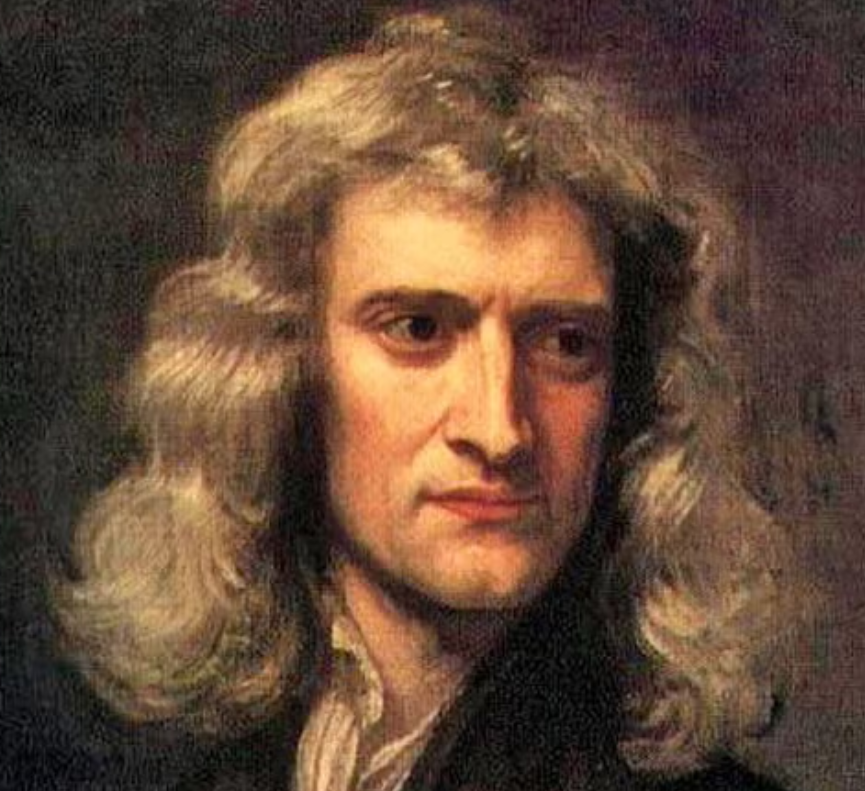
1687 – The world can be understood. Calculus, physics, astronomy, theology, optics, scientific method, alchemy. The reduction of physical forces to a simple equation is the highlight of all science. His legacy is largely misunderstood. He remained religious. He was a mystic and an alchemist. Describing events mathematically did not “explain” them. Aristotle’s emphasis on “final” causes still mattered.
https://en.wikipedia.org/wiki/Isaac_Newton

1734 – The world is dynamic and complex. Yet, we can still describe it mathematically. Let’s describe sets of differential equations. Defining several fields of mathematics. Showing how math can be applied to physics. Perhaps the greatest mathematician of all time.

https://en.wikipedia.org/wiki/Leonhard_Euler

1821 – Carl Gauss competes for the greatest mathematician of all time. Algebra, geometry, connections between subfields, many challenges solved, analysis, topology, non-Euclidean geometry, astronomy, calendars, advances in probability theory, maps, magnetism, optics and mechanics.

https://en.wikipedia.org/wiki/Carl_Friedrich_Gauss

1830 – The earth is not fixed. It evolves through long time as shown in the geological record.

https://en.wikipedia.org/wiki/Charles_Lyell

1847 – We can formalize Aristotelian logic in algebra as ones and zeros. Look out computers.

https://en.wikipedia.org/wiki/Boolean_algebra

1854 – Geometry is an analytical discipline. It is not limited to the simple Greek solids of Euclid. It can be applied to a variety of “spaces”. OMG!

https://en.wikipedia.org/wiki/Riemannian_geometry

1862 – Electricity and magnetism can be described by a set of equations, more complex, but similar to those of Newton describing gravity. We barely understand these phenomena, but the equations can predict how they function. Math and physics.

https://en.wikipedia.org/wiki/A_Dynamical_Theory_of_the_Electromagnetic_Field

https://en.wikipedia.org/wiki/James_Clerk_Maxwell

1895 – We can describe an abstract mathematics called “set theory” which describes how individual components relate to the whole. This approach can describe all formal logic. It can potentially serve as the basis for all of mathematics. It begins to fully address the idea of infinity.

https://en.wikipedia.org/wiki/Set_theory

1895 – The world is mainly comprised of waves of various lengths. Some wave lengths can be used to “see” within physical objects. We’ll call them X-rays.

https://en.wikipedia.org/wiki/X-ray

1911 – The atom is much more complicated than we thought. It has a center of protons and neutrons. It has multiple shells of probabilistically present tiny electrons. Atomic particles “disappear” as radioactive decay based on probabilities.

https://en.wikipedia.org/wiki/Ernest_Rutherford

1915 – Everything you thought you knew about the world is false! The speed of light is fixed. There is no physical background space “ether”. Speed of light is a rare constant. Energy and matter are interchangeable. Time and space interact. Time is relative. Space is warped by matter (gravity). In essence, several dimensions of reality cluster, pull, interact, interrelate together in mathematically describable ways. Everything is very connected. I worked the rest of my life to combine the laws of physics, but they did not comply.

https://en.wikipedia.org/wiki/Albert_Einstein

1925 – We’ve digested all of the new theories and experimental results. Everything in the universe is unavoidably probabilistic. Light is wave and particle. Space is relative. Electrons are probably in SPDF circuits. Particles are probably there! Measurements impact reality. Schrodinger’s cat can be dead or live. Spooky action at a distance. We can never really know “for sure”. This is before the exploration of sub-atomic particles which raises many more very difficult questions.

https://en.wikipedia.org/wiki/Quantum_mechanics

1927 – The universe was created from a single point in time. Confirmed in 1965.

https://en.wikipedia.org/wiki/Big_Bang

https://en.wikipedia.org/wiki/Cosmic_background_radiation

1928 – Many decisions can be analyzed as games and optimal strategies defined.

https://en.wikipedia.org/wiki/Game_theory

1931 – We cannot reduce any “robust” mathematics to simple formal logic or set theory. Infinity and other non-reductionist components stand in the way.

https://en.wikipedia.org/wiki/G%C3%B6del%27s_incompleteness_theorems

1942 – Power from atomic decay is possible.

https://en.wikipedia.org/wiki/Nuclear_power

1947 – A general solution strategy is available to solve optimization problems subject to multiple constraints.

https://en.wikipedia.org/wiki/Linear_programming

1960 – We live in a special place. Several physics constants are needed to allow life to exist and evolve. This set of constants is very unlikely.

https://en.wikipedia.org/wiki/Fine-tuned_universe

1968 – Systems are everywhere. They obey certain laws.

https://en.wikipedia.org/wiki/Systems_theory

1975 – There are fractional dimensions everywhere!

https://en.wikipedia.org/wiki/Benoit_Mandelbrot

Summary

Our universe has a well-defined structure. Observer perspective really matters. Mathematical equations are amazingly powerful. There is no simple deterministic universe. It is probabilistic “turtles all the way down”. Perspective is relative. New mathematical perspectives are impossible to predict and difficult to comprehend.

Modern History: Business & Economics

1602 – Dutch East India Company, limited liability corporation, global trade

https://en.wikipedia.org/wiki/Dutch_East_India_Company

1776 – The Wealth of Nations from markets, specialization and trade

https://en.wikipedia.org/wiki/Adam_Smith

1817 – Comparative advantage drives international trade

https://en.wikipedia.org/wiki/David_Ricardo

1865 – Gilded age economic expansion and inequality in the US, laissez faire

https://en.wikipedia.org/wiki/Gilded_Age

1867 – Trade unions legalized in the United Kingdom

https://en.wikipedia.org/wiki/Trade_unions_in_the_United_Kingdom

1910 – Scientific management, Frederick Taylor, Taylor method

https://en.wikipedia.org/wiki/Scientific_management

1911 – Breakup of the Standard Oil Company – anti-monopoly power

https://en.wikipedia.org/wiki/Standard_Oil_Company

https://en.wikipedia.org/wiki/The_History_of_the_Standard_Oil_Company

https://en.wikipedia.org/wiki/Standard_Oil_Co._of_New_Jersey_v._United_States

1913 – Federal Reserve Bank created

https://en.wikipedia.org/wiki/Federal_Reserve_Act

1913 – Industrial assembly line- Ford

https://en.wikipedia.org/wiki/Assembly_line

1929 – Great Depression

https://en.wikipedia.org/wiki/Business_cycle

https://en.wikipedia.org/wiki/Great_Depression

1933 – Securities and Exchange Commission regulates financial markets

https://en.wikipedia.org/wiki/Securities_Act_of_1933

1936 – Modern macroeconomics is outlined

https://en.wikipedia.org/wiki/John_Maynard_Keynes

1939 – Silicon Valley begins with Hewlett-Packard, product and financing innovation

https://en.wikipedia.org/wiki/Hewlett-Packard

https://en.wikipedia.org/wiki/Silicon_Valley

1942 – Creative Destruction is an essential part of effective capitalism.

https://en.wikipedia.org/wiki/Joseph_Schumpeter

1947 – Military industrial sector, defense complex created

https://en.wikipedia.org/wiki/Military_production_during_World_War_II

https://en.wikipedia.org/wiki/Military%E2%80%93industrial_complex

https://en.wikipedia.org/wiki/Military_budget_of_the_United_States

1948 – Japanese companies start modern manufacturing based upon statistical insights.

https://en.wikipedia.org/wiki/Toyota_Production_System

1950 – The study of “sequence of events” leads to modern project management.

https://en.wikipedia.org/wiki/Critical_path_method

https://en.wikipedia.org/wiki/Timeline_of_project_management

1952 – Henry Markowitz formalizes modern portfolio theory.

https://en.wikipedia.org/wiki/Modern_portfolio_theory

1955 – Destination theme park travel begins – Walt Disney

https://en.wikipedia.org/wiki/Disneyland

https://en.wikipedia.org/wiki/Disney_Experiences

1955 – Enclosed Shopping Mall

https://en.wikipedia.org/wiki/Shopping_center

https://en.wikipedia.org/wiki/Shopping_mall

1956 – Intermodal shipping container and freight transport

https://en.wikipedia.org/wiki/Intermodal_freight_transport

1958 – General purpose credit cards

https://en.wikipedia.org/wiki/Credit_card

1958 – A meritocratic work environment was dominating, and critics objected.

https://en.wikipedia.org/wiki/The_Rise_of_the_Meritocracy

1962 – Product and process standardization, franchising take off

https://en.wikipedia.org/wiki/History_of_McDonald%27s

1962 – Discount retailing, big box stores, category killers arise.

https://en.wikipedia.org/wiki/History_of_Walmart

1968 – For profit health care.

https://en.wikipedia.org/wiki/HCA_Healthcare

1970 – Income inequality begins to grow again in the US

https://en.wikipedia.org/wiki/Income_inequality_in_the_United_States

1971 – Discount air travel, standardized routes and aircraft

https://en.wikipedia.org/wiki/History_of_Southwest_Airlines

1973 – How much is a financial option worth?

https://en.wikipedia.org/wiki/Black%E2%80%93Scholes_model

1973 – Reliable express delivery is founded.

https://en.wikipedia.org/wiki/FedEx

1974 – Tax-advantaged individual retirement accounts

https://en.wikipedia.org/wiki/Individual_retirement_account

1975 – Index funds and mutual funds simplify and lower transaction costs of investing.

https://en.wikipedia.org/wiki/The_Vanguard_Group

1978 – Executive stock options provide high levels of tax-advantaged compensation.

https://en.wikipedia.org/wiki/Employee_stock_option

1979 – Monetary policy can stop inflation, at a cost.

https://en.wikipedia.org/wiki/Paul_Volcker

1980 – Junk bonds provide financing for riskier companies and tools for investors.

https://en.wikipedia.org/wiki/High-yield_debt

1980 – Michael Porter clarifies the effective use of business strategy to compete in markets.

https://en.wikipedia.org/wiki/Competitive_advantage

1984 – Eli Goldratt offers a “theory of constraints” as a way to understand and manage complex systems effectively, leading to true “lean manufacturing” and “lean operations”.

https://en.wikipedia.org/wiki/Theory_of_constraints

1994 – On-line retailing, everything is in stock, and available soon.

https://en.wikipedia.org/wiki/History_of_Amazon

2007 – Great Recession highlights the ongoing risks of financial deregulation.

https://en.wikipedia.org/wiki/Great_Recession

Summary

Process standardization. Financial innovation. Highly focused strategies. New business forms. Markets and international trade deliver desired products, lower prices and competition. A role for government regulation remains. The macroeconomy can be managed to reduce the impact of business cycles and shocks.

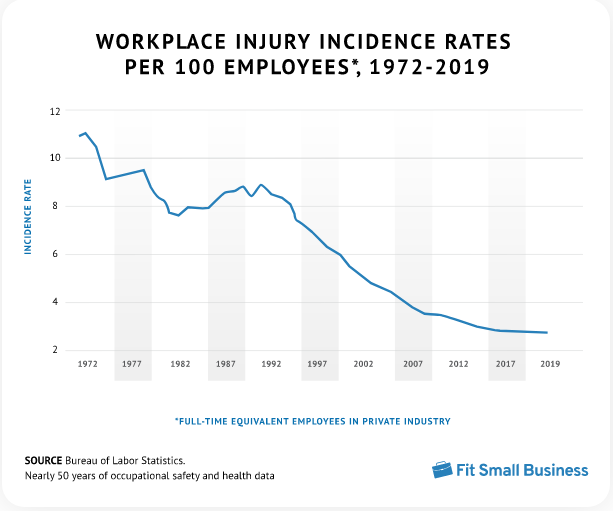
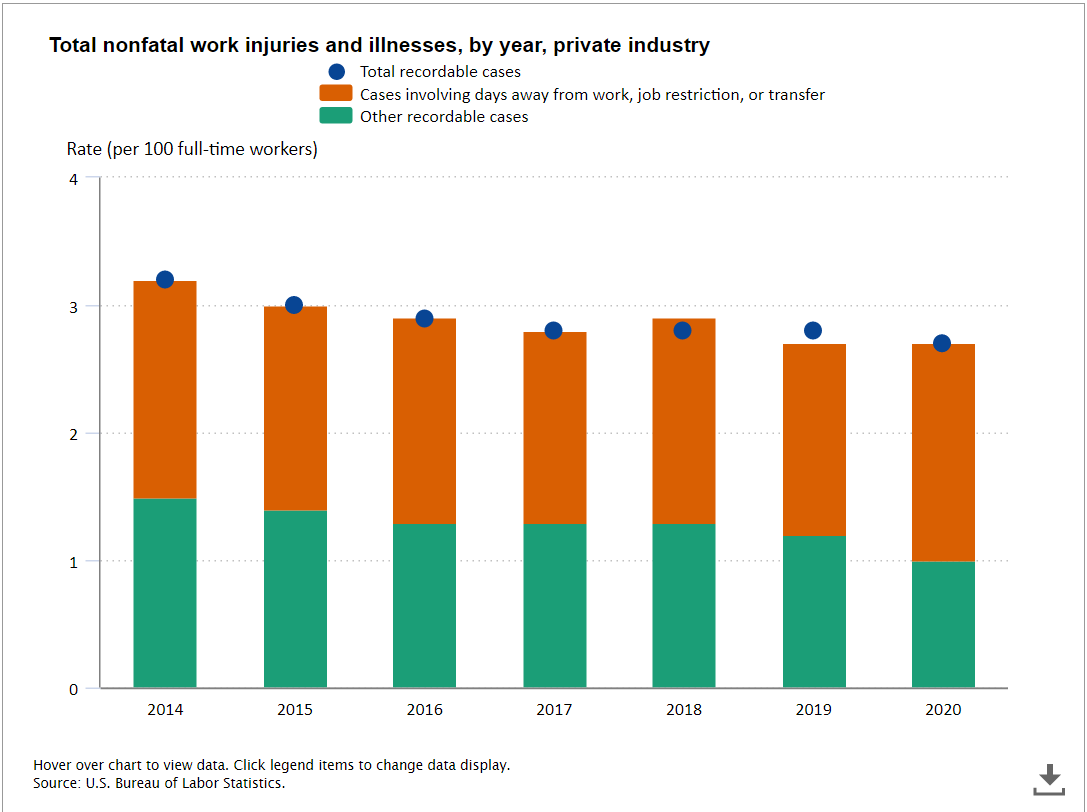
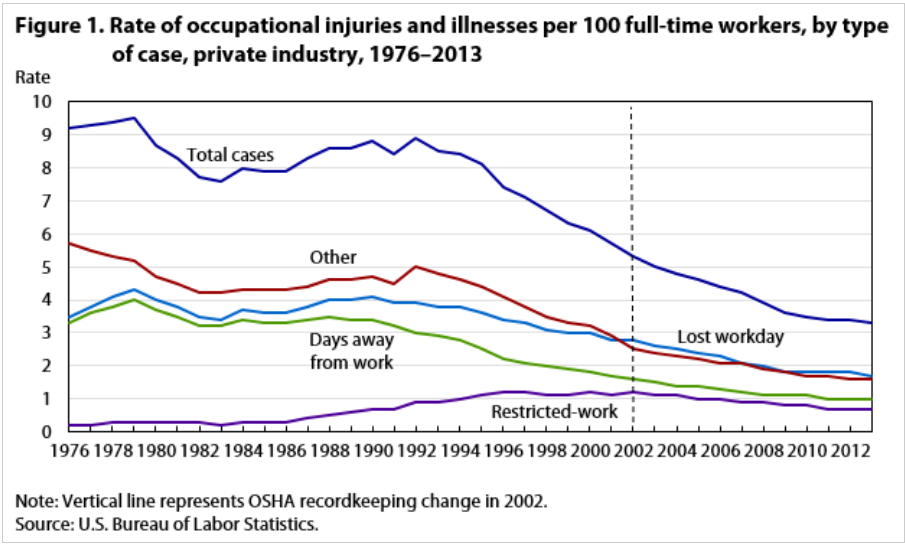
Good News: Lower US Workplace Injury and Death Rates

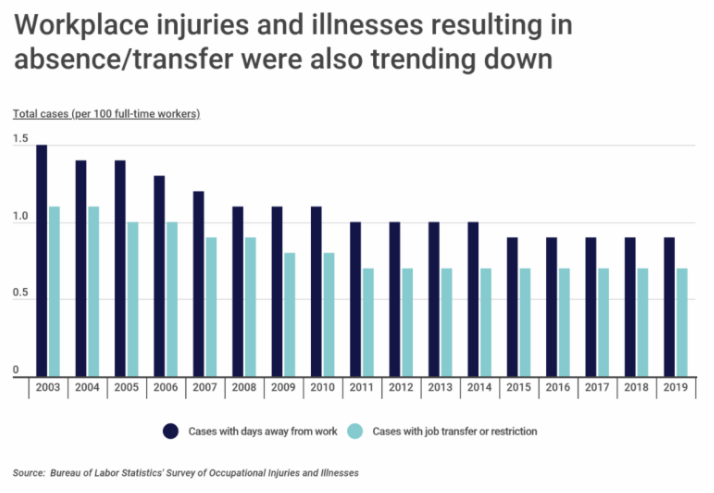
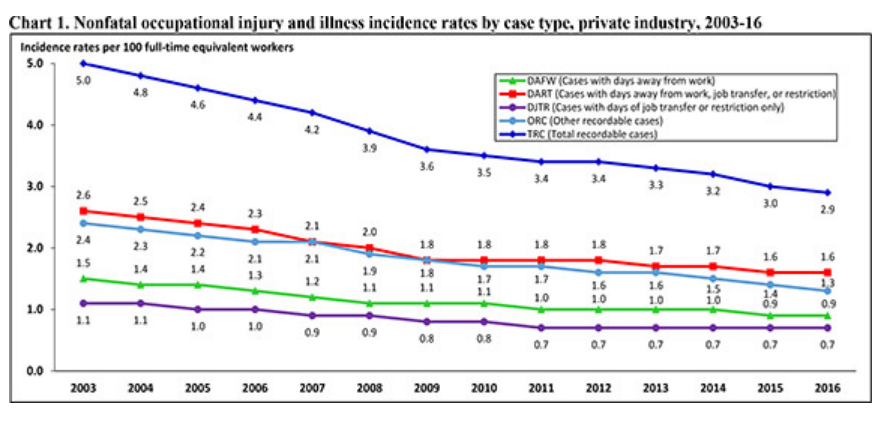
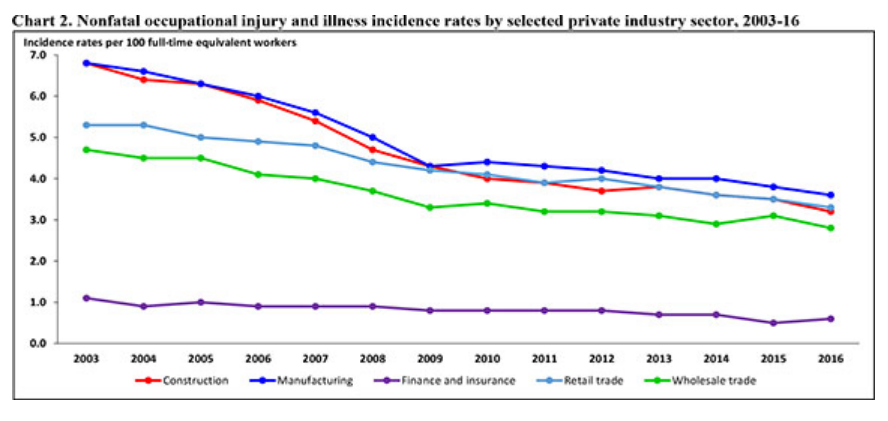
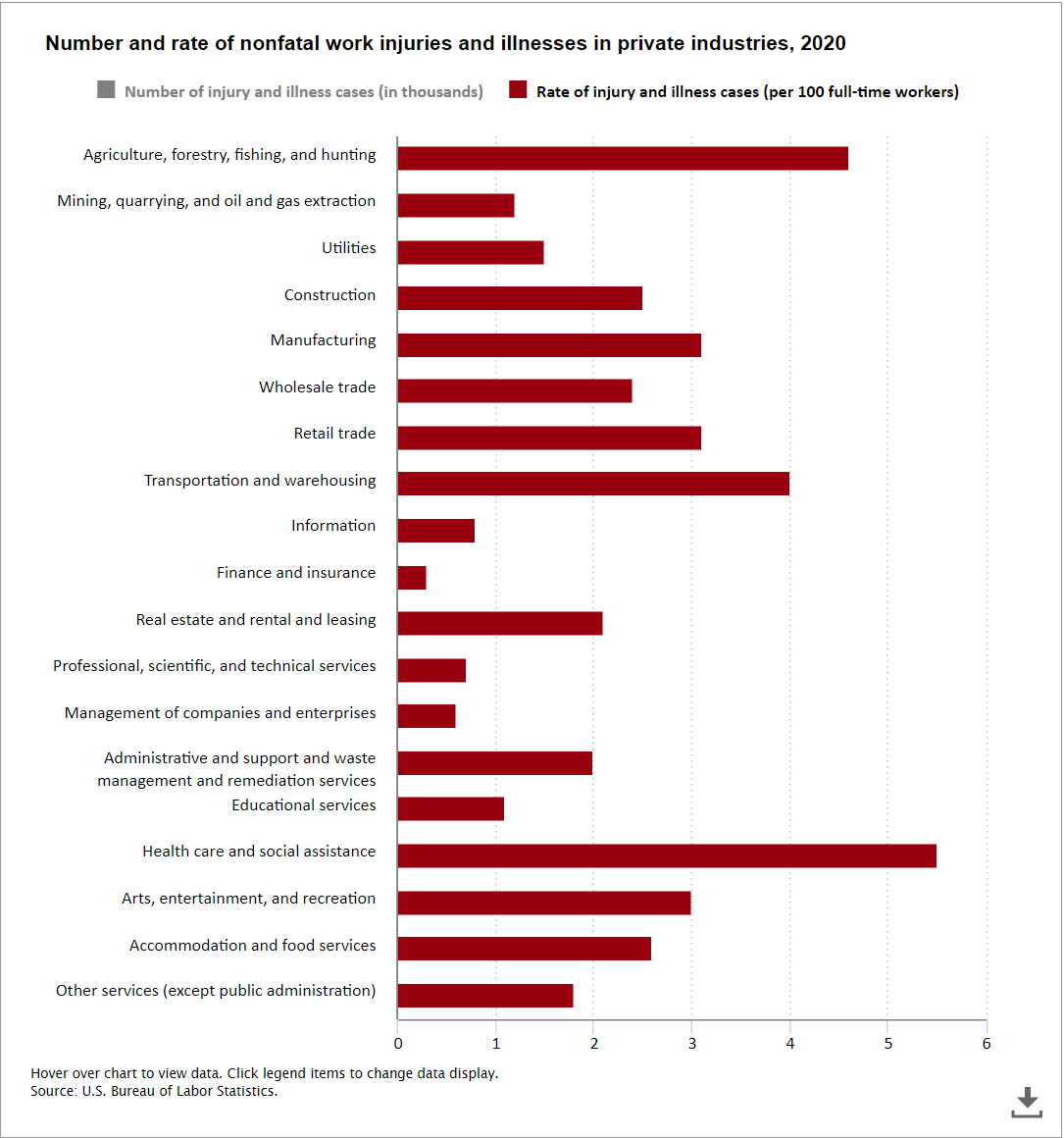
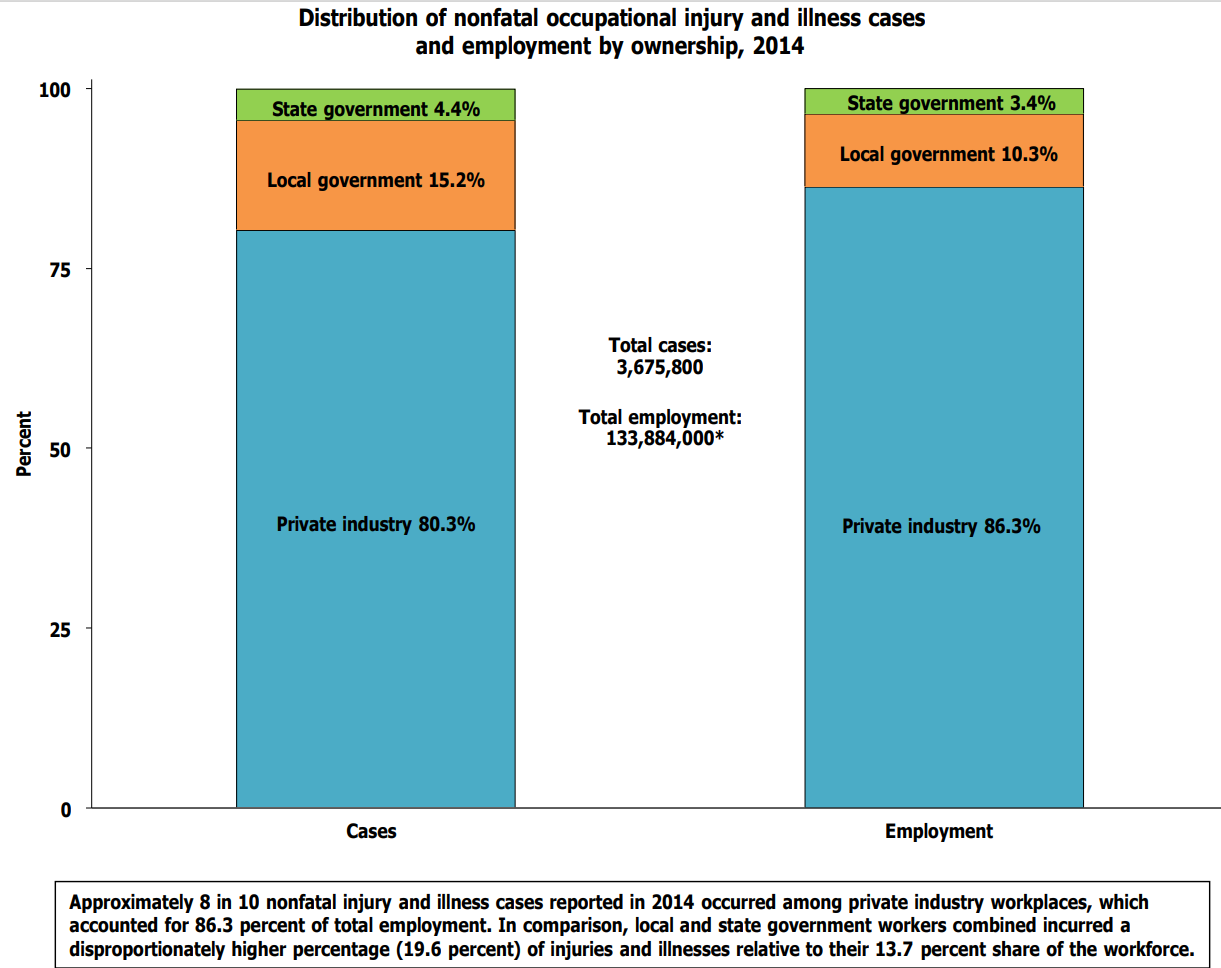
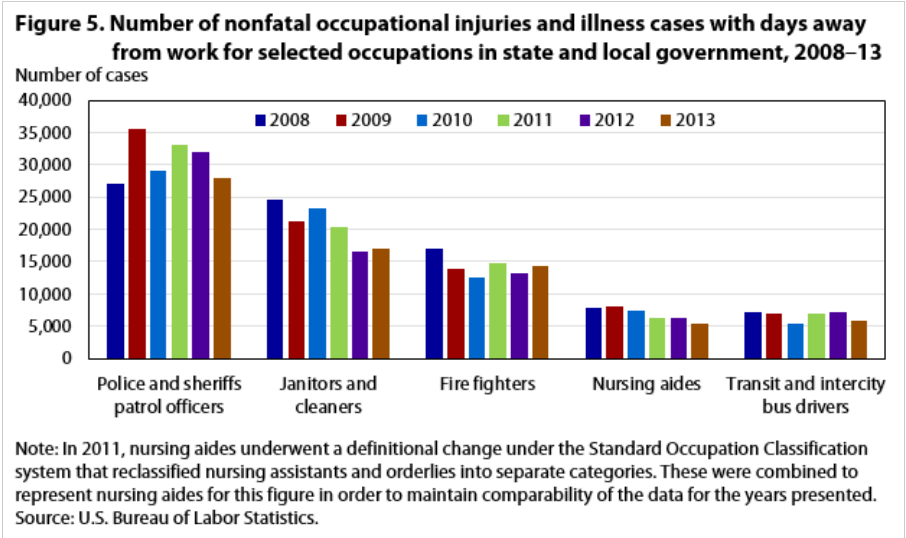
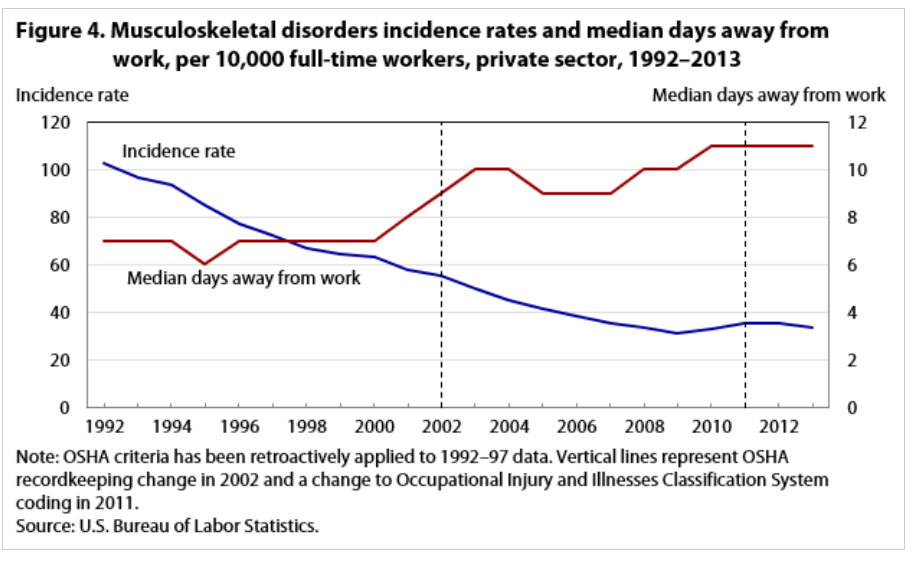
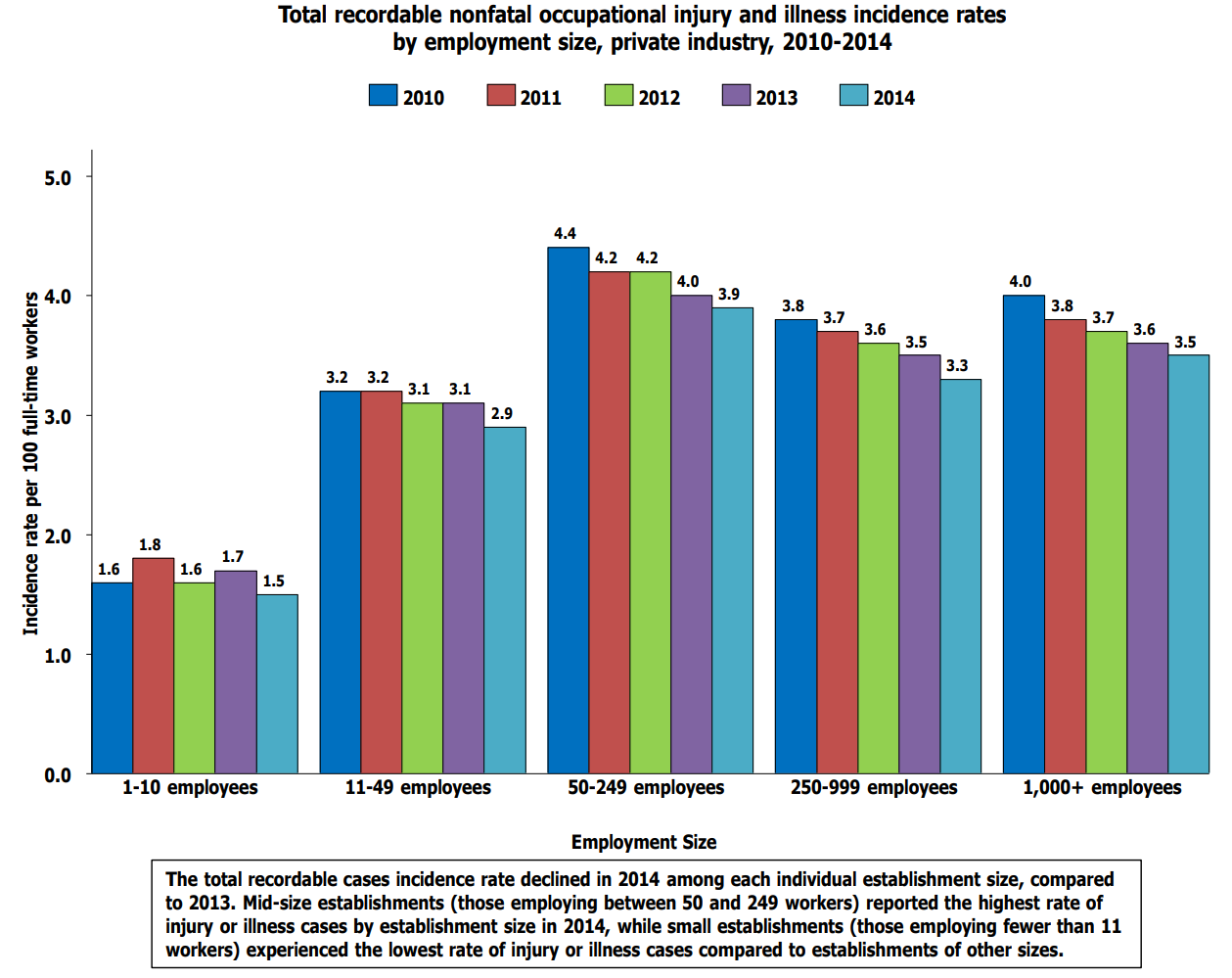
Injuries

https://fitsmallbusiness.com/workplace-injury-statistics/
https://www.bls.gov/charts/injuries-and-illnesses/total-nonfatal-work-injuries-and-illnesses-by-year.htm#
https://www.bls.gov/opub/mlr/2015/article/the-quest-for-meaningful-and-accurate-occupational-health-and-safety-statistics.htm
https://www.globaltrademag.com/industries-with-the-highest-rates-of-workplace-injuries/
https://www.workerscompensation.com/news_read.php?id=27835
https://www.bls.gov/charts/injuries-and-illnesses/number-and-rate-of-nonfatal-work-injuries-and-illnesses-by-industry.htm
https://www.bls.gov/iif/oshwc/osh/os/osch0054.pdf
https://www.bls.gov/opub/mlr/2015/article/the-quest-for-meaningful-and-accurate-occupational-health-and-safety-statistics.htm
https://www.bls.gov/iif/oshwc/osh/os/osch0054.pdf

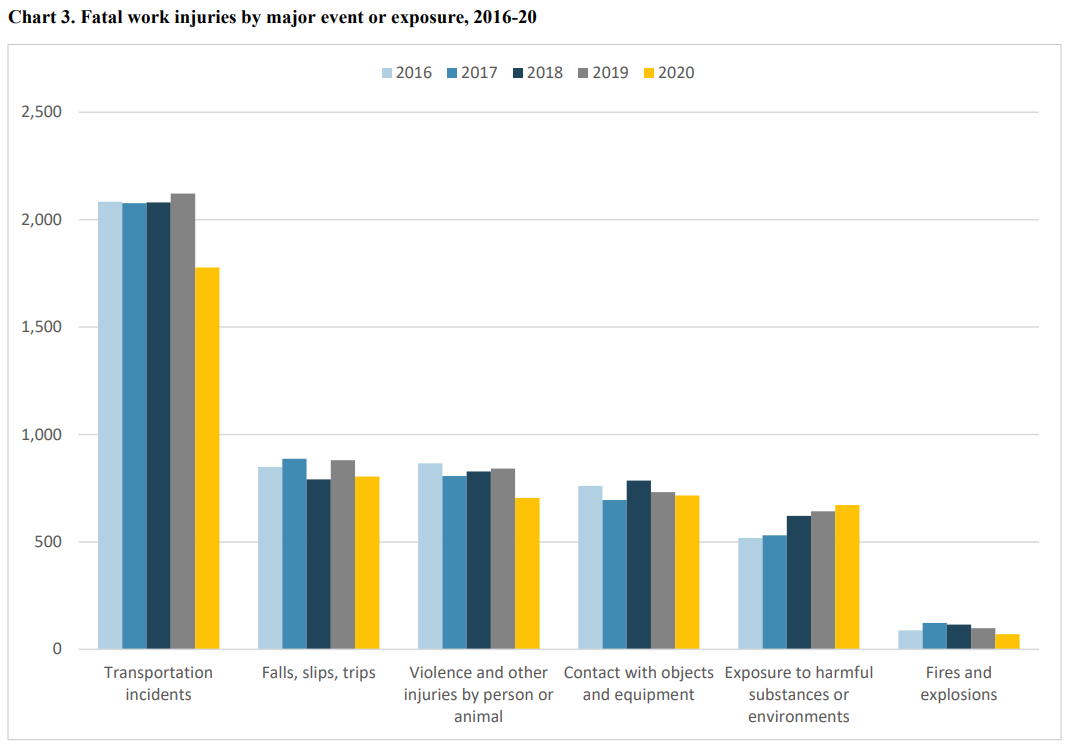
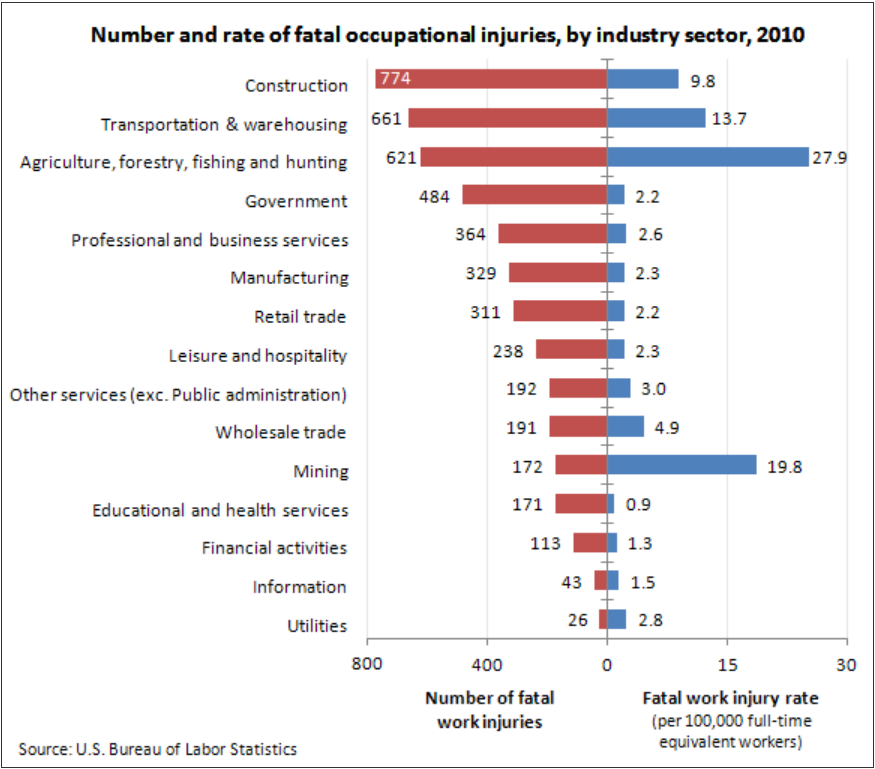
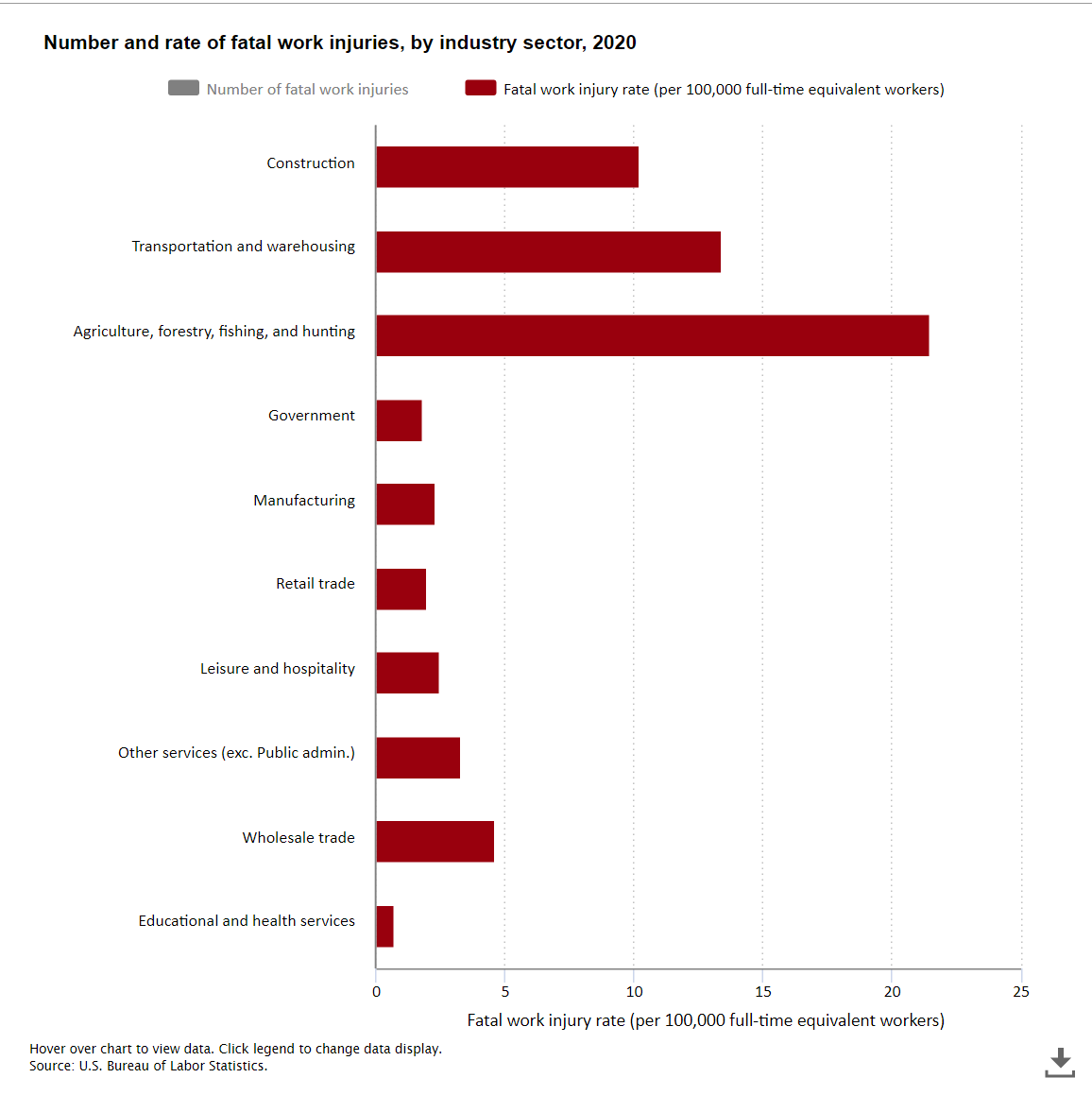
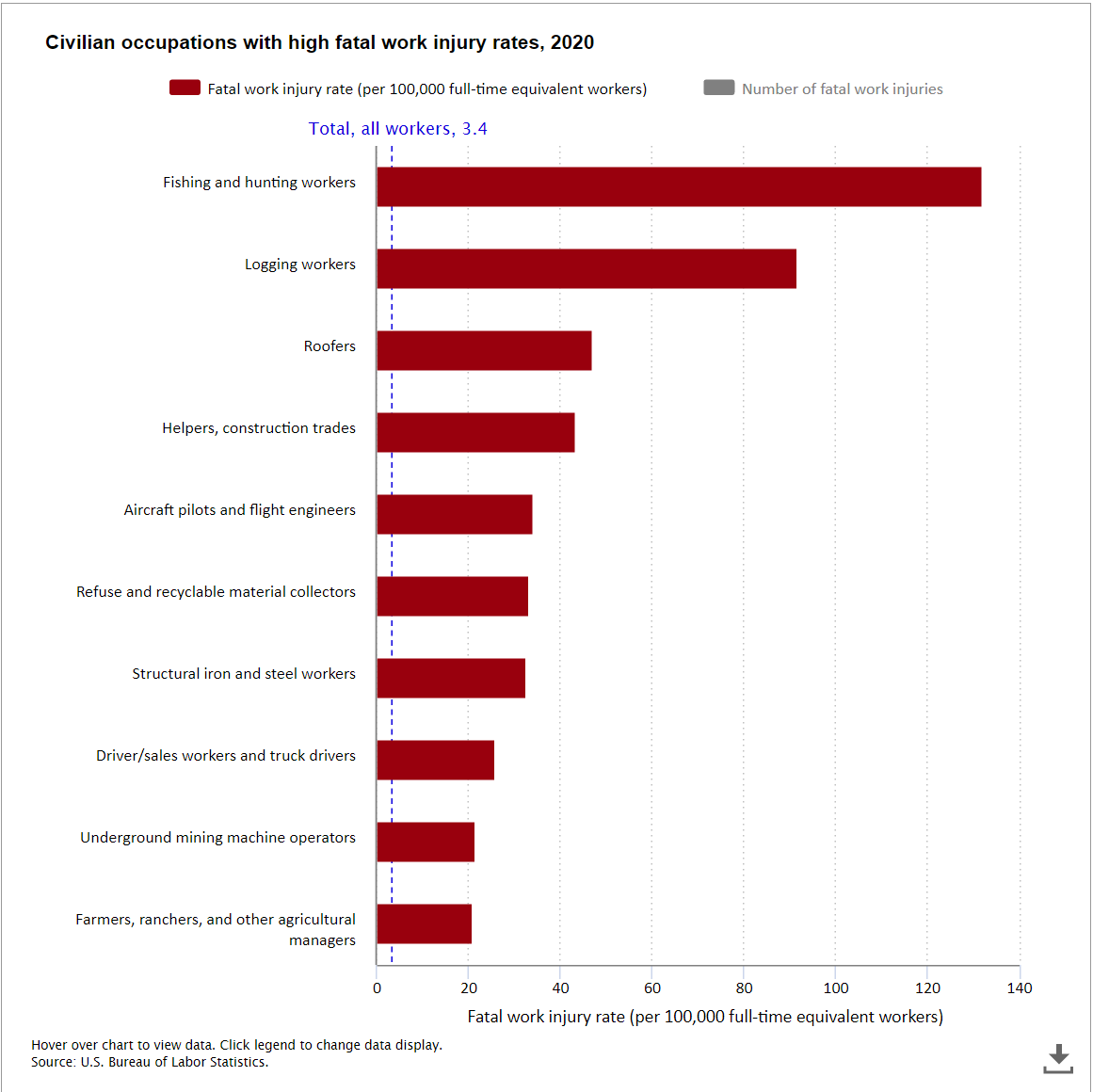
Workplace Fatalities

https://www.insurancejournal.com/news/national/2020/02/21/558963.htm
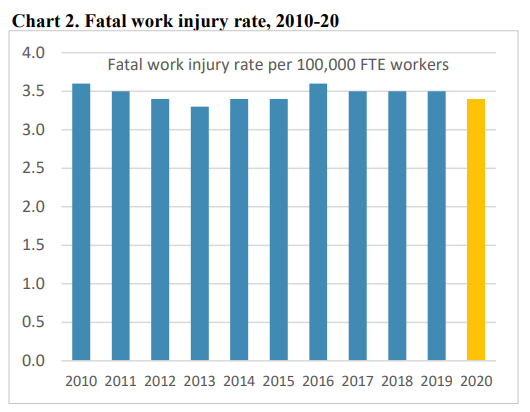
https://www.bls.gov/news.release/pdf/cfoi.pdf
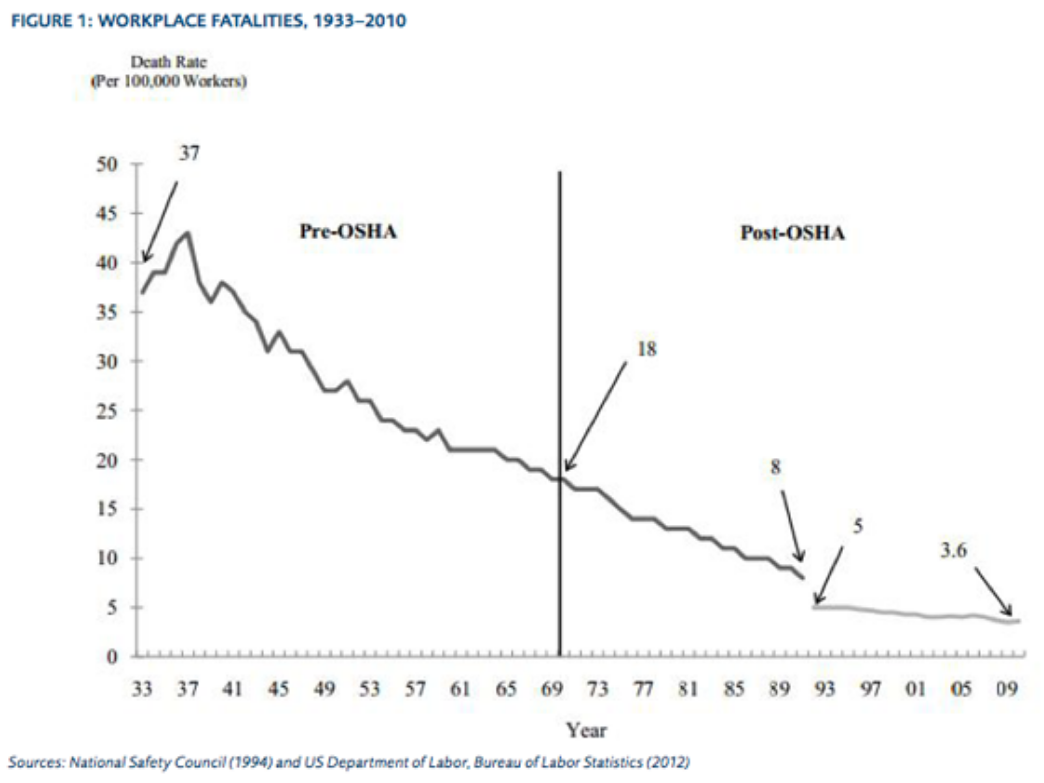
https://govfailure.com/item/osha-didnt-speed-decline-in-workplace-deaths/

1915 rate estimated to be 60.

https://www.bls.gov/opub/mlr/2016/article/the-life-of-american-workers-in-1915.htm

https://www.bls.gov/news.release/pdf/cfoi.pdf
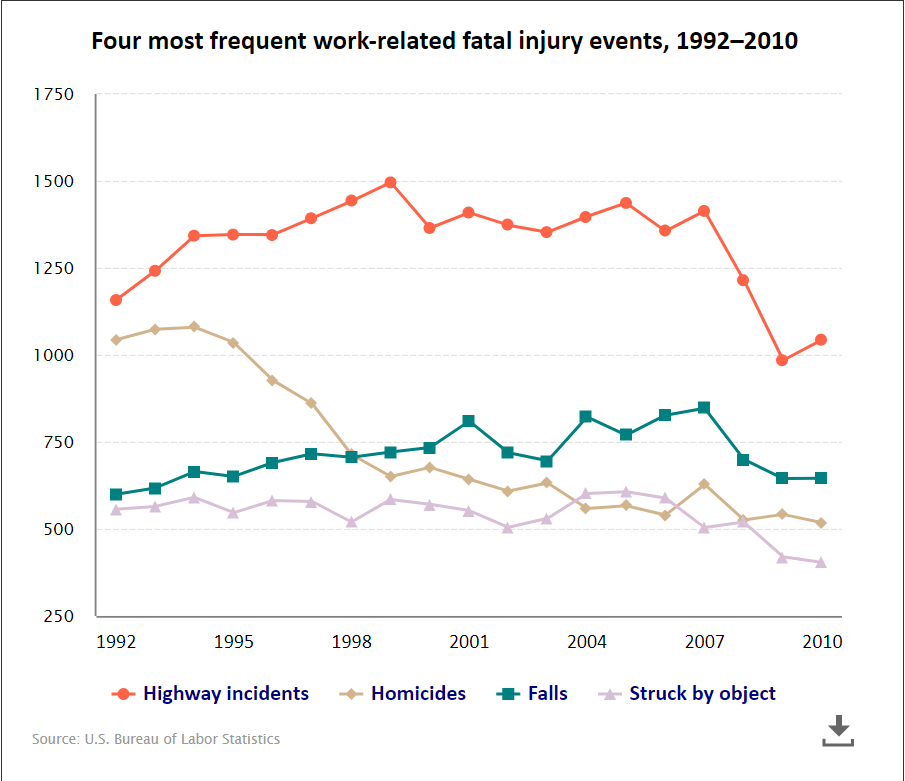
https://www.bls.gov/iif/oshwc/cfoi/cfch0016.pdf
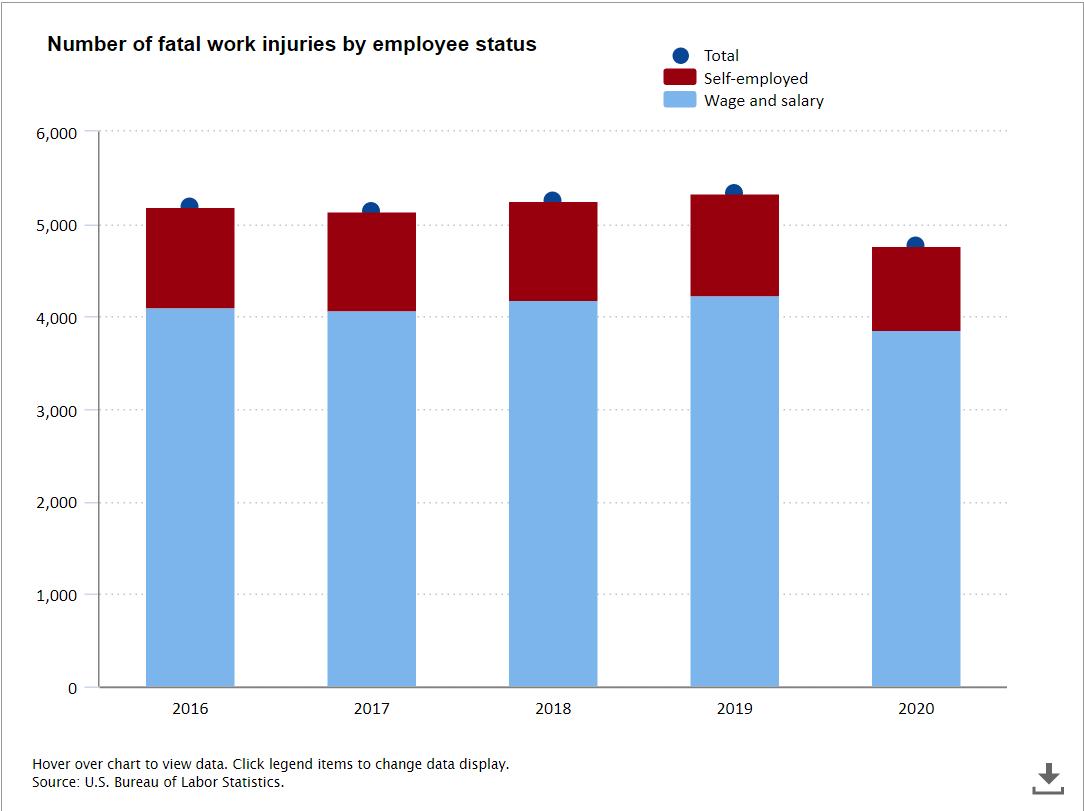
https://www.bls.gov/charts/census-of-fatal-occupational-injuries/number-of-fatal-work-injuries-by-employee-status-self-employed-wage-salary.htm
https://www.bls.gov/iif/oshwc/cfoi/worker_memorial.htm
https://www.cdc.gov/mmwr/preview/mmwrhtml/mm4822a1.htm
https://www.bls.gov/news.release/pdf/cfoi.pdf
https://www.cdc.gov/mmwr/preview/mmwrhtml/mm4822a1.htm
https://www.bls.gov/iif/oshwc/cfoi/worker_memorial.htm
https://www.cdc.gov/mmwr/preview/mmwrhtml/mm4822a1.htm
https://www.bls.gov/charts/census-of-fatal-occupational-injuries/number-and-rate-of-fatal-work-injuries-by-industry.htm
https://www.bls.gov/iif/oshwc/cfoi/worker_memorial.htm
https://www.bls.gov/iif/oshwc/cfoi/cfch0016.pdf
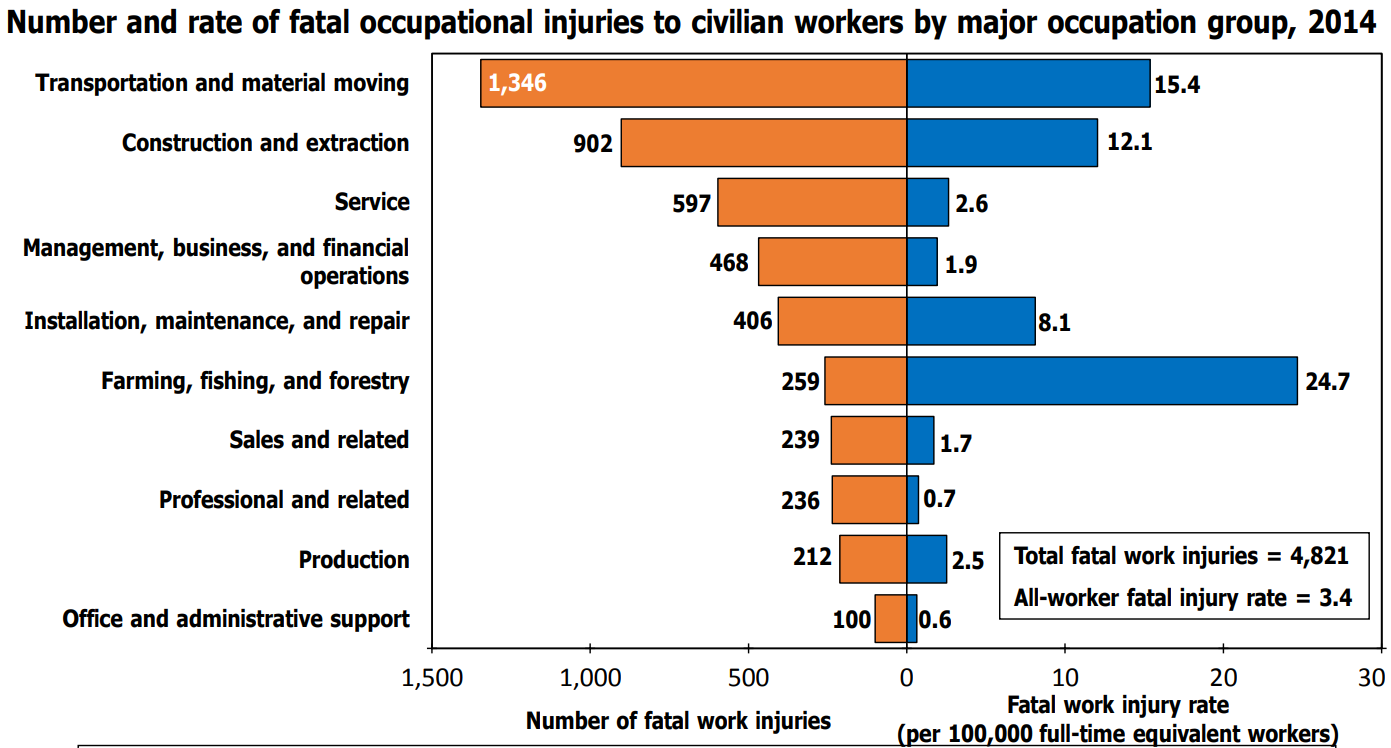
https://www.bls.gov/charts/census-of-fatal-occupational-injuries/civilian-occupations-with-high-fatal-work-injury-rates.htm
https://www.bls.gov/iif/oshwc/cfoi/cfch0013.pdf
https://www.bls.gov/charts/census-of-fatal-occupational-injuries/number-and-rate-of-fatal-work-injuries-by-occupation.htm
https://www.publichealthpost.org/databyte/men-hard-at-work/
https://www.insurancejournal.com/news/national/2020/02/21/558963.htm
https://www.bls.gov/charts/census-of-fatal-occupational-injuries/rate-of-fatal-work-injuries-per-100000-fte-by-age.htm

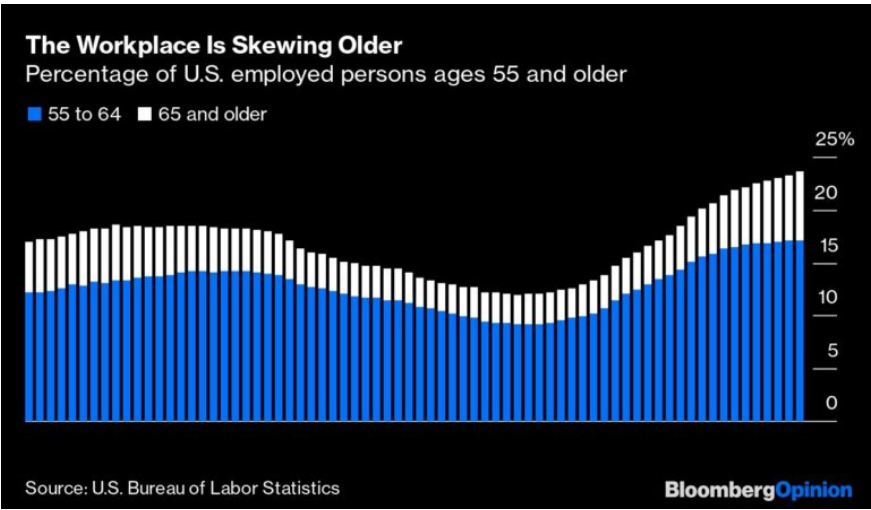
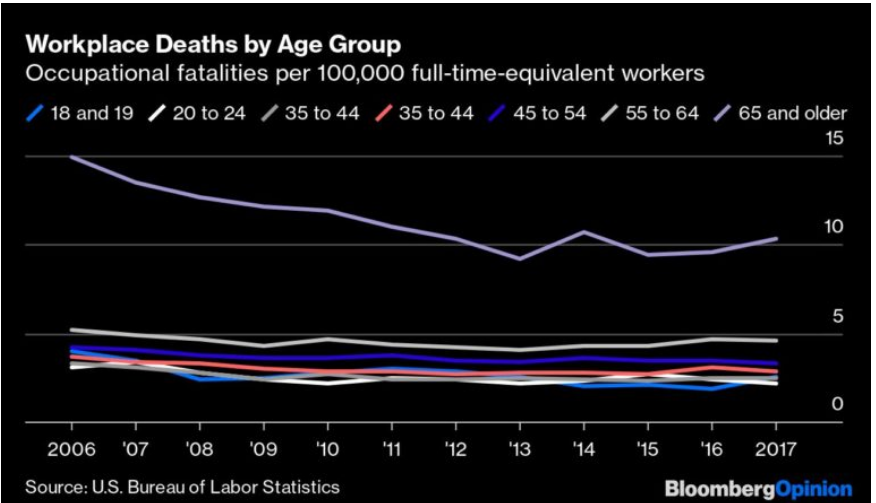
The baby boomers have caused the relatively higher death rate aged 55+ groups to almost double their share of total workers. While the death rate for EACH age group has gone down in the last 20 years, the blended average has been flat for the last decade.

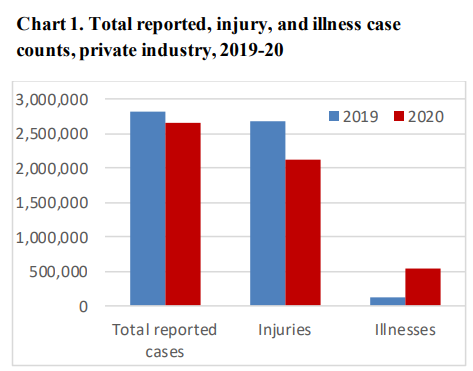
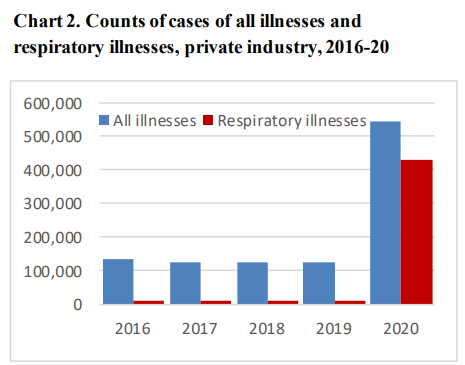
Covid Provided Special Challenges and the Results Could Always Be Even Better

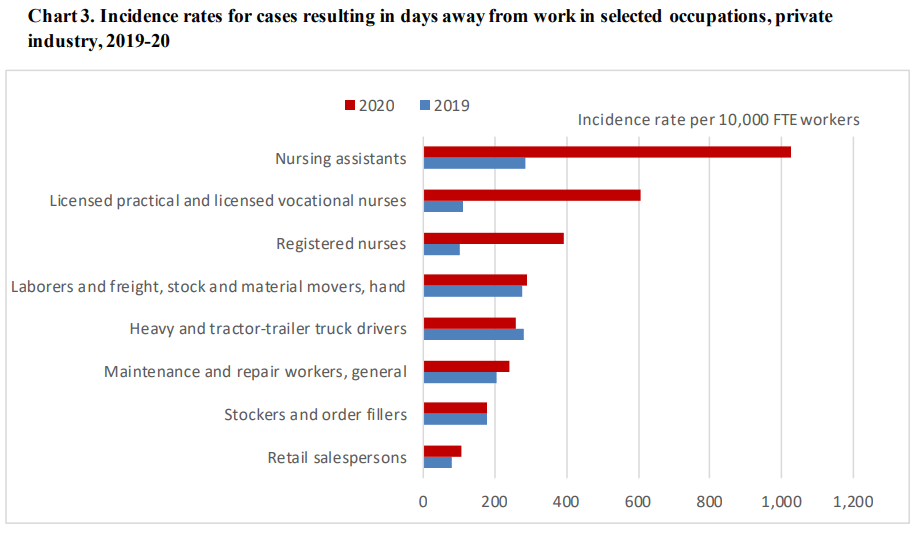
https://www.bls.gov/news.release/pdf/osh.pdf

https://www.cnbc.com/2021/12/29/bls-estimates-that-13-us-workers-die-on-the-job-per-day-on-average.html

https://aflcio.org/reports/death-job-toll-neglect-2021

The Great Resignation: Labor Markets Run Amuck

Lots of press on the topic of a “new” labor market. Some of the experience seems to be genuinely new, some of the situation seems to be our old favorites, supply and demand.

Derek Thomson’s recent Atlantic article is a good one,

https://www.theatlantic.com/ideas/archive/2021/10/great-resignation-accelerating/620382/

On the supply side, labor force participation is the big driver.

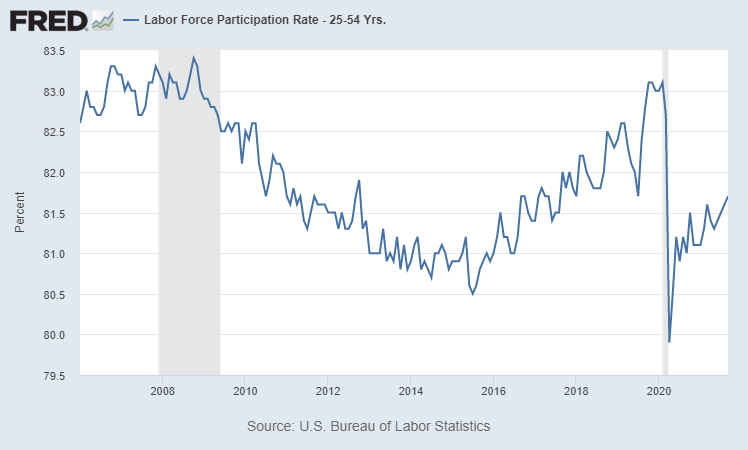
Focus on the core 25-54 age group to avoid the impact of various “mix variances” with changing enrollment rates and different retirement patterns. HUGE increase from 1950 to 1990, 65% to 84%, as women joined the US workforce across 4 decades. The rate stayed roughly constant for 2 more decades, through 2010, falling back a little to 83% in the late 2010’s.

Since 2006, we’ve had some modest changes. The rate fell from the relatively stable 83% rate through 2009 down to 81% in 2012. The recession knocked 2% of the population out of the workforce. For the next 4 years, through 2016, the participation rate remained at 81%. This is a variable that does not change quickly. People make long-term decisions, knowing that re-entering the work force requires very significant “effort”, investments, networking and accepting lower wages versus history. By the middle of 2016, almost 8 years after the decline that started in early 2009, the participation rate started to increase again. Note the many articles about the “jobless recovery” during W Bush’s time and Obama’s first term. The labor markets are not quite as responsive as desired. In the next 4 years, the participation rate returned to its prior level. That’s an increase of 0.5% per year during a prolonged economic boom period. Again, this measure of available supply does not change rapidly in normal times.

The pandemic dropped participation back to 81% in a short few months! In the last year, the participation rate has risen by a little more than 0.5% to 81.7%. We can expect to see this same kind of improvement for each of the next 3 years based upon recent history. But, even with all of the measures of underemployment and open positions, it is unlikely that the labor market will attract new employees faster than this rate.

The number of nonfarm workers employed reflects the results of labor markets. This is another measure that typically changes slowly.

The number of US employees stayed relatively flat from 2000-2004. The W Bush (jobless) recovery DID add 6 million workers. The “Great Recession” dropped the headcount by 8 million, back down to the 130 million level of the prior recession. Note that we had 11 years with essentially ZERO net job growth.

The economy found its footing in 2010 and we had 9 years or growth, adding 22 million employees, a truly remarkable period of prosperity. This recovery is remarkable for the steady pace of job growth, a constant 2.4 million per year.

By the end of the 2020 pandemic year, employment was down to 143 million, a decline of 9 million. This is similar in size to the “Great Recession’s” 8 million job loss. In the last year, the economy has added 5 million jobs, a pace TWICE the level of the prior recovery. We may be slowing down, or the job adds may continue between the 2.4 – 5 million annual rate. This is VERY GOOD news.

In the long-run, the US economy struggles to reduce and hold unemployment below 5%.

In the post-WW II boom times, 4% was reached several times, but thereafter quickly increased back above 5%. The “stagflation” era of the 1970’s indicated that “full employment” might be as high as 6%. The boom periods of the late 1990’s and 2000’s drove actual unemployment below the presumed 5% unemployment rate, but always just briefly. The long and smooth 2010’s recovery broke the rules. Unemployment rates fell and fell down to an unexpected 3.5%.

By the end of 2020, the unemployment rate had dropped to a more reasonable 6.7% from the measured peak of 15%.

It has recovered by a very strong and quick 2% in the last year, reaching 4.8%. This is near the long-term level of “full employment”, where demanders must provide increasingly attractive offers to entice supply.

This recent disconnect between supply and demand is seen in the unusually high job openings rate.

From 2000-2014, the economy averaged a 3% rate of job openings to labor market participants. About 1 in 30 or 33 jobs were “open”. The “Great Recession” drove this ratio as low as 2%, with just 1/50 jobs open. Following the “Great Recession” this ratio of job market demand increased for a full decade, from 2% to 4.5%, where only 1 in 22 jobs were open. Note that this is more than twice as many as in the depths of the “Great Recession”.

The job openings rate snapped back to the recent 4.5% level in the second half of 2020. It has since grown to a record 7%, or 1 in 14 positions unfilled. This is a “loose” labor market of historic proportions. Demand is clearly exceeding the slow response of supply in the labor force participation rate.

The “quits” rate has attracted the most media attention as it is even more extreme.

The voluntary quits rate averaged 2% from 2001-2008, 1 in 50 workers. It dropped to just 1.5% (1/66) during the Great Recession. It slowly increased with the recovery to 2.3% in the heady days of 2018-19 (1/44). The quit rate returned to its recent level very quickly by July, 2020. It has since increased to 2.8% or 1 in 36 workers each month. On an annual basis, this is 1 in 3 workers voluntarily leaving their employment!

As we’ve seen with the supply chain bottlenecks, the labor market is currently unable to recover quickly enough.

The economy did employ 152 million workers before the pandemic. We need 4 million more to reach that level. Based on recent history, this is an achievable level, but it will require 18 months or more to achieve.

In the mean time, employers will raise wages and provide more flexible terms to attract marginal workers back into employment.

As the “great resignation” pundits say, the pandemic experience changed the expectations of potential employees. They have found that they can “survive” rather than accept low wage positions with poor work conditions. This will change their behavior for years to come.

Getting Started on Emergency Preparedness

We seem to live in a world filled with unpredictable risks: a banking crisis, potential Greek debt default, H1N1 flu, gulf oil spill, Icelandic volcano ash, terrorist attempts, etc.  Many small and medium-sized businesses defer emergency preparedness planning because they are unable to find the handle to get started or they fear a bottomless pit of cost with no expected benefits.  Doing nothing is a choice, but it is not the best choice.

Any firm can complete the first three steps of an emergency preparedness plan in less than one day: outline the potential risks, prioritize their likely impact and outline the required preparedness measures which would address the risks.  Most potential risks are generic.  The attached checklist can be modified to highlight any other risks.

The identified risks can be prioritized through a simple weighting scheme.  For each risk, rank its probability of occurrence in the next 10 years as 1-5, with 5 being highest.  For each risk, separately evaluate the potential human and property/asset risks from 1-5, with 5 being the highest damage.  Calculate the potential impact as the probability score times the SUM of the human and property impacts.  Sort the risks from high to low.  There will be a natural division of scores that highlights your top 5-15 risks.

 For each risk, determine what emergency preparedness steps are required.  Most will be addressed by a small number of generic recovery steps.

  1. Shelter on-site for 4 hours, including emergency air supply.
  2. Shelter on-site for 16 hours, during threatening weather.
  3. Shelter on-site for 72 hours.
  4. Quickly evacuate building and account for occupants.
  5. Activate emergency communications plan/alternate command authority structure.
  6. Activate emergency business recovery plan
  7. Activate long-term quarantine plan.
  8. Other specialized recovery steps.

 Once these first three steps have been completed, progress can begin on developing the recovery plans, including any immediate action steps that can be taken to reduce the risks or impacts of high potential impact threats.

 Emergency preparedness is a major investment.  Getting started is the most important step.

 Group   No.   Risks 
     
 Brand      1  Key executive or representative incident 
 Brand      2  Product recall – safety, functional problems 
 Brand      3  Public relations crisis, fraud, suppliers, legal, political 
     
 Hazard      4  Biological – plague, insects, animals, malaria, anthrax, terror 
 Hazard      5  Chemical – on-site, storage, warehouse, adjacent, terrorist, gas leak 
 Hazard      6  Communicable disease – long-term impact (Avian flu, H1N1 flu) 
 Hazard      7  Explosion – natural gas, terror, plane, truck, car 
 Hazard      8  Fire – on-site, garage, storage, adjacent, roads, utilities 
 Hazard      9  Local  accident, making buildings inaccessible for 30 days+ 
 Hazard    10  Nuclear accident, truck, terror, bomb, other radiation release 
     
 IT    11  Computer virus or malware infection, major 
 IT    12  Major internet access failure for more than 1 day 
 IT    13  Servers and co-location servers destroyed, restart 
     
 Natural    14  Earthquake – structural damage, fire, water, utility damage 
 Natural    15  Flood – on-site, nearby, preventing access 
 Natural    16  Severe winter storm, ice, heavy snow 
 Natural    17  Tornado, high wind storm, hurricane, hail storm, lightning 
     
 Personal    18  Armed threat, violence, hostage, robbery, escapee – nearby 
 Personal    19  Civil disturb, riot, war, occupation – on-site, nearby, country 
     
 Supply    20  Bank, fin system, invest failure, long-term recession 
 Supply    21  Critical supplier, shipper, facility or resource failure 
 Supply    22  Labor supply disruption 
     
 Transport    23  Major loss of staff due to travel accident 
 Transport    24  Major transportation interruption – road, train, air or ship 
 Transport    25  National travel emergency requiring alternate travel
 Transport    26  Vehicles – collision, liability 
     
 Utility    27  Communications, utility service interruption 
 Utility    28  Long-term electrical power outage 
 Utility    29  Safe drinking water failure