
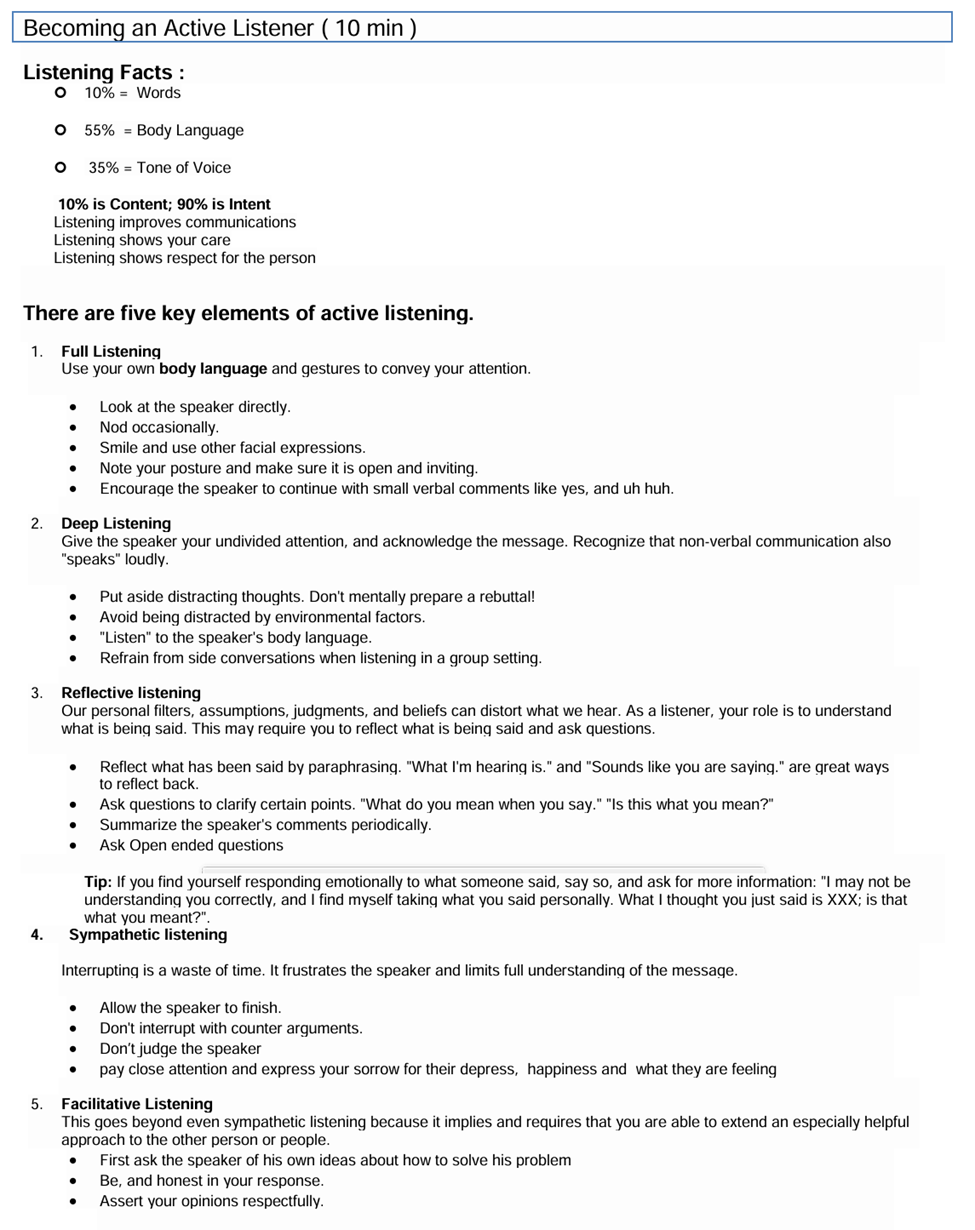

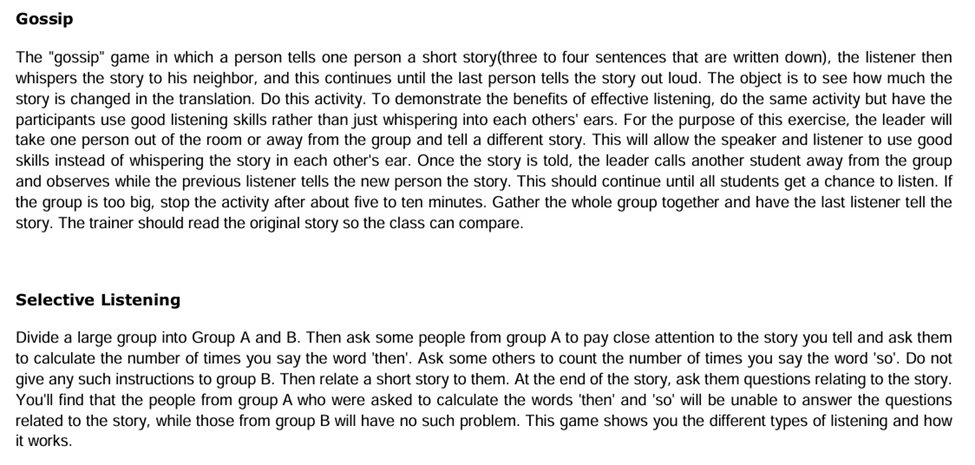
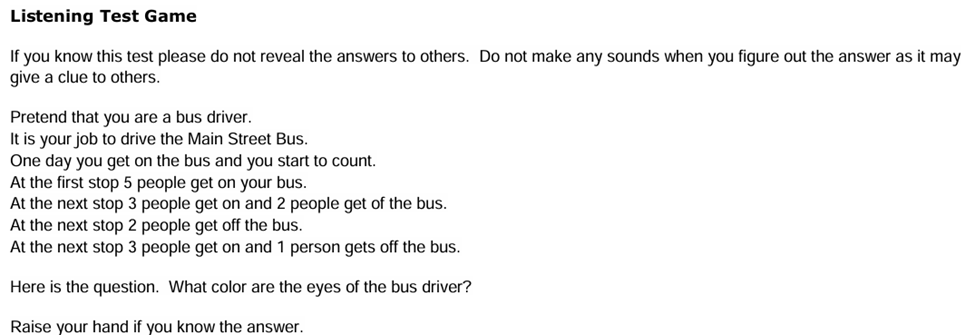

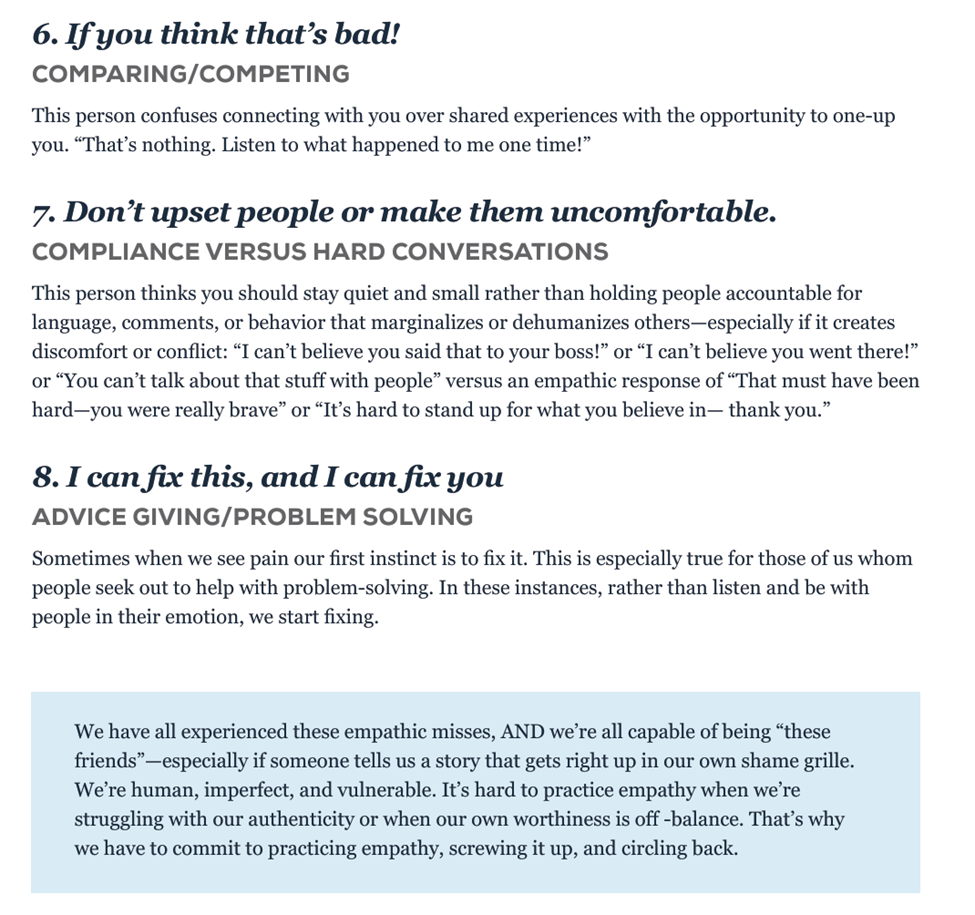
Ex 5-01: Empathy
Michael Nelson – How Do I Respond With Empathy to Someone Who Is Hurting (10:17)
You may want to play at 1.4X – 1.7X speed.
Background reference:
https://brenebrown.com/podcast/the-skillsets-of-empathy-part-5-of-6/
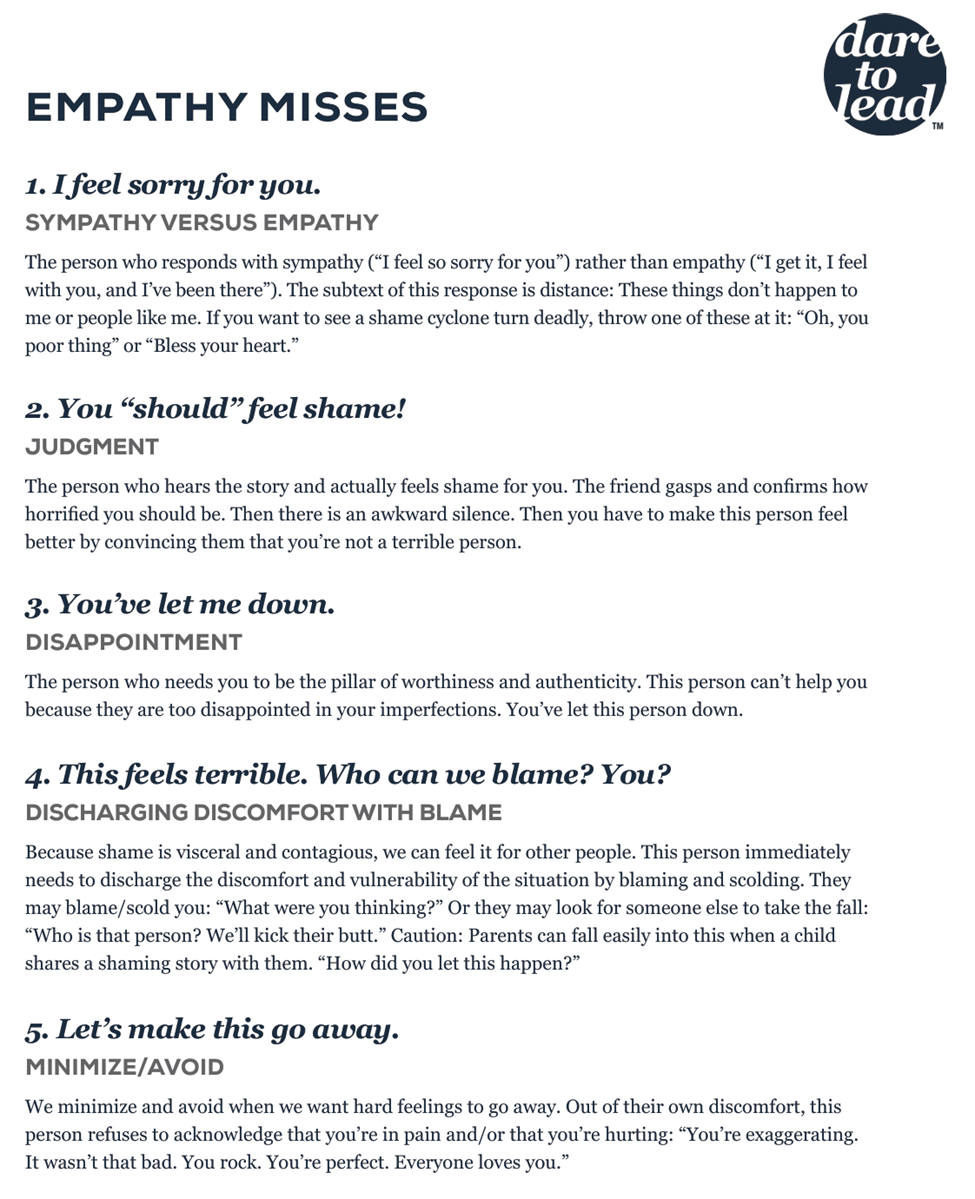
Ex 4-14 Trustworthiness
Mastering the Trust Equation, popularized by David Maister, Charles Green, and Robert Galford in The Trusted Advisor, is a powerful way to audit and improve your professional relationships.
The formula is:
{Trustworthiness} = {Credibility} + {Reliability} + {Intimacy}/{Self-Orientation}
The Trust Equation: A Primer – Trusted Advisor Associates
The trust equation | Think about the components | The OKR Group
Exercise: The Trust Audit
Use this exercise to diagnose a specific relationship (with a boss, client, or teammate) or to perform a self-reflection.
Step 1: Assign Your Scores
Rate yourself (or the other person) on a scale of 1 to 10 for each variable. Be honest and base your score on recent evidence, not intentions.
Step 3: Action Planning
Look at your lowest-scoring variable in the numerator or your highest-scoring variable in the denominator (Self-Orientation). Use these practical tips to “master” that specific area:
To Improve Credibility: Admit when you don’t know the answer. Avoid exaggerating.
[
Ex 4-13 Achievement Motivation
This 10-minute “Goal Setter & Getter” exercise teaches achievement motivation by focusing on setting SMART goals, visualizing success, and taking immediate, small actions. It builds accountability through reflection and emphasizes that consistency (showing up) matters more than perfection.
The 10-Minute “Goal Setter & Getter” Exercise
Minutes 1-3: Set Your Intention (Goal Setting)
Activity: Have participants identify one small, achievable goal for the day (e.g., “I will complete my research” or “I will make two new connections”).
Teaching Point: Achievement motivation thrives on specific, challenging, yet attainable goals.
Minutes 4-5: Visualize & Affirm (Positive Mindset)
Activity: Participants close their eyes and visualize themselves successfully completing the goal.
Teaching Point: Visualization builds self-efficacy—the belief in one’s ability to succeed.
Minutes 6-9: Take Immediate Action (The 10-Minute Rule)
Activity: Participants perform a 4-minute, high-intensity “sprint” on a task related to their goal (e.g., writing the first paragraph, making a call). If they feel unmotivated, they commit to doing at least this for 10 minutes, as movement often creates motivation.
Teaching Point: Procrastination is often broken by taking the first small step. Consistency beats talent.
Minute 10: Review & Reward (Reflective Thinking)
Activity: Participants take 60 seconds to reflect on what they accomplished and note one positive aspect of their effort, reinforcing the desire to achieve.
Teaching Point: Acknowledging progress increases intrinsic motivation.
Key Takeaways for Participants
“Any amount of effort is better than none”.
“Consistency is not built on ideal days; it is built on messy days”.
Focus on the process, not just the outcome.
Introduction
Goals are the specific result or purpose expected from the project. The project goals
specify what will be accomplished over the entire project period and should directly
relate to the problem statement and vison. The goal is achieved through the project
objectives and activities.
Objectives are the specific steps that lead to the successful completion of the project
goals. Completion of objectives result in specific, measurable outcomes that directly
contribute to the achievement of the project goals.
Setting specific, measurable, achievable, relevant, and time-bound (SMART) objectives
is a good way to plan the steps to meet the long-term goals in your grant. It helps you
take your grant from ideas to action. Setting SMART objectives keeps the project
moving forward, helps with accountability and timing, and lets you know that you are
accomplishing what you set out to accomplish.
Definition of SMART Objectives
SMART stands for specific, measurable, achievable, relevant, and time-bound.
• Specific – Objective clearly states, so anyone reading it can understand, what will be
done and who will do it.
Measurable – Objective includes how the action will be measured. Measuring your
objectives helps you determine if you are making progress. It keeps you on track
and on schedule.
• Achievable – Objective is realistic given the realities faced in the community. Setting
reasonable objectives helps set the project up for success.
• Relevant – A relevant objective makes sense, that is, it fits the purpose of the grant,
it fits the culture and structure of the community, and it addresses the vision of the
project.
• Time-bound – Every objective has a specific timeline for completion.
Tips for writing SMART Objectives
Specific
• Define what you expect
• Determine who will do it
• Detail accountability
• Use action verbs, expressing physical or mental action, as much as possible
• Provide enough detail—this depends on the objective but should be enough to
be clear
Measurable
• Identify how you will know the objective was accomplished—usually this means
quantity but can also be quality (for instance: “80% of participants agree or
strongly agree on the feedback form”)
Attainable
• Make sure you have the time, manpower, resources, and authority to accomplish
the objective
• Consider if there may be factors beyond your control
Relevant
• The objective helps you meet the purpose of the grant
• The objective is aligned with the Community Readiness Assessment scores
Time-bound
• Specify when the objective should be completed
• Include time-lined benchmarks for long-range goals and all objectives
Ex 4-12 Adaptability
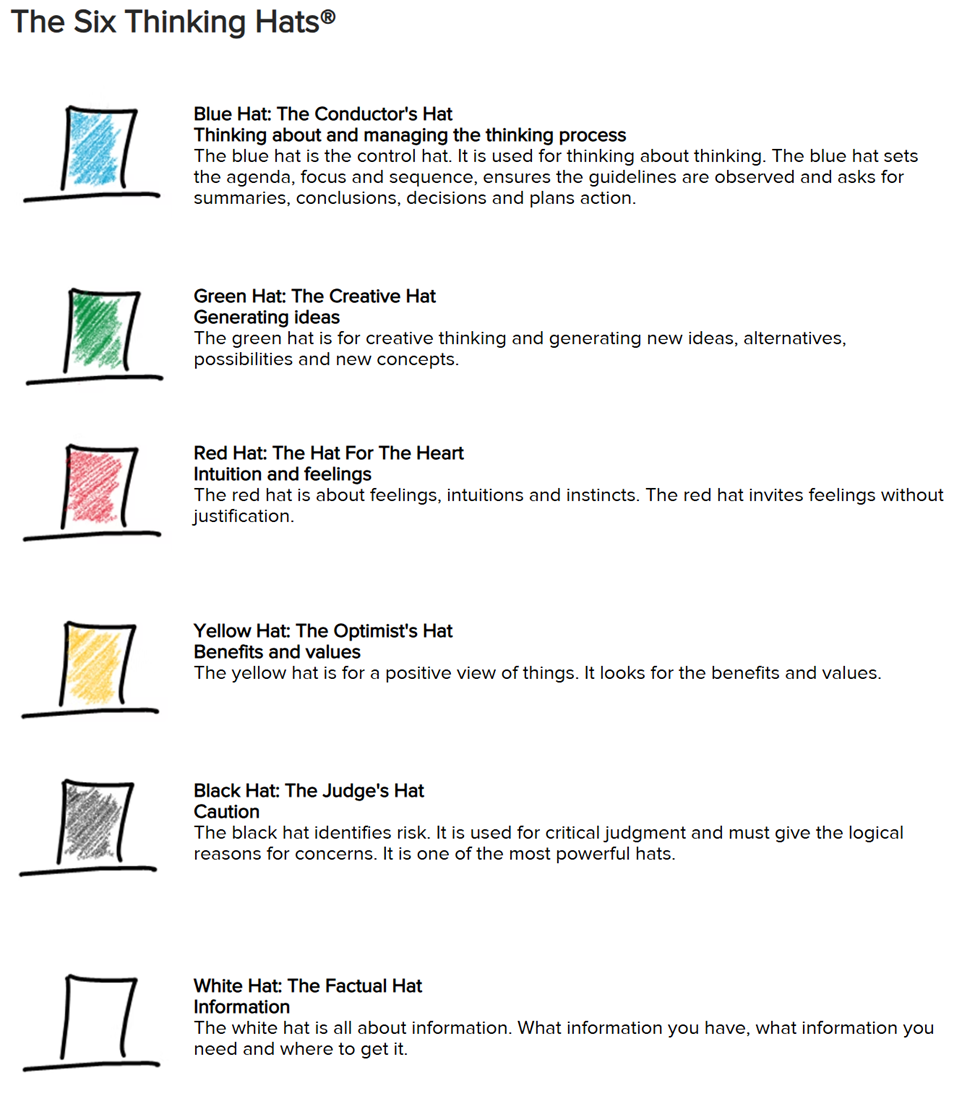
This 10-minute exercise, based on Edward de Bono’s Six Thinking Hats, is designed to teach adaptability by forcing participants to rapidly switch perspectives on a single problem, breaking them out of rigid “black-or-white” thinking.
The Exercise: “The 10-Minute Pivot”
Goal: Adapt to a sudden change in project scope.
Scenario: You are organizing an outdoor company team-building event. 24 hours before the event, the weather forecast changes from sunny to a severe thunderstorm.
Targeted Outcome: Move from panic/complaining to actionable solutions (adaptability).
Minute-by-Minute Breakdown
0-1 min: Blue Hat (Setup)
Goal: Define the problem.
Action: The facilitator states the problem: “The outdoor event is ruined. We have 10 minutes to adapt our plan to a completely indoor, last-minute alternative”.
1-2 min: White Hat (Facts)
Goal: What do we know?
Action: List facts only. “We have 50 people,” “The venue has a small conference room,” “We have budget already spent on food,” “The event is tomorrow”.
2-3 min: Red Hat (Feelings)
Goal: Vent and express emotions.
Action: “I feel stressed,” “I’m worried people will hate it,” “I’m frustrated”. Note: Only 1 minute, then move on.
3-4 min: Black Hat (Risks)
Goal: What are the pitfalls?
Action: “The conference room is too small,” “People might cancel,” “The activities are not tailored for indoors”.
4-5 min: Yellow Hat (Optimism)
Goal: What are the benefits/opportunities?
Action: “We save on tent rentals,” “It’s a chance to do more focused workshops,” “Team bonding might be more intimate”.
5-8 min: Green Hat (Creativity/Adaptability)
Goal: Brainstorm alternatives.
Action: “Virtual murder mystery?”, “Board game tournament in the lobby?”, “Hire an indoor cooking class instead?”.
8-10 min: Blue Hat (Decision & Action)
Goal: Select the best path.
Action: “Based on the ideas, we will move the food to the lobby, use the conference room for a trivia competition, and cancel the outdoor activities”.
Why this teaches Adaptability
Stops Ruts: It prevents participants from staying stuck in “Black Hat” (pessimism) or “Red Hat” (panic) mode.
Forced Perspective Shift: It forces individuals to think constructively even if they are naturally critical, or creatively if they are usually logical.
Encourages Teamwork: Everyone is “wearing” the same hat simultaneously, allowing for parallel thinking rather than arguing from different perspectives.
Six Thinking Hats Summary | deBono
Ex 4-11 Emotional Self-Control
For a 15-minute adult group exercise on emotional self-control, the “Recognize, Relax, Reframe” (3-R) Workshop is an effective, structured approach. This activity focuses on building immediate awareness and practical regulation skills.
The “Recognize, Relax, Reframe” Workshop (15 Minutes)
This exercise uses the “Four Rs of Regulation” framework (Recognize, Relax, Reframe, Respond) to teach adults how to create space between a trigger and a reaction.
Phase 1: Emotional Labeling & Recognition (4 Minutes)
Activity: Ask participants to think of a minor recent frustration (e.g., a traffic delay or a late email).
Exercise: Use an Emotion Wheel or list of descriptors to help them label the specific emotion beyond just “angry” or “stressed”.
Goal: Identifying the exact sensation (e.g., “dismissed,” “overwhelmed,” or “impatient”) is the first step in self-management.
Phase 2: Somatic “Relax” Break (5 Minutes)
Activity: Lead the group through a 5-4-3-2-1 Grounding Technique or a brief deep breathing exercise.
Exercise: Participants identify where they feel the emotion in their body (e.g., tight shoulders or a clenched jaw) and visualize breathing “into” that tension to soften it.
Goal: To soothe the nervous system and prevent an emotional outburst.
Phase 3: Cognitive Reframe (4 Minutes)
Activity: Revisit the initial frustration from Phase 1.
Exercise: Use Cognitive Reappraisal to view the situation through a different lens.
Prompt: Ask: “What is one other possible explanation for this situation that isn’t personal?” (e.g., “The person who didn’t email back might be dealing with an emergency”).
Goal: To shift from an impulsive reaction to a values-based action.
Phase 4: Group Reflection (2 Minutes)
Discussion: Briefly share which “R” felt most challenging or most helpful.
Closing: Remind the group that self-control is a skill built through repetition, similar to a physical workout.
Countdown to Calm: Using 5-4-3-2-1 to Reground – Headington Institute
How to Use 5-4-3-2-1
Before starting this exercise, pay attention to your breathing. Take a couple of breaths and just notice the pace and quality of your breaths. Then, go through the following steps:
Taking these steps will not erase your anxiety or stress overnight, but it can be a very handy way of coping and significantly reducing the intensity of these experiences.
Cognitive Reappraisal | Psychology Today
Cognitive Reappraisal
Cognitive reappraisal is a strategy for everyday living in which a person deliberately aims to modify their emotional response to experience by changing their thoughts. It involves evaluating an emotionally charged situation from a different perspective than what comes automatically to mind. Cognitive reappraisal is used to counter habitual—and often negative—interpretations of events that can lead to getting stuck in emotional turmoil or interfere with goal pursuits. Cognitive reappraisal reflects a core fact of psychological life—individuals can play a significant role in shaping their own emotional experience.
Cognitive reappraisal—generating a positive, even absurdly incongruous, reinterpretation of a negative event— often underlies benign humor. And in fact, researchers find that the use of benign humor—pointing out the bright side of adversities—is good at both down-regulating negative emotion and amplifying positive emotion. People may differ in their fluency in generating different appraisals of a situation, but it is a skill that can be deliberately cultivated, at first likely requiring considerable cognitive effort but, with practice, becoming more automatic.
Cognitive reappraisal is free, available at any time, and useful in many daily life situations that provoke an intense emotional reaction. However, researchers find that people use the strategy far less frequently than needed.
How can I apply cognitive reappraisal in my own life?
Life doesn’t always go the way we want. Experts identify several questions you can ask yourself to stimulate a positive reappraisal for negative situations.
• Are you engaging in some form of cognitive distortion, such as catastrophizing?
• What is the evidence supporting your automatic appraisal of the situation?
• Are any positive outcomes possible from the situation?
• Are you grateful for any aspect of the situation?
• In what ways are you better off than before the situation occurred?
• What did you learn from the experience?
What is an example of cognitive reappraisal?
Say you learn that a neighbor you loved while growing up has suddenly died. There are many possible responses. You could fully unleash your grief. Or you could distract yourself with work. Or you could choose to suppress your grief. Or you could acknowledge the loss but not get stuck in rumination or sadness about it by reframing the situation—by focusing on the wonderful life the person lived, the good they did in the world, and the many ways you benefitted from knowing the person.
Benefits of Cognitive Reappraisal
First and foremost, cognitive reappraisal actively modifies emotional responses to upsetting experiences to provide relief. As a strategy useful for emotional regulation, cognitive reappraisal has a double-barreled effect: It both lowers negative emotions such as sadness and anxiety and increases positive emotions associated with well-being. And because it alters activity patterns in emotion-processing circuits in the brain, over time it dampens excessive activation of brain centers such as the amygdala, which sends out emotional alarm signals in response to incoming information.
How does cognitive reappraisal improve problem-solving?
Strong emotions limit thinking processes essential for analyzing problems and generating possible solutions. Cognitive reappraisal restores access to rational thinking. For example, in a set of studies of students with intense math anxiety, those who were exposed to a reappraisal strategy during a math test performed more accurately and had less anxiety than fellow worriers who used their natural strategies to get through the same math problems. Brain imaging studies showed that among the students exposed to cognitive reappraisal, there was increased activity in brain regions linked to arithmetic performance.
How does cognitive reappraisal reduce negative emotions?
Cognitive reappraisal reduces negative emotions not by avoiding them or suppressing them but by deliberately bringing to mind and refocusing attention on aspects of a situation that stimulate positive emotions. In addition, by lowering emotional arousal, cognitive reappraisal restores access to rational thinking, which opens the door to problem solving difficulties and forward movement toward one’s goals, both sources of satisfaction.
Ex 4-2 Self-assessment
15-Minute Workshop Activity: The “Manual of Me” (Modified)
This exercise focuses on self-reflection and sharing to improve team collaboration, focusing on personal strengths and areas for development.
Materials: Pens and a single sheet of paper for each participant.
Minutes 0-2 (Setup): Introduce the goal: to identify how we can work better together by knowing our strengths and weaknesses.
Minutes 2-10 (Individual Assessment): Ask participants to write down answers to these four prompts:
I am at my best when… (Identifies strengths/ideal environment)
I am at my worst when… (Identifies weaknesses/triggers)
You can count on me to… (Highlights reliable talents)
What I need from you is… (Identifies support needed for improvement)
Minutes 10-15 (Small Group Discussion): Participants share one item they learned about themselves with a partner or the wider group.
The Single Best Team Building Exercise
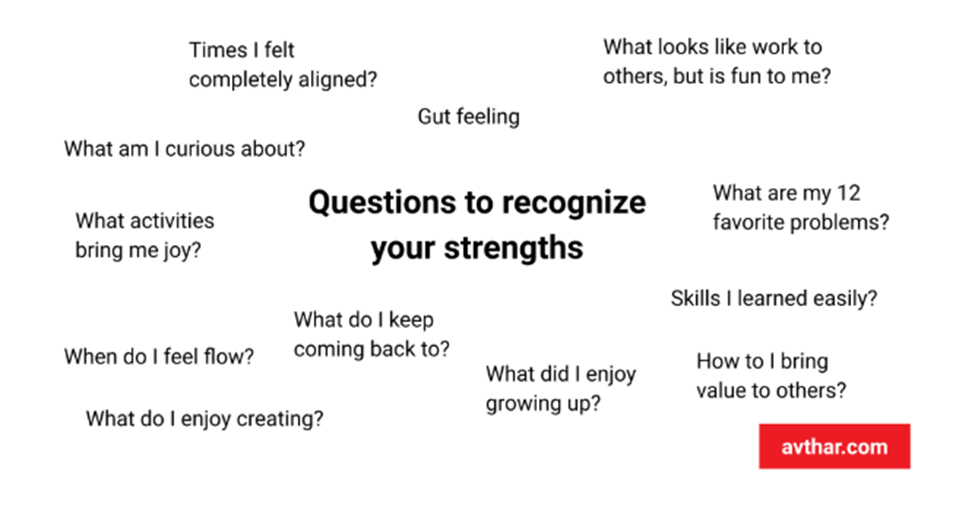
Reflected Best Self Exercise (with examples, templates, starter kits and more) — Avthar Sewrathan
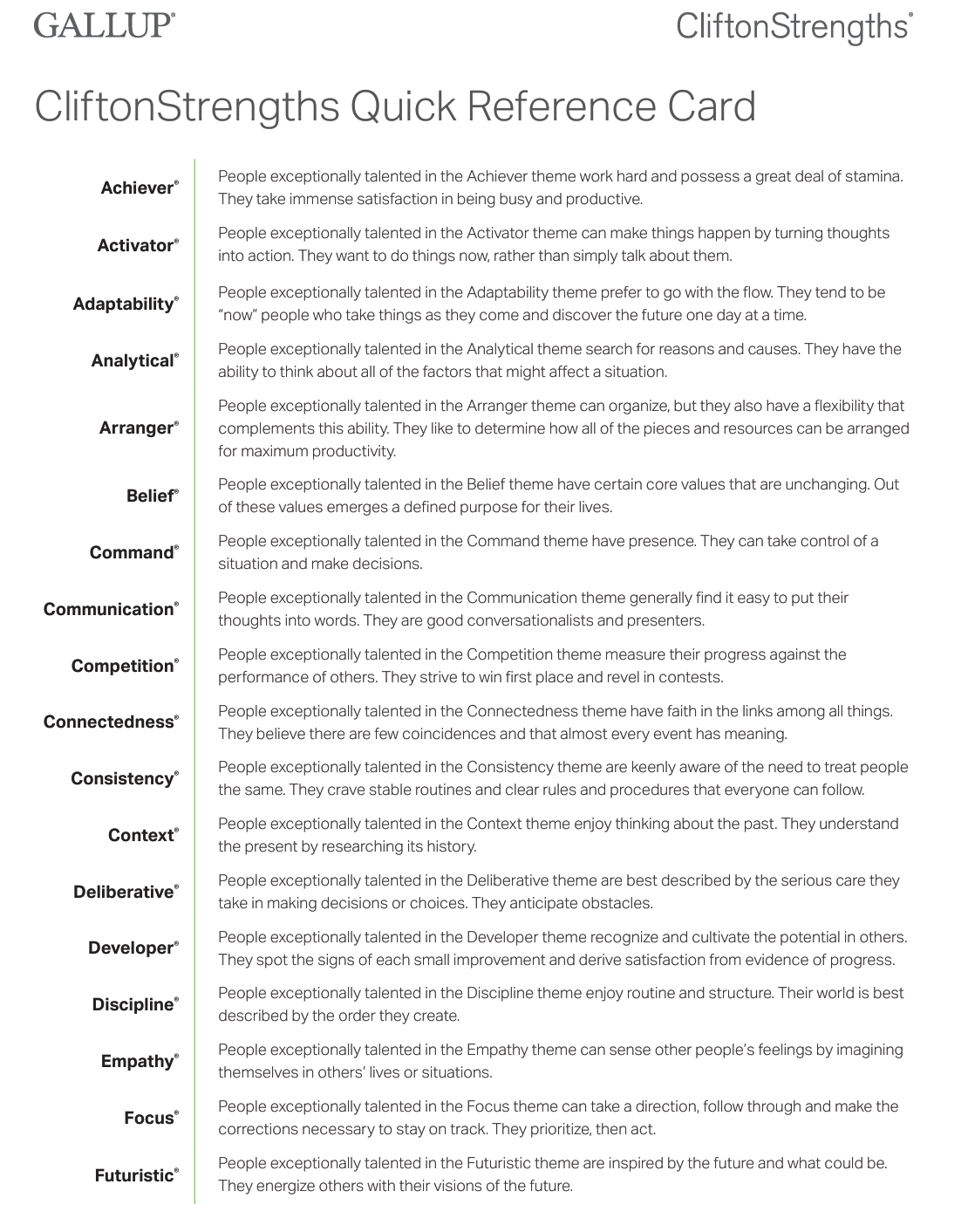
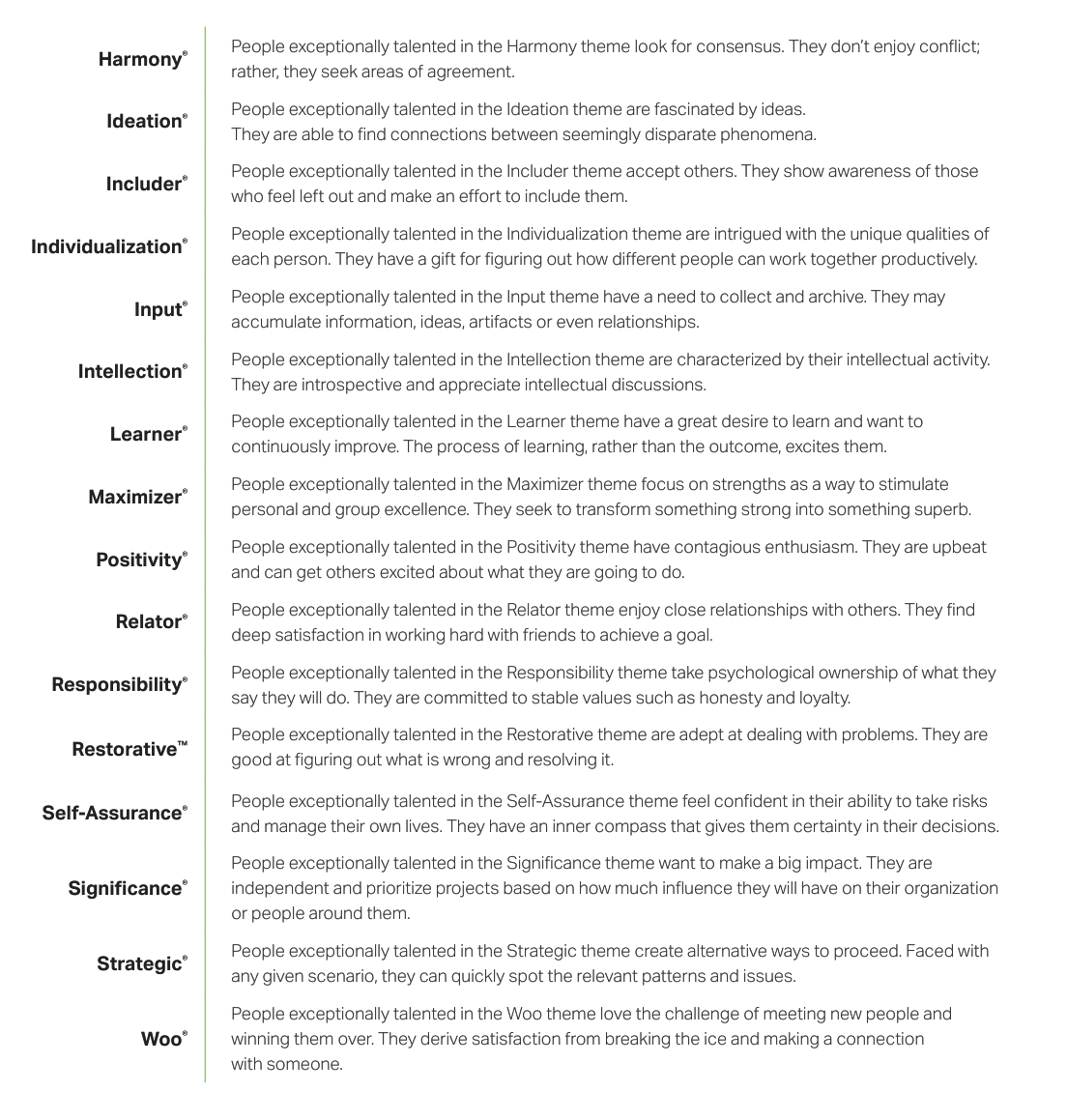
CliftonStrengths Quick Reference Card
4-01 Emotional Awareness
A 10-minute “Emotion Wheel Check-In” is a highly effective, low-stakes group exercise to boost emotional awareness. Participants use an emotion wheel to identify, name, and briefly share their current feeling in a structured, non-judgmental circle, building emotional literacy and normalizing the expression of emotions within the team.
10-Minute Emotion Wheel Check-In Structure:
Preparation (1 min): Distribute an emotion wheel (like Plutchik’s) to participants or display it digitally.
Self-Reflection (2 min): Ask participants to silently scan the wheel, identify one emotion they are feeling right now, and think of a short explanation.
Group Sharing (6 min): Going around the circle, each person shares: “My name is [Name] and I am feeling [Emotion] because [Short Reason, optional]”.
Closing & Takeaways (1 min): Briefly discuss the diversity of emotions in the room and validate that all emotions are welcome.
Why this works:
Increases Emotional Vocabulary: Moves beyond simple “good” or “bad” to specific feelings.
Builds Empathy: Helps team members recognize emotional states in themselves and others.
Safe Space: Creates a quick, structured, and psychologically safe space for vulnerability.
 Good News