This exercise explores the tension between tolerance (respecting the right of others to hold different views) and truth (the commitment to accurate, evidence-based, and ethical dialogue) in civil discourse. It is designed to move participants beyond mere politeness toward constructive, truth-seeking conversation, even when dealing with difficult or opposing viewpoints. [1, 2, 3]
We’re just going to review the framework of this important potential exercise.(10-15 minutes).
Exercise: The “Truth-Seeking Tolerance” Workshop
Objective: To practice engaging in robust, respectful dialogue that maintains tolerance for diverse opinions while pursuing truth and resisting the normalization of falsehoods or harm.
Time: 60-90 minutes
Materials: Case studies, whiteboard/flipchart [4, 5]
Part 1: Defining the Tension (15 mins)
The Paradox: Introduce Popper’s Paradox of Tolerance: “If a society’s practice of tolerance is inclusive of the intolerant, intolerance will ultimately dominate”.
Discussion: Ask participants to define the difference between “respecting a person” and “respecting an idea.”
Core Principle: True tolerance applies to how we treat people, not how we treat ideas. We can be civil to people while robustly challenging their ideas, especially if those ideas are false or dangerous. [4, 5]
Part 2: Scenario Analysis – “The Threshold of Tolerance” (30 mins)
Divide participants into small groups and provide them with a scenario representing a contentious, high-stakes topic.
Scenario A: A school board meeting where a speaker is presenting conspiracy theories that directly contradict established, life-saving public health data.
Scenario B: A university seminar where a student argues for the removal of rights from a specific minority group in the name of “freedom of speech.”
Groups must answer:
Where is the line? At what point does an opinion become harmful enough that it should not be tolerated in polite, civil discourse?.
How do you respond? How can you disagree agreeably, using evidence, without dehumanizing the other person?.
What is the goal? Is the goal persuasion, understanding, or setting a boundary?. [2, 6, 7, 8, 9]
Part 3: Practicing “Truthful Civility” (25 mins)
Have participants role-play the scenarios, applying the following techniques for “truth-seeking tolerance”:
Attack Ideas, Not People: Focus on challenging the statement, not insulting the speaker.
The “Yes, And” Approach: Instead of simply saying “No,” try: “I understand that is your perspective; however, the evidence I have seen suggests…”.
Clarifying Questions: Ask, “What evidence led you to that conclusion?” to shift the conversation from emotion to truth.
Maintaining Boundaries: If an opinion threatens the safety or dignity of others, the boundary is: “I will not engage in a conversation that denies the humanity of another person.”. [7, 8, 9, 10]
Part 4: Reflection (10 mins)
What was difficult? Was it harder to be tolerant or to pursue the truth?
How does it feel to disagree with someone respectfully without letting them dominate the space?.
Conclusion: Tolerance is not the same as apathy or accepting everything as true. Civil discourse requires us to stand up for the truth while respecting the dignity of our opponents. [1, 5, 10, 11, 12]
Core Principles for Participants
Be Polite, Not Passive: Civility does not mean avoiding difficult topics.
Listen to Understand: Don’t just wait for your turn to talk; listen to what they mean, not just what they say.
Look for Common Ground: Even in intense disagreements, look for shared values, such as the desire for safety or community. [2, 10, 13, 14]
Modern society and religion reflect the more practical responses to these ideas. Fundamentalism arises in 1910. US rejection of cultural conformity in 1965.
From Descartes through Luther (unintentionally) and many modern philosophers there is an embrace of the ancient Greek approach of radical skepticism which undermines the idea of “truth”.
Philosophy has generally given up on finding an objective metaphysics that explains everything. Some philosophers, social scientists and theologians have taken a pragmatic approach and searched for objective truth based on its repeated appearance.
We live in “A Secular Age” where absolute proof of any worldview cannot be offered. This background leads many people to adopt a subjective, skeptical, secular, materialistic worldview. Civility does not take a stance on this unfounded assertion.
The Civility approach tries to dodge specific political issues or views but generally rejects the postmodernist view that everything is subjective except the insights of the few intellectuals who see that power is everything, requiring leadership by them of the oppressed masses (pseudo-Marxism).
Post-Darwinian “progressive” views of the 1880’s to 1920’s drove “Mainline” Protestant churches to adopt the “social gospel” approach of prioritizing social policies and social services while diluting theological convictions. Historical experience drove many Protestant leaders to adopt a more balanced approach that more firmly embraced the idea of objective truth.
A powerful way to explore this is through a “Values in Conflict” Scenario Analysis. This exercise puts people in a situation where they can’t satisfy both sets of values simultaneously, forcing them to prioritize and explain why.
The Exercise: The “New Policy” Dilemma
The Setup: (minutes 0-2)
Divide the group into small teams of 3-5 members. Present the following scenario:
Your organization has a long-standing, prestigious mentorship program where senior leaders hand-pick their successors. Historically, this has built incredible loyalty and a “family” atmosphere. However, the current leadership reflects only one demographic.
A new proposal suggests replacing this with an open, blind application process to encourage equity and diversity.
The Task: (minutes 3-11)
Each team must debate the following three tensions:
1. Equity vs. Authority: Does the “blind” process undermine the authority of senior leaders to choose who they trust to lead?
2. Inclusion vs. Loyalty: If a leader passes over a loyal, long-term protege to hire a more qualified outsider from an underrepresented group, have they betrayed group loyalty?
3. Diversity vs. Honor: Is the honor of the “old guard” and their legacy protected or insulted by changing the rules they lived by?
The Debrief: (minutes 12-15)
Bring everyone together to discuss:
* Which value felt the most “expensive” to give up?
* Can loyalty be redefined to include loyalty to a mission rather than just a person?
* How can authority be used to champion DEI rather than compete with it?
In 2013, Jonathan Haidt summarized a decade of research on what values make man tick. What moral intuitions are widely held across time and cultures? Which ones are consistent with evolutionary psychology? How do people think about moral values? The researchers identified and validated 5 values, which have been expanded and refined into 9. People are born with the ability to develop certain moral intuitions. They adopt them subconsciously from experience, family and culture. They hold them deeply and defend/rationalize them as needed. We can change our moral values, politics and religions, but we usually don’t.
(1) Care/Harm
Don’t harm others, take care of people, relieve suffering, empathize. Leads to the virtues of kindness, gentleness and nurturance.
(2) Fairness/Cheating/Equality
Treat people fairly. Reciprocal altruism. Impulse to impose rules that apply equally to all and avoid cheating. Intuitions about equal treatment and equal outcomes for individuals. Generates ideas of justice, rights and autonomy.
(3) Liberty/Oppression
Feelings of reactance and resentment people feel towards those who dominate them and restrict their liberty. Seek liberation from constraints and fight oppression. Motivation to assemble to oppose invalid authority. Promotes equal rights, individual freedom and freedom from oppression.
(4) Fairness/Cheating/Proportionality
Intuitions about individuals getting rewarded in proportion to their merit or contribution.
(5) Ownership
Intuition about possession rights in society, similar to territoriality, which reduce conflict.
(6) In-Group Loyalty/Betrayal
Instinct to affirm the value of groups you identify with, including family and country. Leads to the obligations of self-sacrifice, vigilance, patriotism and punishing betrayal of the group.
(7) Honor/Self-Worth
Basing one’s self-worth upon reputation, including family and kin reputation.
(8) Authority/Subversion
Stable social order based upon the obligations of hierarchical relationships, including obedience, respect and fulfilment of role-based duties. Prevent/oppose/punish subversion. Leads to the virtues of leadership, followership, deference to authority figures and respect for traditions.
(9) Purity/Sanctity/Degradation
Intuitions of physical and spiritual contamination and disgust elevate the value of purity in thought, word and deed. Leads to the virtues of self-discipline, self-improvement, naturalness and spirituality.
Acceptance involves tolerating, respecting, and acknowledging differences. Acceptance is being open, tolerant, non-discriminating, nonjudgemental, understanding and minimizing prejudices. It is a habitual state of mind. The differences can be personal or group characteristics, beliefs, behaviors or identities.
Inclusion is acting on the value of acceptance. It includes being present, supporting others, choosing welcoming language and behaviors and preventing or reducing social exclusion.
Inclusion is primarily shown by intentionally creating positive social environments where all individuals are welcomed and feel a sense of belonging. Individuals are respected, heard, accommodated, and supported. They feel safe, trusted and free to be authentic. They are encouraged to participate, contribute and thrive.
Google AI Updated March 29, 2026
Christianity supports acceptance and inclusion through the core message of God’s love, urging believers to embrace all individuals—regardless of background—as being created in God’s image. Jesus demonstrated this by engaging with social outcasts, while teachings emphasize unity, grace, and treating others with unconditional love.
Biblical Foundations for Inclusion
• Imago Dei (Image of God): All humanity is created in God’s image, providing inherent dignity and worth to every person, which demands respect and inclusion.
• Jesus’ Example: Jesus consistently broke social barriers, welcoming sinners, tax collectors, and the marginalized (e.g., eating with them in Mark 2:15-17.
• Unity in Christ (Galatians 3:28): This verse declares that in Christ, there is no distinction between Jew or Greek, slave or free, male or female, promoting spiritual equality.
• Extravagant Grace: The gospel offers salvation to everyone, emphasizing that God’s love is inclusive and unconditional.
Practicing Acceptance
• Welcoming Others (Romans 15:7): Christians are called to accept one another just as Christ accepted them, fostering unity within the community.
• Social Justice: Scripture calls for justice and love for the vulnerable, demanding that believers oppose favoritism and actively include the marginalized.
• Community Care: Early Christians exemplified inclusion by sharing possessions to ensure everyone had what they needed.
Acceptance Tom K. continued …
Summary
The major world religions support acceptance and inclusion:
All individuals have human dignity, created by God, worthy of acceptance and inclusion.
Religion is practiced in communities where diverse individuals are brought together.
The strange, vulnerable, marginalized, foreigner, widows, prisoners, and outcasts are different and must be embraced.
Individuals are commanded to be compassionate, caring and loving to all.
The spiritual dimension of individuals in communities makes them equally worthy of acceptance.
Religious rituals emphasize the unity of individuals in community practice.
The universe is one and individuals should seek harmony with all of it despite the surface level diversity.
There are multiple, fluid paths to enlightenment or connecting with God, so diversity is natural.
Many religions specifically call out the value of diversity, differences, designs, races, other religions, non-religious sectors and viewpoints.
Some religions emphasize the inherent incompatibility of the individual with the whole, yet they are complementary despite the unbridgeable differences.
Religions note the path of personal growth and learning that is driven by interacting with diverse thoughts, experiences and individuals.
Respect is an attitude or behavior of high regard, admiration or consideration toward a person, object, or entity.
We respect others, social roles, institutions, rules, laws and the boundaries of others.
Respect is shown through active listening, active engagement, conflict management, tolerance, maintaining safety, being courteous and considerate, honoring boundaries, intentionality, empathy, affirming and empowering others, equal treatment, trusting, justice and inclusion.
Human Dignity is a core Civility value. Respect is a recognition of that value through kindness, courtesy, and protecting rights.
Respect combined with the Civility value of Public-Spiritedness creates a need for social justice: protesting, correcting, and preventing actions that diminish human value.
Respect combined with the Civility values of Human Dignity and Intentionality requires us to proactively seek to understand and care for the needs, rights, and feelings of others.
Respect combined with the Civility values of Human Dignity and Acceptance requires us to acknowledge the value of all people, particularly those who face systemic disrespect.
Respect is supported by all major world religions.
Diversity and inclusion are part of the key Civility value of acceptance. Each person has human dignity and should be respected and accepted by others in their individuality. Civility is based upon commonly held values and promotes personal development and responsibility for being a good person, interacting with others and considering community needs. Like DEI, it promotes a subset of values to make our lives together safer, more pleasant and more effective. It focuses on how we interact with each other constructively, despite our differences.
Civility’s nonpartisan stance takes no position on the stronger claims of DEI providers or their critics. Civility recommends that they both engage in meaningful dialogue to better understand where they can work together and where they must accept that they have different social, political and moral perspectives that cannot be reconciled today. Civility actively opposes the angry outbursts, attacks, emotional appeals, insults, blaming, bullying, shaming, disrespect, blind loyalty, ignorance, prejudging, stonewalling and demonization sometimes seen in these interactions.
Get out a piece of paper and some drawing supplies. Set a five-minute timer and begin to think about a place or activity where you feel safe and relaxed. Start drawing that place (this triggers the visual cortex of the brain, an important part of memory).
It doesn’t matter if your drawing is pretty in any way. The whole purpose is to put focused imagination into creating perceived safety.
Continue thinking about and adding in any detail you can think of. At the end of the activity, check in with yourself. Notice the sensations in your body. What are you feeling?
One of the reasons this activity can be powerful is that it uses the visual cortex, the part of the brain that processes sight, to create safety.
Individuals are more sensitive to identity threats today due to a combination of intensified digital visibility, increased social polarization, and a growing psychological link between belonging and authenticity. Google AI, March 31, 2026
1. The Digital “Always-On” Reality
* Constant Comparison: Social media exposes individuals to curated, idealized versions of others’ lives. This “upward comparison” frequently triggers feelings of inadequacy, making people more protective and sensitive about how their own identity is perceived.
* Identity Sprawl: A modern digital identity spans hundreds of touchpoints, from personal credentials to social media profiles. This expanded “attack surface” means any perceived slight or data breach feels like a deeper, more personal violation than in the past.
* Digital Permanence: Unlike previous generations, today’s identity experiments and mistakes are preserved online. This lack of “narrative agency”—the ability to move on from past versions of oneself—heightens the stakes of any current threat to one’s reputation or identity.
2. Heightened Intergroup Polarization
* “Us vs. Them” Mindset: Modern sociopolitical environments often frame the “other side” as a direct threat to one’s way of life. When a “team” identity (political, social, or cultural) is threatened, individuals become more motivated to defend it aggressively to maintain their sense of belonging.
* Affective Polarization: Increased animosity between groups means that even neutral information can be perceived as an identity-threatening “attack” if it originates from an out-group. This leads to “boomerang effects,” where people react with increased hostility or resistance to preserve their internal sense of self.
3. Psychological Costs of Inauthenticity
* Authenticity as a Need: Modern identity is closely tied to the feeling of being one’s “authentic self”. Threats that make an individual feel they don’t “fit” or belong in a group (e.g., at work or online) directly impair this sense of authenticity.
* Psychological Stress: Research shows that “downplaying” or hiding parts of one’s identity to avoid threats leads to significant psychological stress and even physical health issues. Because the stakes for mental well-being are higher, sensitivity to these threats has naturally increased.
4. Evolution of Threats
* Sophistication of Impersonation: Technologies like AI and deepfakes allow for highly convincing impersonations, making identity theft feel more personal and invasive than traditional hacking.
* Loss of Trust: As trust becomes a “partisan commodity” and digital environments feel more hostile, individuals develop a state of hyper-vigilance to protect their identities from both social and technical exploitation.
BACKGROUND: Fukuyama’s Identity (2018)
The increased role of identity as the basis for politics, dignity, polarization, populism and loss of status makes identity a much more sensitive topic. Civility values and skills can help the individual and his relationships. However, the increased importance and sensitivity to threats makes practicing Civility more challenging.
Twentieth century politics was largely a left (equality) versus right (freedom) battle. Politics today is more often based on identity. The left focuses more on protecting the group rights of marginal communities: blacks, immigrants, women, Hispanics, LGBTQ, refugees, and workers. The right focuses more on protecting the group rights of other traditional, rural, religious, national, racial and ethnic communities. The “classic liberal” emphasis on abstract, universal, individual human rights supported by both the center-left and the center-right has been overshadowed.
‘6. Expressive Individualism
Rousseau changed the game completely. The individual is now clearly first, ahead of society and the traditional God. The individual is inherently good, but often corrupted by society. The individual can find that good self by looking inward, deeply and with feeling. The individual has a moral obligation to find and express that good inner self. This autonomy applies in all dimensions. Creative powers become more important.
“The problem with this understanding of autonomy is that shared values serve the important function of making social life possible. If we do not agree on a minimum common culture, we cannot cooperate on shared tasks and will not regard the same institutions as legitimate; indeed, we will not even be able to communicate with each other absent a common language with mutually understood meanings”.
‘9. Invisible Man
It’s not “the economy, stupid” as claimed by James Carville. It’s my dignity. Relative status, qualitatively, matters to everyone. No one wants to be Ralph Ellison’s “invisible man”. The loss of status, like the loss on investments, has a strong negative emotional effect. This matters to the middle class and the working class. The loss of relative status is very painful. Immigration becomes a major issue because immigrants can be viewed as the cause of a loss in status/economic position.
’10. The Democratization of Dignity
“The affirmation of the inner identity depended, in the final analysis, on the truth of Rousseau’s assertion that human beings were fundamentally good; that their inner selves were sources of limitless potential.” “Ideas that ultimately trace back to Rousseau: that each of us has an inner self buried deep within; that it is unique and a source of creativity; that the self residing in each individual has an equal value to that of others; that the self is expressed not through reason but through feelings; and finally that this inner self is the basis of … human dignity”.
11. From Identity to Identities
Social movements in support of various “rights” exploded in the 1960’s: civil, feminist, sexual, environmental, disability, indigenous, immigrant and gender identity. They began as new waves in the expansion of individual rights within the “classic liberal” political model. In each case there were activists who promoted the importance of group rights as being even more important than equal individual rights. “Equal individual rights” was deemed an inadequate goal. Previously invisible and disrespected groups needed to be respected as groups specifically because of their differences. The “lived experiences” of exploited group members were to be relished even though the majority population might not be able to understand their experience and perspective.
Identity politics on the left has since led to identity politics on the right. Once groups decided that their rights, feelings, insights, and experiences were sacred and not subject to criticism from the outside, they adopted beliefs, norms and communications standards that can rightly be called “politically correct”. We are right because we know we are right.
Ex 8-1: Social Capital, Individualism versus Community
Civility is a set of behaviors used to build relationships and solve problems. Public-spiritedness is one of the 7 underlying values. Social awareness and relationship management are 2 of the 7 sets of behaviors.
Robert Putnam has documented the decline of “social capital” in the United States from 1960 into the current century. The growth of radical or hyper-individualism threatens to undermine the potential of Civility in some places.
Discussion questions:
Have you experienced a reduction in social or community activities through time?
Do your social activities meet your needs?
Does social media provide valuable tools or solutions?
What has replaced these social activities? Entertainment, work, childcare, travel, education, volunteering, parent care, housework?
Do the differences between education levels surprise you?
Bowling Alone: The Collapse and Revival of American Community is a 2000 nonfiction book by Robert D. Putnam. It was developed from his 1995 essay entitled “Bowling Alone: America’s Declining Social Capital” in the Journal of Democracy. Putnam surveys the decline of social capital in the United States since 1950. He has described the reduction in all the forms of in-person social intercourse upon which Americans used to found, educate, and enrich the fabric of their social lives. He argues that this undermines the active civic engagement which a strong democracy requires from its citizens.
Contents
Putnam discussed ways in which Americans disengaged from community involvement, including decreased voter turnout, attendance at public meetings, service on committees, and work with political parties. Putnam also cited Americans’ growing distrust in their government. Putnam accepted the possibility that this lack of trust could be attributed to “the long litany of political tragedies and scandals since the 1960s”, but believed that this explanation was limited when viewing it alongside other “trends in civic engagement of a wider sort”.
Putnam noted the aggregate loss in membership and number of volunteers in many existing civic organizations such as religious groups (Knights of Columbus, B’nai Brith, etc.), labor unions, parent–teacher associations, Federation of Women’s Clubs, League of Women Voters, military veterans’ organizations, volunteers with Boy Scouts and the Red Cross, and fraternal organizations (Lions Clubs, Benevolent and Protective Order of Elks, United States Junior Chamber, Freemasonry, Rotary, Kiwanis, etc.). Putnam used bowling as an example to illustrate this; although the number of people who bowled had increased in the last 20 years, the number of people who bowled in leagues had decreased. If people bowled alone, they did not participate in the social interaction and civic discussions that might occur in a league environment.
Putnam cites data from the General Social Survey that showed an aggregate decline in membership of traditional civic organizations, supporting his thesis that U.S. social capital had declined. He noted that some organizations had grown, such as the American Association of Retired Persons, the Sierra Club, and a plethora of mass-member activist groups. But he said that these groups did not tend to foster face-to-face interaction, and were the type where “the only act of membership consists in writing a check for dues or perhaps occasionally reading a newsletter.” He also drew a distinction between two different types of social capital: a “bonding” type (which occurs within a demographic group) and a “bridging” type (which unites people from different groups).
He then asked: “Why is US social capital eroding?” and discussed several possible causes. He believed that the “movement of women into the workforce” and other demographic changes affected the number of individuals engaging in civic associations. He also discussed the “re-potting hypothesis”—that people become less engaged when they frequently move towns—but found that Americans actually moved towns less frequently than in previous decades. He did suggest that suburbanization, economics and time pressures had some effect, though he noted that average working hours had shortened. He concluded the main cause was technology “individualizing” people’s leisure time via television and the Internet, suspecting that “virtual reality helmets” would carry this further in the future.
He estimated that the fall-off in civic engagement after 1965 was 10 percent due to pressure of work and double-career families, 10 percent to suburbanization, commuting, and urban sprawl, 25 percent to the expansion of electronic entertainment (especially television), and 50 percent to generational change (although he estimated that the effects of television and generational change overlapped by 10 to 15 percent). 15 to 20 percent remained unexplained.
Putnam suggested closer studies of which forms of associations could create the greatest social capital, and how various aspects of technology, changes in social equality, and public policy affect social capital. He closed by emphasizing the importance of discovering how the United States could reverse the trend of social capital decay.
Author Robert Putnam also wrote the award-winning Bowling Alone (1999) and The Upswing (2022) summarizing the mountains of social science research on American Community and related topics. The first book documented the large, steady and widespread decline in community participation in the second half of the 20th century. The second book extended the timeframe back to the 1850’s to document that community participation was very low in the post-Civil War era, but that institutional innovations plus social, economic and political changes aligned to promote greater community participation throughout the next 75 years, before declines began in the post-WW II era.
This book is also data-intensive and primarily focused on the role of “community” in driving divergent opportunities for lower socioeconomic status (SES) versus higher SES children. Five chapters focus on the American Dream, Families, Parenting, Schooling and Community before a final chapter on why we should care and what we might do. The author provides paired case studies of higher (top 1/3rd) and lower (bottom 1/3rd) SES families in his hometown of Port Clinton, Ohio (near Toledo), Bend, OR, Atlanta, Orange County, CA and Philadelphia to illustrate how the various factors interact and apply.
The author chooses to frame his story under the heading of upward mobility or equal opportunity because this is a very widely held American value with supporters in both political parties. His liberal/Democratic party bias shows in various places, but his mastery of the data, case studies and sequencing make this a powerful book describing how American communities, families, kids and neighborhoods were actually functioning in 2015 contrasted with those in 1955-75.
In summary, the reduction in community activities documented in Bowling Alone is mostly felt by the bottom half of the SES groups. Poor/poverty class, working class and middle-class families have been very negatively impacted by both lower absolute and relative economic opportunity and weaker community support, while professional, upper middle and wealthy class families have maintained economic and community resources to guide their children to positive outcomes. Upward mobility in the US has fallen as income and wealth inequality have increased, leading to greater divisions in society, lower trust, weaker institutions and polarized politics.
Putnam tries not to shout, but the clear implication is that American civilization, per se, is at risk! If one-third or one-half or two-thirds of Americans do not benefit widely from social institutions, choose to not participate in them, lose trust in their neighbors, fail to raise their children and turn to populist political candidates for solutions, The American Dream is at risk. The author does quietly note that the measurements of intergenerational mobility lag by 20 years, so what we are seeing today is somewhat based upon the social, economic, political and economic conditions of the late 1990s. The next two decades of community, institution and parent formation have already taken place and shaped childhood development.
“Sociologists”, like Dr Putnam, are often commingled with “socialists” and other leftwing political groups in the public mind; and the profession is clearly leftward leaning in universities today. However, the discipline also has an inherent rightwing slant. Sociologists devote their time to analyzing the roles of community, family, kin, religion, neighborhood, voluntary groups, institutions, unions, employers, political parties and other groups on human behavior. The focus is on the group as a counterweight to the purely individualist, commercial, scientific, rational, transactional, computing, materialist conceptions of human beings. Classical conservatives have often tried to “conserve” the delivered group history, traditions, culture, value, art and institutions (civilization) of the past against the various progressive, experimental, enlightened proposals of liberals. A successful civilization must have successful groups and institutions.
Google AI March 30, 2026
In his 2020 book The Upswing, Robert Putnam (along with co-author Shaylyn Romney Garrett) measures social capital through the lens of social connectedness and civic engagement.
The book tracks these measures over a 125-year period (roughly 1900 to today), showing an “inverted U-curve” or “I-We-I” arc where social capital rose steadily until the 1960s and has since steeply declined.
The specific measures and indicators used to track this trend include:
Civic & Organizational Life
Putnam uses data on formal and informal group participation to gauge how connected Americans are to their communities.
* Membership in organized groups: Participation in civic and community clubs, such as the Shriners, Knights of Columbus, and PTAs.
* Labor union density: The percentage of the workforce belonging to labor unions as a sign of economic and social solidarity.
* Religious participation: Rates of church attendance and membership in religious organizations.
* Voter turnout: Participation in elections as a measure of civic responsibility and investment in the “common good”.
Social & Family Connectivity
The book incorporates broader demographic trends that reflect social cohesion.
* Marriage and family patterns: Metrics such as the median age at first marriage, marriage rates, and the timing of motherhood (e.g., motherhood by ages 30 and 45).
* Social trust: Measures of “generalized social trust”—the degree to which citizens trust one another and institutions.
Cultural & Linguistic Shifts
An innovative part of Putnam’s analysis in The Upswing involves using the Google Books Ngram Viewer to track cultural shifts through language.
* “We” vs. “I” usage: Tracking the frequency of first-person plural pronouns (we, our, us) compared to first-person singular pronouns (I, me, my) in millions of digitized books to identify shifts from collectivism to individualism.
* Naming conventions: The use of uncommon or unique baby names as an indicator of a culture prioritizing individual identity over community conformity.
Complementary Metrics
While social capital is one of the four main pillars of the book, it is analyzed alongside three other synchronized metrics that follow the same historical arc:
* Economic inequality: The gap between the rich and poor.
* Political polarization: Levels of partisanship and cross-party collaboration.
* Cultural identity: The balance between “solidarity” and “individualism”.
Disconnected: The Growing Class Divide in American Civic Life
Findings from 2024 American Social Capital Survey
Daniel A. Cox, Sam Pressler
American social and civic life was once defined by diverse clubs, groups, and organizations. However, it has declined by every conceivable measure since the mid-20th century. Today’s Americans have fewer civic opportunities—that is, places, institutions, groups, programs, and activities in which they can experience community life. Americans participate in organized activities less often and join fewer community groups than they once did.
Relatedly, Americans have smaller social networks and fewer friends, and they spend less time with their friends, neighbors, and family members. This state of affairs has led Surgeon General Vivek Murthy to declare the United States is facing an “epidemic of loneliness and isolation.”
But America’s civic decline has not affected all groups equally. Americans with college degrees often reside in communities with abundant civic opportunities and thriving civic cultures. They participate in associational life at high rates and have robust social and friendship networks. In contrast, the relational lives of Americans without college degrees have contracted dramatically—compared to Americans with these degrees today and without them in the past. Two institutions that were formerly crucial sources of civic connectedness for less educated Americans, unions and churches, are now more likely to serve college graduates.
Other civic opportunities are becoming stratified along educational lines. Americans with a high school education or less are more likely to live in civic deserts, lacking commercial places (e.g., coffee shops) and public places (e.g., community centers, parks, and libraries) that are hubs of community connection. Partly as a result, these Americans are less likely to participate in associational life and more likely to be socially isolated. As Timothy P. Carney writes in Alienated America: Why Some Places Thrive While Others Collapse, associational life has apparently become “a high-end good” that most people can’t access.
Prioritizing problem solution over personal debate. Creative thinking. Defining and optimizing processes. Translating public policies into law and administration. Systems reasoning.
Opposed by Human Nature; Moderate Work to Overcome
Seek first to understand rather than respond. Invest in continuous improvement. Find new perspectives from working with others. Employ the latest analytical tools.
Opposed by Human Nature; Hard Work to Overcome
Patience. Embracing feedback. Managing change. Managing complex projects. Accurate self-assessment.
Civility accepts that we can be selfish, exaggerate our own views, diminish the views of others and rationalize actions and non-actions to our own benefit.
We have a limited attention span. We struggle to truly multi-task. We let our subconscious do much of the work. We don’t challenge or articulate our political, religious, philosophical and cultural views. We have world views. We act relatively consistently. We defend/rationalize our views as needed. In general, we don’t use our slow and rational faculties. We tend to be self-righteous about our views.
We are morally imperfect. Even with practice, experience and social pressure, we still do what we know we shouldn’t do AND don’t do what we know we should. We reject feedback and social pressure even when it is in our own interest.
We hold different political and religious views. We have different interests, talents and personalities. Living together and reaching agreement is difficult, even with the best of intentions and Civility habits.
Civility accepts our shortcomings and offers a program to do the best we can with what we’ve got.
Human dignity, respect and acceptance require a mature perspective. They are not easy to deeply understand, practice or master. They focus on the essence of individuals in a social environment.
Responsibility, intentionality and constructiveness are also “stretch” values. They also require us to consider the required relationship between the individual and others. It is not simple. Our obligation to others requires perspective and some broader moral framework. Building a commitment to these values requires feedback, support, experience and moral perseverance.
Public-spiritedness also requires a balance between the individual and the environment. Aside from a few saints, humans are not capable of living solely for others. They must balance these needs, wants and desires. Civility does not define how much “public spiritedness” is enough. It requires each individual to consider this difficult topic.
Post-war economists have persistently claimed that Americans “now” have everything they need materially to be happy, but they have been persistently wrong.
Once we have an idea in mind, we tend to consume information that confirms the idea and avoid or deny challenges. Positive, constructive people will be optimists. Others will be pessimists and follow the bad news media.
When we do try to rationally assess our current situation, we compare it with something obvious. It’s usually something prominent, recent, large, and shiny. We compare today with our best ever experience or situation. We reset our expectations to compare with something prominent in our experience. We don’t plot graphs of our real annual earnings, wealth and leisure. Our expectations are anchored in our best experiences. Current expectations tend to move back to a neutral evaluation.
Humans want more. We are rarely satisfied. That means we are easily distracted in the modern world by marketers, influencers, journalists, bloggers and politicians. Human nature has not changed. Our true economic condition has improved with little impact. Our access to information, education, knowledge and wisdom has increased with minor impact. The ability of communicators to influence our perceptions of the world has greatly increased and we have generally not improved our defenses.
Overcoming the Limits of Human Nature
Google AI, March 31, 2026
People overcome the limits of human nature—such as selfishness, fear, and cognitive biases—by cultivating self-awareness, practicing conscious discipline, and leveraging technology to expand mental or physical capacity. By recognizing automatic, instinctual triggers, individuals can pause, reconsider their actions, and align behaviors with higher purposes or long-term goals rather than immediate gratification.
Key ways people overcome human limitations:
• Cultivating Self-Awareness & Mindset: Understanding one’s own limitations, biases, and “upper-limit behaviors” (e.g., self-criticism, blaming) is the first step. Adopting a growth mindset allows for personal transformation.
• Building Discipline and Willpower: Viewing willpower as a “muscle” that can be strengthened, such as by challenging the brain’s urge to quit during discomfort, strengthens mental resilience.
• Using Mindfulness and Reflection: Practicing meditation and taking time to think before acting can help override impulsive, fear-based, or selfish instincts.
• Leveraging Social Support & Mentorship: Engaging with a community, finding mentors, or seeking honest feedback helps identify blind spots and encourages better behavior.
• Leveraging Technology & Science: Utilizing science and technology can solve environmental, cognitive, or physical limitations, expanding what is possible.
• Fostering Values and Perspective: Focusing on long-term benefits over short-term pleasures, alongside fostering traits like gratitude and generosity, shifts focus from immediate selfish desires
Civility has operated for a few hundred years without a brand manager. It has acquired several unfortunate associations through the years. It is commonly seen as just surface level politeness and etiquette, a magic wand problem solver, an impractical emotional approach or an apologist for passivity, power, the status quo, righteousness, the right or the left. Properly defined, Civility is not an easily discounted simplistic answer to our cultural challenges.
Civility Is …
Civility is a set of behaviors that recognizes differences and builds mutual respect: self-awareness, self-management, social awareness, relationship management, communications, growth and problem solving.
It is based on 7 nonpartisan values: human dignity, respect, acceptance, responsibility, intentionality, constructiveness and public-spiritedness.
Inherently Complex
Civility is primarily a set of habits, skills or behaviors that are used to interact with others. There are 7 groups and many specific behaviors in applied Civility. These behaviors are learned, applied, improved and based upon modern behavioral science.
There are also 7 values, principles or virtues that lie beneath the behaviors. They are nonpartisan, commonly held ideas consistent with many political, religious and philosophical systems.
These values have been identified through time as being necessary for effective interactions. They are not derived from any specific religious, political or philosophical system. No one value is the basis for the system, although “human dignity” seems to have the greatest power in driving behaviors and inspiring commitment to Civility. Descriptions of individual behaviors are shaped by the values. There are clear expectations of good behaviors and contrasting taboos.
The Whole Person
Civility requires a commitment to engage with others in to effectively communicate and resolve differences. As such, extraverts have a natural advantage in practicing Civility. Fortunately, the modern behavioral sciences provide training and experiences to help introverts to be “fully effective” even if it requires greater effort.
Civility embraces thinking, feeling and doing. The values and behaviors require all 3 dimensions of life.
The behaviors are inherently practical, applied and specific. The values are more abstract, intellectual and philosophical.
Embracing and applying Civility requires practical and abstract thinking, feeling and doing.
Civility emphasizes “perceiving” in its human dignity, respect, acceptance, constructiveness and public-spiritedness values. It emphasizes “judging” in its responsibility and intentionality values.
Civility focuses inward with self-awareness and self-management skills. It focuses outward for communications, social awareness and relationship management. It balances the needs and importance of the individual with those of the community.
The Whole Process
The Civility model focuses on the process of personal interactions to solve problems and manage relationships. It assumes repeated interactions that encourage participants to invest in relationships and seek long-term results. The process is expected to be iterative, encouraging participation and engagement. Results are not predetermined. Goals are clarified. Positions are shared. Solutions are proposed. Feedback and responses are welcomed. Choices are negotiated. Civility assumes a dynamic process is employed.
Civility skills and values are held by all individuals. They acquire these views throughout life. They apply these conscious and unconscious approaches in all areas of life, formal and informal. Civility norms and expectations are different in different groups and settings. Civil behavior encourages civil behavior. Uncivil behavior is sometimes shunned, encouraged or accepted. A virtuous cycle or a vicious cycle can occur.
Civility values and skills are learned and perfected through application, usage and feedback.
Nonpartisan
Civility is actively nonpartisan. Its proponents accept the results of “Moral Foundations Theory” that there are 6-9 deeply held human views that underly political (and some religious) beliefs. Individuals and political groups disagree about which are most important. Civility is not positioned to resolve these differences. It is designed to help well-meaning individuals understand each other, find common ground and negotiate results that also support relationships and the process. Civility offers a process that allows individuals and groups to maintain their views and still work effectively with others.
Civility attempts to avoid its own “righteousness”. It offers a tested process to facilitate certain interactions. It does not claim to have final religious, political or philosophical answers. It does not claim that its values, behaviors and processes will always produce good results or resolve conflicts. It acknowledges that our understanding of values and ability to implement them through behaviors is imperfect. It recognizes that “best practices” in any of the social sciences evolve through time. Civility attempts to make explicit its values, beliefs and understandings and promote them in clear, transparent ways.
Not Easy Skills
Civility requires hard-earned personal growth by engaging with others, embracing feedback, listening actively and adapting. Civility is never “done”.
Civility requires investment in communications and problem-solving skills.
It requires self-awareness, self-management and relationship management skills.
In essence, Civility has embraced the personal development goal of self-actualization outlined by Abraham Maslow in 1943.
Human dignity, respect and acceptance require a mature perspective. They are not easy to deeply understand, practice or master. They focus on the essence of individuals in a social environment.
Responsibility, intentionality and constructiveness are also “stretch” values. They also require us to consider the required relationship between the individual and others. It is not simple. Our obligation to others requires perspective and some broader moral framework. Building a commitment to these values requires feedback, support, experience and moral perseverance.
Public-spiritedness also requires a balance between the individual and the environment. Aside from a few saints, humans cannot live solely for others. They must balance these needs, wants and desires. Civility does not define how much “public spiritedness” is enough. It requires everyone to consider this difficult topic.
Summary
Civility encompasses values and behaviors, a dynamic process and personal growth. It offers a process solution to our common differences and potential conflicts. It has many component parts that change through time for each person. The core components can be learned and applied by everyone. The basics are easy. Practicing and perfecting Civility values and skills is the good work of a lifetime, worthy of our human dignity.
We define Civility as primarily a set of behaviors, a set of habits. Habits are not easy to create. They are not easy to maintain. They are not easy to improve. Civility calls for specific habits in self-awareness, self-management, social awareness, relationship management, communications, growth and problem solving! Yes, it looks like a master’s degree in counseling, family therapy, psychology or organizational development! Effective communication, relations and problem solving are critical skills for modern life. They can be learned as children, youths, young adults and mature adults. They apply in all spheres of life.
Civility is modestly complex, integrating 7 values and 7 sets of behaviors. It integrates thinking, feeling and doing. It is an applied skill with theoretical support. It requires practice and feedback to build and improve habits. It must be practiced in social settings, which may not be supportive. It requires an investment of time, attention, vulnerability, emotions and discipline. Civility, per se, is not required to perform basic life functions, so it can be ignored to some degree today. Like other moral systems, Civility is aspirational. There is no end to the possible improvements in our skills or the application of the values. Hence, it is sometimes frustrating. We prefer to have “achievement” type goals which can be completed just once.
Civility requires a big commitment. As noted in the first two articles, it provides great personal and community benefits. The 7 Civility values are supported by the major world religions, most cultures and professions. Civility insights and behaviors are applied throughout life. Not everyone will invest deeply in Civility. Those who choose to invest will be repaid multiple times.
The modern definition of Civility emphasizes the role of 54 behaviors in 7 categories. Some of these are considered natural, others variable, a few neutral, and a handful opposed by nature. Each behavior is considered easy, moderate or difficult to learn. Combining nature and nurture, the behaviors can be ranked from easiest to most difficult to achieve.
Natural and Easy to Develop
Emphasizing common interests. Awareness of nonverbal clues. Acknowledging others. Building confidence from interactive success. Benefitting from engagements. Setting higher goals based upon others. Building organizations to pursue strategic goals. Using tools to make organizations more effective. Managing conflicts. Employing optimism. Showcasing trustworthiness. Feeling and showing empathy. Serving others.
Natural, Yet Moderately Difficult to Develop
Giving and receiving praise. Applying skills in different domains. Building cooperative environments. Developing emotional awareness. Growing self-respect. Refining emotional self-control. Finding resilience. Seeing how organizations really work. Taking the perspective of others.
Prioritizing problem solutions over personal debate. Creative thinking. Defining and optimizing processes. Translating public policies into law and administration. Systems reasoning.
Opposed by Human Nature; Moderate Work to Overcome
Seek first to understand rather than respond. Invest in continuous improvement. Find new perspectives from working with others. Employ the latest analytical tools.
Opposed by Human Nature; Hard Work to Overcome
Patience. Embracing feedback. Managing change. Managing complex projects. Accurate self-assessment.
Counterfactuals: Civility Should be Much Better Today
Many of the developments of the last 50, 100 or 500 years would lead one to predict that “civility” would be much better today than 50 years ago.
Measured IQ’s have improved by 10+ points.
Workers are 4-5 times more productive than they were in the WWII era.
Americans nearly all live in metropolitan areas where they interact with other races, ethnicities, classes, nationalities, religions and political views.
People make more choices and experience natural consequences of their decisions. Modern markets and society push individuals to interact in all dimensions of life.
More Americans work in large enterprises where they are required to interact with “others” effectively.
Human rights have been adopted for all. Nationalities, races, religions, genders, sexual preferences and abilities are protected and celebrated.
Regional, national and global trade, travel, sports teams and media are available to all.
Ecumenical religious groups thrive. Christian denominations work with each other and “world religions” in ways unimaginable in 1929.
“Tolerance” is elevated as an important cultural and moral value by liberals, Democrats, cultural elites, and business leaders.
Personality profiles, talents, multiple intelligences, gender differences, emotional intelligences, team building, toxic personalities, autism spectrum and other insights highlight the important differences between people and the need for those who wish to succeed to understand them and adapt appropriately.
The percentage of Americans who have completed a college degree has increased from 5% to 40% since WWII. The educational experience, social expectations and interactions all promote Civility, seriously considered responses to life and people.
The data is sparse, but it looks like 15% of Americans today visit mental health professionals each year to deal with the challenges of life, up from 3-5% in the WWII era. Neighbors, elders, medical professionals, educators and religious leaders have always helped.
The information required to make decisions is easily available.
European nations (and Japan) were able to move past the horrors of the two world wars and establish tolerance for neighboring states as essential principles of modern democracies.
Global institutions were built from the experiences of the Great Depression and WWII. Other nations have rights, responsibilities and things to offer the world.
The colonial, imperial models were discredited along with fascism, Marxism and totalitarianism. The tolerant, “middle way” Western model of mixed capitalist economies, democracies and international trade and cooperation were validated in the 1992 “end of history” per Francis Fukuyama.
Artists and events have destroyed the notion that cultural, social, religious, political, and business leaders are somehow superior and worthy of unquestioning loyalty to single groups, institutions, parties or leaders. We are now all deeply and inherently skeptical.
These historical, social, economic, political, family, educational, and cultural forces say things should be getting better; much better. The forces against civility must be very strong. This points towards “human nature” as the most important factor.
Google AI: March 29, 2026
Transitioning to a culture of universal civility is tough because it requires fighting against both human nature and modern social structures. Here are 10 of the biggest hurdles:
Online Anonymity: The “online disinhibition effect” allows people to say things behind a screen that they would never say to someone’s face.
Echo Chambers: Algorithmic feeds surround us with people who agree with us, making “the other side” seem like an enemy rather than a neighbor.
High Stress & Burnout: It’s hard to be patient and kind when people are overworked, financially stressed, or emotionally exhausted.
The “Winner Takes All” Mentality: In politics and business, aggression is often rewarded more than cooperation, making civility look like a weakness.
Lack of Role Models: When leaders, celebrities, and influencers use insults to gain attention, it sets a standard that incivility is the path to success.
Cultural Polarization: Deep-seated disagreements on core values make it easy to dehumanize those with different views, justifying “incivility” as a moral necessity.
Misinterpretation of Intent: In text-based communication, we lose tone and body language, leading us to assume the worst about someone’s meaning.
The Speed of Life: Civility takes time (pausing to listen, reflecting before speaking). Our current “instant response” culture favors reactivity over thoughtfulness.
Fear of Vulnerability: Being civil often means staying calm while being attacked. Many people fear that staying polite makes them a “doormat.”
The Bystander Effect: When we see incivility happening (especially online), the social pressure to stay silent is often stronger than the urge to intervene or set a better example.
Google AI: March 30, 2026
The hardest parts of practicing civility often involve managing internal emotions and biases in the face of conflict, rather than just adhering to manners. Key challenges include maintaining composure when confronted with opposing views, listening without interrupting, and genuinely considering perspectives that differ from one’s own. [1, 2, 3, 4, 5]
Based on guidelines for civil discourse, here are the most challenging aspects of practicing civility:
1. Emotional Self-Control and Regulation
• Managing Anger and Defensiveness: It is challenging to refrain from reacting with hostility when attacked, mocked, or confronted with deeply polarizing views.
• Limiting Escalation: Resisting the urge to “get the last word” or respond to a provocation with a “retaliatory strike” is incredibly difficult.
• Suppressing Disdain: The challenge lies in managing one’s own emotions to remain respectful, even when internally feeling intense frustration or disagreement. [1, 2, 7, 8, 9]
2. Cognitive and Intellectual Challenges
• Refraining from Judgment: It is difficult to suspend judgment of others’ ideas when those ideas are fundamentally opposite to one’s own beliefs.
• Accepting Alternative Perspectives: True civility demands that one considers the possibility that their own opinions might be wrong and that others’ criticisms may be valid.
• Avoiding Assumptions: Misunderstandings often occur because individuals assume they know what others mean, rather than listening to the actual facts being presented. [1, 10, 11]
3. Behavioral and Active Engagement
• Active, Uninterrupted Listening: Waiting to be recognized before speaking and genuinely listening for the content of the argument—rather than just waiting for a turn to talk—is a major hurdle.
• Disagreeing Agreeably: Maintaining a courteous and respectful tone, especially when using sarcasm or demeaning language feels warranted, requires significant effort.
• Admitting Fault: Apologizing and taking responsibility when you have been wrong or have acted uncivilly is hard for many people.
• Avoiding Gossip and Bullying: Resisting the temptation to participate in gossip or to use one’s position to devalue others requires constant self-awareness. [1, 7, 11, 12, 13]
4. Cultural and Situational Factors
• Dealing with “Performative” Civility: It is often hard to distinguish between superficial politeness (manners) and genuine respect, which requires deeper emotional labor and empathy.
• Navigating Virtual Environments: Maintaining a civil tone is significantly harder over email, text, or Zoom, where non-verbal cues are missing. [14, 15]
In short, the hardest part of civility is not merely being polite; it is actively seeking to understand and validate the human being on the other side of a disagreement. [16, 17]
In recent times, eight older men lived in an Indiana community. Each was successfully retired and quite confident. Their neighbors loved the older men and encouraged their breakfast group meetings. Since the older men were no longer actively engaged at work, they had to imagine how things really operated. They listened carefully to stories about the active world of business, government, politics, health care, science, and leadership told to them by others.
The men were curious about many of the stories they heard, but they were most curious about Civility as a super solution to social challenges. They were told that Civility could fix politics, solve tough problems, promote personal growth, reinsert facts and logic into debate, revive trust, social relationships and institutions, and restore the balance between individuals and community.
They remembered Indiana as a very special place with great leaders. They recognized Birch and Evan Bayh, VP’s Quayle and Pence, representatives Lee Hamilton and Julia Carson, Indianapolis mayors Hudnut, Goldsmith, Petersen, Ballard and Hogsett, mayor and senator Lugar, but especially Governor Mitch Daniels. They knew that Daniels had been effective for Indiana, America and Purdue. Did Daniels believe in this Civility miracle solution?
The older men argued day and night about Civility. “Civility must be too simple,” claimed the first man. He had heard stories that it ignores real differences and big solutions.
“No, you must be wrong,” argued the second man. “Civility is complicated, combining values and habits in search of perfection. That is why people struggle to follow it.”
“You’re wrong! Civility seeks compromise, the middle ground and the golden mean. It combines the best that participants can offer,” said the third man.
“Please,” said the fourth man. “You are all mistaken. Civility grandly guarantees that it can solve all problems and conflicts! You know how people exaggerate.”
“How can you be so naïve,” exclaimed the fifth man. “Civility simply rationalizes weak, overly sensitive behaviors that avoid conflict and deny human nature.”
“Civility ignores passion and the emotions,” cried the sixth man. “It eliminates feelings, values, and intuitions by emphasizing cold rationality alone.”
“I am sure that Civility is a leftist plot,” said the seventh man. “That would explain why it emphasizes the importance and legitimacy of government.”
“On the contrary,” declared the eighth man. “Civility is a Republican scheme to return to the 1950’s with its mindless emphasis on a single culture, morality, character and values.”
Finally, the neighbors grew tired of all the arguments, and arranged for the curious men to visit the home office of Mr. Daniels to learn the truth about Civility.
When the men reached the home a half-hour ahead of schedule, they were greeted by an old friend who managed the governor’s visitors. Their friend led them to a waiting room where they watched a 10-minute video on Civility. The retired men quickly began to argue.
The first man stood up and exclaimed. “Civility is just common sense, nothing special.”
The second man misquoted the video. “Civility claims that all people can get along and all problems can be solved,” he announced.
The third man disagreed. “I was right,” he decided. “Civility is a tool of the powerful to maintain the status quo.”
The fourth man criticized Civility’s idealism. “What we have here,” he said, “is a sort of cult, invoking magical practices to reach utopian ends.”
The fifth man responded, “Civility is hopelessly weak because it asserts that strong emotions, interpersonal relations, sensitivity and hospitality can mend all fences.”
The sixth man stated, “Civility is very powerful. It allows groups and individuals to acquire and use power for their own ends, while dismissing the needs and desires of others.”
The seventh man considered the actors in the presentation. “Civility elevates individuals and personal growth above church and community, so it must favor Democrats,” he said.
The eighth man was shocked. “Why, Civility is nothing more than a way for the powerful to reassert social control through norms, taboos and shunning,” he scoffed.
The governor’s aide led his friends to the kitchen. “Sit here and rest,” he said. “I will bring you something to drink.”
While they waited, the eight men talked about Civility.
“Civility is just politeness, rules and etiquette. It is a surface level approach,” said the first man. “Surely we can finally agree on that.”
“Just politeness? Civility aims to transform men, institutions and society” answered the second man.
“Transformation? Civility focuses just on process, promotes elite values and prevents real arguments and solutions” insisted the third man.
“It’s impossible for everyone to develop such powerful skills that effectively bridge real human differences,” said the fourth man.
“Civility merely assumes that better skills, processes and values can manage differences, conflicts and human nature through the forces of goodwill,” noted the fifth man.
“Civility provides a socially approved way for individuals to emphasize form over substance. They can perform in a civil manner without really addressing the needs of others,” cautioned the sixth man.
“Socialist subjectivity and radical tolerance. There’s no doubt,” said the seventh man.
“Don’t you see?” pleaded the eighth man. “Civility is intended to keep us occupied and distracted by small issues and away from the larger issues of systematic injustice. Someone is using Civility to trick us.”
Their argument continued and their shouts grew louder and louder.
It was Purdue President emeritus Daniels, disturbed by the noisy argument.
“How can each of you be so certain you are right?” asked the former governor.
The eight men considered the question. And then, knowing the budget director to be a very wise man, they decided to say nothing at all.
“Civility combines values, skills and behaviors to solve problems and build relations,” said Mr. Daniels. “Each of you exaggerates the importance of only one part. Perhaps if you put the parts together, you will see the truth. Now, let me finish my morning in peace.”
When their friend returned with drinks, the eight men rested quietly, thinking about their leader’s advice.
“He is right,” said the first man. “To learn the truth, we must put all the parts together. Let’s discuss this on the journey home.”
The first man found his seat on the senior bus. The second man found his seat, and so on until all eight men were ready to travel together.
This 15-minute brainstorming exercise is designed to identify shared values, experiences, and cultural touchstones that unite Americans despite political and social differences. It can be done individually or in a group.
The “Common Ground” Brainstorming Plan (15 Minutes)
• Materials: paper, pens, a wall or whiteboard.
• Facilitator: If in a group, one person keeps time and keeps the energy high.
Phase 1: Silent Generation (0-5 Minutes)
• Goal: Generate maximum ideas without groupthink.
• Prompt: “What do Americans from all walks of life have in common?” (Consider values, daily life, culture, and history).
• Action: Everyone writes down as many ideas as possible silently. Do not criticize or discuss.
Phase 2: Thematic Grouping (5-10 Minutes)
• Action: Participants share one idea each with the group sequentially. Leader groups ideas by theme on flipchart or marker board.
• Shared Experiences/Culture: (e.g., Celebrating the Fourth of July, Watching the Super Bowl, Eating Thanksgiving dinner, Coffee culture)
Phase 3: Synthesis & Reflection (10-15 Minutes)
• Goal: Highlight the top 3-5 commonalities that seem most important.
• Discussion Questions:
• Which of these themes are still true despite current divisions?
• What surprised you?
• How can these shared values improve conversations about tough topics?
• Devotion to Individualism: A shared belief that individuals are responsible for their own destiny, independence, and self-reliance.
• Optimism and “Can-Do” Attitude: A “future-oriented” mindset that believes problems can be solved and the future will be better than the present.
• Informality and Directness: A preference for casual communication, first-name basis (even with bosses), and getting straight to the point.
• The “American Dream” Ideal: A belief that anyone, regardless of background, can achieve success through hard work and merit.
• Respect for Equality (Idealized): The belief that all people are of equal value and should have equal opportunities, regardless of family background.
• Consumerism/Materialism: A shared culture of capitalism where material items are often seen as the deserved reward for hard work.
• Cultural Holidays: Thanksgiving, Independence Day (4th of July), and Labor Day are widely celebrated across the nation.
• Patriotism: While expression varies, a general love for the country and pride in its democratic ideals.
America feels more divided than ever. If we weren’t already split before last year, President Donald Trump, Elon Musk and company have us holding down our sides of the fence even more now.
Yet, from the MAGA faithful to the most left-leaning Democrats, American culture brings us together. We always hear the banter about how Americans are perceived and viewed when we travel to other countries. Our behavior and very aura makes us stick out like sore thumbs to the locals. However, if those international tourists took a trip here for the first time, there’s a laundry list of things they would find peculiar about American way of life.
We’ve compiled a list of these things that make the American experience unique based on the surveys taken by Boston University, ICES, Business Insider and Best Life Online. Keep scrolling to see what “American” things we do.
Religious Freedom
Church vs. State is still very serious in this country despite some legislators’ faith-based arguments on topics like abortion and LGBT+ rights. Even though most Americans identify as Christian, there is a general respect of how other citizens decide to exercise are about their Freedom of Religion rights.
Talking to Strangers
Culturally, Americans don’t mind chatting it up with a random person in the supermarket. Some of the best people you might encounter in this country are folks you don’t even know and may not see again beyond the checkout line. Kindness costs nothing.
Accommodations for Kids
Not every country normalizes the playpen in McDonald’s or even a “kids menu” at restaurants. Most notably, in Europe, children and adults often patron the same places without a distinct separation for “kid-friendly” spaces.
Large Food Portions
You might travel overseas and realize the food portions are smaller. That’s because Americans have normalized mega-jumbo sizes for entrees across cuisines. We ain’t complainin’ either! You’ll almost always have leftovers.
Belief in “The American Dream”
America is known as the land of opportunity, guaranteeing every person whose feet touch the soil access to freedom, liberty and the pursuit of happiness. While that’s not always true, even for homegrown citizens, it is still a looming belief that America is the best place to live, raise a family and begin a career.
Time is Money
Americans stay on the move thanks to supply, demand and good ol’ capitalism. Americans must make a point to carve out time for a hobby, take a nap or have a leisurely stroll. We even take our lunches to go and eat while walking or driving to the next destination – an oddity to European countries who rarely do so.
Equality
We had to fight for that “all men are created equal” bit to be naturalized for all men. Despite the cracks, equal opportunity in America is still an expectation we expect each other and the government to live up to. Even with our challenges, we are still considerably more liberal than other countries.
Western Superiority
Americans can be big heads. We’ve always thought that our country was the best on the planet, promoting democracy and the best way of life. I mean, western culture has heavily influenced all parts of the world. However, the root of that influence also stems to a superiority complex that made it appear that the U.S. had to intervene with the affairs of every other country in the world. Thanks, colonialism.
Tipping Food Servers
No, it is not a normal habit overseas to tip food servers. However, American waiters and waitresses often rely on those big tips in addition to their wages just to survive.
Individualism
Americans will stand together when we need to but everyday life can be quite isolating. The atmosphere of competition from school to the work field spills into our personal lives, causing many of us to desire time alone and sometimes, be a bit self-centered.
Hello American Flags
Patriotism is so real. We might be the one country who dedicatedly decorates with the American flag. From tee shirts to classroom decor or even on the front porch of a home, you don’t even realize how many star-spangled banners are flown in the country until you take time to notice.
Focus on Future
Americans are generally optimistic about their futures. Majority of us grow up having an expectation to excel to the next level or believe our dreams can be executed despite the obstacles we face.
Work More, Play Less
Americans do have a shared work experience that demands majority of our time, leading us to take fewer vacations – unless you’re an influencer entrepreneur.
(American) Football
THEE American sport. Many other countries consider “football” to be what we call soccer. However, we have our own sport, in the likes of rugby, that is truly a national event.
Drive-Thru Culture
Americans rely on cars so much, we are probably the only country that has accommodated the most drive-thru accessible businesses. Banks, Starbucks, pharmacies, fast-food – one thing America is about is convenience.
This 15-minute structured exercise is designed to help individuals or teams shift their focus from interpersonal conflict (blaming people) to functional problem-solving (fixing the issue). It is based on the principle of “attacking the problem, not the person”. [1, 2, 3, 4]
Exercise: The Problem-First Protocol (15 Minutes) [5]
Objective: To externalize a conflict, define the technical issue, and move toward solutions without involving personalities.
Materials Needed: Paper/sticky notes and pens. [6, 7]
Phase 1: Silent Brain Dump (4 Minutes)
Step 1 (2 min): Write down the current conflict in as much detail as possible. Focus on what is bothering you.
Step 2 (2 min): Go back through what you wrote and circle every time you used a person’s name, “you,” or “they.”
Purpose: To realize how much of the narrative is focused on people rather than facts. [8, 9]
Phase 2: “De-Personing” the Problem (4 Minutes)
Step 3 (4 min): Rephrase the entire issue on a new piece of paper, removing all names and pronouns. Instead of “John didn’t send the report, making me late,” write “The report was not delivered by the deadline, causing a delay in the project”.
Focus: Describe the process gap or the technical shortcoming rather than the human behavior. [9, 10]
Phase 3: Root Cause Analysis (4 Minutes)
Step 4 (4 min): Ask “Why?” five times to find the root cause, ignoring blame.
Problem: The report was late.
Why? I didn’t get the data.
Why? The data extraction tool didn’t run.
Why? The automated server was down… (Continue until a structural issue is found). [11]
Phase 4: Actionable Solutions (3 Minutes)
Step 5 (3 min): Brainstorm 3 potential solutions that fix the process, not the person.
Example: Implement an alert system when the server is down (instead of yelling at John).
This method immediately separates the intent (problem) from the interpretation (people).
This 10-minute workshop is designed to teach participants how to use “I” statements to communicate effectively, reduce defensiveness, and resolve conflicts by taking ownership of their emotions. [1, 2, 3, 4]
Workshop Outline (10 Minutes)
0:00–0:02: Introduction & “You” vs. “I” (2 min)
Goal: Define “I” statements and highlight the difference between blaming and owning feelings.
Concept: “You” statements (e.g., “You never listen”) create defensiveness. “I” statements focus on the speaker’s own thoughts, feelings, and experiences, which builds trust.
Activity: Read a, example of a “You” statement: “You make me so angry!” and ask how it feels to hear that.
0:02–0:05: The “I” Statement Formula (3 min)
Goal: Teach the structure of an effective “I” statement.
The 4-Part Formula:
When… (Describe the behavior objectively: “When you raise your voice…”)
I feel… (State your emotion: “…I feel intimidated…”)
Because… (Explain the impact: “…because I cannot express my thoughts.”)
I need/would prefer… (Offer a resolution: “…I need us to speak calmly.”)
Alternative Formula: “I feel [emotion] when [behavior] because [impact], and I would like [solution]”.
0:05–0:08: Practice & Transformation (3 min)
Goal: Convert “You” statements into “I” statements.
Examples to transform:
Instead of: “You never clean up!”
Try: “I feel stressed when the kitchen is messy because I enjoy a calm space. I would appreciate it if we could make a cleaning plan.”
Instead of: “You are always late!”
Try: “I feel frustrated when I wait for 20 minutes because my time feels disrespected. I would like it if you could text me if you are running late.”
Activity: Have participants transform one personal example.
0:08–0:10: Key Takeaways & Tips (2 min)
Goal: Review and emphasize self-responsibility.
Tips: Focus on feelings, not accusations. It is not just about the words, but a shift in mindset to own your emotions and actions.
Closing: “I” statements are a catalyst for problem-solving and collaboration. [5, 6, 7, 8, 9, 10, 11]
Key Takeaways
Avoid “You”: “You” statements often make others feel attacked or blamed.
Focus on Feelings: “I” statements allow you to share your emotions without criticizing others.
Be Specific: Clearly describe the behavior, the impact, and the desired solution.
Strengthen Relationships: Using this method reduces conflict and increases understanding. [6, 11, 12, 13, 14]

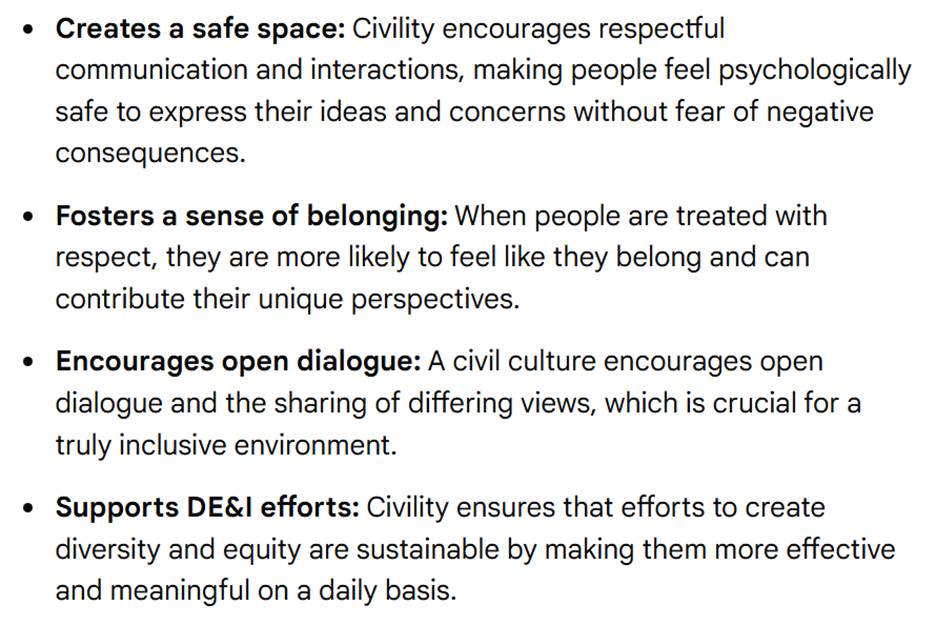
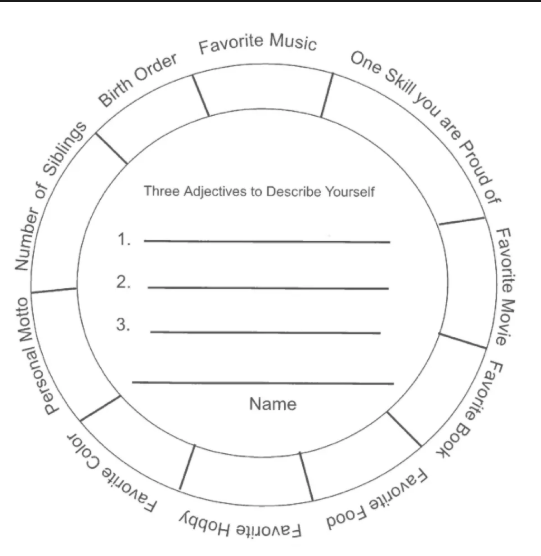
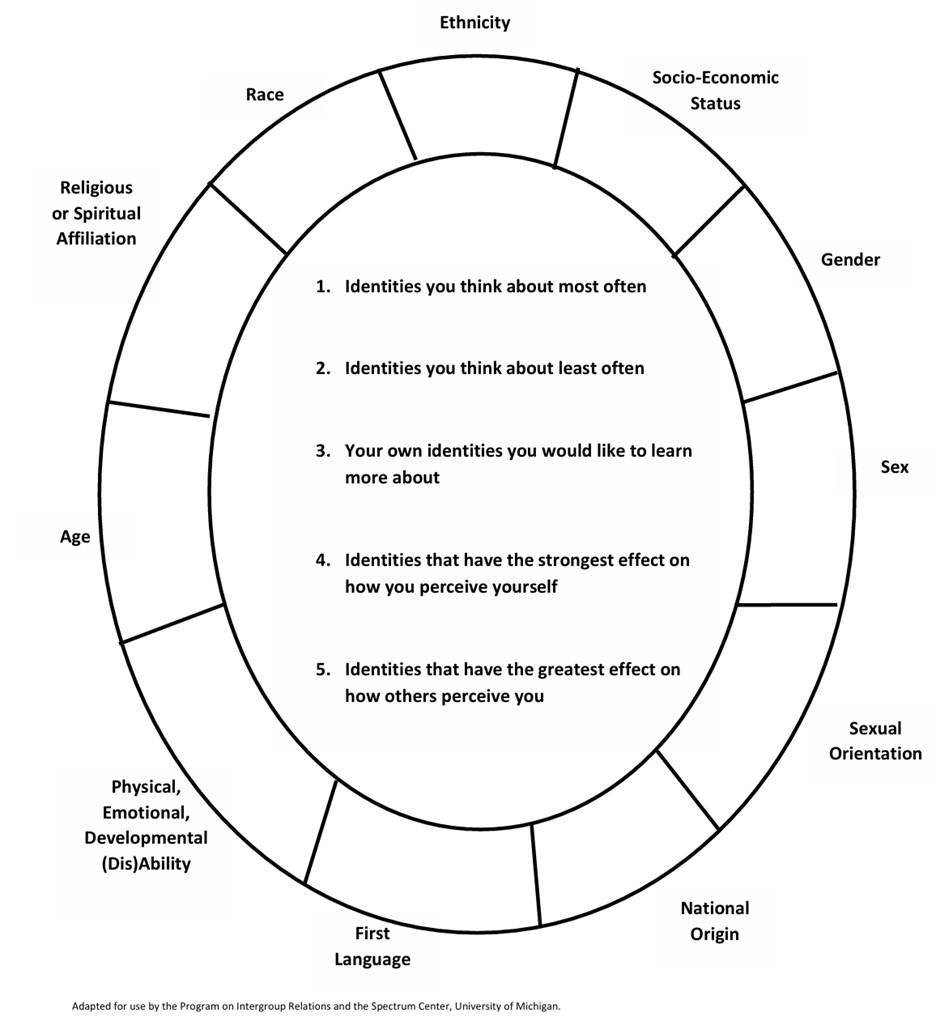
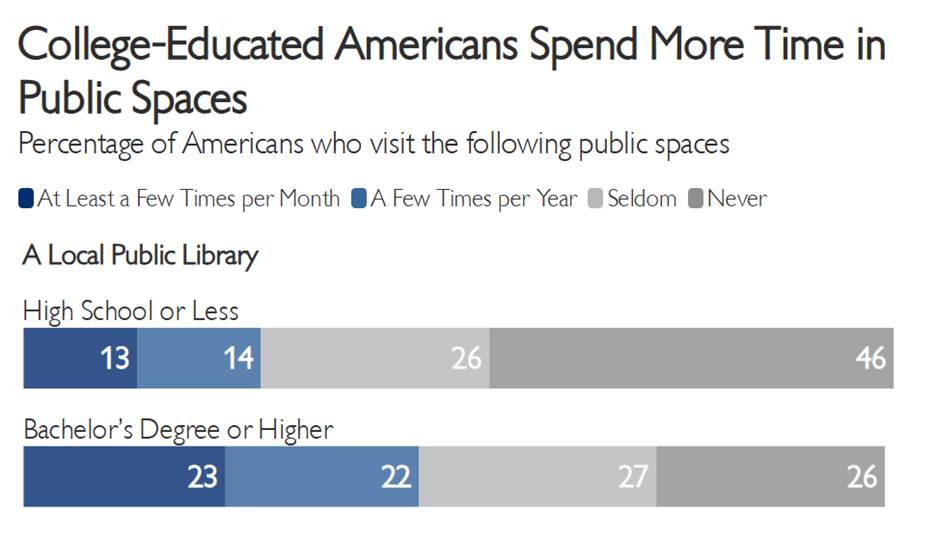
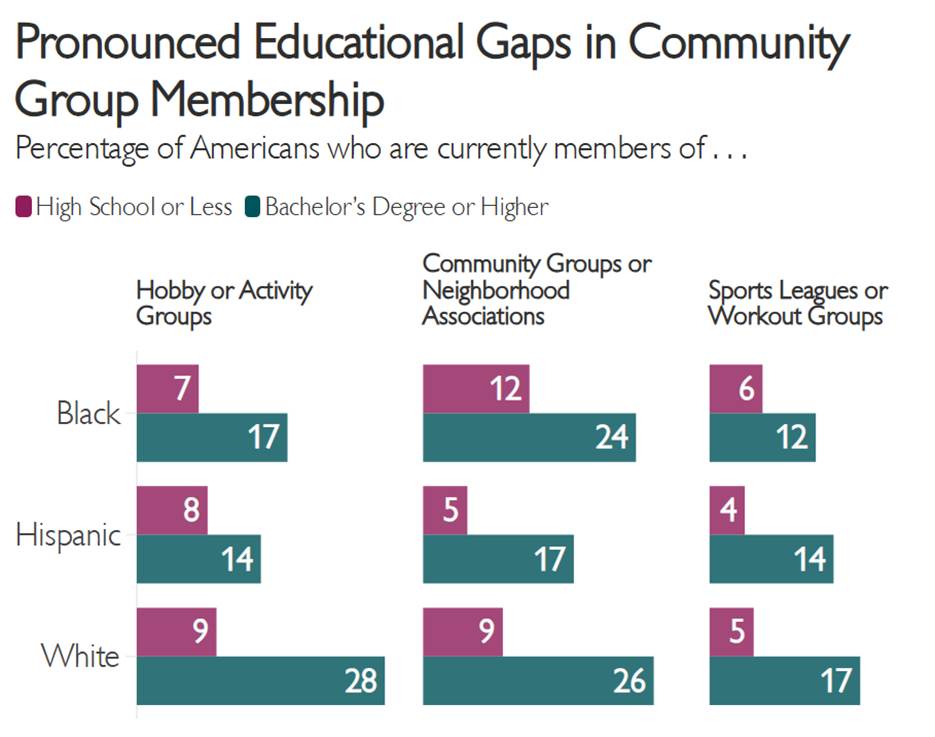
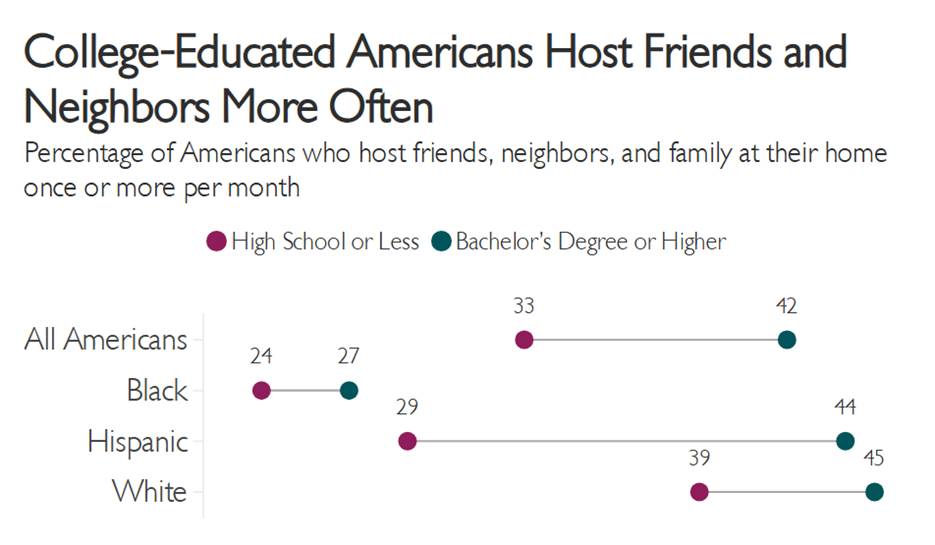
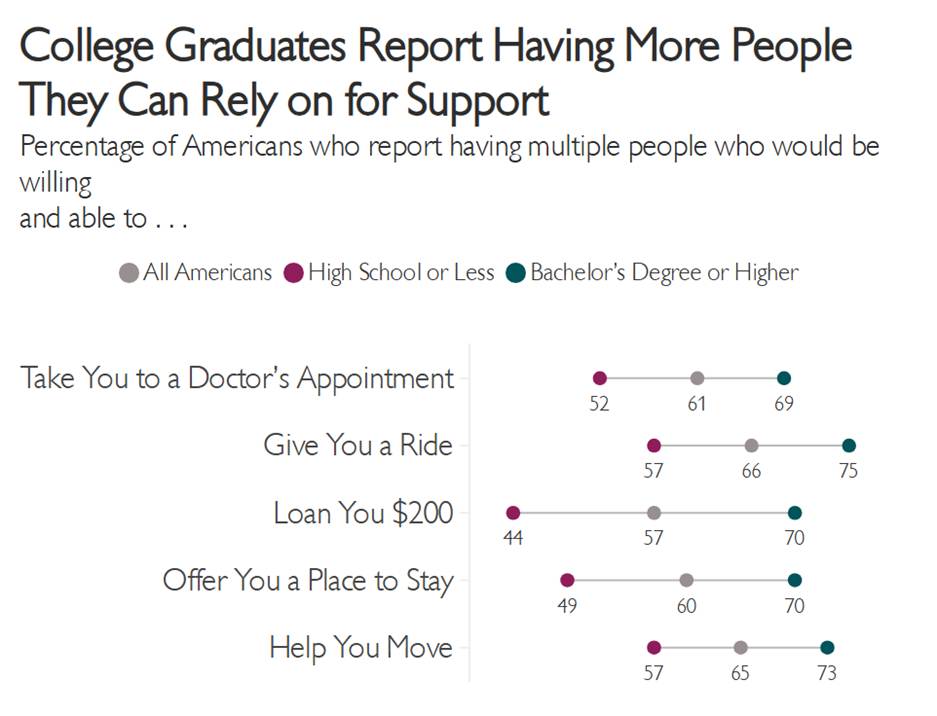
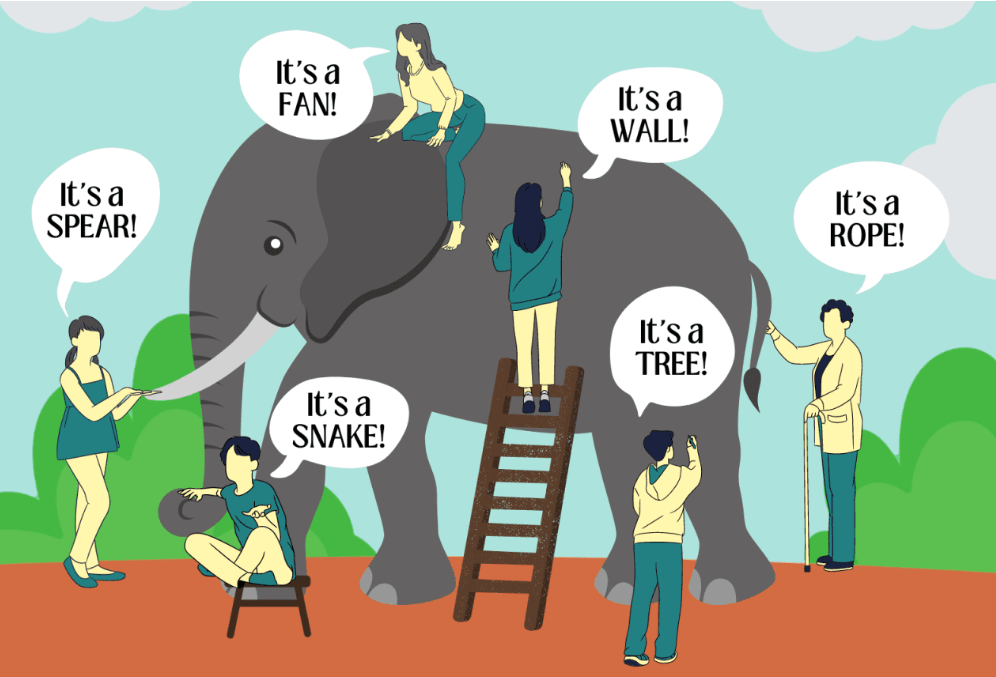

 Good News