Intentionality is a Universal Value That Drives Civility

.https://discipleship.org/blog/intentional-re-conformity/

Civility Values

Civility is a set of behaviors based upon the seven commonly held values of: human dignity, respect, acceptance, intentionality, responsibility, constructiveness and public-spiritedness. A social, political and economic society must have some core beliefs, norms and behaviors. The modern renaissance of Civility attempts to define the beliefs, norms and behaviors so they can be shared and promoted. We need to be confident that we know what Civility is, how we should behave, how/why we should influence others and why the underlying principles make sense.

Intentionality Defined

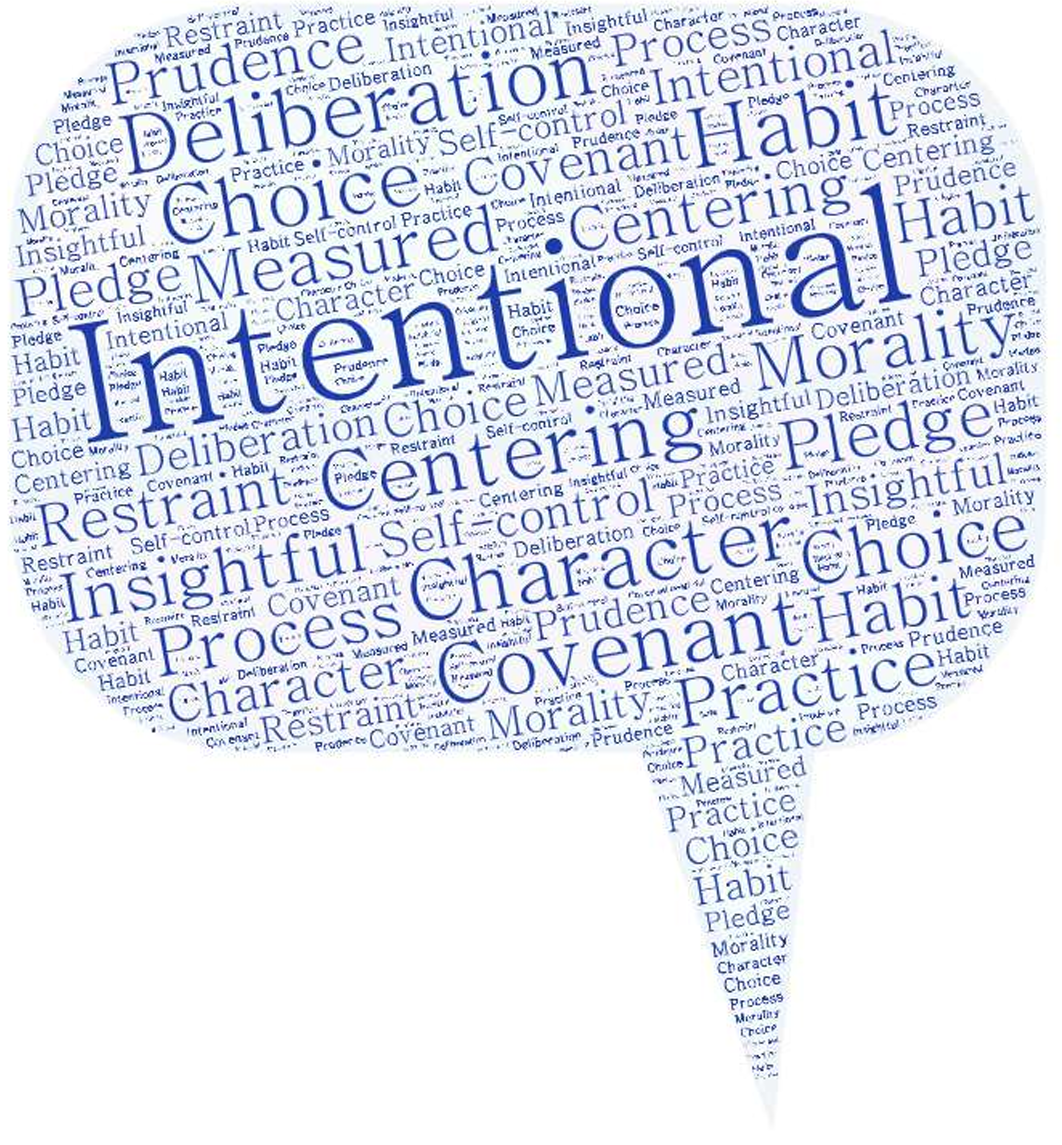
Having a deliberate plan or purpose before acting. An internal state of mind where an individual consciously chooses a course of action to achieve a specific outcome.

Intentionality weaves together two mental dimensions. It is purposeful, planned, logical, forward looking, rational, process-oriented, habitual, structured, informed, calculated, contextual, goal-oriented, practical, scope limited, applied and instrumental!

It is also deliberate, chosen, willful, volitional, proactive, conscious, engaged and intended.

Intentionality is a complement to responsibility, which refers to accountability for actions and consequences.

Taken together, they encourage us to be fully responsible for our choices, actions, consequences and relations. We are to consider all dimensions and make great choices. We are obligated to clearly define goals and seriously pursue them. We have human agency and a responsibility to be self-aware of our choices. We are obligated to work towards becoming mature, balanced, prudent, wise adults.

Intentionality is crucial to Civility because it:

Promotes proactivity over passivity.

Supports conscious, deliberate and purposeful commitment to treating others with respect, courtesy, and dignity.

Encourages self-awareness in decision making, including considering the impacts on others.

Challenges us to define our goals on a deep philosophical, spiritual or religious basis and seriously aligning our decisions and behavior with them.

Focuses on goal-oriented thinking which includes the goals of building relationships, trust and safe communities.

Emphasizes our shared responsibility for defining, supporting and reinforcing the rules of civil behavior that are mutually beneficial.

Recognizes that we are responsible for systematically evaluating, building and improving our behaviors and expectations and the norms and institutions of our communities.

Judaism

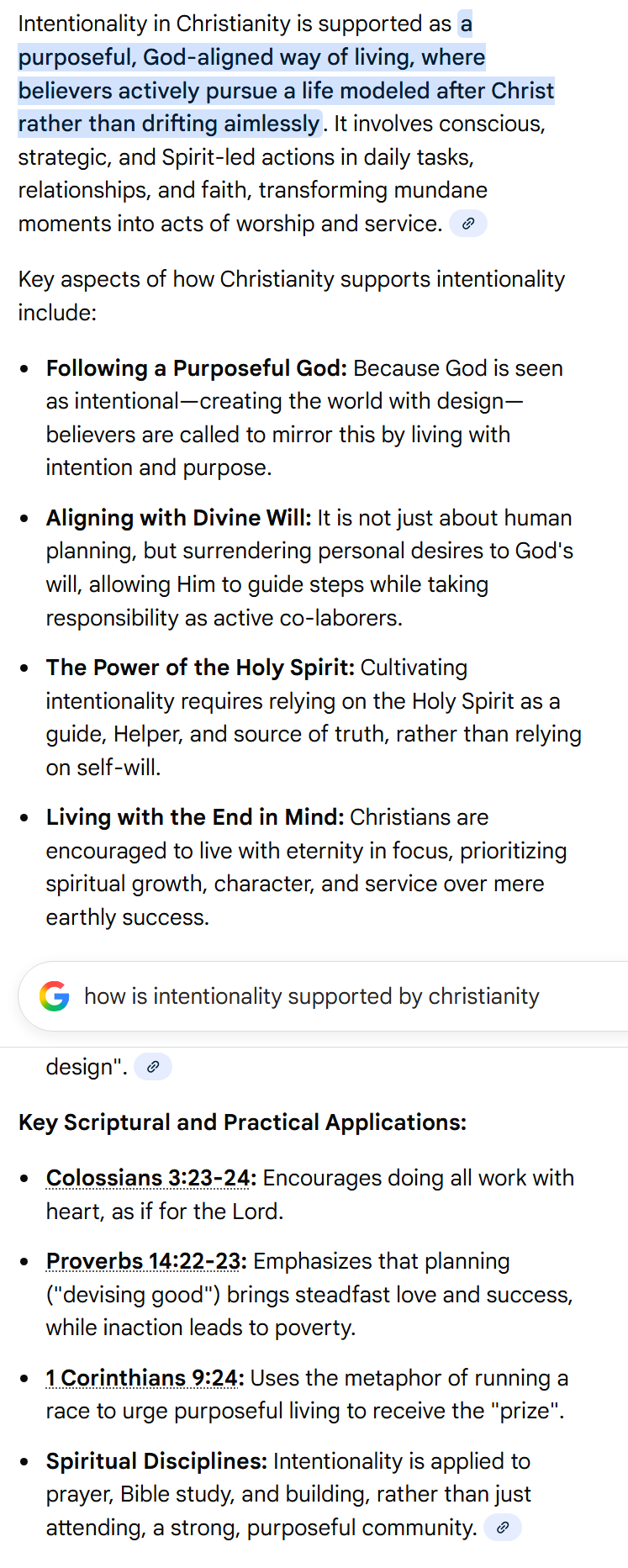
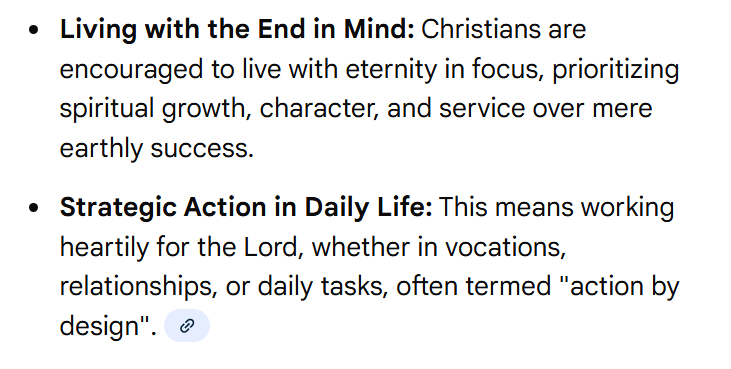
Christianity

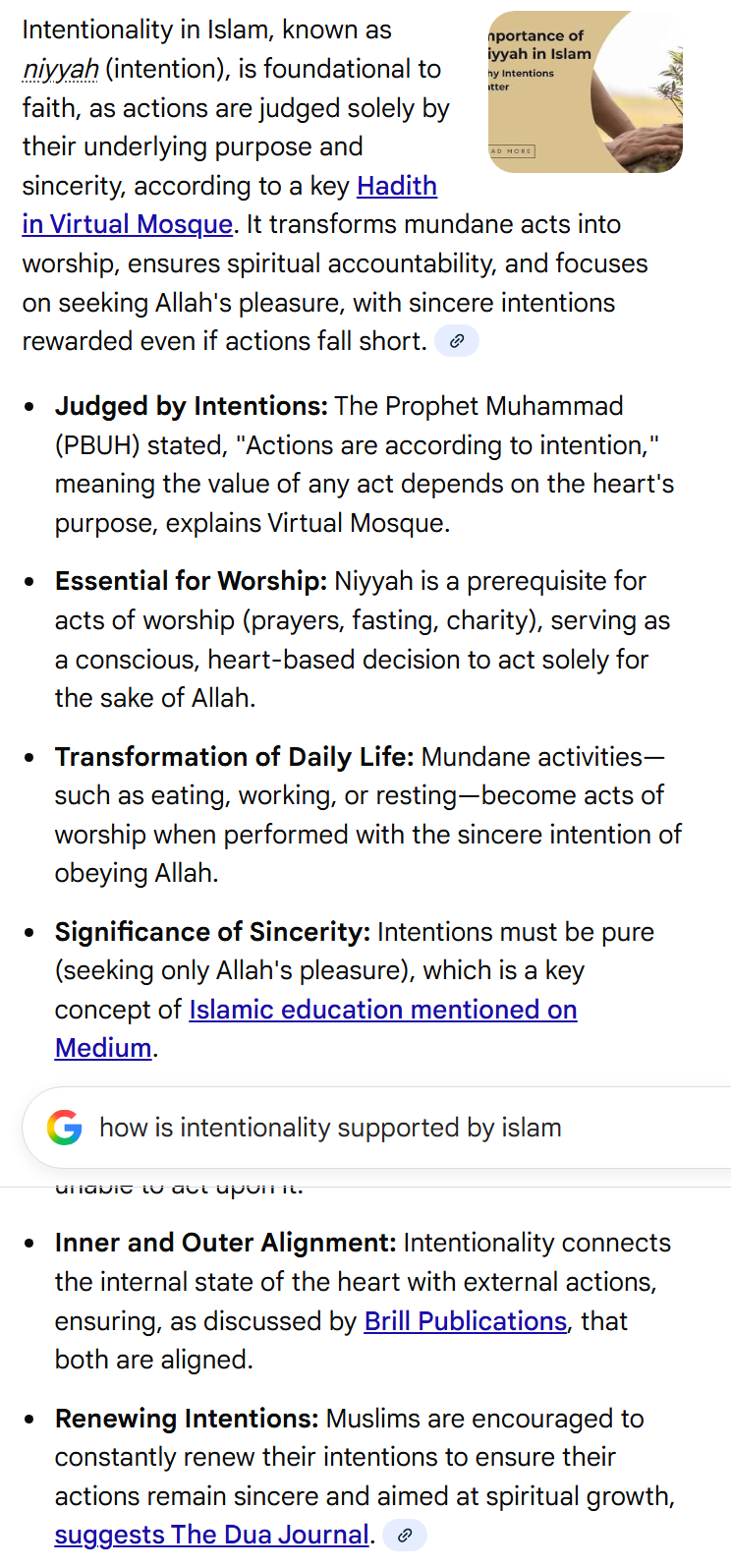
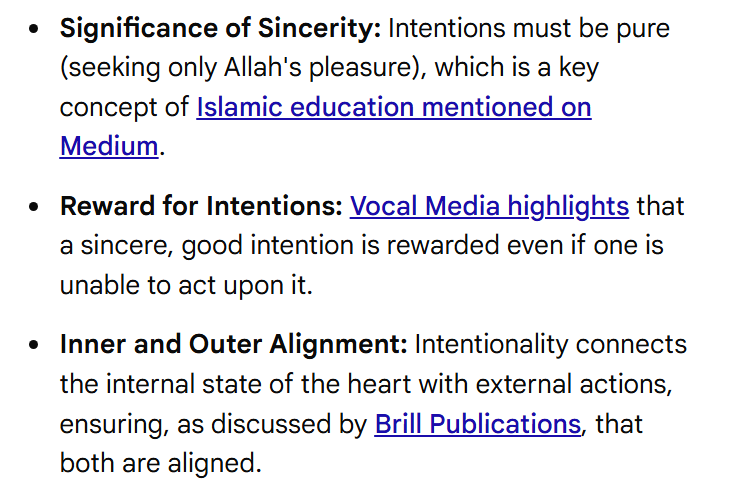
Islam

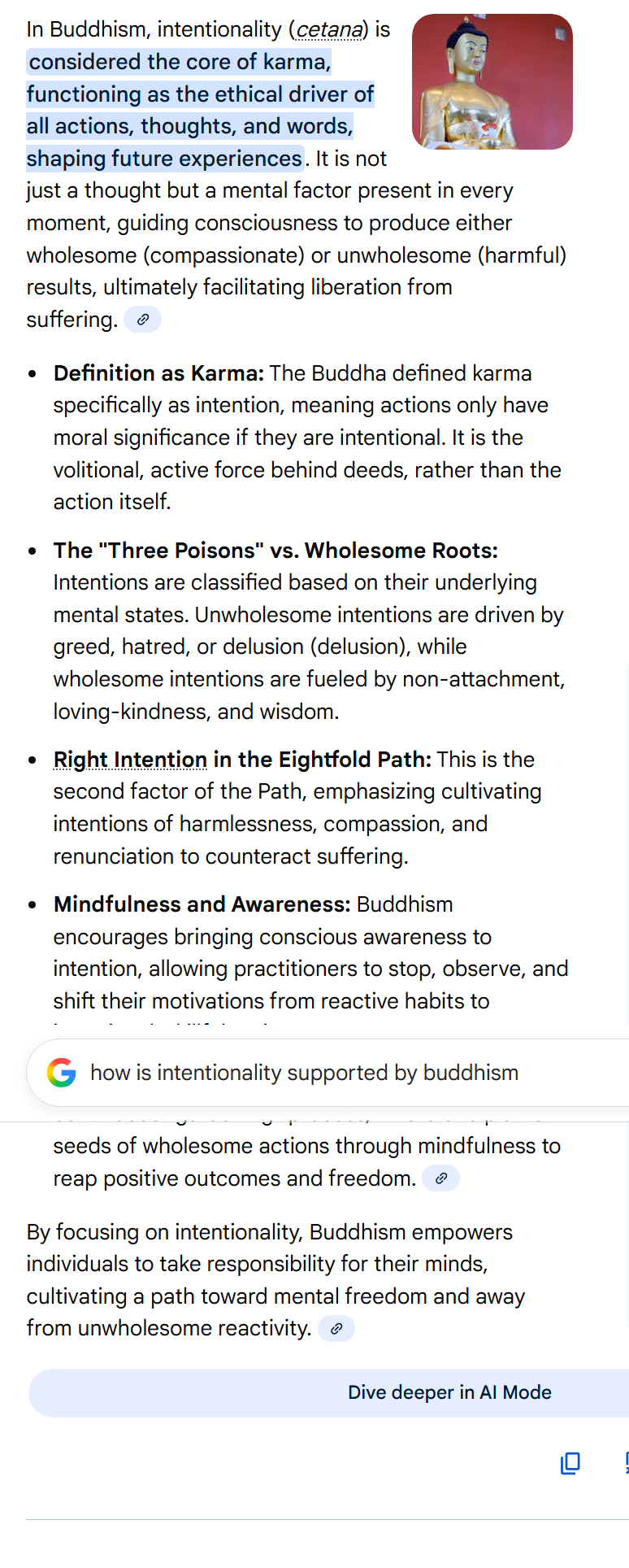
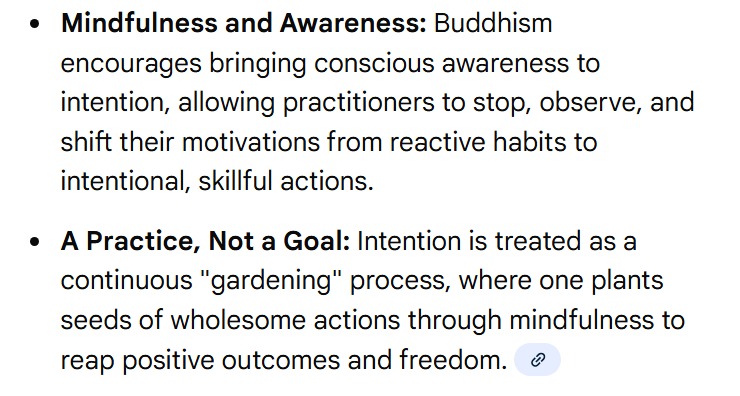
Buddhism

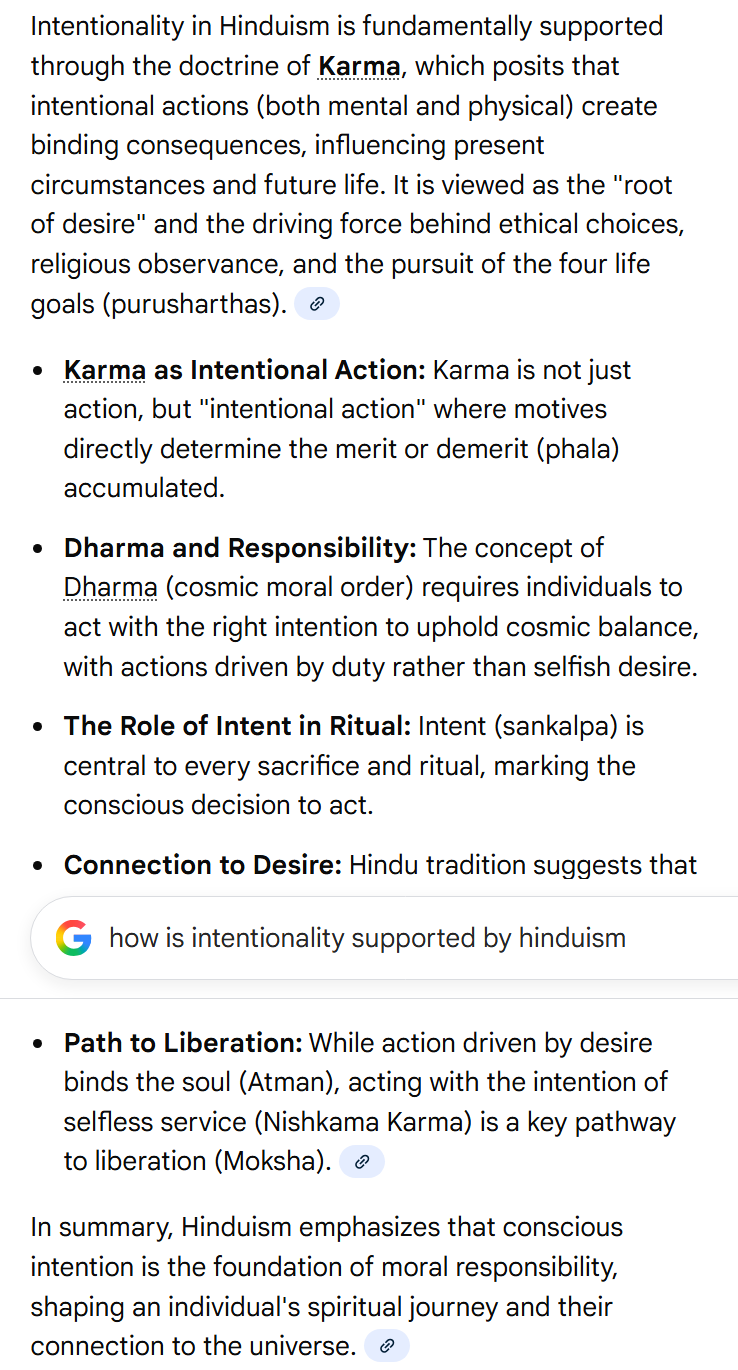
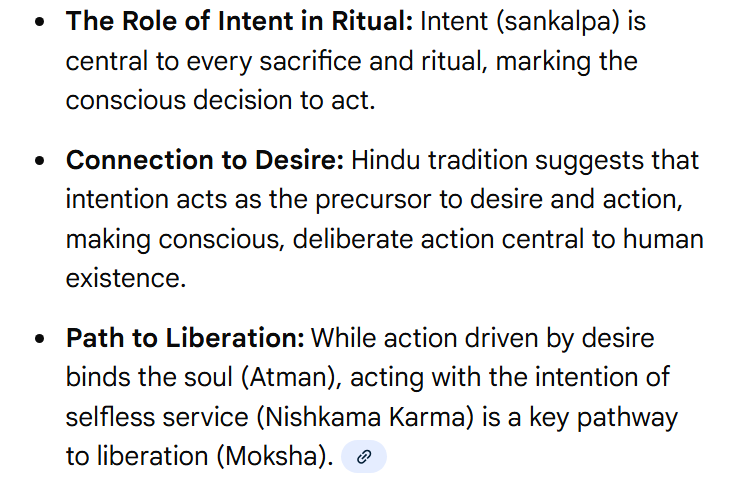
Hinduism

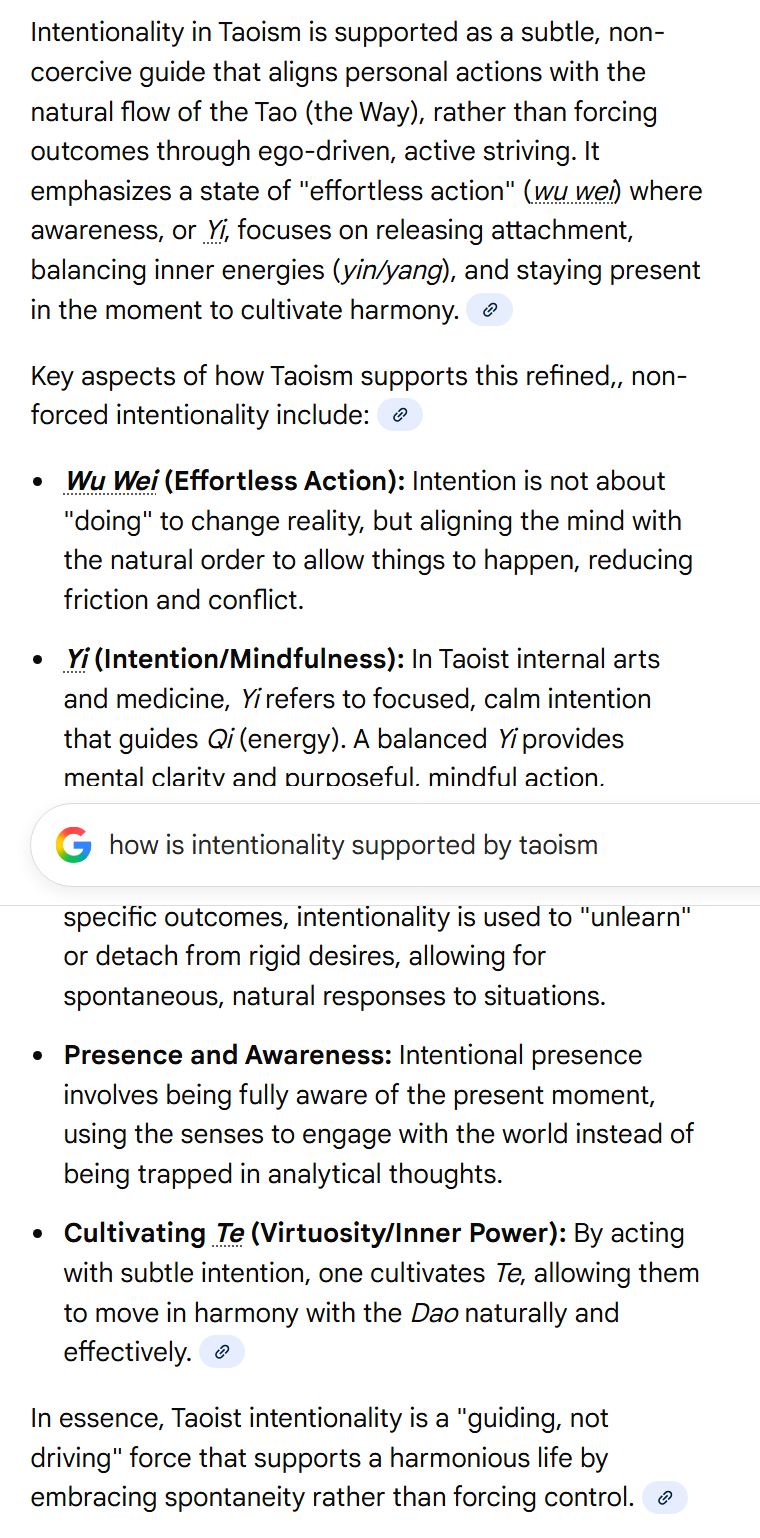
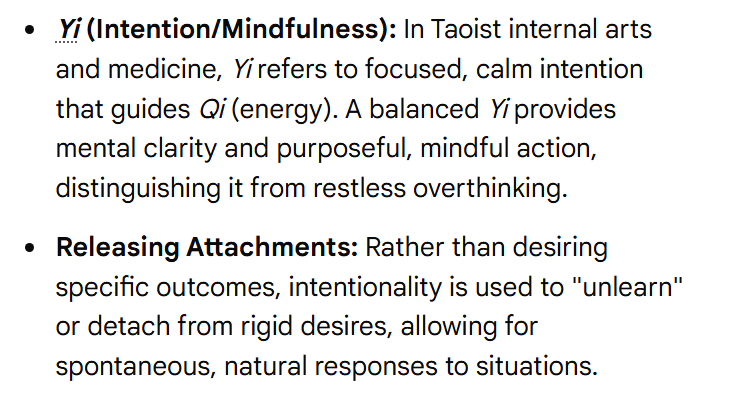
Taoism

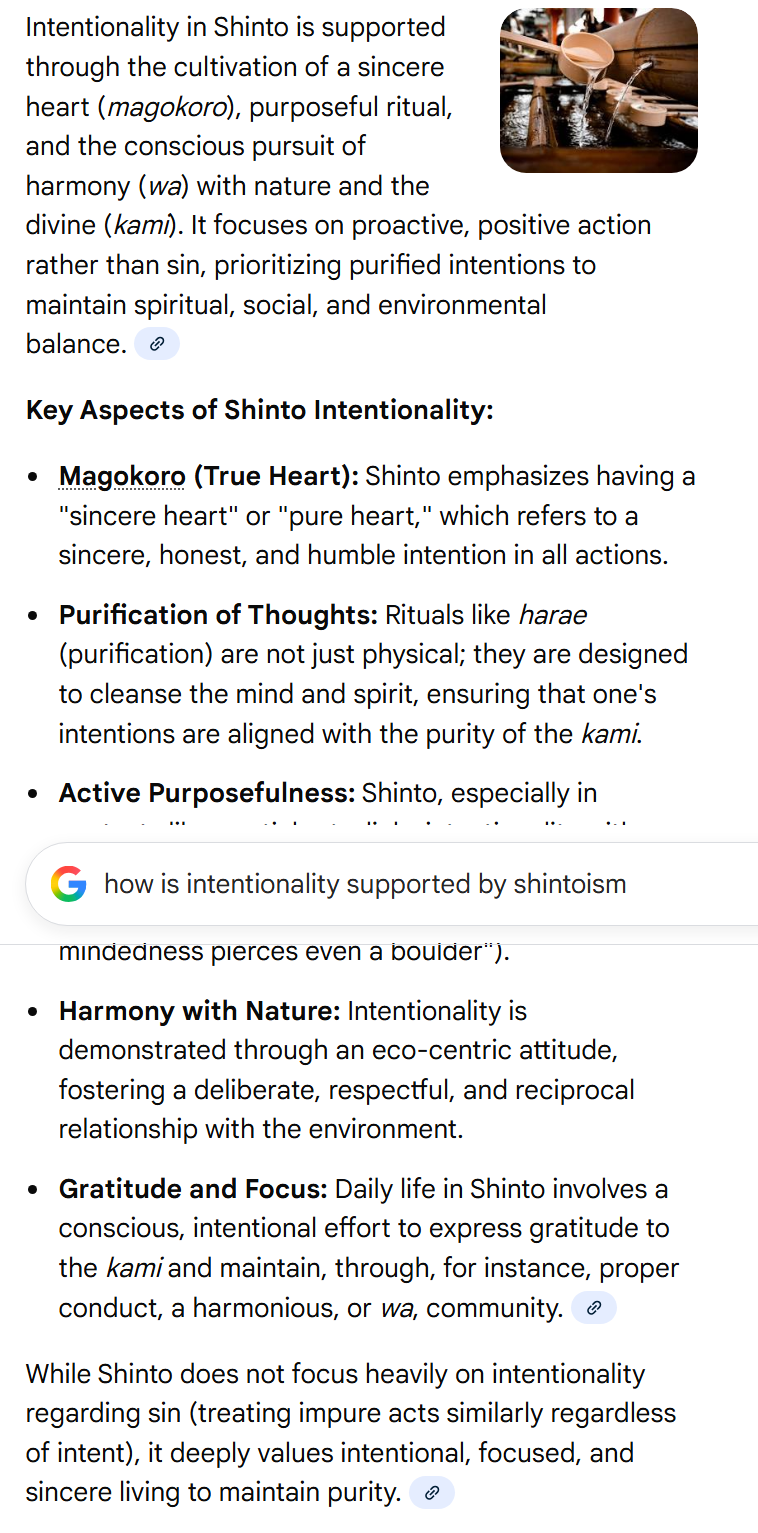
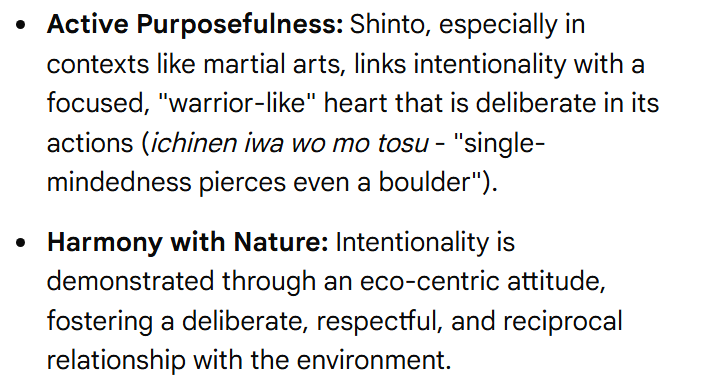
Shintoism

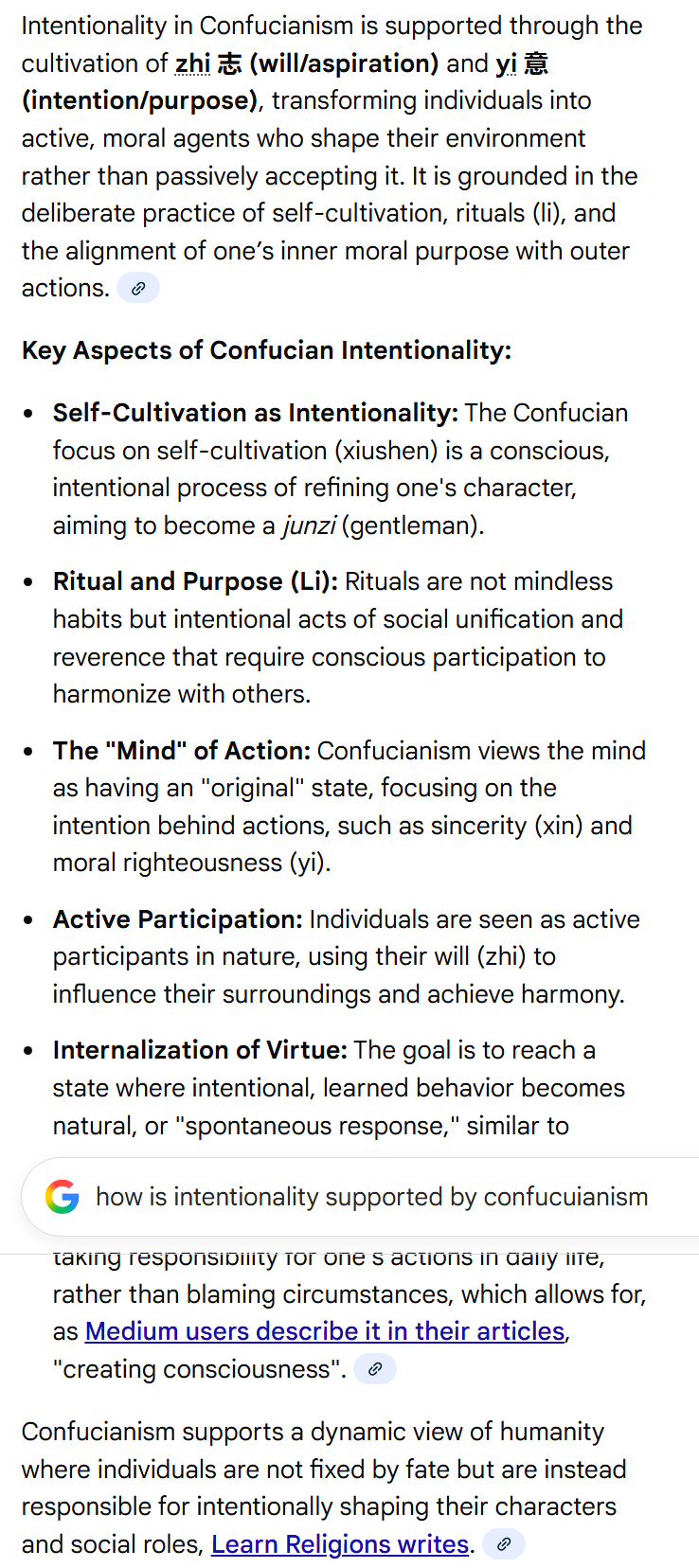
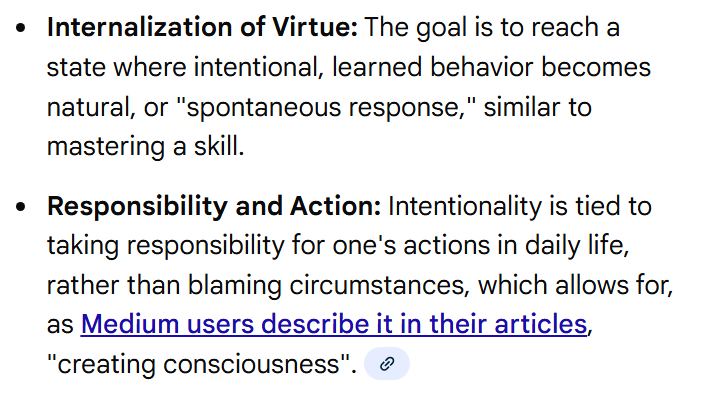
Confucianism

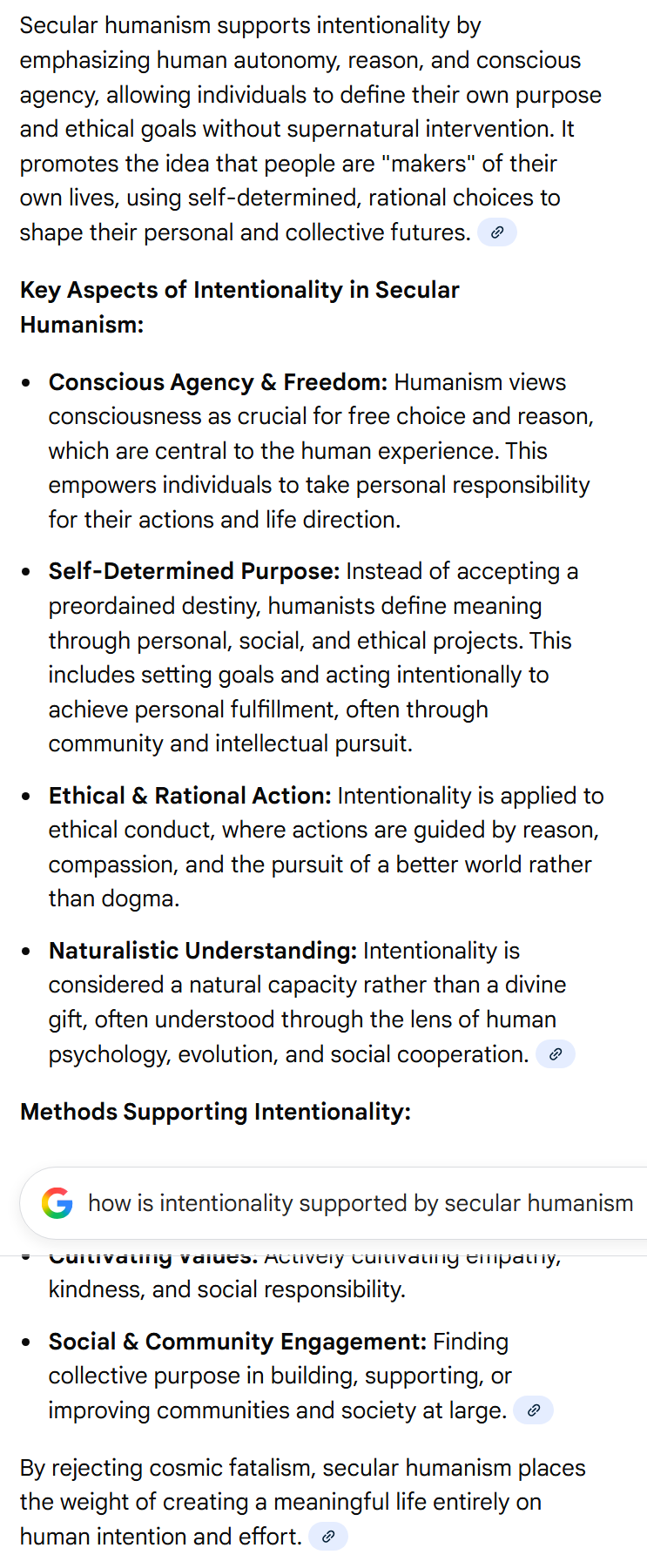
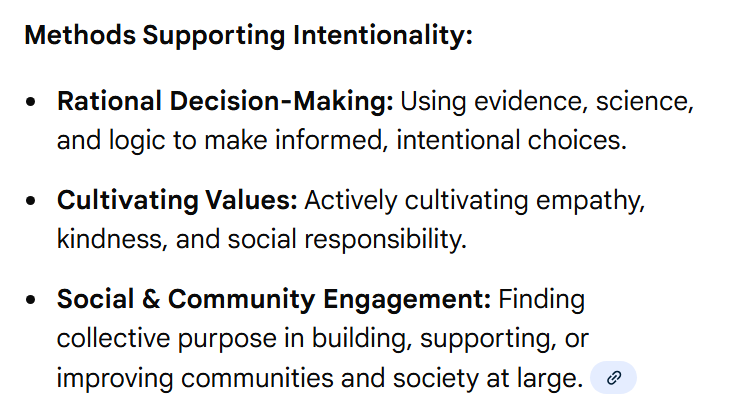
Secular Humanism

Summary

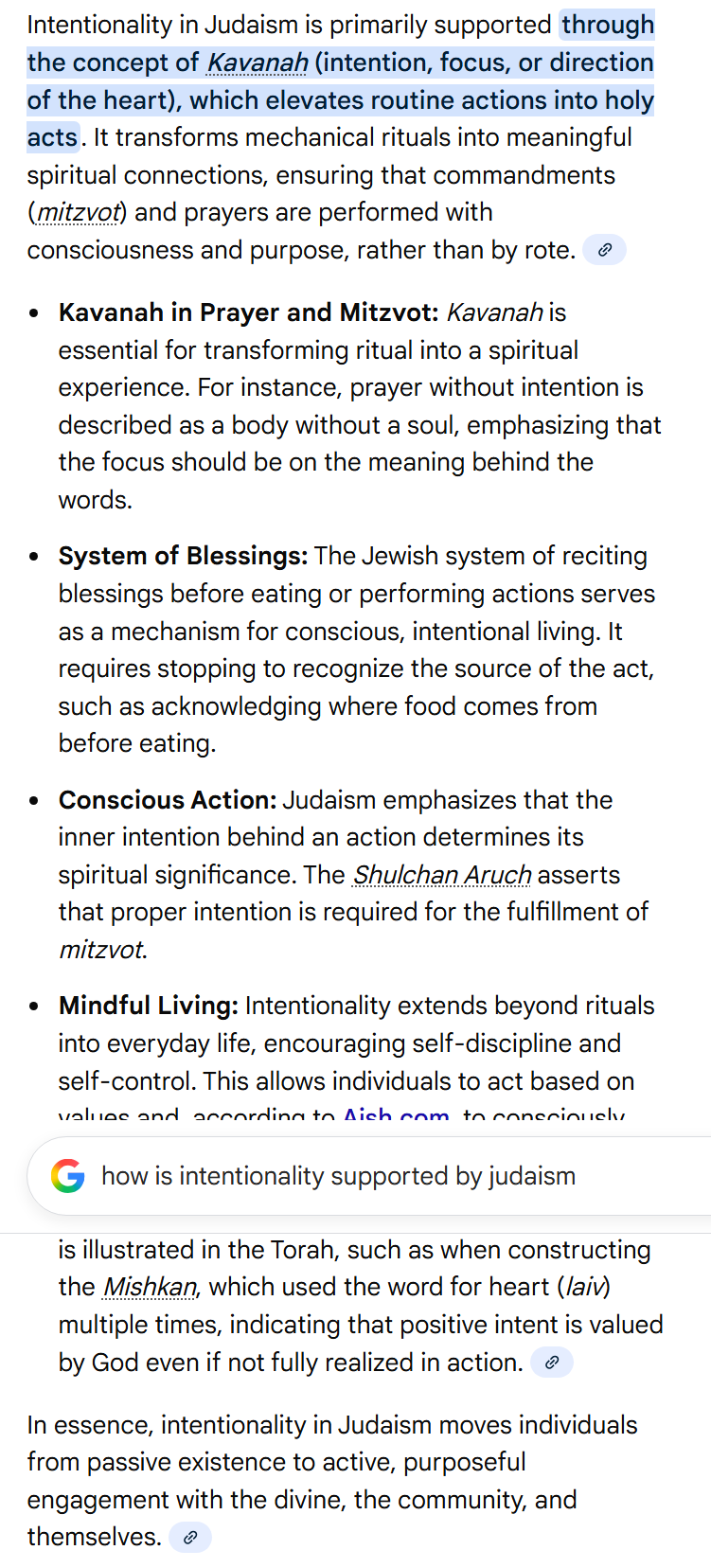
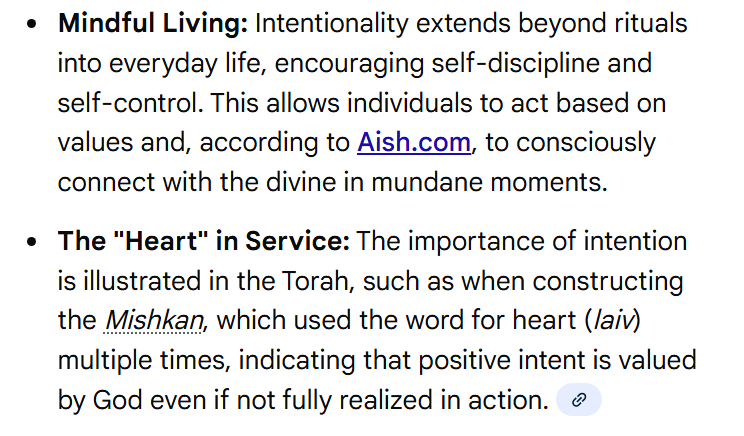
The major religions offer support for being rational, considering context and consequences, being calm, balanced, focused and purposeful, but they mainly emphasize the spiritual, emotional and willful dimensions of intentionality. They encourage us to:

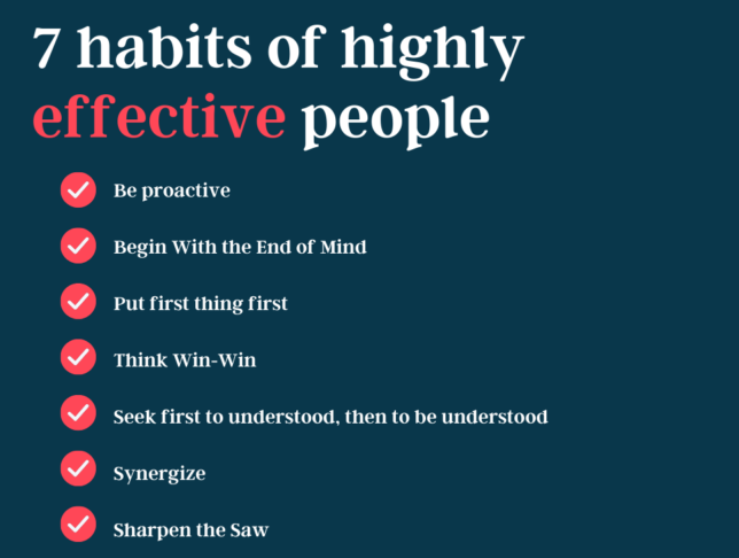
  1. Begin with the end in mind (Covey). Know, follow, engage and align with God’s will or the structure of the universe. Use the power of this knowledge and connection (holy spirit) to make the best choices.
  2. Make decisions based upon values and principles, not self-interest or practical concerns alone.
  3. Be aware, conscious, fully present in life and making decisions. You are an agent.
  4. Be proactive.
  5. Be self-aware and self-disciplined.
  6. Invest in spiritual growth to understand and connect with God/universe which will improve decision making in a self-improving cycle.
  7. Cultivate the heart and compassion as a basis for choices.
  8. Sincerity and proper personal intentions are critical for making choices that deliver good results and which align the person with God/universe.

An intentional person is serious about defining/prioritizing goals, making good decisions and improving themselves.

I sometimes think about “intentionality” as the weakest or marginal Civility value. Major religions consider it to be essential for a good life.

Management Effectiveness Has More Than Doubled in the Last 50 Years!!!!

https://www.gm.com/heritage/collection/chevrolet/1976-chevrolet-chevette

The Chevy Chevette was the best product of the largest and most successful corporation in 1976. [WOWSER] It was marginally better than the Corvair or the Vega. Major US corporations had taken advantage of the post-WWII opportunity to produce for the world and perfected minor changes each year to further stimulate consumer demand. Functional roles in corporations were largely unchanged since the 1920’s. Japanese competition in the auto and consumer electronics industries in the 1970’s caused American corporations to eventually reinvent themselves and move into a world of perpetual change management.

It’s difficult to describe the size and impact of these changes. They were like a compounded series of paradigm shifts. I worked with many organizations from 1975-1989: Koppers, Avery Label, Sherwin-Williams, multiple S&L’s, United Telephone, AmeriTrust, E&Y, Tandy Radio Shack, EDS, IBM, Microsoft, GM, NASA, Zenith, Allison Transmission, City of Cleveland, McCormick Convention Center, Amway, US Navy, US Health & Human Services, Lorain Community College, Baldwin-Wallace University and the University of South Florida.

I completed a finance MBA at Case Western Reserve University in 1984. I joined Ernst & Young as a junior management consultant and learned from Dr. E. Leonard Arnoff, one of the founders of the discipline of operations research.

https://www.informs.org/Explore/History-of-O.R.-Excellence/Biographical-Profiles/Arnoff-E.-Leonard

FEW of the most important concepts and skills of my 35-year professional career existed or were rarely applied in 1984. The smartest academic and business leaders were aware of some of the changes that would shape the next 50 years, but the typical 1984 manager was still working from a 1930’s view of business.

I’ll group the more than 100 HUGE advances into 6 categories.

Strategy

  1. Strategy really matters. A strategy function is needed.
  2. Competitive advantage is critical (Michael Porter).
  3. Companies cannot be all things to all people.
  4. Strategy is a process to focus and facilitate thinking, not a mainly a means of control.
  5. Market leaders have a better chance of winning. Better to be a leader in a small market segment than a follower in a large one. Long-tail opportunities.
  6. In many markets, leading market share (1, 2 or 3) is essential.
  7. Product differentiation is required to avoid commodity pricing.
  8. Universal customer needs of quality, speed, flexibility, value (price and function), information/transaction costs and personal relations/risk management can all be used for product differentiation. A customer centric strategic view is necessary.
  9. SWOT analysis is essential. Strengths, weaknesses, opportunities and threats.
  10. Mission, vision and values must be articulated. Begin with the end in mind.
  11. Firms must choose between equity alone and multiple stakeholder priorities.
  12. Modelling and simulation tools can be used to identify, understand and prioritize the critical dimensions of every firm.
  13. International and startup competition must always be considered.
  14. Professional functions within each firm are increasingly essential.
  15. A 3-way strategic choice must be considered: low cost, product differentiation or customer intimacy.
  16. Successful firms clearly articulate abstract ends and flex the means of attainment (Collins).
  17. The customer and retail interface may have more power than the manufacturer/service provider.
  18. Smaller firms are available to be purchased in a roll-up strategy.
  19. In the end, dynamic, sustainable [moats] strategies have the greatest value.
  20. China matters.
  21. As firms become more strategically driven, the fixed costs of SG&A rose, requiring firms to prioritize growth and market share.
  22. Intangible assets may be more important than tangible assets.

Marketing

  1. Market size is essential. Market share is next.
  2. Marketing research of customer preferences matters.
  3. Branding is vital.
  4. Focus groups can provide separate insights and validate numbers.
  5. The marketing function exists to create value, not just sell things.
  6. Targeted marketing is essential. Products must match differentiated markets.
  7. Some customers value quality and reliability.
  8. Some customers value timely delivery.
  9. Digital marketing channels supplement analog channels.
  10. In the digital world, search engine optimization [SEO] matters.
  11. E-commerce is a competitor to analog delivery.
  12. Internet promotion is a competitor of traditional media.
  13. Individuals’ identity and social interests can be targeted.
  14. Some customers are better targeted by 2-way communications or influencers.
  15. Politicians, regulators and courts increasingly matter, and firms must invest accordingly.
  16. Tariffs matter. Firms must invest to manage them.

Finance

  1. Access to debt, equity and start-up financing is much easier.
  2. Access to global investors is possible.
  3. More efficient markets through mutual funds, ETF’s, derivatives, and efficient trading markets matter.
  4. Portfolio management applies to investments, projects, product lines, channels and new product development.
  5. Marginal costs/benefits apply to every activity and project.
  6. Cash and management accounting perspectives are best used for making decisions, separated from accrual and financial accounting measures.
  7. Price discrimination is a major opportunity in every market.
  8. The formal discounted cash flow analyses apply to many situations.
  9. Activity based costing helps to identify necessary costs at 4 levels.
  10. Corporate and product level costs are subject to cost reduction just like plant/facility and production costs.
  11. The balanced scoreboard system ensures that all levels of economic activity are planned, measured and managed.

Human Resources

  1. Human resources are productive assets; they are not simply “personnel”. They should be managed accordingly.
  2. Required staff skills must be defined, measured and enhanced.
  3. Clerical support skills must be cost-justified.
  4. Analytical skills can be captured in separate positions.
  5. The general concept of meritocracy matters. Exceptions must be justified.
  6. COO’s and CFO’s are not alone. IT, marketing, risk, merchandise and people managers are equally important.
  7. Legal compliance matters.
  8. The role of “managers” is essential. Managing people, tasks and processes. Developing talents.
  9. Highly skilled MBA’s have important roles to play.
  10. Organizational development is a value added function.
  11. Matrix (cross-functional) management is just as important as functional management.
  12. Project teams play a critical role.
  13. Firms cannot cost-justify employing thought leaders in every function. Management consultants can fill in.
  14. Employees can be outsourced.
  15. HR information systems (HRIS) are essential.
  16. Centralized professional services functions are typically more cost effective.
  17. Corporate culture is a strategic asset.
  18. Clearly defining role requirements, recruiting, hiring and performance evaluation greatly improve performance.
  19. Human beings have personalities, habits, talents and motivations that can be leveraged and improved.
  20. Diversity, equity, and inclusion is a worthy investment today.
  21. Workplace flexibility is highly valued by employees.

Information Technology

  1. Basic financial and operations systems can be automated.
  2. Detailed transactional processes can be automated, controlled and improved.
  3. Processes can be documented, standardized and enforced.
  4. Relational database logic can greatly reduce work and errors.
  5. Detailed functional IT subsystems can be developed to improve operations and feed the financial systems. Warehouse Management Systems (WMS), as one example.
  6. Enterprise Resource Planning (ERP) systems can be used to leverage the universal core processes of firms while customizing the details and integrating functional subsystems.
  7. Critical data can be stored in data warehouses for analysis. Big Data comes later.
  8. Reduced IT costs improve access to various tools and systems.
  9. Staff can effectively use personal productivity tools: word processing, spreadsheets, graphs, graphics, email, databases, queries, report writing.
  10. Personal computers allow local use.
  11. The ongoing reduction of computer costs makes them more effective for more employees.
  12. The internet provides access to information, teams, suppliers, customers, markets and others.
  13. Internet search tools provide smart access to information.
  14. Crowdsourced applications provide zero cost tools.
  15. Social media apps provide the opportunity to connect with others effectively.
  16. Smartphones further reduce the cost and limits of accessing all data, functionality and people.
  17. Artificial intelligence provides tools to greatly leverage personal skills.

Operations

  1. Forecasting and statistical techniques refined and easily applied using personal computers.
  2. Complex, multi-level operations planning models widely used.
  3. Supply chain management using daily or real-time information from suppliers, internal operations and customers optimized.
  4. Long-term supplier partner strategies adopted, reducing sales, purchasing, legal and disruption costs.
  5. Professional logistics profession developed, applying the best options for all types of cargo.
  6. Manufacturing outsourced routinely to lowest total costs sources worldwide.
  7. Distribution, logistics, IT, HR, R&D, product development and all functions outsourced (sometimes globally) to leverage specialized skills and focus internal operations.
  8. Operations research tools routinely applied for optimization problems, especially critical paths.
  9. All fixed-cost capacities set at lower percentages, with secondary capacity options, in order to optimize profits, especially in low and high demand situations.
  10. All processes defined, standardized, refined and optimized in order to apply IT and process engineering.
  11. Multiple feedback loops routinely used to improve processes through time.
  12. Lower communications and transportation costs further increased outsourcing activities.
  13. The value of time to customers was identified and turned into a competitive advantage, from 6-weeks mail order to same day to same hour delivery.
  14. Just-in-time production philosophies implemented, and inventories slashed towards zero intentionally to force improvements.
  15. Production processes re-engineered according to process and final goal needs, displacing functional and “like kind” groupings.
  16. Continuous improvement, kaizen quick fixes and full process re-engineering take advantage of global best practices.
  17. Project management discipline created and refined. Agile project management used. Project management offices created to manage portfolios of projects, project managers and subject matter experts from inside, suppliers, customers and consultants.
  18. New product development managed as a portfolio of projects, each within a standard process framework. Firms adopt the “layer cake” view of value as the sum of annuity returns from a series of new products.
  19. Basic insights of modern Total Quality Management or Lean Six Sigma adopted, focused on activity and process variability with unexpectedly large results. Relentless elimination of waste.
  20. The Quality paradigm shift places the process view on par with the finance view.
  21. The variability of actions within a sequence of events [Goldratt] is seen as the critical driver of final results. Processes, measurements, goals, investments, staffing, operations planning and outsourcing are adjusted for dynamic effectiveness.

Summary

Modern firms have cumulatively adopted and leveraged these interrelated capabilities to become strategically driven, self-aware, well-managed and improving through time. The marginal finance/portfolio view together with the process view allow firms to identify, deliver and monetize customer needs while outsourcing functions that are not deemed strategically essential. Firms generally invest more resources in planning, optimization, new product development and risk management today.

The application of these principles has varied by industry. Government, not-for-profit and health care have great improvement opportunities remaining.

Firms may invest in Joseph Schumpeter’s “creative destruction” or they may optimize within existing market structures if they see higher returns from internal process improvements, incremental product development, supplier squeezing, price discrimination, targeted marketing or regulatory capture. In other words, the capabilities for ongoing world-changing improvements exist but may not be applied for the greater good.

Addressing the “Threat” of Immigration

https://www.wsj.com/articles/trump-ties-mexico-tariff-threats-to-hefty-immigration-demands-11559332126

Immigration has become a strong winning issue for right-wing parties around the world and an organizing issue for extreme right-wing parties. Why? What should centrist and left-wing parties do?

Accelerants

There are more immigrants. Economic, religious, social and political immigrants. More international conflicts, civil wars and gang violence. Continued huge gaps in living standards between countries. Global communications and transportation networks that make migration possible. The demand for in-migration to developed countries is very high.

In a world of rapid change, slowing growth and religious doubt, citizens of advanced nations are insecure.

Politicians have learned that a simplistic polarization of left versus right is much easier to manage than “solving problems” and have increasingly framed all politics as “us versus them”.

In a world of skepticism and loss of certainty caused by the undermining of religion, progress, science, socialism, fascism, or nationalism as a definite answer we increasingly turn to “identity” as our rock. Blame Rene Descartes’ “I think, therefore I am” insight or Martin Luther’s religious individualism or libertarian economic individualism or countercultural social individualism or the “therapeutic society” triggered by Sigmund Freud.

We all need a basis for our cognitive consistency. Today, our personal identity is raised as a mini-God of great importance. We merge political, cultural and personal identities. We look to national, cultural, racial, class, professional, fraternal, social, alumni or corporate identities for meaning. Identity is MUCH more important today. It is subject to political and media influence and manipulation.

Moral Foundations Framework

Jonathan Haidt and his colleagues sought to define the core, inherent, inherited moral, political and religious frameworks that we all have. They contrasted traditional and modern moral beliefs. They noted that “modern” beliefs are extraordinary and WEIRD: Western, Educated, Industrialized, Rich and Democratic. They combined social science testing, statistics and evolutionary psychology to determine 5-8 widely held moral beliefs that “make sense” based on their interpretation of human and cultural evolution. They noted that liberals emphasize just the two values of care and fairness, while conservatives add the values of loyalty, authority, purity/sanctity, proportionality, ownership and liberty.

Immigration is a Huge Threat to Many

I’m insecure, framing politics in simple left versus right, “us versus them” terms and insecure in my identity. I’m sensitive to all of the moral flavors, including loyalty, authority and purity. Immigration is increasing. Illegal immigration is uncontrolled.

What do I see?

Economic threats to jobs, assets and privilege.

Unfair claims on public welfare programs.

Risk of increased crime, disease, drugs and social dysfunction.

Further dilution of and threats against traditional culture by unfamiliar “others”. Different birthplace, nationality, race, religion, class, language and expectations.

Opposition to the “rule of law”, unfairly proposing amnesty for illegal immigrants.

A feeling of personal and social violation or invasion by “others”. A loss of control.

A threat to the symbolic nation and national security.

Reasonable people take this perspective. They look at “liberals” who emphasize “immigrant rights” above this reality as insane.

Academic research generally supports the “Moral Foundations Theory” view.

https://econtent.hogrefe.com/doi/10.1027/1864-9335/a000447

https://www.sciencedirect.com/science/article/abs/pii/S0147176724001251

https://www.mdpi.com/2313-5778/7/3/65

https://journals.sagepub.com/doi/10.1177/19485506231162161

Centrist Political Response

  1. Acknowledge those who feel this threat. Don’t dismiss, discount, demonize or rationalize them or the politicians that support them. Recognize their legitimate concerns.
  2. Focus on the issue of illegal immigration. Solve it. Invest in border controls.
  3. Implement a national ID system that prevents illegal employment.
  4. Enhance the agricultural guest worker program.
  5. Focus on the issue of unlimited asylum seekers. Solve it. Revise standards to be reasonable. Resolve cases within a year. Set a limit. Find ways to “share the love” with other countries.
  6. Support a “points system” that prioritizes “value added” immigrants.
  7. Propose a way like Reagan’s “path to citizenship” for existing illegal immigrants.
  8. Support expulsion of all convicted felony criminals.
  9. Ignore the extremist rhetoric about illegal immigrants.
  10. Highlight Trump’s unwillingness to even discuss a bipartisan solution.
  1. Highlight the much greater importance of national economic success, affordable prices, the rule of law, sustainable democracy and American global interests.
  2. Highlight a political platform of personal and economic opportunity rather than individual “rights”.
  3. Promote immigrant success stories at the working, middle, professional and upper-class levels. Leverage visible sports, arts, media and political figures.
  4. Highlight diverse successful assimilation communities across the United States.
  5. Fine-tune welfare programs to clearly exclude illegal immigrants.

Summary

Leftists often believe that their views are obvious, logical and historically “true”. Caring and Fairness are clearly the ultimate values in modern times. The other values are seen as remnants of the unenlightened past. I believe that the moral values of loyalty, authority and purity are also valid. Principled conservatism is a valid perspective.

It is easy to take an enlightened, universal, abstract, economically disinterested view when someone has the assets and talents valued by our society (standing “privilege” on its head). When an individual is unsure of his prospects (standing John Rawls on his head) in the real world, he is rooted in the familiar world of family, caste, class, neighborhood, culture, social groups and self-interest. Insecurity and threats matter. Politicians in a democratic system should listen and respond.

Immigration is a real threat to a majority of our citizens. We should manage it accordingly.

Only by managing the threat can we invest in the proper care for immigrants as a society.

I addressed this topic 4 years ago. I was less willing to fully accept the right-wing perspective.

Civility is Really About 7 Behaviors

Summary

Civility is a set of behaviors that recognizes differences and builds mutual respect.

  1. Self-awareness
  2. Self-management
  3. Social awareness
  4. Relationship management
  5. Communications
  6. Growth
  7. Problem-solving

Self-Awareness

Emotional Awareness – Identifying and understanding our emotions and their impact on our thoughts, behaviors, and others.
Accurate Self-assessment – Clearly understanding personal strengths and limitations without self-criticism or inflated self-perception.
Self-confidence – Firmly believing in one’s abilities, talents, and judgement.
Self-respect – Properly regarding and caring for the dignity of one’s person and character.
Authenticity – Acting in accordance with one’s true self, values and beliefs.

Self-Management

Emotional Self-control – Managing and regulating one’s emotional responses, preventing impulsive reactions.
Adaptability – Flexibly and efficiently learning and applying that knowledge across situations.
Achievement Motivation – Orientation towards success, mastery, and sense of purpose.
Initiative – Recognizing needs, taking action, and pursuing outcomes without waiting for direction.
Optimism – A mental attitude characterized by a positive outlook and expectations of favorable outcomes.
Apologizing – Acknowledging errors and guilt, expressing regret, repenting, asking for forgiveness.
Trustworthiness – Demonstrating credibility, reliability and intimacy buffered from self-interest.
Resilience – Bouncing back from adversity with flexibility & strength, maintaining wellbeing despite challenges.

Social Awareness

Empathy – Understanding what other people feel, seeing their point of view, and imagining yourself in their place.

Organizational Awareness – Interpreting a group’s emotional state, relationship dynamics and power structures.

Service Orientation – Willingly anticipating, recognizing, and meeting others’ needs,  before they are articulated.

Perspective Taking – Considering others’ thoughts, feelings, intentions, and motivations in a particular situation.

Cultural Awareness – Recognizing the different beliefs, values, and customs of someone based on their origins.

Relationship Management

Influence – Capacity to affect the character, development, or behavior of another person, group, or organization.

Conflict Management – Process by which disputes are resolved,  negative results are minimized and positive results are prioritized.

Teamwork and Collaboration – Combined effort of a group of people working together towards a common goal or objective.

Inspirational Leadership – Inspiring and guiding people to get the job done, to bring out their best.

Change Management – Providing approaches, tools, and techniques to achieve a desired future state.

Collaboration Tools – Offering any technology or tool that can be used to help people to better work together.

Meeting Management – Organizing and facilitating meetings to ensure productivity and alignment.

Project Management – Planning, organizing, and executing tasks to create a tangible product, service, or deliverable.

Communications

Commonality – Finding and emphasizing common interests, perspectives and experiences.

Be Patient – Encouraging others to speak, not interrupting them.

Overall Awareness – Paying attention to non-verbal cues, overall message of speakers.

Recognize/Validate Others – Listening, remembering and using names, acknowledging others’ views and emotions.

Mirror Communications – Confirming listening by restating what you heard in your own words.

Speak Kindly – Using words that are neutral or supportive, not attacking others.

Understand – Asking questions, clarifying, seeking first to understand, not to reply.

Manage Praise – Giving and receiving praise for communications, actions, intentions and results, when appropriate.

Defend Properly – Defining boundaries, expressing views in “I” statements, not overreaching.

Solve the Problem – Focusing on issues, not people.

Electronic Communications – Effective email and social media communications.

Growth

Experiential Learning – Benefiting from the experience and natural results of participating in civil processes.
Continuous Improvement – Maintaining newly developed skills and skill levels with support from civil colleagues.
Embracing Feedback – Encouraging honest feedback provides opportunities for personal growth.
New Perspectives – Gaining new approaches, viewpoints and paradigms from interacting with others.
Higher Expectations – Improving goals and behaviors in response to the expectations/norms of others.
Confidence – Using civil processes to address and resolve difficult situations builds personal and process confidence.
Broadly Applying Skills – Trying, testing and using civility skills in all domains of life.
Modelling Behaviors – Practicing civility skills helps to teach, influence and inspire others.
Developing Others – Recognizing and nurturing potential in others through encouragement and honest feedback.

Problem-Solving

Analytical Tools – Critical thinking, decision making, game theory, finance, economics and operations management.

Creative Thinking – Thinking about a task or a problem in a new or different way, or generate new ideas.

Strategic Thinking – Intentionally and logically making organization level decisions with long-term impacts. 

Organizational Design – Improving an organization’s effectiveness and performance.

Organizational Development – Structuring an organization to align with its strategic goals and objectives.

Systems Thinking – Cognitive skill and a way of understanding reality that emphasizes the whole rather than the sum of its parts.

Process Engineering – Approach to designing, analyzing, and optimizing steps to produce a consistent, repeatable outcome. 

Public Administration – Coordination of government activities to ensure the effective delivery of services and the application of laws.

Summary

We have lost our commitment to civility in our interactions with each other in the last 50 years. On the other hand, we understand exactly how and why we should act civilly. We can learn about acting civilly within all of our institutions, setting aside our political differences. The behavioral sciences have clearly described the practice of civility. We now have the ability to learn and sharpen our civility skills. We must implement this training for our children and our fellow citizens.

Civility Today Index

https://www.presidentialscholars.org/notable-scholars-1/2015/8/27/mitch-daniels-1967-scholar

Former Indiana governor and Purdue University president Mitch Daniels provides us with a model of civility in his public life, as we have seen from many American political leaders.

https://en.wikipedia.org/wiki/Mitch_Daniels

Current Articles

The articles below describe current attempts to define and promote civility.

Related Topics

Inspiring Civility

https://www.cml.org/home/topics-key-issues/civility-starts-here

Our Situation

The practice of civility is declining. But we must be hopeful! The grass roots counter-revolution to rebuild Civility has begun. We must not be discouraged. The United States started 250 years ago as an experiment in representative democracy based on universal ideals. It has succeeded against long odds. At the 1787 constitutional convention, Ben Franklin was asked what form of government was being formed. He replied, “a republic, if you can keep it”. In 1852 as the nation battled over slavery and “states’ rights”, Wendell Phillips noted that “eternal vigilance is the price of liberty”.

The US was formed after religious wars had ripped Europe apart and the central rule of kings, landed wealth, nobles and state churches proved inadequate to the challenges and aspirations of modern men and women. It was founded on new principles of individual rights and limited central power. It was not based on history, religion, military power, race, soil, elites, class or wealth. This abstract foundation has been a great asset through time, but it requires citizens to understand and fill their key roles.

Christianity, western culture, New England myths, cultural and educational institutions, patriotism, American exceptionalism, local governments, inertia, mass media and public intellectuals all encouraged Americans to fulfill their citizenship duties: to vote, monitor politics, set and enforce candidate expectations, uphold the constitution and rule of law, obey the laws, pay taxes, serve in the military, sacrifice for the nation, serve on juries, and conduct themselves in a Civil manner.

The cultural revolution of the 1960’s and the Reagan revolution of the 1980’s undercut these forces. Each individual was encouraged to think and act for himself. Individuals welcomed the new freedom to “express yourself”. Civic duties and civility declined through time. Left and right argued about the causes of the very apparent decay of civilization but no new solutions or Civility norms emerged.

Cole Porter’s 1934 “Anything Goes” viewpoint ruled. If we couldn’t agree on political issues, then we could at least agree to be tolerant of all different viewpoints. This was the modern way. Liberals elevated “tolerance” to become a supreme virtue. Liberal intellectuals confirmed that no central values, virtues, character or opinions were needed to support the political state. The fear of conservative, religious, or wealthy domination of culture, economics and politics reinforced this position. Main Street and Wall Street conservatives accepted the more socially moderate/liberal positions of the modern world. They celebrated economic growth, capitalism and the consumer society.

Philosophical and religious conservatives disagreed. The perceived slide towards tolerance, radical subjectivity and atheism was unacceptable. Social and religious conservatives doubled down on traditional views. They became more radical and non-tolerant. They embraced and then captured the Republican party. Small town, rural, working class, economically at-risk Americans saw a meritocratic, global, elitist nation that conspired against their interests. They also embraced the Republican party as the Democratic party proclaimed universal values and prioritized new special interests.

In 1990 Newt Gingrich demonstrated that polarized politics was very effective in the modern age. Bill Clinton and Barrack Obama tried to find a “third way” to triangulate and recapture the center but while they could win elections, they could not really change the polarized culture. Donald Trump embraced the polarized model with great success. The need for “Civility” was not part of his world view. Many in this newly defined party agreed with his win/lose, realpolitik, scorched earth view of politics.

Despite this political situation, most Americans continue to believe in civility. The threats to our system have prompted many people to become more active in politics and to support the core values and behaviors of Civility.

Inspired Civility

The counter-revolution to restore Civility as a core American value and set of behaviors is now well under way. Will it work? Why will it work?

Civility is a set of behaviors that recognizes differences and builds mutual respect. Civility is based upon the 7 commonly held values of human dignity, respect, accepting others, responsibility, public spirit, intentionality and constructiveness.

Civility is a social norm that influences behavior. It is a set of practices, skills, habits and behaviors. Civility requires self-awareness, self-management, social awareness and relationship management skills. It also requires communications, personal growth and problem-solving skills. This is a very heavy package of skills requiring a lifetime of personal investments. Yet, it is required for our representative democracy. Why would any individual choose to make this investment?

Passionate Humans

1 Corinthians 13. If I speak in tongues of men or angels, but do not have love, I am only a resounding gong or a clanging symbol.

Civility as a purely abstract, technical, secular, efficient, professional, dry, thin concept cannot win in the modern world. Civility must spring from the hearts of men and women. The values, education, steps, content and behavior of Civility alone are simply not enough. What will attract and engage modern individuals into making Civility a passionate priority? Why will the Civility counter-revolution win?

Humans are motivated by self-interest and specific situations but mainly by a passionate sense of duty.

Self-interest

In modern America, self-interest may be first!

  1. Personal benefits

Practicing Civility provides 15 benefits, primarily improved communications and conflict resolution skills, better personal and professional relations and personal well-being.

2. Personal growth. Civility’s focus on self-awareness, self-management, social awareness, relationship management, communications, growth and problem-solving drives personal growth. It is a great fit for the implicit modern philosophy of self-expression and Maslow’s top-level goal of self-actualization.

3.Local environment. Civility values and behaviors can help individuals to make their local environments more productive, effective and Civil. One individual can use these tools to improve their local environment.

4. Benevolent self-interest. Civility has inherent spillover or externality effects. Individuals who invest in civility sometimes aim to influence others and local communities to become more Civil for the good of the community. Individuals feel good about promoting these changes.

Situation

Sometimes the situation alone calls for an obvious response. We have such a situation today. Our society is at risk, and we fear the consequences of a downward spiral. We have the tools, knowledge and agency to prevent this. We must respond.

  1. Opportunity. Civility tools are widely accessible. The cognitive and behavioral sciences have grown tremendously in the last half century. Individuals learn and apply various Civility tools at all stages of their lives.

2. Consequence of Failure. Americans know about the “Decline and Fall of Rome”. They witnessed two world wars, a nuclear cold war and its end. They learned that Francis Fukayama’s proclamation of the end of history in 1992 was premature. Civilization is a precious thing. It faces many threats today. Combatting the possible failure of Western civilization is a worthwhile endeavor.

https://en.wikipedia.org/wiki/The_History_of_the_Decline_and_Fall_of_the_Roman_Empire

https://en.wikipedia.org/wiki/The_End_of_History_and_the_Last_Man

3. Generational Responsibility. “The Greatest Generation” has earned its rest. The “Baby Boomers” have dominated the last 75 years. We received “Western Civilization”, won the “cold war”, embraced individualism and expanded rights and freedoms. But we abandoned the cultural norms of civility. We have an opportunity to restore them in a better form with greater effectiveness without restricting individual freedoms.

4. Agency. We inhabit a “mass society” where global trade, banking systems, the United Nations, judges, lobbyists, politicians, the media, advertising, corporations, lawyers, banks, insurance companies, universities, computers, systems, processes and artificial intelligence seem to rule. Yet, we prize our individuality, independence, freedom, agency, identities and souls. Civility can be practiced and improved by each individual. No permission is required. We can teach others through our own actions and through education and changes to small communities like families, book clubs, prayer groups and work units. Small changes can have large impacts.

Duty

Civility rests upon 7 values. Human dignity, respect, acceptance and responsibility are broadly supported. Public spirit, intentionality and constructiveness attract less interest from some comprehensive value systems. People embrace, apply and grow such values when they feel a sense of duty., which can come from a variety of sources. Fortunately, Civility can be supported from any of 7 sources of duty.

Our society doesn’t require everyone to have the same religious or political beliefs. It doesn’t require everyone to actively practice Civility. It requires a “critical mass” of individuals who actively practice, improve themselves and promote Civility. We live in a time when we need to be very intentional about growing Civility.

  1. Civic Duty – Many citizens deeply understand the benefits of living in a democratic society. They support Civility because they understand it is necessary. Civility enables constructive dialogue, supports self-governance, builds trust and social cohesion, promotes effective governance and manages conflicts peacefully.
  2. Patriotic Duty – Americans are proud of their country’s history of establishing and maintaining a representative democracy as an example for the world. They practice civility to preserve democracy, uphold its founding principles, ensure social stability, and foster national unity and trust.
  3. Cultural Duty – Individuals live in communities and follow the norms of those communities. The history of Civility sets expectations for continuing to act in a Civil manner. Even in highly individualistic communities, we accept that informal norms, expectations and manners are required to avoid stronger laws, administration and enforcement that would reduce our freedoms. Most individuals are proud of their cultural history and happy to comply. Conservatives naturally honor such history. Many American liberals are also quite proud of the achievements of our society.
  4. Religious Duty – Many religions support at least some of the 7 Civility core values. Those who believe humans are created in God’s image emphasize human dignity, respect and acceptance. Many religious and ethical traditions teach the “Golden Rule”—to treat others as one wishes to be treated. This principle serves as a direct guide for civil behavior, encouraging empathy, courtesy, and kindness in all interactions. Many religions ask members to “love your neighbor”, and support the welfare of others, including strangers and those who are different. Religious texts and teachings often provide a moral framework that promotes virtues like patience, kindness, generosity, gentleness, self-control, and humility. Cultivating these virtues is considered part of a faithful life, which naturally leads to more civil interactions. A sense of humility, derived from the belief that only God can make the final judgment, encourages individuals to tolerate differing views and avoid a condescending attitude toward others.
  5. Philosophical Duty – Philosophers have always address the core challenge of forming community and governing even though individuals have different views, needs and interests. Hence, they outline governance structures that work to bridge that gap, often overlapping with the values of Civility. Humanism, secular humanism and philosophies of personal growth and expression emphasize the importance of human dignity, the need to give and receive respect and the importance of accepting or celebrating differences. Many philosophies are compatible with the “golden rule” which emphasizes the mutual respect and forbearance required for a healthy society.
  6. Personality. Individuals with a strong preference for “feeling” versus “thinking” behaviors naturally embrace the Civility values. This can be combined with either a “perceiving”/flexible or “judging”/inflexible approach to the world. Some individuals naturally prioritize responsibility/intentionality or positivity/constructiveness or public spiritedness/belonging.

7. Personal Identity. Many individuals today want to find, define, develop and refine their personal identities. They wish to consciously optimize their human potential. This includes being self-aware, managing themselves, being socially aware and managing relationships, the first 4 Civility behaviors. Individuals who build a secure personal identity are able to interact with others and accept their differences without feeling threatened or the need to resolve such differences. Individuals who have consciously made life choices and experienced personal growth understand that there are different options and views to be considered.

Summary

The practice of Civility is based upon core values like human dignity, respect, acceptance and responsibility. These values are supported by our worldviews. Civility is consistent with the 9 sources of strongly held beliefs. Each can actively and passionately support Civility. We need to rebuild the skills, habits and expectations of Civility. We can confidently look to self-interest, our current situation and the call of duty to make this happen.

Civility and DEI

https://civilitypartners.com/navigating-the-era-of-quiet-dei/

DEI History (Google AI Says …)

Civil rights.

Affirmative action.

Corporate training, legal, initiatives.

Reactions after George Floyd.

.https://urbanandracialequity.org/deitimeline/

https://insights.grcglobalgroup.com/the-history-and-growth-of-the-diversity-equity-and-inclusion-profession/#:~:text=Although%20a%20limelight%20has%20been,longer%20than%20a%20couple%20days.

https://www.bbc.com/worklife/article/20240304-us-corporate-diversity-equity-and-inclusion-programme-controversy

DEI Politicized

As DEI programs grew in number, intensity, claims and impact, some individuals identified and objected to their perceived political agendas.

https://en.wikipedia.org/wiki/Diversity,_equity,_and_inclusion#:~:text=In%20the%20United%20States%2C%20diversity,based%20on%20identity%20or%20disability.

https://www.whitehouse.gov/presidential-actions/2025/01/ending-radical-and-wasteful-government-dei-programs-and-preferencing/

https://www.cnn.com/2025/01/22/us/dei-diversity-equity-inclusion-explained

DEI Criticisms

https://www.linkedin.com/pulse/most-common-arguments-against-dei-how-respond-felicity-menzies-ehwcc/

The common criticisms are not overly persuasive. The real issue is that this became part of the “culture wars”. Corporations didn’t invest in DEI because they suddenly became “woke”, they did so because DEI was beneficial for recruiting, retention and marketing. We live in a diverse world. Commercial enterprises recognized this and adjusted their activities accordingly.

Affirmative action is a step beyond “equal opportunity”. It says that our society systematically discriminates against minority groups and individuals and that we should take steps to offset this. This is a political issue that “Civility” chooses to not address in order to be actively nonpartisan.

Also missing above is the claim by postmodernists, professors, influencers, politicians and many progressives that society is inherently unfair, dominated by incumbent powerful forces, requiring revolutionary insight and reaction to overcome their power. Critics say that DEI is used as a political tool. Many disagree with the critics. “Civility” does not take a stance on this dispute. It is “above our paygrade”.

Definitions of Diversity

The presence of differences within a group, which can include race, gender, ethnicity, age, sexual orientation, religion, physical ability, and other aspects of social identity. 

Embracing the differences everyone brings to the table, while acknowledging the benefit of the multiple perspectives, ideas, and solutions provided when individuals with different backgrounds, identities, and views collaborate and are heard. 

The presence and participation of individuals with varying backgrounds and perspectives, including those who have been traditionally underrepresented.

Embracing the differences everyone brings to the table, whether those are someone’s race, age, ethnicity, religion, gender, sexual orientation, physical ability or other aspects of social identity.

Diversity ensures that a variety of perspectives are represented, whether they come from different races, genders, ages, sexual orientations, or cultural backgrounds.

https://naacp.org/campaigns/diversity-equity-and-inclusion#:~:text=Diversity%2C%20equity%2C%20and%20inclusion%20are,%2C%20genders%2C%20and%20sexual%20orientations.

https://online.hbs.edu/blog/post/what-is-dei#:~:text=DEI%20can%20be%20broken%20down%20into%20three,integrated%20into%20your%20organization’s%20culture%20and%20operations

https://www.cnn.com/2025/01/22/us/dei-diversity-equity-inclusion-explained

Civility Supports Diversity

Definitions of Inclusion

  • Creating an environment where every individual feels respected, supported, and has a strong sense of belonging.
  • Encouraging all people to express their ideas and perspectives freely. 

Creating an environment where people of all backgrounds can thrive and contribute to their fullest potential.

A sense of belonging in an environment where all feel welcomed, accepted, and respected.

Respecting everyone’s voice and creating a culture in which people from all backgrounds feel encouraged to express their ideas and perspectives.

Civility Supports Inclusion (Acceptance)

Diversity and inclusion fit into the Civility value labelled “accepting” or “acceptance”. They are clear priority components of Civility.

Definitions of Equity

  • Providing fair and just treatment to all individuals, regardless of their differences.
  • Ensuring everyone has the resources and opportunities needed to succeed, rather than giving everyone the exact same thing. 

Treating everyone fairly and providing opportunities for everyone to succeed, considering their traits, including resources, support, and potential accommodations to help those with disabilities thrive in the workplace. 

Equal access to opportunities and fair, just, and impartial treatment.

Treating everyone fairly and providing equal opportunities.

Civility Supports Equity (Partially)

Equity is not exactly one of the 8 core values of Civility. Civility is based upon human dignity, respect for each other, responsibility, public-spiritedness, acceptance, intentionality, interactivity and constructiveness. Equity is a form of the value “fairness”. According to Jonathan Haidt, fairness is a widely held political value, but it is described in different ways by different people and considered much more important by liberals than by conservatives. “Civility” is not opposed to “equity”, but “equity” is not essential for the practice of “Civility”.

Is Equity Essential for DEI?

The highly influential human resources professional society SHRM removed “equity” from their historical support of DEI programming. Many opposed this change, arguing that equity is an essential component of DEI.

.https://www.inclusiongeeks.com/the-unexpected-consequence-of-workplace-civility/

DEI Program Components

https://en.wikipedia.org/wiki/Diversity,_equity,_and_inclusion#:~:text=In%20the%20United%20States%2C%20diversity,based%20on%20identity%20or%20disability.

“Typical” DEI programs lean left. Civility, per se, does not support the more partisan views. “Unconscious bias” may be important, but it is not a civility value, behavior or skill. Civility does not take a stance on activist “equitable” HR processes. Every person has human dignity and is worthy of respect, check. Extra investment in mentorship and sponsorship of “underrepresented” employees is also optional from a Civility perspective.

Corporate Human Resources Professionals Generally Lean Left and Strongly Support DEI

https://www.shrm.org/executive-network/insights/impact-of-civility-on-organizational-success

https://neuroleadership.com/your-brain-at-work/workplace-civility-through-a-dei-lens#:~:text=Civility%20is%20about%20acting%20politely%20and%20adhering,Open%20dialogue%20*%20Everyone’s%20ability%20to%20contribute

Summary

Diversity and inclusion are part of the key Civility value of acceptance. Each person has human dignity and should be respected and accepted by others in their individuality. Civility is based upon commonly held values and promotes personal development and responsibility for being a good person, interacting with others and considering community needs. Like DEI, it promotes a subset of values to make our lives together safer, more pleasant and more effective. It focuses on how we interact with each other constructively, despite our differences.

Civility’s nonpartisan stance takes no position on the stronger claims of DEI providers or their critics. Civility recommends that they both engage in meaningful dialogue to better understand where they can work together and where they must accept that they have different social, political and moral perspectives that cannot be reconciled today. Civility actively opposes the angry outbursts, attacks, emotional appeals, insults, blaming, bullying, shaming, disrespect, blind loyalty, ignorance, prejudging, stonewalling and demonization sometimes seen in these interactions.

Civility: Cognitive Science to the Rescue

History

It’s difficult to describe the complete revolution in the behavioral sciences that occurred around 1956 as practitioners began to experience a “paradigm shift” 6 years before Thomas Kuhn’s wildly influential “philosophy of science” description of this phenomenon.

https://en.wikipedia.org/wiki/Paradigm_shift

Psychology was dominated by the behaviorist approach of BF Skinner. Only observable scientific results mattered. In second place were Freud’s insights into the differences between the conscious mind and the unconscious struggles between the id, ego and superego. Psychologists, social psychologists, communications theorists, philosophers, linguists, and computer scientists rejected BOTH the philosophy-free behaviorist approach and the philosophy-entangled Freudian approaches. The “cognitive scientists” recognized that the mind, mental, consciousness, rationality, perception, memory, attention, will, drives, social influences, choice, morality, feelings, fears, instincts and many other constructs were “real” in some sense. Non-material concepts and structures were important complements to the material and observable world.

They embraced the scientific method to investigate these concepts. They began to combine experimental psychology, information theory and biology. Their work led to many breakthroughs in theory and in practical advice for how humans behave, where they fail/struggle and what they can do to improve. These scientifically based theories have accumulated to the great benefit of mankind in the last 70 years.

I want to highlight the key cognitive science / behavioral science breakthroughs that are relevant to practicing civility. I will limit references to a single work for each category.

https://en.wikipedia.org/wiki/Cognitive_revolution

Communications Skills

Emotional Intelligence

Empathy

Conflict Resolution

Teamwork

Critical Thinking

Decision-Making

Strategic Thinking

Creative Thinking

Observational Skills

Behavioral Design

Behavioral Skills Training

Change Management

Time Management

Personal Development

Resilience

Summary

This above list only scratches the surface. Consider corporate organizational development, counseling, cognitive behavioral theory, college residential life, community development, neutral DEI programs, listening, peer counseling, couples counseling, co-dependency, adult children of alcoholics, anxiety, negotiating, facilitation skills, strategic planning, game theory, risk management, project management, influence, thinking hats, personality styles, talents, etc. The list is almost endless.

We now understand how humans behave. We are imperfect and amazing. We have the ability to balance the individual and the other, the individual and the community, the individual and spirit/God.

Civility is based upon the human dignity of each individual. The modern “cognitive science” approach embraces this insight. It offers tools to make our lives more effective, meaningful and satisfying. Civil individuals should invest time to master these subjects.

Civility is Nonpartisan

Our preferred definition of Civility is “a common values-based problem-solving process to make group decisions when individuals have differences”. A review of 5 dimensions indicates that Civility has no bias towards or against the left or the right.

Philosophically

Conservatism “conserves” history, culture, religion, norms, land, assets, classes, privileges, religion, power and institutions. It opposes risk-taking, conflict, rapid change and revolution. Civility is rooted in human dignity and concern for the “public good”.

Liberalism elevates the individual, rationality, progress, liberty, science and rights. It opposes unjustified power, wealth and cultural claims on the individual. Liberal political systems seek to balance individual rights with the “public good”.

Technically

Civility based problem-solving and relationship management emphasize the use of modern business, education and counseling techniques such as active listening, dialogue, objective evidence, separation of facts and values, common interests, devil’s advocate, process review, independent facilitators, strategic planning, values clarification, I/you statements, cognitive behavioral therapy, crucial conversations, shared accountability, win/win options, disclosed preferences, long-term perspective, walk-away option, rational incentives, aligned incentives, multiple rounds of negotiation, I’m OK/You’re OK, brainstorming, multiple intelligences, 6 thinking hats, supplier partnerships, shared administrative services, outsourced services, specific corporate culture, mission, vision and values. Corporate, not-for-profit, educational, counselling, government, religious and privately owned organizations have adopted these social science techniques because they are effective tools for translating resources into outputs in support of goals.

Different organizations emphasize different tools that best match their values, history and objectives. There is no clear left versus right emphasis. Solid tools help organizations manage their planning, workforce, resources, suppliers, customers and beneficiaries.

Values

  1. Respecting each other and our views. Respect for position and roles is a core conservative principle. Respect for individual freedom and agency has been a core conservative principle since the American Revolution. Liberals emphasize human rights, caring and fairness. Respect for each individual is central.
  2. Human dignity. Christian theology emphasizes the value of each person created by God in his image and called by name. Secular humanist philosophy takes a similarly very high view of the importance of each individual.
  3. Being open to understanding differences. Liberals have emphasized human rights, equality, care, progress and “others”. Religious conservatives embrace the Judeo-Christian call to protect the poor, the widow, the orphan and the alien. Most Americans support the American political system that limits centralized power and protects minority rights. Many conservatives recognize the diversity of religious denominations. Most Americans have learned to accept the legal and social rights of different groups, including many that were not accepted before. We have arguments about DEI today because it can be used as a political tool by the far left, even though large corporations have effectively used the nonpartisan core of DEI to be more effective firms for 25 years.
  4. Each individual’s choices matter. Liberals and conservatives in individualist America agree.
  5. We’re responsible for our choices and interactions. Conservatives emphasize responsibility, including responsibility to social groups and the state. Liberals focus on the individual, per se, and highlight their responsibility to society as essential for the public good determined by the political process.
  6. We consider the public good in our choices. Liberals tend to take the broader perspective today, sometimes to a fault. Classical conservatives naturally focus on the overall public good as the end goal of society, perhaps emphasizing the existing interests. As representatives of the wealthier and more powerful groups, conservatives look to the overall health of society, politics and the economy as vital.
  7. We share responsibility for our choices. Conservatives naturally see an organic society, based on tradition, norms, institutions and trust. Although elites influence decisions, true support from all of society is essential. All sectors must support the legitimacy of big choices. Liberals promote shared power as the fair way, in principle. They sometimes criticize decisions and processes when they don’t win.
  8. We think and act constructively. Liberals embrace modernity, science, progress, education and rationality. Conservatives embrace hard choices, reality, real politic, trade-offs, common sense, business methods, and balanced budgets.

Issues

19 issues have appeared in the “top 10” most important issues lists since 1948. Civility can be neutral on all of these issues.

  1. Inflation. Republicans emphasize this. OK.
  2. Jobs. Democrats emphasize this.
  3. Balanced budget. Republicans promote this. Democrats pursue this.
  4. The economy. Everyone favors expansion and growth.
  5. International aid/UN/global organizations. Democrats support this.
  6. Hot wars. Republicans favor more active strategies.
  7. War on terror. Republicans favor more active policies.
  8. Crime. Republicans favor greater investments.
  9. Gun rights. Republicans favor greater rights.
  10. Traditional culture. Republicans favor tradition.
  11. Drugs. Republicans favor greater enforcement and consequences.
  12. Education. Republicans favor local control and greater traditional values.
  13. Immigration. Republicans favor less legal and illegal immigration.
  14. Poverty. Democrats favor greater support.
  15. Health care. Democrats favor greater public support.
  16. Racial rights. Democrats favor greater actions for minority groups.
  17. Environment. Democrats favor greater public investment and regulation.
  18. Unifying the country/rule of law. Historically, Republicans emphasized this. In the Trump era, Democrats are more concerned.
  19. Role of government. Republicans favor less government, until recent Trump changes.

Moral Foundations Theory

  1. Care. Primary liberal value. Conservatives rate it highly too.
  2. Fairness. Primary liberal value, focusing on results. Conservatives emphasize process fairness.
  3. Loyalty. Conservative priority. Secondary liberal value. Civility emphasizes loyalty to society, the political system and the common good.
  4. Authority. Conservative priority. Liberals accept “legitimate” authority. Civility emphasizes the importance of each individual.
  5. Purity. Conservative priority supporting traditional values. Liberals emphasize different dimensions emphasizing individual rights.
  6. Equality. Equal treatment of individuals. Left and right agree.
  7. Proportionality. Conservatives emphasize proper rewards for efforts and results. Liberals accept this principle but give it lesser emphasis. Civility does not take a stance.

Summary

Civility is supported by left and right in America’s political history. Modern techniques for most effective group interactions and negotiations are neutral. The values that support Civility are neutral. Civility takes no stand on modern political issues. The latest attempt to define the “righteous” bases for politics provides no dimension opposed to civility. Civility can be used as a bipartisan base for our democracy and our day-to-day interactions.

Causes of Increased Political Polarization

Political polarization is one of the main causes of the decline in civility. There are structural and historical causes for the tremendous decline in civility from 1960 to 2025.

High Level Changes

  1. The Civil Rights Act of 1964 obliterated the Democratic party and provided the Republican party with a growth strategy.
  2. The “cultural revolution” of the 1960’s contrasted traditional social practices with a tolerance or embrace of “anything goes” behavior. Politicians have continued to exploit these deeply felt divisions.
  3. Political parties embraced a single, simple right versus left, conservative versus liberal, framework as Ronald Reagan skillfully knit together the various “conservative” factions between 1968 and 1980. Republicans began to embrace the virtues of a “big tent” through the end of the century.
  4. The Republican party embraced fundamentalist Christians, and religion was merged with politics. Democrats increasingly became home for the secular, agnostic and “none of the above” religious affiliations.
  5. Ideology based parties are inherently more righteous, adopting right/wrong, good/evil views of the world.
  6. The American economy has continued to grow throughout the post WWII era, greatly increasing the value of politics for those with economic interests to protect.
  7. Americans have increasingly sorted by “rural versus urban” and “left versus right” residences. The rural counties are right, the urban counties are left, the suburban counties are mixed.
  8. The rise of individual expression as the premier life goal highlight’s individual identity. Political views reflect a person’s identity. There is pressure to “be” left or right.
  9. Structural changes like gerrymandering or restrictive changes in voting rules are used to control political power at the state level.
  10. Political parties have lost power. Historically, they were able to filter out extreme or risky candidates or issues. Voters, candidates and special interest groups have more power today.
  11. Our two-party system incentivizes extreme candidates, supporters and views on issues. This is a self-reinforcing tendency.
  12. Once individuals see the world as political, in a single ideological dimension, as right versus wrong, human nature reinforces the polarized views. Dislike of the other party becomes highly motivating. In-group biases grow. Fear of the “other” grows. Perceived harmful, unfair, disloyal, unspeakable, sacrilegious actions by the “other” party assume mythic evil status. This is also a self-reinforcing tendency.
  13. Experience with civil, constructive, problem-solving politicians and parties has declined, lowering expectations. This is also a self-reinforcing tendency.
  14. Polarization is in the interests of some politicians and the industries supported by political spending. It acts as an ethical and communications skills barrier to entry.

Media Changes

  1. Technological changes allowed journalism and opinion expression to be economically viable at the part-time individual level, down from financially stable organizations of at least 100 people.
  2. The “Fairness Doctrine” of 1949 was effectively ended in 1987, allowing political media to flourish.
  3. The merger of individual identity with politics and religion with politics created greater demand for political journalism.
  4. With television, perceptions of “presidential”, powerful, honest, effective, charismatic, leadership, common sense, relatability, etc. made media image more important than content, knowledge, experience or character.
  5. The internet allowed previously fringe groups to effectively organize and communicate.
  6. Cable TV and the internet created hundreds and thousands of broadcasting options, encouraging individuals to find exactly the content that they desire.
  7. Highly partisan commentators/entertainers began to provide the people with what they want. A simple reinforcement of their existing beliefs.
  8. The internet and social media provided the tools for content providers to find and feed their customers, even at very small scales.
  9. The loss of classified ads to the internet undermined local newspapers and radio. They lost their ability to effectively cover local news. This reinforced the trend to embracing partisan sources for all news and opinion.
  10. The growth of effective communications sources allowed national politicians to move the “center of gravity” in politics from “state and local” to the national level. All issues are now seen through the lens of ideological national politics.
  11. The increased number of channels on cable TV provided room for outlets that appealed to small fractions of the viewing audience. There was room for partisanship. There was room for sensationalism.
  12. Television and radio networks found ways to attract, reinforce and monetize polarization.
  13. In a world of hundreds or thousands of news and opinion sources, clear, consistent, emotional, effective branding became necessary for survival. Everyone is competing for clicks and eyeballs. Only the winners survive. Sources increasingly cater to the “least common denominator” of human interests.
  14. The internet and social media provide confidential cover for individuals to share their most negative thoughts without fear of being held accountable.
  15. The internet and social media avoid any filters for accuracy or legitimacy. Fake news spreads quickly.
  16. The “viral” nature of the internet and social media undercut traditional sources and views of objective, scientific, professional, mainstream legitimacy. Every fact becomes an opinion.
  17. Trust in objective journalism is undermined by the politically informed options, even as bias evaluators improve their effectiveness.
  18. The repeated claim of “fake news” undermines trust in any objective journalism.
  19. In a highly competitive media market, sensationalism wins. In-depth stories, human interest stories, good news, analysis and education lose.
  20. https://sites.bu.edu/pardeeatlas/research-and-policy/back2school/how-the-american-media-landscape-is-polarizing-the-country/#:~:text=The%20divisive%20tone%20of%20cable,in%20a%20less%20outrageous%20manner
  21. https://tomkapostasy.com/2023/07/15/one-page-why-were-polarized-klein-2020/
  22. https://tomkapostasy.com/2023/04/10/why-were-polarized-2020/

The Republican Party Moved Far Right

  1. Reagan provided “conservative” as a respectable term for a variety of political subgroups, ranging from moderate to extreme.
  2. Fundamentalist Christians, southerners and rural residents joined the party, angry about social and cultural changes.
  3. Buckley and Goldwater legitimized philosophical conservatives, including the extreme versions.
  4. Economic libertarians found a home in the party, as Austrian and supply side economics were adopted. Innovations like the Laffer Curve, monetarism and “rational expectations” were digested.
  5. “Free market” economics, descended from laissez faire, is intrinsically extreme, elevating markets as morally “good” and any opposition as “bad”. Analysis, judgment and compromise are discouraged.
  6. Economic growth is good. “Small is beautiful” is mere virtue signalling.
  7. Taxation is theft. Drown the government in a bathtub.
  8. Gun rights, taking your guns, weak on crime.
  9. Woke mob, cancel culture, fake news.
  10. Global warming is “fake news”; drill baby, drill.
  11. Communist, pink, socialist agenda, radical left.
  12. Christian nationalism; not separation of church and state.
  13. Anti-race, nationality, immigrant, religion, sexual orientation.
  14. Racial “dog whistles”, crime, security, welfare queens.
  15. Gingrich strategy of polarization, extreme positioning, framing, ends justifies the means.
  16. Patriotism, national purity, open borders, rapists and muggers, terrorists.
  17. RINO’s ejected from the party.
  18. Funding for more “conservative” candidates to challenge incumbents in primaries.
  19. Acceptance of extremist, militant, subversive, racist, conspiracist, radical supporters.

The Democratic Party Responded and Became Righteous

  1. Per Johnathan Haidt, only care and fairness matter to Democratic politicians. They disregard or criticize loyalty, authority, purity and liberty. Ouch.
  2. https://righteousmind.com/liberals-are-weirder-than-conservatives/
  3. Western culture is imperfect, maybe oppressive. Pure secularism is best.
  4. Religion is the opiate of the masses. Religious organizations are politically suspect.
  5. Affirmative action is more important than individual rights.
  6. Abortion rights are basic; no limits or compromises.
  7. Sexual orientation is personally defined aside from biological or cultural influences.
  8. Free speech is not as important as protecting feelings. Cancel culture.
  9. Environmental goals and policies disregard cost/benefit analyses.
  10. “Defund the police” because they are an illegitimate institution.
  11. Government employees, teachers, professors, media and artists leaned further left and lost the ability and interest to transmit neutral, broadly held social values.
  12. Extreme positions on free speech, assembly, press, religion, human rights and globalism.
  13. Oppressed group interests are primary. Not equal opportunity, safety net, fair taxes.
  14. Complete individual choice in consumption, production, expression, and relations.
  15. Opposition to school vouchers as an inherently unfair threat to public education.
  16. Reparations for historical injustices.
  17. Strictly global solutions without respect for national interests.
  18. Global warming is an immediate threat to the survival of humanity.
  19. Disregard of the “deplorables”.
  20. Loyalty oaths to institutional values.
  21. Virtue signaling as an art form.
  22. Postmodernist elevation of “powerful oppressors” as the only framework.
  23. Pure, certain support of John Rawls’ theory of justice, economic redistribution.
  24. Library rights to all books and programs for all ages.
  25. Superiority of abstract, global principles versus local interests.
  26. Individual creative expression as the supreme value; and tolerance; except for some views!
  27. Superiority of coastal culture, economics and politics versus sunbelt or “flyover country”.
  28. Protection of upper middle-class housing, education, safety, travel, professional, tax, networking, investment, trust, and administrative interests.
  29. Welcoming socialists, globalists, and intolerant interest groups in the party.
  30. The centrist pragmatism of FDR, Truman, Kennedy, LBJ, Clinton and Obama are dominated by the “far left” in the Democratic Party at the national level today. Partly by party programs and presidential positions (Biden), but mostly by “safe seat” politicians and the university, media and cultural influencers and thought leaders.
  31. These extreme left positions serve some Democratic politicians, their Republican opponents, and the globally dominant metro areas.
  32. Even though a majority of Democrats and Democratic leaning independents don’t support these “far left” positions or the caricatures wisely promoted by Republicans, the support by some Democrats and clever Republicans helps to position the Democratic party as much further left in the public mind. This reinforces the idea of a single ideological dimension for all issues and polarized yes/no, right/wrong. good/evil, win/loss positions by both parties.
  33. “The Squad” of far-left congresswomen is a convenient foil for the Republicans. https://en.wikipedia.org/wiki/Squad_(U.S._Congress)
  34. The lack of highly effective Democratic national leadership for 50 years has encouraged leftward leaning Gen X, millennials and Gen Z to adopt further left positions because the center-left version is apparently ineffective..

Summary

  1. A single ideological “left versus right” politics frame emerged after 1964.
  2. In 1995 Gingrich demonstrated that polarization is effective and good for incumbent politicians.
  3. Polarization is a self-reinforcing process. Consider the Irish Troubles or the Middle East.
  4. Politics, media and society also interact to grow polarization.
  5. Religion and identity have merged with politics, making it more ideological and polarized.
  6. The historical countervailing forces of the mainstream media, self-interested political parties, regional elites, the responsibility of noblesse oblige, business elites, religious elites, intellectuals, thought leaders, university presidents, military leaders, state leaders, global leaders, local politicians, civic group leaders, teachers’ unions, League of Women Voters, ABA and scouts have not found their moderating voice in the current media environment.
  7. The media facilitates polarization for profit.
  8. The Republican party moved right and then further right.
  9. The Democratic party “occupied the center” with Clinton and Obama, but this did not satisfy its further left supporters, and it convinced many Republicans that all Democrats are really “radical socialists”. The party has not found a new framework to effectively compete with Trump’s hybrid conservative/populist frame and policies.
  10. A wide variety of groups have attempted to reframe the center as a good political place to live. None have yet succeeded. Perhaps the Carmel civility project will win. https://www.projectcivility.com/

Reasons for Hope

https://www.projectcivility.com/

https://en.wikipedia.org/wiki/The_Better_Angels_of_Our_Nature

https://www.jimmycartertribute.org/index.html

https://en.wikipedia.org/wiki/Learned_optimism

https://www.amazon.com/The-Rational-Optimist-audiobook/dp/B003MY7RGG/?encoding=UTF8&pd_rd_w=lrR8k&content-id=amzn1.sym.a7785aa2-ac28-4769-b3eb-cff7b9738627&pf_rd_p=a7785aa2-ac28-4769-b3eb-cff7b9738627&pf_rd_r=140-0488079-4728935&pd_rd_wg=wdYs0&pd_rd_r=daf5c4ba-0e70-4878-9189-99eec5a73f79&ref=aufs_ap_sc_dsk