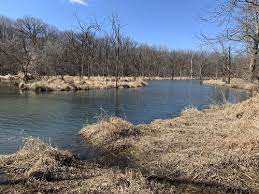
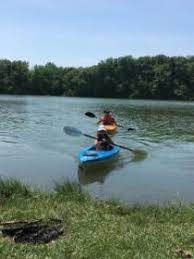
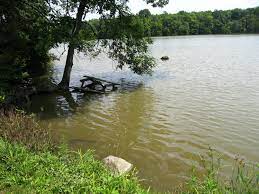
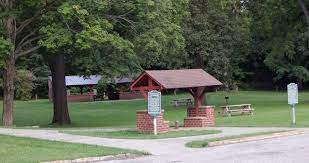
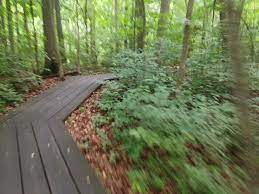
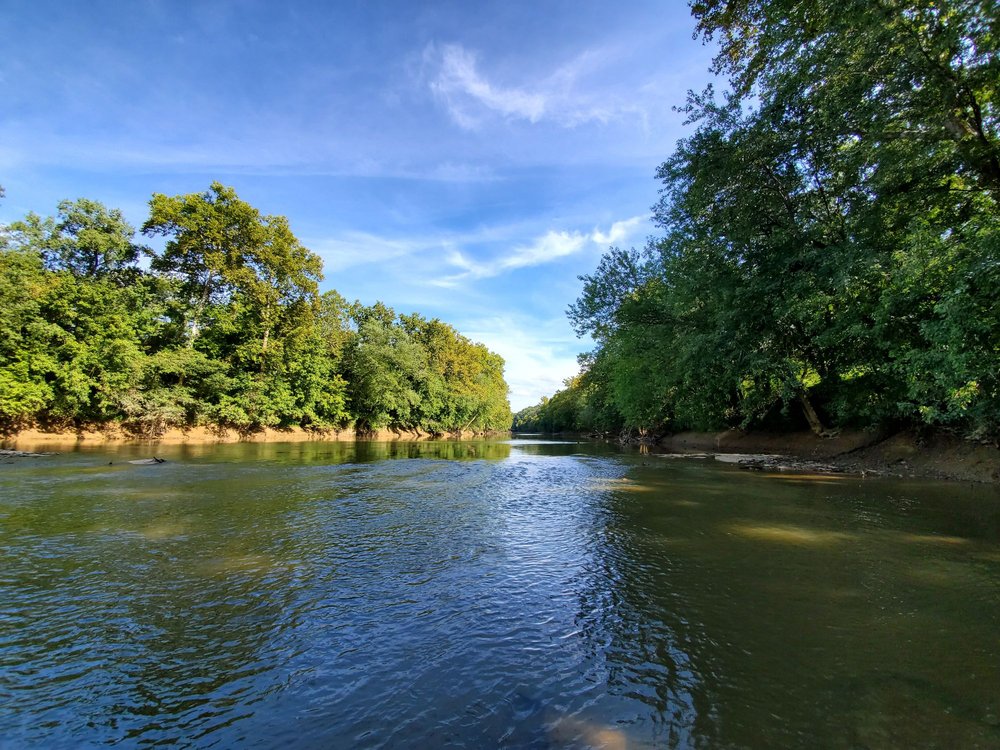
This area is mostly flat or slightly rolling and dominated by agriculture. Small forest preserves closer to Indianapolis. Larger parks in the Whitewater River valley east towards Ohio.
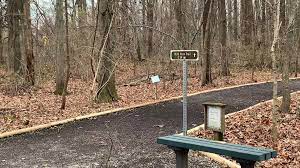
Large FWA adjacent to an active military base. Flat hiking trails.
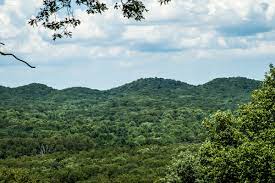
Knobstone Trail is the highlight of Indiana Hiking. Pick a trailhead and enjoy. Check with your doctor to be sure you’re ready for repeated 400 foot climbs and descents.
Nice variety of rail trails, state and county parks, nature preserves, a quarry and an arboretum. This is mostly flat walking. St. Joseph County offers many options.
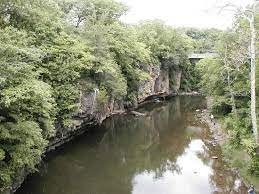
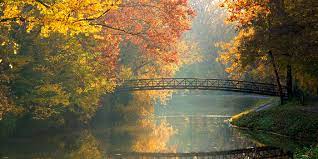
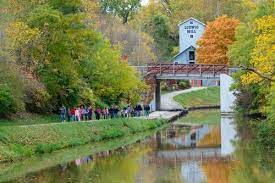
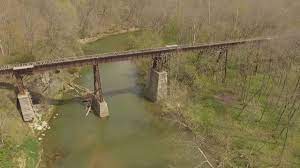
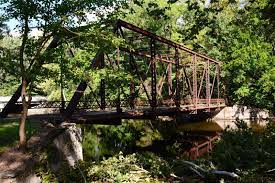
A village, a historic canal, a deep valley and a rail trail provide options in Delphi, along the Wabash. The bridge is under reconstruction, but you can hike up to one end and you can hike beneath it in the valley.
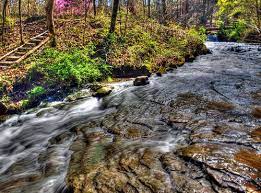
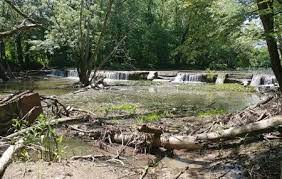
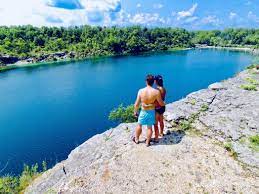
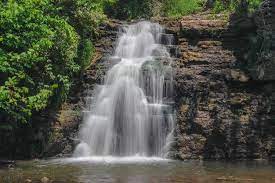
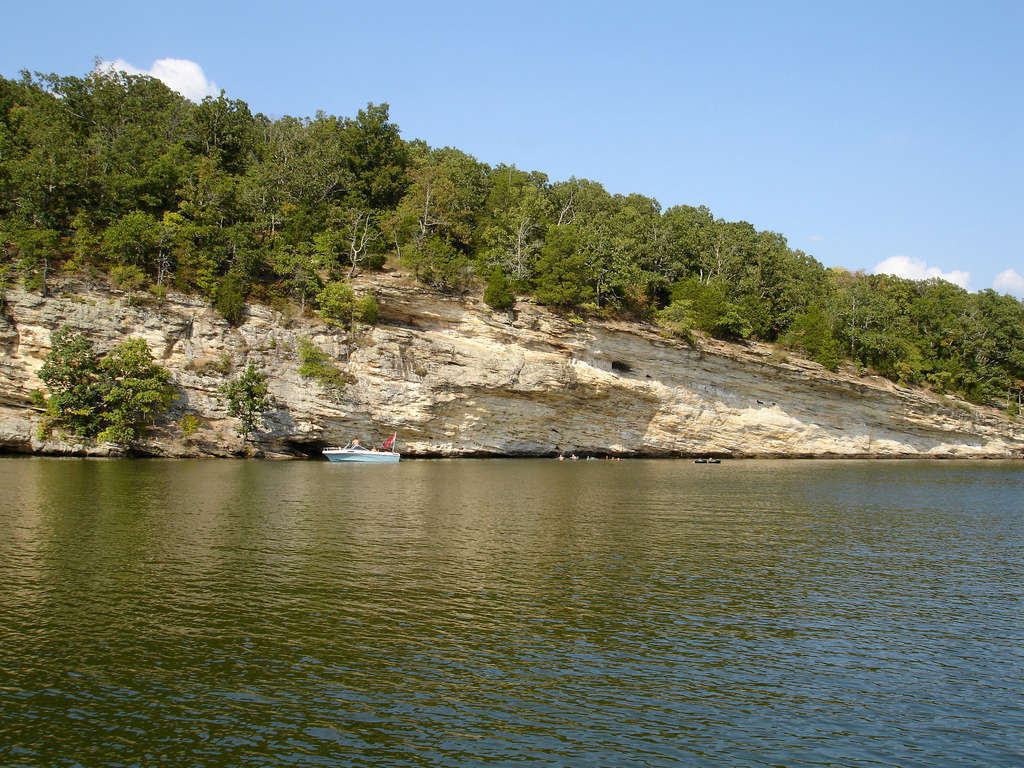
Travelers have come to know and love the outdoor recreational facilities of France Park, with scenic trails, beautiful waterfall, clear swimming lake with picturesque cliffs, quiet fishing areas, and spacious camping facilities.
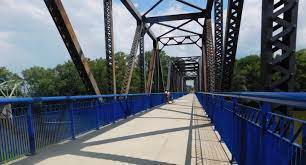
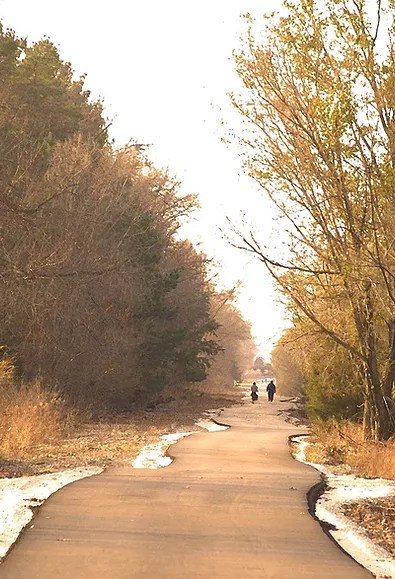
The Nickel Plate Trail runs from Kokomo to Rochester. There are a dozen trailheads along its 40 mile length. Although mostly flat, this is a surprisingly scenic trail where it crosses 3 major rivers and approaches Lake Manitou south of Rochester.
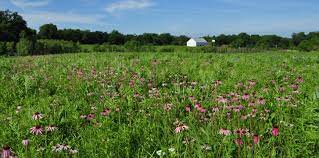
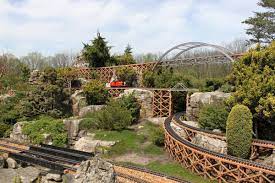
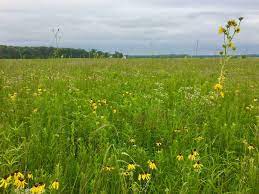
The prairie and stream trails are enjoyable. The Gabis arboretum resources and gardens are nice. But the highlight is the outdoor model train and landscaping.
Potato Creek is west of South Bend. The trails take advantage of a lake, historical and planted areas. The state is investing in this park for the future.
The Erie Trail is a straight 20 mile rail-trail segment of the American Discovery Trail, starting north of the Tippecanoe River SP and heading WNW to North Judson, IN.
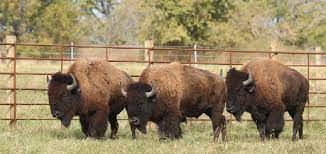
Located out of the way, near the headlands of the Wabash, this state park is more developed than expected, with a dammed lake, pine woods and bison area.
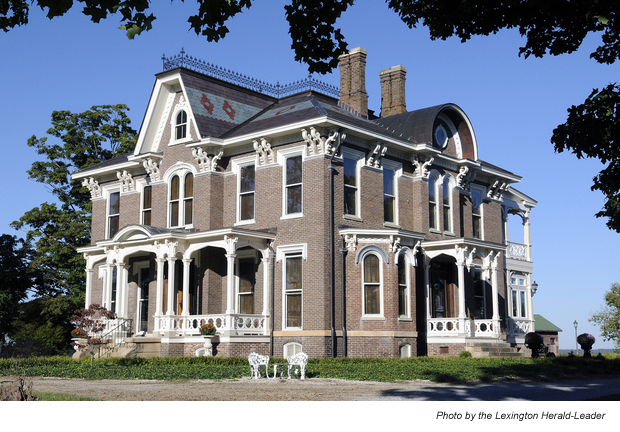
Paris, KY will transform you back in time. The architecture downtown and on the nearby streets is mind boggling for a small town in the middle of nowhere.
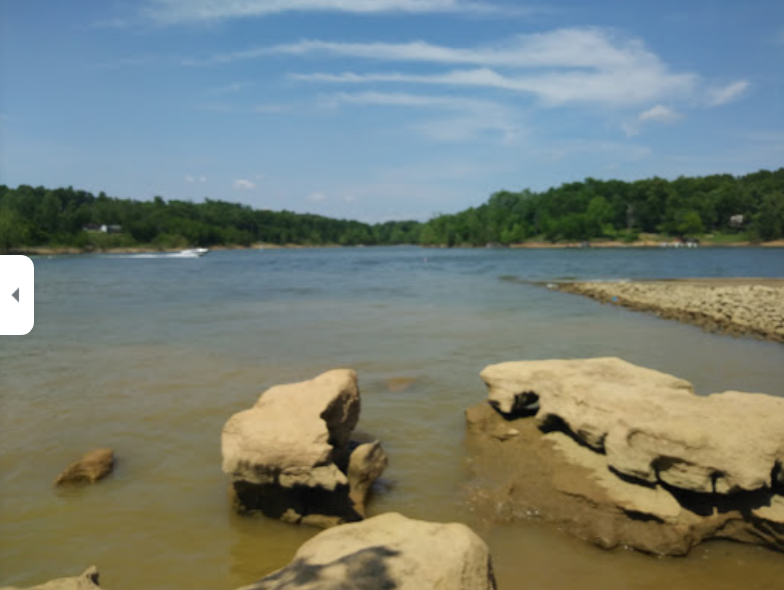
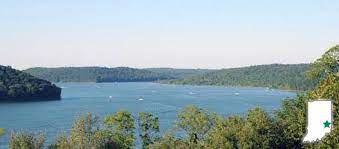
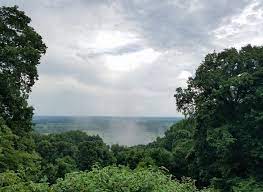
40 miles southeast of Cincinnati, the earth is hilly, up and down, like Tuscany. This lake is nestled in this unique area. The 2 hiking trails are “so so”, but the drive to this location and the lake view are strong.
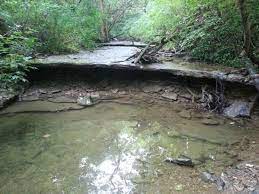
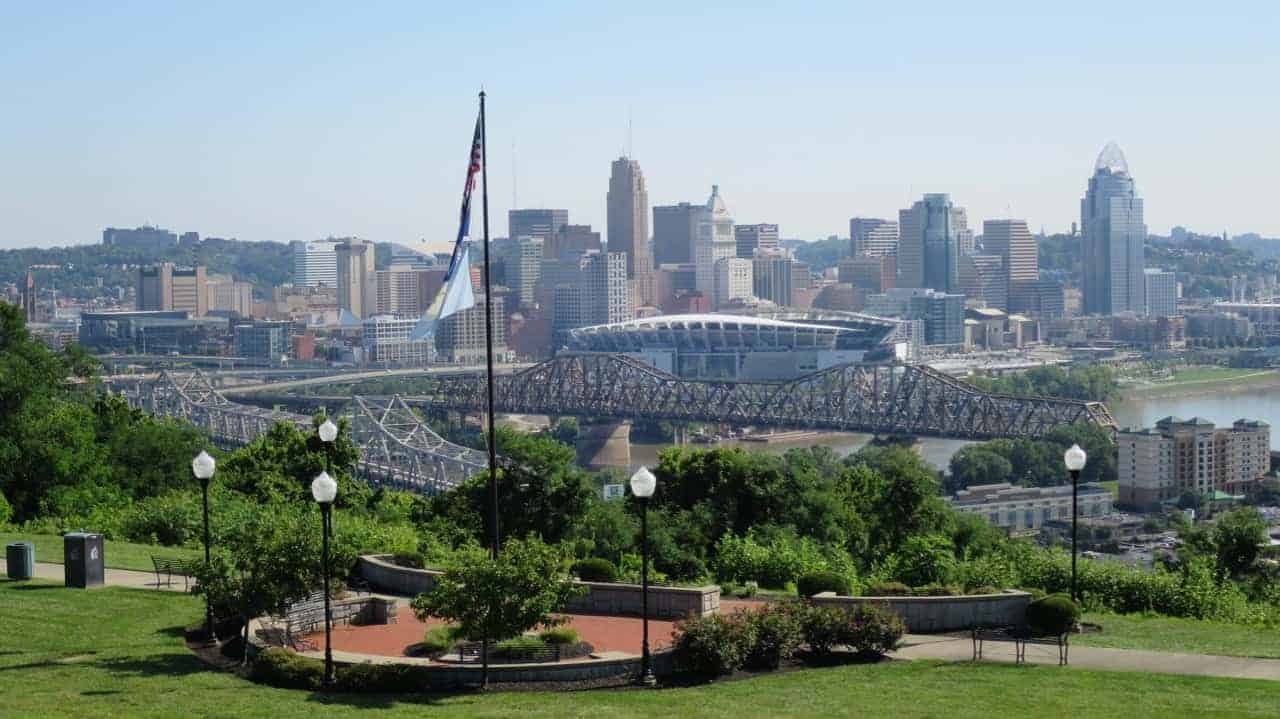
This hike is in the city, just south of Cincinnati high on a hill. It follows a stream. The local cross-country team boasts of their KY championships. It’s easy to see why they win with such a nice trail.
Lexington and the surrounding 30 miles begs for slow car trips and walking. Think James Bond and Goldfinger. The city provides many paved trails. This one to the south, offers gardens, streams and monuments. To the north, the ponies.
The drive to this location up, down and around is amazing. The nature preserve is full of animals and a couple of cedar groves … and an amazing stone fence. Look for it.
State parks contain another 14 million acres. State parks had 807 million visitors in 2017, more than two and one-half times the national parks, despite their smaller areas. In total, that’s 1.1 million annual visits or 3.4 for each of the 330 million U.S. citizens. Between 1984 and 2017 attendance has increased by 30%.
My experience in Indiana, Ohio and Illinois indicates that the total “local” parks acreage is at least twice as great as this indicator. For example, 42 of Ohio’s 88 counties have a parks district.
There are an additional 56 million acres in voluntary land trust conservation areas. While these areas often have limited access and improvements, they served another 6 million visitors in 2015.
The total federal, state, local and private “parks” areas equals 161 million acres, nearly 7% of the total U.S. land area.
Federally managed forests contain 238 million acres and state forests contain 83 million acres. Most of these lands provide significant access for hiking, hunting and riding. At 321 million acres, they represent 13% of the total U.S. land area.