Civility Playlists – 300 Songs

R-E-S-P-E-C-T (33)

https://www.gigwise.com/best-songs-about-respect/

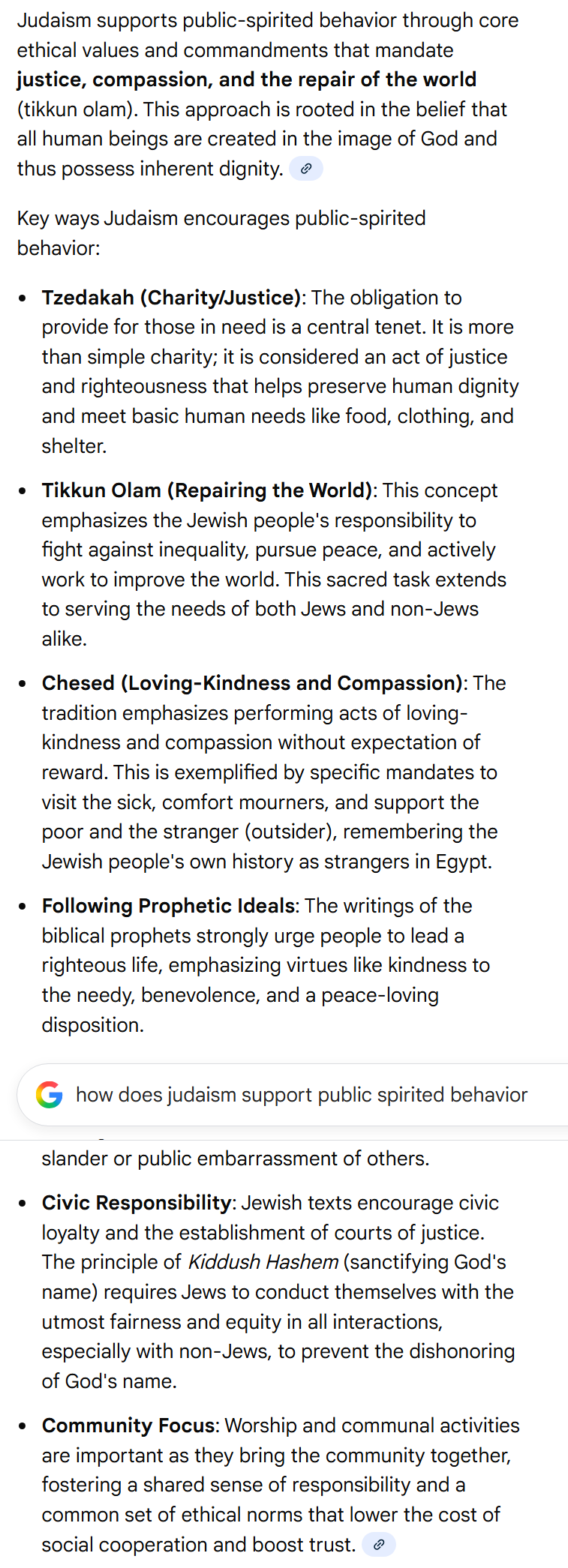
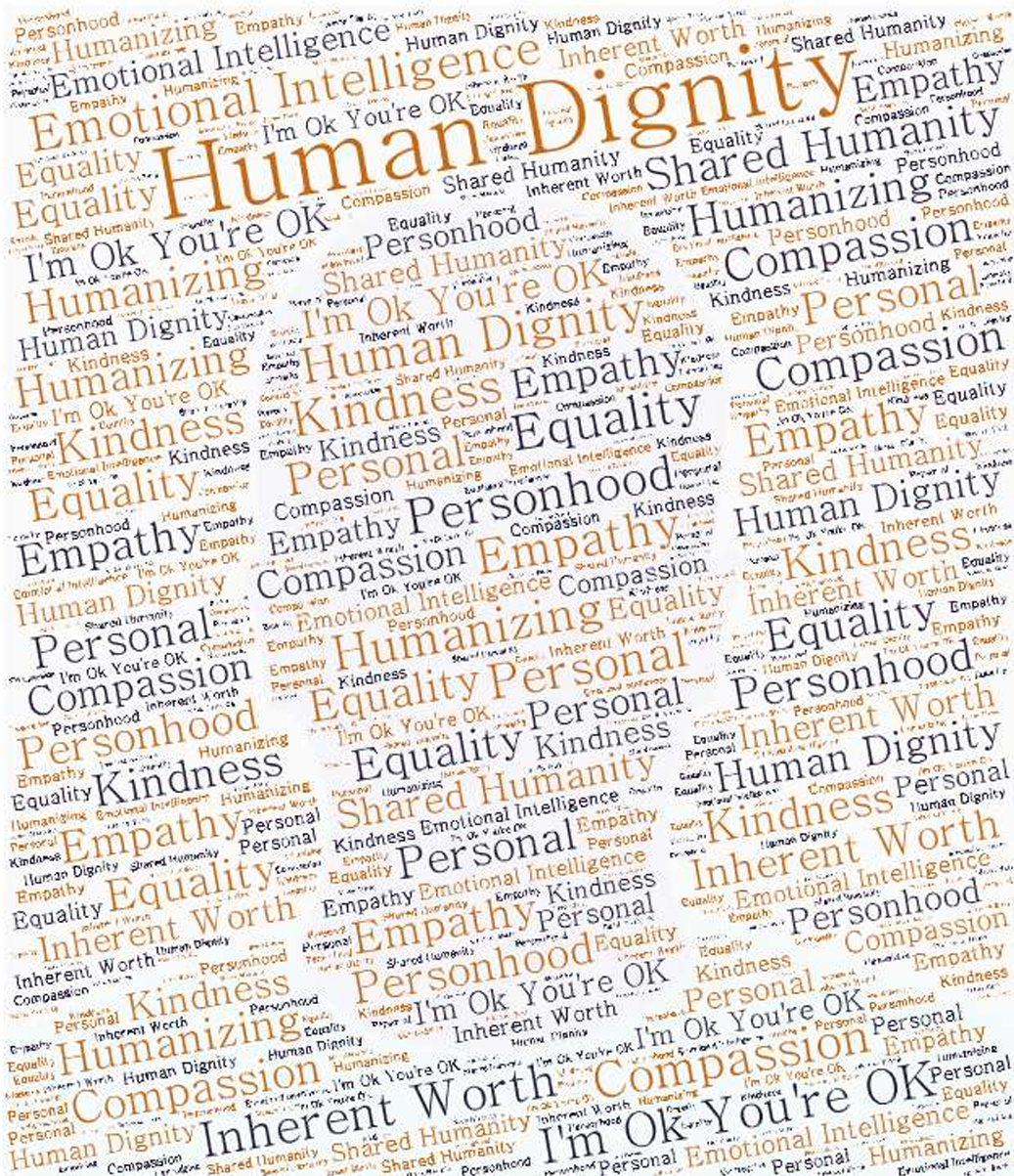
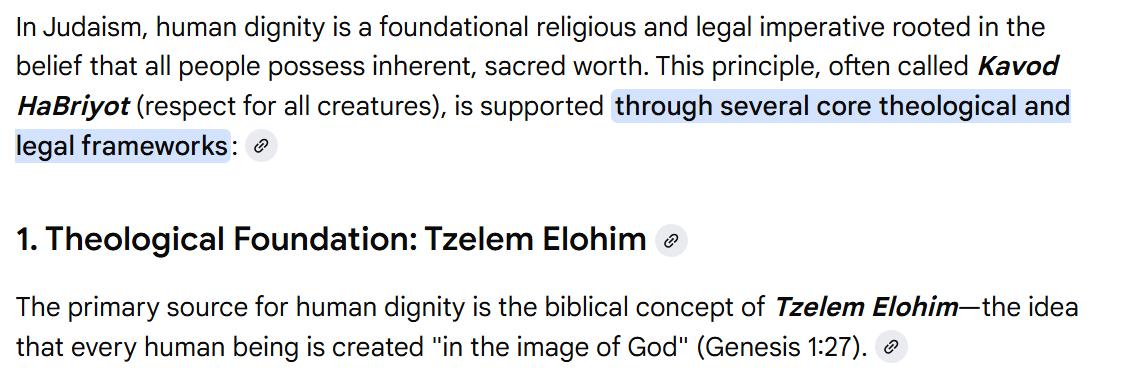
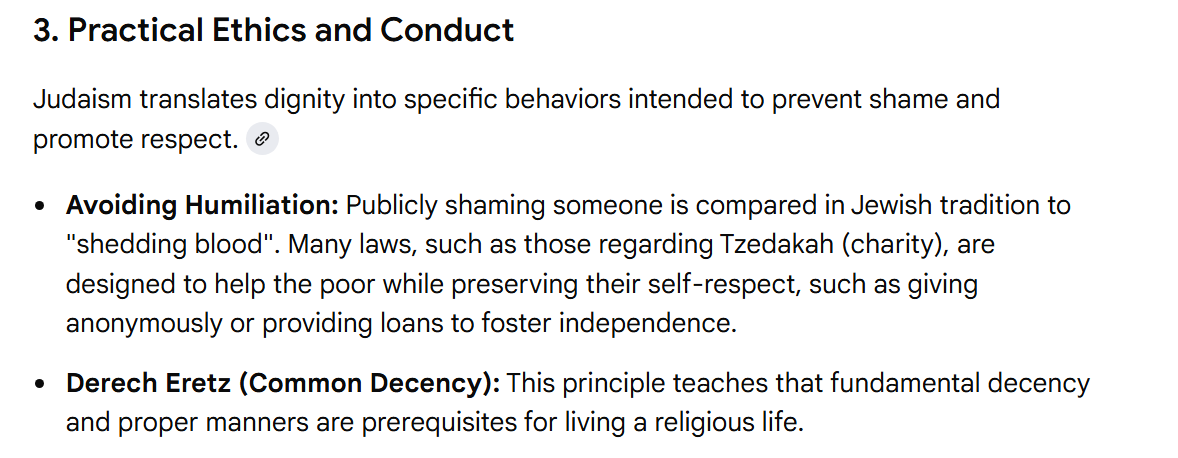
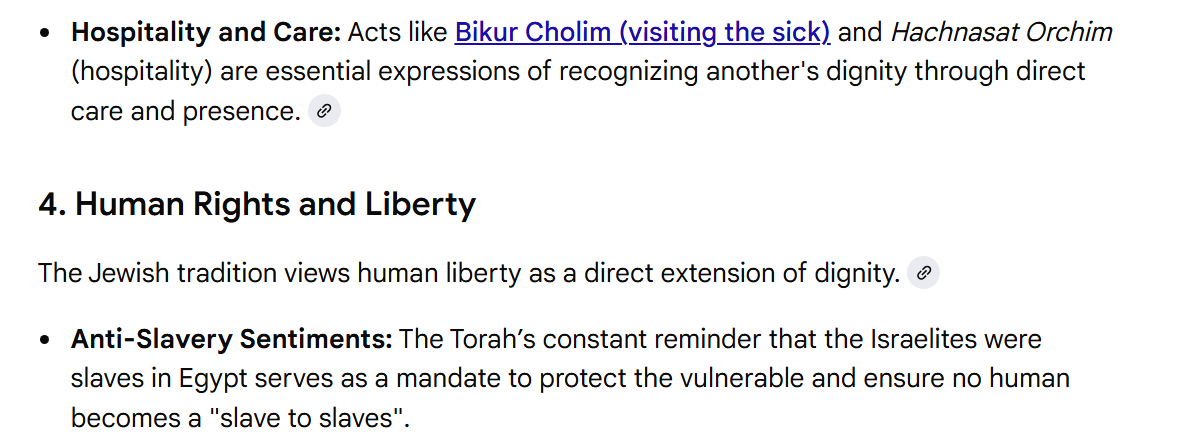
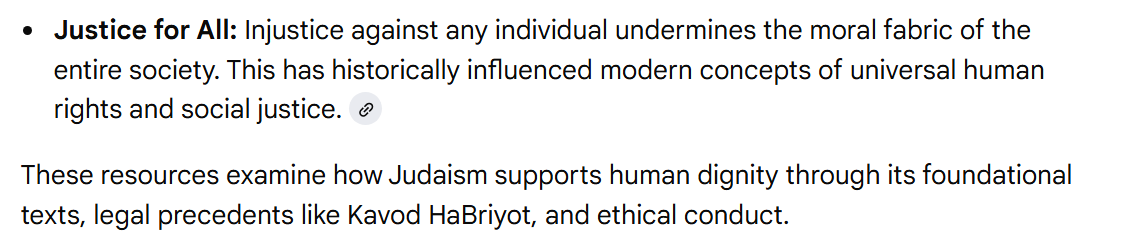
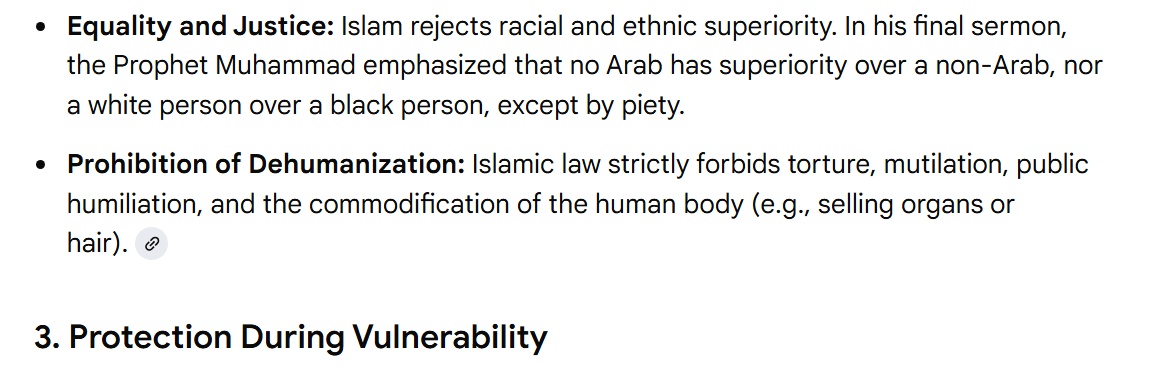
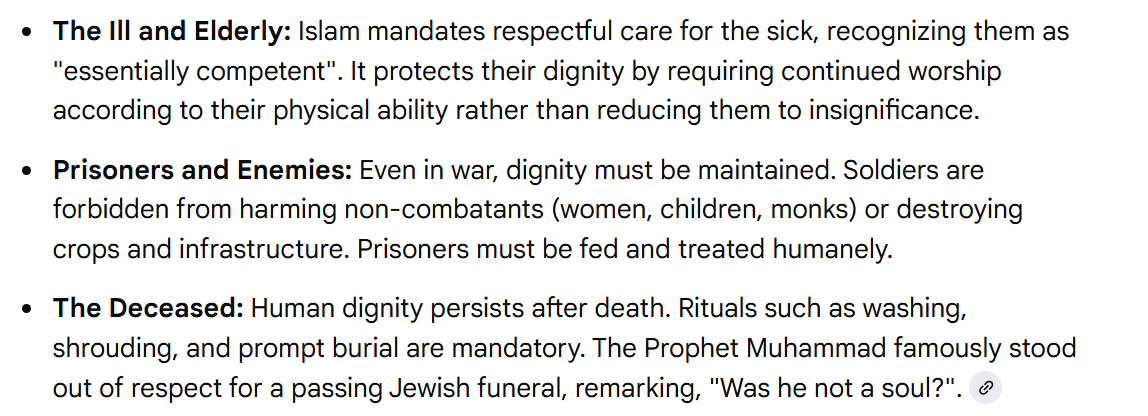
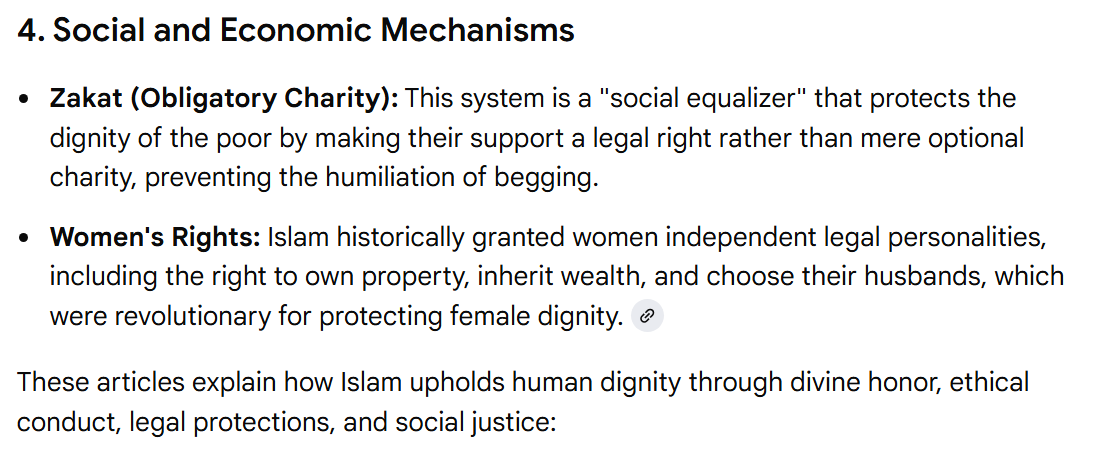
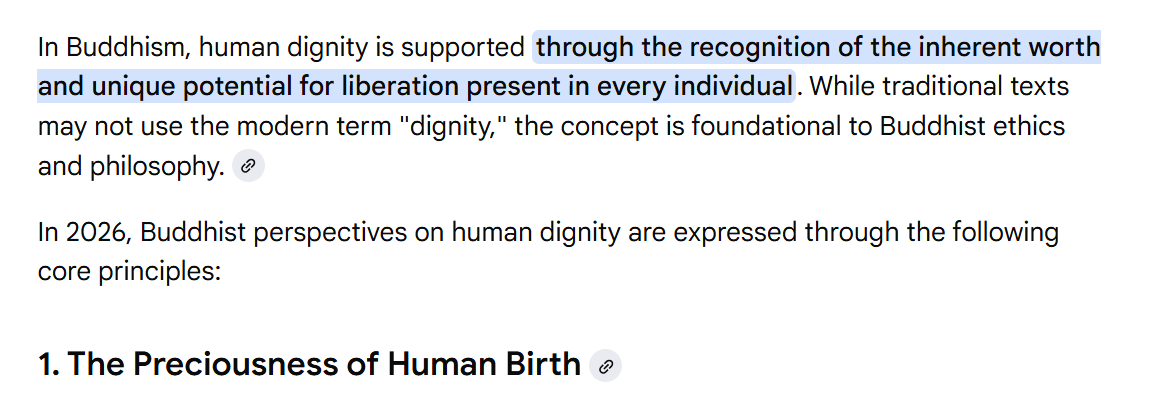
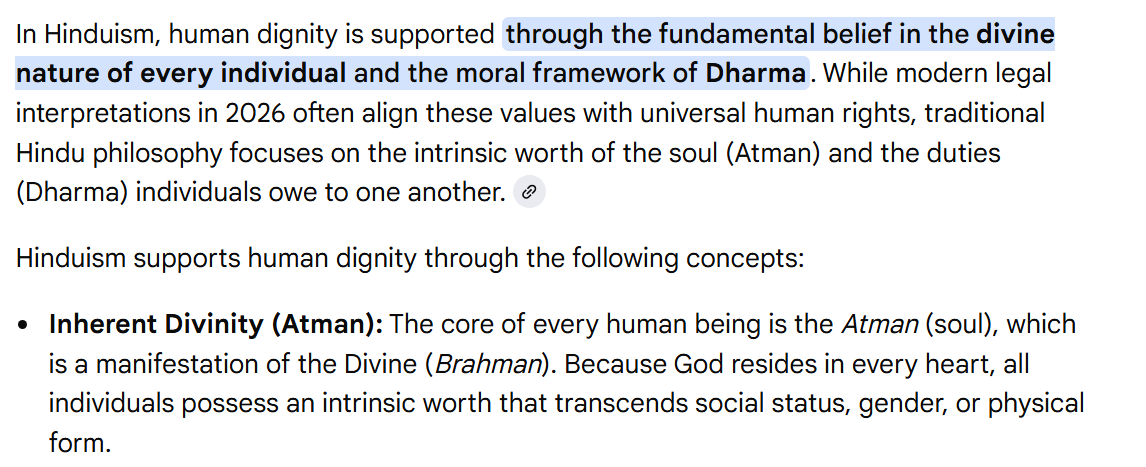
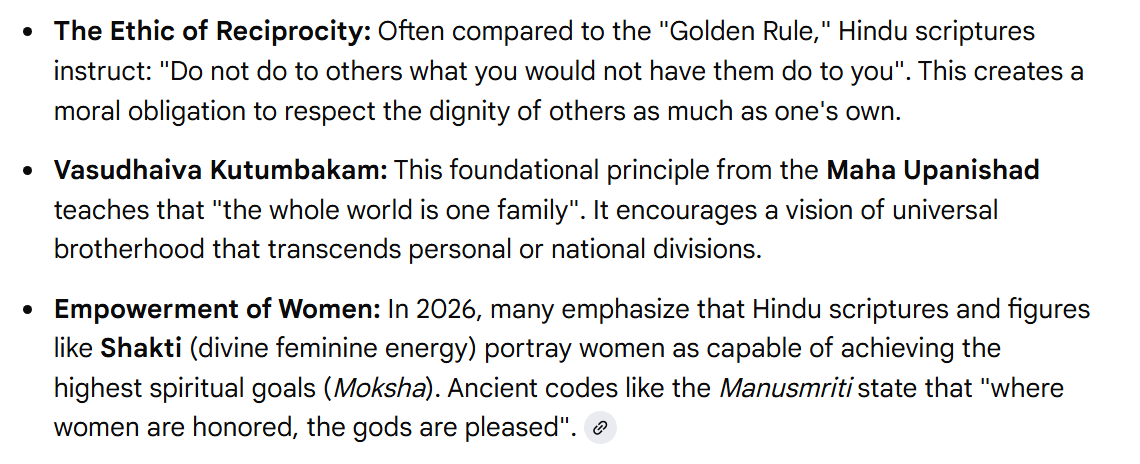
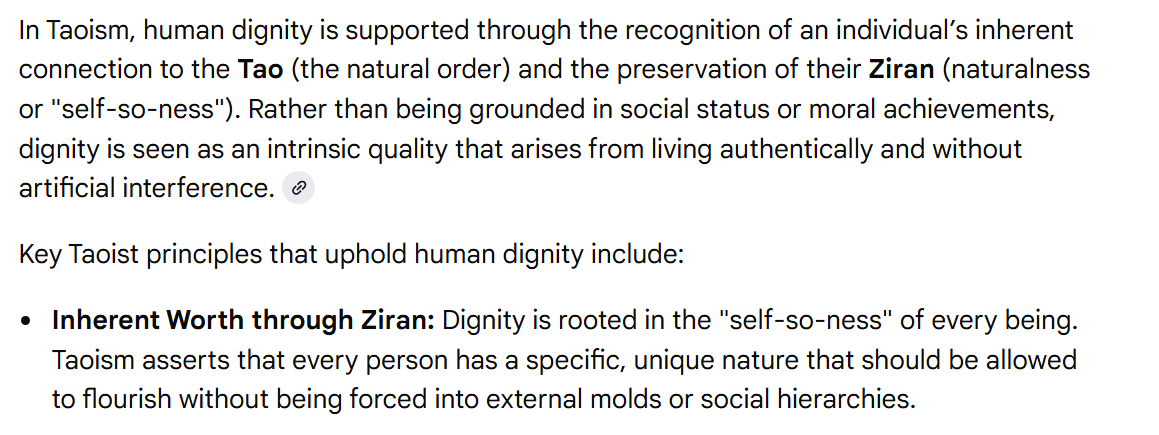
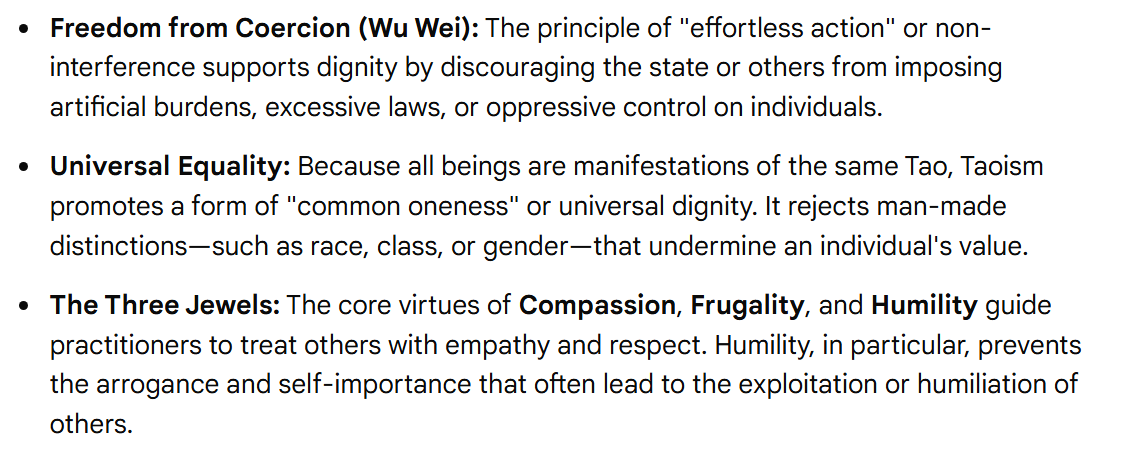
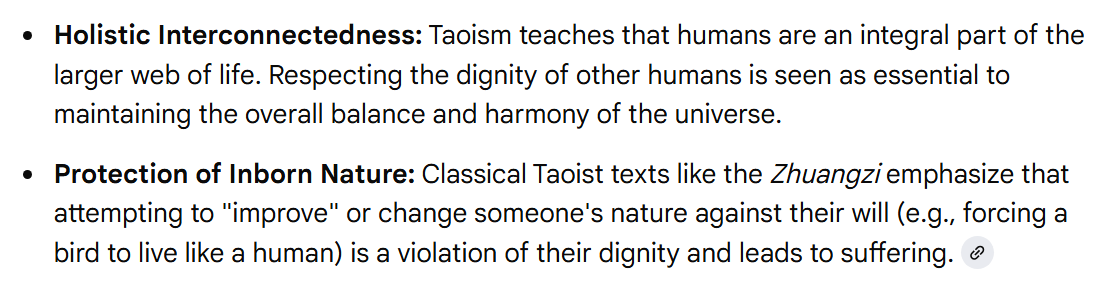
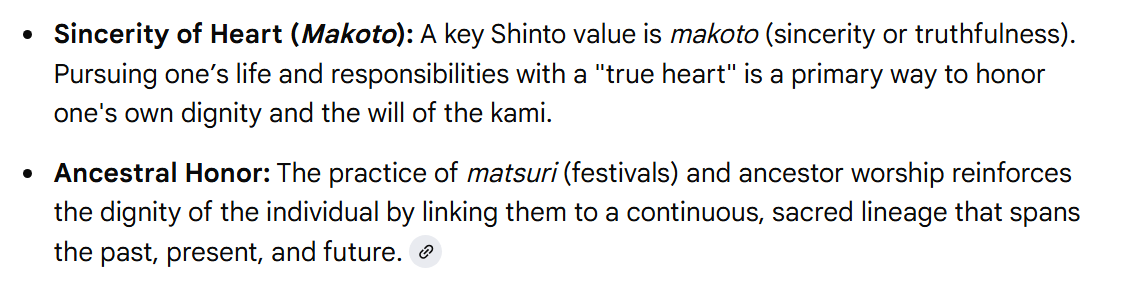
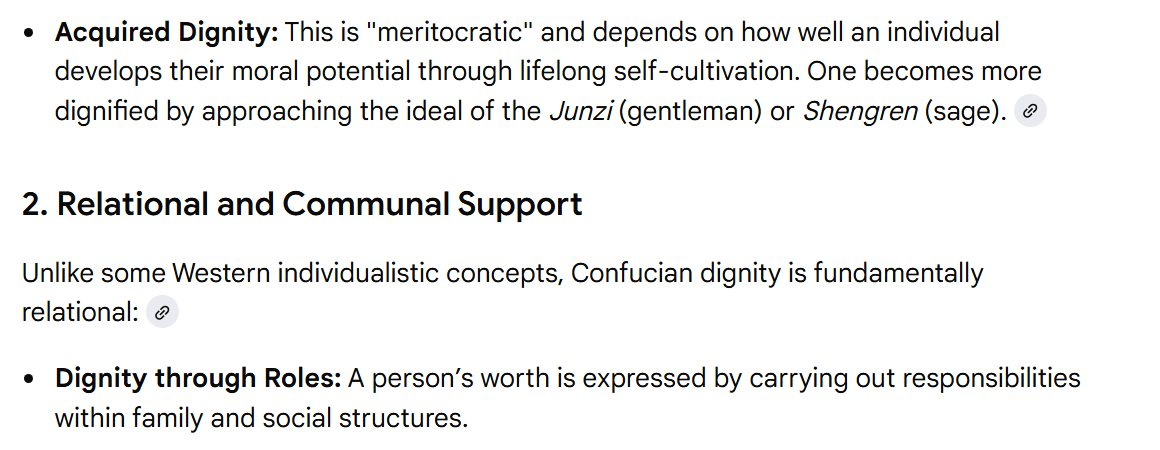
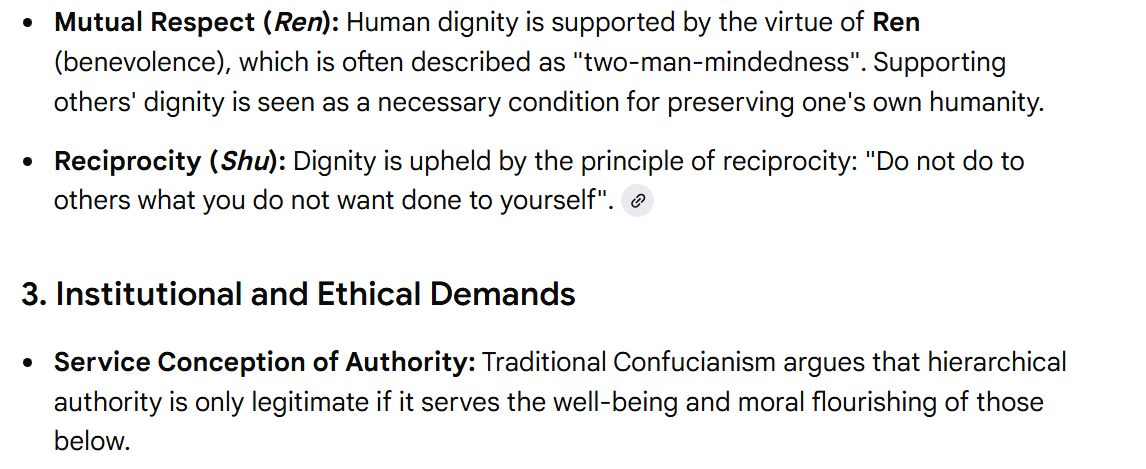
Human Dignity (50)

https://discover.hubpages.com/entertainment/songs-about-dignity

Accept Others (25)

https://www.developgoodhabits.com/songs-acceptance/

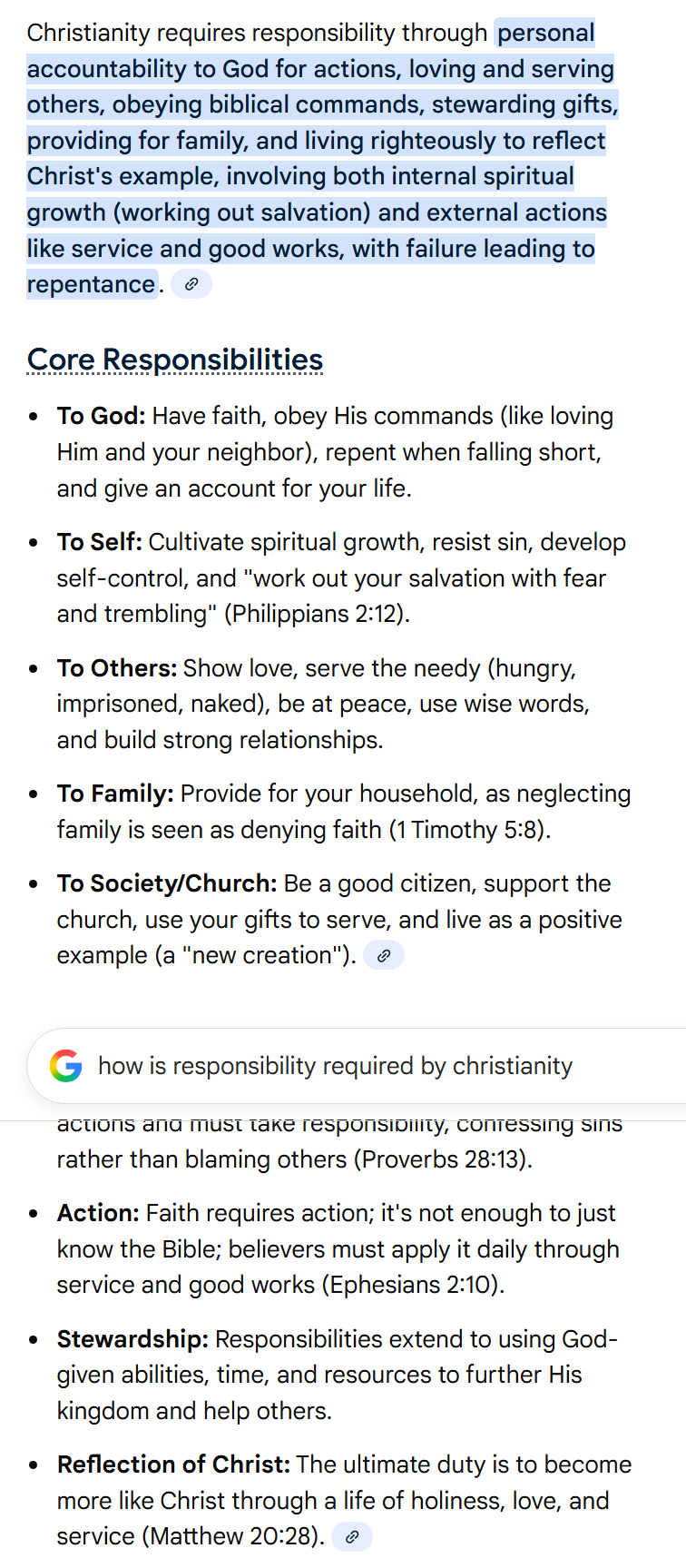
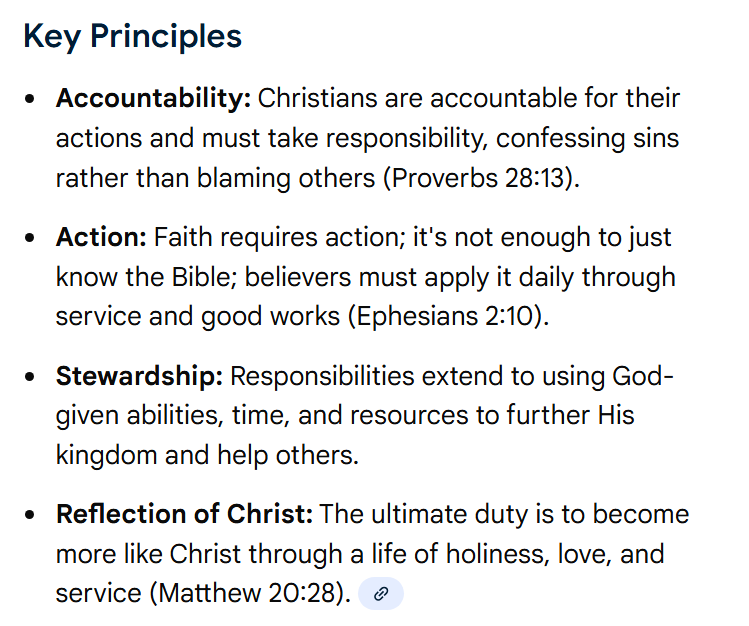
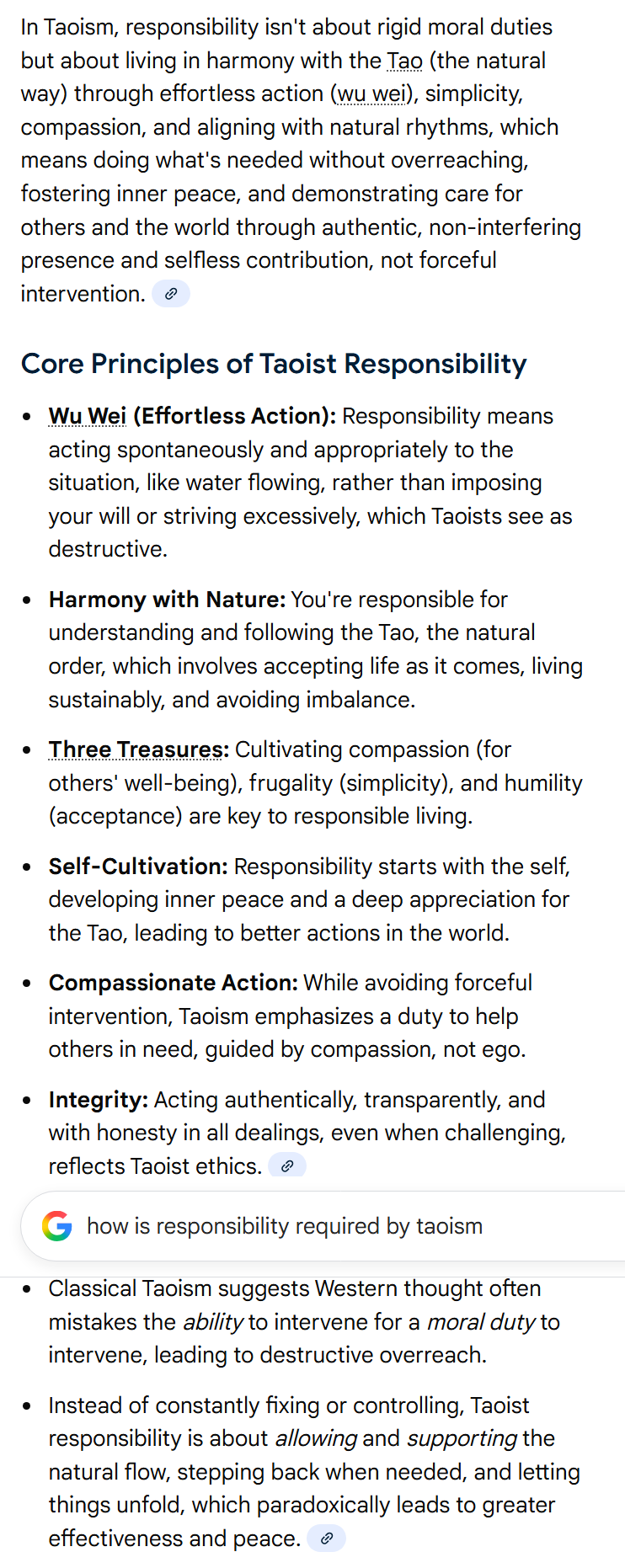
Be Responsible (50)

https://discover.hubpages.com/entertainment/songs-about-duty-and-responsibility

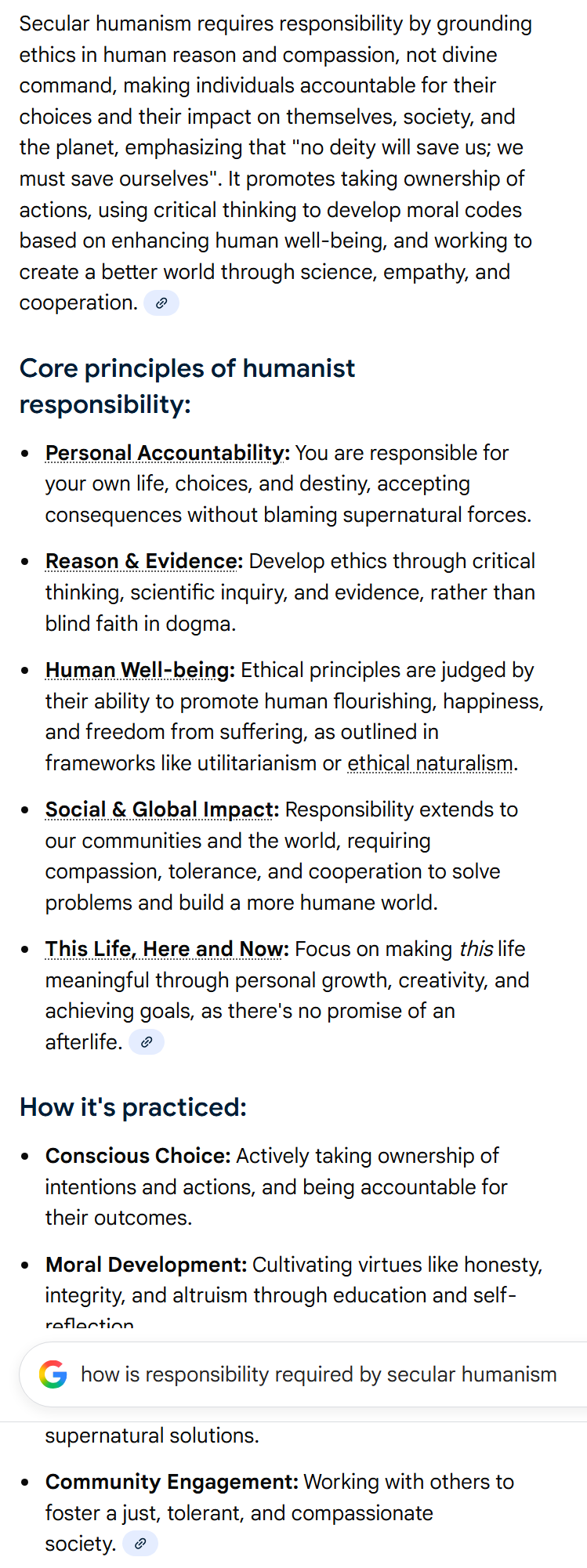
Belong to a Community (21)

https://www.developgoodhabits.com/songs-community/

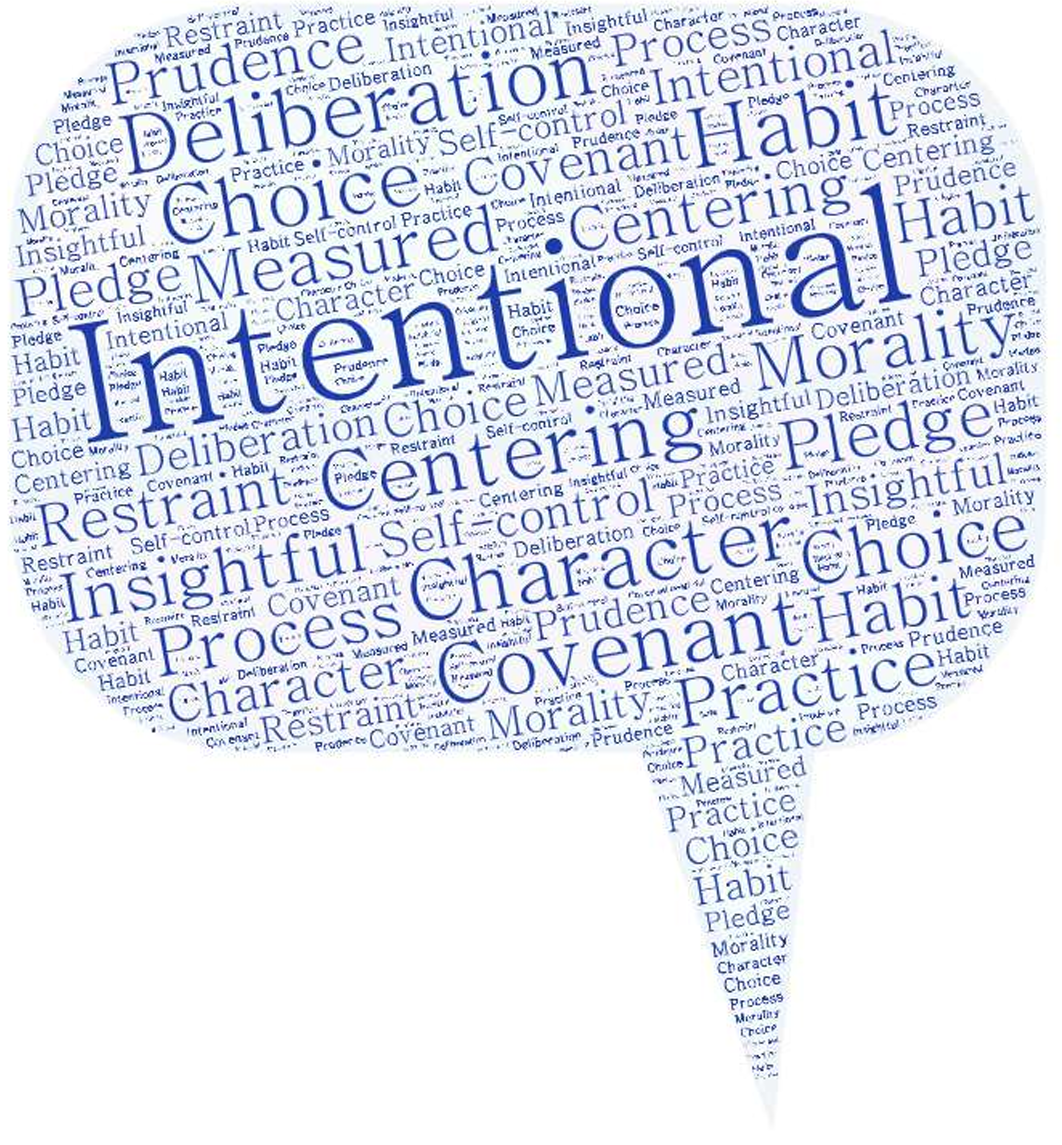
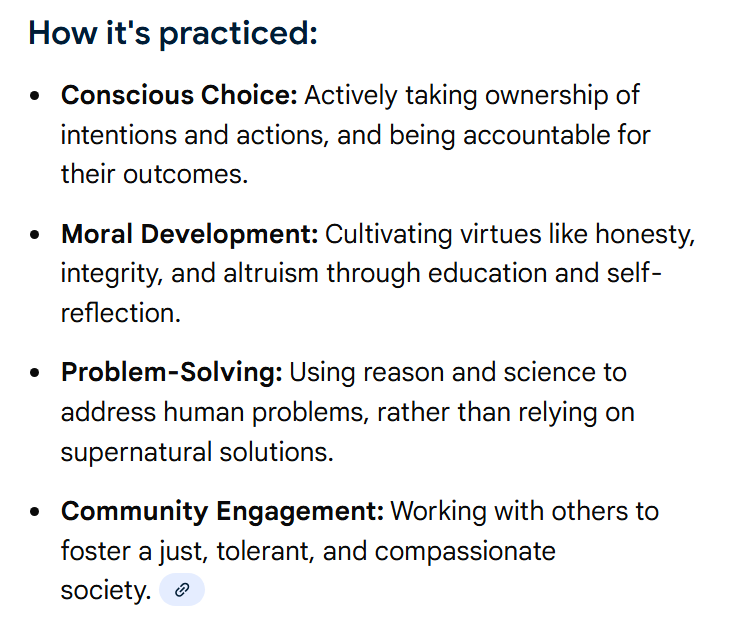
Intentionally Make Choices (75)

https://discover.hubpages.com/entertainment/Songs-About-Choices

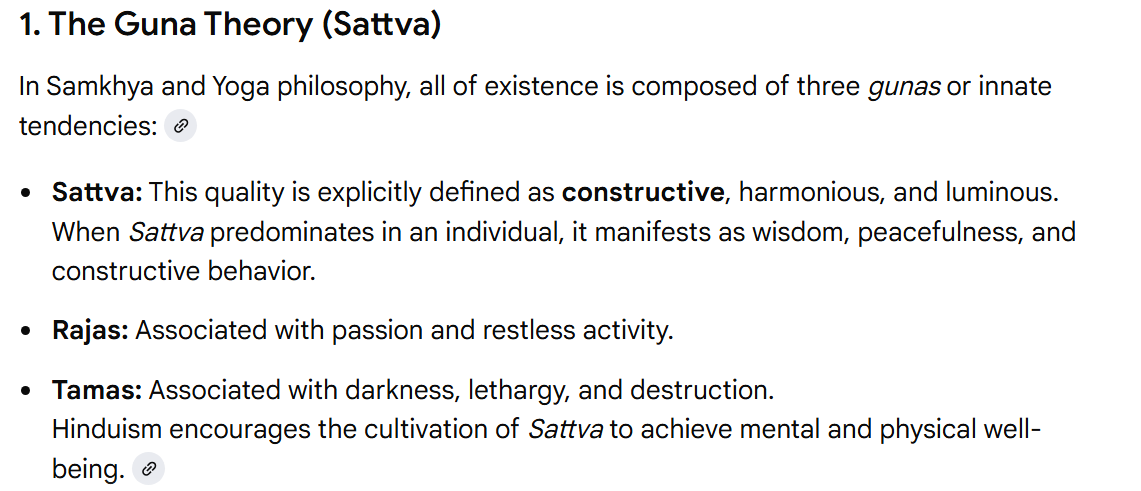
Be Happy/Constructive (43)

https://www.happierhuman.com/songs-happiness-mf2/

Summary

Modern artists flock to civility themes. They and we know that this is the right/only way to live a good/great life.

Civility is Nonpartisan

Our preferred definition of Civility is “a common values-based problem-solving process to make group decisions when individuals have differences”. A review of 5 dimensions indicates that Civility has no bias towards or against the left or the right.

Philosophically

Conservatism “conserves” history, culture, religion, norms, land, assets, classes, privileges, religion, power and institutions. It opposes risk-taking, conflict, rapid change and revolution. Civility is rooted in human dignity and concern for the “public good”.

Liberalism elevates the individual, rationality, progress, liberty, science and rights. It opposes unjustified power, wealth and cultural claims on the individual. Liberal political systems seek to balance individual rights with the “public good”.

Technically

Civility based problem-solving and relationship management emphasize the use of modern business, education and counseling techniques such as active listening, dialogue, objective evidence, separation of facts and values, common interests, devil’s advocate, process review, independent facilitators, strategic planning, values clarification, I/you statements, cognitive behavioral therapy, crucial conversations, shared accountability, win/win options, disclosed preferences, long-term perspective, walk-away option, rational incentives, aligned incentives, multiple rounds of negotiation, I’m OK/You’re OK, brainstorming, multiple intelligences, 6 thinking hats, supplier partnerships, shared administrative services, outsourced services, specific corporate culture, mission, vision and values. Corporate, not-for-profit, educational, counselling, government, religious and privately owned organizations have adopted these social science techniques because they are effective tools for translating resources into outputs in support of goals.

Different organizations emphasize different tools that best match their values, history and objectives. There is no clear left versus right emphasis. Solid tools help organizations manage their planning, workforce, resources, suppliers, customers and beneficiaries.

Values

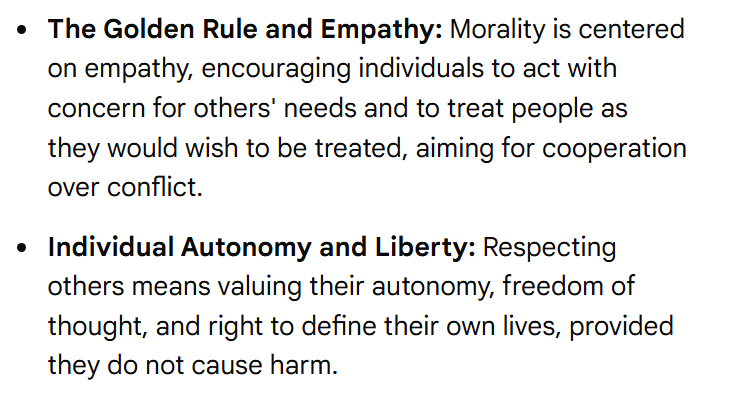
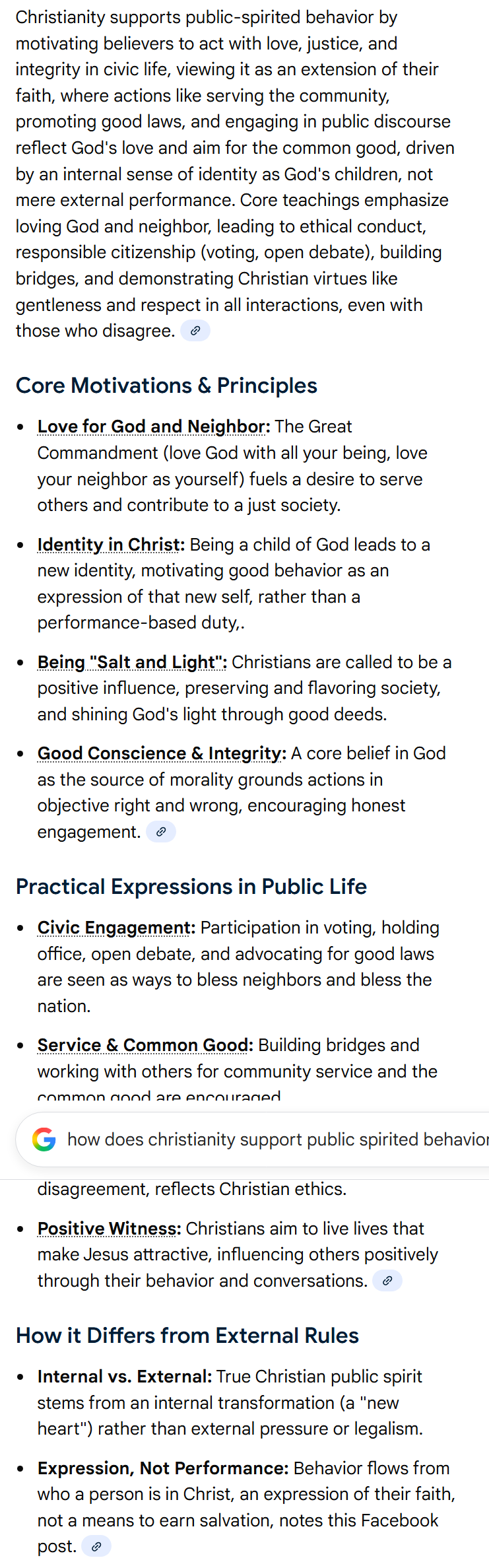
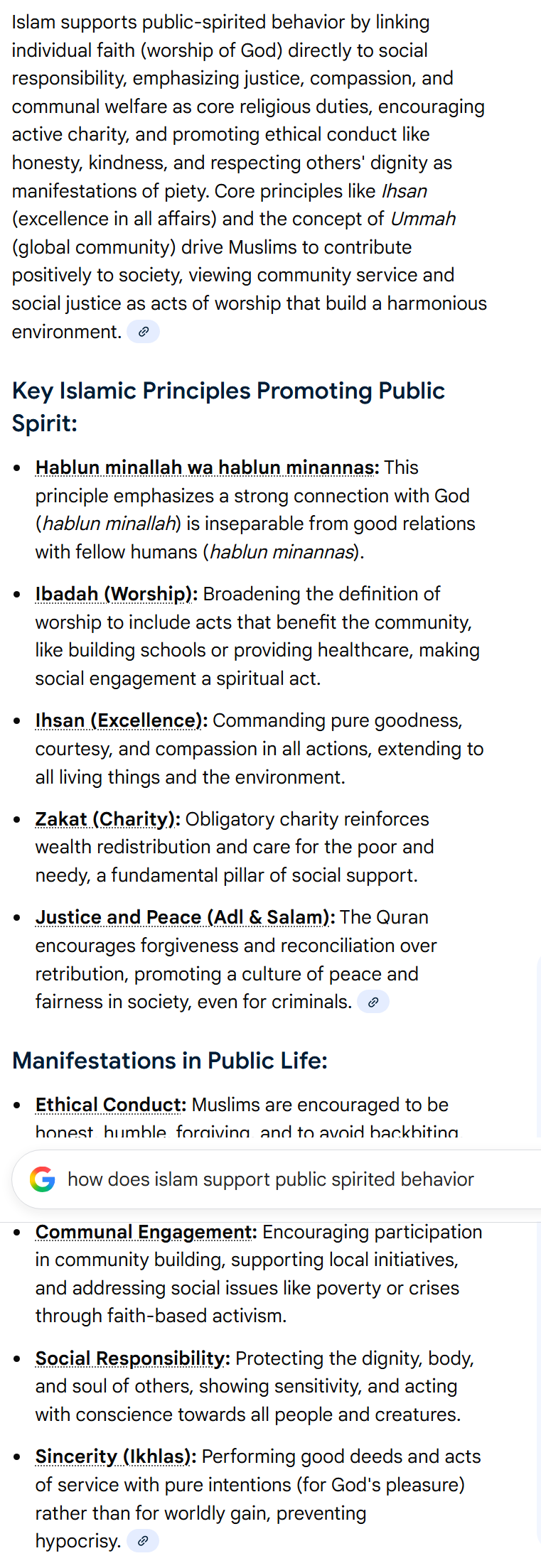
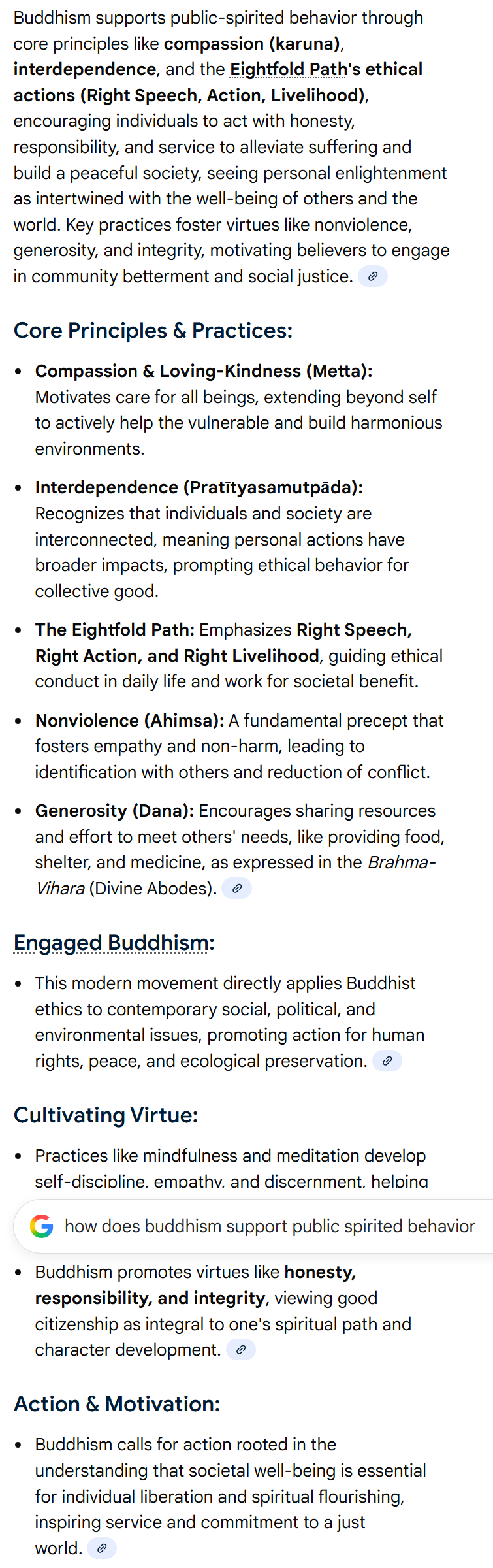
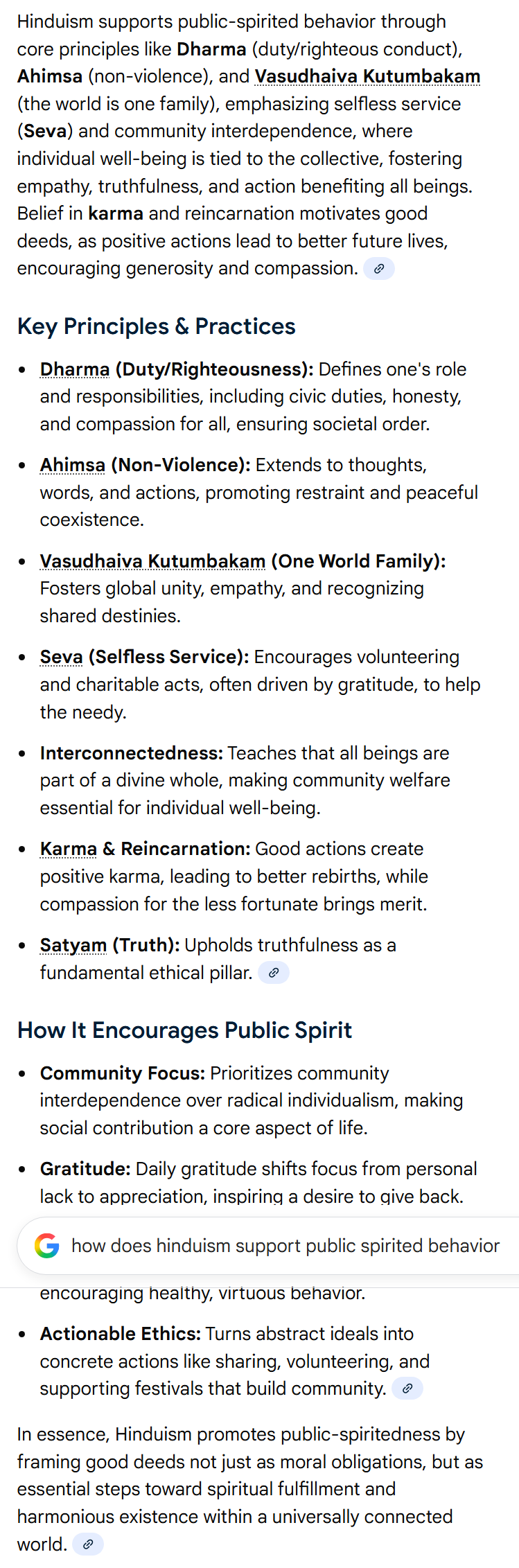
  1. Respecting each other and our views. Respect for position and roles is a core conservative principle. Respect for individual freedom and agency has been a core conservative principle since the American Revolution. Liberals emphasize human rights, caring and fairness. Respect for each individual is central.
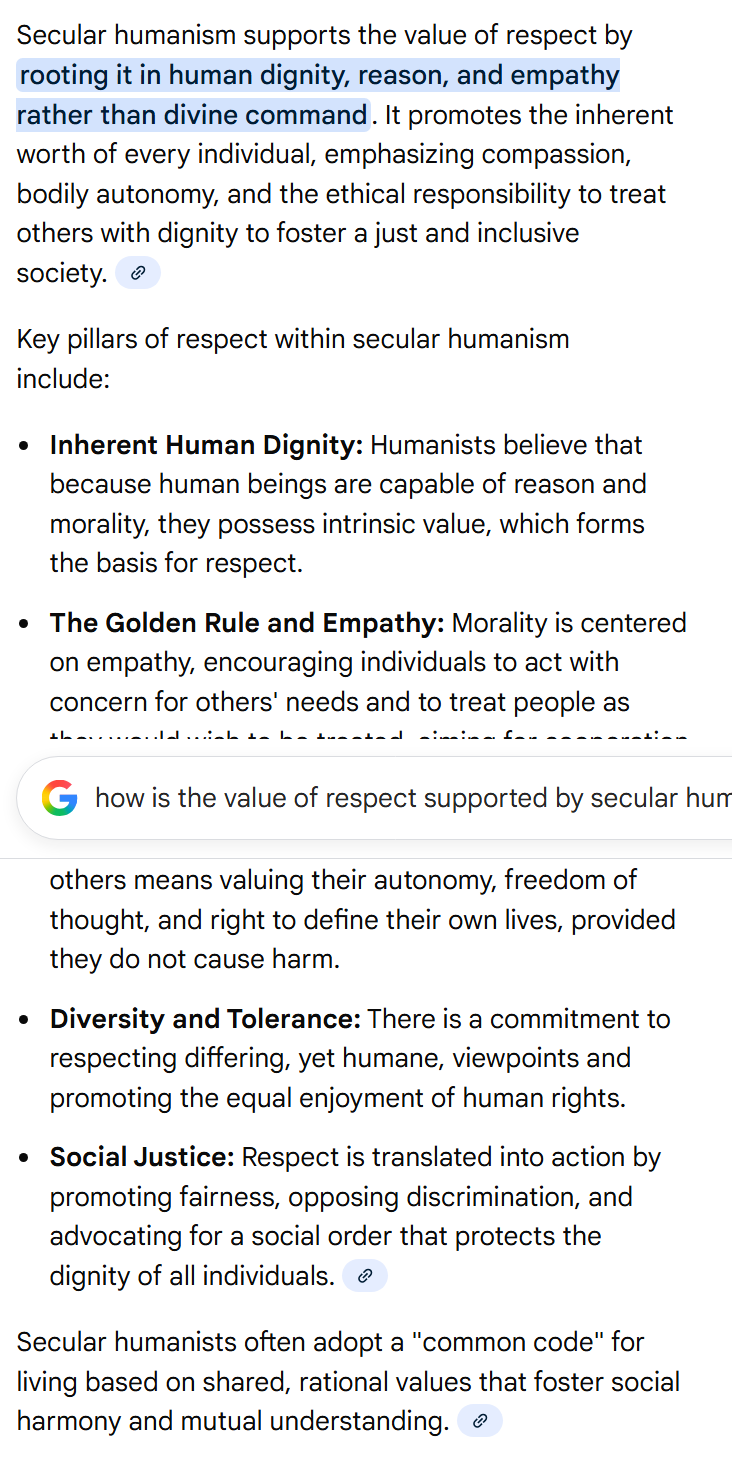
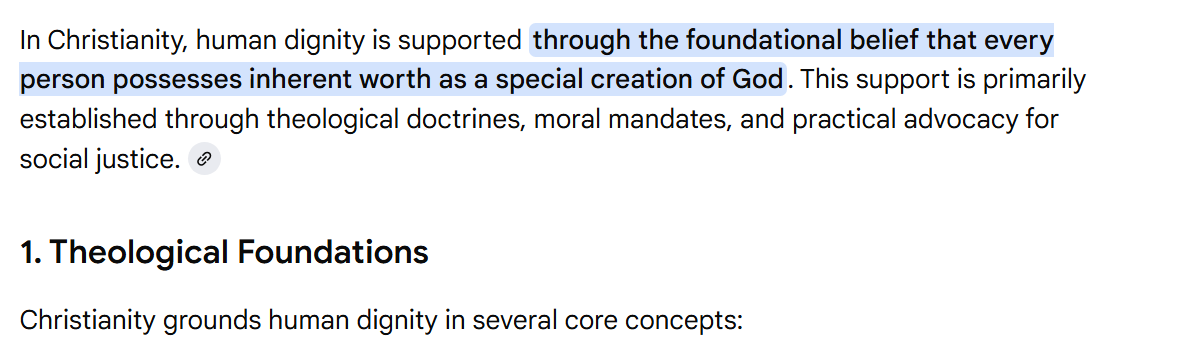
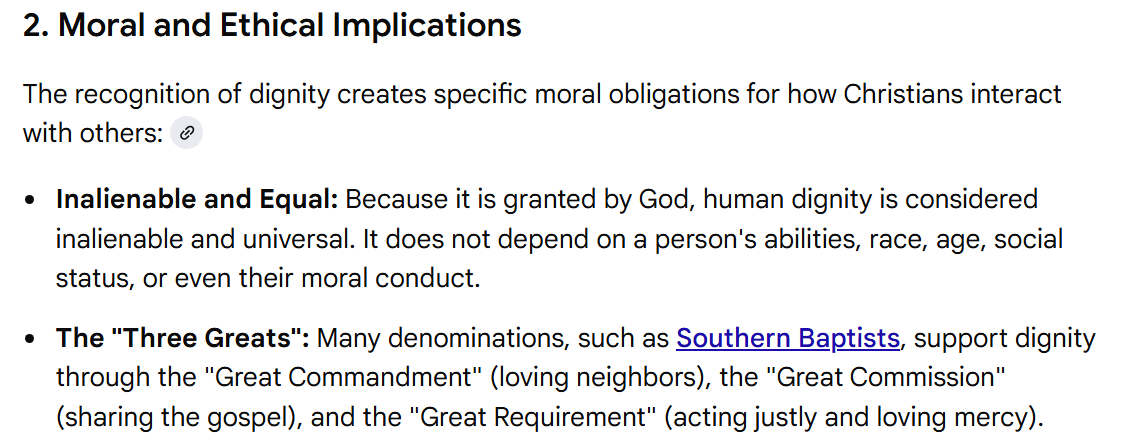
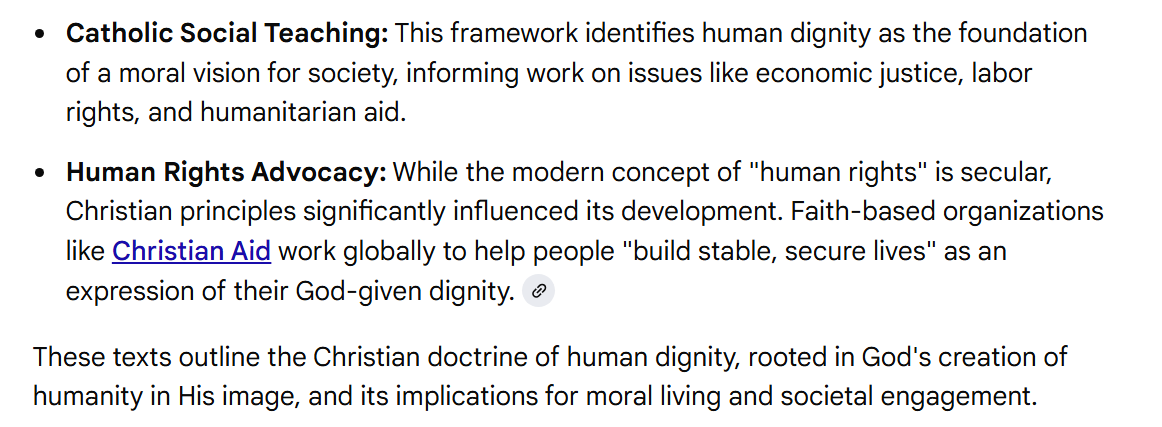
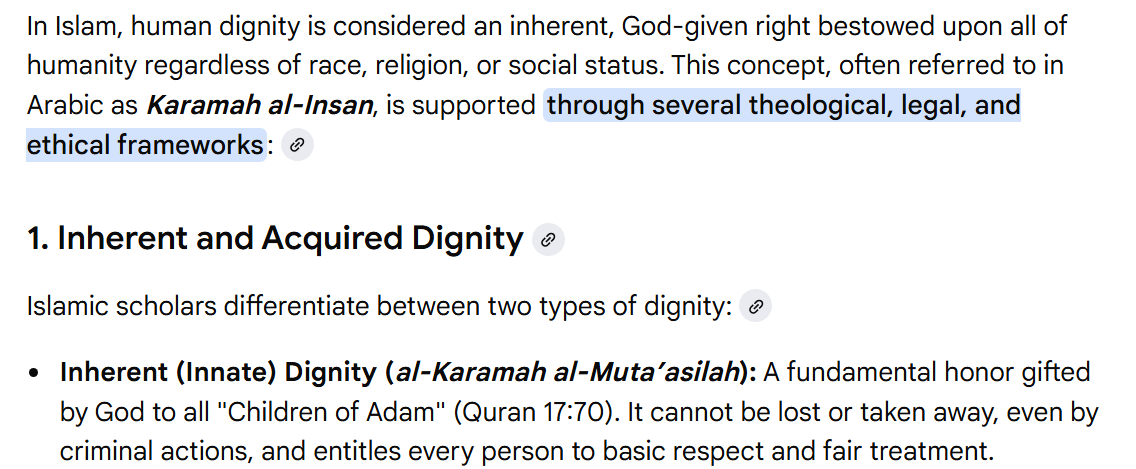
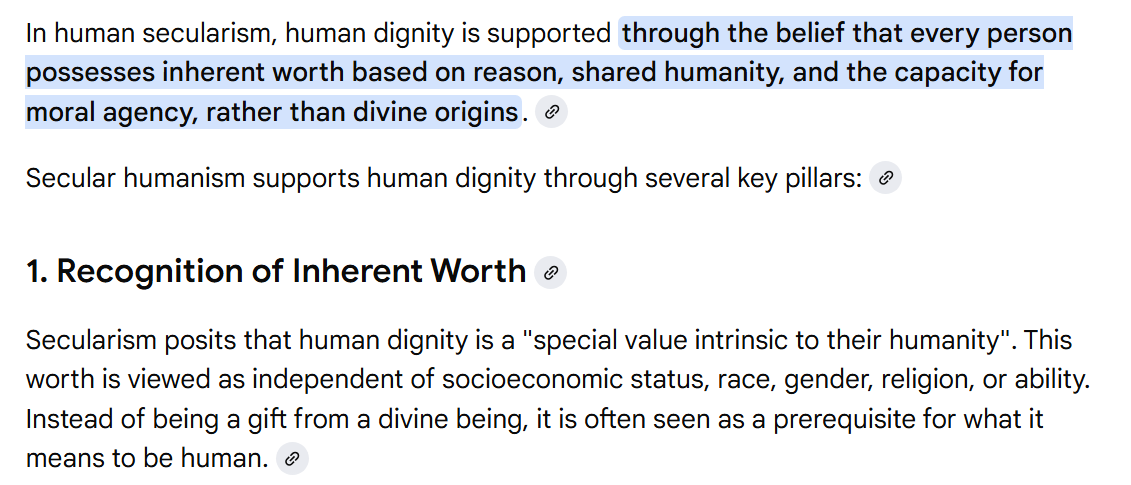
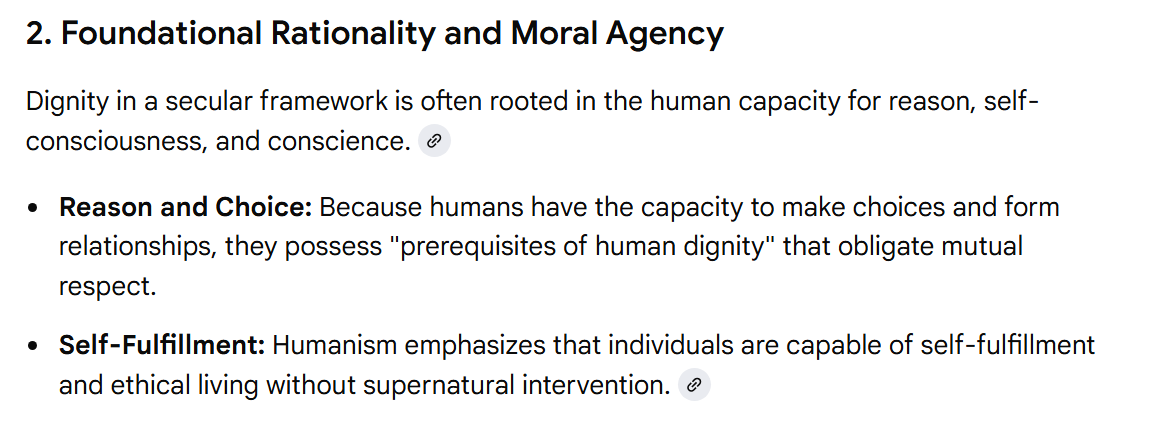
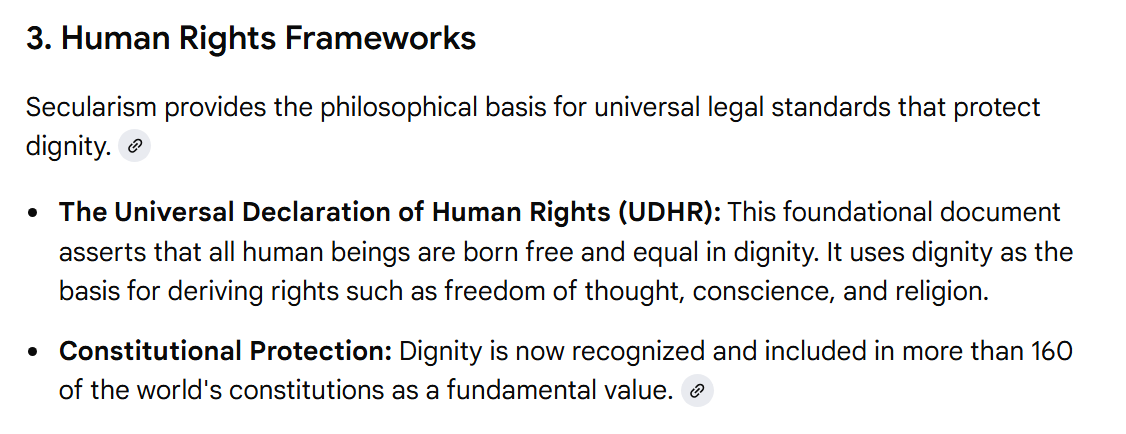
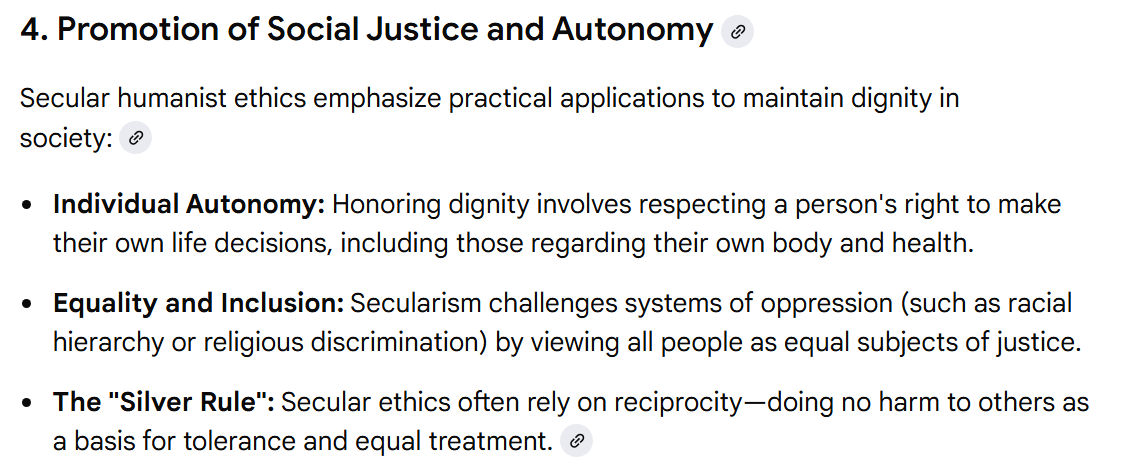
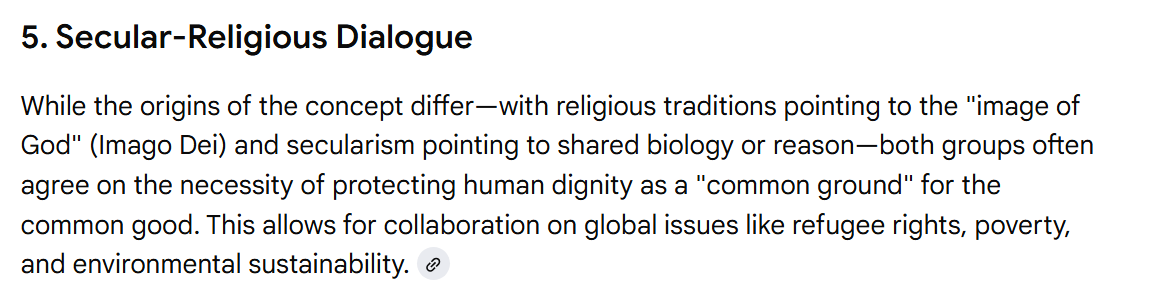
  2. Human dignity. Christian theology emphasizes the value of each person created by God in his image and called by name. Secular humanist philosophy takes a similarly very high view of the importance of each individual.
  3. Being open to understanding differences. Liberals have emphasized human rights, equality, care, progress and “others”. Religious conservatives embrace the Judeo-Christian call to protect the poor, the widow, the orphan and the alien. Most Americans support the American political system that limits centralized power and protects minority rights. Many conservatives recognize the diversity of religious denominations. Most Americans have learned to accept the legal and social rights of different groups, including many that were not accepted before. We have arguments about DEI today because it can be used as a political tool by the far left, even though large corporations have effectively used the nonpartisan core of DEI to be more effective firms for 25 years.
  4. Each individual’s choices matter. Liberals and conservatives in individualist America agree.
  5. We’re responsible for our choices and interactions. Conservatives emphasize responsibility, including responsibility to social groups and the state. Liberals focus on the individual, per se, and highlight their responsibility to society as essential for the public good determined by the political process.
  6. We consider the public good in our choices. Liberals tend to take the broader perspective today, sometimes to a fault. Classical conservatives naturally focus on the overall public good as the end goal of society, perhaps emphasizing the existing interests. As representatives of the wealthier and more powerful groups, conservatives look to the overall health of society, politics and the economy as vital.
  7. We share responsibility for our choices. Conservatives naturally see an organic society, based on tradition, norms, institutions and trust. Although elites influence decisions, true support from all of society is essential. All sectors must support the legitimacy of big choices. Liberals promote shared power as the fair way, in principle. They sometimes criticize decisions and processes when they don’t win.
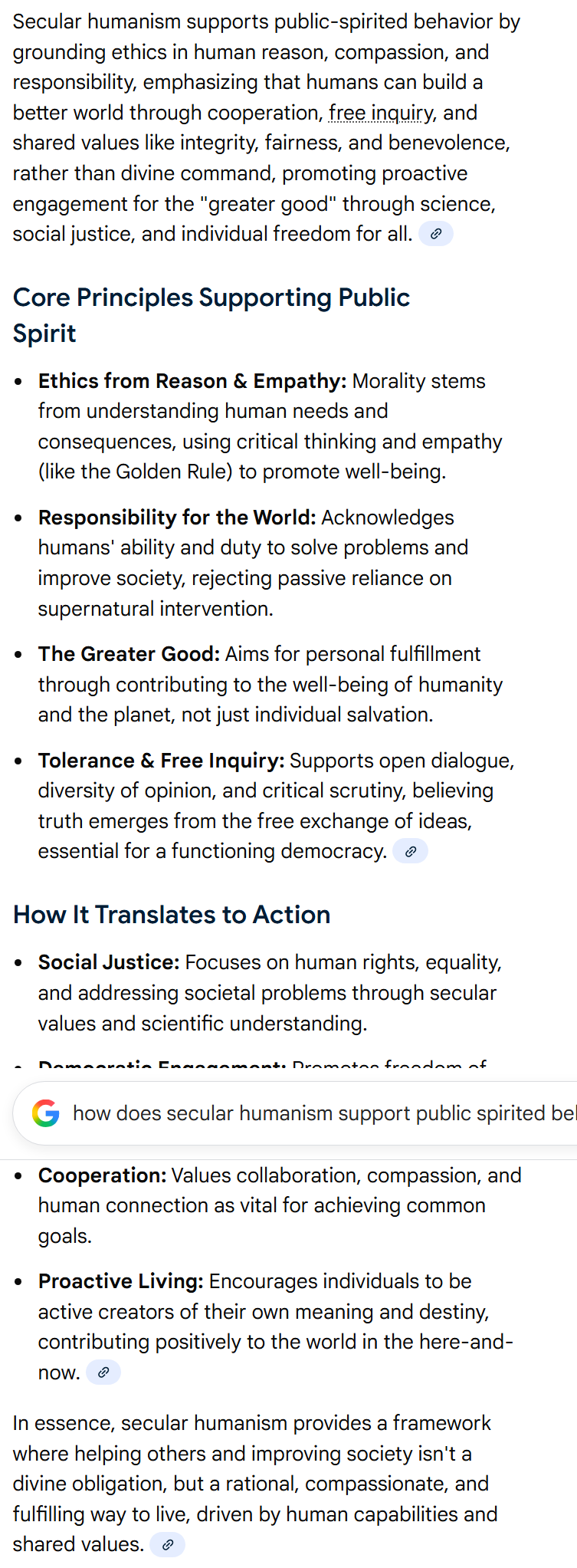
  8. We think and act constructively. Liberals embrace modernity, science, progress, education and rationality. Conservatives embrace hard choices, reality, real politic, trade-offs, common sense, business methods, and balanced budgets.

Issues

19 issues have appeared in the “top 10” most important issues lists since 1948. Civility can be neutral on all of these issues.

  1. Inflation. Republicans emphasize this. OK.
  2. Jobs. Democrats emphasize this.
  3. Balanced budget. Republicans promote this. Democrats pursue this.
  4. The economy. Everyone favors expansion and growth.
  5. International aid/UN/global organizations. Democrats support this.
  6. Hot wars. Republicans favor more active strategies.
  7. War on terror. Republicans favor more active policies.
  8. Crime. Republicans favor greater investments.
  9. Gun rights. Republicans favor greater rights.
  10. Traditional culture. Republicans favor tradition.
  11. Drugs. Republicans favor greater enforcement and consequences.
  12. Education. Republicans favor local control and greater traditional values.
  13. Immigration. Republicans favor less legal and illegal immigration.
  14. Poverty. Democrats favor greater support.
  15. Health care. Democrats favor greater public support.
  16. Racial rights. Democrats favor greater actions for minority groups.
  17. Environment. Democrats favor greater public investment and regulation.
  18. Unifying the country/rule of law. Historically, Republicans emphasized this. In the Trump era, Democrats are more concerned.
  19. Role of government. Republicans favor less government, until recent Trump changes.

Moral Foundations Theory

  1. Care. Primary liberal value. Conservatives rate it highly too.
  2. Fairness. Primary liberal value, focusing on results. Conservatives emphasize process fairness.
  3. Loyalty. Conservative priority. Secondary liberal value. Civility emphasizes loyalty to society, the political system and the common good.
  4. Authority. Conservative priority. Liberals accept “legitimate” authority. Civility emphasizes the importance of each individual.
  5. Purity. Conservative priority supporting traditional values. Liberals emphasize different dimensions emphasizing individual rights.
  6. Equality. Equal treatment of individuals. Left and right agree.
  7. Proportionality. Conservatives emphasize proper rewards for efforts and results. Liberals accept this principle but give it lesser emphasis. Civility does not take a stance.

Summary

Civility is supported by left and right in America’s political history. Modern techniques for most effective group interactions and negotiations are neutral. The values that support Civility are neutral. Civility takes no stand on modern political issues. The latest attempt to define the “righteous” bases for politics provides no dimension opposed to civility. Civility can be used as a bipartisan base for our democracy and our day-to-day interactions.

Causes of Increased Political Polarization

Political polarization is one of the main causes of the decline in civility. There are structural and historical causes for the tremendous decline in civility from 1960 to 2025.

High Level Changes

  1. The Civil Rights Act of 1964 obliterated the Democratic party and provided the Republican party with a growth strategy.
  2. The “cultural revolution” of the 1960’s contrasted traditional social practices with a tolerance or embrace of “anything goes” behavior. Politicians have continued to exploit these deeply felt divisions.
  3. Political parties embraced a single, simple right versus left, conservative versus liberal, framework as Ronald Reagan skillfully knit together the various “conservative” factions between 1968 and 1980. Republicans began to embrace the virtues of a “big tent” through the end of the century.
  4. The Republican party embraced fundamentalist Christians, and religion was merged with politics. Democrats increasingly became home for the secular, agnostic and “none of the above” religious affiliations.
  5. Ideology based parties are inherently more righteous, adopting right/wrong, good/evil views of the world.
  6. The American economy has continued to grow throughout the post WWII era, greatly increasing the value of politics for those with economic interests to protect.
  7. Americans have increasingly sorted by “rural versus urban” and “left versus right” residences. The rural counties are right, the urban counties are left, the suburban counties are mixed.
  8. The rise of individual expression as the premier life goal highlight’s individual identity. Political views reflect a person’s identity. There is pressure to “be” left or right.
  9. Structural changes like gerrymandering or restrictive changes in voting rules are used to control political power at the state level.
  10. Political parties have lost power. Historically, they were able to filter out extreme or risky candidates or issues. Voters, candidates and special interest groups have more power today.
  11. Our two-party system incentivizes extreme candidates, supporters and views on issues. This is a self-reinforcing tendency.
  12. Once individuals see the world as political, in a single ideological dimension, as right versus wrong, human nature reinforces the polarized views. Dislike of the other party becomes highly motivating. In-group biases grow. Fear of the “other” grows. Perceived harmful, unfair, disloyal, unspeakable, sacrilegious actions by the “other” party assume mythic evil status. This is also a self-reinforcing tendency.
  13. Experience with civil, constructive, problem-solving politicians and parties has declined, lowering expectations. This is also a self-reinforcing tendency.
  14. Polarization is in the interests of some politicians and the industries supported by political spending. It acts as an ethical and communications skills barrier to entry.

Media Changes

  1. Technological changes allowed journalism and opinion expression to be economically viable at the part-time individual level, down from financially stable organizations of at least 100 people.
  2. The “Fairness Doctrine” of 1949 was effectively ended in 1987, allowing political media to flourish.
  3. The merger of individual identity with politics and religion with politics created greater demand for political journalism.
  4. With television, perceptions of “presidential”, powerful, honest, effective, charismatic, leadership, common sense, relatability, etc. made media image more important than content, knowledge, experience or character.
  5. The internet allowed previously fringe groups to effectively organize and communicate.
  6. Cable TV and the internet created hundreds and thousands of broadcasting options, encouraging individuals to find exactly the content that they desire.
  7. Highly partisan commentators/entertainers began to provide the people with what they want. A simple reinforcement of their existing beliefs.
  8. The internet and social media provided the tools for content providers to find and feed their customers, even at very small scales.
  9. The loss of classified ads to the internet undermined local newspapers and radio. They lost their ability to effectively cover local news. This reinforced the trend to embracing partisan sources for all news and opinion.
  10. The growth of effective communications sources allowed national politicians to move the “center of gravity” in politics from “state and local” to the national level. All issues are now seen through the lens of ideological national politics.
  11. The increased number of channels on cable TV provided room for outlets that appealed to small fractions of the viewing audience. There was room for partisanship. There was room for sensationalism.
  12. Television and radio networks found ways to attract, reinforce and monetize polarization.
  13. In a world of hundreds or thousands of news and opinion sources, clear, consistent, emotional, effective branding became necessary for survival. Everyone is competing for clicks and eyeballs. Only the winners survive. Sources increasingly cater to the “least common denominator” of human interests.
  14. The internet and social media provide confidential cover for individuals to share their most negative thoughts without fear of being held accountable.
  15. The internet and social media avoid any filters for accuracy or legitimacy. Fake news spreads quickly.
  16. The “viral” nature of the internet and social media undercut traditional sources and views of objective, scientific, professional, mainstream legitimacy. Every fact becomes an opinion.
  17. Trust in objective journalism is undermined by the politically informed options, even as bias evaluators improve their effectiveness.
  18. The repeated claim of “fake news” undermines trust in any objective journalism.
  19. In a highly competitive media market, sensationalism wins. In-depth stories, human interest stories, good news, analysis and education lose.
  20. https://sites.bu.edu/pardeeatlas/research-and-policy/back2school/how-the-american-media-landscape-is-polarizing-the-country/#:~:text=The%20divisive%20tone%20of%20cable,in%20a%20less%20outrageous%20manner
  21. https://tomkapostasy.com/2023/07/15/one-page-why-were-polarized-klein-2020/
  22. https://tomkapostasy.com/2023/04/10/why-were-polarized-2020/

The Republican Party Moved Far Right

  1. Reagan provided “conservative” as a respectable term for a variety of political subgroups, ranging from moderate to extreme.
  2. Fundamentalist Christians, southerners and rural residents joined the party, angry about social and cultural changes.
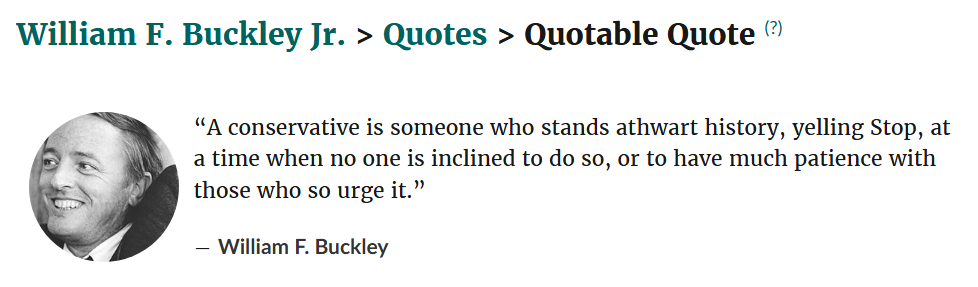
  3. Buckley and Goldwater legitimized philosophical conservatives, including the extreme versions.
  4. Economic libertarians found a home in the party, as Austrian and supply side economics were adopted. Innovations like the Laffer Curve, monetarism and “rational expectations” were digested.
  5. “Free market” economics, descended from laissez faire, is intrinsically extreme, elevating markets as morally “good” and any opposition as “bad”. Analysis, judgment and compromise are discouraged.
  6. Economic growth is good. “Small is beautiful” is mere virtue signalling.
  7. Taxation is theft. Drown the government in a bathtub.
  8. Gun rights, taking your guns, weak on crime.
  9. Woke mob, cancel culture, fake news.
  10. Global warming is “fake news”; drill baby, drill.
  11. Communist, pink, socialist agenda, radical left.
  12. Christian nationalism; not separation of church and state.
  13. Anti-race, nationality, immigrant, religion, sexual orientation.
  14. Racial “dog whistles”, crime, security, welfare queens.
  15. Gingrich strategy of polarization, extreme positioning, framing, ends justifies the means.
  16. Patriotism, national purity, open borders, rapists and muggers, terrorists.
  17. RINO’s ejected from the party.
  18. Funding for more “conservative” candidates to challenge incumbents in primaries.
  19. Acceptance of extremist, militant, subversive, racist, conspiracist, radical supporters.

The Democratic Party Responded and Became Righteous

  1. Per Johnathan Haidt, only care and fairness matter to Democratic politicians. They disregard or criticize loyalty, authority, purity and liberty. Ouch.
  2. https://righteousmind.com/liberals-are-weirder-than-conservatives/
  3. Western culture is imperfect, maybe oppressive. Pure secularism is best.
  4. Religion is the opiate of the masses. Religious organizations are politically suspect.
  5. Affirmative action is more important than individual rights.
  6. Abortion rights are basic; no limits or compromises.
  7. Sexual orientation is personally defined aside from biological or cultural influences.
  8. Free speech is not as important as protecting feelings. Cancel culture.
  9. Environmental goals and policies disregard cost/benefit analyses.
  10. “Defund the police” because they are an illegitimate institution.
  11. Government employees, teachers, professors, media and artists leaned further left and lost the ability and interest to transmit neutral, broadly held social values.
  12. Extreme positions on free speech, assembly, press, religion, human rights and globalism.
  13. Oppressed group interests are primary. Not equal opportunity, safety net, fair taxes.
  14. Complete individual choice in consumption, production, expression, and relations.
  15. Opposition to school vouchers as an inherently unfair threat to public education.
  16. Reparations for historical injustices.
  17. Strictly global solutions without respect for national interests.
  18. Global warming is an immediate threat to the survival of humanity.
  19. Disregard of the “deplorables”.
  20. Loyalty oaths to institutional values.
  21. Virtue signaling as an art form.
  22. Postmodernist elevation of “powerful oppressors” as the only framework.
  23. Pure, certain support of John Rawls’ theory of justice, economic redistribution.
  24. Library rights to all books and programs for all ages.
  25. Superiority of abstract, global principles versus local interests.
  26. Individual creative expression as the supreme value; and tolerance; except for some views!
  27. Superiority of coastal culture, economics and politics versus sunbelt or “flyover country”.
  28. Protection of upper middle-class housing, education, safety, travel, professional, tax, networking, investment, trust, and administrative interests.
  29. Welcoming socialists, globalists, and intolerant interest groups in the party.
  30. The centrist pragmatism of FDR, Truman, Kennedy, LBJ, Clinton and Obama are dominated by the “far left” in the Democratic Party at the national level today. Partly by party programs and presidential positions (Biden), but mostly by “safe seat” politicians and the university, media and cultural influencers and thought leaders.
  31. These extreme left positions serve some Democratic politicians, their Republican opponents, and the globally dominant metro areas.
  32. Even though a majority of Democrats and Democratic leaning independents don’t support these “far left” positions or the caricatures wisely promoted by Republicans, the support by some Democrats and clever Republicans helps to position the Democratic party as much further left in the public mind. This reinforces the idea of a single ideological dimension for all issues and polarized yes/no, right/wrong. good/evil, win/loss positions by both parties.
  33. “The Squad” of far-left congresswomen is a convenient foil for the Republicans. https://en.wikipedia.org/wiki/Squad_(U.S._Congress)
  34. The lack of highly effective Democratic national leadership for 50 years has encouraged leftward leaning Gen X, millennials and Gen Z to adopt further left positions because the center-left version is apparently ineffective..

Summary

  1. A single ideological “left versus right” politics frame emerged after 1964.
  2. In 1995 Gingrich demonstrated that polarization is effective and good for incumbent politicians.
  3. Polarization is a self-reinforcing process. Consider the Irish Troubles or the Middle East.
  4. Politics, media and society also interact to grow polarization.
  5. Religion and identity have merged with politics, making it more ideological and polarized.
  6. The historical countervailing forces of the mainstream media, self-interested political parties, regional elites, the responsibility of noblesse oblige, business elites, religious elites, intellectuals, thought leaders, university presidents, military leaders, state leaders, global leaders, local politicians, civic group leaders, teachers’ unions, League of Women Voters, ABA and scouts have not found their moderating voice in the current media environment.
  7. The media facilitates polarization for profit.
  8. The Republican party moved right and then further right.
  9. The Democratic party “occupied the center” with Clinton and Obama, but this did not satisfy its further left supporters, and it convinced many Republicans that all Democrats are really “radical socialists”. The party has not found a new framework to effectively compete with Trump’s hybrid conservative/populist frame and policies.
  10. A wide variety of groups have attempted to reframe the center as a good political place to live. None have yet succeeded. Perhaps the Carmel civility project will win. https://www.projectcivility.com/

Reasons for Hope

https://www.projectcivility.com/

https://en.wikipedia.org/wiki/The_Better_Angels_of_Our_Nature

https://www.jimmycartertribute.org/index.html

https://en.wikipedia.org/wiki/Learned_optimism

https://www.amazon.com/The-Rational-Optimist-audiobook/dp/B003MY7RGG/?encoding=UTF8&pd_rd_w=lrR8k&content-id=amzn1.sym.a7785aa2-ac28-4769-b3eb-cff7b9738627&pf_rd_p=a7785aa2-ac28-4769-b3eb-cff7b9738627&pf_rd_r=140-0488079-4728935&pd_rd_wg=wdYs0&pd_rd_r=daf5c4ba-0e70-4878-9189-99eec5a73f79&ref=aufs_ap_sc_dsk

Causes of the Decline in Civility #2

In April, I summarized everything “I knew” about the causes of the decline in civility. Things have not improved in 4 months. I will try again.

Google AI says:

There’s a widespread belief that civility in the U.S. is declining, and several factors are frequently cited as contributing to this trend: 

Social media and the internet: Many Americans point to social media and the internet as primary drivers of eroding civility. The rapid spread of information, and the anonymity afforded by online interactions, can contribute to disrespectful behavior, according to Agility PR Solutions.

  • Media in general: The broader media landscape, encompassing traditional and online news sources, is also often blamed for contributing to incivility.
  • Public officials and political leaders: The behavior of public officials and political leaders is seen by many as influencing the overall level of civility in society. Incivility among elites can potentially trickle down and impact how citizens interact with one another.
  • Political polarization and partisan divides: The increasing polarization of political views and the tendency to demonize opposing viewpoints can foster an environment where civility is eroded. Focusing on judgment over curiosity in discourse can be particularly harmful.
  • Changes in societal values: Some suggest that a shift in values, emphasizing individualism and authentic self-expression over social conventions, may contribute to a decline in traditional politeness norms.
  • Weakening social norms and lack of education: A lack of emphasis on teaching and upholding civility, both within families and educational institutions, might contribute to its decline. 

Tom’s 6 Root Causes:

  1. Radical individualism

2. Human nature

3. Skepticism

4. Imperfect myths

5. Our secular age

6. Insecurity

Social media and the internet

2. Human nature is imperfect and selfish. Given anonymity, many individuals take advantage of that power to criticize others. Individuals seeking affirmation re-orient their lives to garner external praise, using all possible means. They seek groups and media to reinforce their views rather than promote true personal growth, which can be painful. Media organizations have an incentive to reinforce these behaviors in order to monetize them.

https://en.wikipedia.org/wiki/Ring_of_Gyges

The Media’s Role in Increased Polarization: Google AI Summary

In the mid-20th century (approximately 1930s-1980s), a combination of factors encouraged media outlets, particularly newspapers and broadcast media, to adopt more centrist positions:

  • Professionalization of Journalism: The rise of journalism schools and the increasing emphasis on journalistic professionalism fostered a belief in objectivity and impartiality, according to In These Times. This meant a conscious effort to present news without overt partisan bias. The City University of New York notes that newspapers became gradually less partisan over this period, a trend that continued after the 1910s and through 1980.
  • The Fairness Doctrine: Enforced by the Federal Communications Commission (FCC) from 1949 to 1987, the Fairness Doctrine mandated that broadcast networks devote time to contrasting views on issues of public importance. Britannica adds that this required stations to provide adequate opportunities for opposing perspectives, particularly in news and public affairs programming, although it didn’t necessitate balance within individual programs. This forced broadcasters to consider a broader range of viewpoints than they might have otherwise.
  • Shifting Advertising Landscape and Commercial Interests: As the cost of publishing newspapers increased, they became less reliant on party subsidies and more dependent on advertising revenue, particularly from department stores and other retailers. These advertisers often preferred a less partisan approach to reach a wider audience, contributing to a move towards centrism in news coverage, according to the Center for Journalism Ethics.

Media Concentration: While media ownership consolidated during this period, particularly after World War II, the drive for broader audiences to attract advertisers also played a role in the push for more middle-of-the-road content, according to The Business History Conference

TK: We have returned to the more normal situation with highly partisan news media and opinion sources. Combined with the internet, individuals can tailor their media consumption.

Public officials and political leaders

Political polarization and partisan divides

From 1870-1970, America was largely run by a Republican, WASP, New England, Middle Atlantic and Midwest elite. They were very confident that their views were correct: religiously, socially, politically and economically. FDR was considered “a traitor to his class”. There were populist and reformer challenges, but the leaders knew they should and would lead (Bush, Sr.). The cultural revolution of the 1960’s, the Civil Rights Act of 1964, the Vietnam War, Watergate and the economic and population explosion of the Sunbelt upended the two parties. Republicans became conservative and Democrats became liberal. In a two-party system, this resulted in a simplistic “left versus right”, “red versus blue” framing and polarization.

The challenges of minority groups, women’s rights, environmental rights, human rights, international relations, individual rights, multiculturalism, immigrants, abortion rights, gay rights, crime, secularism, atheism, students’ rights, popular music, sexual freedom, international trade, foreign languages, new religions, urbanization, radical wealth, and pleasure on demand created a social and cultural polarization that eventually became much more important than the traditional (Marxist) class/economics division. Goldwater, Agnew, Nixon and Reagan saw the opportunities for political advantage. Democrats, guided by 4 mostly winning economic decades of FDR, Truman, JFK, LBJ and Carter, were slow to adjust to this reframing of political dimensions. Even Clinton, who successfully triangulated an economic “third way”, did not fully recognize this critical shift.

Weakening social norms and lack of education

5. our secular age and 4 imperfect myths. Secularization theory asserts that as societies become more advanced economically, scientifically and educationally they will naturally become less religious and more secular. The evidence does not support this theory at the society level. Societies become less or more “religious” at quite different rates. However, as societies become wealthier, they do have influential intellectuals who conclude that science, philosophy, art, creativity, economics, business, trade, politics and culture can advance more effectively without religion. This creates our “secular age”, where religious belief is merely one option among many that are socially acceptable.

This questioning, criticism, and destruction of the received Christian and Western Civilization values came late to the US. The 1950’s and first half of the 1960’s were a period of cultural conservatism and increased religious belief and participation. The US experienced very radical change in all dimensions from 1965-1970. Social norms were disrupted or destroyed for many.

In a world of “anything goes”, individuals choose their religion. They choose which religious, cultural and political beliefs to hold. They are not philosophers or scientists, so their beliefs are often polyglot, amalgams, pluralistic, hodge podge, syncretized, and logically inconsistent. They are often “least common denominator” views asking little from the individual. Hence, the weakening of social norms leads to a wide variety of informal social beliefs.

The 1950’s, following WWII, naturally reinforced an “America is best” history in schools. History classes, western civilization and American civics were very important. These subjects lost favor in the 1970’s and forward. Schools struggled to clearly define and teach the core lessons of the American and Western experience. Social responsibilities and civility lost ground.

Changes in societal values

For me, this is the most important category.

Classic Liberal Individualism/Democrats

Classical liberals emphasize the individual above the community or society. They value logic above tradition. They emphasize individual social rights. Utilitarianism, the greatest good for the greatest number, is always nearby. Systems and structures are most important to ensuring a fair society without oppression by the powerful. John Rawls’ “A Theory of Justice” is important. It philosophically justifies a “fair” redistribution of resources. This group is deeply suspicious of the power of the wealthy to rule society. It is willing to have weaker overall results in order to minimize the chance of dominance by the ruling class or elites. Hence, the emphasis is on structures and legal rights. Not on responsibilities, opportunities, communities, or society, per se. This group values tolerance highly and is sometimes unwilling to impose its views on others. Critics argue that political structures and legal rights are not enough to support a real society. By this logic, Democrats as classical liberals simply don’t satisfy the human need for transcendence. They only offer “good enough”.

They offer only a “thin” philosophy that may be adequate for the political dimension but does not address other human claims. Professor Haidt calls this a historically unusual WEIRD view – Western, educated, industrialized, rich and democratic. He notes that liberals typically emphasize just care and fairness as moral, political, and religious values.

Conservatives/Republicans

Modern Republicans support individual freedom in some cultural dimensions, but mostly economically. Republicans embrace the radical individualism of libertarians within their coalition. But mostly, they embrace the “free market” as a philosophical ally of their emphasis on personal liberty of commerce and the rights of property.

President Trump does not align with this tradition. He does not adopt their philosophical principles. He believes in “instrumental” negotiations, power, leverage and deals.

There is a risk that the Republican emphasis on “free markets” will result in the misapplication of economic principles to politics, ethics, commerce and society.

Daniel Bell argued in 1976 that free market extremism is inherently inconsistent with conservative cultural beliefs.

Michael Sandel offers case studies that show how “market thinking” expands into other areas where it is philosophically less relevant but still popular.

Charles Taylor argues that the “instrumental reasoning” of economics, business and science threatens to obliterate all other thinking approaches.

Catholic Church

The Roman Catholic Church has a long history of supporting the preservation of historical powers or national leaders. It also has a history of criticizing the emerging secular options, Protestants, scientists and secularists for replacing God with some other human constructed principles. It developed liberation theology and currently advocates for democratic socialism.

Extremism

2. Human nature is simplistic. It does not support complicated win/win positions. 6. Insecurity. Fear leads to simplistic and highly righteous positions from left and right.

The Therapeutic Society

Constructively, modern upper middle-class society embraces secularism, stages of growth, individual growth, individual expression, self-actualization, creativity, possibilities, personal growth, arts, authenticity, depth psychology, psychoanalysis, myth, possibilities, Maslow, Montessori, Freud, Jung, Spock, Carnegie, Rogers, Rousseau, etc. The individual has unlimited potential and is encouraged to seek this potential. Philip Rieff cogently argues that man requires a connection to the transcendent to provide meaning. He says that modern secular society provides substitutes (therapists, self-help, self-expression) that simply don’t work.

https://www.thegospelcoalition.org/themelios/article/a-theological-sickness-unto-death-philip-rieff-prophetic-analysis/

The Culture of Narcissism

Christopher Lasch says that we have lost our connection with reality. Our soul requires validation. It seeks it but does not find it. This is a very convincing description of our current situation. Google AI summary follows:

Christopher Lasch’s The Culture of Narcissism (1979) argues that American society in the latter half of the 20th century was undergoing a shift from a character emphasizing individualism and contribution, to a more self-absorbed, narcissistic personality. This shift, he argued, was driven by a complex interplay of social, economic, and psychological factors

Key arguments and characteristics of the culture of narcissism

  • Reliance on external validation: The narcissistic individual, according to Lasch, craves admiration and approval from others to fuel their self-esteem, according to EBSCO. This dependence on external validation can lead to insecurity and a fear of not measuring up.
  • Emphasis on image and superficiality: Lasch observed a cultural preoccupation with appearances, image, and a focus on fleeting trends and celebrity, often prioritizing presentation over substance and achievement. The media plays a role in fostering this, according to Lasch, by promoting unrealistic images and fostering a desire for fame and celebrity.
  • Erosion of Traditional Authority Structures: Lasch argued that the decline of institutions like the family and community, coupled with the rising influence of external agencies and expert advice, weakened traditional sources of authority and guidance. This can leave individuals feeling disconnected and reliant on external sources for personal and societal guidance.
  • Impact of Consumer Culture: Consumerism plays a role in shaping narcissistic tendencies by creating an emphasis on instant gratification, personal desires, and the construction of identity through consumption, undermining community and social responsibility. Advertising, Lasch suggested, encourages insatiable appetites for both goods and personal fulfillment, ultimately leading to feelings of emptiness and dissatisfaction.
  • Decline of Political Engagement: The focus on personal fulfillment, according to Lasch, resulted in a neglect of broader social and political issues, leading to feelings of powerlessness and alienation. 

Impact and significance

The Culture of Narcissism became a bestseller and has had a lasting impact on American cultural criticism, according to SuperSummary. While some found his analysis insightful, highlighting the psychological impact of consumerism and social changes, others criticized his pessimism or disagreed with his interpretation of social trends. Some critics found his use of Freudian psychoanalysis outdated and viewed his arguments as potentially promoting patriarchal values. Despite the varied reception, Lasch’s work continues to be a point of discussion and reflection on American culture. 

Counterfactuals: Civility Should be Much Better Today

Many of the developments of the last 50, 100 or 500 years would lead one to predict that “civility” would be much better today than 50 years ago.

Measured IQ’s have improved by 10+ points.

Workers are 4-5 times more productive than they were in the WWII era.

Americans nearly all live in metropolitan areas where they interact with other races, ethnicities, classes, nationalities, religions and political views.

People make more choices and experience natural consequences of their decisions. Modern markets and society push individuals to interact in all dimensions of life.

More Americans work in large enterprises where they are required to interact with “others” effectively.

Human rights have been adopted for all. Nationalities, races, religions, genders, sexual preferences and abilities are protected and celebrated.

Regional, national and global trade, travel, sports teams and media are available to all.

Ecumenical religious groups thrive. Christian denominations work with each other and “world religions” in ways unimaginable in 1929.

“Tolerance” is elevated as an important cultural and moral value by liberals, Democrats, cultural elites, and business leaders.

Personality profiles, talents, multiple intelligences, gender differences, emotional intelligences, team building, toxic personalities, autism spectrum and other insights highlight the important differences between people and the need for those who wish to succeed to understand them and adapt appropriately.

The percentage of Americans who have completed a college degree has increased from 5% to 40% since WWII. The educational experience, social expectations and interactions all promote civility, seriously considered responses to life and people.

The data is sparse, but it looks like 15% of Americans today visit mental health professionals each year to deal with the challenges of life, up from 3-5% in the WWII era. Neighbors, elders, medical professionals, educators and religious leaders have always helped.

The information required to make decisions is easily available.

European nations (and Japan) were able to move past the horrors of the two world wars and establish tolerance for neighboring states as essential principles of modern democracies.

Global institutions were built from the experiences of the Great Depression and WWII. Other nations have rights, responsibilities and things to offer the world.

The colonial, imperial models were discredited along with fascism, Marxism and totalitarianism. The tolerant, “middle way” Western model of mixed capitalist economies, democracies and international trade and cooperation were validated in the 1992 “end of history” per Francis Fukuyama.

Artists and events have destroyed the notion that cultural, social, religious, political, and business leaders are somehow superior and worthy of unquestioning loyalty to single groups, institutions, parties or leaders. We are now all deeply and inherently skeptical.

These historical, social, economic, political, family, educational, and cultural forces say things should be getting better; much better. The forces against civility must be very strong. This points towards “human nature” as the most important factor.

Summary

The media is commercially incentivized to tear us apart. We are obligated to make wise choices for our media consumption. Political parties prefer to have simple, extreme contrasts. We can reject these nonproductive views. Political parties are often captured by their extreme supporters. We need to participate.

The choice of media sources for news and opinion is critical. We have an obligation to help our fellow citizens see that it is in their own best interest to separate news from opinion, to critically evaluate all messages, to value feedback and to seek personal growth.

Politics is a mess. “The inmates are running the asylum”. Individual politicians optimize their own results. Polarization. Communications. Brands. Techniques. Fundraising. Gerrymandering. We have to re-establish a level playing field, increase political participation, hold officials accountable, set character screens, etc.

Our culture is a mess. It is truly bipolar. Purely secular, scientific, utilitarian, classical liberal on one side. Fundamentalist religious and cultural certainty on the other side. Either/or. Win/lose. Political polarization has infected the culture. In a scientific, secular age we all demand certainty. Unfortunately, scientists, philosophers, political and religious leaders cannot deliver “certainty”. They can only provide useful tools, frameworks, paradigms, myths, stories, histories, prophets, songs, art, insights, components, and limits.

We deeply fear total relativism and pure subjectivity. This pushes us to “certainty” extremisms.

“Anything goes” in 1934 shocks the world. Cole Porter, Indiana legend.

https://www.youtube.com/watch?v=r7NJ9ylAhos&list=RDr7NJ9ylAhos&start_radio=1

“is that all there is my friend, then let’s keep dancing”.

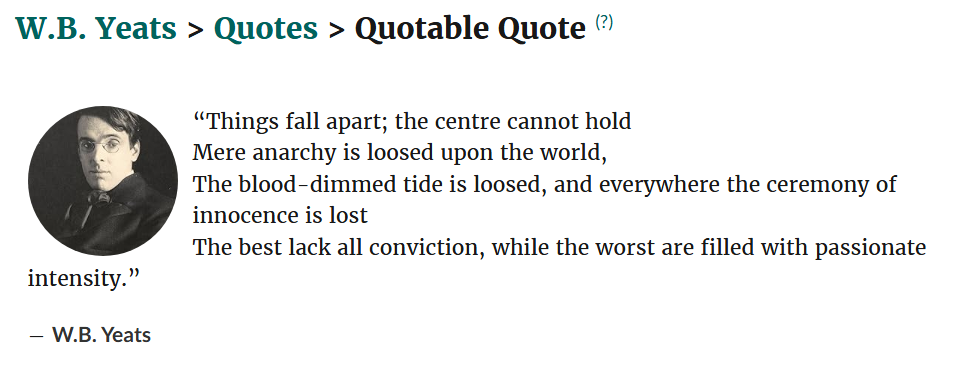
Things fall apart; the center cannot hold. A fear in all cultures. The great 1958 modern African novel.

https://en.wikipedia.org/wiki/Things_Fall_Apart

https://www.poetryfoundation.org/poems/43290/the-second-coming

The 1970 “scientist priests all think” critique.

Soren Kierkegaard founded existentialism in 1843 by positing the “leap of faith”. Certainty, in classical logical terms, was impossible. The big questions could not be reduced to pure logic.

https://en.wikipedia.org/wiki/Leap_of_faith

In Exodus 3:14 God tells Moses: “I am who I am”. Eternity, infinity, wisdom, pure light, spirit, truth, insight, goodness, righteousness, greatness, sovereignty, combination, sets, groups, ideal types, templates, harmony, forms, abstraction. We struggle to digest this, of course.

Civility is only possible when individuals are secure in their perceived existential situation.

Civility Crisis or Civilization Crisis?

https://www.britannica.com/topic/The-Fall-of-the-Roman-Empire

There has been a groundswell of interest in addressing the loss of civility in modern society. Members of both parties, young and old, rural, urban and suburban have begun to engage on this important topic. Civility is treating others with respect, especially when you disagree. It is a mental attitude, a habit, a character trait, a set of actions. Civility is a key to effective life in community, especially for participating in a democratic government.

Yet, I will argue that the loss of civility is a symptom of much larger challenges rather than a root cause. We need to examine and address these challenges and their causes. Other symptoms of a civilization crisis include political polarization, declining trust, weakened institutions, less social capital, deep skepticism, increased pessimism about the future, anxiety, social isolation, lack of common morality, greater income inequality, personal insecurity, diminished global institutions, and a “secular age’ where religious belief is tentative, in tension with scientism, commercialism, postmodernism, pragmatism, libertarianism, materialism, progress, individualism and the classic liberal political state.

I have summarized the root causes as:

Radical Individualism

Human Nature

Skepticism

Imperfect Myths

Our Secular Age

Insecurity

Radical Individualism and Community

We have unintentionally become a society of individualists, failing to adequately invest in community. We prioritize individual rights, commercial rights, gun rights, abortion rights, property rights, human rights, individual choice, self-actualization, creative development and raise tolerance to a mega-virtue. We need to re-establish the balance between individuals and the community.

Poisonous Politics

With the fall of the Berlin Wall in 1992, Francis Fukuyama’s bold claim that we were seeing “the end of history” seemed plausible, even likely. Liberal democracy, mixed capitalist economies and deepening global trade looked like sure winners. Historic options had been completely discredited. People are not so easily satisfied. Politicians are more creative than expected. They have redefined, repackaged, reorganized and recommunicated. They have convinced us to merge our religious and political identities. We have “retreated to our corners”, embracing polarized politics because the other guy is most certainly awful.

Fukuyama says that pure liberal democracy depends upon a cultural, community, philosophical base to hold it together. We coasted on the tails of Western civilization and Christianity, but that common source is gone. We have become so concerned with defining and defending our identities that politics has become a matter of “ultimate concern”! Klein documents how we have moved into this mess and provides some practical solutions. Haidt outlines our built-in religious/political mental patterns and how politicians use them to craft seductive policies, parties and messages.
We have paths out of this polarized dead-end.

Religion

The breakdown of the “Christian consensus” undermines the certainty of religious belief, making any denomination, including “none of the above” simply one choice among many. Humans need answers to big challenges like:

  1. Facing death.
  2. Finding a purpose beyond self.
  3. Being affirmed.
  4. Living as a social being in community.

Our present solutions are imperfect. We have not developed a context or framework for living comfortably and confidently in “A Secular Age”. We have confronted big challenges before and have succeeded.

Morality

Scholars, intellectuals, historians, political scientists, philosophers and theologians mostly reject the idea of creating a common morality to hold together society, especially our political culture and processes. I say that we have no choice but to try. We have done this in our public schools for a century. We can define a common moral core just like the Boy Scouts and Rotary have done.

Insecurity

The loss of a solid religious base combined with a high rate of technological changes and a meritocratic economic system create deeply felt insecurity. We must create a context where “everyman” can rest, survive and thrive.

Solutions

We have many problems. We need many solutions. Some can be addressed through grass roots efforts to simply change the way we see the world and how we interact with each other. Some will require difficult political changes.

Summary

We have reached a point in US history and Western Civilization where individualism has overreached and eclipsed community, religion and morality. We see this everywhere. We need to recognize our difficult situation and build upon our historical strengths. We have made tremendous progress in all dimensions during the last 500 years around the world. We know how to get along even when we disagree. We need to refine and invest in those structures. We understand human nature much better today than we did in 1500, 1750 or 2000. We know we can’t create a “Tower of Babel” but we can create useful structures to manage our political and religious differences while offering everyone a good life.

We Always Have a Choice

The American two-party system has been captured by political extremists. Political parties no longer play their historical function of vetting candidates for broad acceptance, electability and support of party platforms. Parties are dominated by highly motivated extremists as staffers and volunteers. In the post-Gingrich era clever politicians use wedge issues and polarized positions to attract supporters. A majority of states are dominated by single parties and have gerrymandered 80% of the districts to be solidly single party. Majority party politicians are sure to win the general election, so they only worry about competitors from the wings. Special interest groups and large dollar donors support the extreme views in each party. Modern social media tends to reinforce the views of extremists, effectively connecting voters with simplistic answers.

National level politicians devote all of their time to winning elections and being re-elected. Few are interested in the hard work of crafting compromises or finding innovative solutions to the nation’s problems. Voters are frustrated by the lack of progress and responsiveness. They join the anti-Washington chorus. Politicians respond with empty rhetoric.

One solution is to “throw the bums out”. Require all candidates to demonstrate basic levels of character. Require them to actively look for solutions that meet the needs of a solid majority of citizens. Reward those who pursue middle solutions and who avoid the easy populist solutions and rhetoric.

In general elections, if your party’s candidate does not meet these basic requirements, cast a write-in ballot. Vote for Ronald Reagan if you cannot support an extremist Republican. Vote for Barrack Obama if you cannot support an extremist Democrat.

The US political system does not provide 5-7 real choices in general elections. We don’t have Green, socialist, regional, separatist, religious, racial, ethnic, libertarian or liberal democratic options. The Democratic party is split between center-left (moderate) and progressive wings. The Republican party was once split between center-right (moderate) and extremist wings. It is now all extremist, no RINOs allowed. The extremists found a true champion in Goldwater and lost. They recovered with Reagan 40. They tolerated Bush 41 and 43. They embraced Sarah Palin and then Trump 45 and 47.

Moderate, Main Street, Wall Street, philosophical conservatives have no political party home today. Moderate Democrats have little in common with the New Left, the progressive left, environmentalists, postmodernists, socialists, social Democrats.

The TRUE moral majority, real America is in the center. We are conservative, individualistic, practical, American, skeptical, historical, community loving, institution supporting, trusting, classic liberals. We ALSO believe in the liberal American ideals of human rights, liberty, social justice, equal rights, equal opportunity, and international solutions. We are multicultural, multi-ethnic, multi-racial and multi-religious. We intuitively respect diverse religious and political views. Not because we think that others are “right”, but because we accept different individual views as possibly valid. We think there is an objective physical and moral reality but are not confident that we alone possess the truth.

This is the “American genius”. We lean left or right. We think that we are right. But, we accept that our good neighbors have different views. We work together to find solutions for all, solutions that are accepted by a solid majority, not just what a political party can force through.

This requires us to vote against our own side on the simple “left to right” spectrum when candidates fail to meet the basic standards of character or promoting the common good.

Don’t Be a Political Victim (Right)

Politicians have learned that it is easy for them and highly effective to portray policy positions in ways that make you feel victimized by someone. You blame that someone. You catastrophize the situation. You demonize the supposed villain. You look to the politician and political party for salvation. You attack the opposition. Our political process is polarized. We lose civility. The cycle repeats.

You can choose to reject the victim framework used by many politicians. Few political issues are simply black and white with clear villains and heroes. Most ongoing political issues remain because well-meaning people hold conflicting or non-aligned views. Politicians promote the victim framework and extreme positions because they are easy to communicate, they trigger emotions, and they can be linked to form a simple political platform. Red or blue. Liberal or conservative. Republican or Democrat.

An increasing number of Americans identify as “independents”, not strongly aligned with either party. You probably have strong opinions on some issues and weaker ones on others. You probably hold some combination of liberal, conservative and moderate views on various issues. Many politicians and political parties invest in creating “victim” language for policy areas. Once you become aware of these tricks, you can better choose your own policy views, avoid the victim game and hold politicians accountable for doing their jobs: representing all of their constituents and solving problems.

  1. Populists in both parties claim that the US economy is controlled by bankers, large corporations and Wall Street. Democrats used to monopolize this view, but the rise of the Tea Party made it a Republican favorite too. There is no denying that powerful economic firms try to use their power to extract returns from customers, suppliers, employees, the government and politicians. Don’t be a victim. Economic competitors, customers, suppliers, unions, regulators, courts, financial market and politicians have countervailing powers. Be a wise consumer. Buy local. Support reasonable regulations and anti-trust results. Promote competition. Hold politicians accountable for taking practical steps to maintain a reasonable balance in this area. Consider more than just simplistic “free market” or government owned firms approaches.
  2. Politicians claim that taxpayers are overburdened by wasteful government spending. All firms are imperfect. Modern firms have invested in process engineering, automation and planning systems to reduce waste of all kinds. Governments are not subject to the pressure of competitive markets to reduce waste. The best firms have to decide how much to invest in removing waste each year. Firms outsource functions. These projects are not free. They don’t always work. Don’t buy into the view that “government waste” is a large percentage of spending. Don’t believe that it can be removed simply, without investments, projects and collateral costs. Every government program has someone that supports it because they benefit. Urge politicians to take bipartisan steps to make governments more effective. Independent financial agencies. Sunset laws. Cost reduction targets. Improvement commissions. Simplification laws. Competitive outsourcing.
  3. Politicians claim that “foreign competition” is unfair. Other countries abuse their labor forces, abuse their environments, steal technology, extract skills and money from firms, negotiate better deals, use non-tariff tools to cheat, etc. This is an area that was mostly argued by the Democratic party until the last decade or so. The post WWII progress on reducing tariff and non-tariff barriers was mostly achieved at the global level with strong bipartisan US support. The US did not optimize its country-to-country results because it rightly saw that it could get better overall results through global negotiations. This “free trade” approach was used to rebuild Europe and integrate the US and global economies, to reduce the risk of war and allow the US to project its hard and soft power more cheaply and effectively than by using the discredited colonial/imperial approach. Global progress remains possible if the US, EU and China choose to make it happen. When this is not politically feasible, the second-best approach is to reduce trade barriers within larger blocks of countries. The US can choose to invest more resources in negotiating better trade deals. They are not simple. The US is not a powerful enough force on the global economic stage to simply enforce its will. None of us should see the US as a victim of foreign competition. The US has thrived in a 75-year period of freer trade. In a world of services, the US is well positioned to benefit from further investments in free trade.
  4. Politicians highlight the threats of communist or socialist states or policies. They contrast them with the American way of capitalism, democracy and personal liberty. They emphasize that any moves in this direction are one-way streets to permanent and total loss of liberty. The threat of a totalitarian state is real. Politicians improperly comingle totalitarianism and socialism/communism. No American is supporting communism. Very few support true utopian socialism. The US political system of “checks and balances” is designed to prevent a slide into dictatorship. Russia no longer seeks to export Marxism. China appears to believe in “socialism with Chinese characteristics”, but shows no interest in promoting this system in the West.
  5. Politicians and conspiracy theorists have long described a global cabal of bankers and secret societies managing the world. The Catholic church, Jews, Arabs, Muslims, bankers, traders, Masons, Jesuits, universities, defense contractors and others have been implicated at various times. This view has been promoted by politicians on both sides from time to time. There are individuals, groups and organizations with significant global economic, social, political, legal, military and religious influence. The 5-fold growth in the scale of the global economy and the change in leading nation states and alliances since WWII make these conspiracy claims even more unlikely than they were in the world war times.
  6. Politicians also play on fears of insiders and traitors undermining nation states. Hitler used this to discredit the German leaders after WW I. Senator Joe McCarthy used these kinds of baseless claims to attack President Eisenhower, the State Department and both political parties. Modern politicians who favor more assertive foreign and military policies often criticize their more moderate opponents as doves or pacifists who are insufficiently committed to the nation state and unwittingly supporting the nation’s opponents. The US has strong bipartisan military, intelligence, university and foreign service institutions. They have served the country very well for more than 2 centuries.
  7. Politicians contrast national patriotism with the alleged evil intentions of global institutions such as the United Nations. These “globalist” organizations are seen promoting the goals of other states, developing countries, communist countries, non-Western countries, utopian socialists, greens, global elites and bureaucrats. They are also said to infringe on the inalienable rights of the USA and its citizens. Global institutions and agreements do limit the options for America. Historically the US has used these organizations to promote its interests cost effectively, reducing the risk to the US of wars, disease and trade wars. As with many of these “victim” areas, the politicians take a valid concern and turn it into an existential threat wielded by enemies. The US, as the leading global power, is well-positioned to use these tools to its benefit and to not use them if and when they turn out to not be in our interest.
  8. Politicians claim that “others”, foreign nations, nationals and immigrants are threats to the US. They don’t think, look, act, feel, believe, eat, sing or speak like us. They are to be feared. Nationality, race, religion and culture are all used to define threatening groups. The US has been the leading nation of the world in welcoming and assimilating a wide variety of groups for almost 3 centuries. The country has generally opened its shores to immigrants and restricted entry at other times. Xenophobia seems to be a natural human condition as it is seen in all countries and times. Experts have documented that immigrant groups have a net positive impact on the US. These groups contain a wide variety of individuals who show the same range of social and anti-social behaviors as any other group. Restricting access to the US and “protecting our borders” are valid political topics. Demonizing “others” is an evil tool used by self-interested politicians.
  9. Politicians of both parties offer up “the deep state” as another group of traitorous individuals to be feared. They allege that small groups of career bureaucrats in key agencies such as defense, intelligence, foreign service, FBI, justice and treasury control the information, models, scenarios, options and implementation of public policy. They are alleged to be self-interested and aligned with dark forces of the left, the right, banking, corporations, commissions, churches, etc. There are career employees in key positions in the federal government, universities, churches, media and not for profits who do wield significant formal power and influence over policymaking, politicians and communications. The US federal government allows presidents and political parties to fill the top roles in all government agencies. We have alternated ruling political parties for 75 years. We maintain freedom of speech, religion and assembly.
  10. Politicians allege that “unelected federal bureaucrats and judges” improperly enforce national laws, policies and regulations that should be left to the states. This has mostly been a Republican claim since the enforcement of civil rights after WWII. Some Democratic states are now finding that federal laws and regulations can restrict their options as well. The US has a federal system where state and national rights and responsibilities are divided, contested and adjudicated by the courts. This is an unavoidable conflict, not a usurpation of power.
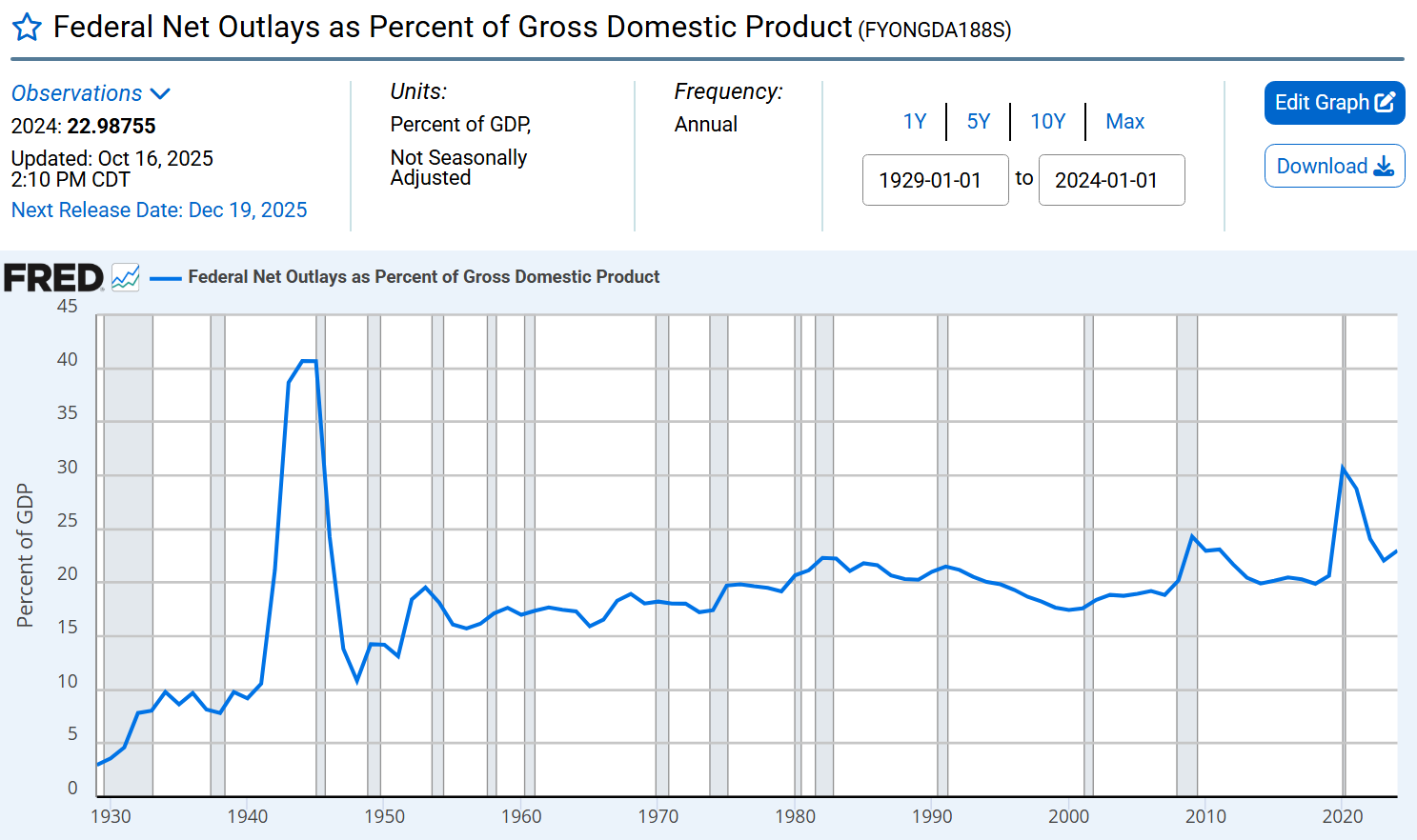
  11. Politicians take the libertarian view that nearly all government actions are improper. Only a bare minimum of police, property, contract and defense roles are properly held by the state (at any level). In the “tug of war” between laissez faire, free market capitalism and restrictions and regulations, the government is portrayed as fundamentally illegitimate whenever it acts outside the libertarian approved kernel of necessary functions. These actions are said to be improper because they infringe on individual liberty which cannot be given up to the government. Hence, government, politicians, bureaucrats, judges, programs, laws, rules and regulations are bad, evil and self-serving. The US government is at the individual, liberty protecting, capitalism supporting end of the spectrum among developed, Western nations. It has grown in the last 75 years as a share of the economy but not significantly. This fundamental dimension of politics is one where well-meaning people take opposing or differing views.
  12. Politicians portray their opponents as extremists, far-left, far-right, Pinkos, nut jobs, wing nuts, socialists, anarchists, liberals, reactionaries, communists, fascists, doves, racists, globalists, isolationists … This straw-man approach is used to paint them as the opposite, to avoid finding common ground, to simplify, to fear, to build emotion, to catastrophize, to demonize, to disregard, to vilify … This is a highly effective technique. Modern individuals have disagreed about politics, religion, capitalism, philosophy and other nations at all times. We hold different political and moral views. The progress of Western civilization has come from finding ways to set aside these differences in law, commerce, political structures, contracts, science and common understanding. Stand up to the political communicators. Support your political beliefs and agents. Avoid needless, senseless, harmful polarization.
  13. Politicians of both parties routinely campaign against “Washington”. The government, departments, bureaucrats, judges, institutions, lobbyists, lawyers, contractors, advisors, consultants and politicians are all tainted as part of “the system”. Washington allegedly works against the interests of the common man, the Real America, the moral majority, the people. Every nation requires a political system. Ours could certainly be more effective, less wasteful, more responsive and wiser. Running against Washington accomplishes nothing. It is an effective political tool only because we allow it to be and do not hold individual politicians accountable for their actions in making real improvements and establishing structures that hold governments and politician more accountable.
  14. Politicians craft the image of welfare cheats, frauds and queens to reduce or eliminate social safety net programs. They play on our desire for fairness and proportionality and our hatred of waste. They focus on “others”, who are not like us, who are unworthy of support and who don’t even comply with our laws. We are distracted from objectively crafting more effective programs or debating levels of support. We should simply eliminate all such spending! This is another straw-man technique, creating an image so extreme that it must be opposed by any reasonable person. Welfare fraud can be controlled to any desired degree by investing in preventive, detective and corrective processes. All organizations face risks from fraud and theft. Governments are no different. Given that governments spend taxpayer dollars on programs that are not supported by everyone, the level of controls should be high, world class, best practices.
  15. Politicians accuse their opponents of voting fraud. This happens through voting registration rules, voting processes, voting regulations, technology, district boundaries, voting methods, and collusion. The evidence for a significant amount of individual fraud is non-existent. Evidence for voting results being shaped by the legal voting framework is strong. An increasing number of states have turned to independent redistricting commissions, open primaries and ranked choice voting. Courts have placed some limits on politically advantageous redistricting and laws. Until voters demand a neutral framework for voting we will have biased results.
  16. Politicians claim that the economy, culture, institutions and politics are controlled by “elites”, who are not like the common man and who do not consider their interests. This was a populist Democratic ploy for the first three-quarters of the twentieth century, but Republican have increasingly embraced it for the last 50 years. Democrats focused on the “top 1%”, the capitalists, bankers, the military industrial complex, WASPs and the power elite. Republicans focused on thought leaders, universities, media, intellectuals, government leaders, not for profit leaders, the highly educated professional class. The US has a long history of supporting the small farmer and the self-made man, opposing the claims of the city, the traders, and the national bank. In a meritocracy with more at stake and broader potential access to top positions, it is not surprising that politicians appeal to our deep sense of unfairness that someone else has succeeded improperly and using their power to take advantage of others. This is another distraction. We should be reviewing and addressing the fairness of our political, social and economic systems. Railing at “the elites” does not help anyone.
  17. Politicians claim that their opponents and the government want to take away their personal rights to self-defense, religion, health and family. This is most evident in debates about gun control, gun rights and gun regulations. The “slippery slope” argument is used to oppose any regulations. The constitutional right to “bear arms” is proclaimed. This right is elevated above any conflicting objections. The US holds more guns than any other country. It leads the developed world in gun deaths. The NRA prevents reasonable or compromise laws because it benefits from maintaining polarized political views which maximize its fundraising potential. There is an opportunity to clarify gun rights by revising the constitution.
  18. Politicians exaggerate the level, impact, trends and responsibility for crime, especially violent crime. They propose tougher laws, more police, greater police tools, and meaner prisons. They demonize the poor, young men, racial minorities and immigrants. The US has more crime than other developed nations. Experts disagree on root causes, solutions and best practices. Our decentralized political system allows states and local governments to make their own decisions. Federal level crime policies should be changed only when strong evidence is provided.
  19. Politicians promote the “culture wars” because it helps them to define and distinguish their personal brands and because they are unhappy that they cannot control culture directly as they control the political and economic systems. When our cultural institutions were mostly shaped by the Western civilization/Christian experience, politicians of both parties could support the “separation of church and state”, independent media, cultural and educational institutions. But today, in “a secular age” where citizens have very different views on culture, there is a political opportunity to embrace either the traditional culture or the emerging more secular culture. The US political system was built to ensure that religious groups could not control the government. This system has been very effective, especially in the last 75 years when different cultural and religious views are held. Traditional cultural views are allowed and supported today, but they are not promoted by the government. Traditionalists should embrace this approach to ensure that the “secular” groups cannot use the state to impose their religious, philosophical, cultural and political views.
  20. Politicians have brought the public education system into the “culture wars”. Darwin’s theory of education, separation of church and state, morality, school choice, DEI, bathroom access, wokeness, privilege, racial history, sex education and library books have been raised into political topics. Once again, politicians are creating “wedge issues” that had been managed effectively at the local level for more than a century. Public schools should be held accountable for following laws, being sensitive to varied perspectives and not imposing contentious moral, religious or political views. Protecting minority rights is a firmly established principle of American government. Educators have always been assigned the difficult task of creating citizens in a world where groups hold differing views. The challenges are unavoidable. We can use this heightened awareness to help schools to become more effective, not more political.
  21. Politicians have determined that majority groups can be threatened by minority groups and have found ways to appeal to them. The white, working class, straight, Christian, native, small-town man is portrayed as a victim of racial minorities, elites, gays, secularists, immigrants, women and coastal elites. All instances of affirmative action education or steps are claimed to be an affront to true “equal opportunity”. The politicians claim that the majority groups are discriminated against. All Americans deserve protection from formal or informal discrimination. Most Americans accept that people are imperfect, and we cannot expect to ever reach perfection in this area, even as we continue to strive to improve.
  22. Politicians claim that religious individuals and churches are not provided with “freedom of religion”. Their views on “culture war” issues are not fully supported by the government in public education, higher education, government or the media. They are sometimes required to follow or accept laws that they disagree with. Their “minority views” are not respected by the courts. Their “freedom of speech” is restricted by the tax laws. Their religious views are disrespected by much of the mass media and entertainment industry. Their deeply held views on life/abortion are not enforced by law. As the nation moves into “a secular age” these conflicts are unavoidable, but our existing institutions are capable of handling them. Wise politicians can find compromise laws and regulations that balance conflicting forces. We must all reject politicians who use religious views to divide us.
  23. Politicians promote fundamentalist Christian religious views and criticize all others. They link such views to their political party. They criticize liberal Christians, Jews, secularists, Muslims, spiritualists and others. They promote the insertion of one religious perspective into law. This political approach has not helped its intended beneficiaries. It has harmed other groups. It should be rejected by all citizens as divisive and anti-religious.
  24. Politicians undermine science, objective truth, rationality, public health, mainstream media and conventional wisdom. They elevate religious or political belief above conflicting voices. They elevate personal liberty above the common good on policies like vaccinations. This began with the debates over Darwin’s theory of evolution. It has expanded to embrace a deeply skeptical, subjective world view where “truth” is not subject to debate or discussion. Western civilization, Christianity, the Enlightenment and the American political system are all based upon a belief in objective reality and truth. This elevation of politics, personal belief or personal religious belief above everything else is a threat to our political and social system. We must reject politicians who undercut this basis for our civilization.
  25. Politicians claim that all non-traditional or socially sanctioned sexual activity is evil and unlawful. They oppose gay marriage and activities. They misrepresent transgender issues. They conflate differing activities with deviancy. They employ the “slippery slope” argument. They claim that opponents support pedophiles and sex trafficking. They oppose sex education and contraception. Sex is a powerful trigger for human emotions. Individuals in our society hold very different views on legal and moral sexual behavior. We believe in “the separation of church and state”. We should change laws in this area only when there is a compelling need and widespread public support.

Summary

Politicians create issues to effectively define their positions and beliefs. They prefer “wedge issues” because they are most effective in separating individuals into opposing groups. They prefer “victim” issues because those who feel they are victims both oppose the other party and bond with the politician and his party. These distinctive, emotional issues are the most effective tools for politicians. As citizens, we must be aware of these attempts to oversimplify, to conflate, to polarize, to misrepresent, to motivate, to distract, to anger, to demonize and ultimately to disappoint.

There are “differences of opinion” on each item above. Some are honest, perhaps irreconcilable differences. Others are merely fabricated differences. Making a mountain out of a molehill. We have a personal and civic responsibility to be engaged, thoughtful participants in politics. We have allowed politicians to take misleading, divisive short cuts for much too long.

Don’t Be a Political Victim (Left)

https://www.modernmindmasters.com/victim-mentality-learned-helplessness/

Politicians have learned that it is easy for them and highly effective to portray policy positions in ways that make you feel victimized by someone. You blame that someone. You catastrophize the situation. You demonize the supposed villain. You look to the politician and political party for salvation. You attack the opposition. Our political process is polarized. We lose civility. The cycle repeats.

You can choose to reject the victim framework used by many politicians. Few political issues are simply black and white with clear villains and heroes. Most ongoing political issues remain because well-meaning people hold conflicting or non-aligned views. Politicians promote the victim framework and extreme positions because they are easy to communicate, they trigger emotions, and they can be linked to form a simple political platform. Red or blue. Liberal or conservative. Republican or Democrat.

An increasing number of Americans identify as “independents”, not strongly aligned with either party. You probably have strong opinions on some issues and weaker ones on others. You probably hold some combination of liberal, conservative and moderate views on various issues. Many politicians and political parties invest in creating “victim” language for policy areas. Once you become aware of these tricks, you can better choose your own policy views, avoid the victim game and hold politicians accountable for doing their jobs: representing all of their constituents and solving problems.

  1. Populists in both parties claim that the US economy is controlled by bankers, large corporations and Wall Street. Democrats used to monopolize this view, but the rise of the Tea Party made it a Republican favorite too. There is no denying that powerful economic firms try to use their power to extract returns from customers, suppliers, employees, the government and politicians. Don’t be a victim. Economic competitors, customers, suppliers, unions, regulators, courts, financial market and politicians have countervailing powers. Be a wise consumer. Buy local. Support reasonable regulations and anti-trust results. Promote competition. Hold politicians accountable for taking practical steps to maintain a reasonable balance in this area. Consider more than just simplistic “free market” or government owned firms approaches.
  2. Politicians claim American society is intentionally dominated by a commercial mentality that elevates consumption and production above other religious or philosophical values because this is necessary for a capitalist economy. This mentality is created through advertising, education and commercial experience. It privileges a reductionist, cost-benefit decision-making mentality above all other philosophies. It highlights growth at all costs and the use of GDP alone to manage human welfare. Citizens are seen as mere cogs in the machine. Democrats, liberal Protestants and Catholics promote this view. This world view sometimes inflates valid insights and criticisms into complete opposition to commercial activity. Few Americans buy this view, using their personal experience to offset the claims.
  3. Politicians promote a “small is beautiful” green paradigm. Large firms are inherently tainted by the profit motive, bureaucracy and technology. Buy local. Make it yourself. Form a cooperative. Buy organic. Oppose high technology solutions. Support international handicrafts and local artisans. Source sustainably raised food, fiber and agriculture. Fair trade. Farmer’s markets. Low technology. Recycling and reuse. The world has been changed by these green initiatives, changing mindsets and creating economic opportunities. Critics warn that there are risks from “virtue signaling” and imposing these beliefs and choices on others.
  4. Politicians claim that “foreign competition” is unfair. Other countries abuse their labor forces, abuse their environments, steal technology, extract skills and money from firms, negotiate better deals, use non-tariff tools to cheat, etc. This is an area that was mostly argued by the Democratic party until the last decade or so. The post WWII progress on reducing tariff and non-tariff barriers was mostly achieved at the global level with strong bipartisan US support. The US did not optimize its country-to-country results because it rightly saw that it could get better overall results through global negotiations. This “free trade” approach was used to rebuild Europe and integrate the US and global economies, to reduce the risk of war and allow the US to project its hard and soft power more cheaply and effectively than by using the discredited colonial/imperial approach. Global progress remains possible if the US, EU and China choose to make it happen. When this is not politically feasible, the second-best approach is to reduce trade barriers within larger blocks of countries. The US can choose to invest more resources in negotiating better trade deals. They are not simple. The US is not a powerful enough force on the global economic stage to simply enforce its will. None of us should see the US as a victim of foreign competition. The US has thrived in a 75-year period of freer trade. In a world of services, the US is well positioned to benefit from further investments in free trade.
  5. Politicians criticize the interests of the military-industrial complex. They claim that the economy, finance and foreign policy are operated on behalf of these interests who need war, terrorism or the threat of war to maintain demand for their products. They accuse these militarists/hawks of adopting and promoting a win/lose view of the world and an “end of the world” focus to support their causes and undercut any prospects for global peace and cooperation. The military is a relatively small part of the US economy and government. It was significantly reduced after the Vietnam War and the Cold War. Its credibility has been undermined through various political and military failures. Yet, pride in the US military remains strong. The military is considered a relatively modern organization. Although local support remains high for suppliers and bases, the defense department has downsized its operations through time.
  6. Politicians and conspiracy theorists have long described a global cabal of bankers and secret societies managing the world. The Catholic church, Jews, Arabs, Muslims, bankers, traders, Masons, Jesuits, universities, defense contractors and others have been implicated at various times. This view has been promoted by politicians on both sides from time to time. There are individuals, groups and organizations with significant global economic, social, political, legal, military and religious influence. The 5-fold growth in the scale of the global economy and the change in leading nation states and alliances since WWII make these conspiracy claims even more unlikely than they were in the world war times.
  7. Politicians question the legitimacy of national patriotism compared with the alleged ideal intentions of global institutions such as the United Nations. They naturally see the world as a whole and claim that only global organizations can manage global issues like war, trade, finance, climate, transportation, public health, poverty, economic development, law, oceans, and the environment. They argue that technical expertise is the key to managing these challenging issues with national interests taking secondary positions. The US has created, shaped and modified global institutions to support its global interests. It has not given up its ability to independently manage global issues and is very unlikely to pursue this strategy.
  8. Politicians elevate nature and the environment to highest policy goals. They argue that global survival is the first human priority and must be managed as such. They promote a long-term, risk-averse, ecosystems view. They often reject cost-benefit analyses and commercial incentives as being too narrowly focused to really solve problems. They highlight worst case scenarios to warn people of the dangers of weak protections. The US does not have a 5% Green Party as in many European countries. Politicians appeal to this set of “true believers” because they do prioritize these goals and invest time and money accordingly. Voters should evaluate politicians to see if they properly weigh these goals with others or elevate them to become super goals.
  9. Politicians of both parties offer up “the deep state” as another group of traitorous individuals to be feared. They allege that small groups of career bureaucrats in key agencies such as defense, intelligence, foreign service, FBI, justice and treasury control the information, models, scenarios, options and implementation of public policy. They are alleged to be self-interested and aligned with dark forces of the left, the right, banking, corporations, commissions, churches, etc. There are career employees in key positions in the federal government, universities, churches, media and not for profits who do wield significant formal power and influence over policymaking, politicians and communications. The US federal government allows presidents and political parties to fill the top roles in all government agencies. We have alternated ruling political parties for 75 years. We maintain freedom of speech, religion and assembly.
  10. Politicians allege that the judicial and regulatory state is captured by corporate interests. They highlight the differing amounts invested in lobbying, lawyers, advertising and soft expenses in influencing the government and politicians. They argue that differing salary levels inevitably lead staff to join corporations and external law firms. They point to Supreme Court decisions that undermine the ability of regulators to do their jobs. Congress has the power to define laws and regulations that are effectively administered and to manage the federal work force. Many government employees are loyal to the government and their departmental missions. Consumer supporting special interest groups and politicians have demonstrated a strong ability to fund their causes. Effective regulation is intentionally a constant struggle.
  11. Politicians take the libertarian view that powerful organizations of all kinds are a threat to individuals. They say that the police, military, security services, law firms, corporations, consultants, FBI, CIA and judges tend to take conservative, orderly, power protecting stances and actions. They propose strong external leadership, advocates, ombudsmen and watchdogs to monitor their activities. The US legal system provides avenues for politicians, regulators and citizens to monitor and challenge the actions of such organizations. The US political system is sensitive to the need to increase or decrease the structural power of such organizations.
  12. Politicians portray their opponents as extremists, far-left, far-right, Pinkos, nut jobs, wing nuts, socialists, anarchists, liberals, reactionaries, communists, fascists, doves, racists, globalists, isolationists … This straw-man approach is used to paint them as the opposite, to avoid finding common ground, to simplify, to fear, to build emotion, to catastrophize, to demonize, to disregard, to vilify … This is a highly effective technique. Modern individuals have disagreed about politics, religion, capitalism, philosophy and other nations at all times. We hold different political and moral views. The progress of Western civilization has come from finding ways to set aside these differences in law, commerce, political structures, contracts, science and common understanding. Stand up to the political communicators. Support your political beliefs and agents. Avoid needless, senseless, harmful polarization.
  13. Politicians of both parties routinely campaign against “Washington”. The government, departments, bureaucrats, judges, institutions, lobbyists, lawyers, contractors, advisors, consultants and politicians are all tainted as part of “the system”. Washington allegedly works against the interests of the common man, the Real America, the moral majority, the people. Every nation requires a political system. Ours could certainly be more effective, less wasteful, more responsive and wiser. Running against Washington accomplishes nothing. It is an effective political tool only because we allow it to be and do not hold individual politicians accountable for their actions in making real improvements and establishing structures that hold governments and politician more accountable.
  14. Politicians elevate human rights to the highest priority level. Freedom of press, speech and assembly. Food, housing, employment, social insurance, safety. Children’s, women’s, racial minority, gender, religious. Freedom of choice. They criticize others who don’t see these as absolute rights, not subject to trade-offs. They promote the definition and enforcement of strictly defined legal rights and funding. They see these rights as moral rather than political issues. Opponents liken this to raising a specific religious belief to become the law of the state. The importance of such rights and tradeoffs has evolved. The US political and judicial system is designed to manage this kind of debate. Politicians who vilify others on these issues are being quite righteous.
  15. Politicians accuse their opponents of voting fraud. This happens through voting registration rules, voting processes, voting regulations, technology, district boundaries, voting methods, and collusion. The evidence for a significant amount of individual fraud is non-existent. Evidence for voting results being shaped by the legal voting framework is strong. An increasing number of states have turned to independent redistricting commissions, open primaries and ranked choice voting. Courts have placed some limits on politically advantageous redistricting and laws. Until voters demand a neutral framework for voting we will have biased results.
  16. Politicians claim that the economy, culture, institutions and politics are unfairly controlled by rural, local, non-cosmopolitan, less-educated, less-experienced, parochial, fly over, backward-looking interests, who do not see the big picture or the long-term. They prevent progress and try to maintain the status quo. They are not interested in developing the economy, science, technology, information and culture of the future. Progressives often look past and discount conservative interests and views. The US political system is available for politicians to actively work together to constructively consider both sets of interests.
  17. Politicians elevate public education to be a near-perfect embodiment of the American way. They praise its leadership, teachers, students, processes and results in preparing all students for life, career and civic responsibilities. They support the high professional status of teachers. They actively ensure the “separation of church and state”. They oppose vouchers and school choice as inherently undermining public schools. They accuse those who question school performance and standards or promote competition as being anti-schools and turning teachers into victims. Education is mostly a local activity. Education supporters and critics have the opportunity to work together to develop more effective policies, programs and cultures for our children.
  18. Politicians have determined that some political views are so toxic and harmful that they cannot be tolerated in public debate, especially in educational settings where students are sensitive. They argue that these views are so harmful that they offset the rights of freedom of speech, assembly and religion. The conflict between basic rights in real world application has a long history. Absolute freedom is unattainable. Universities have generally been the most open and embracing of such rights of free expression, linked to their belief that public discussion leads to the truth.
  19. Politicians promote women’s rights as absolute. They must be enforced by the force of law in all situations. A woman’s right to make health care choices is complete. Differences between men and women are considered cultural, never biological. Compensation and career differences are due to the male patriarchy which holds down women as a group and individually. Affirmative action is required to make up for historic and ongoing systemic exploitation. The postmodernist view of powerful majority groups taking advantage of minority groups is believed and shared. Women are victims of the system. This is a minority view, even among women, Democrats and Democratic women. It provides others with an extremist example to oppose and caricature. It promotes a sense of victimhood rather than constructive steps to analyze, program and improve equal rights.
  20. Politicians also promote absolute racial equality. Historical progress in majority and minority groups is discounted because legal, individual and systemic racism continues to be experienced or directed at racial minorities. Legal cases about fine distinctions are treated as right versus wrong, good versus evil. Pragmatic policies to address income and wealth inequality are considered poor substitutes for direct actions to address racial differences. The postmodernist view of powerful majority groups taking advantage of minority groups is believed and shared. Support for affirmative action is required. Politicians who are not fully aligned with interest groups are shunned. These politicians argue that racism is a clear moral ideal which cannot be negotiated, fine-tuned or compromised. Their opponents claim that they are overly righteous and misguided.
  21. Politicians proclaim equal rights for many sexual orientations. They support a rainbow coalition that says that no one’s sexual rights are safe until everyone’s rights are safe and fully supported by society. Some politicians take the position that gender identity is purely culturally and individually determined, without respect to biology. The postmodernist view of powerful majority groups taking advantage of minority groups is believed and shared. Individuals with minority identities are considered victims of the binary majority. The greatly increased legal and social acceptance or embrace of diverse identities is discounted. Historians argue that personal interactions were the key to such progress, not abstract philosophies or political actions. Some proposals to expand equal opportunity are effectively criticized by opponents.
  22. Politicians claim that the “separation of church and state” must be total. Any use of religious organizations, programs, individuals, facilities or moral thoughts is inherently infringing on “freedom of religion”. Only a fully secular state, as in France, is consistent with liberty and democracy. Church property and activities should be taxed like all others. Churches and religious thought are inherently “conservative” thereby intruding on fair politics. Most Americans hold some degree of classic religious beliefs. They don’t see churches, per se, as threats to society, science or politics. They believe that individuals are aware, independent and wise enough to incorporate religion into their lives appropriately.

Summary

Politicians create issues to effectively define their positions and beliefs. They prefer “wedge issues” because they are most effective in separating individuals into opposing groups. They prefer “victim” issues because those who feel they are victims both oppose the other party and bond with the politician and his party. These distinctive, emotional issues are the most effective tools for politicians. As citizens, we must be aware of these attempts to oversimplify, to conflate, to polarize, to misrepresent, to motivate, to distract, to anger, to demonize and ultimately to disappoint.

There are “differences of opinion” on each item above. Some are honest, perhaps irreconcilable differences. Others are merely fabricated differences. Making a mountain out of a molehill. We have a personal and civic responsibility to be engaged, thoughtful participants in politics. We have allowed politicians to take misleading, divisive short cuts for much too long.

Facing Our Political Situation: How Do You Solve a Problem Like Maria?

BERTHE:
She climbs a tree
And scrapes her knee
Her dress has got a tear.

SOPHIA:
She waltzes on her way to mass
And whistles on the stair.

BERTHE:
And underneath her wimpole
She has curlers in her hair!

SOPHIA:
I ever hear her singing in the abbey.

BERTHE:
She’s always late for chapel,

MARGARETTA:
But her penitence is real.

BERTHE:
She’s always late for everything,
Except for every meal.

MOTHER ABBESS:
I hate to have to say it
But I very firmly feel

BERTHE AND SOPHIA:
Maria’s not an asset to the abbey!

MARGARETTA:
I’d like to say a word in her behalf.
Maria makes me laugh!

SOPHIA:
How do you solve a problem like Maria?

MOTHER ABBESS:
How do you catch a cloud and pin it down?

MARGARETTA:
How do you find a word that means Maria?

BERTHE:
A flibberti gibbet!

SOPHIA:
A willo’ the wisp!

MARGARETTA:
A clown!

MOTHER ABBESS:
Many a thing you know you’d like to tell her,
Many a thing she ought to understand.

MARGARETTA:
But how do you make her stay
And listen to all you say,

MOTHER ABBESS:
How do you keep a wave upon the sand?

MARGARETTA:
Oh, how do you solve a problem like Maria?

MOTHER ABBESS:
How do you hold a moonbeam in your hand?

MARGARETTA:
When I’m with her I’m confused,
Out of focus and bemused,
And I never know exactly where I am.

SOPHIA:
Unpredictable as weather,
She’s as flighty as a feather,

MARGARETTA:
She’s a darling,

BERTHE:
She’s a demon,

MARGARETTA:
She’s a lamb.

SOPHIA:
She’d out-pester any pest,
Drive a hornet from his nest,

BERTHE:
She can throw a whirling dervish
Out of whirl.

MARGARETTA:
She is gentle,
She is wild,

SOPHIA:
She’s a riddle.

MARGARETTA:
She’s a child.

BERTHE:
She’s a headache!

MARGARETTA:
She’s an angel!

MOTHER ABBESS:
She’s a girl.

ALL NUNS:
How do you solve a problem like Maria?
How do you catch a clown and pin it down?
How do you find a word that means Maria?
A flibberti gibbet!
A willo’ the wisp!
A clown!
Many a thing you know you’d like to tell her,
Many a thing she ought to understand.
But how do you make her say,
And listen to all you say?
How do you keep a wave upon the sand?
Oh, how do you solve a problem like Maria?
How do you hold a moonbeam in your hand?

Context

Our polarized political situation is just the tip of the iceberg. We have similar challenges with our communities, economics and philosophies. We have well-meaning groups of individuals with apparently incompatible views without obvious ways to build bridges. We are facing a self-reinforcing cycle of increasing polarization, threatening modern civilization.

I’ve been focusing on the “root causes” of our situation recently and concluded that there are 6 interacting features that must be understood and addressed.

  1. Radical individualism, which undermines “community” and self-awareness.
  2. Human nature. We are psychologically and morally imperfect. Largely analog creatures wrestling with a much more complex world of choices.
  3. Skepticism. We are good at criticizing, undermining and doubting. Not as good at problem solving, problem resolution, creativity, empathy and communication.
  4. Living in a Secular Age. The default, background, unchallenged Christian worldview is gone. Individuals know they must make conscious choices.
  5. Imperfect Myths. Religion, science, progress, romanticism, personal growth, libertarianism, populism, classic liberalism, conservatism, capitalism, postmodernism … None of the individual views or clusters of worldviews is fully adequate for many people.
  6. Insecurity. Science, technology, business, international trade, specialization, computers, communications, and information all grow and become more complex. We are insecure in our “selves”, our roles and our economic situations.

In each case, the simple “left versus right” analysis or viewpoints are inadequate, misleading and ineffective.

  1. Conservatives promote economic individualism. Liberals promote social and “human rights” individualism. We have jointly lost sight of the essential role played by community in all dimensions of life.
  2. Conservatives tend to emphasize the negative, limited, sinful nature of man while liberals focus on the goodness and potential. Scientists conclude that we are both. Politicians and analysts tend to use overly simple models of man when seeking to understand or improve our situation.
  3. Conservatives are skeptical about progress, change, risks and high ideals. Liberals are skeptical about power, wealth, interests, structure, and large organizations. Healthy skepticism has its place.
  4. Conservatives fight the coming of a “Secular Age” with no cultural consensus on important questions. Liberals tend to welcome continued change towards a purely secular, scientific world where religion and philosophy disappear. We seem to be “stuck” needing a hybrid situation.
  5. Conservatives tend to embrace “well-defined” philosophies, theologies and myths. Liberals tend to like more complex, dynamic, evolving, individually fine-tuned world views. Theologians, philosophers, politicians, scientists and real people have been unable to outline life paradigms that are “obviously true” to everyone. We have different views, and it looks like there is no single final answer that everyone welcomes.

6. Conservatives emphasize a return to a culture with fixed answers on all dimensions thereby eliminating the difficult questions and uncertainties. Liberals emphasize a larger role for the state to buffer the real and mental anxieties of the modern world. Rather than finding a blended approach, the two groups shout louder and louder. Conservative means to liberal ends? More choice and more government options?

Analysis

What do we see in common here? There is no simple solution that is going to be embraced by everyone. The moral, social, political world does not work like the science and business world. We don’t see cumulative progress and increasing consensus. We struggle to find new or revised solutions to our old and new challenges of living a good life within community.

We know more about reality today on each of these 6 dimensions. We can rule out some bad ideas. We better understand trade-offs. We understand where religious and political views inherently cause disagreements. Our challenge is to use this better understanding to find better solutions.

We appear to have many unavoidable trade-offs and paired perspectives. The individual and community. Individual choice and shared community understanding. Analog and spiritual nature. Nature, nurture, chance and other. Certainty and doubt. Idealism and pragmatism. Logic and stories. Individual and universal/eternal. Either/or vs. both/and. Win/lose or win/win.

We have a deep need for certainty, understanding and purpose. We tend to press this too far and expect too much. The progress of science, technology, business and practical areas is so great. Our personal experiences of getting what we want is so common. We are unwilling to accept messy, imperfect, complex, fuzzy answers to important questions. We embrace the general progress of society, politics, science, business, human rights, medicine … and conclude that everything works this way. We look at Newton, classical physics, the scientific method, the ancient Greek model of the atom/materialism and Plato’s ideal “forms” and conclude that a very well-defined world is our birthright.

It’s time for a “revolution of expectations”. We can work with existing philosophies, theologies, worldviews, politics and social institutions and make them more effective. We can learn to embrace paradigms/myths that are imperfect. We can adjust our views and institutions to better support us in this new world.

In general, we need to become more comfortable with “both/and” solutions without falling into the trap of radical skepticism, relativity and subjectivity. We must look more deeply at the scientific method, science and the philosophy of science and understand how they are also imperfectly certain. Even mathematics is not perfectly certain. This is OK. Our political, cultural, social and religious views don’t need to be perfectly certain. We can embrace Kierkegaard’s “leap of faith” as a gift, an insight, an experience rather than a curse.

How Do You Solve a Problem Like Maria?

It’s 1965. Maria means well. She can’t easily fit into a classical religious organization. She is too human, too dynamic, too modern. The cat is out of the bag. The horse is out of the barn. The genie is out of the bottle. “How do you hold a moonbeam in your hand?” Like the sisters, we need to embrace the tension, complexity, mystery, and potential of individuals, organizations and life. The classical answers are inadequate to the modern (or postmodern) situation. We have to understand our situation. We need to embrace the positive features. We should be optimistic and idealistic. We must work together on practical changes to make life better at all levels. This is not easy or trivial. We want simple answers. We want “either/or” style certainty. We want definitive rules and laws. We are “all in this together”. We can make progress. We can have a society with enough in common to work together and enough individual freedom to largely make our own choices.

High Level Solutions Strategy

First, we need to recognize where we are. We’re truly stuck “on the horns of a dilemma”. The historical conservative options of Christendom, nationalism, theocracy, libertarianism, laissez faire capitalism and totalitarianism ignore 500 years of Western culture and society. The liberal options of secular humanism, communism, progress, scientific materialism, romanticism, environmentalism, globalism, existentialism and postmodernism have not found broad public support [because they don’t fully meet human needs].

We seem to be “stuck in the middle” with a “classical liberal” form of representative government, a mixed market plus government form of capitalism and a mixed form of nationalism plus some internationalism for trade, defense and global issues. Our challenge is to refine, communicate and optimize the options and choices within the broad range of options here in the “middle”. We need to collectively reject the extreme views, so they don’t influence our debates. We need to define the essential elements of our middle view, wrap them in a story and constantly promote them as the key to historical, current and future success. The American “founding fathers” stories need to be updated for current use.

We need to address the 6 root causes of our current polarization and anxiety. We need to overhaul our political system to reflect what we have learned in 250 years. A brief outline of what is needed for each of the 6 root causes follows.

1. Radical Individualism and Community

We need leaders on the left and right to recognize the need for both the individual and community dimensions of life. First, limit the “rights” of individuals from becoming super values or God. Second, recognize and promote the critical roles of various communities in raising children, forming citizens, building trust, supporting institutions, trade, education and living a great life.

Our political, legal, educational and institutional systems must effectively support this balanced “both/and” view. We need to find ways to encourage and support “community” without allowing groups to impinge on individual liberties. Political parties must become refocused on their end-goals rather than “perfect” policies and means. Democrats need to provide more room for churches to express their views when it does not impact others. They need to embrace religious programs that deliver on Democratic ends. Republicans need to pursue cost reduction and earned benefits as separate policies aside from the core question of tax rates and zero taxes. Republicans need to find ways to reconcile the individualism of commercial capitalism with the community dimension of religion, family and institutions.

We need to review our tax and legal codes to promote not-for-profit organizations, political participation, volunteering and civility. Within the broad umbrella of “Western Culture” we have much in common that can be used to find solutions with broad public support.

2. Human Nature

We need leading social scientists to prepare a curriculum that helps everyone to understand what we really known about human nature. The extreme philosophical and political views are not supported. It’s not simple nature or nurture. We’re not simply good or bad. We’re not purely materialistic creatures. Personal growth is essential and critical, but not the only thing. We are social and moral beings. We have limited abilities to be fully focused and fully rational. All of us. We need to embrace our natures, build upon them and use them to our fullest advantage. The challenges of living in modern society with so many important choices require this. This should not be a political issue. Everyone can benefit.

Personality dimensions, flexibility, self-awareness, problem solving, creativity, multiple intelligences, behavioral economics, counseling, leadership, management, mentoring, stages of development, education, evolutionary psychology, cognitive behavioral therapy, influence, communications. We have the knowledge. We must share it.

3. Skepticism

Skepticism is a self-made trap. President Lincoln said “most folks are as happy as they make up their minds to be”. Individuals can choose to be happy, positive, optimistic. Keep a diary, volunteer, join a group, engage in a task, use your talents, believe in something, reject negativity, speak with a friend, have fun, speak with a counselor.

Try recommendations from the other 5 root causes. Find your communities. Build positive habits. Look at the long-run progress of civilization. Try one of the major religions or worldviews on for size. Refuse to be a victim.

Take control of your information diet. Social media. News media. Distinguish news from opinion. Choose high quality sources.

Choose hope over fear. Be self-confident. Dream.

4. Embrace the Secular Age

We need some help understanding our history. It’s often presented as a linear movement forward, all progress, renaissance, scientific revolution, enlightenment, modernity and then OUCH postmodernity.

By 1875, Nietzsche, Darwin, Marx and Freud had proven that “God is dead”. Somehow, we have managed to hold on for another 150 years. We need to teach real history in secondary school, college and continuing education. The history needs to include religion, philosophy and politics.

We have learned to be tolerant of “other” people, religions and nations. We have opportunities to improve, but Protestants and Catholics no longer fight wars against each other. We practice a basic common morality even as we fight about politics.

We need help dealing with uncertainty. See root cause 6 for solutions. It is human nature to crave certainty. But we get to define certainty. We can reject Euclidean geometry, Aristotelian logic, materialistic physics and self-proving mathematics. We can reject a perfection standard for religion, philosophy and worldviews. Reject the tyranny of “either/or”. “Science and religion” is supported by the best scholars. Uncertainty is not the same as pure subjectivity or relativity.

We need help moving from skepticism to idealism. We need a new concept of idealism that cannot be undercut by radical skepticism. Existentialism, pragmatism, postmodernism and logical positivism are inadequate.

Invest time learning about the major competing world views. Great courses, Ted talks, college courses, church classes. Choose one and engage with others. Live it. Share it. Challenge it. Apply a variant of “Pascal’s Wager”. If radical skepticism is true and there is nothing but meaninglessness, what must you do? If skepticism is wrong and you believed it, what did you lose?

5. Better Myths, Paradigms, Philosophies, Theologies

We need leaders, thinkers, believers and communicators to do a better job of describing their world views. Especially within the context of our skeptical, uncertain secular age. What claims do they make? Why? Time for real apologetics. How do they apply today? How do we face death? Find a purpose beyond ourselves? Be deeply affirmed? Live in community?

Skepticism has won its battle. We can no longer be certain in a way we once thought was our due. How do we think about assurances, confidence, probability, weights, multiple dimensions, history, clarity, beauty, consistency, levels of meaning, unexpected results, effectiveness, feelings, insights, intuitions and faith as replacements for certainty? As with science and the scientific method, we have lost “absolute certainty”. How do we replace this and still feel great?

We need education on the role of paradigms/myths in history, science and cultures. We need to see how things fit together. We need them to fit together to have a society. Men have considered many religions and philosophies. We have built effective institutions. We once believed that some myth or paradigm would solve everything for us, now, perfectly. We elevated this to become a new God. We cannot give up hope. We have to step back and see our true history and progress. We have the knowledge, teachers and tools to provide the needed context.

Our paradigms need to recognize where they are weak, somewhat inconsistent, inadequate, fuzzy, unavoidably irreducible. There is no meta-paradigm for evaluating the paradigms. No paradigm is self-validating.

6. Personal Security

The other 5 “root cause” solutions can help. You are a member of many supportive communities. Join other communities and support others. Note that we are imperfect, complex, mysterious and still fully adequate. Reject victimhood. Be positive and constructive. Embrace your strengths and talents. Replace “absolute certainty” with OK and “good enough”. Choose and live a worldview that supports you as a person.

Take control of your life. Simplify. Set reasonable goals. Under promise and overperform. Learn about psychology, life skills, personal finance, careers, and government programs. Note that people usually “find a way” and that we do make economic and leisure progress through time. Save, hold assets, use insurance, limit debt. Engage in the political process. Make your voice heard.

Adopt some practical stoicism. Lynn Anderson – “I beg your pardon, I never promised you a rose garden”.

Summary

In order to solve our political problems, we need to face and solve the 6 underlying root causes. They are interconnected. They can be addressed mostly outside of the political process. This is cause for great hope and optimism.