
Ex 2-1: Toyota Corolla or ‘57 Chevy?
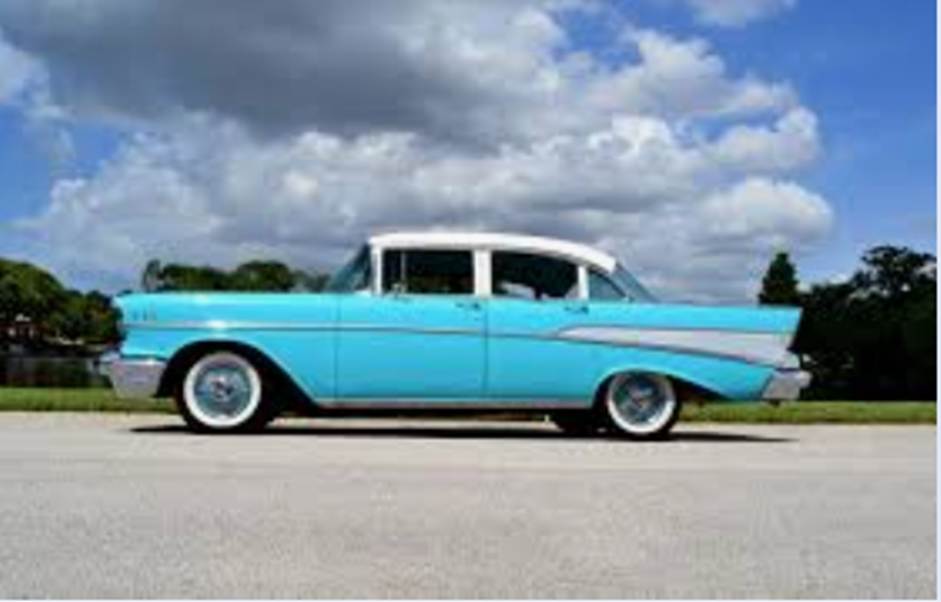
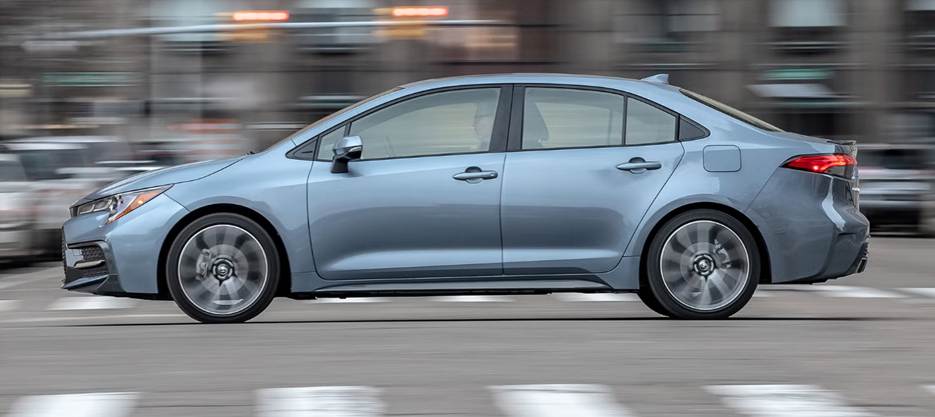
This 15-minute exercise explores the evolution of automotive engineering by comparing the iconic 1957 Chevrolet Bel Air and a modern Toyota Corolla.
Part 1: Quick Specs Comparison (5 Minutes)
Review the fundamental differences in size, power, and utility.
- Size & Presence: The ’57 Chevy is significantly larger, measuring roughly 508 cm in length, which is about 45 cm longer than a 2022 Corolla.
- Powerhouse vs. Efficiency: The Chevy was famous for its 283-cubic-inch V8, producing up to 283 horsepower with early fuel injection. In contrast, while a modern Corolla is faster than classic models, its focus is on efficiency, often averaging 21-30+ mpg depending on driving conditions.
- Technological Gap: The Chevy featured a 2-speed or 3-speed transmission, whereas the Corolla uses advanced CVTs or 6-speed manuals to optimize fuel delivery and performance.
Part 2: Safety & Engineering Deep Dive (5 Minutes)
Analyze how “solid” steel compares to modern crumple zones.
- Crash Survival: A common myth is that older, heavier cars are safer. However, data shows fatal crash rates are four times higher in older vehicles.
- Structural Integrity: The Chevy’s “Safety-Girder” frame was revolutionary for 1957, but modern Corollas are engineered with crumple zones designed to absorb impact energy, protecting the cabin.
- Safety Features: The 1957 Chevy offered optional heaters and defrosters as high-end features. Today’s Corolla includes standard airbags, anti-lock brakes, and electronic stability control—technologies that did not exist in the 1950s.
Part 3: Cultural Legacy & Value (5 Minutes)
Discuss why people still want these cars today.
- Collectability: A restored ’57 Chevy can be valued between $25,000 and $60,000. It is an American icon often featured in films and TV.
- Reliability: The Corolla is a global benchmark for longevity and integrity, with many reaching high mileage through consistent engineering standards that haven’t changed in philosophy over the last 20 years.
- Maintenance: The Chevy is celebrated for being easy to work on by owners, while the Corolla requires specialized tools for its advanced computer-controlled systems.
Context:
Every generation has a nostalgia bias, thinking that it lived in the “best of times”, that “kids these days are lazy” and that “society is going to hell in a handbasket”. It’s important to step back and place such things in perspective.
On the science, medicine, technology, economy, trade, communications and information fronts we’ve experienced “best ever” progress in the last 50-75 years.
On international relations, war, peace, politics, philosophy, community, religion and mental health dimensions we have a more mixed record.
The 1960’s are widely considered to be the hinge between an older more stable set of social institutions and a new set that has not yet fully settled down. The Civility project is part of this emerging redefinition of how we live good lives, together, in a much wealthier but more interdependent world.
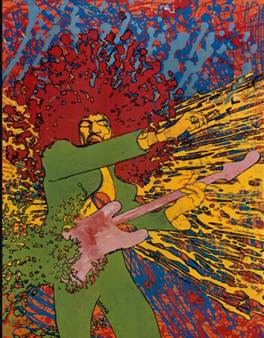
The 1960s are considered a massive cultural shock because they marked a rapid, comprehensive rejection of traditional 1950s social norms, fueled by a booming youth population, the Vietnam War, and mass media. It shattered established authority in politics, race relations, gender roles, and lifestyle, shifting Western society toward personal liberation. Google AI – April 6, 2026.
- Counterculture and Lifestyle: A youth-driven movement rejected conventional morality, embracing “free love,” casual sex, drug use, communal living, and distinct fashion changes like the miniskirt and long hair.
- Civil Rights and Equality: The struggle for racial equality transformed society, punctuated by the Civil Rights Act of 1964
and Voting Rights Act of 1965, alongside the rise of second-wave feminism. - The Vietnam War and Anti-War Protests: The war, amplified by television, created a “credibility gap” between government claims and reality, sparking intense youth protest and mistrust of authority.
- Technological and Social Changes: The proliferation of television created a unified media experience, while the advent of “the Pill” significantly altered sexual norms and gender dynamics.
- Musical and Artistic Explosion: Music, particularly rock and folk, became a vessel for social critique and the unification of a new generation (e.g., Woodstock).
- A “Bridge” Decade: The 1960s acted as a transition from the conservative, black-and-white media era to the more permissive, colorful “modern” world, with technological advancements like early satellite communication and computers.
This period is unique because it forced a shift from traditional institutional authority (church, family, state) to personal authenticity, empathy, and moral sensitivity.
 Good News
[…] Context: Toyota Corolla or ’57 Chevy? (2-1) – Good News […]