
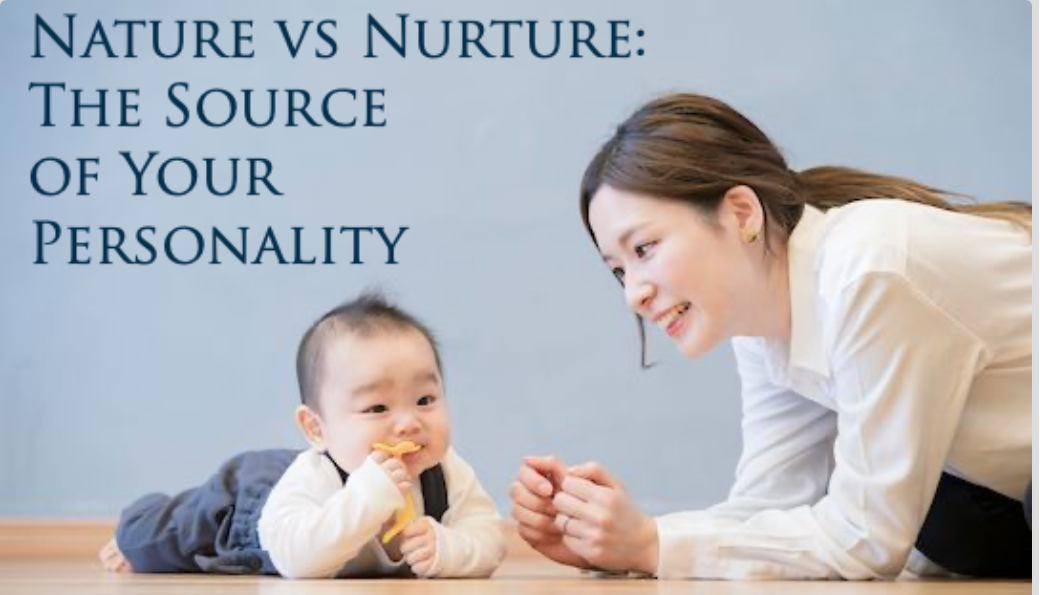
Nature vs. Nurture: The Source of Your Personality – eRep
Introduction
The modern definition of Civility emphasizes the role of 54 behaviors in 7 categories. Some of these are considered natural, others variable, a few neutral, and a handful opposed by nature. Each behavior is considered easy, moderate or difficult to learn. Combining nature and nurture, the behaviors can be ranked from easiest to most difficult to achieve.
Civility is Really About 7 Behaviors – Good News
Natural and Easy to Develop
Emphasizing common interests. Awareness of nonverbal clues. Acknowledging others. Building confidence from interactive success. Benefitting from engagements. Setting higher goals based upon others. Building organizations to pursue strategic goals. Using tools to make organizations more effective. Managing conflicts. Employing optimism. Showcasing trustworthiness. Feeling and showing empathy. Serving others.
Natural, Yet Moderately Difficult to Develop
Giving and receiving praise. Applying skills in different domains. Building cooperative environments. Developing emotional awareness. Growing self-respect. Refining emotional self-control. Finding resilience. Seeing how organizations really work. Taking the perspective of others.
Varied by Nature; Moderately Difficult to Develop
Mirroring communications. Speaking kindly. Managing boundaries. Developing others. Inspiring others. Showing authenticity. Being self-confident. Adapting to changed circumstances. Seeking initiative. Achieving.
Varied by Nature; Difficult to Develop
Prioritizing problem solution over personal debate. Creative thinking. Defining and optimizing processes. Translating public policies into law and administration. Systems reasoning.
No Natural Support
Improving organizational design. Improving meeting management. Developing cultural awareness. Strategic thinking. Apologizing.
Opposed by Human Nature; Moderate Work to Overcome
Seek first to understand rather than respond. Invest in continuous improvement. Find new perspectives from working with others. Employ the latest analytical tools.
Opposed by Human Nature; Hard Work to Overcome
Patience. Embracing feedback. Managing change. Managing complex projects. Accurate self-assessment.
Summary
The 7 Civility values of human dignity, respect, acceptance, responsibility, constructiveness, intentionality and public spiritedness drive the 7 Civility behaviors of self-awareness, self-management, social awareness, relationship management, communications, growth and problem-solving. Some of the detailed behaviors are natural and easy to apply. Others have less natural support and require greater personal effort to develop.
Google AI Notes (3/12/26)
The capacity for emotional self-awareness is a core part of human nature, though its expression is more of a learned skill than an automatic instinct. While humans have a unique biological predisposition for this awareness, most individuals must actively develop it throughout their lives. [1, 2, 3, 4]
Biological and Evolutionary Basis
- Innate Capacity: Humans possess a unique biological “blueprint” for emotional awareness due to disproportionate expansion of the cerebral cortex during evolution.
- Neural Infrastructure: The insula acts as a brain-to-body map, sensing physical signals like heart rate and muscle tension (interoception) to help identify internal emotional states.
- Survival Catalyst: Evolutionary theories suggest primal emotions like fear acted as a catalyst for the emergence of self-awareness, transitioning humans from reflexive “instinct” to “inner experience” to better predict and navigate danger. [1, 2, 4, 5, 6]
Developmental Reality
- A Learned Competency: Despite our biological potential, emotional self-awareness is considered a “competency” that must be practiced, much like swimming or tennis.
- Early Childhood Influence: A child’s awareness level is heavily shaped by their early environment; supportive caretaking encourages reflection, while harsh or unpredictable environments may prioritize short-term survival over self-reflection.
- The “Awareness Gap”: Research indicates a significant gap in actual self-awareness; while roughly 95% of people believe they are self-aware, studies show only 10–15% truly meet the criteria. [1, 2, 3, 4, 7, 8, 9]
Core Components
- Internal Awareness: Understanding your own values, passions, and emotional triggers.
- External Awareness: Understanding how others perceive you and your impact on them.
- Emotional Granularity: The ability to distinguish between specific feelings (e.g., distinguishing “disappointment” from general “stress”) rather than experiencing them as a single, vague sensation. [1, 9, 10, 11]
While accurate self-assessment is possible, research suggests it is not naturally intuitive for most humans. Instead, human nature is characterized by systematic biases that favor a positive self-view over an objective one. [1, 2, 3, 4, 5]
The Prevalence of Inaccuracy
Most people demonstrate a “better-than-average” effect, believing they possess superior skills compared to their peers in broad domains: [2, 5, 6]
- Leadership and Social Skills: In one study, 70% of high schoolers rated themselves above average in leadership, and 100% did so for social skills.
- Professional Competence: Approximately 94% of college faculty believe their work is better than that of their average peer.
- Safety: 93% of U.S. drivers consider themselves in the top 50% for driving ability, including those hospitalized for accidents they caused. [6, 7]
Why Accurate Assessment is Difficult
Several psychological and neurological factors “hardwire” us for inaccuracy: [8, 9, 10]
- The Dunning-Kruger Effect: Individuals with lower competence in a skill often lack the very knowledge required to recognize their own incompetence, leading to the widest margins of overestimation.
- Ego Protection: The brain is designed to filter uncomfortable truths and reframe setbacks to maintain a narrative where we are reasonable and well-intentioned.
- Biased Information Processing: We naturally use confirmation bias to seek evidence that supports our self-image while dismissing contradictory feedback.
- Evolutionary Strategy: Self-deception may have evolved as a way to better deceive others; by believing our own “inflated” stories, we display more confidence and avoid the telltale signs of lying, which helps in social advancement. [2, 3, 11, 12, 13, 14]
When Self-Assessment is Accurate
Accuracy is generally higher under specific conditions: [15]
- Concrete Tasks: People are more accurate when assessing specific, measurable skills (like athletics) rather than vague ones (like “managerial ability”).
- External Feedback: Accuracy improves significantly when individuals are provided with objective, non-threatening diagnostic cues and are held accountable for their self-ratings.
- Clinical Exceptions: Interestingly, one group that consistently demonstrates accurate self-knowledge—whose self-estimates align closely with external standards—are those who are clinically depressed. [6, 13, 16]
Self-confidence is generally considered a learned skill rather than an innate biological trait, though humans possess a biological “predisposition” that can influence their baseline. While no specific “confidence gene” has been identified, research suggests that genetics may account for roughly 15% to 34% of the variance in self-confidence among individuals. [1, 2, 3, 4]
The Nature vs. Nurture Balance
The development of self-confidence is a complex interplay between your biological starting point and your life experiences: [5, 6]
- Biological Predisposition: Some people are naturally more geared toward optimism or may have a “temperamental style” that makes them less prone to anxiety.
- Early Childhood: A child’s nascent confidence is often “birthed” through early relationships with parents or caregivers. Positive reinforcement and supportive environments foster a sense of worth, while critical or unsupportive ones can undermine it.
- The Power of Experience: Over time, “nurture” often takes a lead role. One study found that as we age, the influence of genetics on self-esteem decreases, with environmental factors becoming more dominant. [2, 4, 7, 8, 9]
Key Drivers of Confidence
According to Psychology Today, confidence is an “ability that can be acquired and improved over time” through several key mechanisms: [10, 11]
- Competence-Confidence Loop: Achieving success in specific tasks builds a belief in your own abilities, which in turn motivates you to take on harder challenges.
- Social Learning: Observing role models who demonstrate confidence can inspire similar attitudes in others.
- Metacognition: Modern cognitive science suggests that confidence involves “self-assessment”—the ability to realistically judge your own performance.
- Body Language: Research into the “bidirectional relationship” between body and mind suggests that adopting confident postures can actually induce a more confident physiological state. [7, 12, 13, 14]
Common Misconceptions
- Innate vs. Developed: Many believe you are simply “born with it,” but experts emphasize that it is a masterable skill developed through practice, like any other talent.
- Arrogance vs. Confidence: True confidence stems from self-awareness and accepting one’s weaknesses, whereas arrogance often masks insecurity with a facade of superiority. [1, 4, 10, 15]
Psychologically and biologically, humans appear to have an inborn desire for self-respect, though attaining and maintaining it is a complex process shaped by both nature and nurture. [1, 2]
The Innate Drive for Respect
- Fundamental Human Need: Abraham Maslow’s Hierarchy of Needs classifies “esteem” as a fundamental human requirement. This includes a “higher” version focused on self-respect, which encompasses the need for strength, competence, and freedom.
- Inborn Desire: Humanists like Maslow argue that people have an inborn desire to achieve their full potential, which necessitates a foundation of self-esteem and self-respect.
- Evolutionary Advantage: From an evolutionary standpoint, self-evaluation (related to self-respect) may have evolved to help individuals track their social standing and maintain the social bonds necessary for survival. [1, 3, 4, 5]
The Learned Component
While the need for self-respect may be innate, the ability to maintain it is often a learned skill: [6, 7, 8]
- Childhood Development: Self-respect is largely fostered in childhood through unconditional love and appreciation from caregivers.
- The “Muscle” of Integrity: Modern psychology views self-respect as something built “brick by brick” through keeping small promises to oneself and acting in alignment with personal moral standards.
- Biological Predispositions: Some research suggests a biological basis for confidence and self-worth, with certain genetic variants (like those related to oxytocin receptors) being linked to higher self-esteem. [6, 9, 10, 11, 12]
Why High Self-Respect Matters
- Mental Health: High self-respect is a significant buffer against depressive symptoms and anxiety.
- Boundaries and Rights: It allows individuals to perceive themselves as having equal rights to others, which is critical for setting healthy boundaries and participating in society.
- Internal vs. External: Unlike self-esteem, which can fluctuate based on external success, self-respect is an internal judgment based on integrity. [9, 11, 13, 14, 15, 16]
While modern culture often frames authenticity as a “higher state” to be achieved, many psychological and philosophical perspectives suggest that it is indeed fundamental to human nature, though often suppressed by social pressures. [1, 2]
Perspectives on Authenticity as Human Nature
- The Inherent Drive: Many psychologists view the drive toward authenticity as a primitive need. When we act against our core values, we often experience “inauthenticity” as a form of emotional distress, dissonance, or even physical drain.
- Authenticity as an Emotion: Some researchers argue that authenticity is not a fixed trait but an emotion that fluctuates based on how well our current actions align with our internal values. In this sense, “feeling authentic” is a natural biological feedback mechanism.
- Universal Value: A vast majority of people—particularly Gen Z—rank being true to oneself as their most important personal value, suggesting a deep-seated human desire for genuine self-expression. [2, 3, 4, 5, 6, 7]
Why It Doesn’t Always Feel “Natural”
Despite being part of our nature, authenticity is frequently compromised by other equally natural human drives: [8]
- Social Conformity: Humans are inherently social creatures. The need for social acceptance often leads us to “mask” our true feelings to fit in or protect others’ feelings.
- Self-Protection: Vulnerability—a key component of authenticity—can feel dangerous. We naturally develop “masks” or professional “playbooks” as defense mechanisms against judgment or career setbacks.
- Adaptability: Being “different” versions of yourself (e.g., at work vs. with family) is actually a sign of emotional intelligence and social functionality, rather than a lack of nature. [1, 2, 9, 10, 11]
Key Differences in Definition
Understanding if it’s “natural” depends on how you define it:
- Authenticity vs. Honesty: Being authentic doesn’t mean being brutally honest in every moment; it means making choices (like a polite “white lie” to be kind) that still align with your internal values.
- Authenticity vs. Realness: “Realness” is acting without regard for consequences. Authenticity is acting with self-awareness and intention. [2, 12, 13, 14, 15]
Ultimately, while the drive to be authentic is natural, the practice of it often requires conscious effort and courage to overcome the natural fear of social rejection. [1, 5]
These articles discuss the relationship between authenticity, social conformity, and self-protection as fundamental human tendencies:
Emotional self-control is a fundamental aspect of human nature, yet it is a capacity that must be developed through learning and practice rather than an fully formed ability we are born with. [1, 2, 3]
The Role of Biology and Evolution
- Unique Human Trait: The ability to manage impulses and emotions for long-term goals is a key feature that separates humans from most other animals.
- Brain Structure: This capacity is primarily rooted in the prefrontal cortex, which acts as a “control center” to moderate baser emotions and urges from primitive brain areas like the amygdala.
- Adaptive Survival: From an evolutionary perspective, self-control emerged because it was essential for cooperative social living, helping humans avoid social exclusion and build stable groups.
- Energy Resource: Some research suggests self-control relies on physical resources like blood glucose, meaning it can fluctuate based on energy levels and stress. [2, 4, 5, 6, 7, 8, 9, 10, 11, 12]
Development and Learning
- Learned Skill: While humans are biologically “hardwired” with the potential for self-control, the actual skills (emotional regulation) are typically acquired during childhood.
- Age and Growth: Emotional control generally improves with age as the brain matures and individuals learn more effective coping strategies.
- Individual Differences: Factors such as genetics, upbringing, and past trauma can influence how easily a person can exercise self-control. [2, 13, 14, 15, 16, 17]
Why We Fail
- Stress Vulnerability: Under acute stress, the prefrontal cortex can “shut down,” allowing primitive impulses to take over.
- Willpower Limits: Some theories suggest willpower is a finite resource (ego depletion) that can be exhausted by repeated use throughout the day.
- Environment Mismatch: Our evolved emotional responses (like fear or anger) are sometimes mismatched with the modern world, making them harder to regulate in non-survival contexts. [2, 5, 8, 18, 19]
These articles explore the biological and developmental aspects of self-control, detailing its role in human nature and societal functioning.
Yes, adaptability is a fundamental part of human nature, primarily driven by our biological makeup and unique social behaviors. While individuals vary in their natural tendency to embrace change, humans as a species are defined by their capacity to learn and adjust to diverse environments. [1, 2, 3, 4, 5]
Biological and Cognitive Foundations
- Neuroplasticity: This is the brain’s physical ability to be shaped by experience. It is the literal basis for all human learning, allowing the brain to reorganize itself and retain new information throughout life.
- Built-in Strategy: Humans possess “adaptive developmental plasticity,” an evolved trait that allows different behaviors and tendencies to emerge from a single genotype based on the environment into which a person is born.
- Dynamic Learning Rates: Research shows humans naturally and dynamically adjust their “learning rate” based on environmental uncertainty, increasing focus when change points are detected. [1, 6, 7, 8]
Social and Evolutionary Drivers
- Social Learning: A defining human feature is the ability to learn from others. This allows for the accumulation of complex knowledge (tools, beliefs, practices) across generations, which no single individual could invent alone.
- Adaptability Over Instinct: Unlike many animals that rely on fixed instincts, human success is driven by the flexible switching between individual exploration and social learning.
- Global Expansion: This innate adaptability has allowed humans to occupy a wider range of habitats than any other terrestrial species. [3, 9, 10, 11, 12]
Key Characteristics of Adaptable Learners
While the capacity is universal, “Master Adaptive Learners” often display specific traits: [13, 14]
- Curiosity & Motivation: Natural drivers that sustain the learning process.
- Growth Mindset: The belief that abilities can be developed through effort.
- Resilience: The ability to bounce back from mistakes and persist through difficult problems.
- Openness: Being willing to change one’s mind when presented with new evidence. [13, 14, 15, 16, 17]
Achievement motivation is considered a fundamental aspect of human nature, though its specific expression is a complex blend of innate biological drives and learned social experiences. [1, 2, 3]
Is it Innate or Learned?
Psychological consensus suggests that while the “building blocks” of achievement are universal, the motivation itself is heavily shaped by environment: [4, 5, 6]
- Innate Foundations: The affective basis for achievement—such as the capacity to feel pride in success or shame in failure—is deeply anchored in biological evolution. These early signs appear in children as young as 3.5 years old during competitive play.
- Learned Needs: Major theories, such as McClelland’s Human Motivation Theory, argue that the specific “need for achievement” is a learned drive developed through life experiences and culture.
- Universal Driver: Regardless of culture, most individuals are driven by a mixture of three basic needs: achievement, affiliation (relationships), and power (influence). [1, 2, 3, 7, 8]
Key Characteristics of Achievement Motivation
People with high achievement motivation typically share specific behavioral patterns: [9, 10]
- Preference for Moderate Challenges: They avoid tasks that are too easy (no satisfaction) or too difficult (high risk of uncontrollable failure), preferring goals that require real effort but are attainable.
- Feedback Seeking: They crave regular, specific, and factual feedback to measure their progress against their own standards.
- Internal Satisfaction: The primary reward is the personal sense of accomplishment and mastery rather than external praise, status, or financial gain.
- Persistence: This drive enables individuals to persevere through setbacks, viewing failure as data to improve rather than a reflection of incompetence. [11, 12, 13, 14]
Why It Matters
Achievement motivation is a better predictor of long-term success in academic and professional settings than raw intelligence alone. It is closely linked to self-efficacy—the belief in one’s own capacity to succeed—which reinforces the drive to take on further challenges. [12, 15]
Would you like to explore strategies to increase your own achievement motivation or learn more about how it differs from external rewards like money?
Psychological research suggests that while humans are not necessarily born with a fixed level of initiative, the potential for it is inherent in our nature as a proactive, problem-solving species. Experts often describe initiative more as a “muscle” or a skill that is cultivated through practice rather than a purely biological trait. [1, 2, 3, 4, 5]
Is Initiative “Natural”?
- A “Muscle” Not a Birthright: Many experts argue that no one is born with a set level of initiative. Instead, it is developed through trial, error, and repetition.
- Proactivity as a Survival Mechanism: Evolutionary perspectives suggest humans are “hardwired” to work together and solve problems to ensure group survival, which requires individuals to take the lead in identifying threats or opportunities.
- Psychological Drivers: Initiative is closely linked to self-efficacy—the belief in your own ability to succeed. People with higher self-confidence are naturally more inclined to act without being told. [1, 2, 3, 6, 7]
Why Some People Have More Than Others
While the capacity is universal, its expression varies based on several factors:
- Personality Traits: Proactivity is often linked to traits like conscientiousness and extroversion.
- Environment and Culture: Environments that reward autonomy and trust encourage initiative, while rigid hierarchies or fear of failure can suppress it.
- Early Development: Upbringing and education play a critical role in “strengthening” the initiative muscle. [3, 8, 9, 10, 11, 12]
Key Components of Strong Initiative
According to researchers, individuals with strong initiative consistently display three key elements: [13]
- Self-Starter Attitude: Acting without waiting for permission or instructions.
- Opportunity Recognition: Seeing potential for improvement where others see obstacles or “business as usual”.
- Willingness to Act: Moving from the idea phase to concrete action, often involving a calculated risk. [1, 6, 7, 14]
Taking initiative is increasingly viewed as a transformative mindset that can be learned and improved at any stage of life. [7, 15]
Research suggests that human beings are hardwired to be more optimistic than not. While individual outlooks vary, a majority of people worldwide exhibit a natural “optimism bias,” which influences how the brain processes information about the future. [1, 2, 3, 4, 5]
Evidence for Inherent Optimism
- The Optimism Bias: Approximately 80% of individuals exhibit a tendency to overestimate the likelihood of positive events and underestimate negative ones, regardless of whether they identify as optimists or pessimists.
- Neural Wiring: Brain imaging indicates that we process positive information more efficiently than negative information. Frontal brain regions are less precise when encoding worse-than-expected information, which hinders us from updating our beliefs in a negative direction.
- Universal Phenomenon: A global study found that 89% of individuals expect the next five years to be as good or better than their current life, suggesting optimism is a universal human trait. [1, 4, 5]
Origins and Influences
- Genetic Factors: Dispositional optimism is estimated to be approximately 25% heritable.
- Environmental Impact: While we may be born with an optimistic baseline, childhood environment—specifically parental warmth and financial security—significantly predicts adult optimism.
- Evolutionary Purpose: Some experts believe our brains were wired for optimism to lower stress levels, boost self-esteem, and provide the motivation needed to take risks and pursue goals. [5, 6, 7]
Benefits and Risks
- Health and Longevity: Optimists tend to have stronger immune systems, better cardiovascular health, and live longer than pessimists.
- Resilience: Optimistic individuals are more likely to use “engagement coping,” facing problems head-on rather than avoiding them.
- The Downside: Excessive optimism can lead to unrealistic risk-taking in health or finances, such as smokers underestimating their personal risk of disease. [2, 3, 5, 6, 7, 8]
While the impulse to maintain social bonds is part of human nature, apologizing effectively is not an innate instinct; rather, it is a sophisticated emotional skill that most people find naturally difficult. [1, 2, 3, 4, 5]
Human nature actually presents several psychological barriers that make a sincere apology counter-instinctive: [6, 7, 8]
Natural Barriers to Effective Apologizing
- Self-Protection & Ego: Admitting fault is often perceived by the brain as a threat to one’s self-image or a sign of weakness. To protect our ego, we naturally lean toward moral disengagement, rationalizing our actions or blaming the other person instead of taking ownership.
- The “Vulnerability Hangover”: A genuine apology requires vulnerability and the risk of rejection, as there is no guarantee the other person will offer forgiveness.
- Perception Gaps: Research shows people naturally tend to overestimate how humiliating an apology will be while underestimating its benefits for both parties. [2, 9, 10, 11, 12]
The Learned “Art” of Apology
Effective apologies must be practiced because they require specific components that don’t always come naturally, such as: [2, 13]
- Full Accountability: Avoiding the “but” (e.g., “I’m sorry, but…”) which naturally surfaces as a defensive mechanism.
- Acknowledgment of Harm: Validating the other person’s pain rather than just stating “I’m sorry” for the action itself.
- Offer of Repair: Committing to concrete behavioral changes to prevent the offense from happening again. [1, 10, 14, 15, 16, 17]
Biological & Social Nuances
- Physical Effects: While giving an apology is hard, human bodies are biologically responsive to receiving them; effective apologies can lower blood pressure and steady heart rates in the recipient.
- Gender and Mindset: Women tend to apologize more frequently because they often perceive offenses as more severe than men do, not necessarily because they are “better” at it. People with a growth mindset—the belief that personality can change—are generally more likely to apologize effectively because they see mistakes as learning opportunities rather than fixed character flaws. [10, 12, 14, 18, 19]
Scientific research generally suggests that human nature is predisposed toward trustworthiness, as it is an essential biological and social mechanism for survival. While humans have a capacity for both cooperation and betrayal, the consensus among many psychologists and neuroscientists is that we are “hardwired” to be mostly honest and cooperative. [1, 2, 3, 4]
The Biological Basis for Trustworthiness
- Oxytocin: This hormone plays a critical role in social bonding and encourages individuals to take social risks, such as trusting others. Research shows that when humans cooperate, the reward centers of the brain light up, making it feel good to be trusted.
- Hard-Wired Cooperation: Evolutionary biology suggests humans evolved as reliable cooperators because group living required it.
- Prosocial Guilt: Most people possess “guilt-proneness,” a neural mechanism that causes them to feel “squeamish” or guilty when betraying someone’s trust, which naturally encourages reliable behavior. [2, 3, 4, 5, 6, 7]
The Role of Environment and Choice
While the biological foundation exists, trustworthiness is often viewed as a practice or choice rather than a fixed genetic trait. [8, 9]
- Practice over Trait: Experts at Psychology Today emphasize that trustworthiness is built through consistent daily patterns of honesty, clarity, and competence.
- Environmental Influence: Factors like childhood upbringing and current social environments (e.g., political stability or corruption) significantly impact whether an individual’s natural inclination to be trustworthy is reinforced or eroded.
- Pragmatic Skepticism: Humans also have an innate “xenophobia” or defensive instinct that leads to caution with strangers, suggesting that while we are capable of trust, we are also biologically designed to be vigilant against exploitation. [3, 8, 10, 11, 12, 13, 14]
What Makes a Person Trustworthy?
Psychological research, such as Brené Brown’s Anatomy of Trust, identifies several core pillars of trustworthiness: [15, 16, 17]
- Reliability: Consistently doing what you say you will do.
- Accountability: Taking ownership of mistakes instead of deflecting.
- Integrity: Choosing courage over comfort and practicing one’s values rather than just professing them.
- Benevolence: Genuinely caring for the interests of others rather than acting solely out of self-interest. [15, 18, 19, 20, 21]
Yes, research in psychology and biology suggests that it is in human nature to be resilient. Resilience is often described by experts as “ordinary magic”—a basic human capacity for adaptation that is common rather than extraordinary. [1, 2, 3, 4, 5]
Evidence for Natural Resilience
- Widespread Success: Studies show that even after severe trauma, most individuals (roughly 50% to 65%) do not develop chronic psychological disorders like PTSD, indicating a natural capacity for self-healing.
- Biological Foundations: Resilience is linked to specific brain structures (like the prefrontal cortex and hippocampus), neurotransmitters (dopamine and oxytocin), and even genetic factors that help regulate stress responses.
- Survival Instinct: From an evolutionary standpoint, humans survived by being adaptable. This inherent drive for survival is a core component of resilient behavior. [1, 2, 6, 7, 8, 9, 10]
Resilience as a Learnable Skill
While there is a natural baseline, resilience is also widely viewed as a dynamic process or muscle that can be developed and strengthened over time. It is not a fixed trait you either have or don’t. [4, 5, 11, 12, 13]
Key factors that build and support this natural resilience include:
- Social Support: Having at least one stable, committed relationship with a supportive adult or peer is one of the strongest predictors of resilience.
- Cognitive Flexibility: The ability to reframe challenges, find meaning in adversity, and maintain a realistic, positive outlook.
- Self-Regulation: Skills in managing strong emotions and impulses, often cultivated through practices like mindfulness or Cognitive Behavioral Therapy (CBT).
- Agency: Believing that your actions can influence the outcome of an event (an internal locus of control). [1, 7, 9, 14, 15, 16, 17, 18, 19]
Yes, empathy is considered a fundamental part of human nature, rooted in both biology and evolution. While humans are born with an innate capacity for it, mature empathy is also a developed skill shaped by upbringing and social environment. [1, 2, 3, 4]
Biological and Evolutionary Roots
- Innate Foundations: Humans are “hardwired” to empathize through mirror neuron systems and specific brain regions (like the anterior insula and amygdala) that activate when we see others in pain.
- Evolutionary Advantage: Empathy likely evolved to ensure offspring survival (parental care) and to promote cooperation within social groups, which was essential for early human survival.
- Early Emergence: Infants as young as 12 to 18 months display spontaneous helping behaviors and attempt to comfort others in distress, often without being prompted. [5, 6, 7, 8, 9, 10, 11]
The Two Components of Empathy
Research distinguishes between two primary forms of empathy that develop at different rates: [12, 13, 14]
- Affective (Emotional) Empathy: The automatic ability to “catch” and share another person’s feelings (e.g., feeling distressed when a baby cries). This is highly heritable (about 48%) and appears very early in life.
- Cognitive Empathy: The learned ability to intellectually understand another’s perspective or “theory of mind”. This develops later (typically maturing by age 4) and is more heavily influenced by environment and parenting. [10, 15, 16, 17, 18]
Natural Variations and Limitations
- Genetic Influence: While most humans are born with the capacity for empathy, genetics account for roughly 10% to 50% of the variation in empathy levels between individuals.
- Selective Nature: Natural empathy is often biased toward one’s own “tribe” or family; expanding empathy to strangers or out-groups typically requires conscious effort and cultural training.
- Conditioning and Training: Empathy is mutable; it can decline (as often seen in medical training) but can also be intentionally strengthened through interventions like meditation or specific social skills training. [6, 15, 19, 20, 21, 22, 23, 24]
It is part of human nature to have an awareness of group dynamics, though much of this awareness operates unconsciously. Humans have evolved a “social brain” with specific psychological adaptations to navigate the complex threats and opportunities of group living. [1, 2, 3, 4, 5, 6]
The Evolutionary Basis
- Survival Necessity: For ancestral humans, group living was an adaptive strategy for protection from predators and resource sharing.
- Psychological Software: Evolution has provided humans with “psychological software”—innate mechanisms for identifying cheaters, managing status, and maintaining reciprocity—that often functions outside of conscious awareness.
- Social Connection: The need to connect is considered more fundamental than the need for food or shelter. By age ten, most children have spent roughly 10,000 hours learning to make sense of people and groups. [1, 2, 4, 7, 8]
Biological Drivers of Group Awareness
- The Social Brain: Specific neural networks (including the amygdala and hypothalamus) allow humans to make inferences about others’ intentions and feelings.
- Hormonal Influence: Hormones like oxytocin promote trust and conformity within an “in-group”.
- Mirror Neurons: These specialized cells enable individuals to automatically “mirror” or simulate others’ actions and emotions, facilitating empathy and group cohesion. [6, 9, 10, 11, 12]
Awareness vs. Influence
While humans are naturally wired to respond to group dynamics, they are not always consciously aware of how groups change their behavior: [2, 13, 14]
- Social Personality: Individuals often adopt a “social personality” in groups, unconsciously imitating others and prioritizing fitting in over independent thought.
- Implicit Norms: Group norms often emerge gradually through interaction and guide behavior without the individual’s conscious attention.
- Developed Awareness: While the capacity for awareness is innate, social intelligence—the ability to consciously navigate and manage these dynamics—is a skill that is often refined through life experience and reflection. [3, 15, 16, 17, 18]
Scientific and psychological evidence suggests that being service-oriented is deeply rooted in human nature, driven by evolutionary survival strategies and biological wiring for connection. [1, 2]
The Biological & Evolutionary Basis
- Instinctive Cooperation: Humans may be instinctively cooperative rather than purely selfish. From an evolutionary perspective, cooperative genes were likely selected because they offered a superior survival strategy for early human groups.
- Neurological Rewards: Acts of service and kindness trigger the release of “feel-good” neurotransmitters like dopamine, serotonin, and oxytocin. This chemical response reduces stress and anxiety, reinforcing service-oriented behavior through a natural biological reward system.
- The “Service-First” Mindset: Servant leadership often begins with a “natural feeling” or desire to serve first, which precedes the conscious choice to lead. [1, 2, 3]
Psychology of Service Orientation
- Personality Traits: Research indicates that certain individuals are naturally more predisposed to service due to personality traits such as agreeableness (being helpful, sincere, and thoughtful) and extroversion.
- Emotional Intelligence: Service orientation is a core component of social awareness. It involves the capacity to anticipate, recognize, and meet the needs of others, which is often considered a “virtue of humanity”.
- Personal Fulfillment: Helping others provides a profound sense of purpose, achievement, and joy. This “positive irony” means that by focusing on others, individuals often improve their own mental clarity and physical health. [2, 3, 4, 5, 6, 7]
Environmental Influences
While the biological foundation exists, service orientation is also shaped by external factors: [8, 9, 10]
- Upbringing & Environment: Childhood experiences and the socio-cultural environment significantly influence how naturally service-oriented an adult becomes.
- Skill Development: Like any human trait, it can be cultivated. Improving skills like active listening, empathy, and proactive problem-solving can enhance one’s natural service-oriented tendencies. [4, 5, 11, 12]
Psychologists and evolutionary biologists generally agree that considering the perspectives of others—often called Theory of Mind—is a fundamental part of human nature, though it is a capacity that must be developed and can be influenced by environment. [1, 2, 3, 4]
Here is the breakdown of why this is considered an “innate” human trait:
- Evolutionary Survival: Humans are “obligate gregarious” animals. Our ancestors survived by cooperating in tight-knit groups, which required predicting others’ intentions, needs, and reactions.
- Biological Hardware: Most humans are born with mirror neurons, which fire both when we perform an action and when we observe someone else doing it. This provides a neurological basis for empathy and understanding another’s state.
- Developmental Milestones: Children typically begin to understand that others have different thoughts and beliefs than their own between the ages of 3 and 5.
- The “Tribal” Constraint: While we are naturally wired for empathy, we are also biologically prone to in-group bias. We find it much easier to consider the perspectives of people we perceive as “like us” than those we view as outsiders. [5, 6, 7, 8, 9]
In short, the capacity is nature; the application is often a choice or a learned skill. [10, 11, 12]
While culture is a fundamental part of human nature, being “culturally aware” in the modern sense—specifically, the conscious recognition and respect of cultural differences—is considered an evolved and learned skill rather than an automatic biological instinct. [1, 2]
The Role of Nature vs. Nurture
- Innate Foundation: Humans are biologically programmed to enter into and create culture; it is the “quintessence of human nature”. We have an innate tendency to conform to our own group’s norms, which is more pronounced in humans than in other primates.
- Learned Awareness: Most cultural identity and behaviors are developed unconsciously. True cultural awareness requires a proactive effort to step outside one’s “cultural comfort zone” or “fear zone” into a “learning zone”.
- Social Reality: We are born into a world already imbued with cultural meaning and social practices that shape our selfhood before we have the cognitive capacity to define ourselves. [1, 3, 4, 5, 6, 7]
Why We Aren’t Naturally “Aware”
- Ethnocentrism: Humans naturally view the world through their own cultural lens, often leading to unconscious biases and a tendency to judge others based on their own cultural standards.
- The “Iceberg” Effect: Much of culture is nonvisible (values, beliefs, thought patterns) and becomes implicit over time, making it difficult to recognize even in ourselves without intentional reflection.
- Requirement of Exposure: Awareness often only begins when we are exposed to another culture that challenges our own “natural” way of seeing the world. [5, 8, 9]
Benefits of Cultivating Awareness
Developing this skill is increasingly essential for success in a globalized society, offering several benefits:
- Enhanced Interpersonal Relationships: Fosters empathy and reduces prejudices by helping individuals understand the lived experiences of others.
- Professional Success: Improves communication and collaboration in diverse workplaces and leads to better outcomes in fields like healthcare.
- Strengthened Self-Identity: Learning about others helps individuals better understand their own cultural values and biases. [2, 7, 9, 10, 11]
Yes, it is fundamentally part of human nature. Our capacity to influence others is rooted in our evolution as social animals. Because human survival historically depended on group cohesion, we developed sophisticated biological and psychological mechanisms to align the thoughts and behaviors of those around us. [1, 2, 3, 4, 5]
Key drivers of this capacity include:
- Mirror Neurons: These allow us to “feel” or understand the actions and emotions of others, creating a natural pathway for empathy and behavioral mimicry.
- Language and Storytelling: Humans are unique in using complex communication to share abstract ideas, which allows us to persuade others and build shared belief systems.
- Social Hierarchy: We are hardwired to recognize and respond to authority and social cues, making us both susceptible to influence and capable of exerting it to maintain order or achieve goals.
- Reciprocity: The innate “urge” to give back when something is received is a universal human trait used to build alliances and influence social outcomes. [6, 7, 8, 9, 10]
Essentially, influence isn’t just a skill we learn; it is the “social glue” that allows humans to cooperate in large groups. [11]
Whether conflict management is “natural” is a fascinating mix of evolutionary biology and learned social behavior.
Strictly speaking, humans have an innate biological drive for social cohesion. Because our ancestors relied on the group for survival, we evolved mechanisms to repair relationships after disagreements. In this sense, the urge to manage conflict—reconciliation, empathy, and cooperation—is deeply rooted in our nature. [1, 2, 3, 4, 5]
However, the specific skills required to manage conflict effectively (like active listening, emotional regulation, and negotiation) are largely learned behaviors. [6, 7, 8, 9, 10]
Here is the breakdown:
- The “Nature” Side: Primates, including humans, display natural “post-conflict resolution” behaviors. Studies show that after a fight, many social mammals engage in grooming or physical contact to reduce stress and restore group stability.
- The “Nurture” Side: Our default biological response to conflict is often “fight, flight, or freeze,” driven by the amygdala. Overriding this primitive reaction to use “reasoned negotiation” requires cognitive development, cultural training, and practice. [11, 12, 13, 14, 15]
While we are born with the capacity for harmony, we are not born with an instruction manual for it. [16, 17, 18]
Yes, teamwork and collaboration are considered fundamental components of human nature. While individuals vary in their natural aptitude, the capacity to work together is a biological and evolutionary legacy that has allowed the species to survive and thrive. [1, 2, 3]
The Evolutionary Foundation
- Survival Advantage: Early humans lacked physical defenses like claws or fangs; their primary survival strategy was “strength in numbers”.
- Cooperative Hunting and Foraging: Collaboration allowed ancestors to hunt large game, such as mammoths, which would be impossible for an individual alone.
- Social Brain Hypothesis: Research suggests the human brain evolved specifically to manage the complexities of social interactions and group dynamics.
- Shared Intentionality: Unlike other primates, humans possess a unique ability to share intentions and read social signals to achieve common goals. [3, 4, 5, 6, 7, 8]
Biological and Psychological Drivers
- Neurological Wiring: Brain regions like the prefrontal cortex have expanded to support advanced cognitive functions necessary for cooperation, such as empathy and understanding others’ mental states.
- Hormonal Regulation: Chemicals like oxytocin play a significant role in regulating social bonding and trust within groups.
- Innate Need to Belong: Humans have a biological mandate for social acceptance; exclusion from a group is often experienced as a painful, survival-threatening event. [3, 5, 6, 9, 10]
Collaboration as a Cultivated Skill
While the impulse to cooperate is innate, the skills required for effective modern collaboration are often learned and must be trained: [11, 12]
- Emotional Intelligence: High-performing teams rely on members who can regulate emotions and practice “social sensitivity” to understand teammates’ feelings.
- Communication: Effective teamwork requires deliberate practice in clear communication and transparent information sharing.
- Trust and Safety: Psychological safety—the feeling that one can speak openly without punishment—is a critical, non-innate factor that determines a team’s success. [2, 11, 13]
Whether leadership is “human nature” is a fascinating debate that sits at the intersection of evolutionary biology and psychology.
The short answer is: Human nature is built for followership and hierarchy, but “inspirational” leadership is a specific skill set. [1, 2, 3]
Here is the breakdown:
- The Evolutionary Root: Humans evolved as social animals in small tribes. Survival depended on coordination. Natural selection favored groups that could align under a leader to find food or defend territory. In this sense, the drive to lead and the instinct to follow are deeply embedded in our DNA.
- The Trait vs. Skill Debate: While some individuals are born with high levels of extraversion or empathy (traits often associated with inspiration), most researchers agree that inspirational leadership is a developed behavior. It requires mastering communication, emotional intelligence, and vision.
- The “Great Man” Myth: Modern social science has largely moved away from the idea that certain people are simply “born leaders.” Instead, it suggests that context matters most. A person who is inspirational in a crisis might be ineffective in a stable environment. [4, 5, 6, 7, 8]
In essence, while we are naturally “wired” for social hierarchy, being inspirational is an art form that builds upon those biological foundations.
While change itself is an inevitable constant, managing it is a complex intersection of instinct and learned behavior. Human nature is characterized by a dual response: a primal drive to resist change to ensure safety, and a cognitive capacity to consciously direct it for growth. [1, 2, 3, 4]
The Instinctive Resistance
At a biological level, the human brain is hardwired to seek familiarity and predictability as a survival mechanism. [2, 5, 6]
- Energy Conservation: The brain’s reflexive areas (habits and routines) require less energy than the prefrontal cortex, which is needed to process new information.
- Fear and Uncertainty: Change often triggers a “fight or flight” response because it introduces novelty and a loss of control, which the brain perceives as a threat.
- The “Vault” of Habits: Many behaviors are stored as automatic “drives” that are difficult to modify because they were originally designed to protect us from reckless interference. [2, 5, 7]
The Capacity for Management
Despite this inherent resistance, humans possess unique abilities to manage and even initiate change: [1, 3, 8]
- Agency and Control: Humans tend to embrace change when they are the ones controlling it (e.g., a home renovation) and resist it when it is imposed from the outside (e.g., an unexpected flood).
- Opportunity Seeking: Beyond fear, we are also instinctively wired for opportunity. If a change is perceived as beneficial or a way to gain pleasure/avoid pain, humans will actively pursue it.
- Adaptability (Changing vs. Change): While “change” can be external and uncontrollable, “changing” is the active human process of adaptation that requires conscious effort and agency. [1, 3, 4, 9, 10]
Success in “Managing” Human Nature
Effective change management works with human nature rather than fighting it: [1, 11, 12, 13]
- Psychological Safety: Successful transitions occur when people feel safe, valued, and communicated with.
- Empathy and Connection: Approaches that use strategic empathy to understand employee fears are more likely to succeed than process-driven, systematic methods.
- Empowerment: Involving people in shaping the change increases success rates significantly, as it returns a sense of control to the individual. [1, 14, 15, 16, 17]
Yes, using tools to collaborate is a defining and intrinsic part of human nature. Unlike other species that use tools primarily for individual survival, humans have evolved to use them as essential enablers of social coordination and complex group goals. [1, 2, 3, 4]
The Evolutionary Link
- Interdependence: Early human survival relied on “obligate collaborative foraging,” where individuals had to work together to hunt or gather food.
- Shared Intentionality: Humans evolved a unique ability to read social signals and share goals, which allowed us to use tools (like stone implements for butchering) as a group rather than just individually.
- Gene-Culture Co-evolution: The human brain evolved in parallel with technology; as we developed better tools, our social structures became more complex, which in turn required even more sophisticated tools to manage. [3, 4, 5, 6, 7]
Tools as Social Enablers
- Overcoming Limits: Technology acts as an “enabler,” allowing humans to bridge geographical boundaries and communicate across distances to achieve shared outcomes.
- Knowledge Sharing: Tools facilitate the “ratchet effect,” where one individual’s innovation is adopted and improved upon by the entire group, leading to cumulative cultural growth.
- Creative Environments: Modern digital tools can create “prototyping canvases” that turn collaboration into a collective creative process rather than just a task-based one. [6, 8, 9, 10]
The Role of Human Agency
- People-First Approach: While tools are a natural extension of human capability, collaboration itself remains a “human and social issue”.
- Tool vs. Teammate: While we use tools like hammers to build, more advanced technologies like AI are increasingly viewed as “team members” in human-AI teaming (HAIT).
- Avoid “Digital Exhaustion”: Mismanaging collaboration tools can lead to feelings of futility; effective tool use requires autonomy and a mindset focused on the human interactions they are meant to support. [8, 11, 12, 13, 14, 15]
Effectively managing group meetings is generally not considered an innate human trait, but rather a skill that must be developed. While humans are naturally social and have evolved sophisticated group decision-making procedures, certain “natural” psychological tendencies often work against meeting efficiency. [1, 2, 3, 4, 5]
The Conflict Between Nature and Efficiency
- The Social Trap: Humans have an innate need to belong and avoid exclusion. This often leads to “over-inviting” participants to ensure no one feels left out, which is a primary cause of meeting bloat and inefficiency.
- Groupthink & Cohesion: We naturally strive for group unity and cohesion. While beneficial for survival, this “natural” inclination can lead to groupthink, where members suppress dissenting opinions to maintain harmony, resulting in poor decision-making.
- Cognitive Limits: Human focus is naturally limited; the brain is not wired for the hour-long, data-heavy sessions common in modern workplaces. Typical adult attention spans align better with 30–45 minute discussions.
- Social Personality: In groups, individuals often unconsciously imitate others and prioritize fitting in over independent, rational thinking. [5, 6, 7, 8, 9, 10, 11]
Evolved Mechanisms for Group Work
Despite these challenges, humans have evolved “psycho-physiological algorithms” that aid collective action: [1]
- Consensus Building: Like many social species, humans have evolved informal rules for reaching quorums and consensus to ensure group survival.
- Democratic Preference: Evolutionary research suggests “democratic” decision-making often yields better fitness outcomes than “despotic” ones by producing less extreme results.
- Action Orientation: Some individuals possess a “natural” tendency to initiate action without waiting for perfect certainty, which can help pull groups out of “analysis paralysis”. [1, 4, 12, 13]
Managing Meetings as a Learned Skill
Because nature doesn’t provide a perfect “meeting manager” instinct, effective management requires intentional discipline:
- Structural Discipline: Using written agendas and strict time limits.
- Emotional Regulation: Managing one’s own reactions to “big characters” or high-pressure comments during the meeting.
- Active Facilitation: Intentionally giving voice to introverts or “shyer” members who might otherwise be drowned out by dominant personalities. [14, 15, 16, 17, 18, 19]
While humans are naturally inclined toward goal-oriented behavior and social coordination, managing high-stakes, complex projects often runs counter to several fundamental aspects of human nature. [1, 2]
The Conflict with Human Nature
- Biological Stress Response: The immense responsibility, tight timelines, and lack of control over external variables can trigger chronic stress, leading to burnout and physical exhaustion.
- Delayed Gratification: Human nature often favors quick results, whereas complex projects can last for months or years, delaying the sense of accomplishment and requiring immense persistence.
- Irrationality and Emotion: Projects are composed of individuals with their own motivations, emotions, and sometimes irrational thoughts. Effectively managing these “human factors” is often considered more of an art than a natural instinct.
- Complexity vs. Simplicity: Natural systems often arise from simple rules, but humans frequently attempt to combat project complexity by adding more processes, which can lead to further confusion. [1, 2, 3, 4, 5, 6]
Where it Align with Human Nature
- Natural Coordination: Humans are inherently collaborative; we excel when diverse teams are appropriately led to solve complex problems together.
- Goal-Seeking: At its core, project management is a natural expression of human ambition—the desire to turn a vision into reality.
- Social Dynamics: Successful management relies on emotional intelligence and understanding relationships, leveraging our natural social skills to foster psychological safety and innovation. [5, 7, 8, 9, 10]
Key Human Success Factors
To manage complex projects effectively, experts suggest leaning into certain “human” pillars:
- People over Process: Recognizing that every link in a project is completed by people, not just schedules and budgets.
- Psychological Safety: Creating an environment where team members feel supported leads to better risk-taking and outcomes.
- Common Sense: Many argue that at its most effective level, project management is simply applying common sense to organized effort. [1, 10, 11, 12, 13, 14]
Whether it is strictly “human nature” is a subject of debate, but evolutionary psychology and sociology suggest we are strongly predisposed to emphasize commonalities to ensure survival and social cohesion. [1, 2]
Here is the breakdown of why we do this:
- Social Identity Theory: Humans naturally categorize themselves into groups. Highlighting common interests strengthens “in-group” bonds, which historically provided protection and resource sharing.
- The Similarity-Attraction Effect: We are psychologically drawn to people who mirror our values and interests. This reduces cognitive dissonance and makes social interactions feel “safer” and more predictable.
- Cooperation and Reciprocity: Finding common ground is a prerequisite for collaboration. By emphasizing shared goals, humans can solve complex problems that an individual cannot tackle alone.
- The “Us vs. Them” Caveat: While we emphasize commonalities within our own groups, human nature also has a documented tendency to emphasize differences when dealing with “out-groups,” often leading to polarization. [3, 4, 5, 6, 7]
In short, emphasizing common interests is a fundamental prosocial strategy used to build trust and navigate a complex social world.
While communication is an essential human instinct, patience is generally not viewed as a default “natural” state; rather, it is a cultivated skill or a “coping mechanism” used to manage the innate human tendency toward impatience. [1, 2, 3, 4]
The Human Nature of (Im)patience
- Instinctive Impatience: Research indicates that humans are naturally impatient, with studies showing frustration levels rising even after just a few seconds of delay.
- Survival Roots: Evolutionarily, some forms of impatience may have served as a survival mechanism, pushing individuals to seek immediate rewards or resolve delays to ensure goal attainment.
- Communication Styles: Some people possess an “Intuitive” communication style that naturally prioritizes “cutting to the chase” and reaching the point quickly, which can often be perceived as natural impatience. [5, 6, 7, 8, 9]
Patience as a Developed Skill
- Emotional Regulation: Patience in communication is essentially a form of emotion regulation—the active process of calming oneself when faced with the frustration of a slow or difficult exchange.
- Prosocial Motivation: We choose to be patient because it is a “strategic advantage” that builds trust, reduces conflict, and fosters deeper connections.
- Trainability: Like a muscle, patience can be strengthened through intentional practice, such as Active Listening—choosing to hear someone fully before formulating a response. [2, 10, 11, 12, 13, 14]
Factors Influencing Patience
- Individual Differences: Traits like agreeableness and empathy are strong predictors of a person’s natural ability to remain patient during communication.
- Environment: Modern hyperconnectivity and the “instant gratification” culture of the internet have been found to further decrease natural human patience. [1, 11, 15, 16, 17]
Yes, it is fundamentally in human nature to be aware of and respond to non-verbal communication, though this awareness is often unconscious and biologically hardwired. [1, 2, 3]
Biological and Evolutionary Roots
Humanity’s reliance on non-verbal cues predates spoken language by millions of years. [4, 5]
- Survival Mechanism: Early humans relied on gestures and facial expressions to signal danger, coordinate hunts, and establish social bonds.
- Innate Traits: Research suggests that certain facial expressions (e.g., happiness, fear, anger) are universal and biologically determined, rather than purely learned, appearing similarly across isolated cultures.
- Rapid Processing: The human brain can evaluate whether a person’s face and body language match in less than 120 milliseconds, highlighting an automatic, rapid-fire perceptual system for non-verbal integration. [6, 7, 8, 9, 10]
The Nature of Awareness
While humans are naturally “aware” in a physiological sense, the type of awareness varies: [11, 12, 13]
- Subconscious Dominance: People are generally not consciously aware of the many micro-expressions or postural shifts they send or receive.
- Infectious Responses: Humans often mirror others instinctively; for example, it takes conscious effort to frown when looking at someone who is smiling.
- Credibility Filter: When verbal and non-verbal messages conflict, humans naturally tend to trust the non-verbal cues, as they are perceived to be under less cognitive control and therefore more honest. [1, 10, 11, 14, 15]
Factors Influencing Awareness
While the capacity is innate, the accuracy of awareness can be influenced by several factors: [16, 17, 18]
- Cultural Specificity: While some expressions are universal, many gestures (like personal space or specific hand signals) are learned and vary by culture.
- Individual Differences: Factors such as personality, emotional intelligence, and certain neurological conditions (like autism) can affect how acutely an individual perceives non-verbal signals.
- Social Conditioning: Modern humans are often conditioned to focus more on spoken words, which can cause them to overlook or misinterpret the “silent” messages being sent. [9, 11, 19, 20, 21, 22]
Yes, recognizing and validating others is a fundamental part of human nature, rooted in our evolutionary history as social beings. [1, 2]
The Nature of Validation
- Definition: Validation is the “recognition and acceptance” of someone else’s internal experience.
- Acceptance, Not Agreement: It involves acknowledging someone’s feelings and thoughts as understandable without necessarily agreeing with them or praising them. [3, 4, 5]
Why It Is Part of Our Nature
- Evolutionary Survival: Humans are “hard-wired” for connection. Historically, being recognized and accepted by a group was essential for survival, providing access to shared food, shelter, and protection.
- Innate Social Drive: We possess a “bonding drive” and an instinct to seek the company of others for safety and comfort.
- Neurological Hardwiring: Research suggests our brains are hardwired for empathy, causing us to closely associate those near to us with our own sense of self.
- Childhood Development: From infancy, humans have an innate need for validation from caregivers to develop a healthy sense of self-worth and identity. [2, 6, 7, 8, 9, 10]
Psychological Benefits
- Regulates Emotions: Providing validation can help others better regulate strong or distressing feelings.
- Reduces Conflict: Studies show that validation reduces activation in the sympathetic nervous system, helping to neutralize tension in relationships.
- Builds Trust: It is a cornerstone of intimacy, fostering psychological safety and strengthening social bonds.
- Self-Verification: Individuals have a cognitive drive to seek feedback that confirms their own self-concepts, making social validation a powerful tool for identity solidification. [3, 5, 11]
Yes, mirroring is considered a fundamental part of human nature and is often referred to as the chameleon effect. This behavior involves the unconscious imitation of another person’s gestures, facial expressions, speech patterns, and even energy levels during communication. [1, 2, 3, 4]
Biological and Psychological Roots
- Mirror Neurons: This phenomenon is driven by a specialized set of brain cells called mirror neurons, which fire both when you perform an action and when you observe someone else performing it.
- Early Development: Mirroring begins as early as infancy; babies naturally mimic the facial expressions and vocalizations of their parents to learn and build social connections.
- Limbic Synchrony: Also known as limbic resonance, this is a hardwired process that helps individuals stay “in sync” with members of their social group, which was historically vital for survival. [5, 6, 7, 8, 9, 10, 11]
Why Humans Mirror
- Building Rapport: Mirroring acts as “social glue,” making people feel more connected, understood, and trusting toward those who reflect their behavior.
- Empathy: It is a nonverbal way to show empathy; people who are more naturally empathetic tend to mirror others more frequently.
- Group Cohesion: Unconscious mimicry helps people blend into new environments (like a job interview or a first date) to feel part of a group and avoid standing out negatively. [2, 3, 10, 12, 13]
Common Mirrored Behaviors
- Nonverbal: Crossing legs, leaning forward, nodding, or yawning shortly after another person does.
- Verbal: Picking up another person’s accent, adopting their choice of words, or matching their vocal pitch and pace.
- Emotional: Naturally smiling when someone else smiles or reflecting the intensity of someone else’s excitement or sadness. [4, 6, 10, 14, 15, 16]
Caveats to Mirroring
- Intentional vs. Unconscious: While natural mirroring is usually positive, deliberate or “staged” mirroring can backfire if noticed, as it may be perceived as manipulative or insincere.
- Neurodiversity: Mirroring behaviors may differ among individuals on the autism spectrum, who may be less likely to mirror unconsciously but may learn to use it as a conscious social tool. [7, 8, 14, 17, 18]
In short, yes—human nature is fundamentally wired for kindness, though criticism remains a persistent evolutionary byproduct. Research suggests we are biologically predisposed toward cooperative and kind behavior, while critical or negative tendencies often serve as defensive or survival-oriented instincts. [1, 2, 3, 4]
Evidence for Innate Kindness
- Early Development: Babies as young as six months show a preference for individuals who help others, indicating that the concept of goodness is innate rather than purely learned.
- Biological Rewards: Acting kindly releases “feel-good” chemicals like oxytocin (the “love hormone”), which lowers blood pressure and strengthens social bonds.
- Evolutionary Strategy: Darwin believed sympathy was a stronger human instinct than ruthlessness. Communities that cooperated through kind and helpful behavior were more likely to survive and thrive than those defined by selfishness.
- Frequency of Kindness: In global cross-cultural studies, humans were found to be seven times more likely to be cooperative than uncooperative in daily interactions. [2, 5, 6, 7, 8, 9, 10]
The Role of Criticism
While kindness is our “first impulse,” criticism is also deeply rooted in our psychology: [11, 12, 13]
- Negativity Bias: The human brain is naturally wired to fixate on negative information as an evolutionary advantage to avoid potential harm.
- Social Regulation: Criticism and gossip originally evolved as tools for groups to punish “cheaters” and ensure everyone contributed to the collective good.
- Internal Voices: Many people struggle with a critical “inner voice” that stems from high-pressure social contexts or perceived failures, though psychological research emphasizes that self-compassion is a more effective motivator for growth than harsh self-criticism. [1, 14, 15, 16, 17]
Ultimately, while humans are capable of both, modern science views kindness as the dominant, health-enhancing characteristic of our species. [18, 19]
Actually, human nature often defaults to seeking to respond rather than seeking to understand. While we have the innate capacity for deep empathy and comprehension, several psychological and biological factors make “listening to reply” our standard setting. [1, 2, 3, 4, 5]
Why We Default to Responding
- Cognitive Efficiency: Rehearsing a response while another person speaks is a common way to avoid “awkward silence” and keep the conversation moving quickly.
- Self-Referential Bias: Humans naturally filter information through their own experiences, beliefs, and emotions. This often leads to a “reactive” state where we focus on how the information affects us or how we can counter it.
- Survival Instincts: Historically, quick processing of sounds (vibrations) was essential for detecting predators or food, favoring immediate reaction over slow, deep analysis. [1, 2, 6, 7, 8, 9]
The Shift to Understanding
Seeking to understand is generally considered a learned skill or a “social process” rather than an automatic biological one. [10]
- Intentional Effort: True listening (active listening) requires conscious discipline to set aside one’s own thoughts and ego to fully absorb the speaker’s message.
- Empathy and Connection: When humans intentionally “seek first to understand,” it builds trust, reduces conflict, and creates a sense of being “gotten” that is vital for deep relationships.
- Effective Leadership: The 7 Habits of Highly Effective People identifies “Seek First to Understand, Then to Be Understood” as a fundamental principle for effective communication and influence. [1, 7, 11, 12, 13]
While not a rigid biological “instinct” like breathing, the drive to seek and offer praise is deeply rooted in human nature as a vital mechanism for social survival, group cooperation, and individual psychological well-being. [1, 2, 3]
The Evolutionary “Social Glue”
From an evolutionary standpoint, praise acts as “social glue” that helped our ancestors survive in large, cooperative groups. [2, 4]
- Reputation & Status: Praise signals to others that a group member is valuable, helping individuals navigate social hierarchies and attain “prestige” based on skill rather than dominance.
- Cooperation: Research shows that the act of giving praise can be more effective at promoting group cooperation than receiving it. It encourages reciprocal goodwill and reduces social friction.
- Social Learning: Witnessing others receive praise helps observers learn which behaviors are valued by the group, guiding collective improvement. [4, 5, 6, 7, 8]
The Neuroscience of “Good Words” [9]
The human brain is biologically “wired” to treat social approval similarly to physical rewards. [1, 10]
- Chemical Reward: Sincere praise triggers the release of dopamine in the brain’s reward centers (like the nucleus accumbens), creating a sensation comparable to receiving a monetary prize.
- Bonding: Giving praise can release oxytocin, often called the “love hormone,” which enhances the giver’s mood and strengthens interpersonal connections.
- Self-Esteem Maintenance: Humans have an innate need for approval. Some individuals possess a “praise-seeking” trait, where they actively use praise to validate their personal identity and self-worth. [1, 11, 12, 13, 14, 15, 16]
Why We Sometimes Hesitate
Despite these natural benefits, people often refrain from praising others due to:
- Underestimation: Most people significantly underestimate how much their kind words will mean to others.
- Anxiety: Giving compliments can cause social anxiety; givers often worry they will sound awkward, forced, or insincere.
- Zero-Sum Thinking: In competitive environments, individuals may mistakenly view another person’s success as a threat to their own status, leading them to withhold praise. [8, 17, 18, 19, 20]
Establishing and defending boundaries is a fundamental human tendency rooted in both psychological and biological survival mechanisms. [1, 2]
Biological and Evolutionary Roots
- Territoriality: Humans, like many species, have an innate drive for territoriality to secure essential resources, such as food and shelter, and to reduce conflict by establishing clear limits.
- Homeostasis: Humans naturally seek stability and equilibrium; when a social interaction disrupts this “homeostasis,” the brain creates boundaries to regain control and prevent further damage.
- Personal Space: Nonverbally, individuals maintain a “personal space bubble” that they instinctively protect from invasion to manage social contact and maintain privacy. [1, 2, 3, 4, 5, 6]
Psychological Functions
- Self-Identity: Boundaries define where one individual ends and another begins, allowing for a clear sense of self and autonomy.
- Protective Mechanism: They serve as a “first line of self-defense” against disrespect, manipulation, or emotional abuse.
- Ego Protection: The ego often uses boundaries as a rapid way to “put up a wall” and protect itself from perceived external threats or challenges. [2, 7, 8]
Communication and Social Dynamics
- “What’s Okay”: In communication, boundaries translate internal values into external guidelines for how one wishes to be treated.
- Conflict Resolution: While boundary crossing can lead to anger or fear, clear communication of these limits can actually decrease relationship anxiety and foster mutual respect.
- Cultural Influence: While the tendency to set boundaries is universal, their form varies; Western cultures often emphasize direct, individualistic boundaries, whereas collectivist cultures may prioritize group harmony and more permeable personal lines. [2, 9, 10, 11, 12, 13, 14]
Human nature is not a choice between solving problems or considering people; rather, it is a complex interplay of both biological drives. While humans are naturally hardwired for social connection as a primary survival need, we are also evolved problem-solvers who use intelligence to navigate the environment. [1, 2, 3, 4, 5]
The tendency to prioritize “solving” over “considering” often stems from specific psychological and situational factors: [6, 7]
1. The “Fix-It” Reflex
When faced with someone else’s distress, many people immediately enter “solution mode”. This is often a defense mechanism: [8, 9]
- Alleviating Personal Discomfort: Hearing about a problem creates uncertainty and empathetic pain in the listener. Fixing the problem “resolves” the listener’s own internal discomfort.
- Need for Control: A problem without a solution can feel chaotic. Offering advice helps the “solver” regain a sense of control over an uncomfortable situation. [10, 11, 12, 13]
2. Cognitive Orientations
People often naturally lean toward one of two orientations, though both can be developed: [14, 15, 16]
- Task-Oriented: Focuses on results, deadlines, and technical solutions. This is highly effective in high-pressure or fast-paced settings.
- People-Oriented: Focuses on well-being, relationships, and emotional support. This typically leads to higher satisfaction and trust within a group.
- The Conflict: Stress can trigger the amygdala (the brain’s fear center), making us view someone’s emotional distress as a “fire to put out” (a task) rather than an experience to share (empathy). [15, 17, 18, 19, 20]
3. Evolutionary Advantages
- Social Innovation: Some researchers argue that our minds evolved to innovate with a social orientation first—finding ways to work together—and that technical problem-solving is a secondary specialization.
- Cooperation: Our success as a species relies on “social learning,” where we solve problems more effectively by copying and collaborating with others rather than working in isolation. [21, 22, 23, 24, 25]
Comparison: Empathy vs. Problem-Solving
| Feature [10, 19, 20, 26, 27, 28] | Empathy / Considering People | Problem-Solving / Fixing |
| Primary Goal | Making the person feel heard and seen | Resolving the concrete issue |
| Outcome | Builds trust and emotional validation | Achieves efficiency and task completion |
| Common Pitfall | Can lead to decision paralysis if over-prioritized | Can feel condescending or dismissive if done prematurely |
In practice, the most effective approach is often “empathy-first” problem solving, where you acknowledge the person’s experience before jumping into solutions. [19, 29]
Yes, it is fundamentally in human nature to grow through social interaction, as our brains and bodies are biologically and evolutionarily “wired” for connection. Scientific research indicates that social interaction is not just a preference but a basic human need as essential to our well-being as food, water, and shelter. [1, 2]
Biological and Evolutionary Basis
- Brain Evolution: The “social brain hypothesis” suggests human brains grew unusually large specifically to manage the complexities of social interactions and networks.
- Default Social Mode: Neuroimaging shows that when the human brain is not focused on a specific task, it instantly reverts to a “social network” mode, essentially preparing for the next interaction.
- Survival Mechanism: Historically, cooperation in groups provided strength and safety, facilitating the sharing of knowledge and resources essential for survival.
- Reward Systems: Positive social interactions trigger the release of dopamine and oxytocin, providing an inherent biological reward similar to eating or receiving money. [1, 2, 3, 4, 5, 6]
Growth Across the Lifespan
- Childhood Development: Social interaction is crucial for optimal brain and cognitive development. Infants who lack social connection can suffer from severe impairments in emotional and physical brain growth.
- Adult Learning: In adults, interactive social environments act as a “booster” for learning new concepts and languages compared to solitary study.
- Cognitive Maintenance: Regular socializing in older adults is linked to better working memory, faster processing speeds, and a slower rate of cognitive decline. [7, 8, 9, 10, 11, 12, 13]
Impact of Isolation
- Health Warning: Loneliness serves as a biological “warning signal” (similar to hunger) that a basic need is not being met.
- Physical Consequences: Chronic isolation is linked to increased risks for heart disease, weakened immune systems, and a shortened life expectancy—sometimes compared to the health impact of smoking. [1, 12, 14, 15]
Whether pursuing continual improvement is part of “human nature” is a subject of debate among psychologists, philosophers, and leadership experts. While some argue humans are “wired for growth,” others suggest our natural inclination leans toward stability and comfort. [1, 2, 3, 4, 5]
Arguments for Improvement as Human Nature
- Biological Drive for Productivity: Humans often possess a natural desire to contribute to a group, seek mental stimulation, and fulfill basic survival needs like shelter and safety.
- Neuroplasticity and Learning: The brain’s ability to form new neural connections (neuroplasticity) throughout life suggests an inherent capacity for change and adaptation.
- Psychological Fulfillment: Stagnation is often linked to dissatisfaction and depression, whereas continuous growth is frequently cited as a source of fulfillment and meaning.
- Evolutionary Survival: Some psychologists view the ability to evolve and improve skills as a fundamental survival mechanism in a changing world. [5, 6, 7, 8, 9]
Arguments Against Improvement as a Natural State
- Preference for Stability: Many individuals naturally prioritize comfort, security, and the “status quo” over the risks associated with change.
- Resistance to Change: Humans often resist being changed due to the psychological “grief curve” that accompanies shifts in established habits or environments.
- “Against Nature” Philosophies: Some thinkers, including those influenced by Jung or Aristotle, have argued that the drive for moral or civil “improvement” is actually a triumph of reason over our more primitive, unrefined natural inclinations.
- Environmental Influence: A person’s inclination toward improvement often depends on their environment or upbringing rather than an innate universal trait. [4, 10, 11, 12, 13]
The Growth Mindset Perspective
Modern psychology often frames the pursuit of improvement through the Growth Mindset concept developed by Carol Dweck. [14, 15]
- Growth Mindset: The belief that abilities can be developed through dedication and hard work.
- Fixed Mindset: The belief that basic qualities, like intelligence or talent, are fixed traits. [16, 17, 18, 19, 20]
Experts suggest that while the capacity for continual improvement is universal, the pursuit of it typically requires a conscious mindset shift and a supportive culture. [14, 21]
While humans often logically crave feedback for growth, it is also a fundamental part of human nature to feel threatened by it. This creates a psychological “double-edged sword” where our desire to improve competes with a deep-seated biological drive for self-protection. [1, 2, 3]
1. The Biological Resistance
The human brain is naturally wired to prioritize survival over self-improvement. [3]
- The Threat Response: The brain’s amygdala—the “alarm system”—often processes critical feedback similarly to a physical threat. This triggers a “fight-flight-freeze” response, leading to defensiveness or emotional shutdown.
- Social Pain: Research shows that social rejection or criticism activates the same neural pain centers as physical injury.
- Negativity Bias: Humans have evolved to remember and focus more intensely on negative information than positive reinforcement, a survival mechanism intended to prevent future errors. [3, 4, 5, 6, 7, 8]
2. The Psychological Paradox
Despite this biological friction, humans are social learners who rely on others to bridge the gap between their explicit self-image and their actual behavior. [7, 9]
- Blind Spots: We need feedback because we cannot see our own flaws; receiving it acts as a “mirror” that allows for necessary course correction.
- Underestimated Desire: Studies suggest that people consistently underestimate how much others want feedback. Most people actually value constructive criticism more than the potential giver realizes.
- Identity & Ego: Feedback can cause cognitive dissonance when it clashes with a person’s core identity. People may “shoot the messenger” or “shop for confirmation” from others who will validate their original self-view to resolve this discomfort. [2, 4, 7, 9, 10, 11, 12, 13]
3. Factors That Increase Openness
Whether feedback is “welcomed” often depends on its delivery and the recipient’s mindset. [3, 14]
- Growth Mindset: Individuals who believe abilities can be developed are more likely to see feedback as a tool for mastery rather than a judgment on their character.
- Psychological Safety: Feedback is most welcomed in environments where the recipient feels safe, respected, and certain that the information is intended to help them succeed.
- Solicited vs. Unsolicited: Research indicates that feedback is most effective and accepted when the recipient explicitly asks for it, as this provides them with a sense of autonomy and control over the conversation. [3, 7, 13, 15, 16]
While humans possess an innate curiosity to seek knowledge, the active pursuit of new perspectives is often a learned skill rather than a universal default. Human nature frequently leans toward maintaining existing viewpoints, though biological and social factors create a strong capacity for seeking them out. [1, 2, 3, 4]
The Evolutionary Drive: Curiosity vs. Comfort
- Curiosity as Survival: Humans have evolved as “curious creatures” because building an accurate model of the world—which requires gathering new information and perspectives—increases survival chances.
- Pattern-Seeking: We have an innate drive to find causes and patterns in our environment. Seeing a “new pattern” is essentially a shift in perspective that allows for better problem-solving.
- Cognitive Inertia: Conversely, human nature can also steer people away from new things. We often stick to our first encounter’s perspective and find it difficult to change unless that view is diluted by repeated new experiences over time. [2, 3, 5, 6, 7]
Why We (Sometimes) Resist New Perspectives
- The “Need to Be Right”: Many individuals have an instinctive need to be right, which causes them to remain in a “comfort zone” and dismiss anything that opposes their current view.
- Mental Effort: Perspective-taking is a high-level cognitive skill that requires significant mental effort. For many, it is easier to stay attached to a “fixed lens” or routine.
- Personal Biases: People naturally interpret reality through their own unique “tunnel vision” based on personal experiences, genetics, and cultural backgrounds. [8, 9, 10, 11, 12]
The Benefits of Overriding Default Nature
While not always automatic, seeking new perspectives is vital for:
- Innovation: The most inventive minds throughout history, like Thomas Edison, succeeded by choosing to view failures and problems from different angles.
- Conflict Resolution: Understanding others’ viewpoints is described as a “neglected secret” for constructive problem-solving and building trust.
- Personal Growth: Opening one’s mind to new ideas is linked to higher levels of self-awareness and emotional intimacy in relationships. [10, 12, 13, 14]
Scientific research and psychological theory suggest that setting expectations based on others’ opinions is indeed a fundamental part of human nature, driven by our evolution as social creatures. [1, 2, 3, 4]
This tendency generally stems from three core areas:
- Social Comparison Theory: We naturally evaluate our own abilities and standards by comparing ourselves to others. When those around us hold high opinions or achieve great things, our internal “baseline” for success shifts upward.
- The Pygmalion Effect: This psychological phenomenon demonstrates that individuals tend to perform better (and set higher goals) when others express high expectations of them. We often internalize the “labels” or potential that others see in us.
- Social Belonging & Status: Historically, meeting the expectations of the group ensured survival and social standing. We are biologically wired to seek validation, which often means aligning our personal expectations with the perceived standards of our “tribe.” [5, 6, 7, 8, 9]
While this can lead to growth and high achievement, it can also lead to extrinsic motivation, where your goals are dictated by social pressure rather than personal fulfillment. [10, 11, 12, 13, 14]
Yes, it is fundamentally part of human nature to gain confidence from positive interactions with others. Psychological and biological evidence confirms that humans have a deep-seated, hard-wired need for social connection and validation. [1, 2, 3, 4, 5]
1. Psychological Foundations
- Sociometer Theory: This theory posits that self-esteem acts as an internal monitor of our social value; positive interactions signal acceptance, which naturally boosts confidence and self-worth.
- Reciprocal Link: Research indicates a “positive feedback loop” where high-quality relationships increase self-esteem, and higher self-esteem subsequently leads to better social connections.
- Social Validation: Interacting with others, especially peers and close partners, provides opportunities for agreement and “assent,” which validates our self-concept and strengthens our personal identity. [6, 7, 8, 9, 10]
2. Biological Mechanisms
- Reward Circuitry: Positive social contact triggers the release of dopamine in the brain’s reward system (the striatum), reinforcing feelings of pleasure and motivation.
- Hormonal Influence: Social acceptance and bonding are supported by oxytocin and serotonin, both of which regulate mood and emotional stability.
- Evolutionary Roots: Gaining confidence from social approval is an evolutionary adaptation; being well-regarded by a group historically increased chances of survival and resource sharing. [11, 12, 13, 14, 15]
3. Impact of Different Interaction Types
- Close Relationships: Support from family and romantic partners creates a “secure attachment,” fostering long-term confidence and mental resilience.
- Strangers and Casual Contact: Even brief, positive encounters with strangers (like a friendly exchange in public) can bolster “social confidence” and protect against low mood.
- Digital Interactions: Modern social validation often occurs through digital “likes” and comments, which can provide a temporary boost to self-esteem but may lead to instability if one becomes overly dependent on them. [16, 17, 18, 19, 20]
Yes, applying skills across different domains (often called skill transfer) is a fundamental aspect of human nature and learning. While humans have some specialized, domain-specific modules, our brains are evolved to be flexible and adaptive. [1, 2, 3, 4]
The Nature of Human Skill Transfer
- Brain Connectivity: The human brain is a network of lateral connections, not a collection of isolated compartments. This architecture inherently supports the transfer of knowledge between seemingly unrelated areas.
- Cumulative Culture: Humans rely on “cumulative cultural evolution,” where complex skills (like knot-tying or technology) are refined and passed across generations. This requires the ability to generalize and adapt learned skills to new environments.
- Transferable “Seeds”: Effective transfer is driven by subject-matter knowledge, metacognitive strategies, and motivation. These “seeds” allow individuals to use what they know in one context to solve problems in another. [1, 3, 4, 5, 6, 7, 8]
Factors Influencing Transfer
- Overlap: Transfer is most successful when two skills share an underlying “something”—whether that is broad mental faculties (like reasoning), stimulus-response habits, or fundamental structures.
- Expertise and Practice: Spontaneous transfer often requires extensive practice in a “source” domain. Experts are generally better at identifying abstract principles that can be applied elsewhere than beginners are.
- Individual Traits: A person’s ability to transfer skills is influenced by their personality and emotional state.
- Openness to experience and tolerance for ambiguity can improve generalization.
- High anxiety or intolerance of uncertainty can lead to “rigid” strategies that hinder adaptation to new contexts. [2, 9, 10, 11, 12]
Domain Specificity vs. Generality
While humans are built for transfer, there is an ongoing debate in psychology between two views:
- Domain-Specific: Specialized structures handle narrow tasks (e.g., facial recognition or numerical processing).
- Domain-General: General mechanisms subserve multiple operations.
- Modern Consensus: Most cognitive scientists now believe these two systems exist together, functioning in tandem depending on the task and the individual’s skill level. [1, 13, 14]
While “human nature” is a broad concept, extensive research in evolutionary biology and psychology suggests that identifying and nourishing potential in others is a fundamental, evolved human trait. This behavior is largely driven by our deep-seated needs for social connection and the survival advantages of cooperation. [1, 2, 3, 4, 5]
Evolutionary Foundations
- Assortment and Cooperation: Humans evolved to thrive in groups, where identifying capable partners and “nourishing” their skills (mentoring) increased the overall fitness of the community.
- Kin Selection: We have a natural biological predisposition to invest in the potential of those who share our genes (offspring and relatives) to ensure the propagation of our genetic lineage.
- Reciprocal Altruism: Nurturing others often operates on a “scratch my back” principle; by helping someone fulfill their potential now, we increase the likelihood they will be a valuable ally or provide return benefits in the future.
- Group Selection: Tribes with members who were ready to aid each other and sacrifice for the common good were more likely to survive than groups of strictly selfish individuals. [6, 7, 8, 9, 10]
Psychological Drivers
- The Need to Belong: This is considered a universal and fundamental human motivation.
- Forming and maintaining positive social bonds is essential for our development and well-being.
- Nurturing these relationships creates a “nourishing reliance” that strengthens both the giver and the receiver.
- Generativity: As adults age, many develop a psychological quality called “generativity”—a concern for guiding the next generation and caring for others more than themselves.
- Empathy and Humanism:
- The Humanistic perspective in psychology emphasizes an innate potential for good in all humans.
- Our capacity for empathy allows us to imaginatively identify with others and act in ways that support their well-being.
- The “Superpower” of Potential: Recognizing value in others that they may not yet see in themselves can fundamentally change the trajectory of their lives and impact the broader community. [11, 12, 13, 14, 15, 16, 17]
Biological Mechanisms
- Neuroplasticity: The human brain is uniquely designed to be shaped by experiences and learning throughout life, making it possible for others to “nourish” and develop our latent skills.
- Oxytocin and Reward Systems: Prosocial behaviors, such as nurturing others, activate reward-related brain regions, making altruism inherently reinforcing for the giver. [18, 19, 20, 21, 22]
While humans possess the innate capacity for analytical thought, it is generally not our default mode of thinking. Psychology and cognitive science suggest that human nature is primarily driven by intuition and “quick and dirty” responses designed for survival and efficiency. [1, 2, 3]
The Dual Nature of Human Thought
Most researchers categorize human thinking into two primary systems: [4, 5]
- Intuitive Thinking (System 1): This is our “default” mode. It is fast, automatic, emotional, and subconscious. From an evolutionary standpoint, this allowed ancestors to make split-second decisions without getting stuck in “analysis paralysis”.
- Analytical Thinking (System 2): This is a slower, deliberate, and effortful process. It involves breaking down complex problems, using logic, and evaluating evidence. While everyone is capable of it, it requires significant mental energy and conscious effort. [1, 2, 3, 6, 7, 8, 9]
Key Factors Influencing Analytical Thought
- Innate Predisposition: Some individuals are naturally more inclined toward analytical processes due to cognitive strengths like pattern recognition or logical reasoning.
- Training and Education: Analytical thinking is often a learned skill. Professions in STEM (science, technology, engineering, and math) or data-heavy fields actively train the brain to prioritize this mode over intuition.
- Cultural and Social Values: Modern society heavily rewards analytical skills, leading many to believe it is more “natural” than it actually is.
- Contextual Triggers: Even highly intuitive people can be “coaxed” into analytical thinking when faced with complex problems, moral dilemmas, or situations where their intuition clearly fails (like the “bat and ball” math problem). [1, 3, 9, 10, 11, 12, 13, 14, 15]
Limitations of Pure Analysis
Relying solely on analysis can be counterproductive. Being “overly analytical” can lead to: [16]
- Analysis Paralysis: Inability to make simple decisions because of excessive data processing.
- Social Friction: Over-prioritizing logic can sometimes impair empathy or the ability to navigate “irrational” social situations. [1, 6, 7, 17, 18]
Ultimately, the most effective thinkers use a collaborative approach, leveraging intuition for quick insights and analytical skills for precision and validation. [3]
Creative thinking is considered a fundamental and innate aspect of human nature. While individual levels of creativity vary based on genetics and environment, the capacity to generate novel and useful ideas is a defining characteristic of the human species. [1, 2, 3, 4]
Evidence for Creativity as Human Nature
- Evolutionary Foundation: Creativity is a core driver of human evolution. Early ancestors developed complex behaviors like toolmaking and symbolic language to adapt to harsh environments. Some researchers identify 267 unique genes in modern humans that regulate creative processes and self-awareness, distinguishing us from Neanderthals.
- Neurological Wiring: The human brain is “wired” for creative thought. It involves a unique coordination between the default mode network (active during daydreaming) and the cognitive control network (active during problem-solving).
- Biological Reward: Humans experience a neural reward—a burst of activity in the brain’s pleasure centers—during “aha” moments. This suggests an evolutionary incentive for creative thinking. [5, 6, 7, 8, 9]
Nature vs. Nurture
While the potential for creativity is universal, its expression is a blend of biology and learning:
- Innate Potential: Most experts agree that everyone is born with the ability to be creative.
- Genetic Influence: Studies on twins suggest that approximately 10% to 26% of the variance in creative ability is linked to genetics.
- The “Unlearning” Effect: Research indicates that creative thinking scores often decline with age. One famous study found that 98% of 5-year-olds tested as “creative geniuses,” but this dropped to just 2% by age 25, suggesting that rigid educational models can “train out” innate creativity. [10, 11, 12, 13, 14]
Humans vs. Animals
While animals show signs of “user innovation” to solve immediate survival problems (like a gorilla using a stick to reach food), human creativity is distinct in its “floodlight” cognition. Humans can apply solutions from one problem to entirely different contexts and build upon ideas over generations, leading to complex cultures and technologies. [15, 16, 17]
Strategic thinking is often described as a blend of nature and nurture rather than a purely innate human instinct. While humans have a unique capacity for “the why” behind their actions, the ability to think strategically is frequently characterized as a “muscle” that must be trained and developed over time. [1, 2, 3, 4, 5]
The Role of Human Nature
- Inherent Traits: Some individuals may have a natural inclination toward strategic thinking due to personality type or neurodivergence (e.g., INTJ types or those with ADHD).
- Cognitive Foundation: At its core, the skill involves mental capabilities like pattern recognition and systems analysis, which are part of the human cognitive toolkit.
- Natural Barriers: Ironically, human nature can also work against strategy. Our default settings often lead us to dive into immediate details (“firefighting”) and lose sight of the big picture, requiring a conscious effort to “detach” and think long-term. [6, 7, 8, 9, 10]
Strategic Thinking as a Learned Skill
- Developable Muscle: Like a marathon runner who may have a genetic head start but still requires rigorous training, strategic thinking is a skill that can be improved regardless of one’s initial level.
- Environmental Influence: Strategic cognition often emerges more effectively when an environment is architected to demand it, suggesting it is a response to external conditions rather than just internal talent.
- Core Disciplines: Experts identify several learnable disciplines that form the basis of strategic thinking, including:
- Pattern Recognition: Identifying signals in complex data.
- Mental Agility: Shifting between high-level vision and granular details.
- Systems Thinking: Understanding cause-and-effect webs.
- Political Savvy: Navigating human alliances and sequencing influence. [3, 5, 9, 11, 12]
While some believe it is an “innate gift” you either have or don’t, the prevailing view among leadership experts is that while natural talent provides an advantage, anyone can build a strategic mindset through practice and specialized tools. [13, 14]
The question of whether it is in human nature to improve organizational effectiveness is complex, as human nature encompasses both a natural resistance to change and an evolutionary drive for collective progress. [1, 2]
The Paradox of Human Nature in Organizations
- Natural Resistance to Change: Humans often resist organizational shifts due to a perceived threat to their well-being, a loss of control, or a preference for the familiar. This resistance is a leading obstacle to organizational improvement.
- Evolutionary Adaptation: Humans possess psychological attributes derived from natural selection that favor self-interest and situational awareness. While these can lead to dysfunctional organizational politics, they also drive individuals to optimize their own environments for better results with less effort.
- The Social Drive: From a “social man” perspective, humans have a deep-seated need for belonging and positive interpersonal relations. When leaders foster trust and transparency, it taps into this nature to improve engagement and collective performance. [1, 3, 4, 5, 6, 7, 8, 9]
Drivers of Effectiveness Linked to Human Behavior
Organizational effectiveness is not an inherent “setting” in humans but rather a result of aligning organizational systems with human psychology: [10, 11]
- Trust and Safety: High-trust relationships and psychologically safe environments are essential for employees to contribute ideas and accept changes.
- Shared Purpose: When individuals understand their role in a broader mission, they are more likely to align their actions with organizational goals.
- Continuous Learning: Effective organizations treat humans as essential contributors who learn from errors rather than as the “weakest link”.
- Social Proof: Behavior is often “viral” in the workplace; when employees see others succeeding through change, the “bandwagon effect” can rapidly improve organizational culture. [8, 9, 12, 13, 14, 15, 16]
Key Pillars for Managing Human Nature
| Pillar [4, 8, 16, 17, 18, 19, 20] | Human Nature Element | Impact on Effectiveness |
| Change Management | Fear of the unknown | Eases transitions and reduces resistance. |
| Communication | Need for clarity and trust | Reduces misunderstandings and strengthens commitment. |
| Empowerment | Desire for autonomy | Increases productivity and job satisfaction. |
| Leadership | Need for guidance and models | Aligns individual behaviors with corporate strategy. |
Yes, aligning activities with goals is a fundamental aspect of human nature, supported by biological, evolutionary, and psychological frameworks. [1, 2, 3]
Biological and Neurological Basis
- Neural Circuitry: Humans possess specialized “neural machinery” in the prefrontal cortex responsible for planning, imagining future scenarios, and decision-making.
- Dopamine Reward System: Achieving goals triggers the release of dopamine, a neurotransmitter that creates feelings of pleasure and reinforces goal-directed behavior through a positive feedback loop.
- Executive Function: High-level brain networks (fronto-parietal) provide the executive control necessary to monitor progress and maintain focus on specific objectives. [4, 5, 6, 7]
Evolutionary Drive
- Survival Imperative: Historically, individuals who could plan ahead for food, shelter, and safety were more likely to survive and reproduce, embedding goal-oriented behavior into human evolution.
- Adaptive Flexibility: Unlike many animals driven by immediate needs, humans can visualize future states and delay gratification to pursue long-term objectives. [5, 8, 9]
Psychological Functions
- Meaning and Identity: Goals act as a internal compass, helping individuals organize their time and energy, which reduces feelings of anxiety or being “adrift”.
- Self-Efficacy: Progressing toward goals builds self-efficacy—the belief in one’s ability to influence their own life and circumstances.
- Well-being (Self-Concordance): Research shows that well-being and resilience increase significantly when daily activities align specifically with internal values and personal sense of purpose. [4, 5, 6, 10, 11]
Social and Cultural Reinforcement
- External Systems: Modern societal structures, such as education and career ladders, amplify this natural tendency by providing external milestones and rewards for achievement. [5, 9]
It is widely considered a fundamental aspect of human nature, often referred to in cognitive science as systems thinking. [1, 2]
Humans are evolutionarily hardwired to look for patterns and causal relationships to navigate the world. Our brains naturally perform two complementary processes: [3, 4, 5, 6, 7]
- Reductionism (The Parts): Breaking complex things down to understand their components. This helped our ancestors understand which specific plant was edible or how to craft a tool.
- Holism (The Whole): Understanding how those components interact to create a functioning unit. This was essential for managing social hierarchies, tracking weather patterns, or understanding ecosystems. [8, 9, 10, 11, 12]
While everyone possesses this trait, the degree to which we focus on it varies. Philosophically, this is known as mereology—the study of parts and the wholes they form. Modern education and professional fields like engineering, ecology, and psychology are essentially formal structures built upon this natural human instinct to reconcile the “micro” with the “macro.” [13, 14, 15, 16]
The short answer is yes. Humans are biologically and cognitively “hardwired” to seek efficiency, though it often manifests as a double-edged sword: the drive to innovate and the desire to conserve energy. [1, 2, 3, 4, 5]
Here is a breakdown of why we optimize:
- Principle of Least Effort: From a biological standpoint, our brains are energy-intensive organs. We naturally seek the path of least resistance—often called the “law of less work”—to achieve a goal while burning the fewest calories possible.
- Pattern Recognition: Our brains are designed to identify redundancies. Once a task becomes familiar, we transition from “active learning” to “procedural memory,” where we subconsciously find shortcuts to make the process more fluid.
- Evolutionary Survival: Historically, those who could hunt, gather, or build more efficiently had a higher chance of survival and reproduction. Optimization was quite literally a matter of life or death.
- The “Laziness” Paradox: Much of human progress is driven by a desire to avoid tedious work. We optimized walking by domesticating horses, then by building cars, and then by developing flight—all to reduce the “steps” and time required for travel. [6, 7, 8, 9, 10]
However, while we are natural optimizers, we are also creatures of habit. Sometimes we continue inefficient processes simply because the cognitive cost of “rethinking” the system feels higher than the cost of just doing it the old way.
Whether it is “human nature” to create laws and governments is a central debate in political philosophy, with two primary schools of thought:
1. The Argument for “Natural” Governance
Many scholars argue that humans are biologically and socially predisposed to create structure. [1, 2, 3]
- Social Evolution: As social animals, humans evolved to live in groups. Survival required cooperation, which necessitates rules of conduct to resolve conflicts and manage shared resources.
- Aristotle’s View: He famously stated that “man is by nature a political animal.” To him, the state is a natural development from the family and the village, necessary for humans to reach their full potential.
- Order over Chaos: Psychologically, humans tend to seek predictability. Laws provide a framework that reduces the “transaction costs” of social interaction. [4, 5, 6, 7, 8]
2. The Argument for “Artificial” Governance
Others argue that while we are social, formal laws and states are “artificial” constructs created to solve specific problems. [9, 10]
- The Social Contract: Philosophers like Thomas Hobbes and John Locke argued that humans lived in a “state of nature” first. We only created laws and governments through a deliberate agreement (contract) to protect ourselves from violence or to secure property rights.
- Scale: While small-scale tribal “rules” might be natural, the creation of complex bureaucracies and codified legal systems is often seen as a cultural technology developed to manage populations that grew too large for informal social pressure to work. [11, 12, 13, 14, 15]
The Verdict on “Effectiveness”
While creating order seems natural, creating effective and just laws is much harder. Human nature also includes drives for power, tribalism, and self-interest, which often undermine the very systems we build. This is why legal systems require constant revision. [16, 17, 18, 19, 20]
 Good News
[…] Civility: Nature versus Nurture – Good News […]