
Civility Values
Civility is a set of behaviors based upon the seven commonly held values of: human dignity, respect, acceptance, intentionality, responsibility, constructiveness and public-spiritedness. A social, political and economic society must have some core beliefs, norms and behaviors. The modern renaissance of Civility attempts to define the beliefs, norms and behaviors so they can be shared and promoted. We need to be confident that we know what Civility is, how we should behave, how/why we should influence others and why the underlying principles make sense.
Acceptance and Inclusion Defined
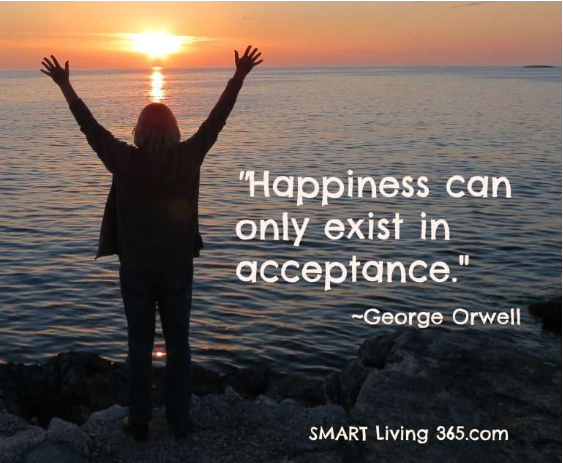
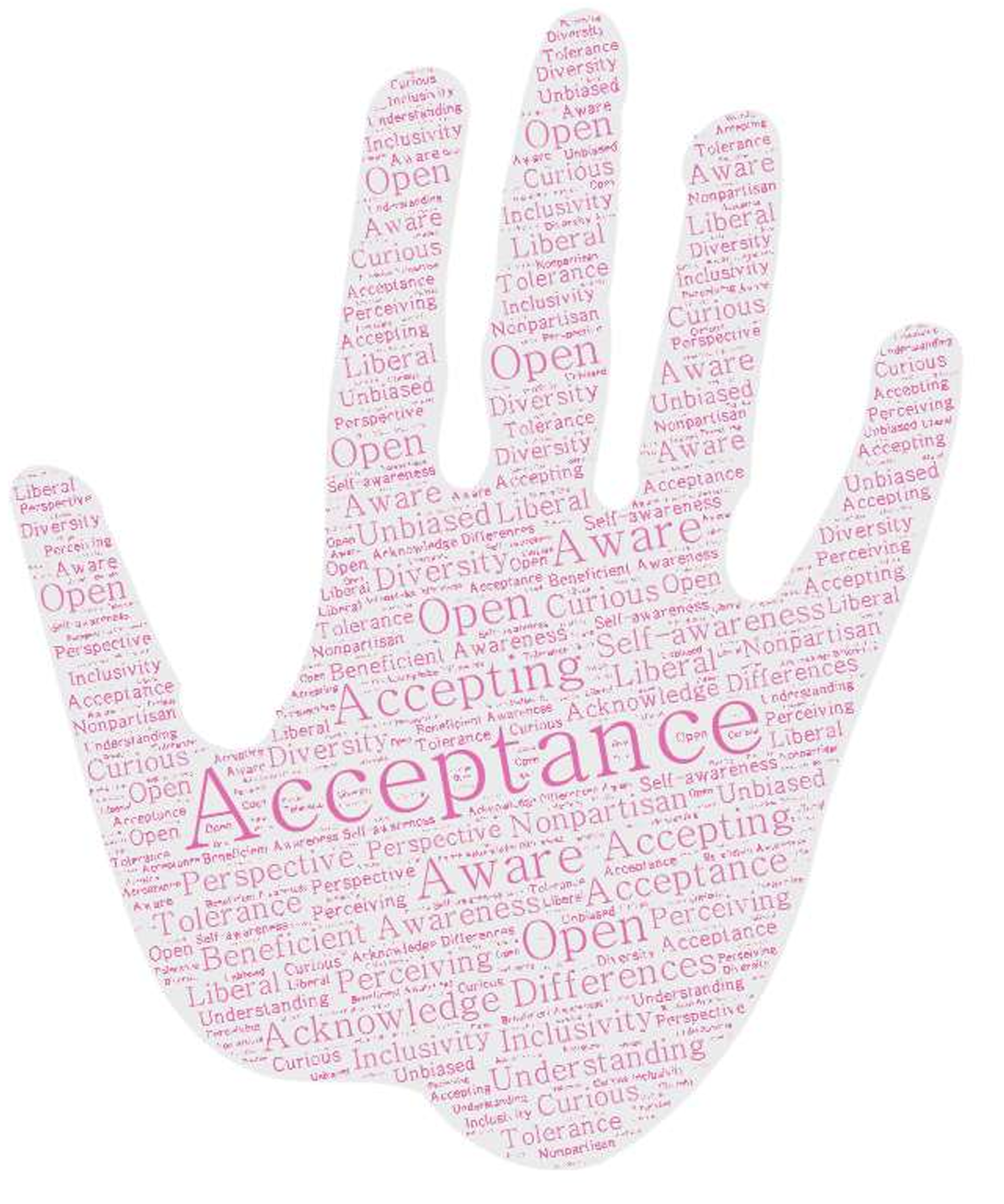
Acceptance involves tolerating, respecting, and acknowledging differences. Acceptance is being open, tolerant, non-discriminating, nonjudgemental, understanding and minimizing prejudices. It is a habitual state of mind. The differences can be personal or group characteristics, beliefs, behaviors or identities.
Inclusion is acting on the value of acceptance. It includes being present, supporting others, choosing welcoming language and behaviors and preventing or reducing social exclusion.
Inclusion is primarily shown by intentionally creating positive social environments where all individuals are welcomed and feel a sense of belonging. Individuals are respected, heard, accommodated, and supported. They feel safe, trusted and free to be authentic. They are encouraged to participate, contribute and thrive.
Acceptance and inclusion help individuals to more effectively interact with others, communicate, trust, bond, listen, center, and build awareness and community.
We emphasize “acceptance” in order to avoid the political differences regarding “inclusion” in the DEI abbreviation. Acceptance and inclusion go “hand in hand” and are necessary foundations for embracing Civility as an idea and a set of behaviors.
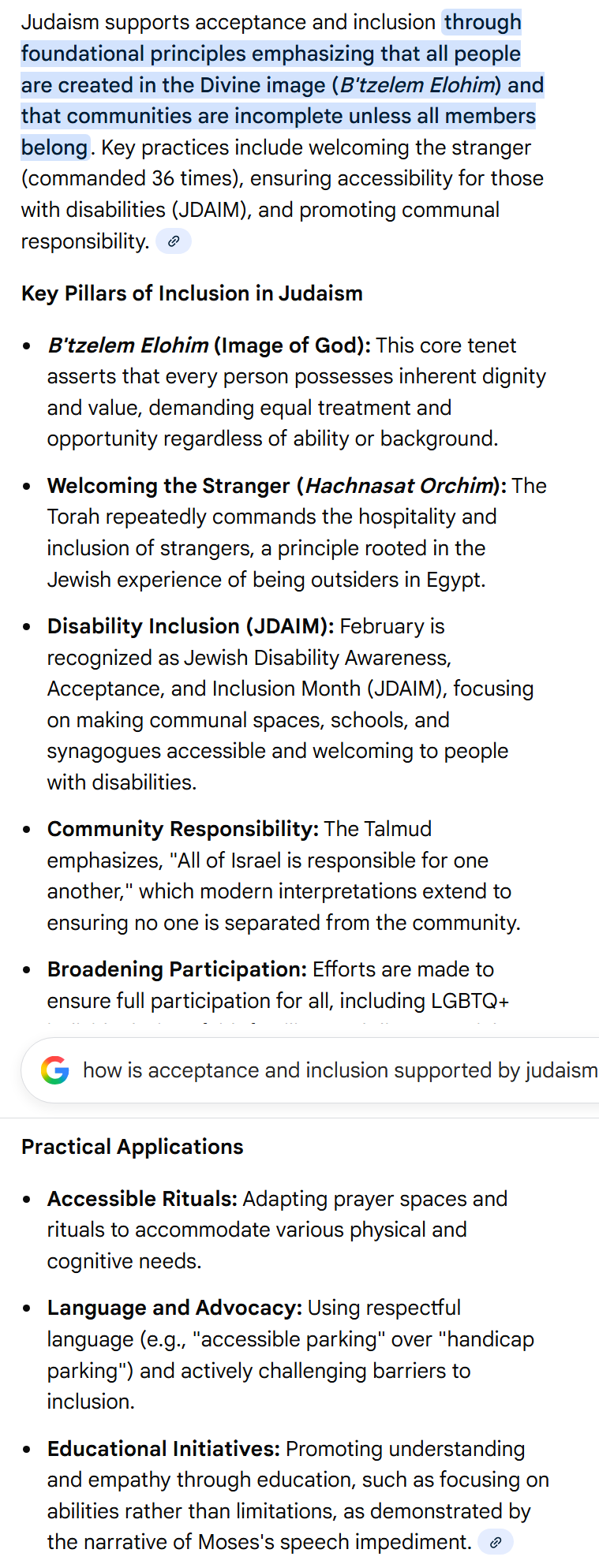
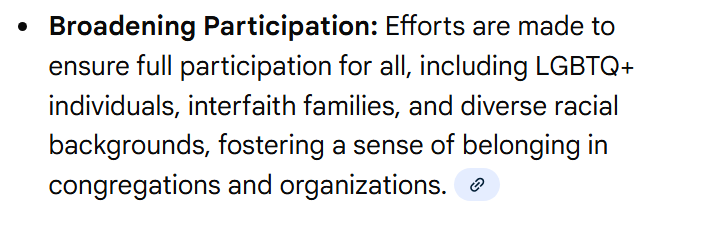
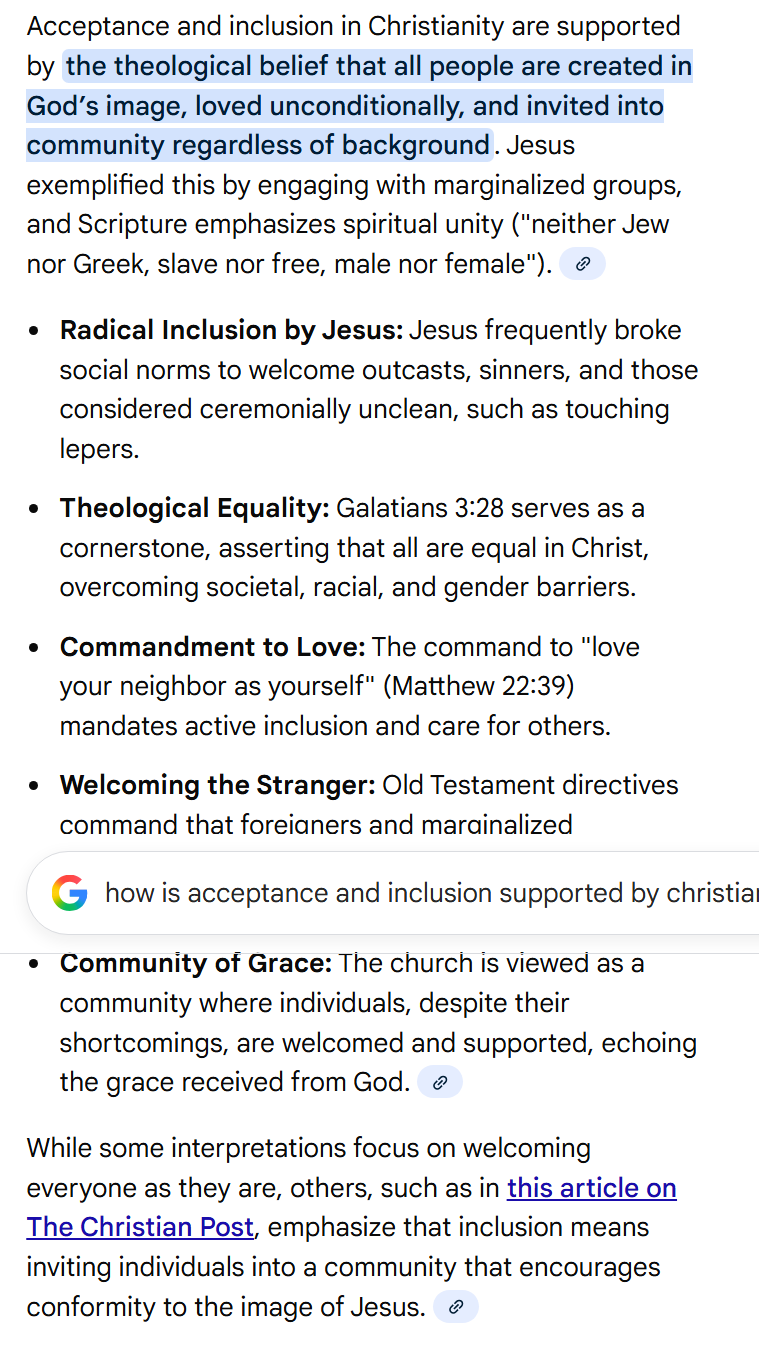
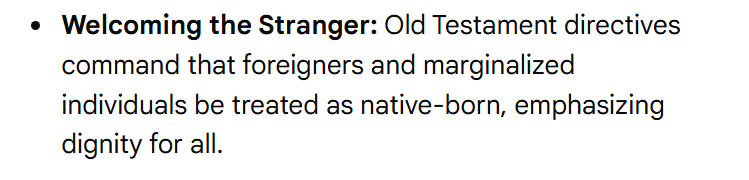
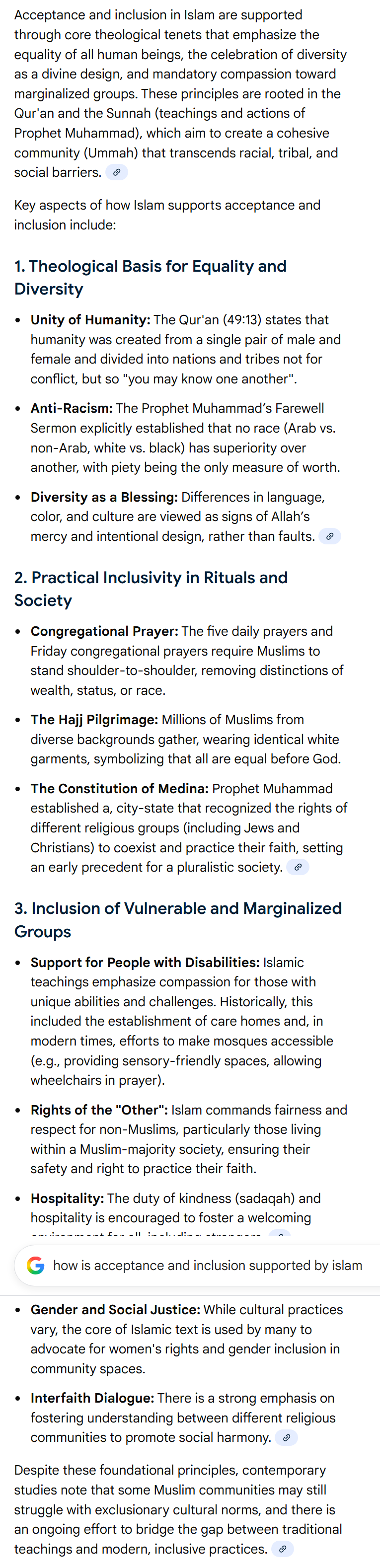
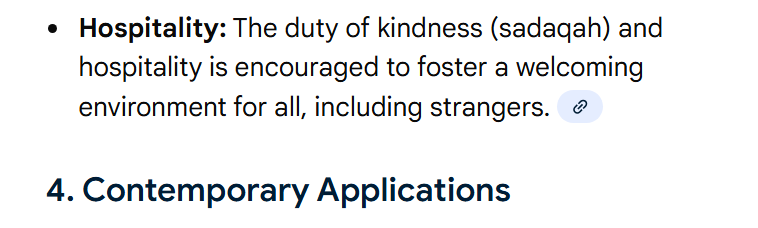
Acceptance and inclusion are supported by the major world religions.
Judaism (Google AI)
Christianity
Islam
Buddhism
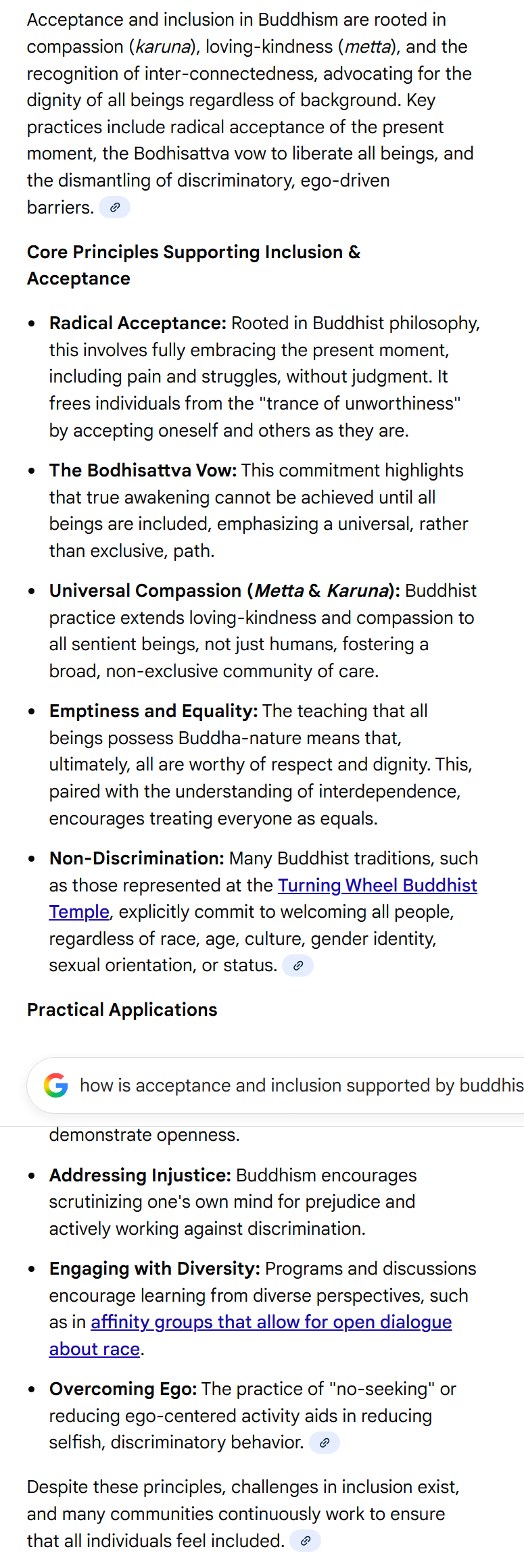
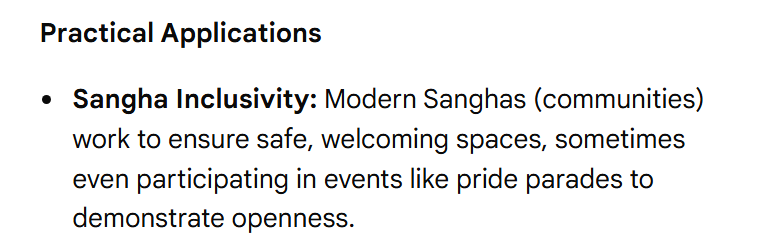
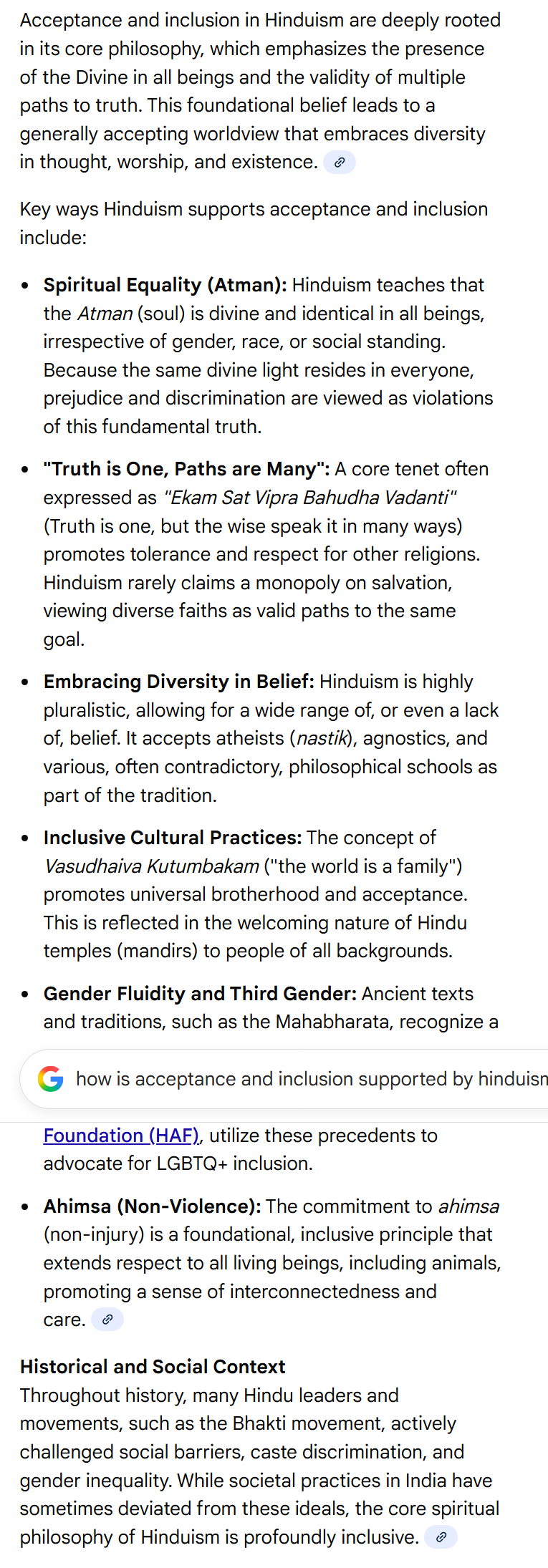
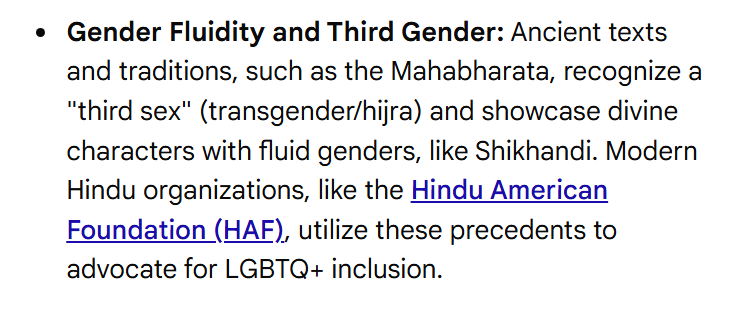
Hinduism
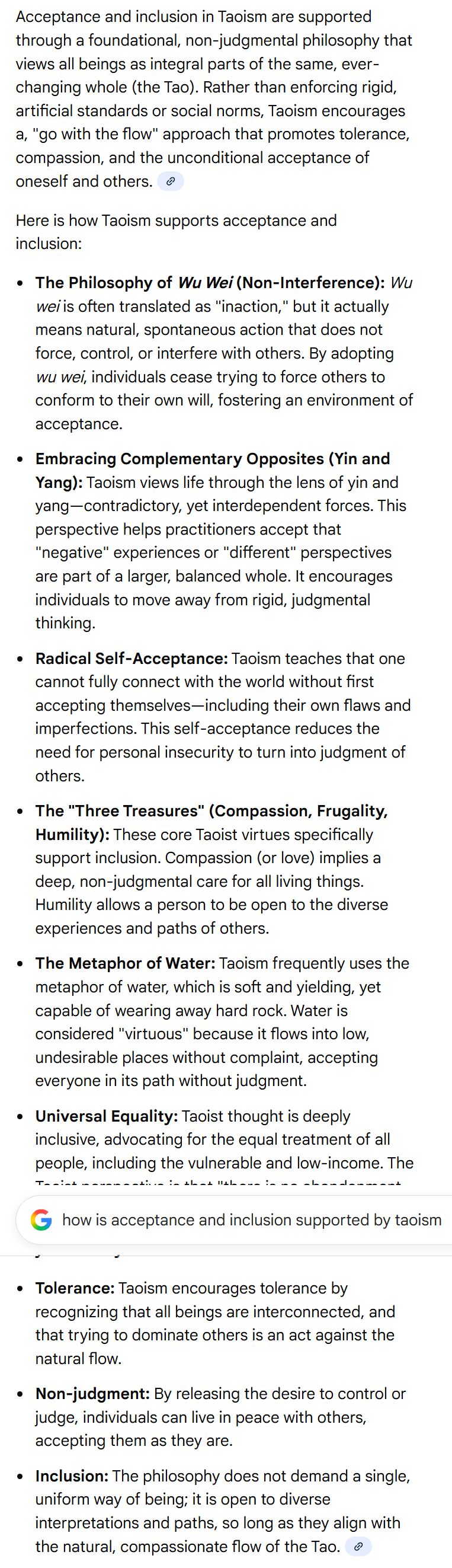
Taoism

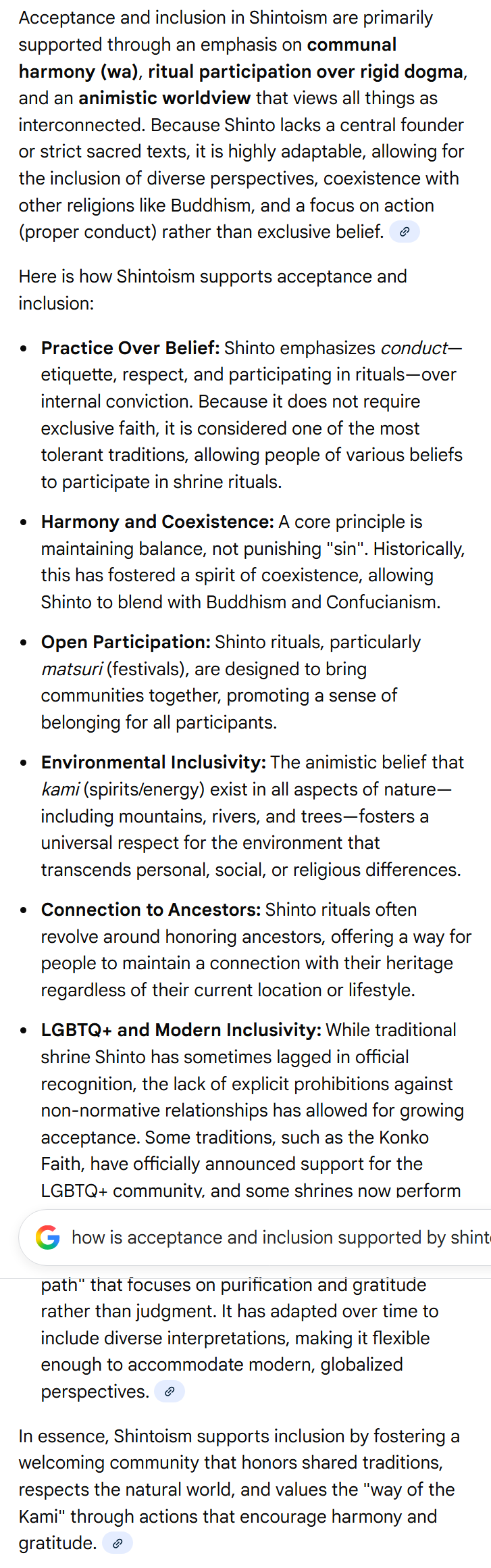
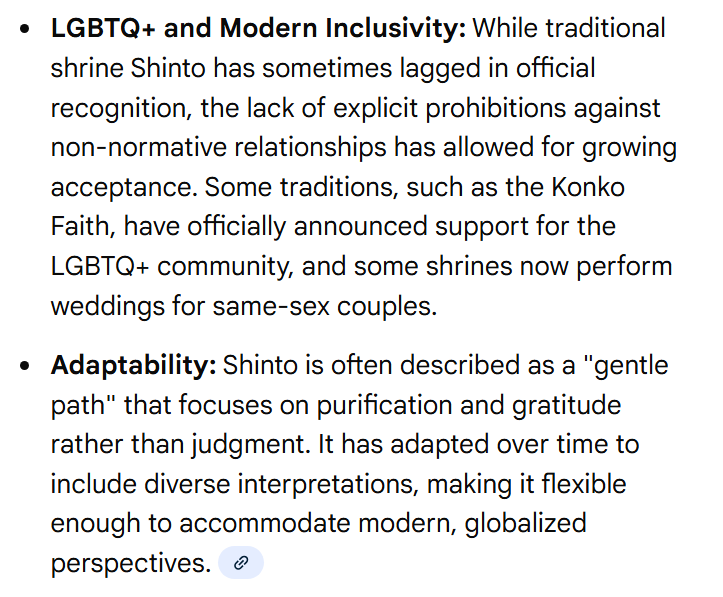
Shintoism
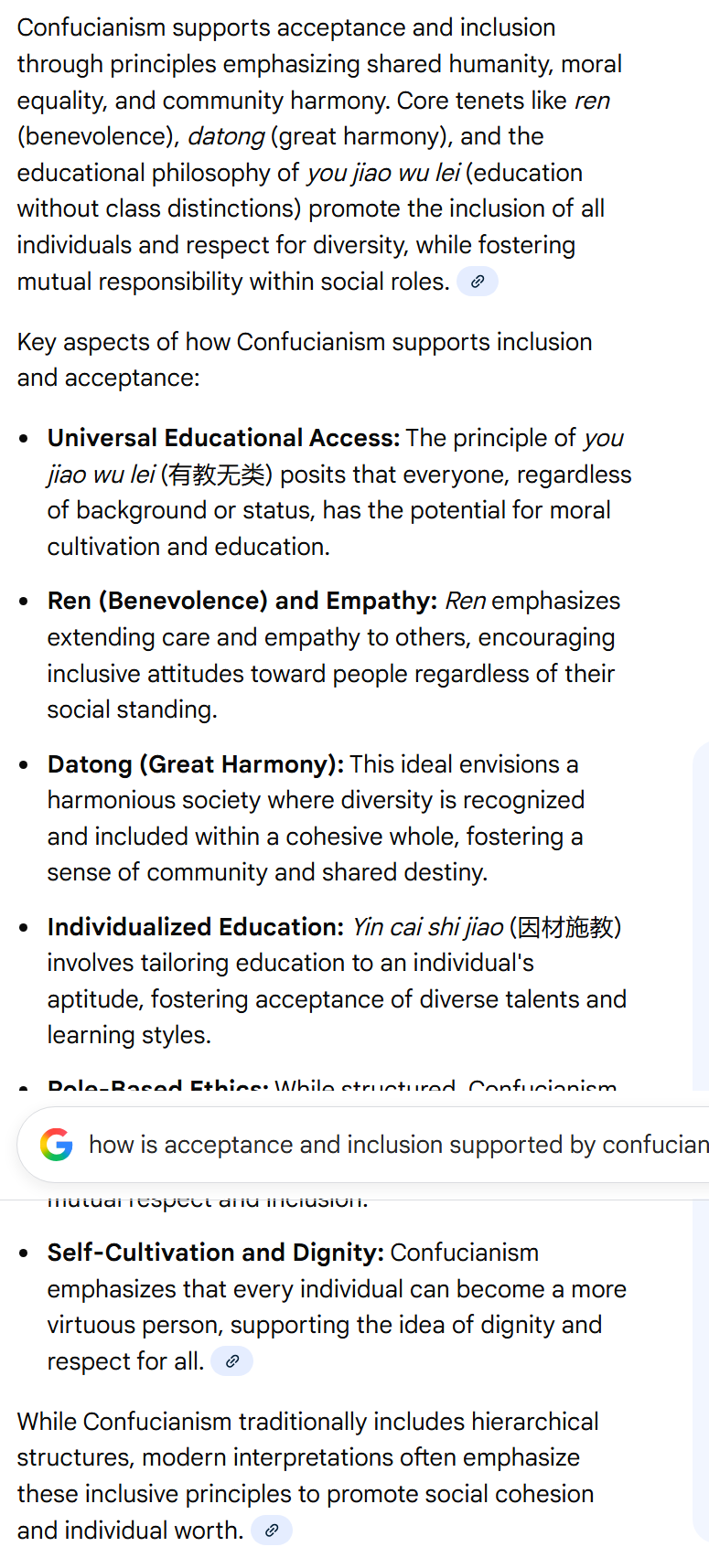
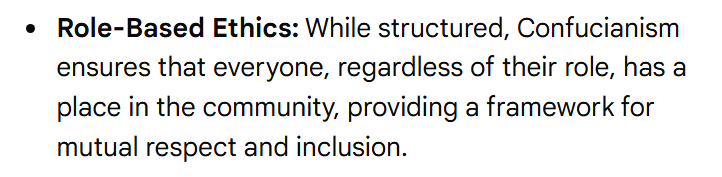
Confucianism
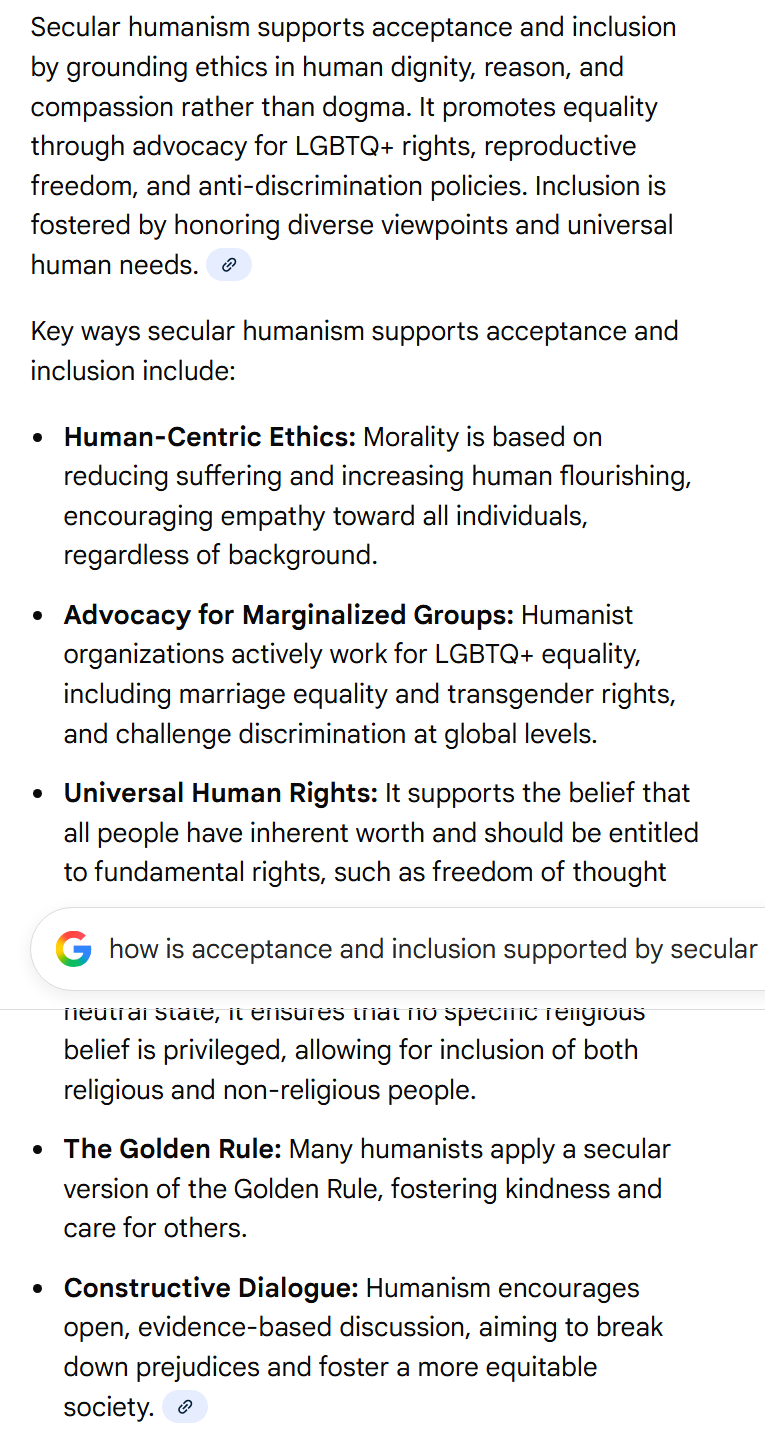
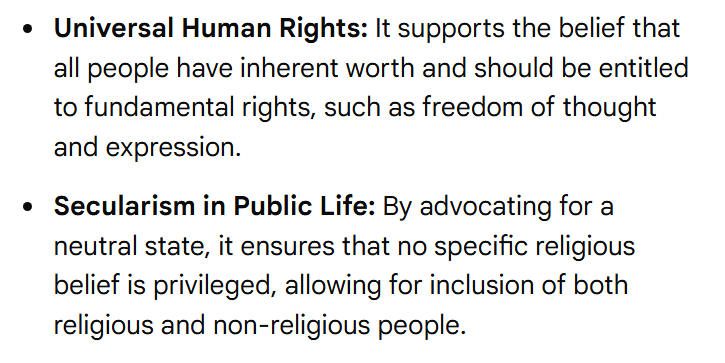
Secular Humanism
Summary
The major world religions support acceptance and inclusion:
- All individuals have human dignity, created by God, worthy of acceptance and inclusion.
- Religion is practiced in communities where diverse individuals are brought together.
- The strange, vulnerable, marginalized, foreigner, widows, prisoners, and outcasts are different and must be embraced.
- Individuals are commanded to be compassionate, caring and loving to all.
- The spiritual dimension of individuals in communities makes them equally worthy of acceptance.
- Religious rituals emphasize the unity of individuals in community practice.
- The universe is one and individuals should seek harmony with all of it despite the surface level diversity.
- There are multiple, fluid paths to enlightenment or connecting with God, so diversity is natural.
- Many religions specifically call out the value of diversity, differences, designs, races,other religions, non-religious sectors and viewpoints.
- Some religions emphasize the inherent incompatibility of the individual with the whole, yet they are complementary despite the unbridgeable differences.
- Religions note the path of personal growth and learning that is driven by interacting with diverse thoughts, experiences and individuals.
 Good News
[…] Dignity is a Universal Value Respect is a Universal Value Supporting Civility Acceptance is a Universal Value Supporting Civility Intentionality is a Universal Value That Drives Civility Responsibility is a Universal […]
[…] Acceptance is a Universal Value Supporting Civility […]
[…] Acceptance is a Universal Value Supporting Civility – Good News […]