
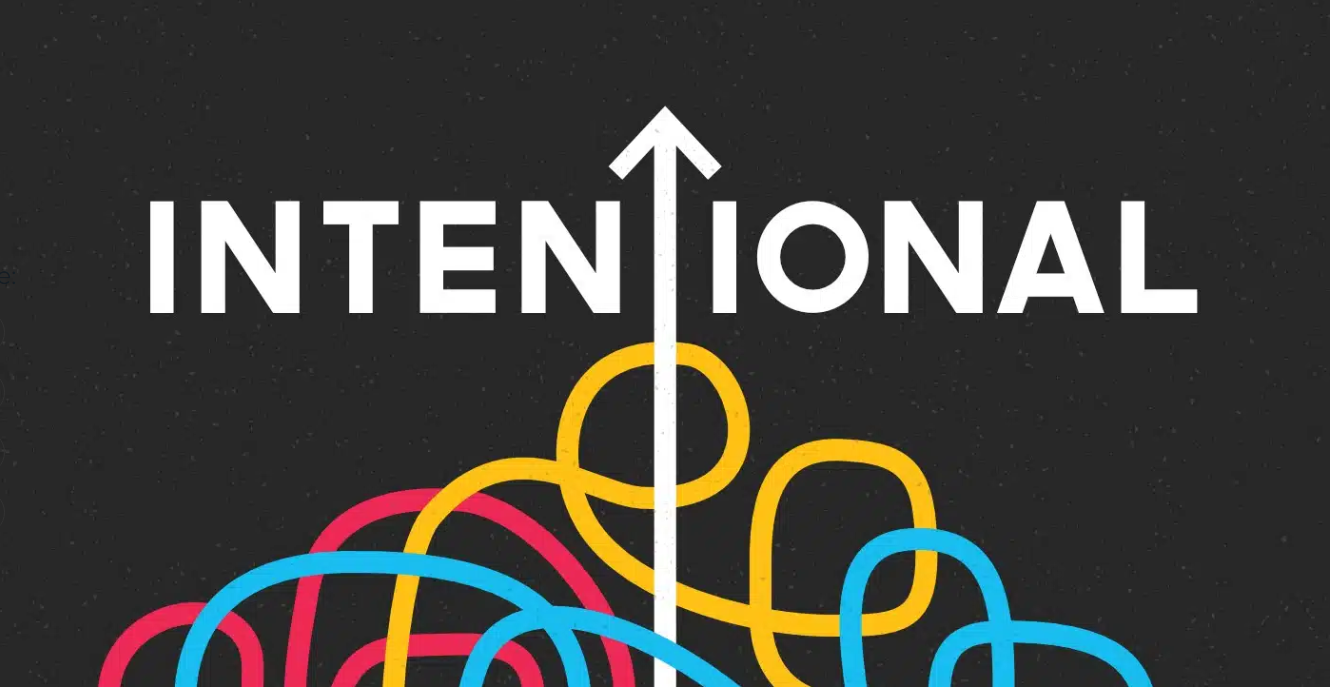
.https://discipleship.org/blog/intentional-re-conformity/
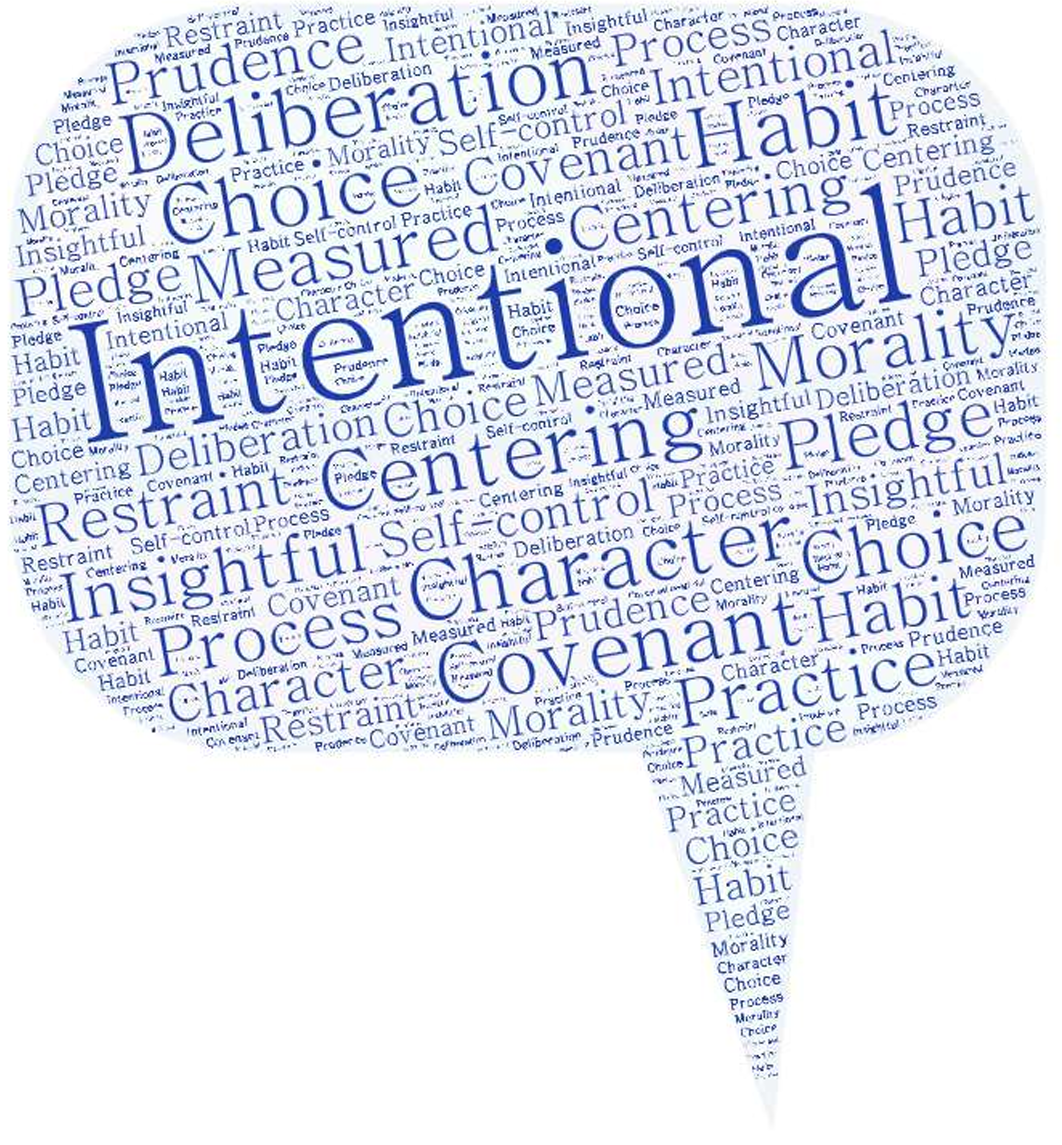
Civility Values
Civility is a set of behaviors based upon the seven commonly held values of: human dignity, respect, acceptance, intentionality, responsibility, constructiveness and public-spiritedness. A social, political and economic society must have some core beliefs, norms and behaviors. The modern renaissance of Civility attempts to define the beliefs, norms and behaviors so they can be shared and promoted. We need to be confident that we know what Civility is, how we should behave, how/why we should influence others and why the underlying principles make sense.
Intentionality Defined
Having a deliberate plan or purpose before acting. An internal state of mind where an individual consciously chooses a course of action to achieve a specific outcome.
Intentionality weaves together two mental dimensions. It is purposeful, planned, logical, forward looking, rational, process-oriented, habitual, structured, informed, calculated, contextual, goal-oriented, practical, scope limited, applied and instrumental!
It is also deliberate, chosen, willful, volitional, proactive, conscious, engaged and intended.
Intentionality is a complement to responsibility, which refers to accountability for actions and consequences.
Taken together, they encourage us to be fully responsible for our choices, actions, consequences and relations. We are to consider all dimensions and make great choices. We are obligated to clearly define goals and seriously pursue them. We have human agency and a responsibility to be self-aware of our choices. We are obligated to work towards becoming mature, balanced, prudent, wise adults.
Intentionality is crucial to Civility because it:
Promotes proactivity over passivity.
Supports conscious, deliberate and purposeful commitment to treating others with respect, courtesy, and dignity.
Encourages self-awareness in decision making, including considering the impacts on others.
Challenges us to define our goals on a deep philosophical, spiritual or religious basis and seriously aligning our decisions and behavior with them.
Focuses on goal-oriented thinking which includes the goals of building relationships, trust and safe communities.
Emphasizes our shared responsibility for defining, supporting and reinforcing the rules of civil behavior that are mutually beneficial.
Recognizes that we are responsible for systematically evaluating, building and improving our behaviors and expectations and the norms and institutions of our communities.
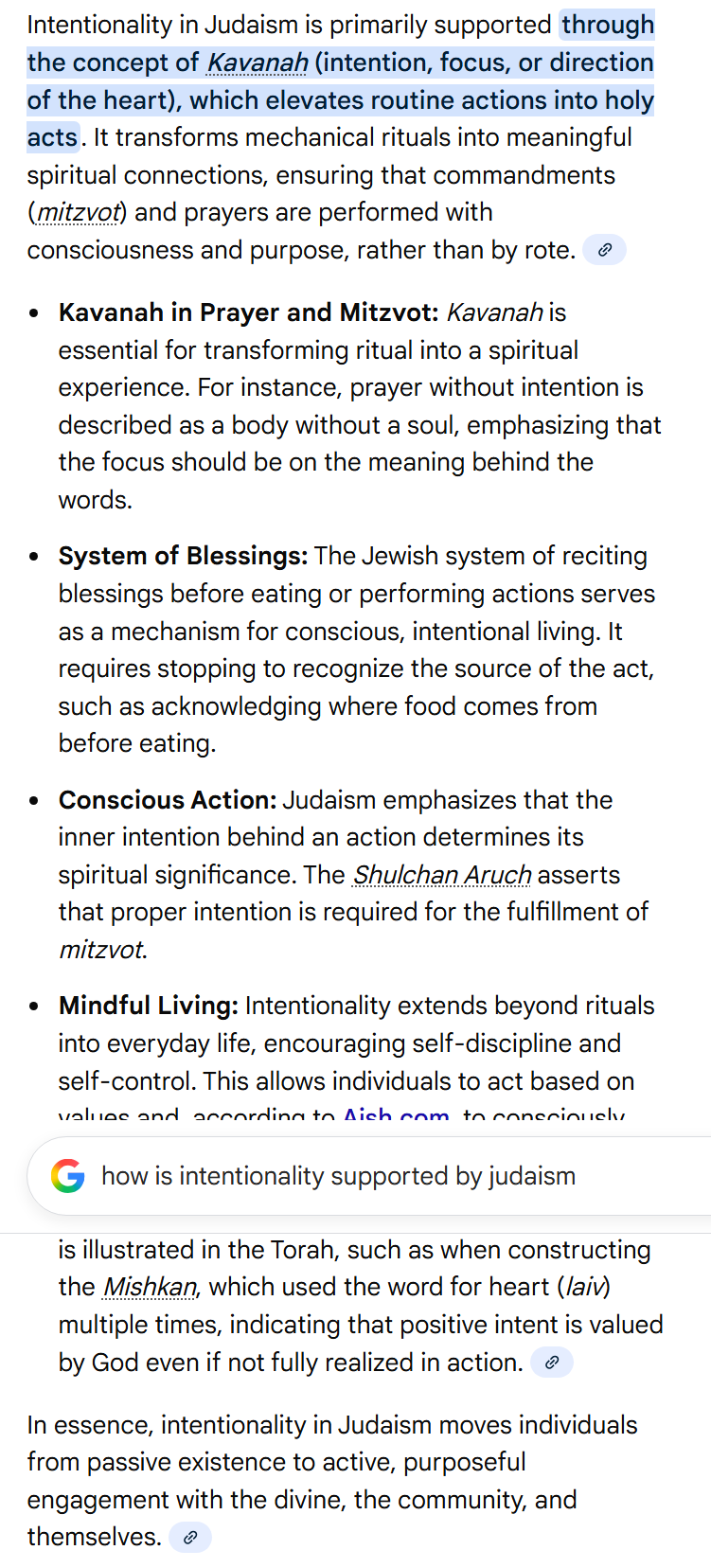
Judaism
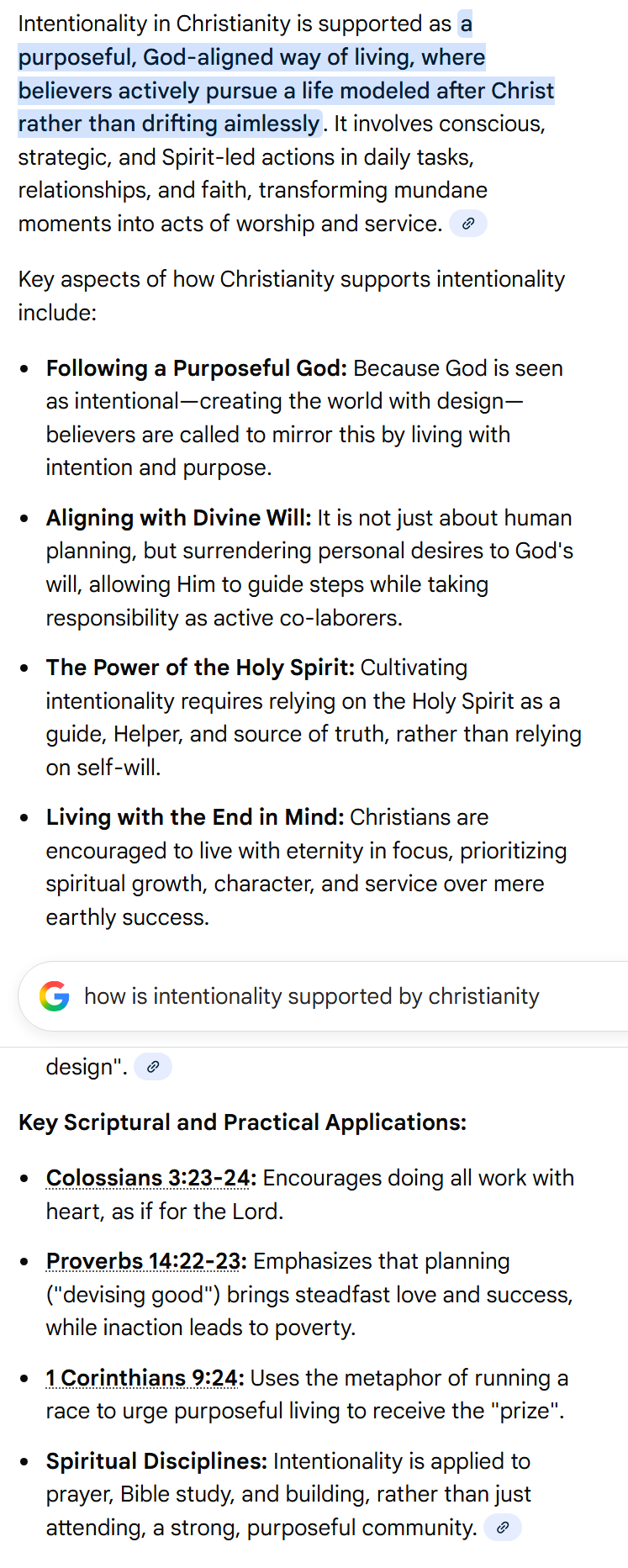
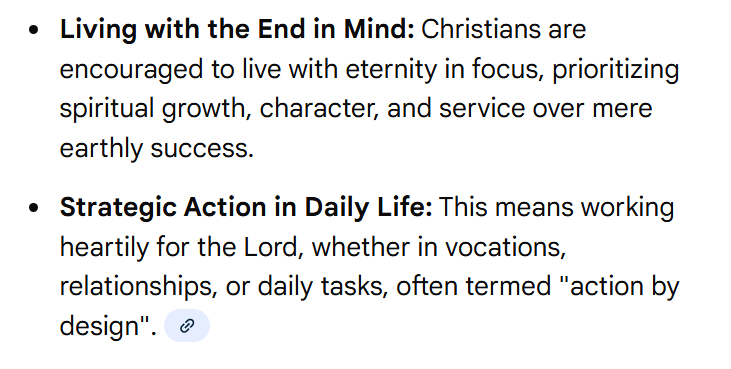
Christianity
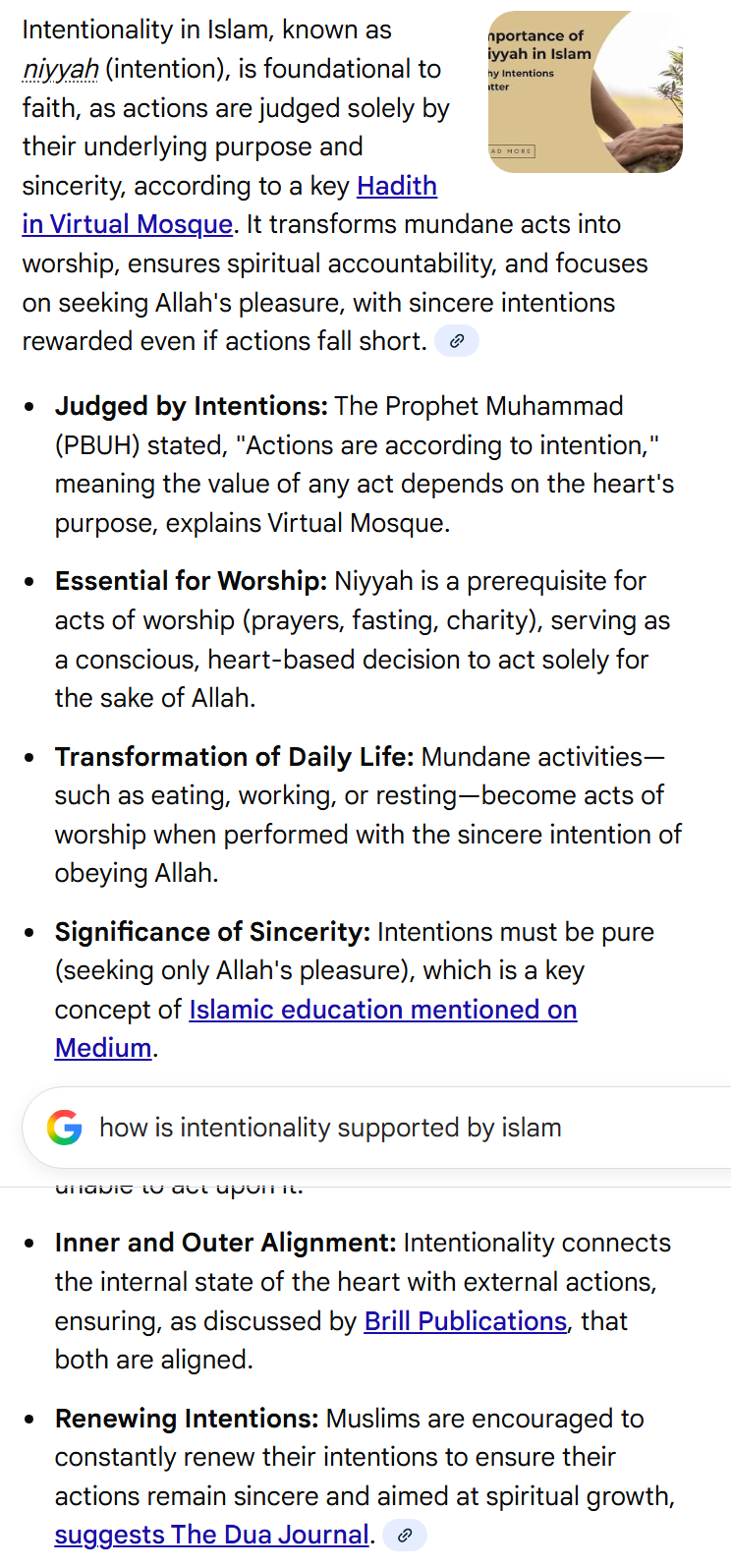
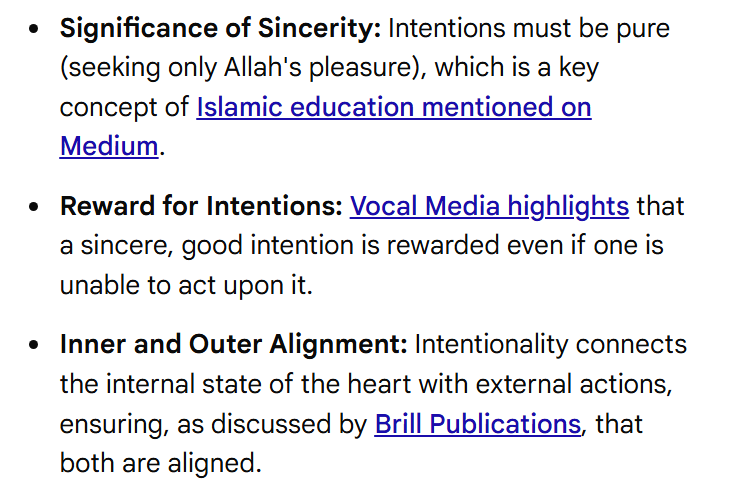
Islam
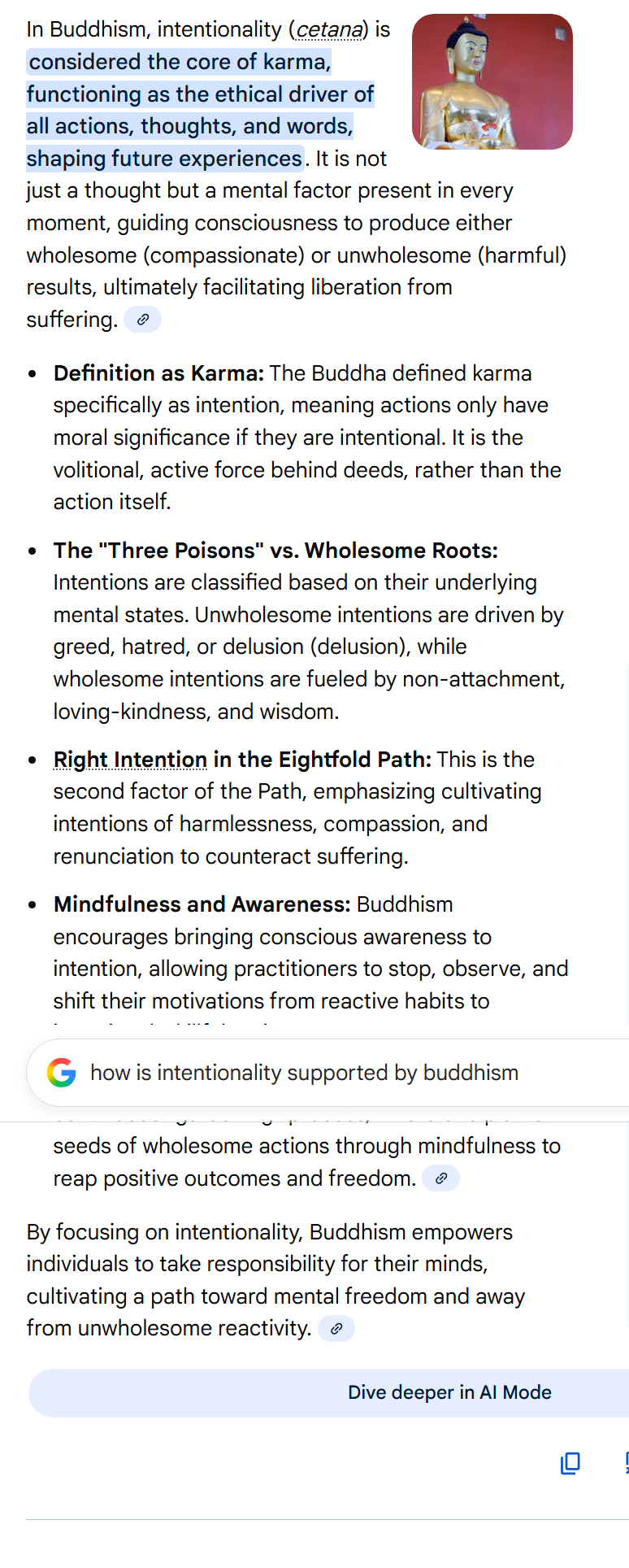
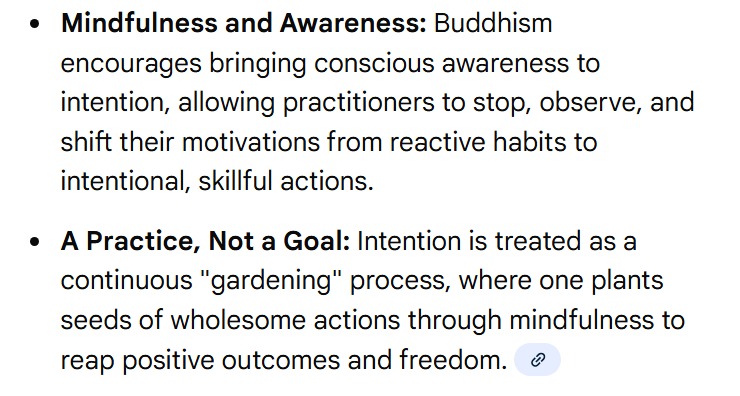
Buddhism
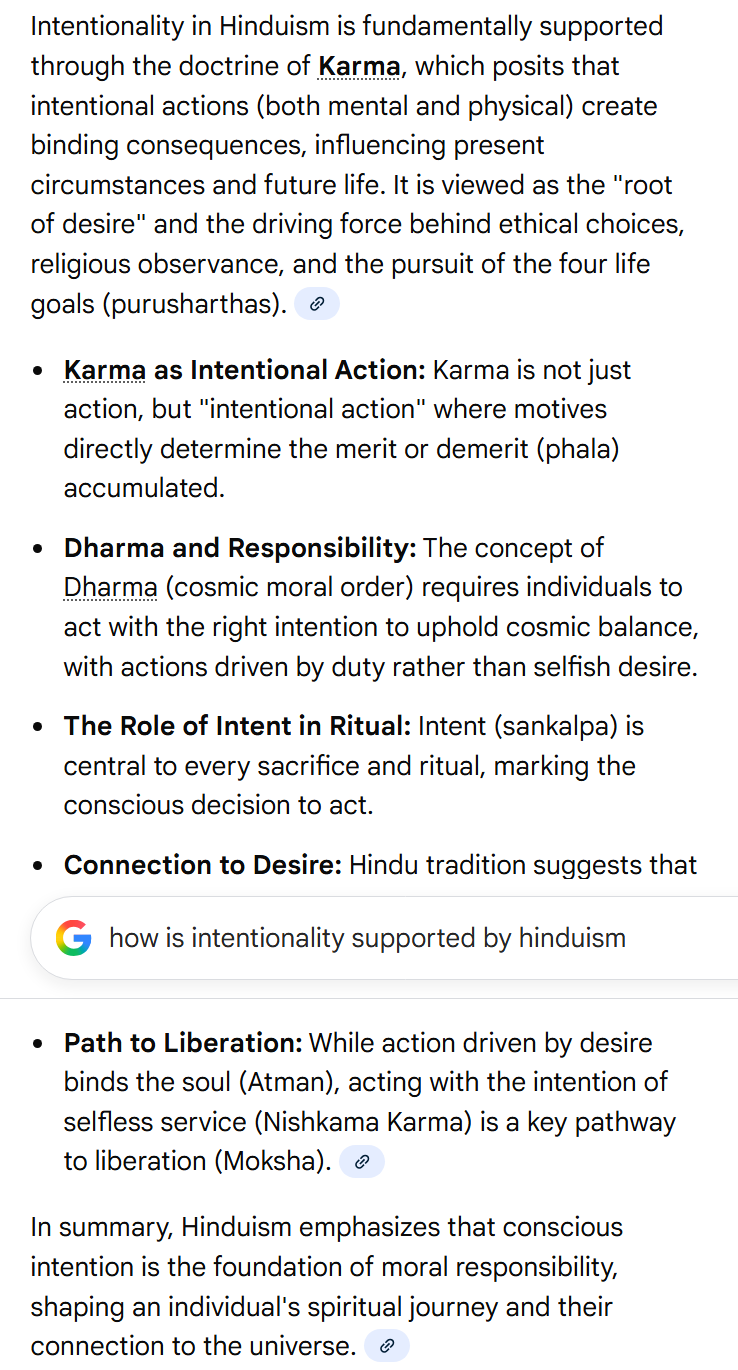
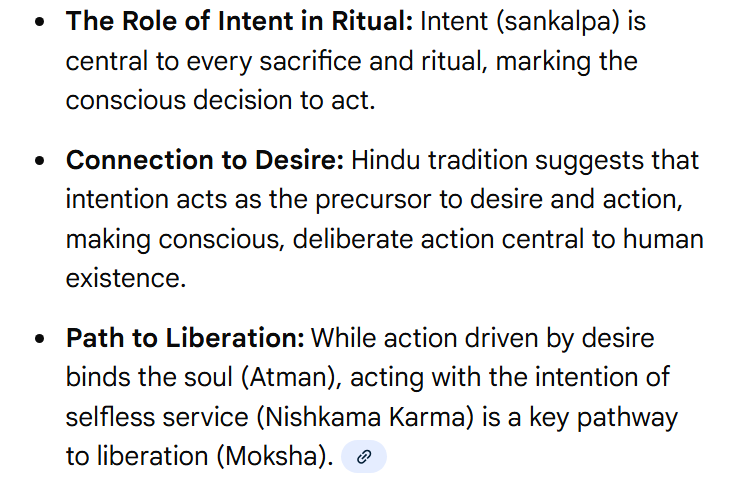
Hinduism
Taoism
Shintoism
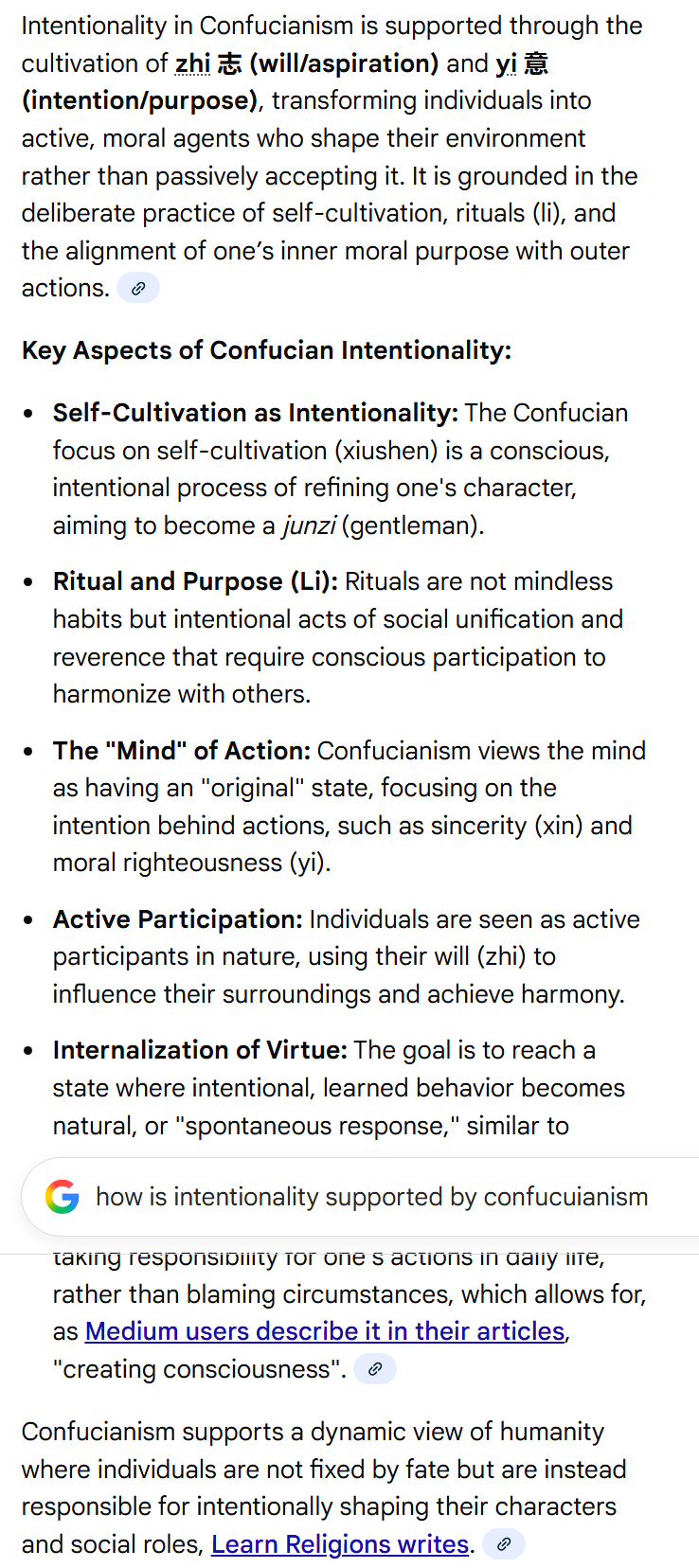
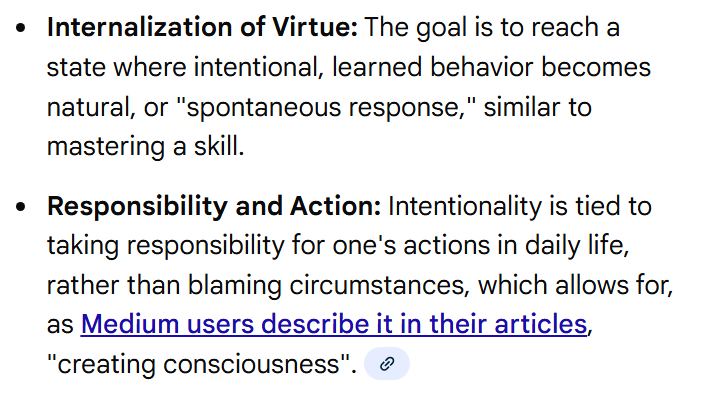
Confucianism
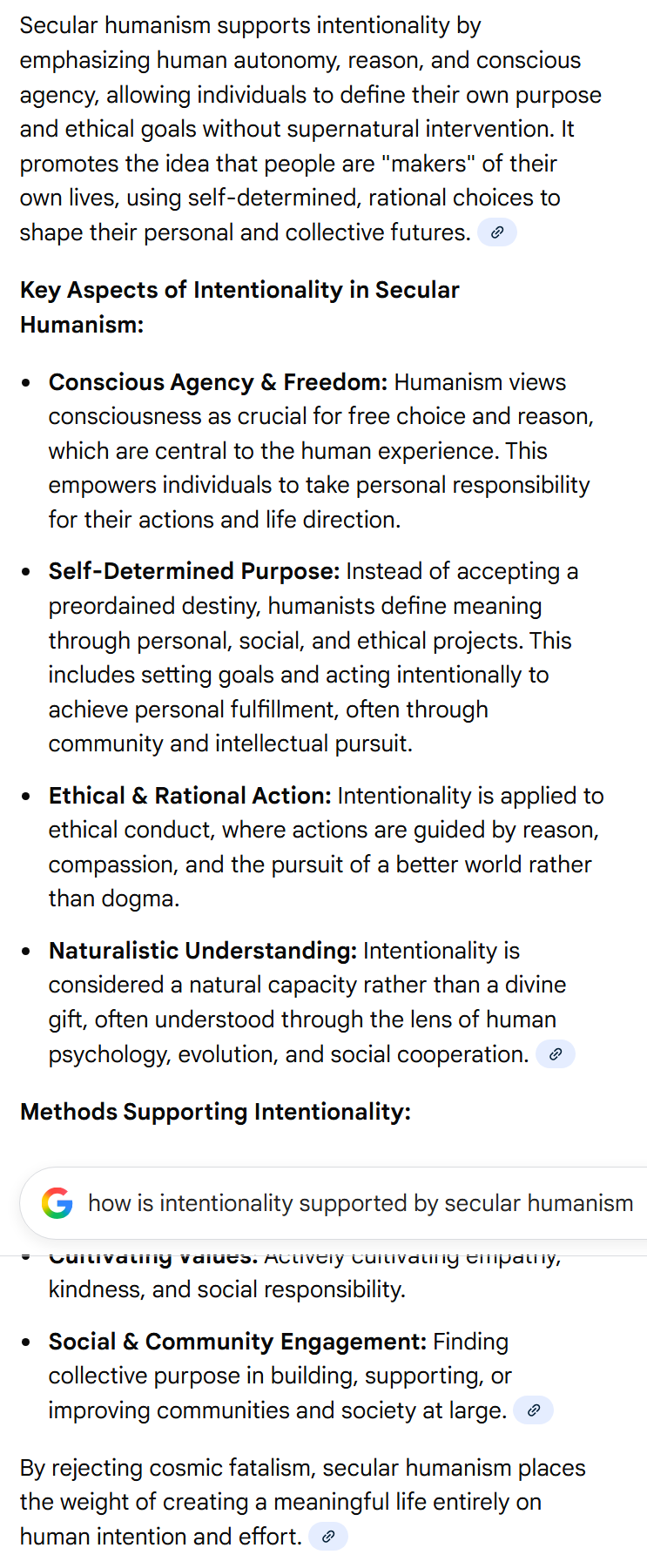
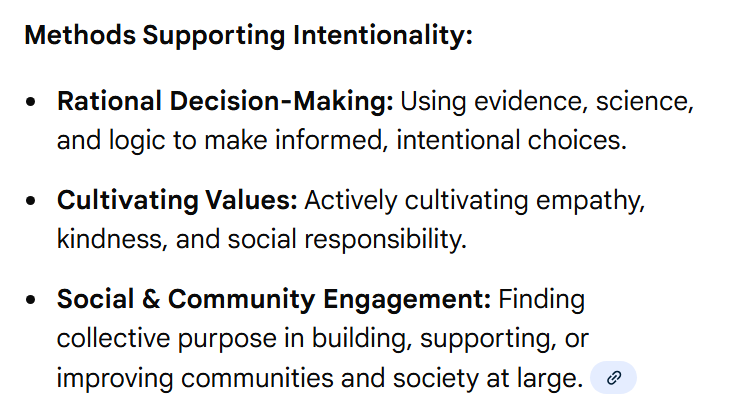
Secular Humanism
Summary
The major religions offer support for being rational, considering context and consequences, being calm, balanced, focused and purposeful, but they mainly emphasize the spiritual, emotional and willful dimensions of intentionality. They encourage us to:
- Begin with the end in mind (Covey). Know, follow, engage and align with God’s will or the structure of the universe. Use the power of this knowledge and connection (holy spirit) to make the best choices.
- Make decisions based upon values and principles, not self-interest or practical concerns alone.
- Be aware, conscious, fully present in life and making decisions. You are an agent.
- Be proactive.
- Be self-aware and self-disciplined.
- Invest in spiritual growth to understand and connect with God/universe which will improve decision making in a self-improving cycle.
- Cultivate the heart and compassion as a basis for choices.
- Sincerity and proper personal intentions are critical for making choices that deliver good results and which align the person with God/universe.
An intentional person is serious about defining/prioritizing goals, making good decisions and improving themselves.
I sometimes think about “intentionality” as the weakest or marginal Civility value. Major religions consider it to be essential for a good life.
 Good News
[…] Value Supporting Civility Acceptance is a Universal Value Supporting Civility Intentionality is a Universal Value That Drives Civility Responsibility is a Universal Value That Supports Civility Constructiveness is a Widely […]
[…] Intentionality is a Universal Value That Drives Civility […]
[…] Intentionality is a Universal Value That Drives Civility – Good News […]