

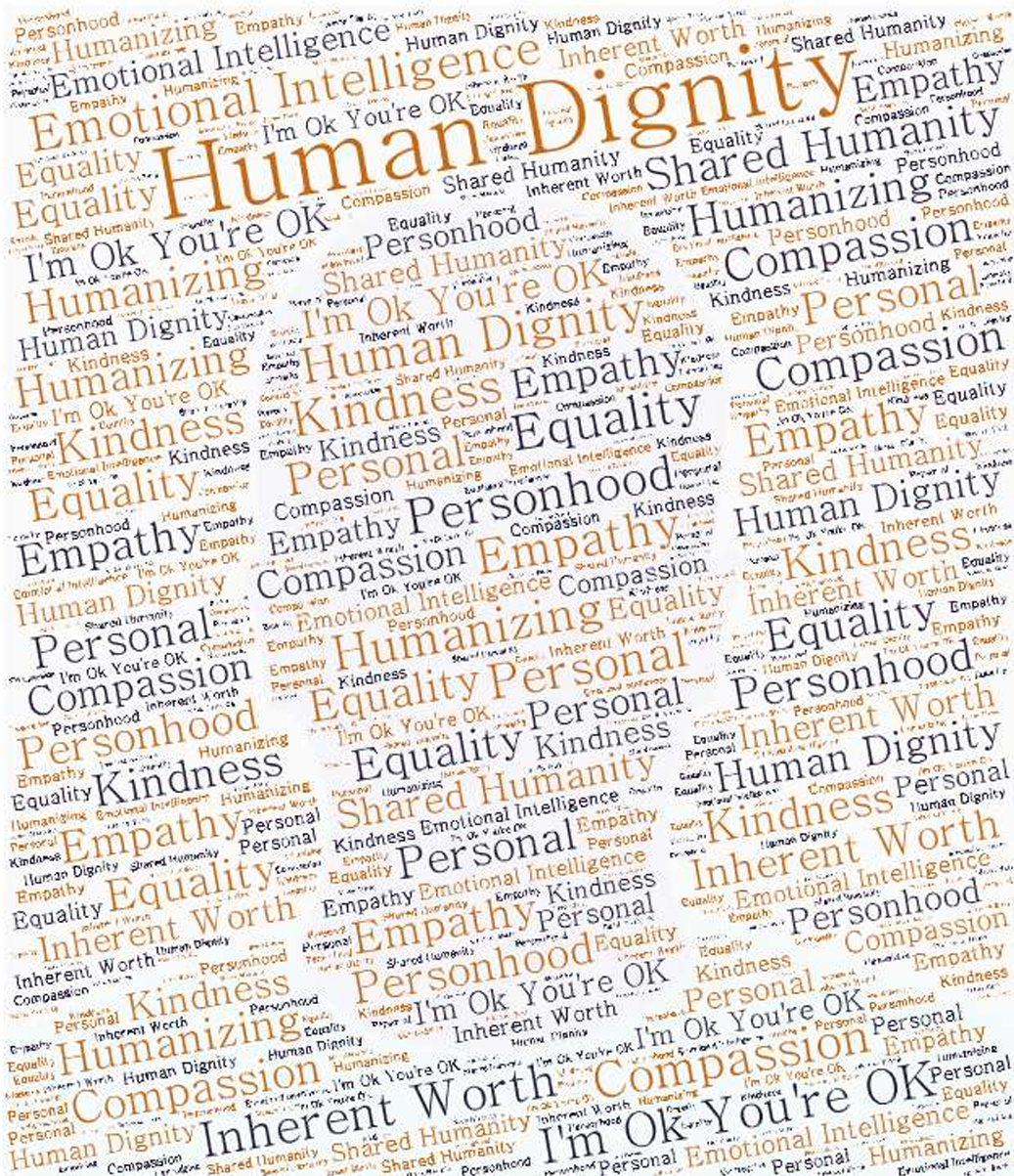
Civility Values
Civility is a set of behaviors based upon the seven commonly held values of: human dignity, respect, acceptance, intentionality, responsibility, constructiveness and public-spiritedness. A social, political and economic society must have some core beliefs, norms and behaviors. The modern renaissance of Civility attempts to define the beliefs, norms and behaviors so they can be shared and promoted. We need to be confident that we know what Civility is, how we should behave, how/why we should influence others and why the underlying principles make sense. Human dignity is the first principle or value underlying the Civility behaviors. It is a universally held value. In our skeptical, individualistic, subjective, relativistic era, it is essential for everyone to deeply understand the meaning of and broad support for this value. [9 Google AI summaries]
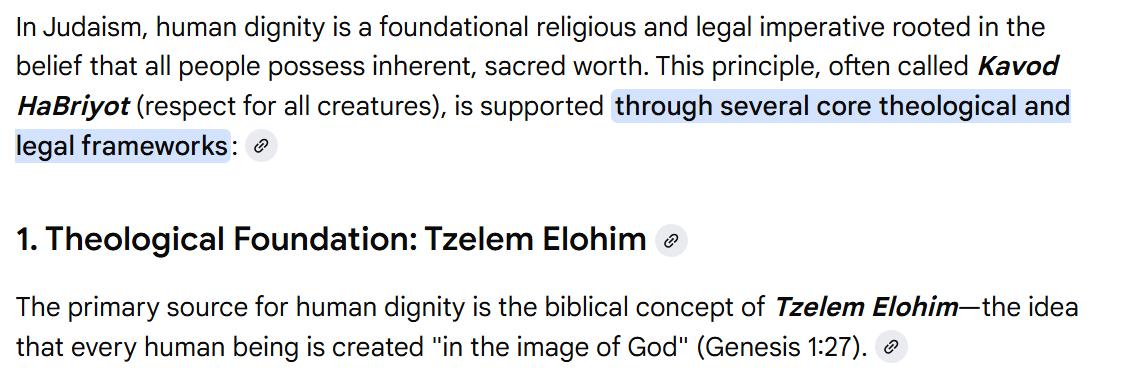
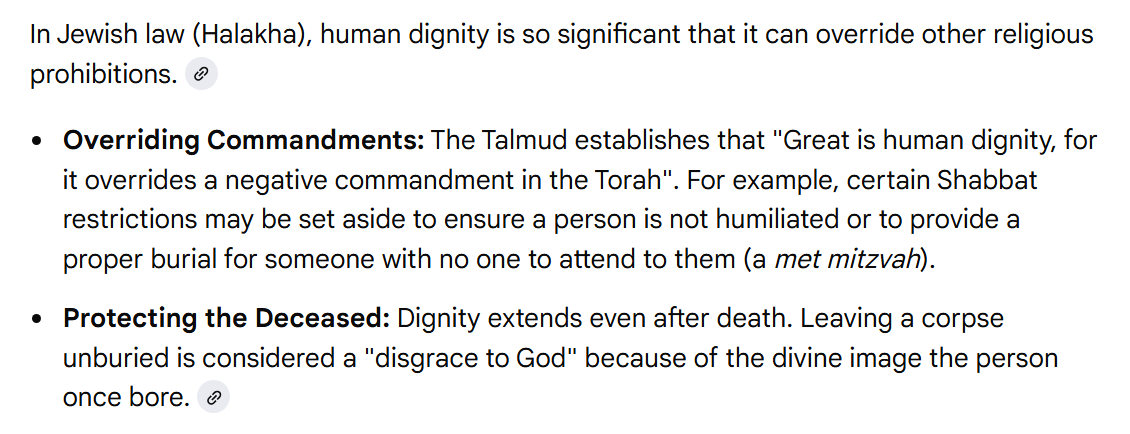
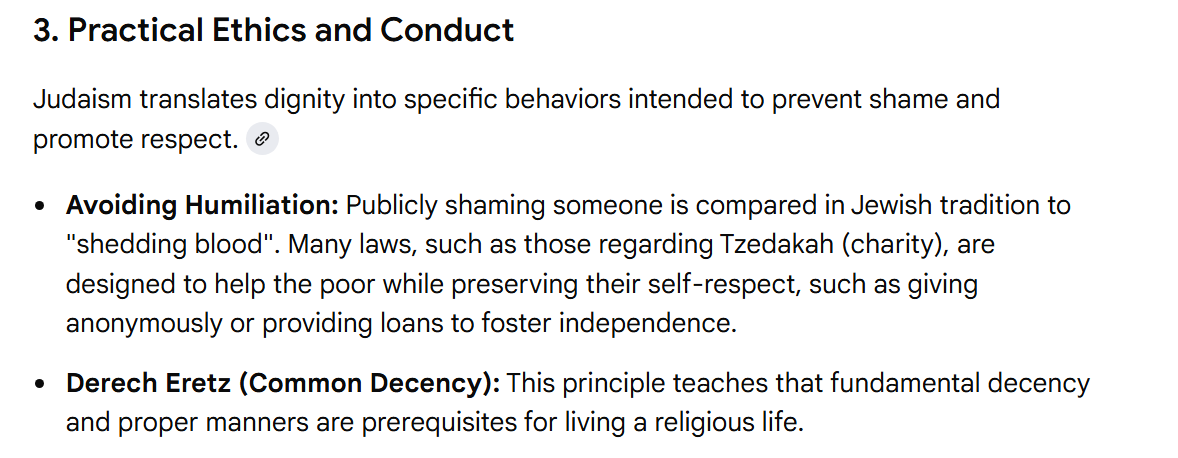
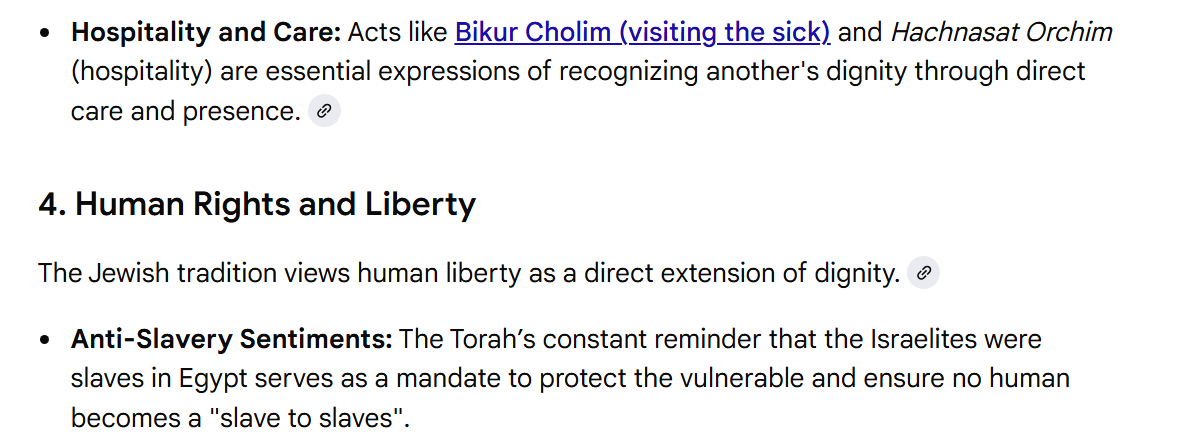
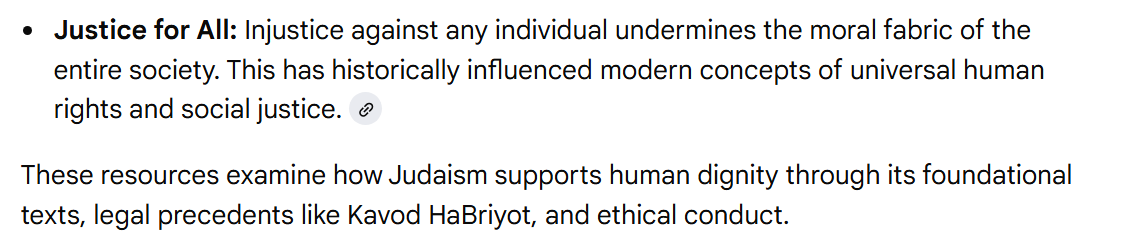
Judaism

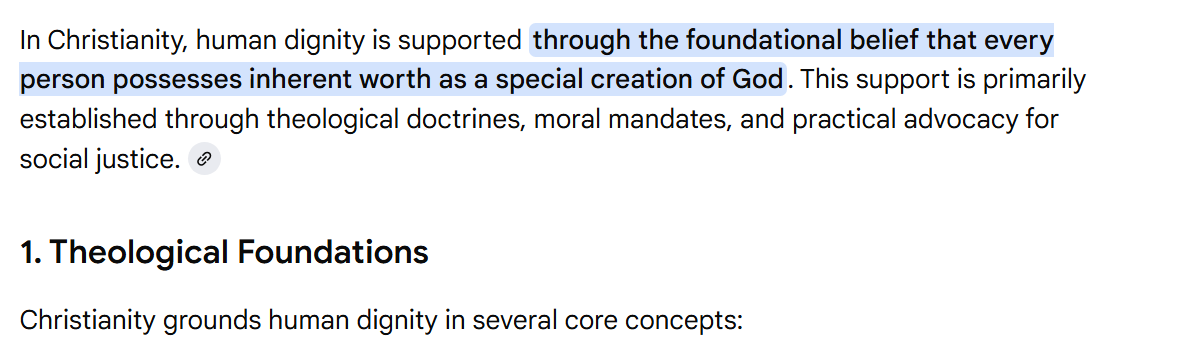
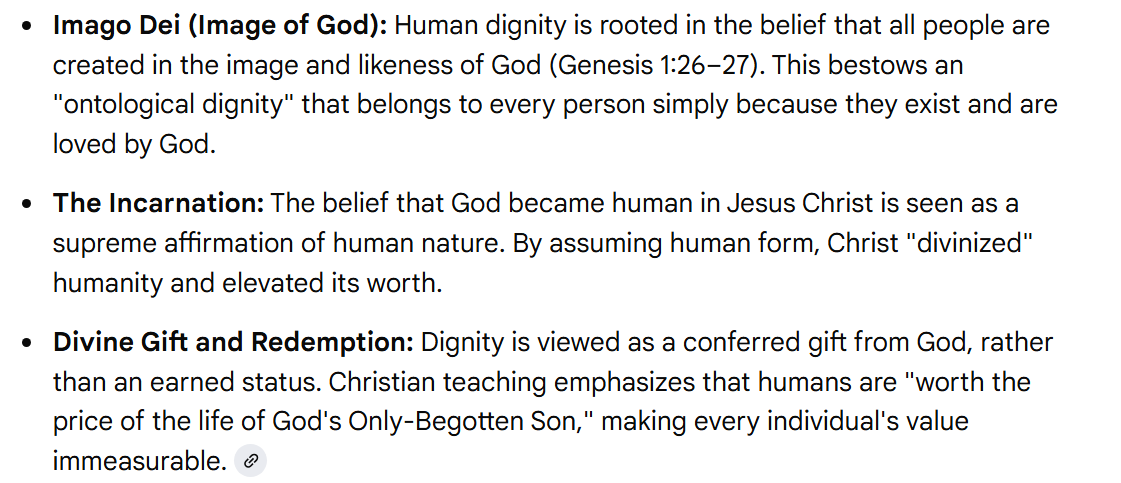
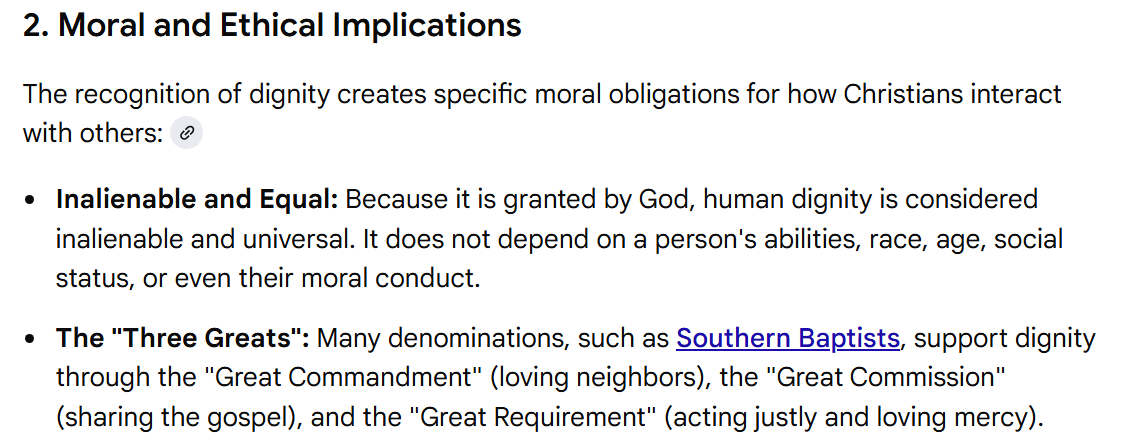
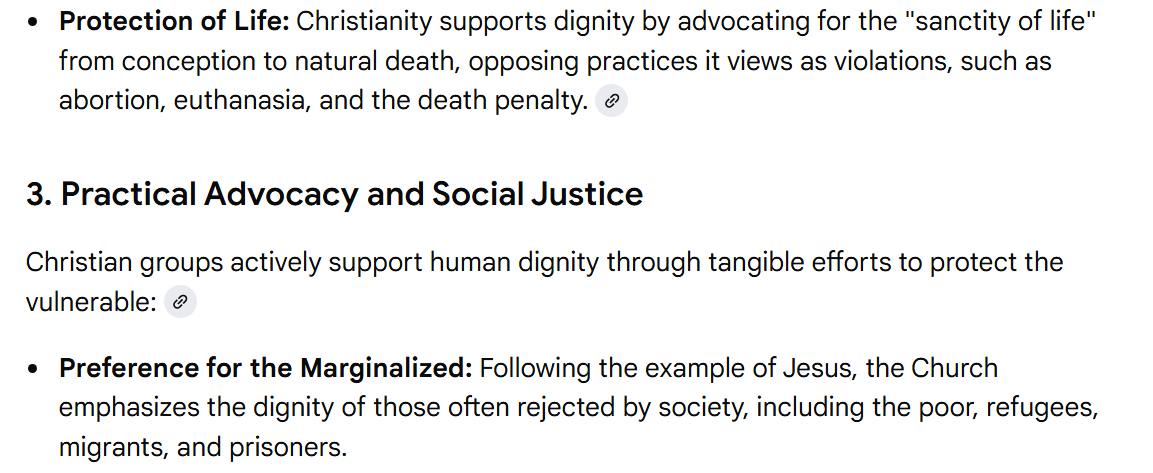
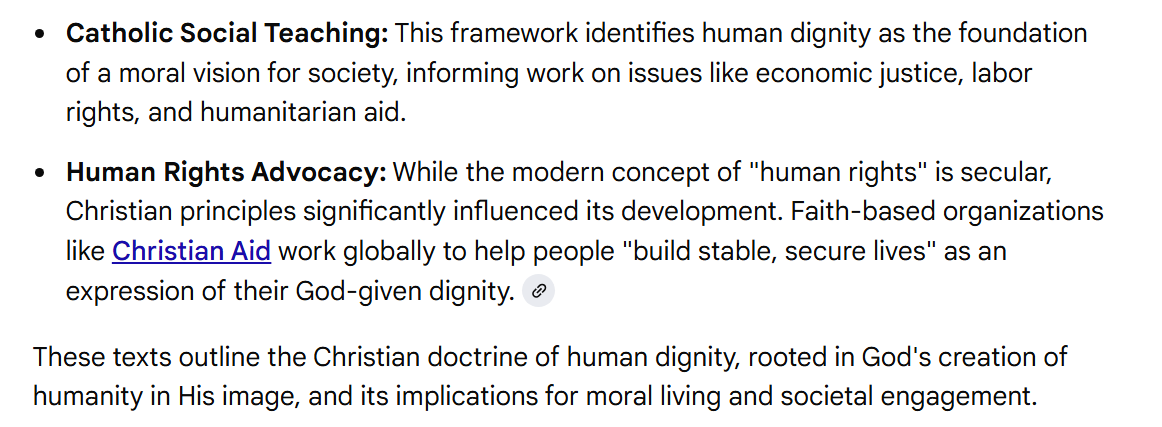
Christianity
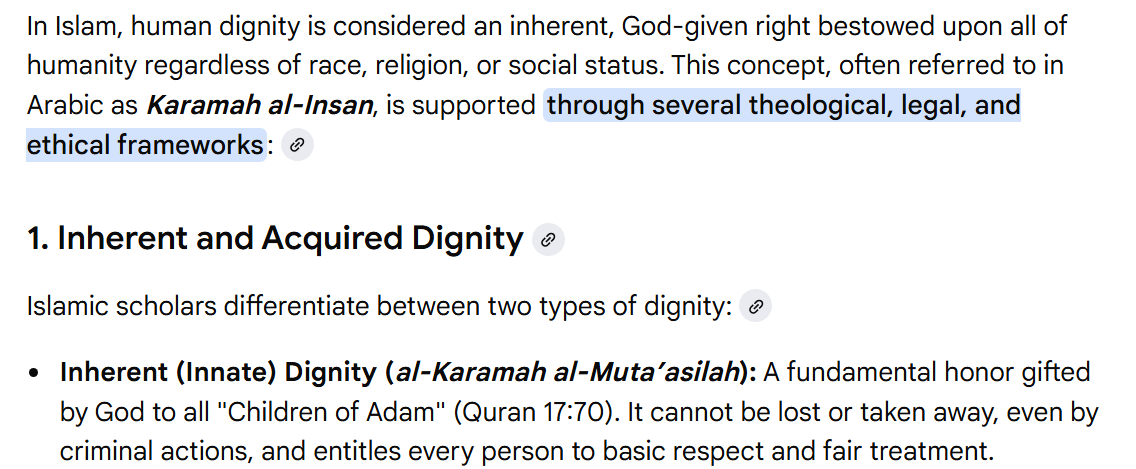
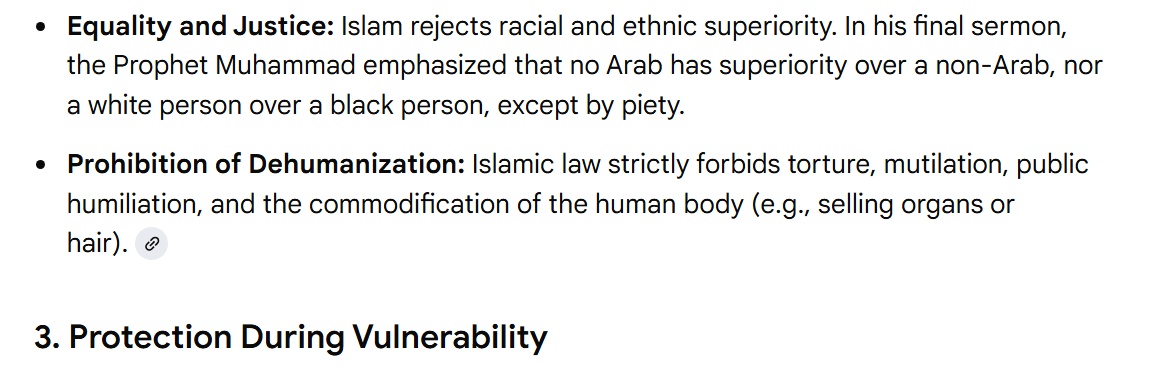
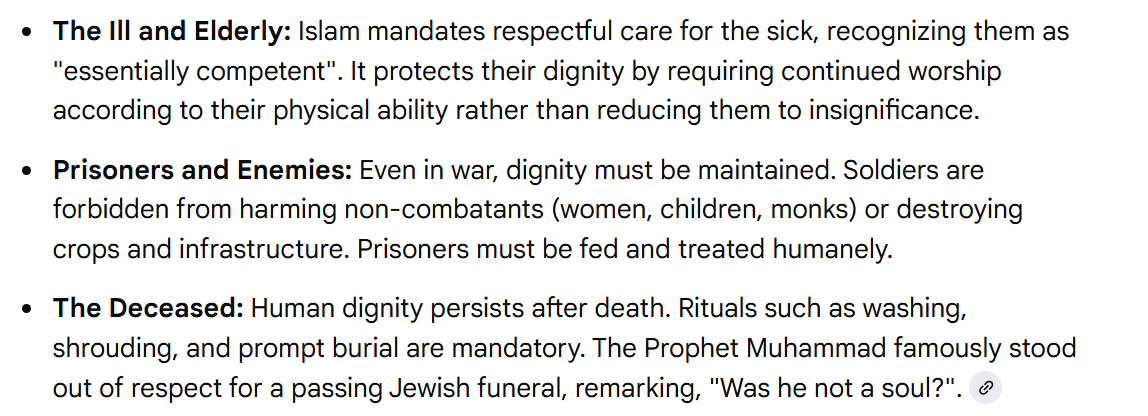
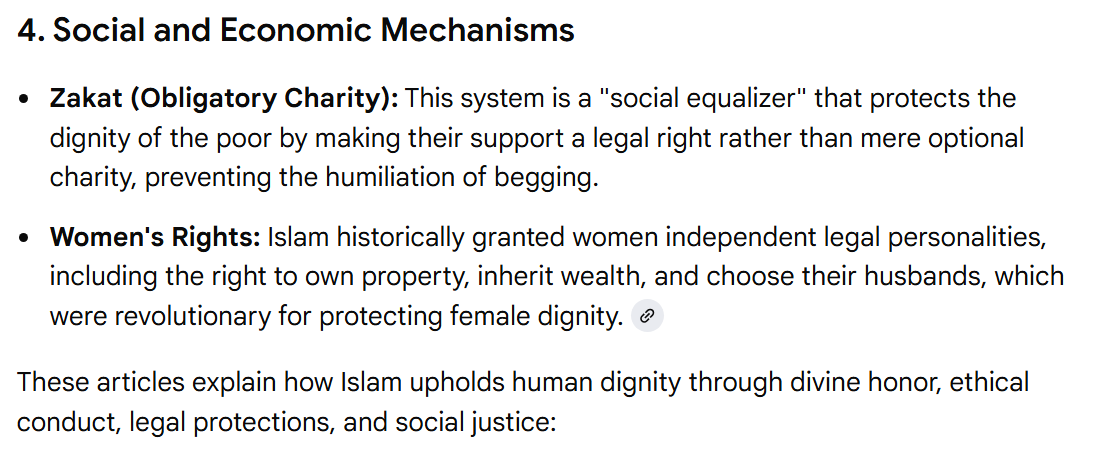
Islam

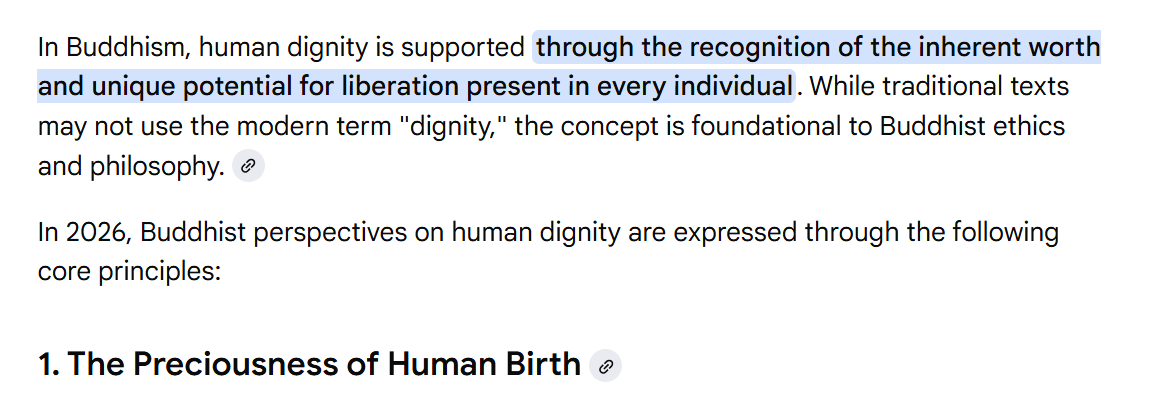
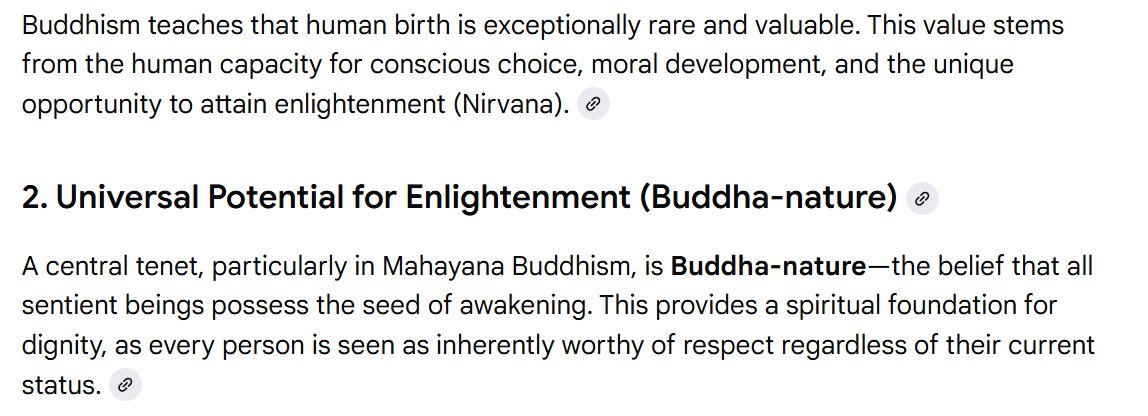
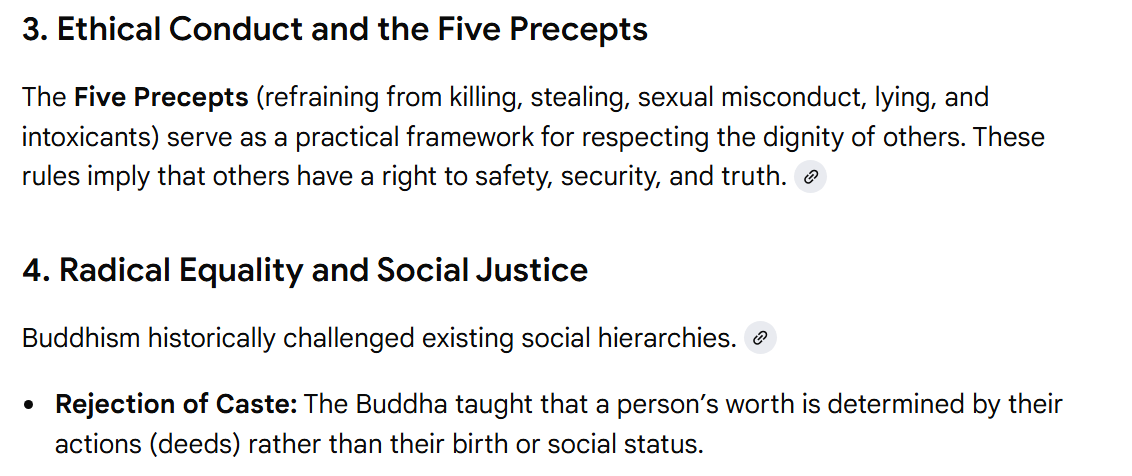
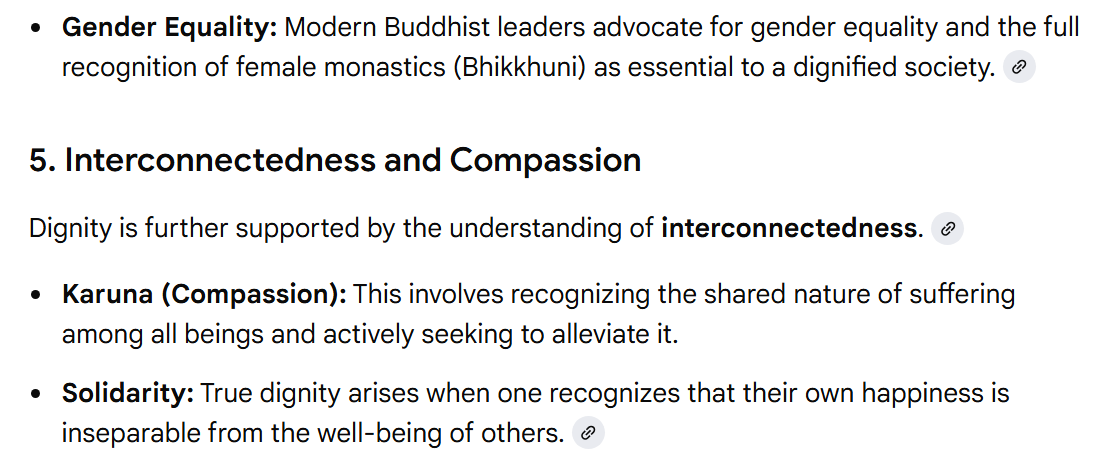
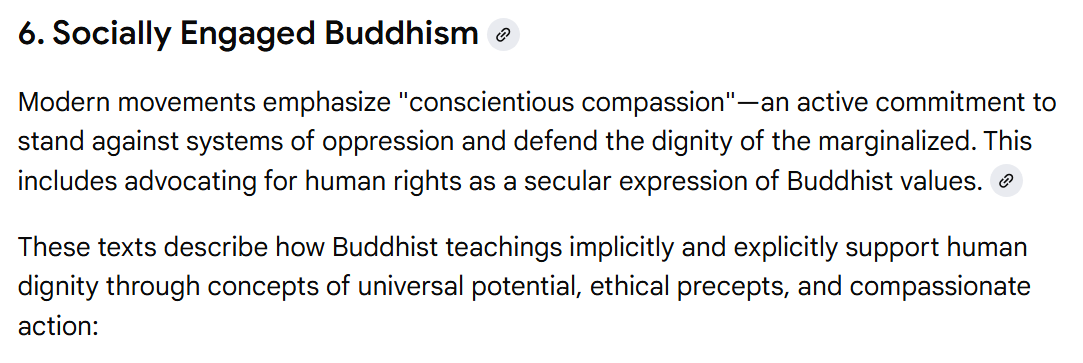
Buddhism
Hinduism
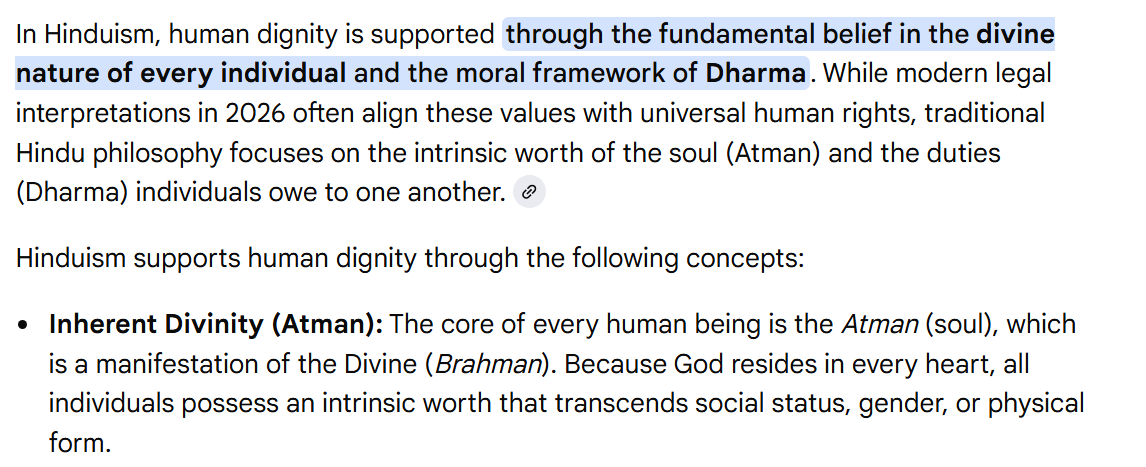


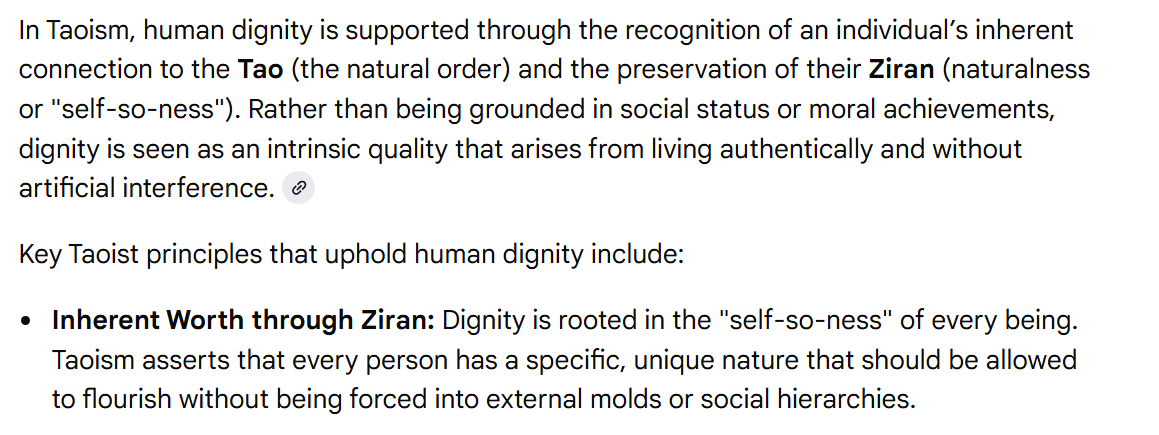
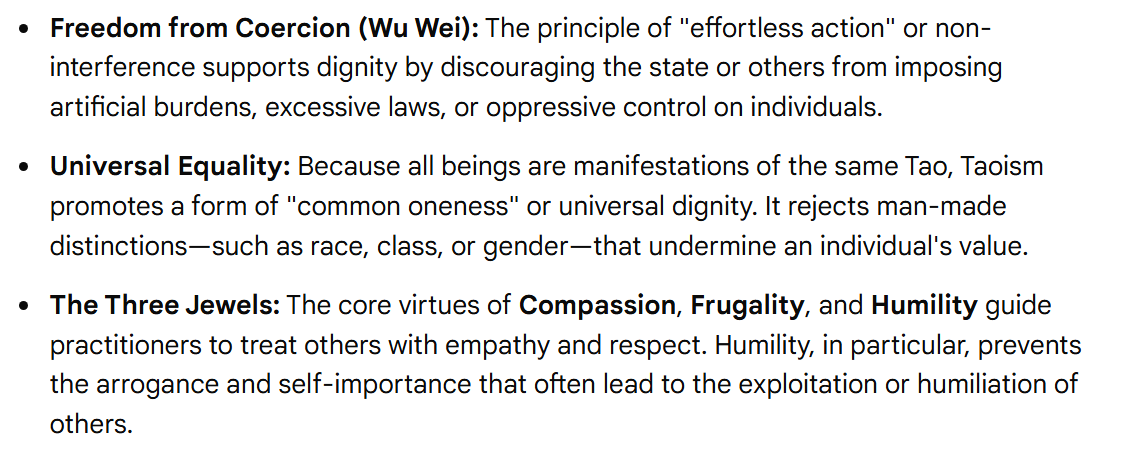
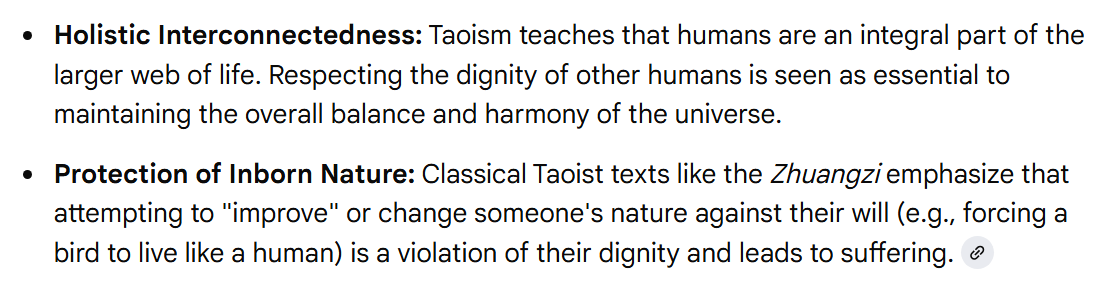
Taoism
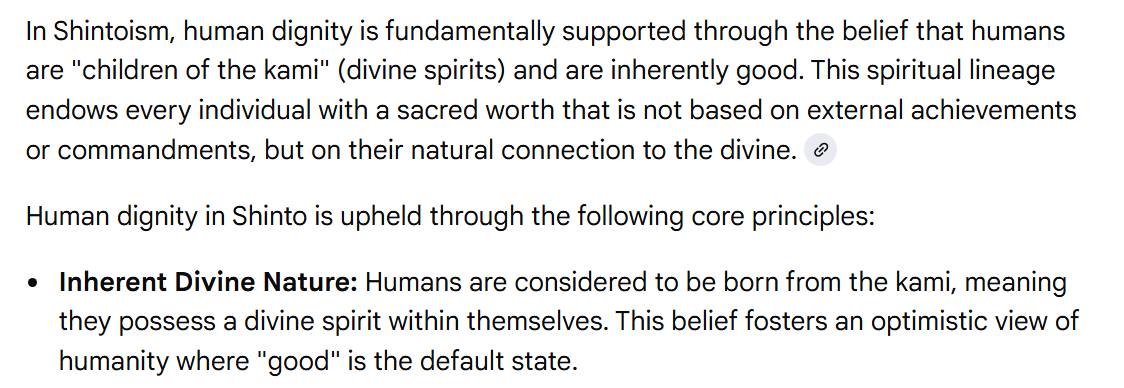
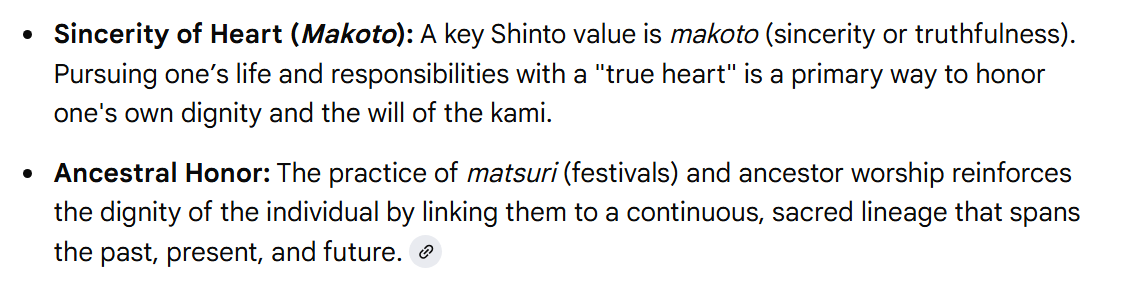
Shintoism

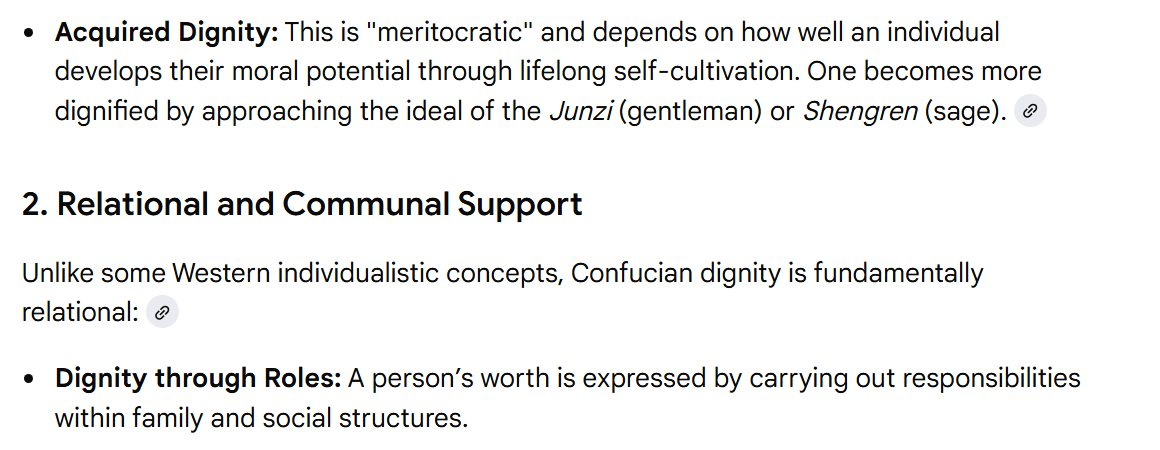
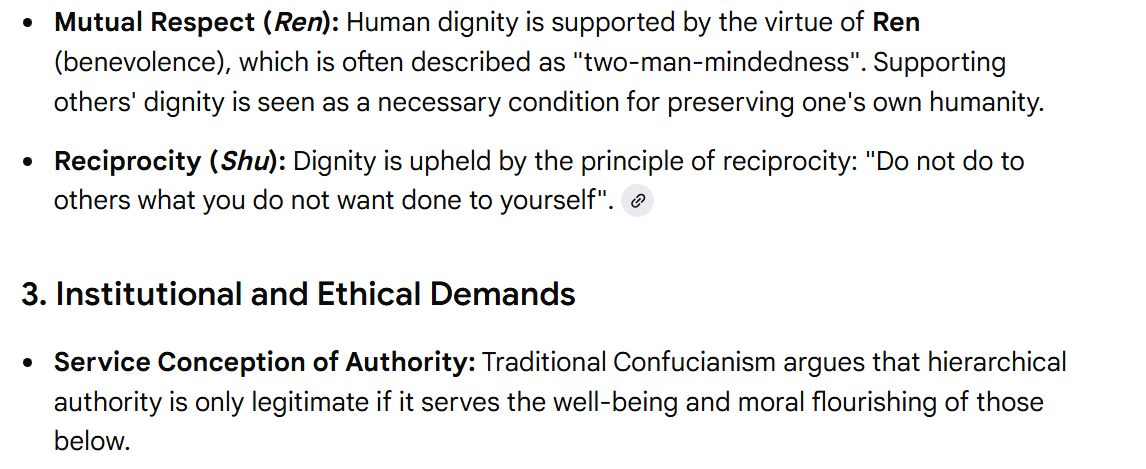
Confucianism


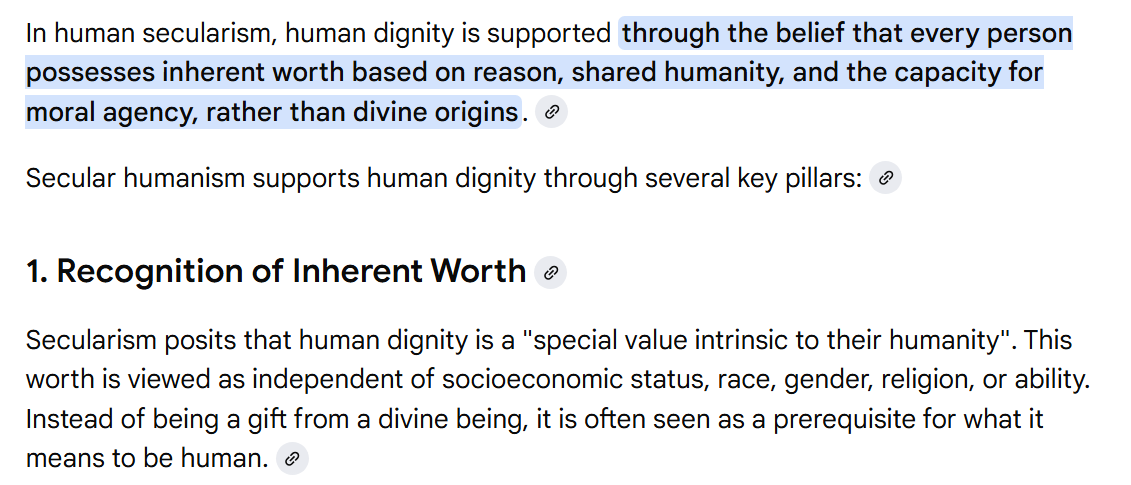
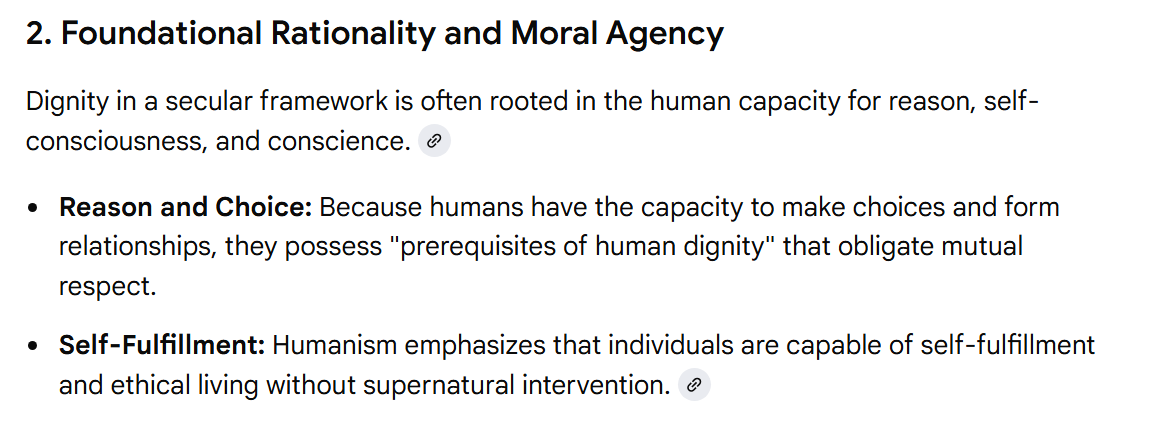
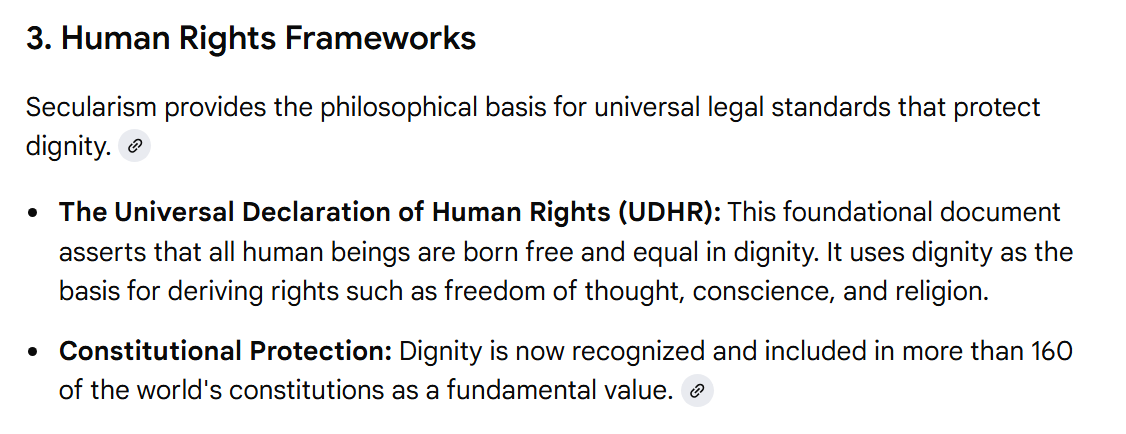
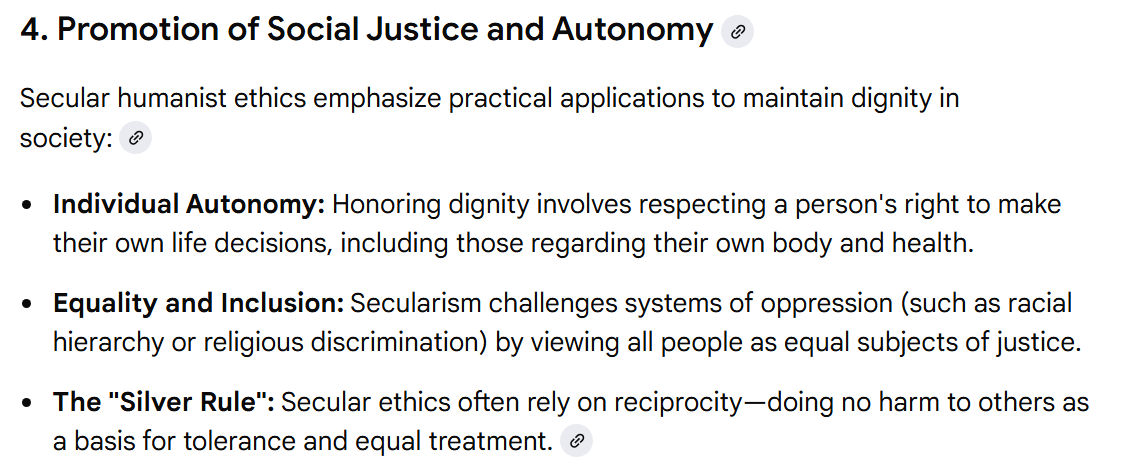
Secular Humanism
Summary
Human dignity is at the heart of each worldview: image of God, gifted by God, preciousness of human birth, inherent divinity, self-so-ness, children of the kami, moral potential, shared humanity and moral agency.
Each worldview also has a complement to the solitary individual: public shaming, sanctity of life, sacredness of life, interconnectedness, one family, ancestral honor, roles, and rationality.
Human dignity is essential for any religious, political, philosophical, or social paradigm. Civility begins with “human dignity”.
 Good News
[…] Human Dignity is a Universal Value Respect is a Universal Value Supporting Civility Acceptance is a Universal Value Supporting Civility Intentionality is a Universal Value That Drives Civility Responsibility is a Universal Value That Supports Civility Constructiveness is a Widely Supported Value and Basis for Civility Public-Spiritedness is a Universally Accepted Civility Value Civility Hope and Solutions: Index Civility Today Index […]
[…] Human Dignity is a Universal Value […]
[…] Human Dignity is a Universal Value – Good News […]