
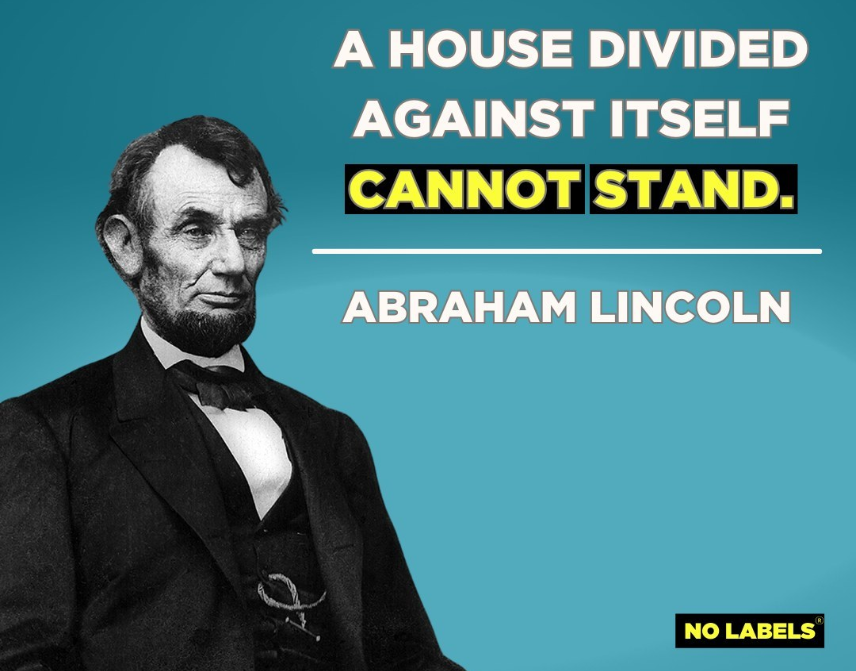
Our preferred definition of Civility is “a common values-based problem-solving process to make group decisions when individuals have differences”. A review of 5 dimensions indicates that Civility has no bias towards or against the left or the right.
Philosophically
Conservatism “conserves” history, culture, religion, norms, land, assets, classes, privileges, religion, power and institutions. It opposes risk-taking, conflict, rapid change and revolution. Civility is rooted in human dignity and concern for the “public good”.
Liberalism elevates the individual, rationality, progress, liberty, science and rights. It opposes unjustified power, wealth and cultural claims on the individual. Liberal political systems seek to balance individual rights with the “public good”.
Technically
Civility based problem-solving and relationship management emphasize the use of modern business, education and counseling techniques such as active listening, dialogue, objective evidence, separation of facts and values, common interests, devil’s advocate, process review, independent facilitators, strategic planning, values clarification, I/you statements, cognitive behavioral therapy, crucial conversations, shared accountability, win/win options, disclosed preferences, long-term perspective, walk-away option, rational incentives, aligned incentives, multiple rounds of negotiation, I’m OK/You’re OK, brainstorming, multiple intelligences, 6 thinking hats, supplier partnerships, shared administrative services, outsourced services, specific corporate culture, mission, vision and values. Corporate, not-for-profit, educational, counselling, government, religious and privately owned organizations have adopted these social science techniques because they are effective tools for translating resources into outputs in support of goals.
Different organizations emphasize different tools that best match their values, history and objectives. There is no clear left versus right emphasis. Solid tools help organizations manage their planning, workforce, resources, suppliers, customers and beneficiaries.
Values
- Respecting each other and our views. Respect for position and roles is a core conservative principle. Respect for individual freedom and agency has been a core conservative principle since the American Revolution. Liberals emphasize human rights, caring and fairness. Respect for each individual is central.
- Human dignity. Christian theology emphasizes the value of each person created by God in his image and called by name. Secular humanist philosophy takes a similarly very high view of the importance of each individual.
- Being open to understanding differences. Liberals have emphasized human rights, equality, care, progress and “others”. Religious conservatives embrace the Judeo-Christian call to protect the poor, the widow, the orphan and the alien. Most Americans support the American political system that limits centralized power and protects minority rights. Many conservatives recognize the diversity of religious denominations. Most Americans have learned to accept the legal and social rights of different groups, including many that were not accepted before. We have arguments about DEI today because it can be used as a political tool by the far left, even though large corporations have effectively used the nonpartisan core of DEI to be more effective firms for 25 years.
- Each individual’s choices matter. Liberals and conservatives in individualist America agree.
- We’re responsible for our choices and interactions. Conservatives emphasize responsibility, including responsibility to social groups and the state. Liberals focus on the individual, per se, and highlight their responsibility to society as essential for the public good determined by the political process.
- We consider the public good in our choices. Liberals tend to take the broader perspective today, sometimes to a fault. Classical conservatives naturally focus on the overall public good as the end goal of society, perhaps emphasizing the existing interests. As representatives of the wealthier and more powerful groups, conservatives look to the overall health of society, politics and the economy as vital.
- We share responsibility for our choices. Conservatives naturally see an organic society, based on tradition, norms, institutions and trust. Although elites influence decisions, true support from all of society is essential. All sectors must support the legitimacy of big choices. Liberals promote shared power as the fair way, in principle. They sometimes criticize decisions and processes when they don’t win.
- We think and act constructively. Liberals embrace modernity, science, progress, education and rationality. Conservatives embrace hard choices, reality, real politic, trade-offs, common sense, business methods, and balanced budgets.
Issues
19 issues have appeared in the “top 10” most important issues lists since 1948. Civility can be neutral on all of these issues.
- Inflation. Republicans emphasize this. OK.
- Jobs. Democrats emphasize this.
- Balanced budget. Republicans promote this. Democrats pursue this.
- The economy. Everyone favors expansion and growth.
- International aid/UN/global organizations. Democrats support this.
- Hot wars. Republicans favor more active strategies.
- War on terror. Republicans favor more active policies.
- Crime. Republicans favor greater investments.
- Gun rights. Republicans favor greater rights.
- Traditional culture. Republicans favor tradition.
- Drugs. Republicans favor greater enforcement and consequences.
- Education. Republicans favor local control and greater traditional values.
- Immigration. Republicans favor less legal and illegal immigration.
- Poverty. Democrats favor greater support.
- Health care. Democrats favor greater public support.
- Racial rights. Democrats favor greater actions for minority groups.
- Environment. Democrats favor greater public investment and regulation.
- Unifying the country/rule of law. Historically, Republicans emphasized this. In the Trump era, Democrats are more concerned.
- Role of government. Republicans favor less government, until recent Trump changes.
Moral Foundations Theory
- Care. Primary liberal value. Conservatives rate it highly too.
- Fairness. Primary liberal value, focusing on results. Conservatives emphasize process fairness.
- Loyalty. Conservative priority. Secondary liberal value. Civility emphasizes loyalty to society, the political system and the common good.
- Authority. Conservative priority. Liberals accept “legitimate” authority. Civility emphasizes the importance of each individual.
- Purity. Conservative priority supporting traditional values. Liberals emphasize different dimensions emphasizing individual rights.
- Equality. Equal treatment of individuals. Left and right agree.
- Proportionality. Conservatives emphasize proper rewards for efforts and results. Liberals accept this principle but give it lesser emphasis. Civility does not take a stance.
Summary
Civility is supported by left and right in America’s political history. Modern techniques for most effective group interactions and negotiations are neutral. The values that support Civility are neutral. Civility takes no stand on modern political issues. The latest attempt to define the “righteous” bases for politics provides no dimension opposed to civility. Civility can be used as a bipartisan base for our democracy and our day-to-day interactions.
 Good News
[…] Civility is Nonpartisan Civility Crisis or Civilization Crisis? Civility: Can’t We All Just Get Along? 6 Root Causes of Our Situation Facing Our Political Situation: How Do You Solve a Problem Like Maria? Morality (2020) Jonathan Sacks The Road to Character – 2015 Moral Foundations Theory of Politics Common Moral Values Our Political Differences are NOT Going Away; And That’s OK […]
[…] Our Political Situation: How Do You Solve a Problem Like Maria? Civility is Nonpartisan Civility and DEI Civility is […]
[…] Civility: What’s In It for Me? Civility: Cognitive Science to the Rescue Civility is Nonpartisan A Civility Pledge Civility Pledges We Always Have a Choice Promoting the General Good: […]
[…] to the Rescue Civility: What’s In It for Me? Civility is for Everyone! Civility is Nonpartisan A Civility Pledge Civility Pledges Causes of the Decline in Civility: Index Civility […]
[…] Civility is Nonpartisan Moral Foundations Theory of Politics […]
[…] and DEI Civility is Nonpartisan What’s The Root Cause of Our Problems?: Imperfect Myths We Have More in Common Than […]
[…] Civility is Nonpartisan […]
[…] Civility is Nonpartisan […]
[…] Civility is Nonpartisan […]
[…] Civility is for Everyone! Civility is Nonpartisan […]
[…] Civility is Nonpartisan – Good News […]
[…] Civility is Nonpartisan – Good News […]