Good News: God is NOT Dead In the US

Nietzsche Declared It In 1882: 7 Generations Ago

https://philosophybreak.com/articles/god-is-dead-nietzsche-famous-statement-explained/

Time Magazine Taunted 1966: 3 Generations Ago

80-90% Believe in God or a “Higher Power”

https://www.pewtrusts.org/en/trust/archive/fall-2018/when-you-say-you-believe-in-god-what-do-you-mean

56% believe in God as described in the Bible. Another 23% have a less literal belief in God. Of the 20% who answer “no”, fully one-half believe in some kind of higher power or spiritual force. Only 10%, in 2017, fully rejected any supreme being/force/concept.

Time Says 90% Believe in God

https://time.com/4283975/god-belief-religion-americans/

Gallup Poll Reinforces 80-90% Belief

https://news.gallup.com/poll/268205/americans-believe-god.aspx

US Belief In God Is Twice as High as In Europe

56% in US believe in Biblical God versus 27% in Europe.

https://www.pewtrusts.org/en/trust/archive/fall-2018/when-you-say-you-believe-in-god-what-do-you-mean

U.S. adults are more religious than Western Europeans

Belief in God Forecast to Grow Globally

The Future of World Religions: Population Growth Projections, 2010-2050

However: Non-Religion Affiliated Folks Grew

https://www.christianitytoday.com/news/2019/march/evangelical-nones-mainline-us-general-social-survey-gss.html

From 7% to 22% by this measure!

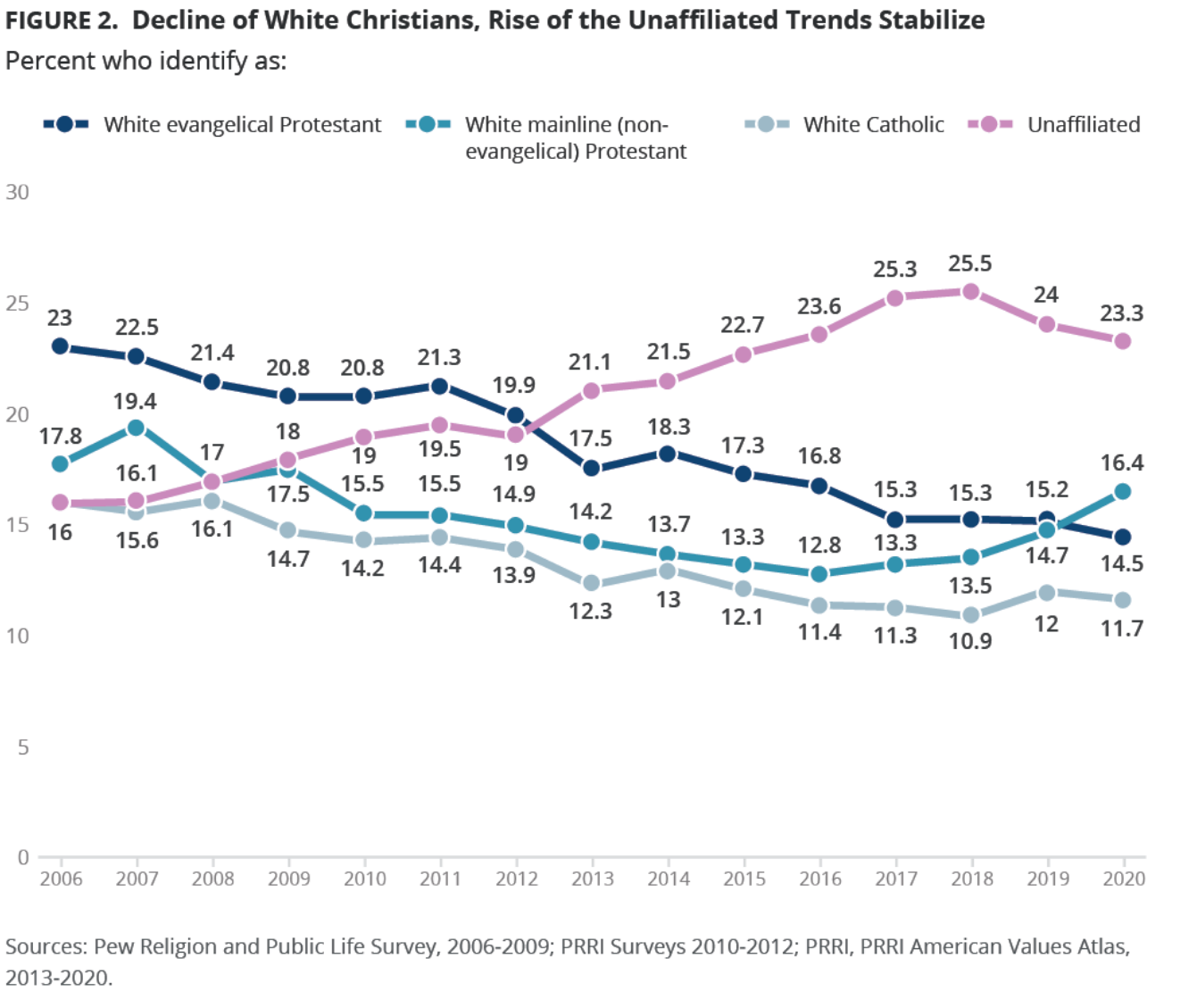
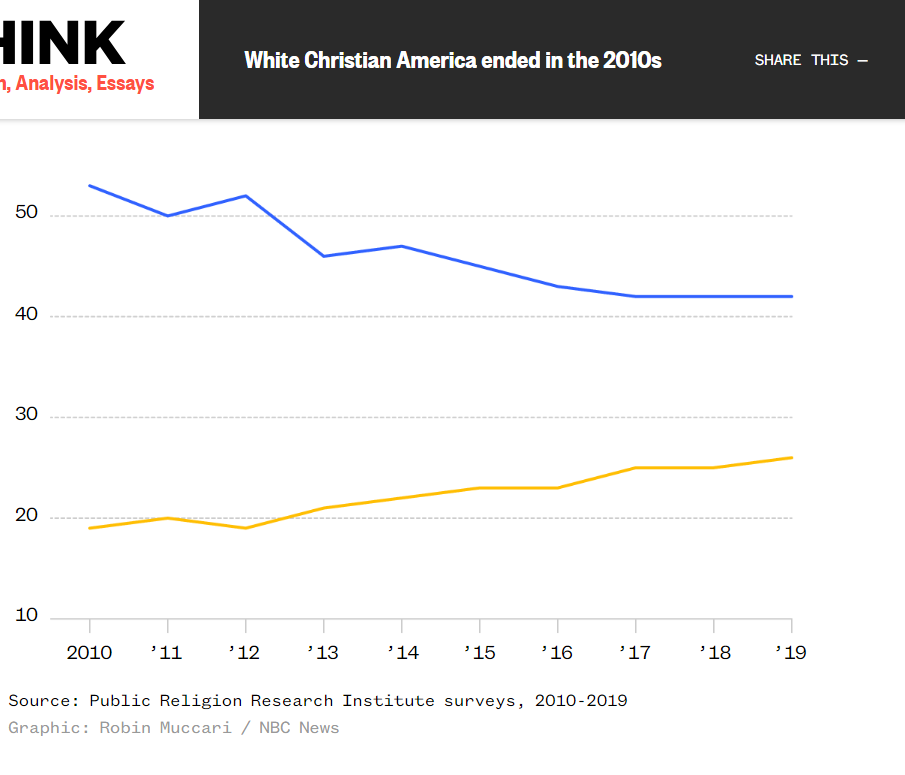
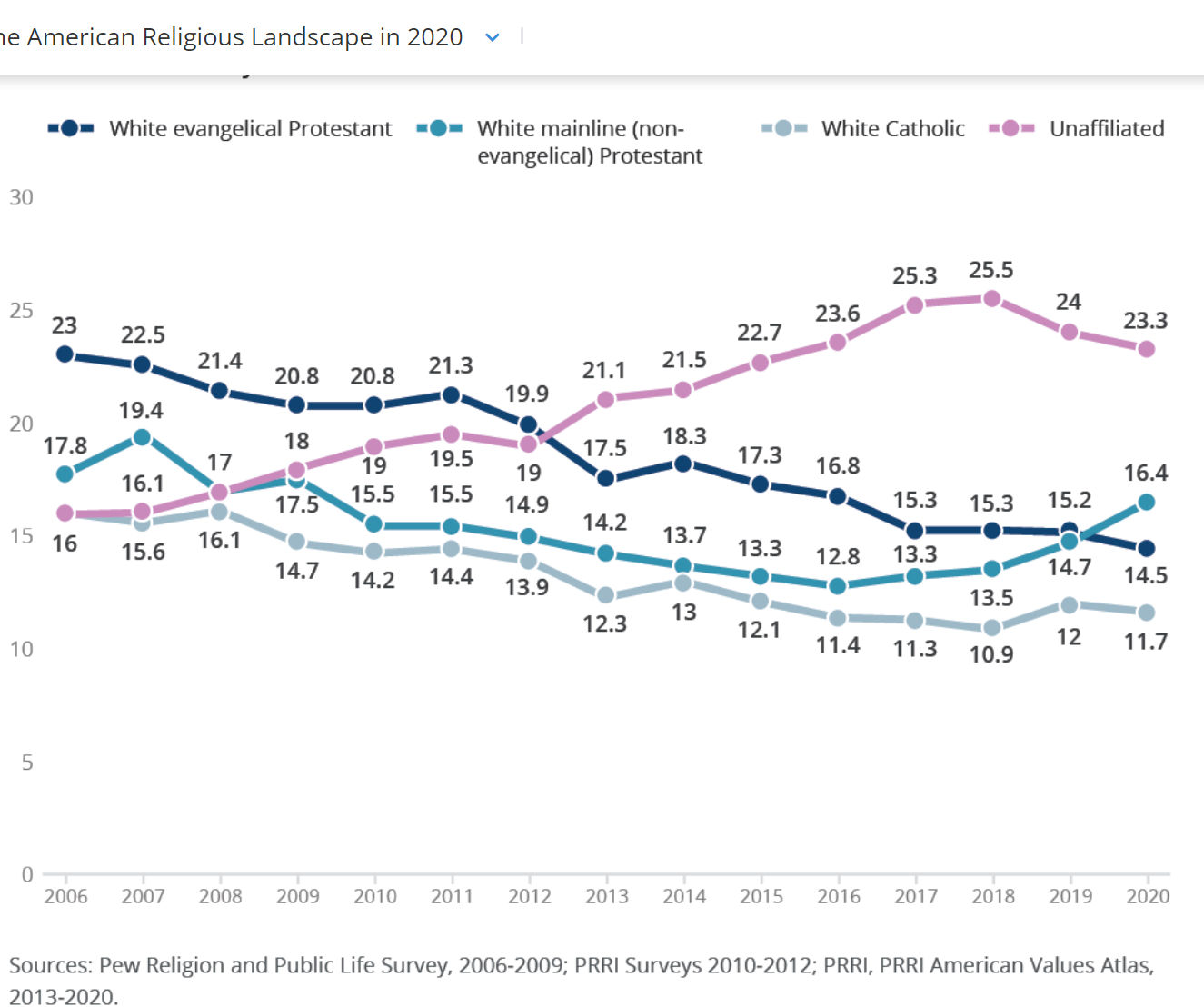
PRRI summarizes their data and Pew data to assert that the unaffiliated population grew from 16% to 25% but has recently fallen back to 23%.

Other analysts conclude that the “nones” account for up to 30% of the population.
https://www.deseret.com/faith/2022/4/14/23022509/god-is-not-dead-religion-data-politics-faith-in-america

https://www.nbcnews.com/think/opinion/2010s-spelled-end-white-christian-america-ncna1106936

This survey shows the “unaffiliated” category increases from 20% to 26%.

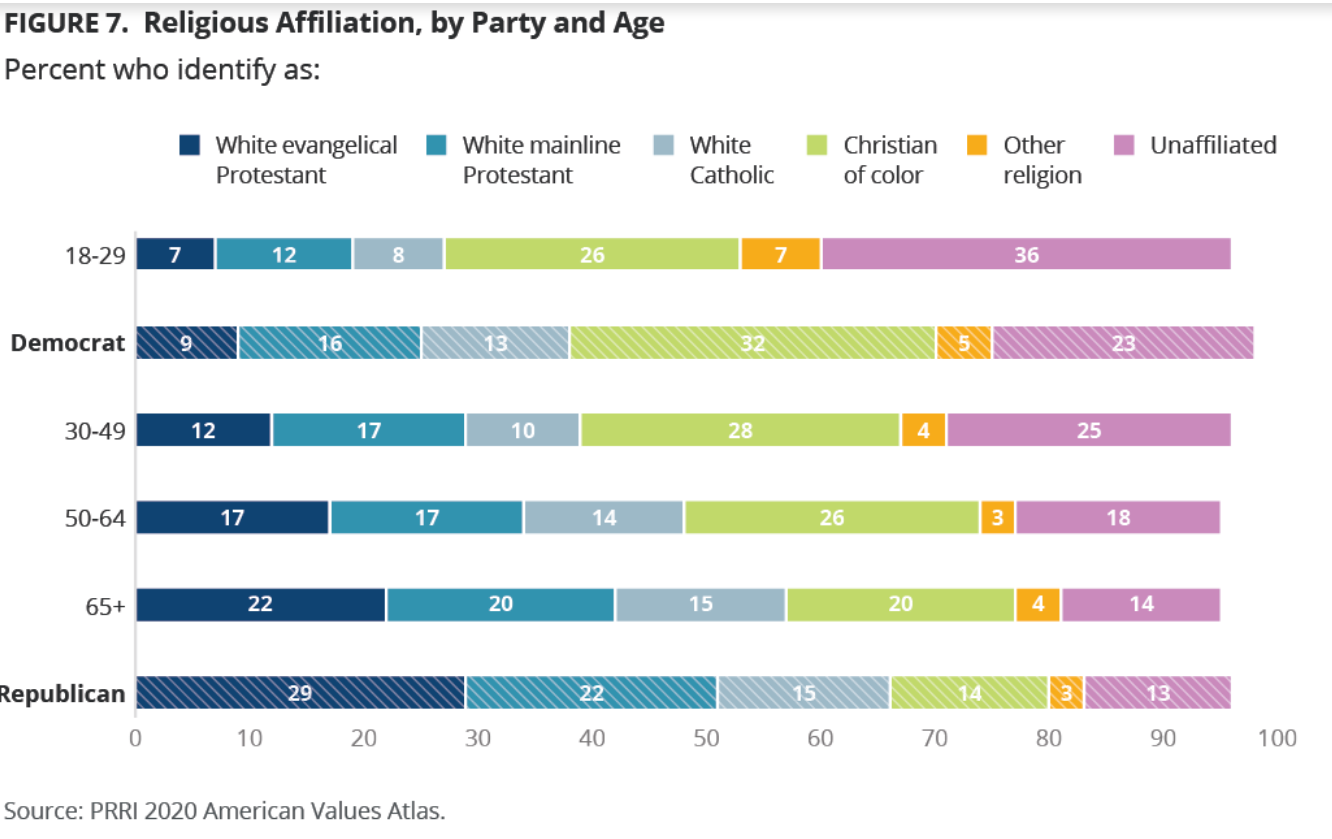
Fewer Young Adults Belong to Churches

Religious Believers Maintain Same Activities

https://www.deseret.com/faith/2022/4/14/23022509/god-is-not-dead-religion-data-politics-faith-in-america

Mainstream Protestants Fell, Bottomed, Recovered

https://www.christianitytoday.com/news/2019/march/evangelical-nones-mainline-us-general-social-survey-gss.html

From 28% to 12%, or from 18% to 13%.

Evangelicals Grew, Then Declined
https://www.christianitytoday.com/news/2019/march/evangelical-nones-mainline-us-general-social-survey-gss.html

About Three-in-Ten U.S. Adults Are Now Religiously Unaffiliated

Based on a “born again” definition, evangelicals have declined by 6%.

https://www.cnn.com/2021/07/10/opinions/american-evangelicals-protestantism-butler-bass/index.html

Evangelicals Increasingly Overlap With Republican Party Identification

https://www.christianitytoday.com/news/2019/march/evangelical-nones-mainline-us-general-social-survey-gss.html

https://www.sltrib.com/opinion/commentary/2021/10/27/ryan-burge-why/

Summary

US citizens belief in God remains strong, between 80-90%. Church affiliation has declined to 70%. Mainline (liberal-centrist) Protestant believers have declined dramatically, but recently stabilized. Evangelical Protestant believers increased in the 1980’s and 1990’s, but have declined somewhat since then. Catholic membership has remained roughly constant, with Hispanics replacing Whites.

The decline in Whites as a percentage of the US population, combined with the increase in non/other believers has lead to headlines proclaiming the end of a majority White Christian America. This is true statistically, with politicians attempting to take advantage of the situation.

https://www.nbcnews.com/think/opinion/2010s-spelled-end-white-christian-america-ncna1106936

Good News: US Foreign Aid

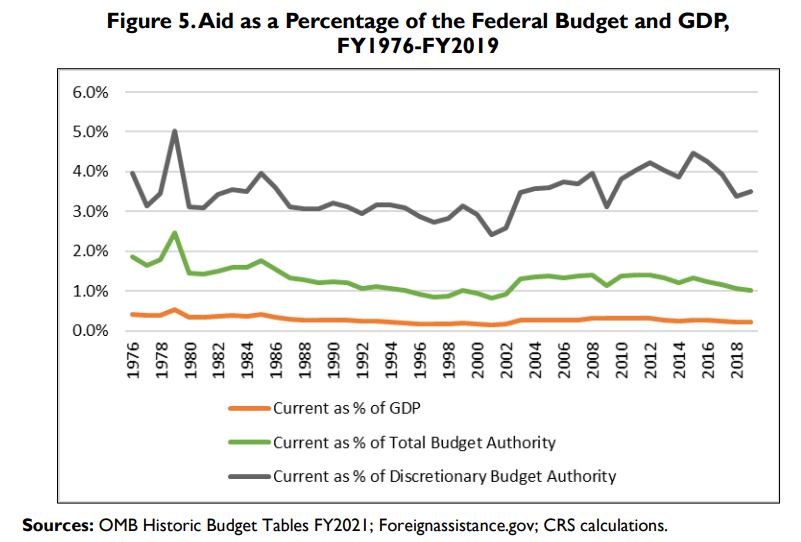
US Spends 1% of Federal Budget on Aid, Not 25%

Aid is 1% of Budget, Down from 1.6% in 1980

Aid is 1% of Budget, Down from 1.4% in 2006

https://crsreports.congress.gov/product/pdf/R/R40213

Real $ Spending Increase Driven by Terrorism Threats with Bipartisan Support

https://crsreports.congress.gov/product/pdf/R/R40213

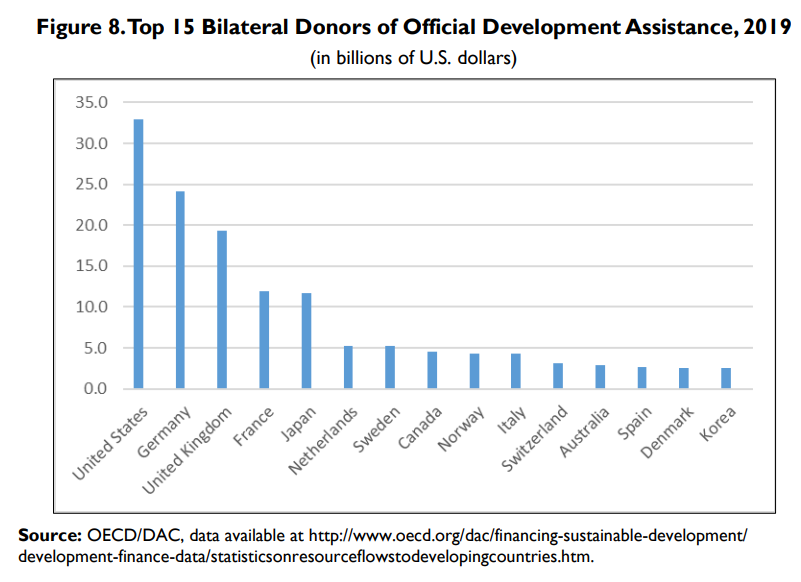
US Leads in Dollar Spending, Trails in $/Person

US Accounts for 23% of Global Aid

US 0.2% of GDP is Very Low for Developed Nation

https://crsreports.congress.gov/product/pdf/R/R40213

Where Does the Money Go?

41% to economic development and commercial interests

35% to military aid and national security

20% for humanitarian purposes

The congressional report splits up the $48B as

Peace/security 16B

Health, Ed $9B

Humanitarian $9B

Economic Growth $4B

Governance $3B

https://crsreports.congress.gov/product/pdf/R/R40213

Where Does the Money Go?

Africa 25%. Middle East 25%. Afghanistan $5B, Israel $3B, Jordan $2B, Egypt, Iraq, Ethiopia, Yemen, Colombia, Nigeria, Lebanon $1B each. Top 10 $16B, one-third of total.

Criticisms of Foreign Aid

Limited evidence that specific country investments provide political returns

Limited evidence of anti-terrorism campaign effectiveness (counterexamples)

Weak administrative structure and oversight at all levels

Direct evidence of individual country economic growth due to aid is limited

Some autocratic governments have benefitted from aid

Some aid is diverted to corrupt governments and individuals

Specific high priority countries have provided weak returns (Egypt, Pakistan, Afghanistan, Iraq)

Higher returns could be gained from investing in Western Hemisphere, Eastern Europe.

https://www.cfr.org/backgrounder/how-does-us-spend-its-foreign-aid

https://www.npr.org/sections/goatsandsoda/2018/09/18/649155725/why-the-u-s-ranks-at-the-bottom-in-a-foreign-aid-index

Benefits

Health measures, disease rates, lifespans. Global health. Economic development results globally and in individual countries. US trade benefits from developing trade lanes. Global education. Increased number of democracies, commitment to mixed capitalist economies. Lower cost of defense. Terrorism activities thwarted. Improved strength of US alliances. Improved flow through NGOs, multilateral organizations improves effectiveness. Dollar allocation provides US policy leverage.

https://www.cfr.org/backgrounder/how-does-us-spend-its-foreign-aid

https://www.concernusa.org/story/foreign-aid-myths-facts/

https://www.pbs.org/newshour/world/column-addressing-myths-surrounding-u-s-foreign-aid

Good News: US Pre-school Enrollment

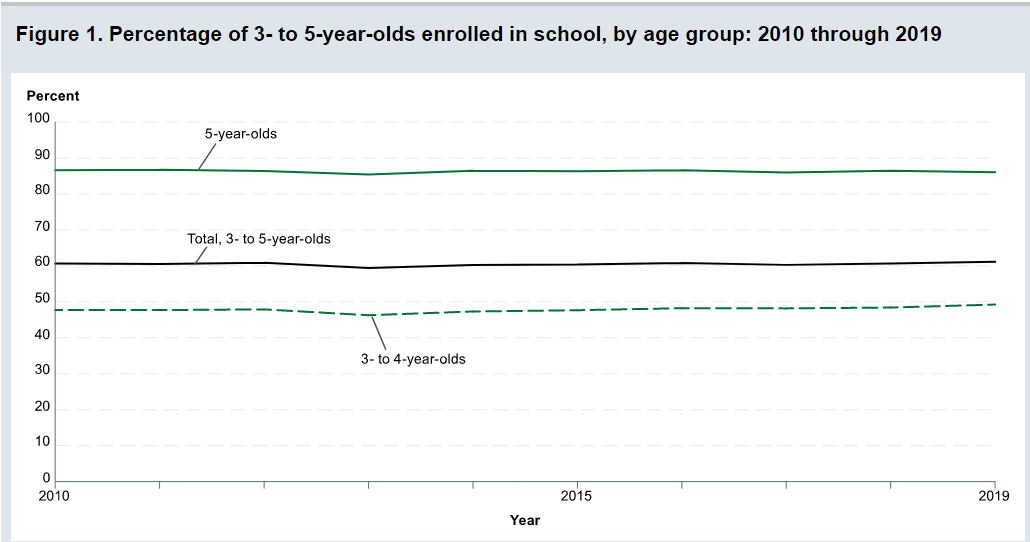
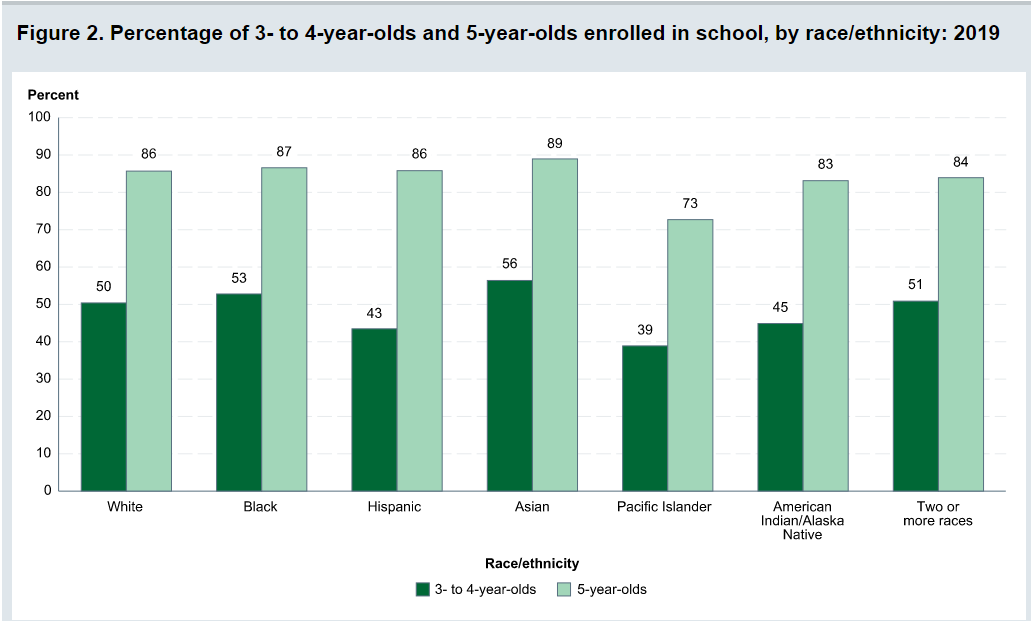
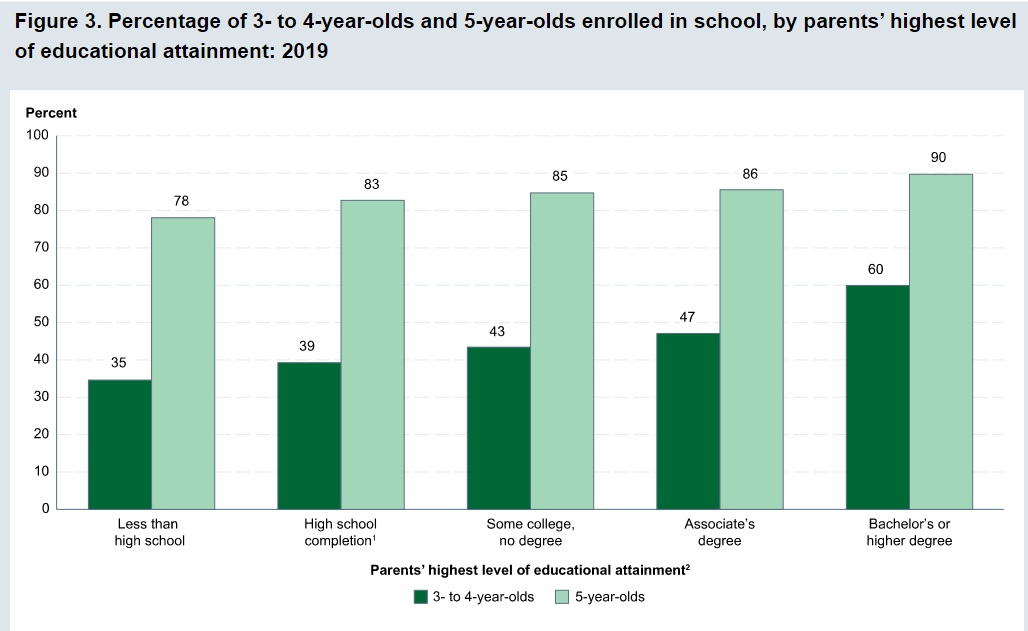
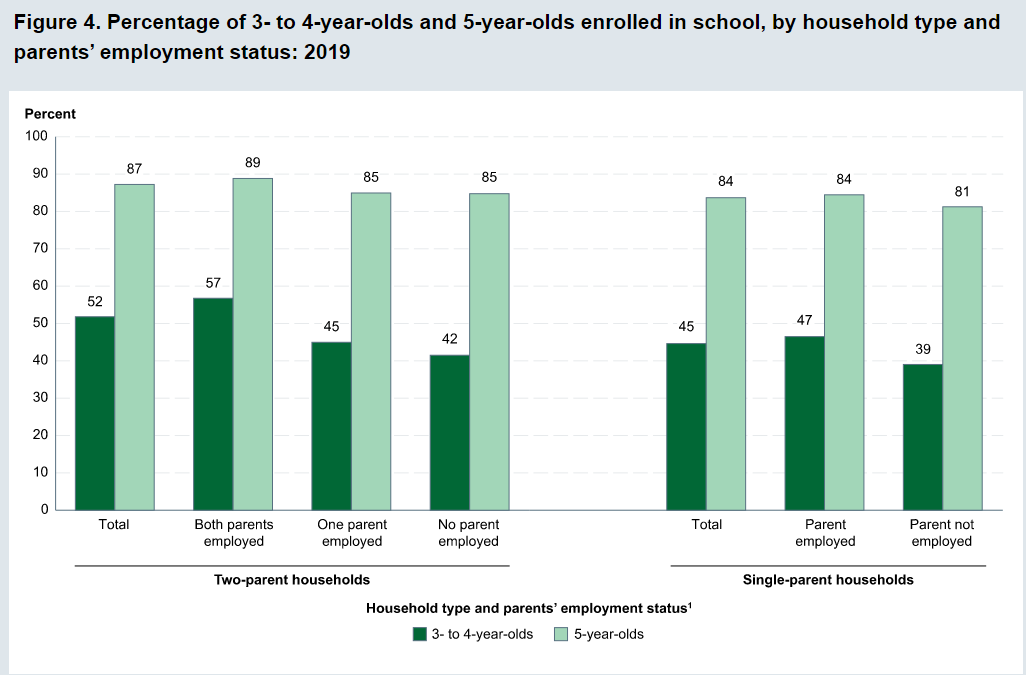
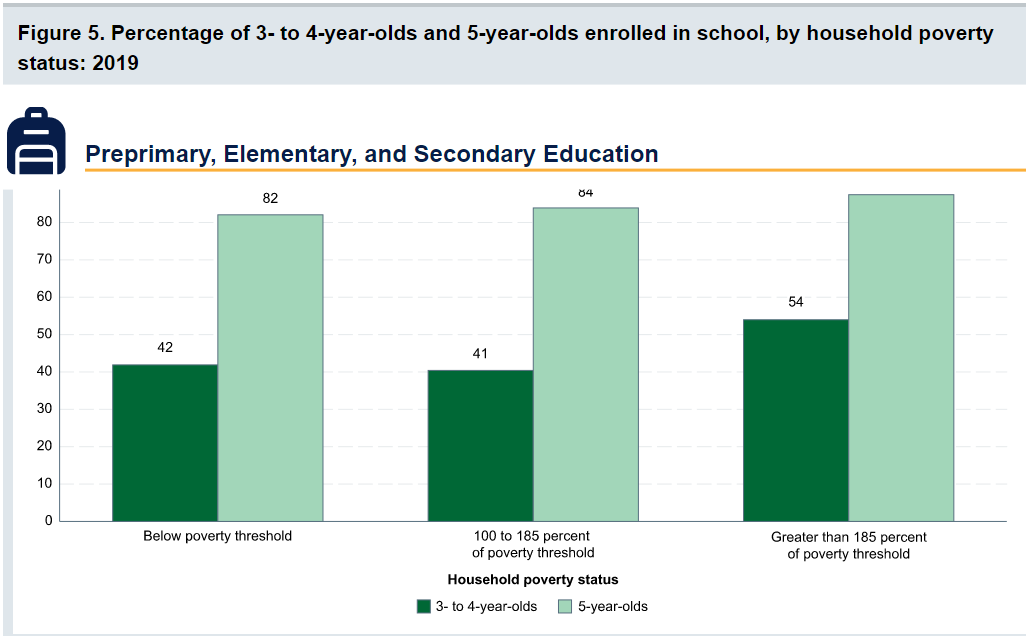
https://nces.ed.gov/programs/coe/indicator/cfa

Stable Enrollment for 20 Years

Race is a Minor Factor in Enrollment

Higher Educated Parents Enroll Their Children at Somewhat Higher Rates, Especially at Ages 3-4

Single Parents Do OK, But the Unemployed Lag

Poverty Level Has Limited Impact for 5 Year-olds, But Real Impact for 3-4 Year-Olds

Comments

Research has shown that pre-school education can help children to prepare for school. More than 5/6 5 year-olds attend some kind of formal education. About one-half of 3-4 year-olds are enrolled. Some of the non-enrolled children could benefit from formal programs. State and local programs and funding could help these individuals. Access for 5 year-olds is relatively equal across groups, but access for 3-4 years-olds differs more significantly based upon race, income, household status and employment. There is room for improvement.

Good News: US Workers Are Much More Engaged at Work

https://www.gallup.com/workplace/352949/employee-engagement-holds-steady-first-half-2021.aspx

In the last 20 years, 40% more employees are “engaged” at their workplace and one-sixth less are “disengaged”. American employers have bought into claims by Gallup and others that “engaged workers are productive workers” and made the investment in building culture, training managers, measuring managers and work teams and attending to basic employee satisfaction dimensions. Firms have made these changes out of self-interest, believing that the investment in helping employees to be engaged will pay off.

While 26% or 36% “engaged” may seem like poor numbers, consider that the global average in Gallup surveys is just 20%. Gallup defined “engaged” at a high enough level in their survey to ensure that corporations would see the low numbers and turn to Gallup and other organizational development consultants for help.

Note that even with 36% engaged, that means that 64% are un-engaged or actively dis-engaged. Hence, the “Great Resignation” is not unexpected in a tight labor market.

https://www.mckinsey.com/business-functions/people-and-organizational-performance/our-insights/great-attrition-or-great-attraction-the-choice-is-yours

How Did They Do It? (Firms Improve Workplaces)

Gallup points to 4 factors.

https://www.gallup.com/workplace/284180/factors-driving-record-high-employee-engagement.aspx

More companies now take culture and management seriously, from CEO to front-line workers, making real, sustained changes as they did with total quality, lean six sigma operations and branding. Firms define mission, vision and values and operationalize these “soft” dimensions in performance reviews, promotion and retention.

Second, firms focus their organizational development efforts on front line managers, the people who impact the most employees. Good front-line managers are then prepared to be good middle managers, so this makes sense. Companies embrace organizational behavior research which says that managers must consider both task and people dimensions. Managers must be the responsible parties, adjusting their style and decisions to the situation. Gallup published a book that helps to train managers in applied situational leadership.

Other consulting firms and authors provide training materials and seminars to help managers be more effective.

Third, firms take communications seriously, overcommunicating, teaching communications, reviewing communications, etc.

Fourth, firms hold managers accountable for results. These measured results include employee satisfaction. Firms have learned to use 360-degree feedback systems to identify very weak managers, help average managers to develop and promote the most effective managers to greater responsibility and impact.

Most firms employ some version of “The Balanced Scorecard”, ensuring that managers are evaluated on, and therefor focus upon all four dimensions: earnings/mission, customer satisfaction/sales, operations effectiveness, asset management (including human resources).

Higher Paid Employees are More Satisfied

How Does Gallup Measure Engagement?

Gallup statisticians crunched numbers from prior work to identify a small number of questions that are correlated to results such as turnover, productivity, sales, profits, etc. The Q12 survey is disarmingly simple. It can be administered monthly for all work teams and employees. Once managers are trained to understand the meaning of the results, opportunities for improvement are straightforward. Once employees see that managers are responding to their feedback, a positive feedback loop can be started. Q12 is not a “magic bullet”, but the questions touch on dimensions that employees truly value and improvements in management performance are noticed by employees.

https://www.gallup.com/workplace/356063/gallup-q12-employee-engagement-survey.aspx

PostScript: Engagement Fell Back a Bit in Late 2021

https://www.gallup.com/workplace/388481/employee-engagement-drops-first-year-decade.aspx

Good News: US Wind Power

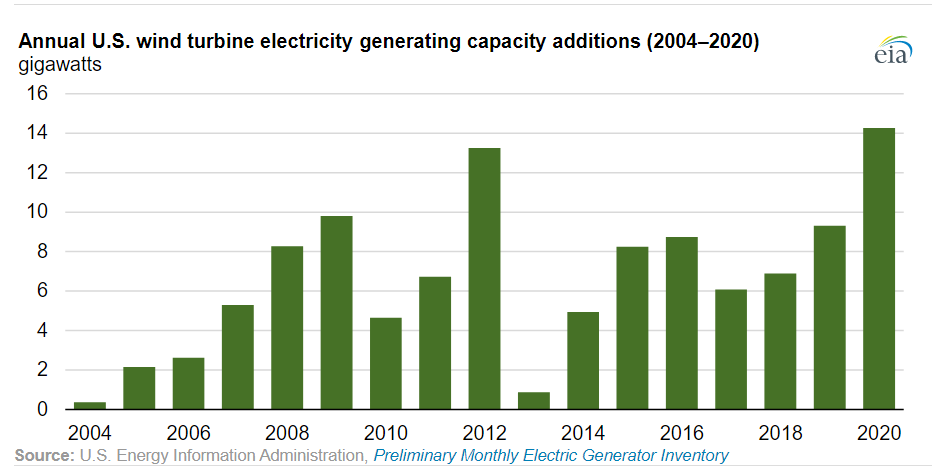
Annual Added Capacity

https://www.eia.gov/todayinenergy/detail.php?id=46976

2020 was all-time record for new capacity installed.

Cumulative Capacity Installed

https://css.umich.edu/factsheets/wind-energy-factsheet

Cumulative capacity doubled in last 8 years.

https://en.wikipedia.org/wiki/Wind_power_in_the_United_States

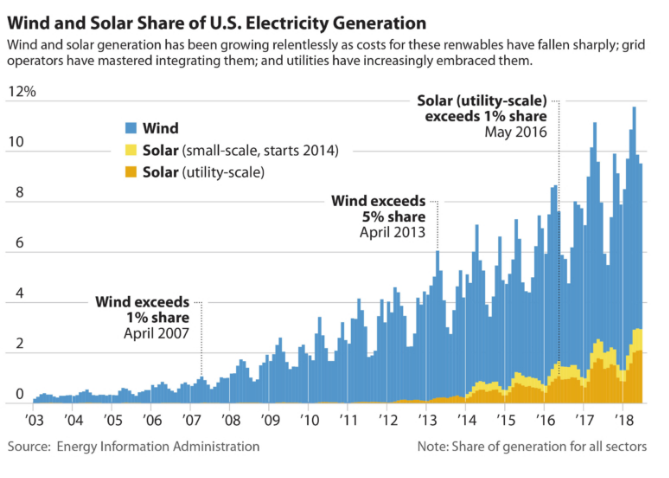
Wind Share of Electricity Generating Capacity

https://www.eia.gov/energyexplained/wind/electricity-generation-from-wind.php#:~:text=In%202021%2C%20wind%20turbines%20were,kilowatts)%20of%20electricity%20generation%20capacity.

Wind share has grown from 1% to 9%+ in 12 years.

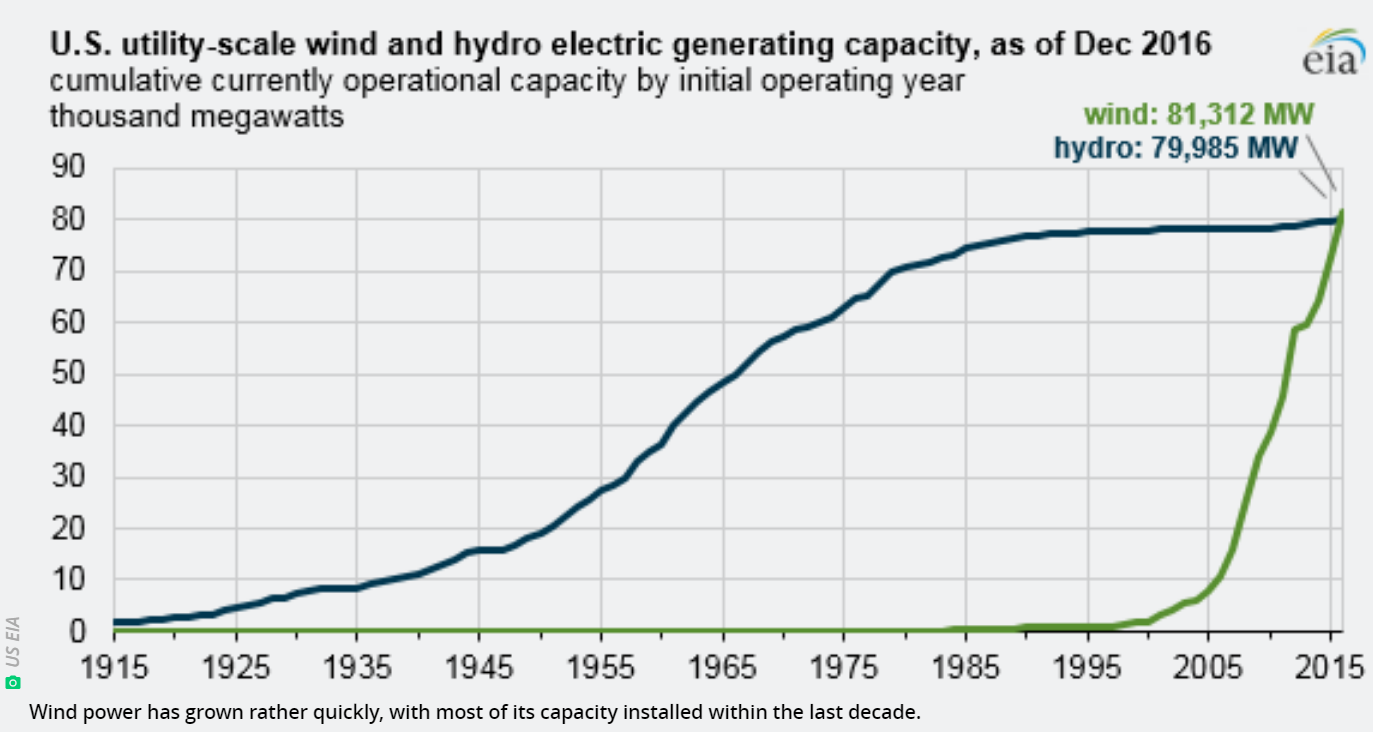
Wind is Largest Renewable Energy Source

https://arstechnica.com/science/2017/03/us-wind-capacity-surpasses-hydro-overall-generation-to-follow/

Wind reached hydro power capacity in 20 years. Hydro power required 70 years to reach its effective capacity.

Wind Potential Map

https://css.umich.edu/factsheets/wind-energy-factsheet

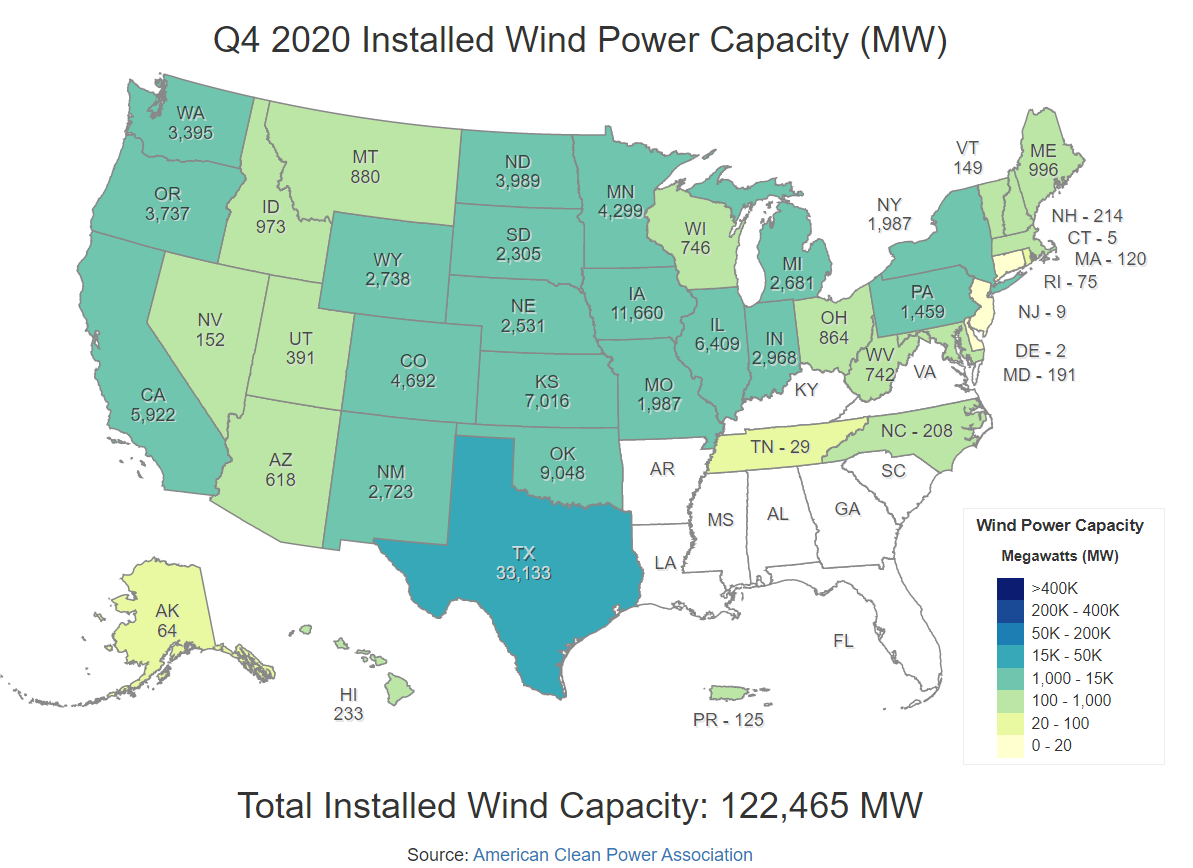
State Wind Power Capacity

https://windexchange.energy.gov/maps-data/321

US Capacity 2nd Largest

https://css.umich.edu/factsheets/wind-energy-factsheet

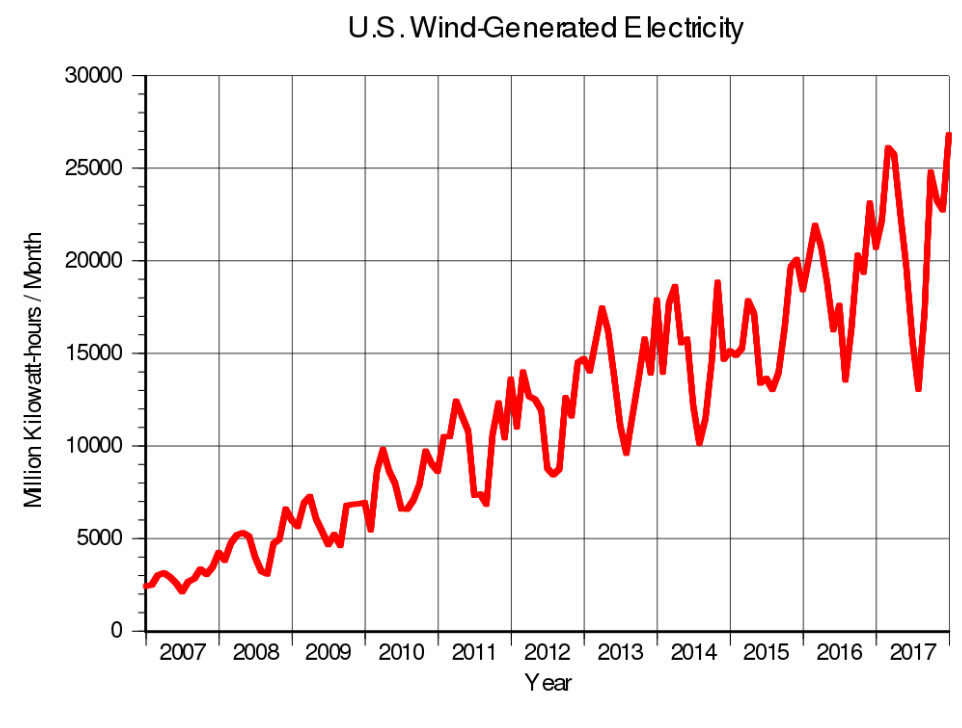
Wind Power Generated

https://en.wikipedia.org/wiki/Wind_power_in_the_United_States

Good News: US and Immigrants

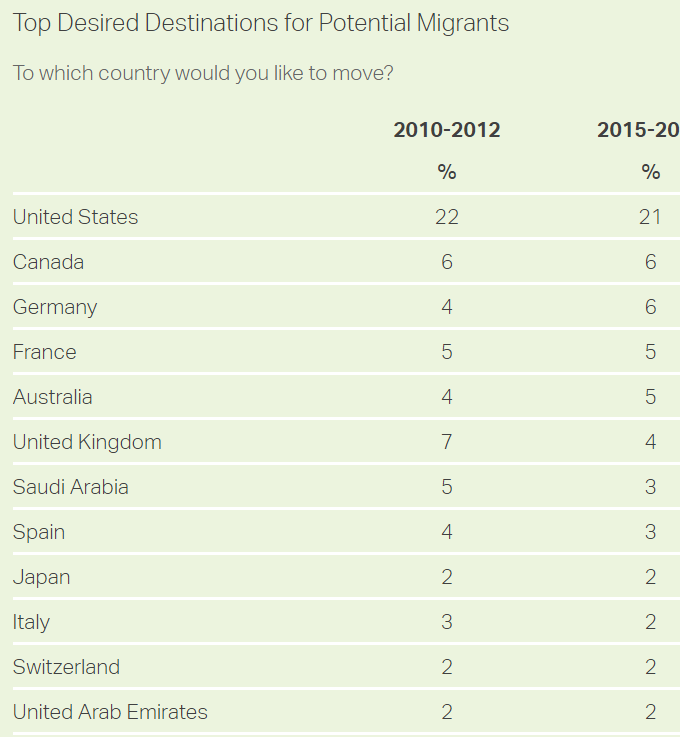
US is top desired destination for immigrants

https://news.gallup.com/poll/245255/750-million-worldwide-migrate.aspx

https://www.weforum.org/agenda/2017/11/these-are-the-countries-migrants-want-to-move-to/

New Zealand is Most Attractive Based on Immigrant Desires Per Destination Population

Best Countries to Migrate to

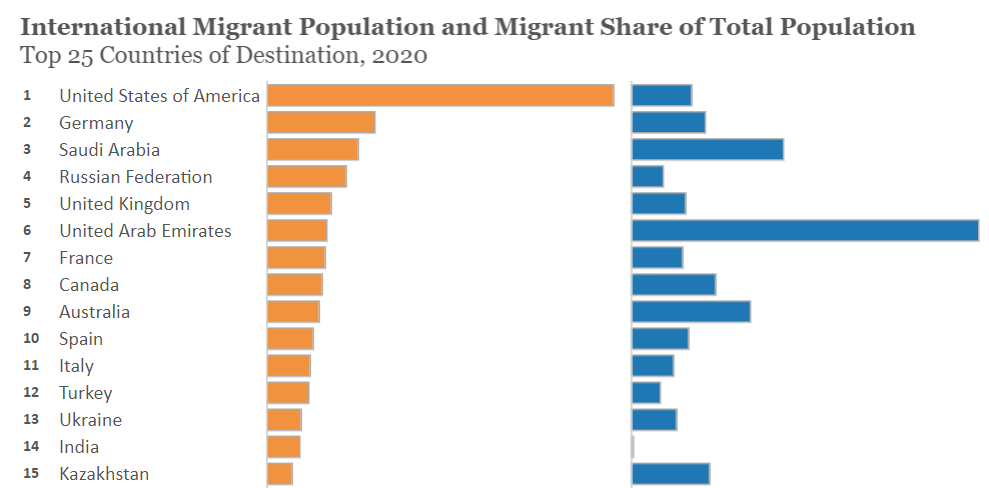
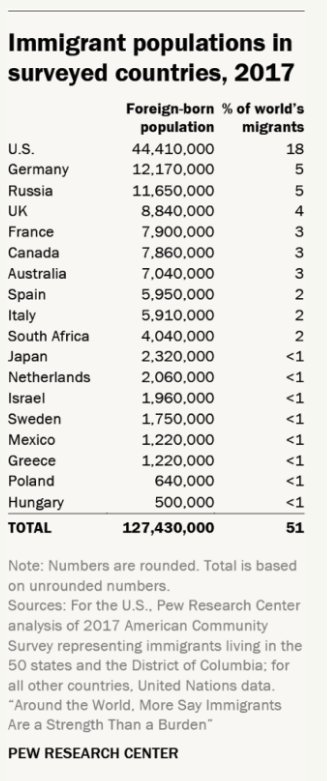
Immigrants “Vote With Their Feet”. 50 Million in US.

https://www.migrationpolicy.org/programs/data-hub/charts/top-25-destinations-international-migrants

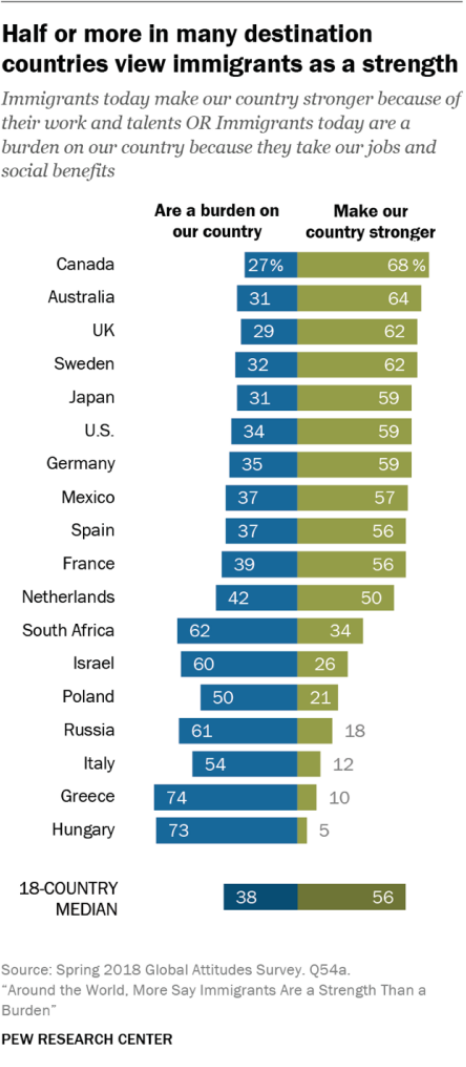
US Remains a Welcoming Country, Overall

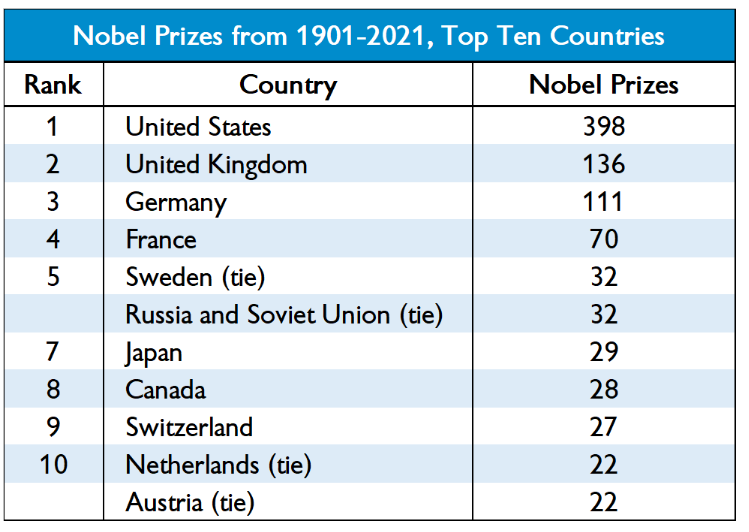
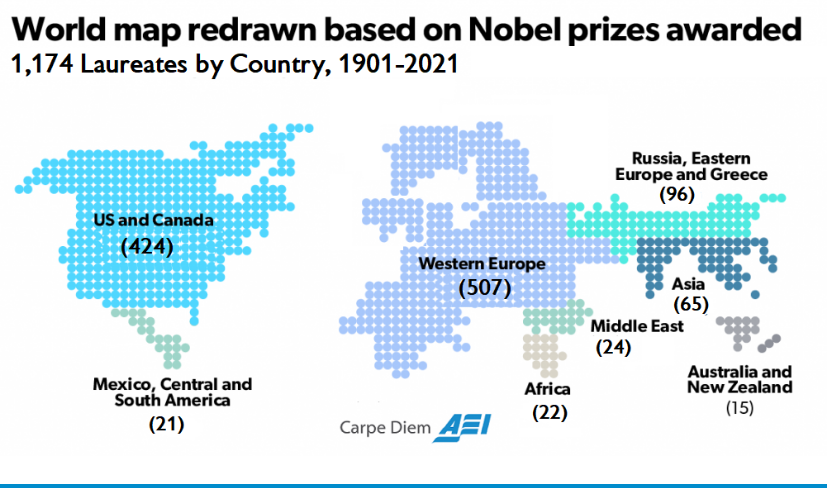
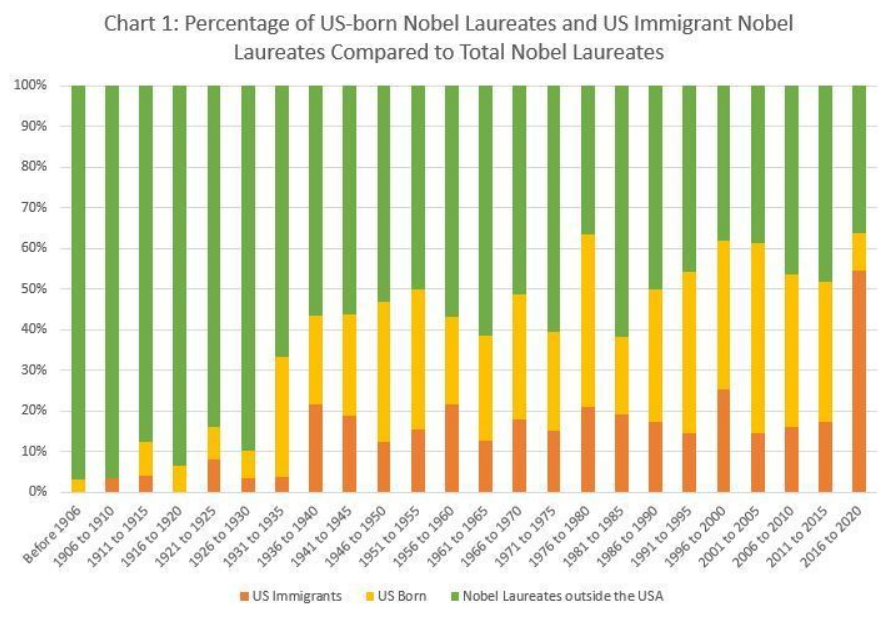
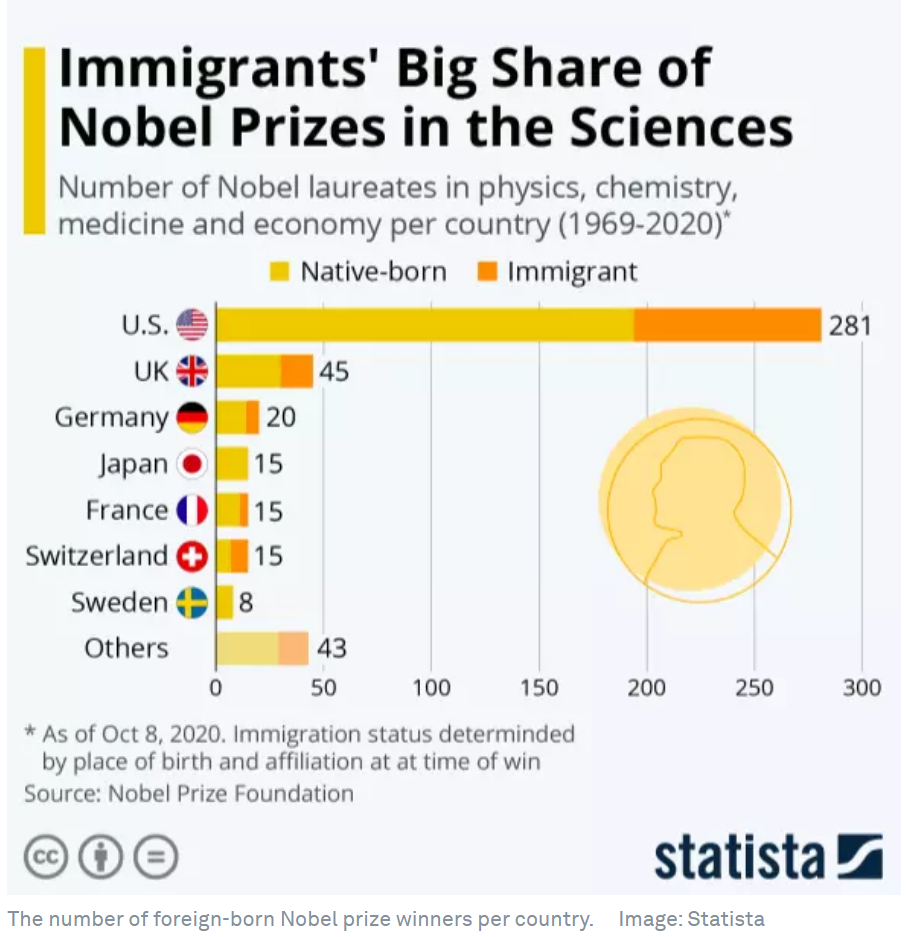
Good News: US Researchers Earn Half of All Nobel Prizes

https://iir.gmu.edu/publications/nobelprize/previous-years

https://d101vc9winf8ln.cloudfront.net/documents/41281/original/Nobel_Prize_Summary_2021.pdf?1634227855

https://www.weforum.org/agenda/2020/10/ex-pats-immigrants-nobel-prizes-laureates-science-chemistry-economics-physics-medicine

https://www.economist.com/graphic-detail/2018/05/10/the-hierarchy-of-countries-winning-nobels-in-the-sciences-is-shifting

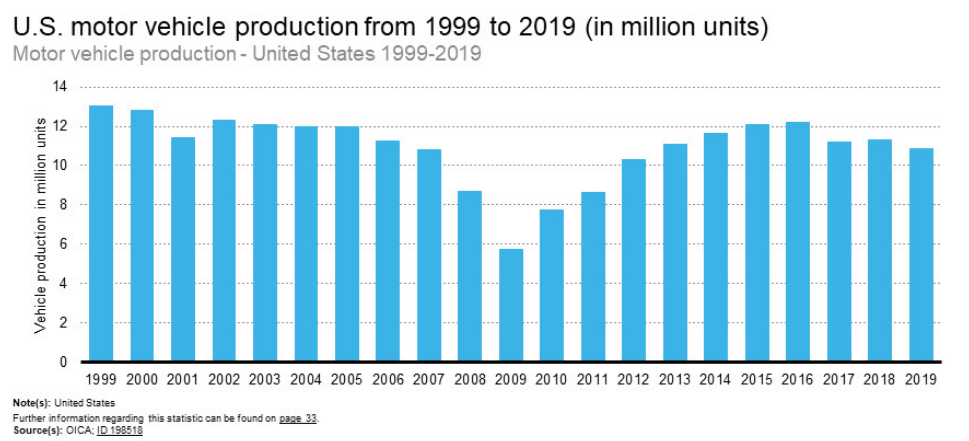
Good News: US (Still) Produces 10 Million Motor Vehicles Annually

https://www.thomasnet.com/articles/top-suppliers/car-manufacturers-in-usa/

https://www.ceicdata.com/en/indicator/united-states/motor-vehicle-production

US production is roughly same size as the EU, a larger developed market.

https://www.acea.auto/figure/eu-passenger-car-production/#:~:text=9.9%20million%20passenger%20cars%20were,during%20the%202010%2D2021%20period.

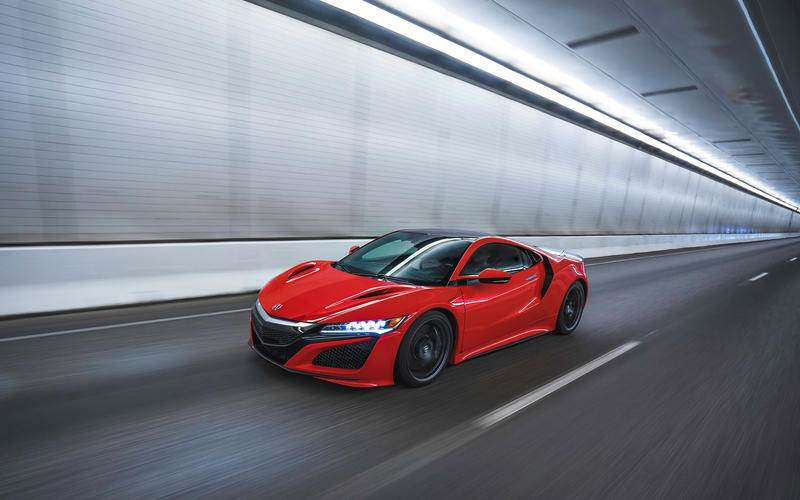
Japanese corporations produce about one-third of US output in the US. They export 400,000 vehicles from the US. Three-fourths of Japanese brand cars sold in the US are produced in the US. Japanese cars, on average, have more US (domestic) content than so-called American made cars.

https://www.autocarpro.in/feature/america-japanese-car-usa-26972

https://www.cnn.com/2019/06/26/business/japan-american-honda-hnk-intl/index.html

https://www.bizjournals.com/columbus/news/2016/06/01/japans-big-3-automakers-built-more-cars-in-u-s.html

https://www.cnbc.com/2019/05/21/japanese-automakers-tout-all-time-high-us-job-creation-pressure-on-trump.html

https://www.businessinsider.com/all-the-japanese-cars-made-in-the-usa-2017-11#toyota-avalon-toyota-motor-manufacturing-kentucky-georgetown-kentucky-13

https://www.detroitnews.com/story/business/autos/foreign/2019/06/25/american-made-cars-sold-us-japanese/39620085/

https://www.hotcars.com/11-foreign-cars-made-in-the-us-and-12-american-cars-that-arent/

https://www.motortrend.com/features/8-foreign-cars-might-surprised-made-america/